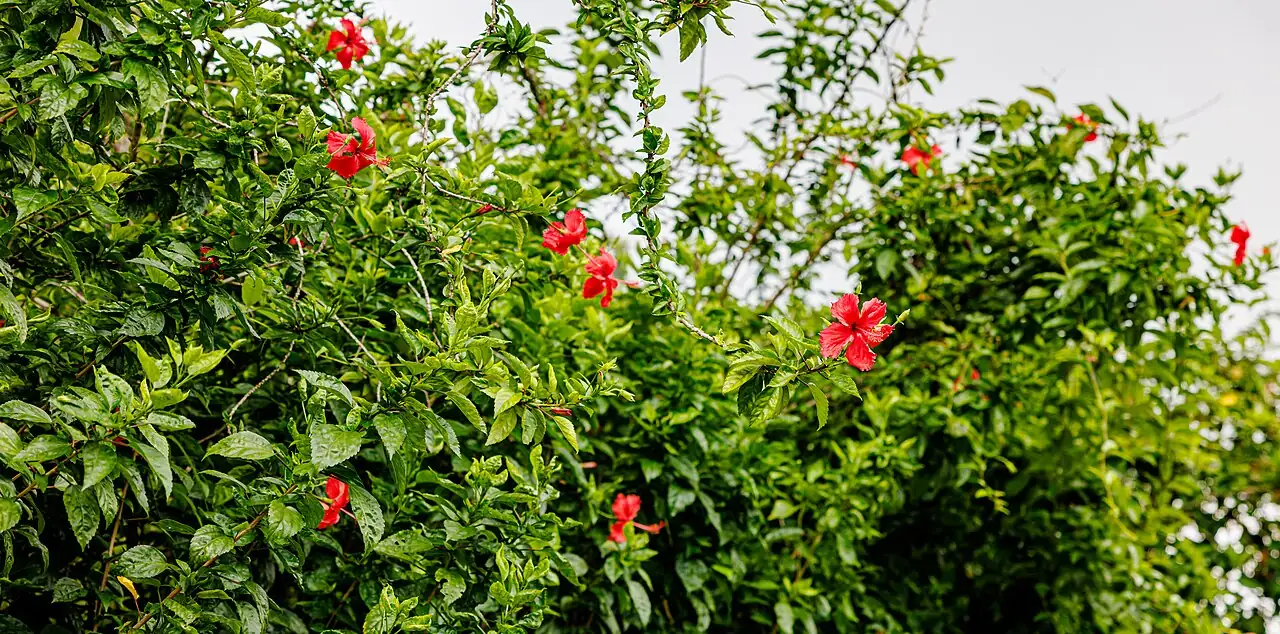
Plant Features
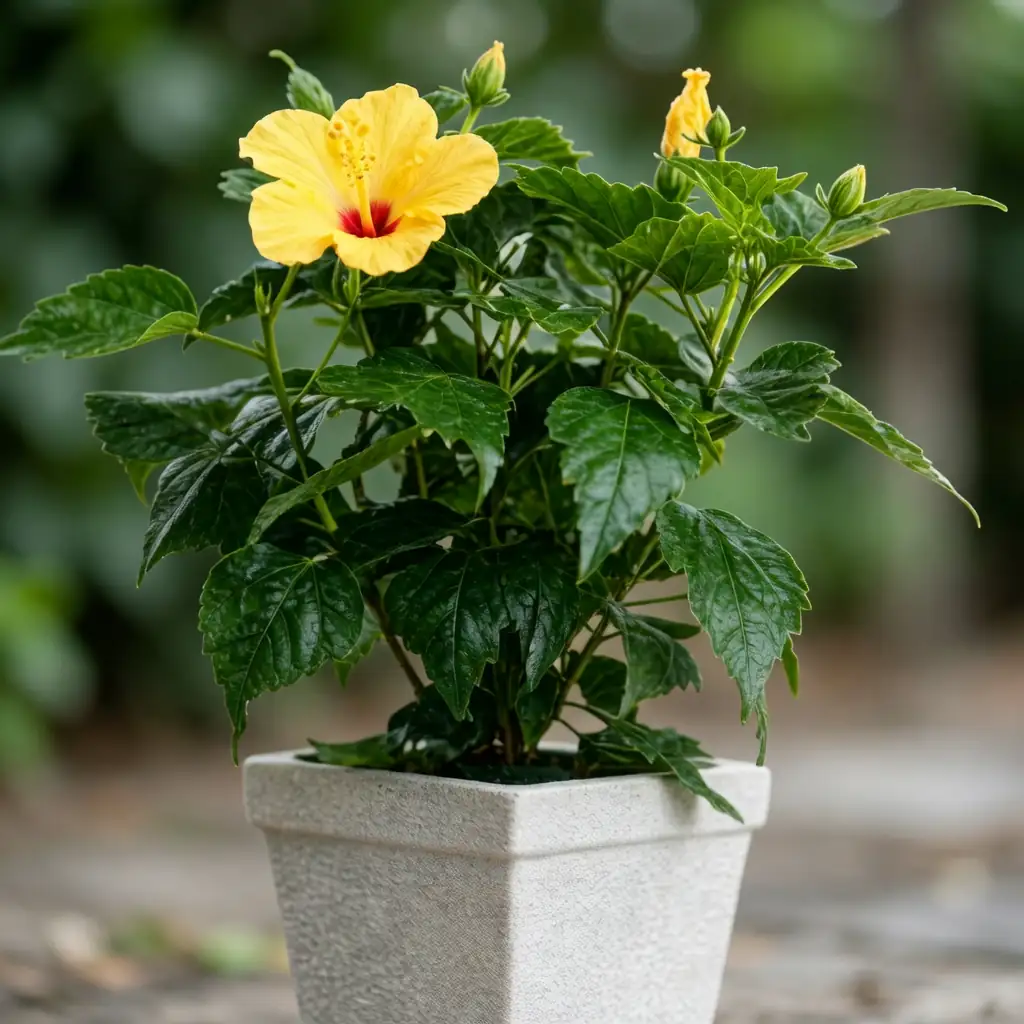
- Size: Typically up to about 1 m tall × 2 m wide (3.3 ft × 6.6 ft) in cultivation, depending on pruning and container size.
- Foliage: Dense, glossy green leaves that can form a full, leafy canopy—especially when the plant is regularly pruned to encourage branching.
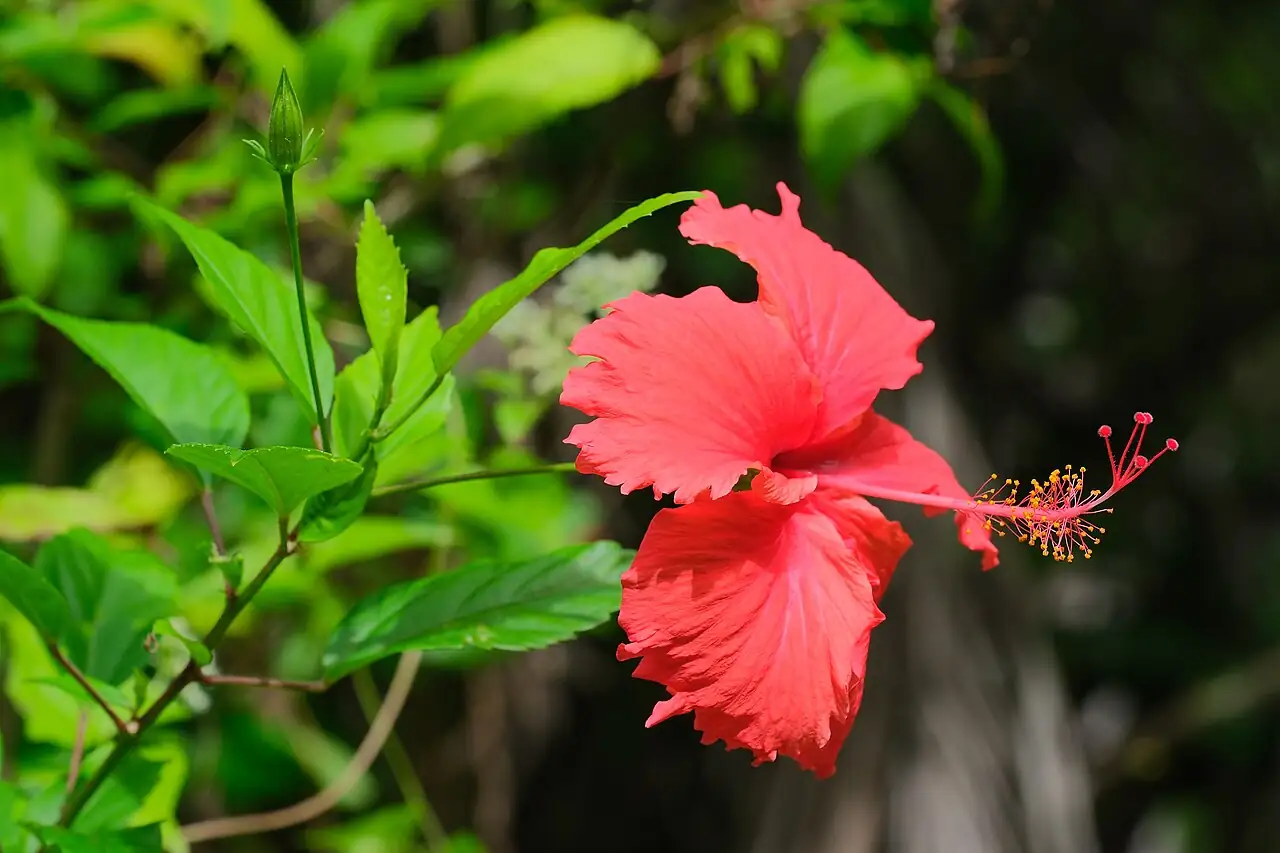
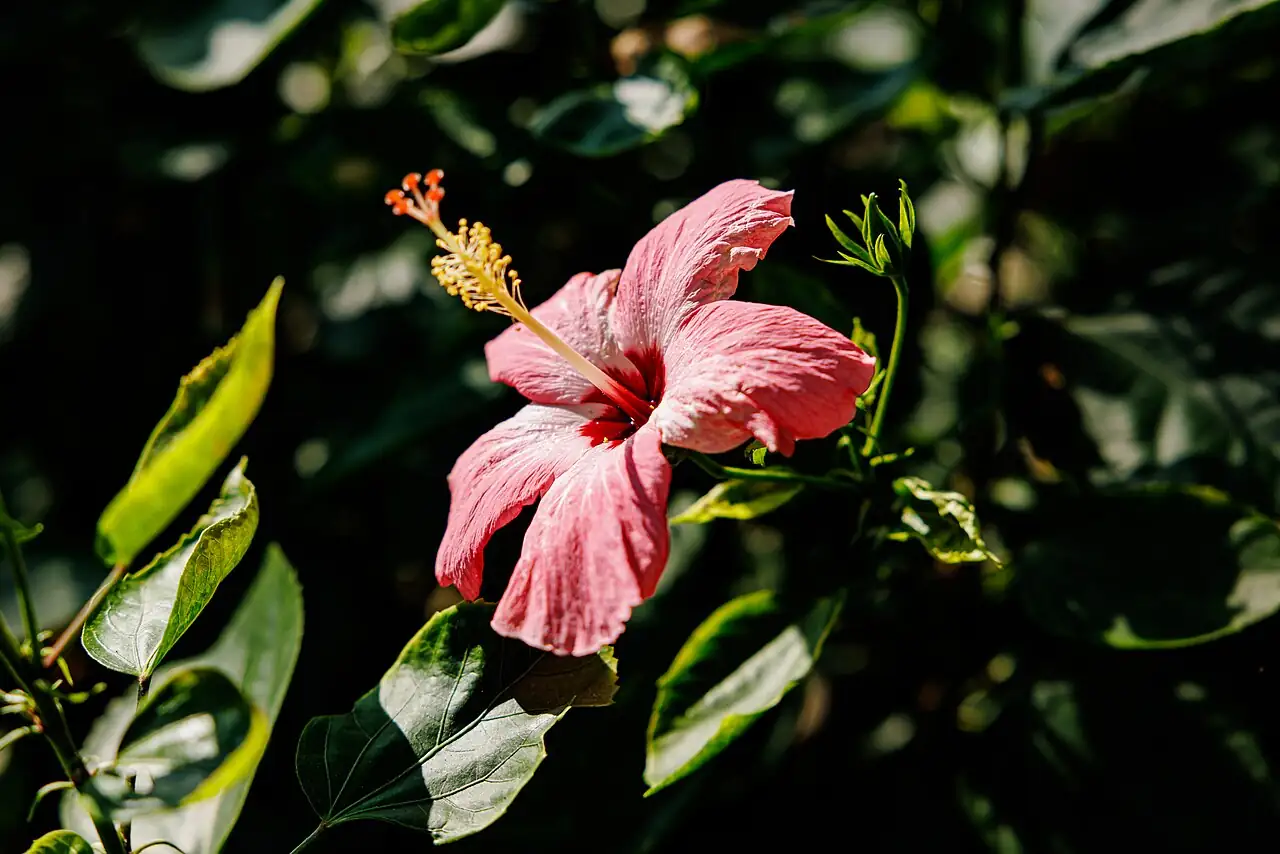
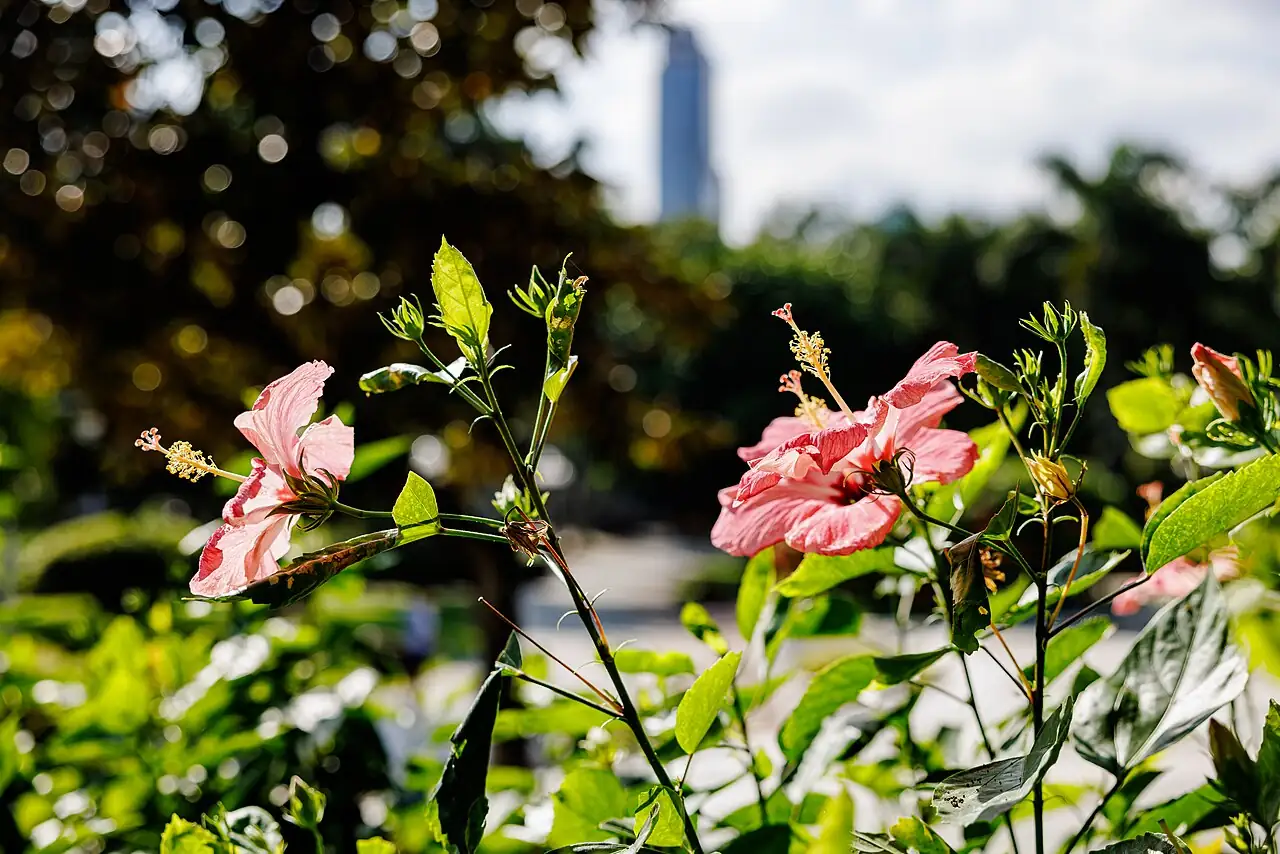
- Flower: Large, showy, trumpet-shaped flowers in white, red, yellow, or orange; many cultivars feature a dark red throat. Individual blooms often last only a day, but plants can flower repeatedly when kept warm and in strong light.
- Flowering Season: Peak bloom in summer; may flower intermittently year-round indoors if kept warm and very bright.
- Growth Habit: Evergreen shrub; commonly grown as a compact, bushy potted plant with routine shaping and renewal pruning.
Environment
Sunlight
Full sun to partial sun. Indoors, give very bright light (a sunny window or strong grow light). In hot summer conditions—especially behind glass—protect from harsh midday sun to prevent stress and scorching.
Temperature
10–26°C (50–79°F). Keep above about 10°C (50°F) and protect from cold drafts; steady warmth supports bud formation and flowering.
Humidity
Moderate humidity. Benefits from occasional misting or a pebble tray to raise local humidity (without letting the pot sit in water). Dry indoor air can encourage spider mites.
Soil
Free-draining potting mix. A practical container blend is an all-purpose potting mix combined 1:1 with a loam-based or heavier soil-based mix for stability, while still draining well.
Placement
A bright, warm spot away from drafts. In summer, keep it very bright but avoid intense, heat-trapping direct sun through glass and hot, dry airflow. A 20–25 cm (8–10 in) pot suits many container plants; stable warmth and light can extend flowering beyond summer.
Hardiness
Not frost hardy; outdoors year-round only in warm, frost-free climates (roughly USDA Zone 10–12).
Care Guide
Difficulty
Easy. It rewards you most when it gets strong light, consistently even moisture during active growth, and regular feeding.
Buying Guide
Pick a plant with healthy deep-green leaves and plenty of buds. Avoid plants with yellowing foliage or sticky residue (often a sign of sap-sucking pests). Pot into a 20–25 cm (8–10 in) container using a well-draining indoor mix (for example, equal parts all-purpose potting mix and a loam/heavier soil-based mix). Place in bright light, keep away from drafts, and shield from harsh summer sun.
Watering
Spring to autumn: keep the mix evenly moist but never soggy. Winter: reduce watering—wait until the surface dries before watering again. If humidity is low, mist occasionally or use a damp pebble tray (don’t let the base of the pot stand in water).
Fertilization
Spring to autumn: feed every 2 weeks with a balanced liquid fertilizer. In winter, reduce or pause feeding if growth slows.
Pruning
Prune in spring to keep a compact, bushy shape and to push fresh growth that will carry more flowers.
Propagation
Most commonly propagated from semi-ripe stem cuttings in warm conditions. Rooting is faster and more reliable with bottom heat and higher humidity.
Repotting
Each spring, refresh the top layer of potting mix. Repot every 2–3 years into a 20–25 cm (8–10 in) pot (or one size up if root-bound), using a free-draining mix such as all-purpose potting mix blended 1:1 with a heavier, soil-based mix.
📅 Seasonal Care Calendar
Spring: prune to shape; refresh topsoil; begin feeding every 2 weeks (continue through autumn). Spring to autumn: keep evenly moist and fertilize biweekly. Summer: provide very bright light, but protect from harsh direct sun and drafts. Winter: water less (when the surface dries) and reduce feeding. Repot every 2–3 years.
Pests, Diseases & Safety
Common Pests & Diseases
Common issues include spider mites (especially in dry air), aphids on tender growth, scale insects, and mealybugs. Improve airflow, rinse pests off with water, and use insecticidal soap or horticultural oil when needed. Overwatering or poor drainage can lead to root problems and leaf drop.
Toxicity
Generally regarded as non-toxic to humans and most pets by casual contact. If chewed, it may cause mild stomach upset in pets, so keep it out of reach of persistent nibblers.
Culture & Symbolism
Symbolism: Often linked with beauty, warmth, and a welcoming tropical vibe—an iconic “summer flower” in many gardens.
History & Legends: Cultivated across the tropics and subtropics for centuries. Because it has been grown and selected by people for so long, its precise wild origin is often considered uncertain.
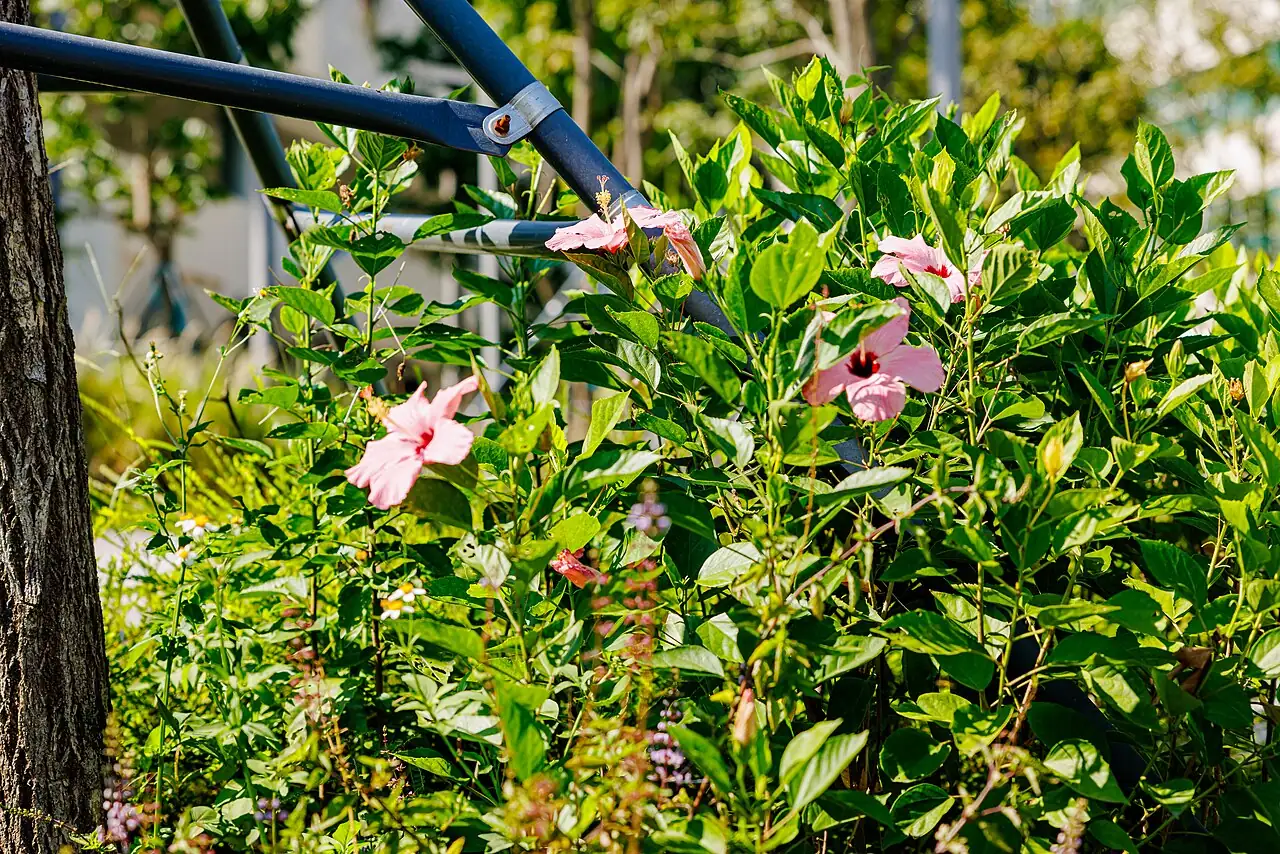
Uses: Mainly ornamental: a striking patio, balcony, conservatory, and bright indoor plant, and a popular landscape shrub in frost-free regions.
FAQ
Why does my Chinese hibiscus drop buds before opening?
Bud drop is usually stress-related—drafts, sudden temperature swings, low light, dry air, or inconsistent watering are common triggers. Keep it warm, very bright, evenly moist during the growing season, and away from blasts of hot or cold air.
Can it bloom indoors year-round?
Yes, it can bloom outside of summer if it’s kept warm and given very bright light (a sunny window or a good grow light). Feed during active growth to support continuous bud production.
Fun Facts
- A single hibiscus flower often lasts just one day, but a happy plant can replace it with fresh blooms again and again.
- Many popular plants sold today are hybrids selected for unusual colors, double flowers, and patterned petals.