


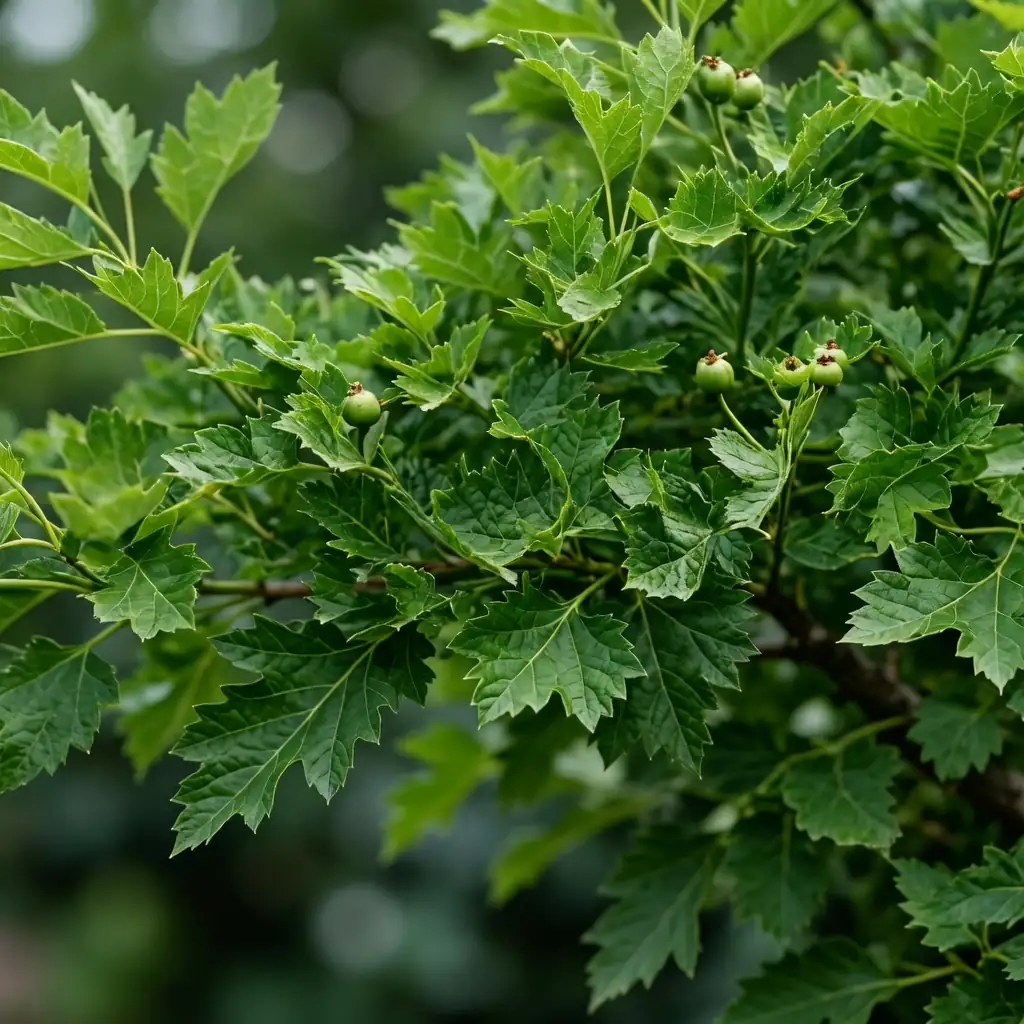
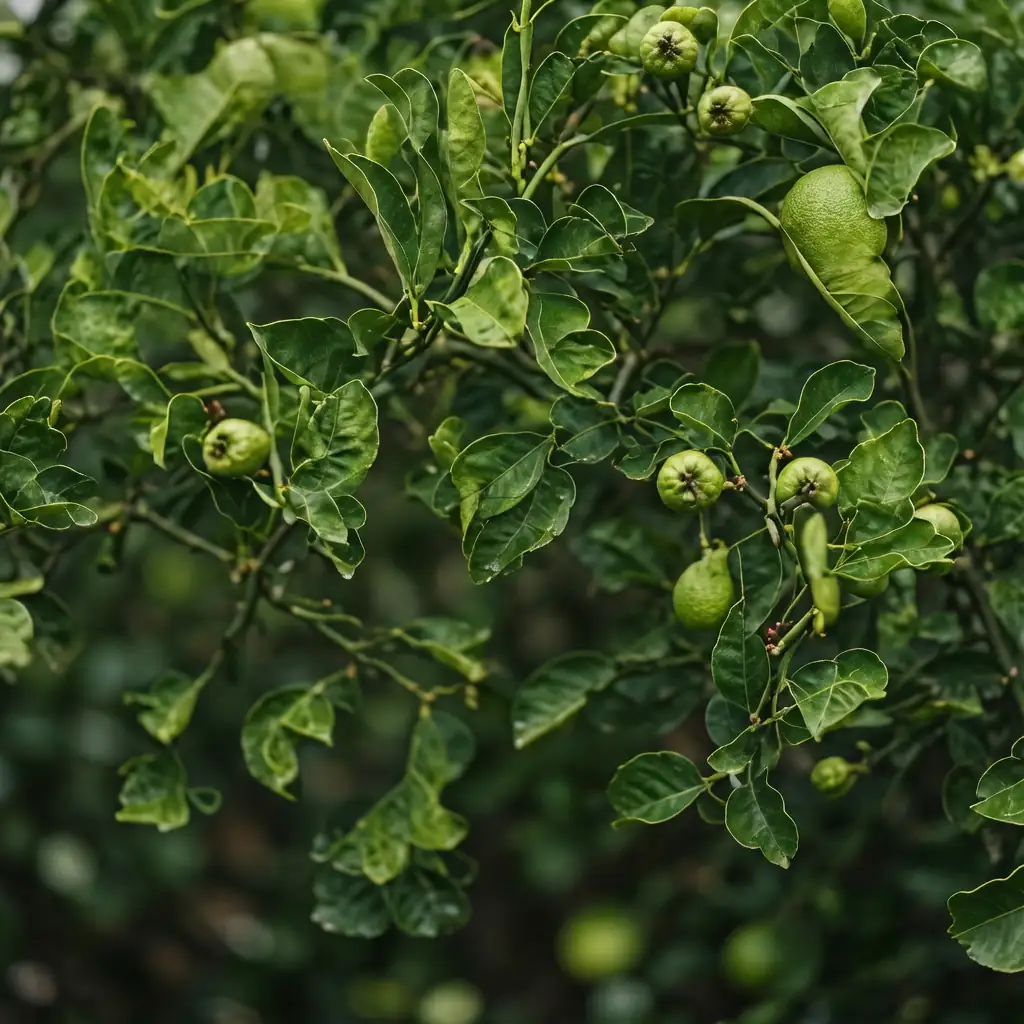
Plant Features
- Size:3–10 m (10–33 ft) tall; typically forms a small tree with a rounded crown.
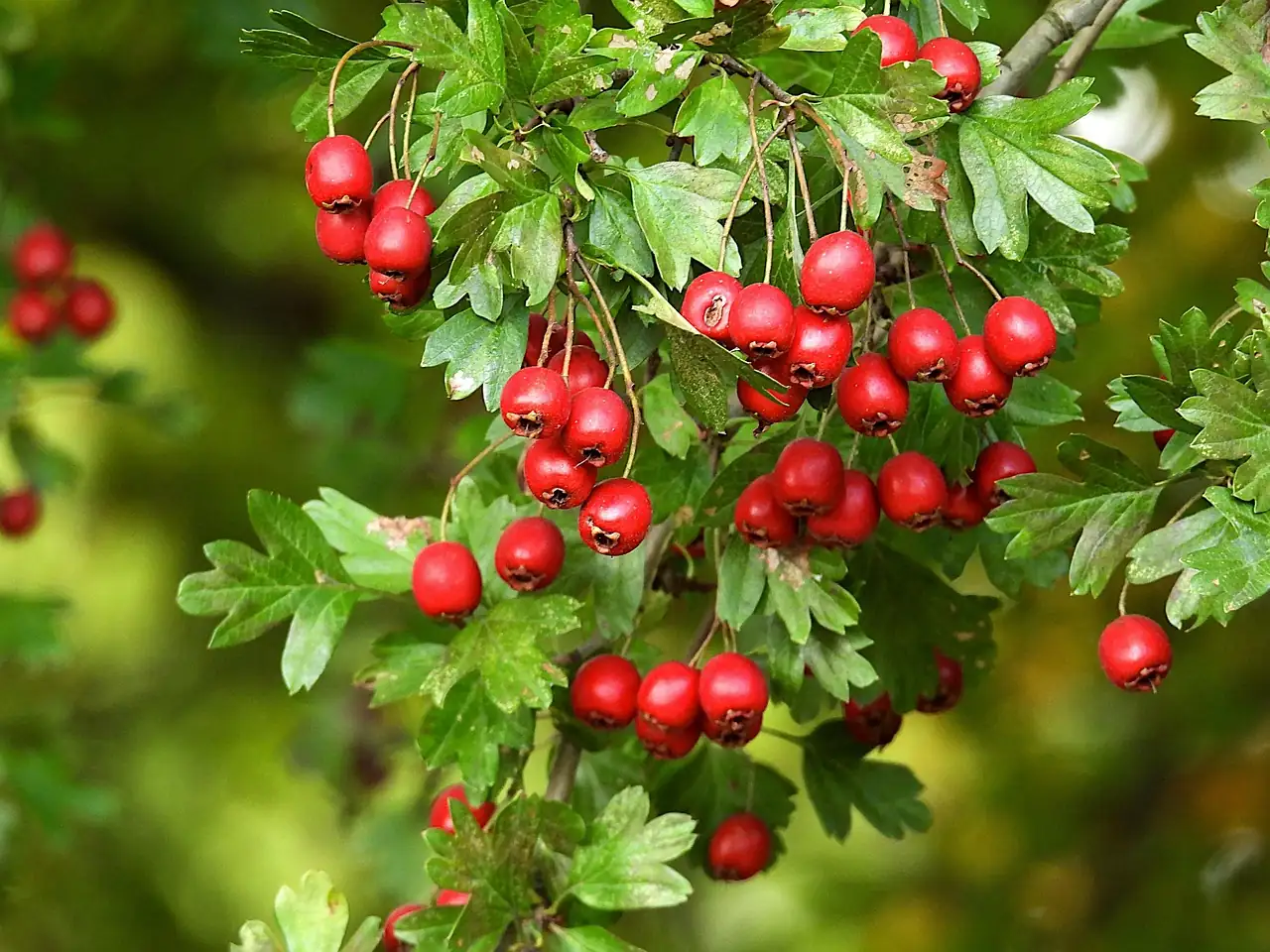
- Foliage: Leaves are broadly ovate to triangular-ovate with 3–5 deep, pinnate lobes on each side. The margins are sharply and irregularly toothed, giving the plant a distinctly cut, textured look through the growing season.
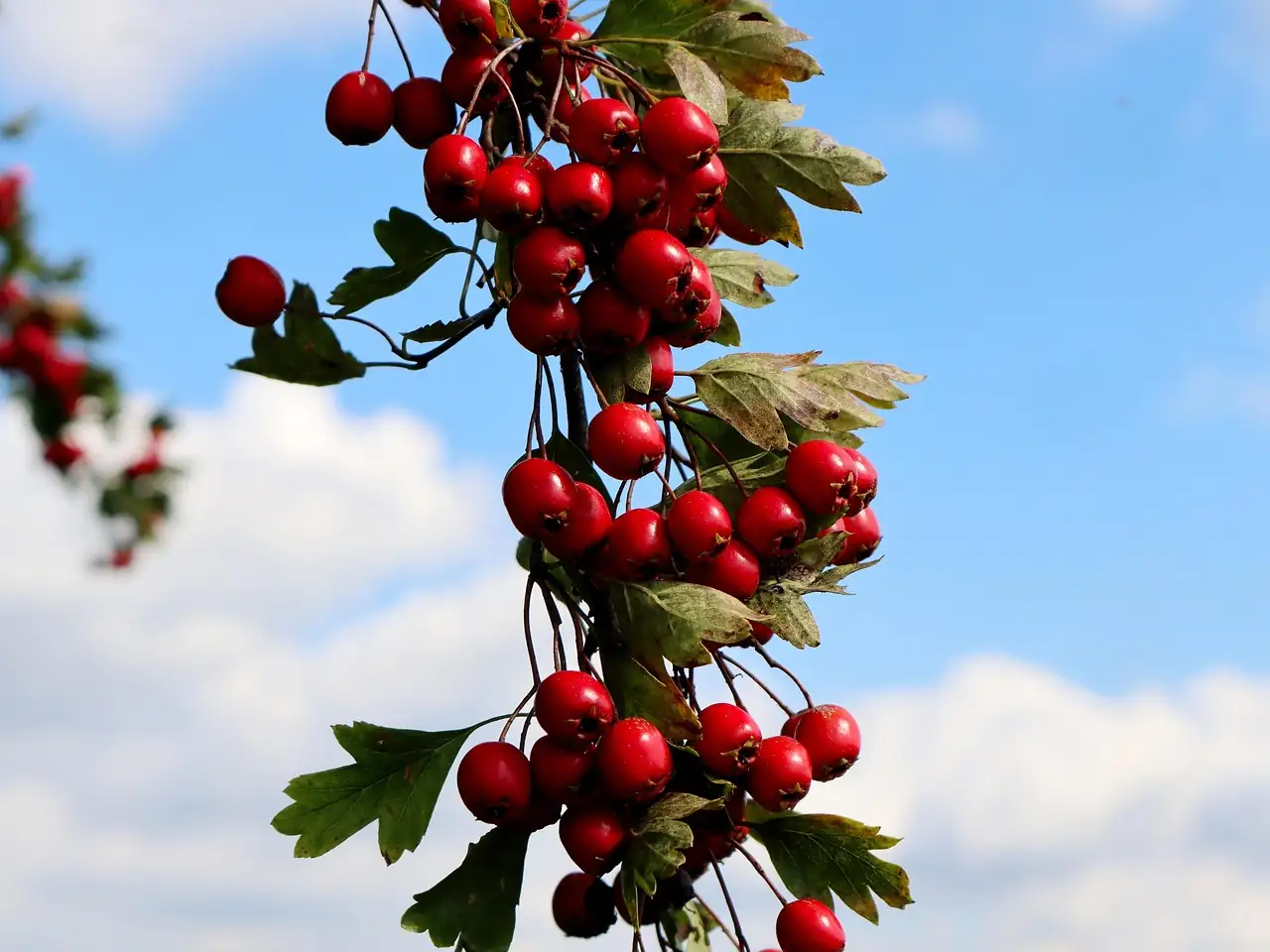
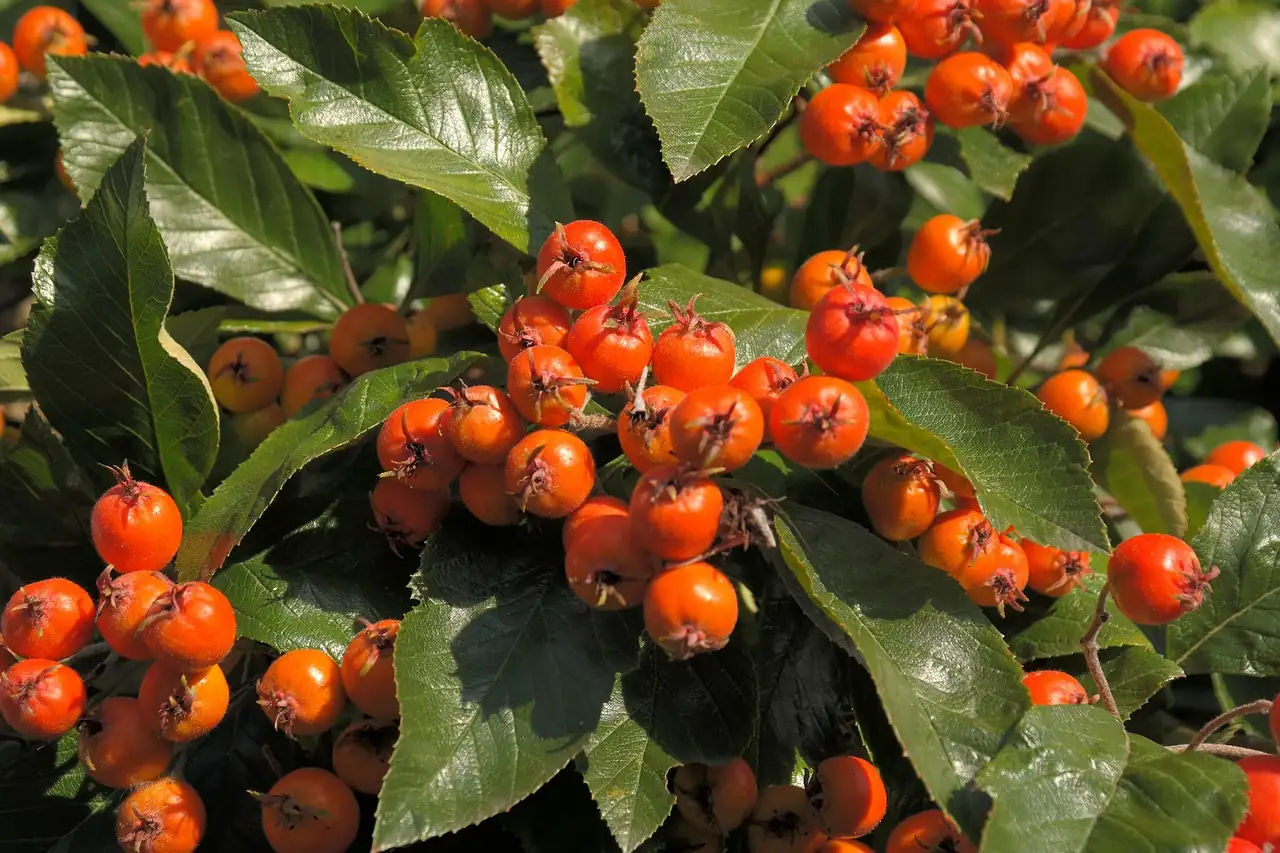
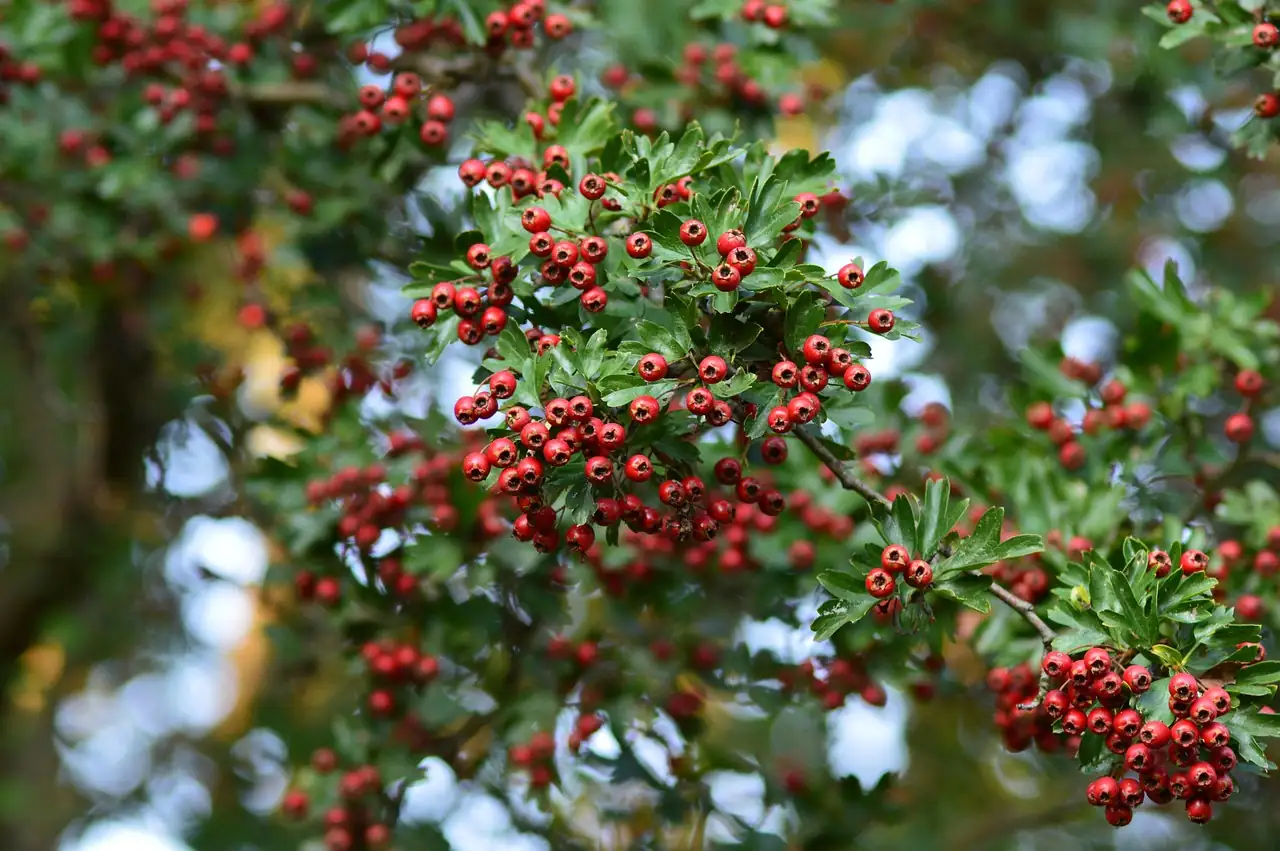
- Flower: Produces many small white flowers held in flat-topped clusters (corymbs). Fruits ripen deep red and are nearly round to pear-shaped with pale speckles; inside are typically 3–5 hard stones (seeds).
- Flowering Season: May–June
- Growth Habit: Deciduous small tree (sometimes a large shrub), generally upright when young and becoming rounded with age.
Environment
Sunlight
Full sun to partial shade; flowers and fruits most heavily in full sun.
Temperature
Prefers cool to temperate conditions; very cold-hardy and also tolerates summer warmth once established. Typical growth range about 15–30°C (59–86°F).
Humidity
Adaptable; does well with moderate moisture and humidity but can tolerate drier conditions after it’s established.
Soil
Well-drained loam or sandy loam is ideal. Tolerates a range of soils, but performs best in fertile, evenly moist, well-drained ground. Avoid waterlogged sites.
Placement
Outdoors in a sunny garden, orchard, or mixed landscape planting; also a great fit for slopes and woodland-edge style plantings.
Hardiness
Cold-hardy; typically suitable for USDA Zone 4–8 (approx.). Once established it tolerates drought, but consistently wet conditions can encourage soft, leggy growth and more disease pressure.
Care Guide
Difficulty
Easy to moderate; a tough, adaptable tree once established.
Buying Guide
Look for clean bark and a healthy structure: either a strong central leader or well-spaced scaffold branches. Avoid plants with cankers, dieback, or obvious damage. If fruit is your main goal, choose a named fruiting cultivar when available and ask locally about pollination needs.
Watering
Water regularly during establishment (the first 1–2 years). After that, water during prolonged dry spells. Aim for evenly moist soil—not soggy—because overwatering can push weak, overly vigorous shoots and reduce fruit quality.
Fertilization
In early spring, top-dress with compost or use a balanced slow-release fertilizer if growth is weak. Avoid heavy nitrogen, which can lead to lots of leaves but fewer flowers and fruits.
Pruning
Prune in late winter to early spring while dormant to shape the canopy, remove crossing/rubbing branches, and improve airflow. Remove suckers and promptly cut out dead, diseased, or damaged wood.
Propagation
Propagated by seed (often needing cold stratification) or by grafting/budding onto compatible hawthorn rootstocks to keep desirable fruiting traits consistent.
Repotting
Usually grown in the ground. If kept in a container while young, move up to a deeper pot every 1–2 years using a fresh, well-drained mix; plant out once established.
📅 Seasonal Care Calendar
Flowers: May–June. Fruits: September–October. Thin overcrowded fruit clusters if needed to improve fruit size and reduce branch strain; harvest when fully colored and pleasantly aromatic.
Pests, Diseases & Safety
Common Pests & Diseases
Potential pests include aphids, scale insects, caterpillars, and spider mites. Diseases may include leaf spots, rust, and powdery mildew; like many members of the rose family, it can be susceptible to fire blight in some regions. Give it airflow, avoid overhead watering, and prune out infected material to reduce problems.
Toxicity
The fruit is edible, but the hard stones/seeds are not eaten. Hawthorn supplements/extracts may interact with heart or blood-pressure medications—use medicinally only with appropriate professional guidance.
Culture & Symbolism
Symbolism: Often linked with vitality and health, reflecting its long-standing role as both a beloved food fruit and a traditional herbal ingredient.
History & Legends: A familiar classic in Chinese food culture—especially famous for being made into candies, skewers, preserves, and dried fruit—Chinese hawthorn has also been appreciated as a dual-purpose ornamental tree for its spring bloom and autumn fruit display.
Uses: Fruit is eaten fresh, dried, or cooked into jams, preserves, and candies. Dried fruit is traditionally used to support digestion, while modern products often focus on hawthorn’s cardiovascular-associated compounds (with caution due to possible drug interactions). Also planted ornamentally for flowers and fruit, and it can provide seasonal food for wildlife.
FAQ
Will Chinese hawthorn fruit better in sun or shade?
It can grow in partial shade, but full sun gives the best flowering and the heaviest, sweetest (least sour) crops.
Why is my tree growing lots of leafy shoots but not fruiting well?
Too much nitrogen fertilizer and/or overly wet soil can push leafy growth at the expense of flowers and fruit. Use balanced feeding, avoid heavy nitrogen, and keep the soil well-drained.
When should I harvest the fruit?
Harvest in early to mid-autumn (often September–October), once the fruits are fully red, lightly fragrant, and come away easily.
Fun Facts
- The fruit commonly has pale speckles and usually contains multiple hard stones—often 3–5.
- It’s the signature fruit behind many classic Chinese hawthorn candies and preserves.
- In the wild, it often grows along sunny hillsides and woodland margins—clues to the bright light it loves in gardens.
- Once established, it’s notably tough and can handle cold winters and periods of drought.


