Plant Features
- Size: Typically kept at about 80–100 cm (31–39 in) tall in compact landscape use; with age and lighter pruning it can grow larger, developing into a bigger shrub or small tree.
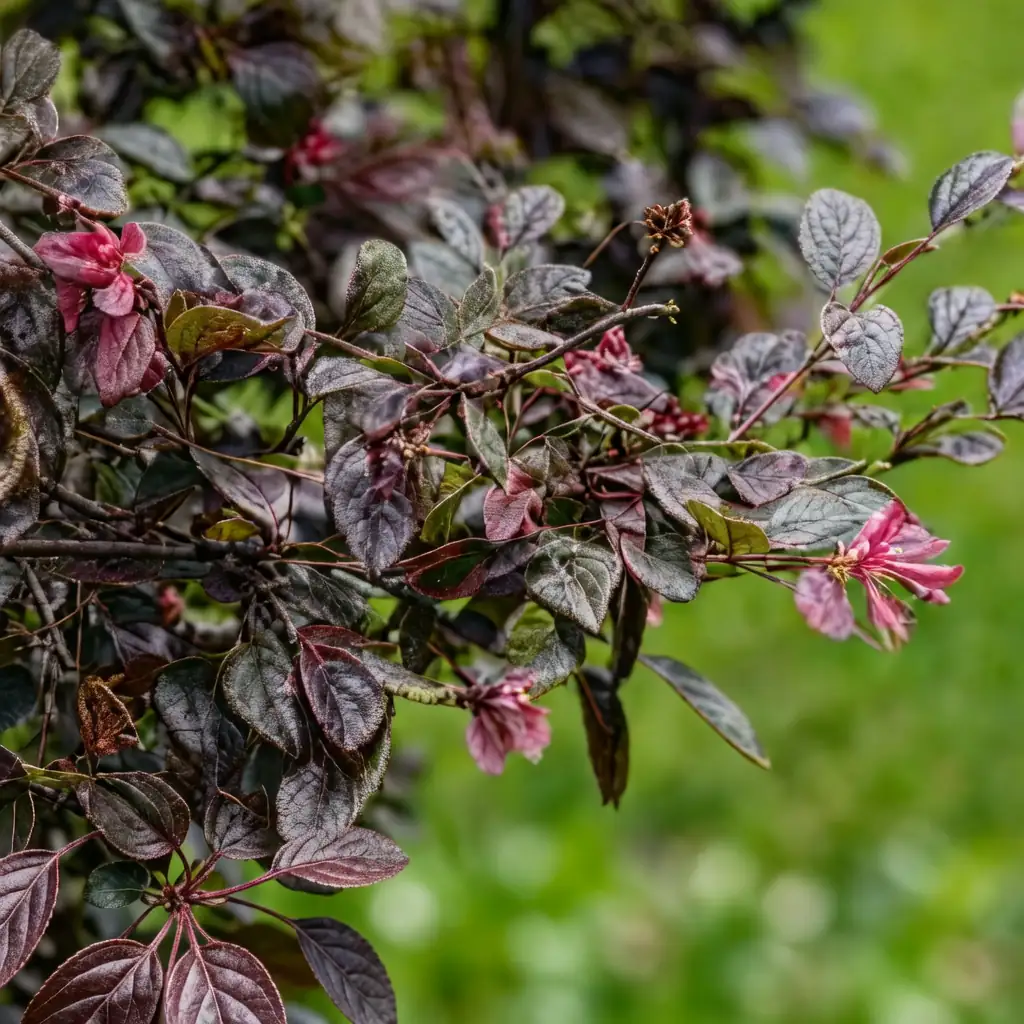
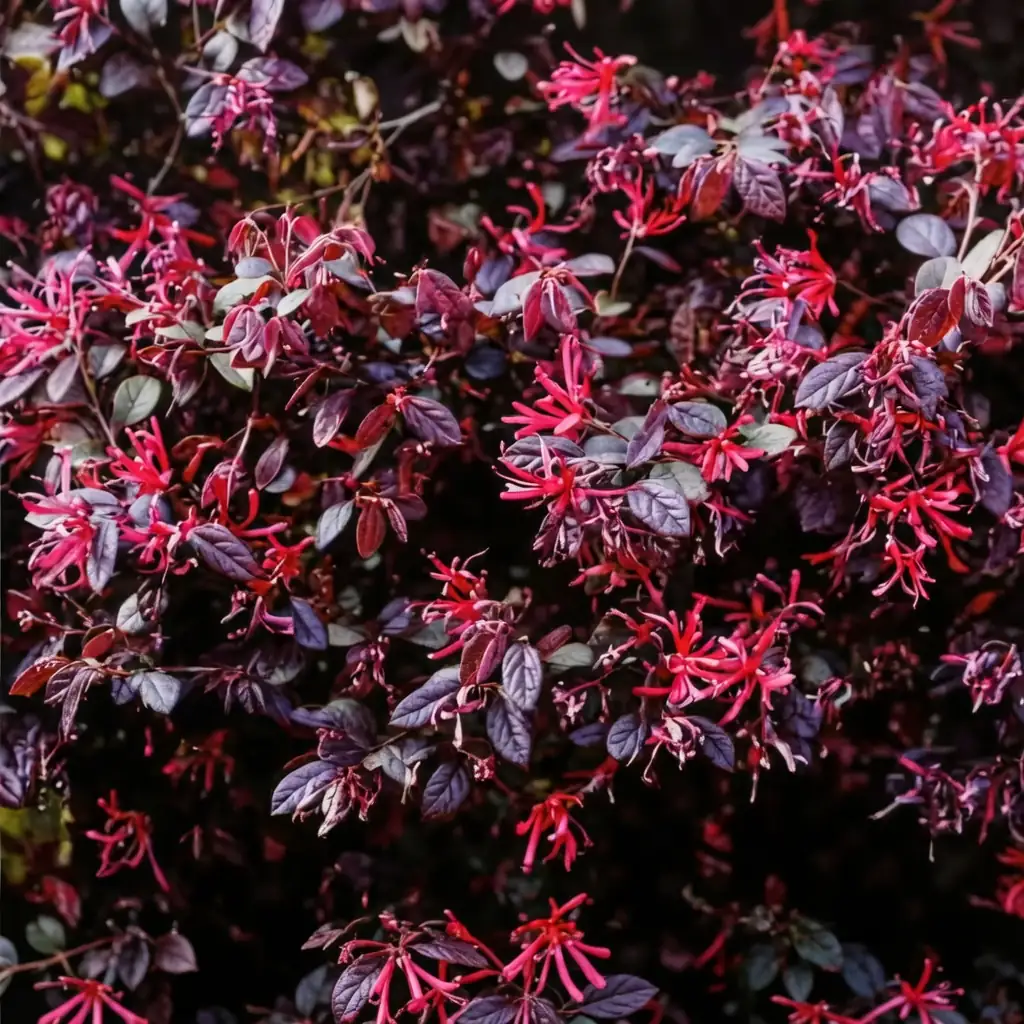
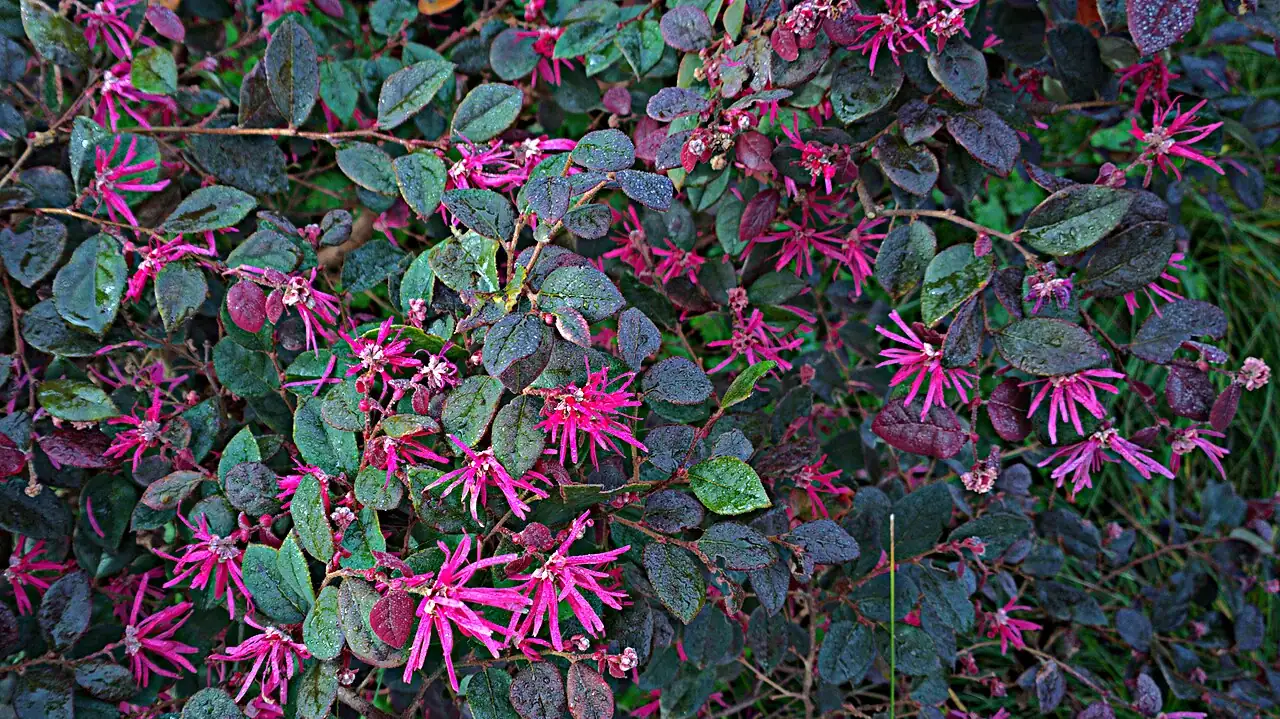
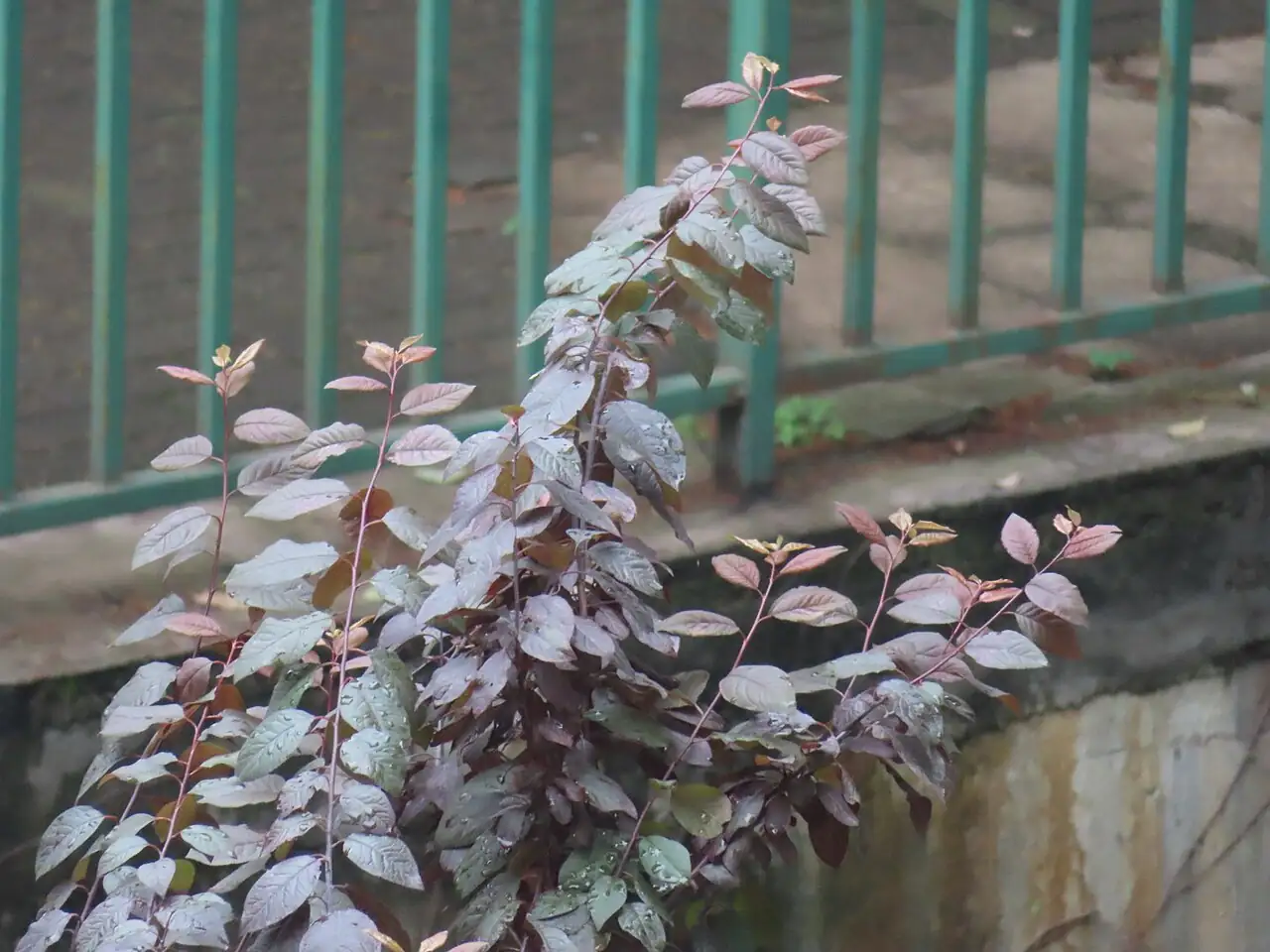
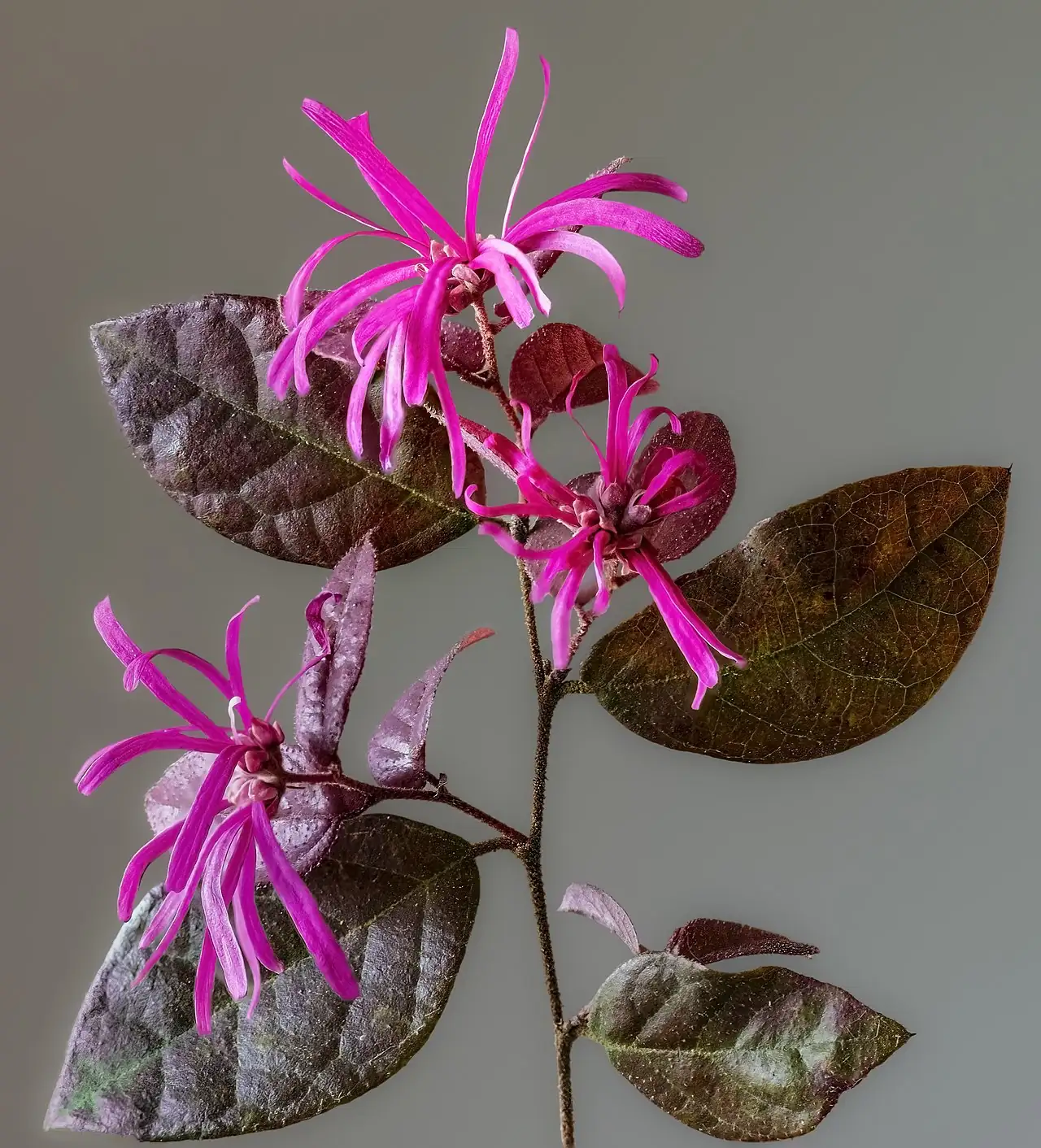
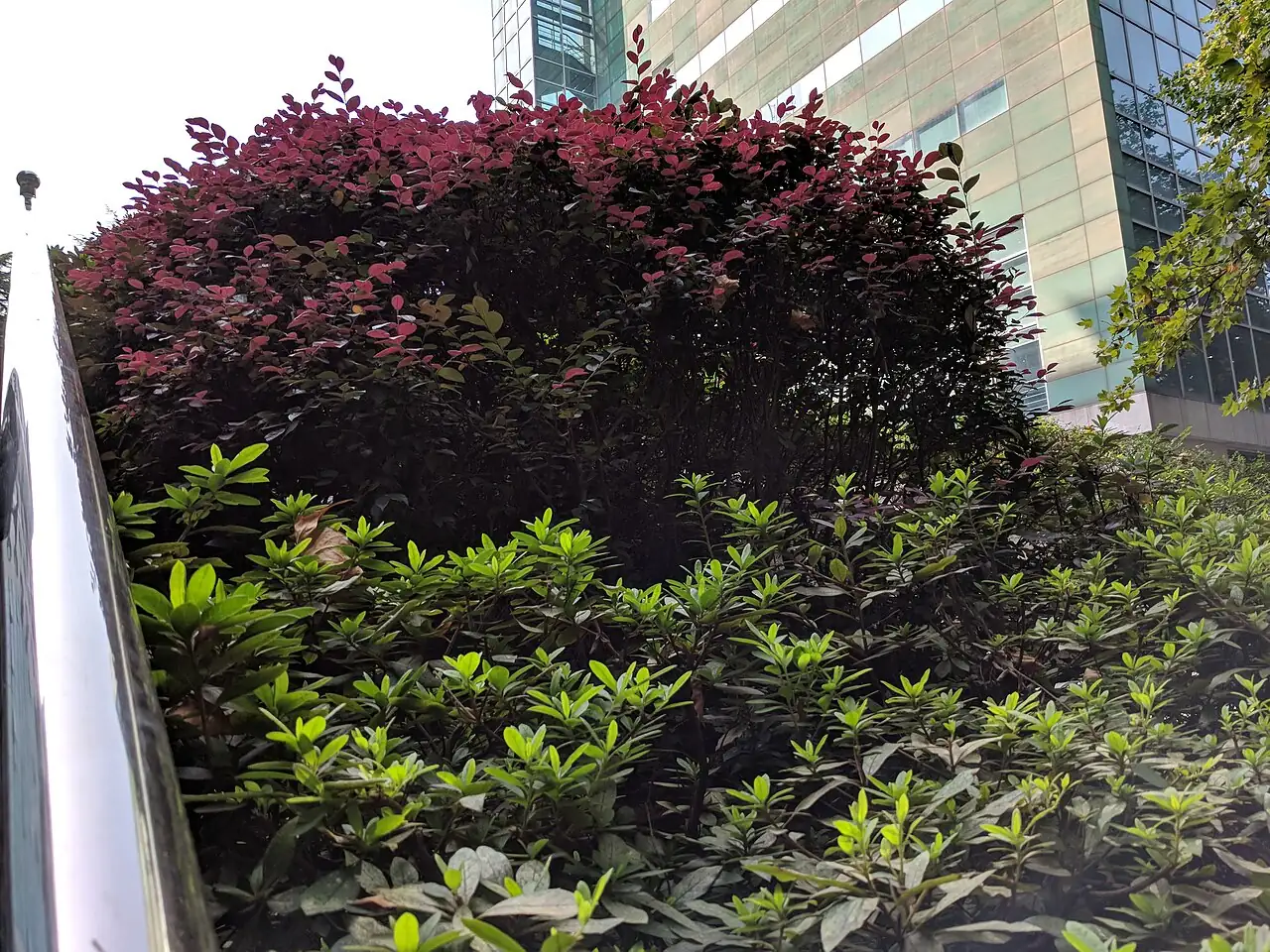
- Foliage: Leaves are leathery and alternately arranged, usually deep burgundy to dark red; in lower light they may trend greener. Young stems are often reddish-brown, and some plants show fine star-shaped hairs on leaves and new growth, creating a subtly velvety texture.
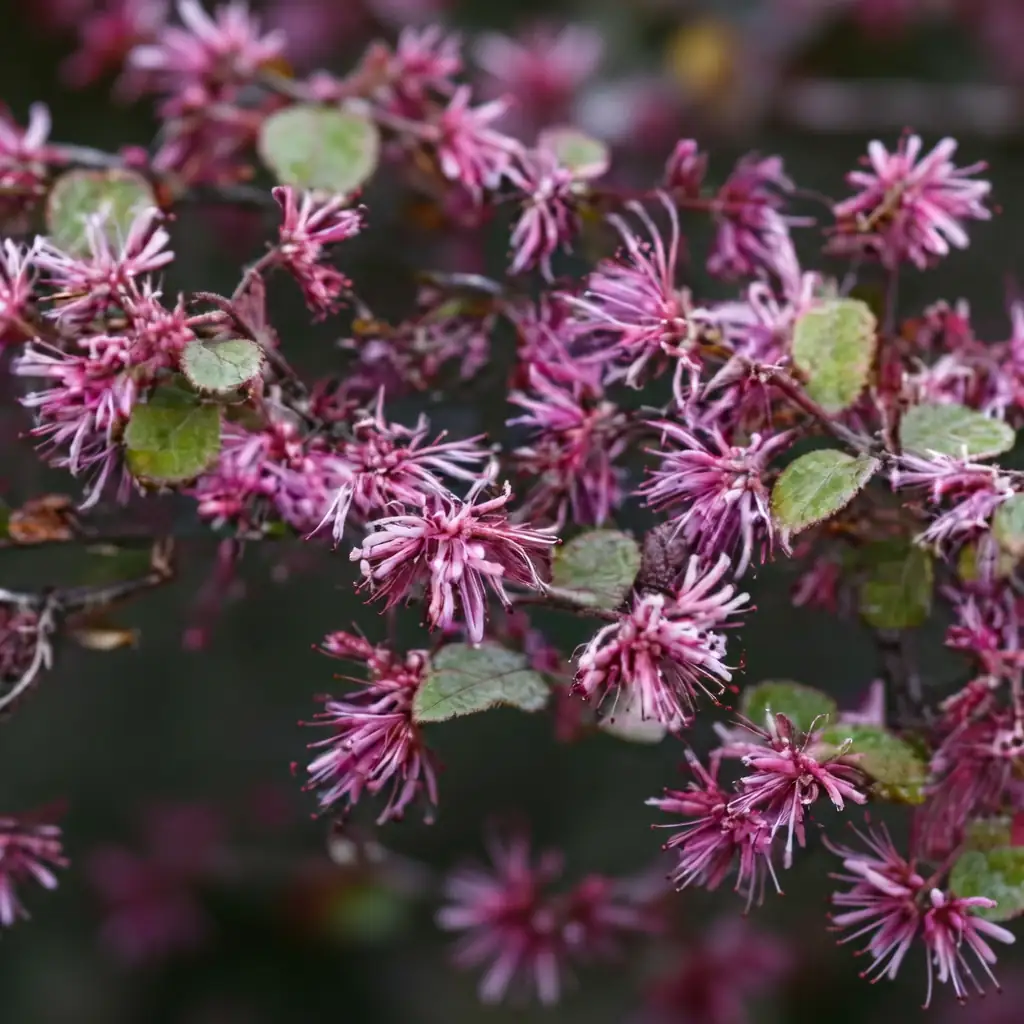
- Flower: Flowers appear in small clusters of about 3–8 at shoot tips. Each bloom has 4 narrow, strap-like petals—giving the classic “fringe” look—in rich magenta to purplish red, roughly 1–2 cm (0.4–0.8 in) long. After flowering it may form a small brown capsule fruit.
- Flowering Season: April–May (spring)
- Growth Habit: Evergreen, densely branched shrub or small tree with strong branching and vigorous resprouting. Exceptionally tolerant of clipping and shaping, which encourages a thick, hedge-ready form.
Environment
Sunlight
Full sun to partial shade. For the deepest burgundy leaf color, give as much sun as practical; in heavier shade foliage often becomes greener.
Temperature
Prefers warm conditions; a good growing range is about 15–28°C (59–82°F). Once established it can tolerate winter chill depending on local exposure and cultivar.
Humidity
Moderate humidity is ideal. It enjoys evenly moist conditions, but becomes relatively drought-tolerant after establishment.
Soil
Best in fertile, well-drained, consistently moist, slightly acidic soil. It can tolerate poorer soils as long as drainage is good (avoid waterlogged sites).
Placement
Excellent for hedges/screens, mass planting and patterned beds, clipped shrub balls and topiary, specimen shrub/small tree use, courtyards, and containers (including bonsai-style training).
Hardiness
USDA Zones 7–10 (roughly minimums from about −17 to −1°C / 1–30°F depending on cultivar and protection).
Care Guide
Difficulty
Easy. Adaptable and forgiving—tolerates leaner soils and short dry spells once established, and responds extremely well to pruning and shaping.
Buying Guide
Pick plants with dense branching and evenly colored foliage (sun-grown stock should show strong red/purple tones). Check carefully for scale insects and sooty mold. Avoid badly root-bound plants with circling roots; choose a plant that feels firmly rooted (not wobbling) in the pot.
Watering
Water deeply after planting to establish roots. After that, let the top few centimeters of soil dry slightly before watering again. In containers, water when the top 2–5 cm (1–2 in) of mix feels dry—then water thoroughly and let excess drain.
Fertilization
Feed lightly in spring with a balanced, slow-release fertilizer. For container plants, use a diluted liquid fertilizer every 4–6 weeks during active growth (spring–summer). Avoid heavy nitrogen if you want stronger leaf color and less overly soft growth.
Pruning
Prune right after the main spring bloom to keep shape and encourage dense branching. It tolerates hard pruning and frequent clipping for hedges/topiary. Remove dead, weak, or crossing branches whenever noticed.
Propagation
Most commonly propagated from semi-hardwood cuttings taken in summer. Rooting hormone plus warm, humid conditions improves success.
Repotting
For container plants, repot every 2–3 years in spring into a slightly larger pot with a free-draining, slightly acidic mix. If not repotting, refresh the top layer of soil annually.
📅 Seasonal Care Calendar
Spring (April–May): peak flowering; prune and shape after bloom, and keep moisture steady during the spring flush. Summer: take semi-hardwood cuttings; monitor watering in heat. Late summer (around August): fruiting may occur. Winter: protect from harsh exposure in colder parts of its range and avoid soggy soil.
Pests, Diseases & Safety
Common Pests & Diseases
Generally resilient. Possible pests include scale insects, aphids, and spider mites (especially in hot, dry conditions). Poor drainage can lead to root problems. Maintain airflow, avoid overwatering, and treat outbreaks with horticultural soap or oil when needed.
Toxicity
No widely established toxicity to humans or pets is commonly reported for Loropetalum in major references. Still, chewing or ingesting ornamental plants can cause mild stomach upset—so it’s best kept out of reach of pets and small children.
Culture & Symbolism
Symbolism: Often associated with vitality and year-round garden color, thanks to its evergreen habit, richly pigmented leaves, and bright spring blooms.
History & Legends: A red-leaved horticultural form of Loropetalum chinense that rose to popularity in gardens for its dramatic foliage color and its willingness to be clipped into tidy, sculptural shapes.
Uses: A widely used ornamental for landscaping and urban greening—especially for colorful hedges, mass plantings, clipped forms and topiary, small specimen trees, and container/bonsai-style displays.
FAQ
When does it flower?
Usually in spring, around April–May.
When does it set fruit?
Often around August, forming small brown capsule fruits after flowering.
How tall does it grow?
It’s commonly maintained at about 80–100 cm (31–39 in) with pruning, but it can become a larger shrub or small tree if allowed to grow more freely.
Where is it native/found?
It’s mainly found in China’s middle and lower Yangtze River region and areas further south.
What growing conditions suit it best?
Full sun to partial shade (best leaf color in more sun), well-drained slightly acidic soil, and moderate moisture—especially while establishing. It’s drought-tolerant once established and very tolerant of pruning.
Fun Facts
- Each flower looks like a tiny burst of fringe because it has four narrow, ribbon-like petals.
- The richer the sunlight, the deeper the burgundy foliage tends to be—shade often makes it greener.
- It’s prized for shaping because it resprouts readily after pruning and clips into dense forms.
- Even though it tolerates drought once established, it looks freshest with evenly moist, well-drained soil.
- Some plants have fine, star-shaped hairs on young growth, giving the leaves a soft, slightly velvety feel.