

Plant Features
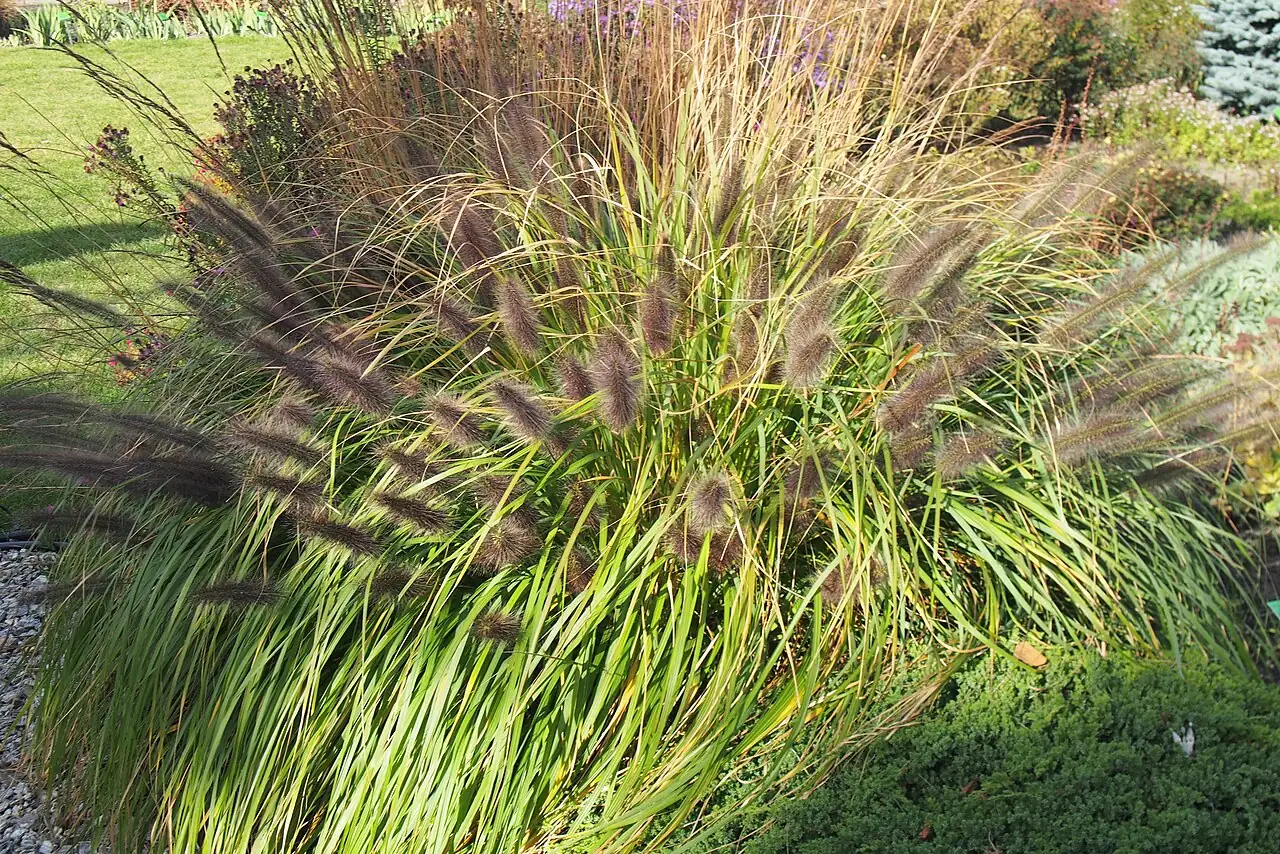
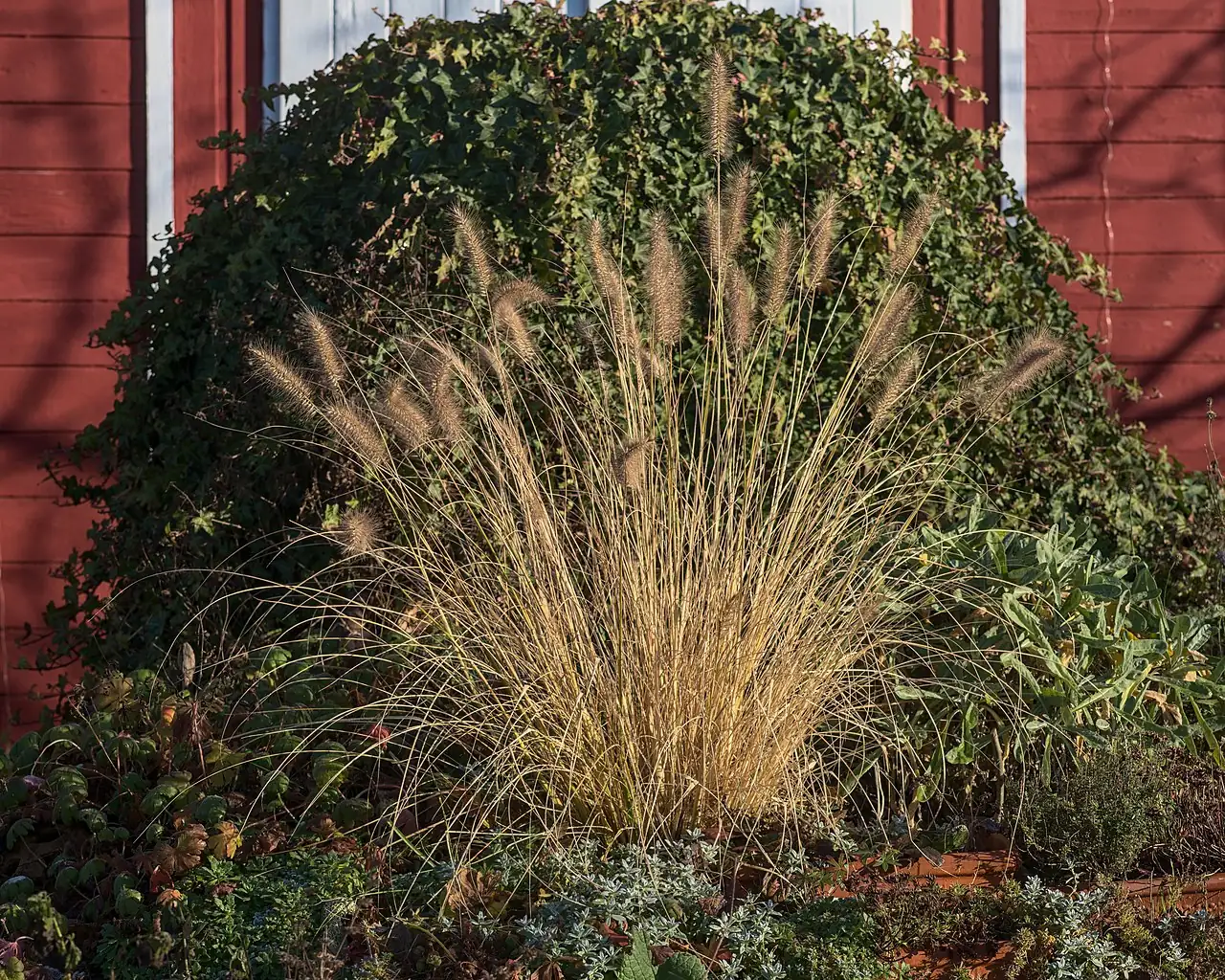
- Size: Typically 30–120 cm (12–47 in) tall; clumps commonly spread about 30–90 cm (12–35 in), depending on cultivar and conditions.
- Foliage: Narrow, linear leaves with pointed tips form dense, fountain-like tufts. Foliage is usually fresh green through the growing season and can shift into warm tan tones in autumn; older leaves can feel sharp or abrasive when handled.
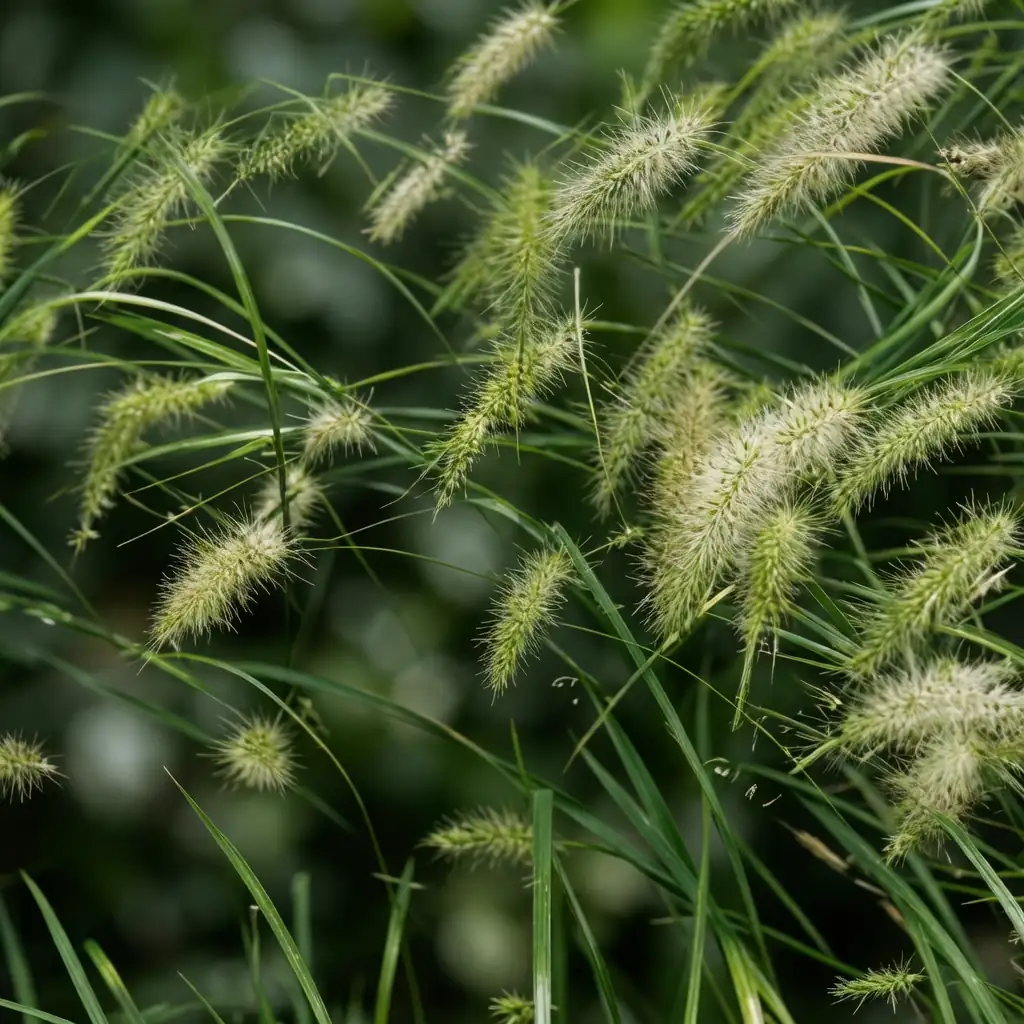
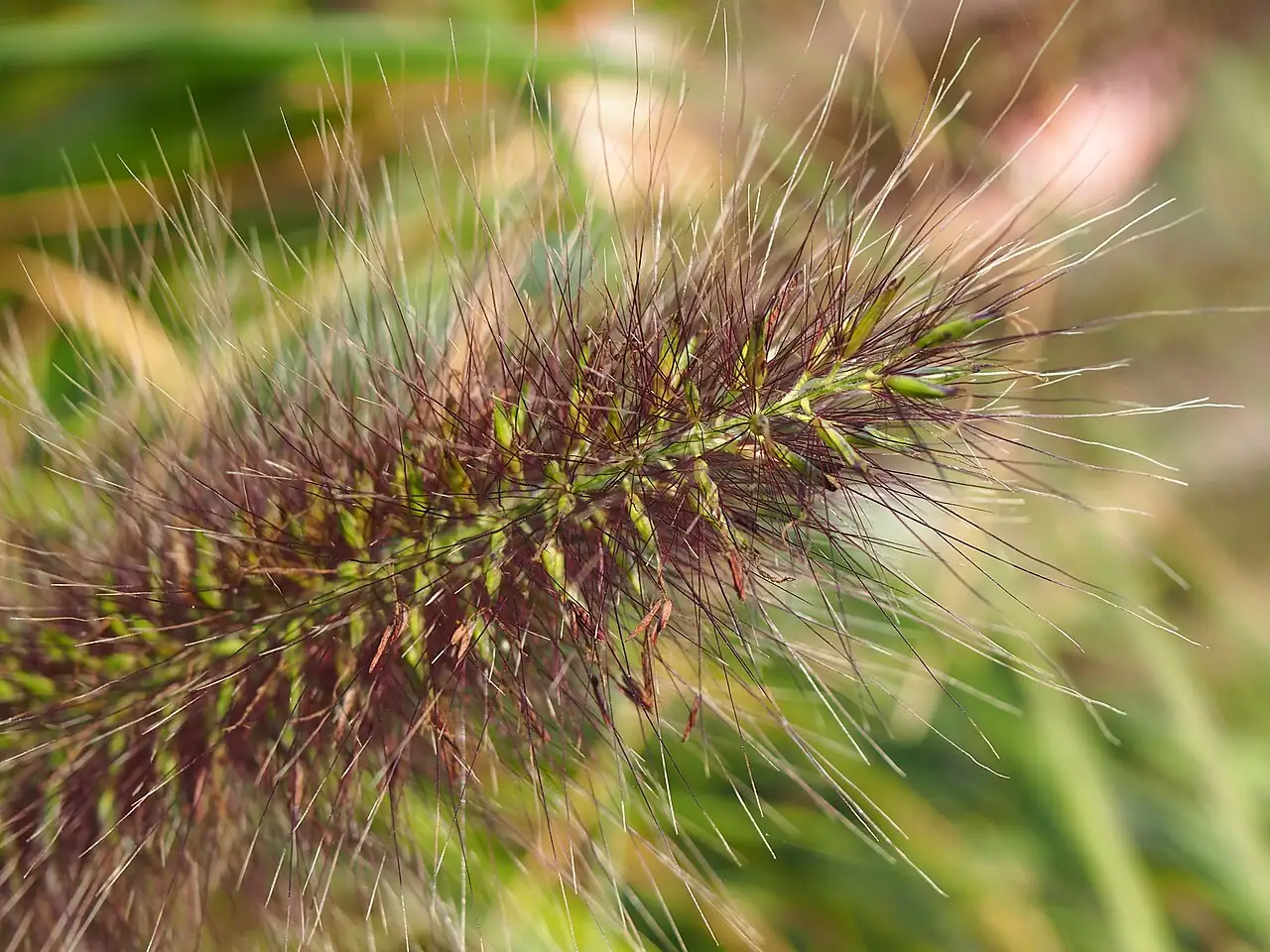
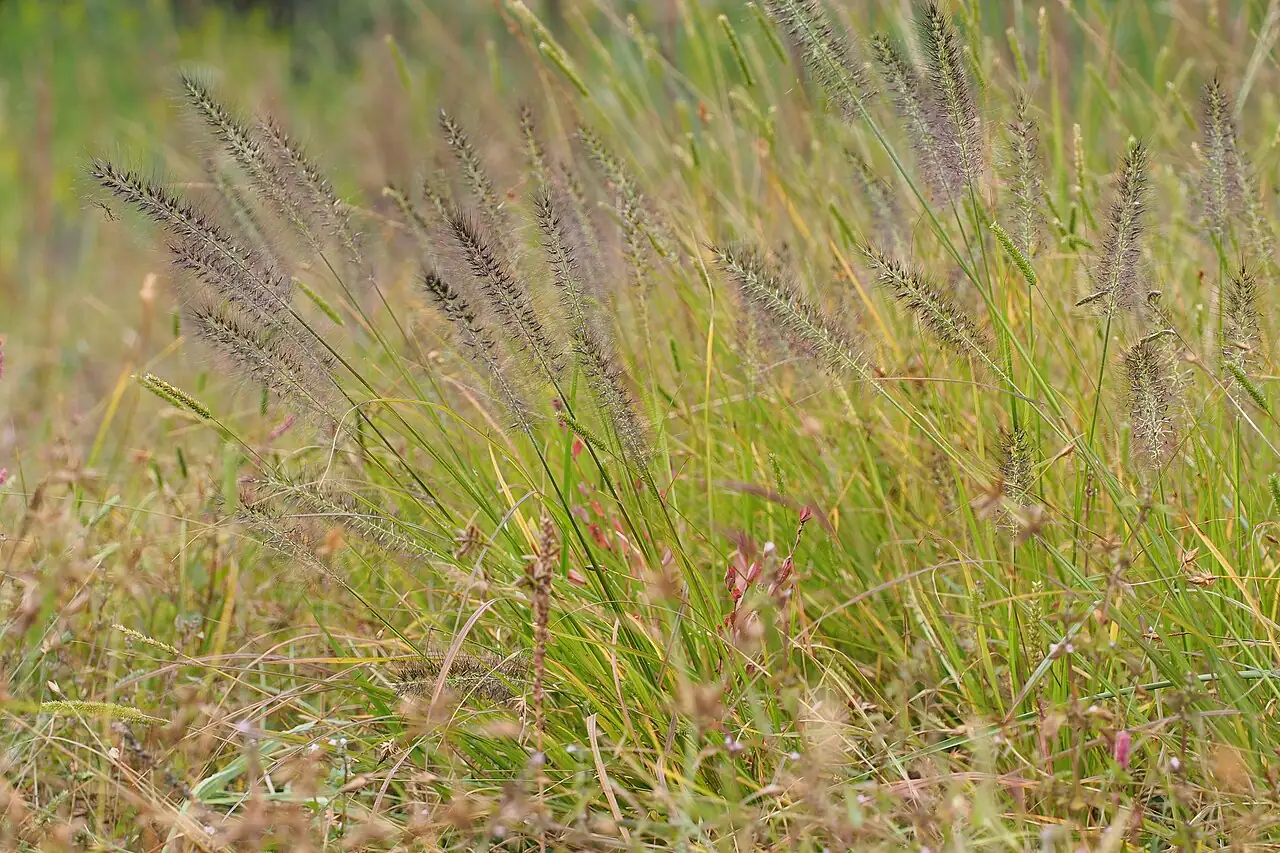
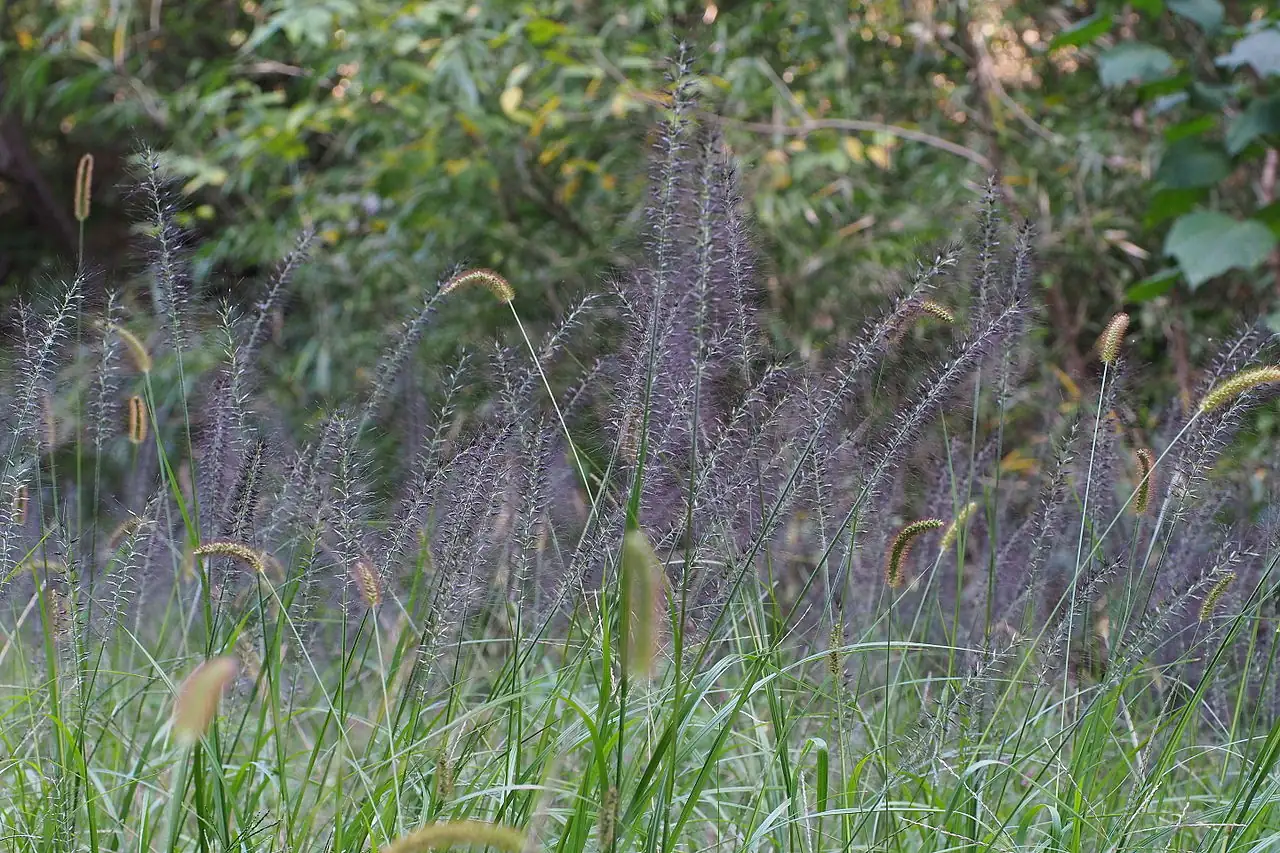
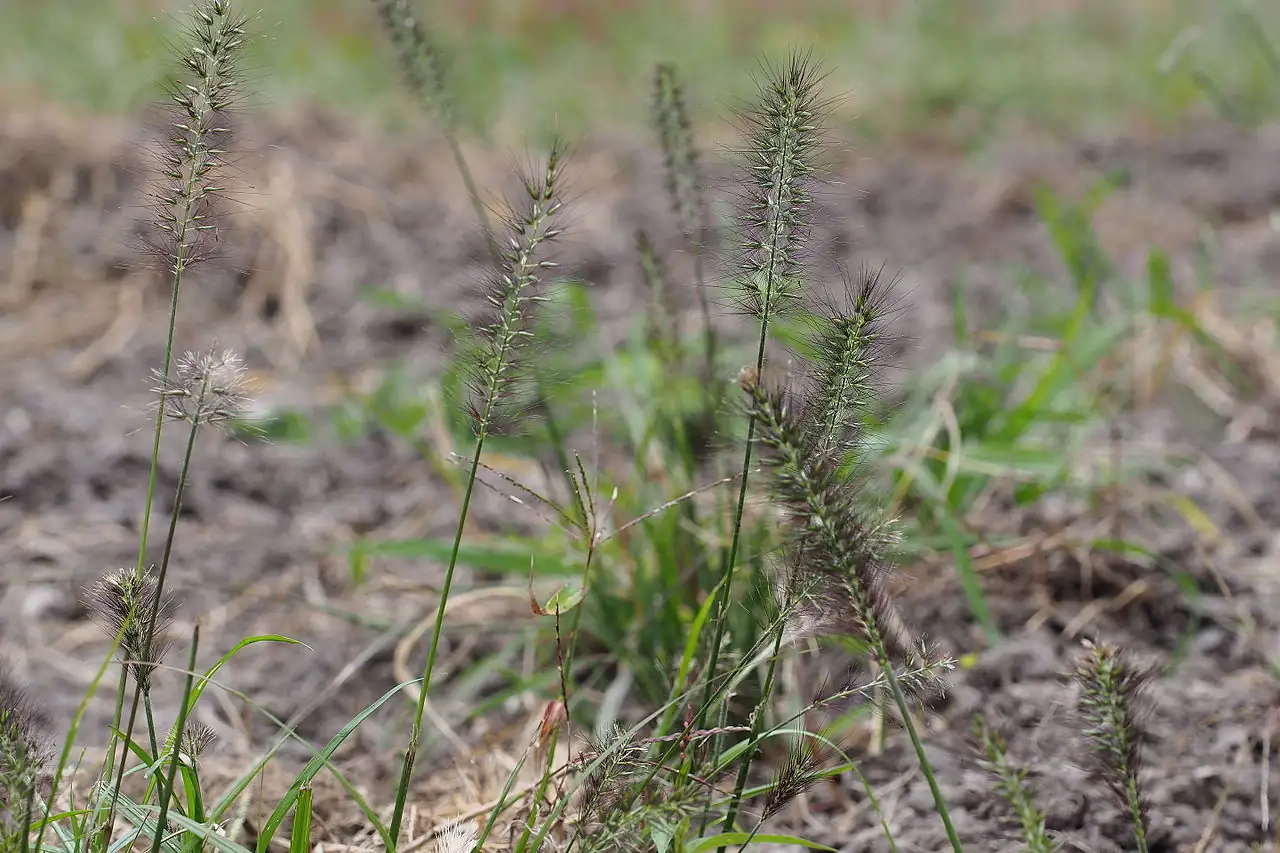
- Flower: Upright, bristly panicles that read as soft “foxtail” or “bottlebrush” plumes. The main axis is densely hairy, creating a fluffy texture; spikelets are often borne singly and are narrow, lance-shaped.
- Flowering Season: May–October (late spring through autumn, depending on climate).
- Growth Habit: Clump-forming, upright perennial grass with stems arising in dense tufts; the inflorescences are notably soft and hairy beneath the plume.
Environment
Sunlight
Full sun for the best flowering and the tightest, most fountain-like habit; tolerates light/partial shade but may bloom less and look looser.
Temperature
Cold hardy; grows well in cool-to-warm conditions, roughly 10–30°C (50–86°F).
Humidity
Adaptable—handles average outdoor humidity, tolerates dry spells once established, and also copes with moderate moisture (as long as the soil drains).
Soil
Adaptable to many soil types, including poorer roadside soils, provided drainage is reasonable. Best performance is in moderately fertile, well-drained loam or sandy loam. Avoid constantly waterlogged sites to prevent crown issues.
Placement
Sunny borders, mass plantings, meadow/prairie-style gardens, and slopes/banks for erosion control; also suitable for large containers in bright, sunny positions.
Hardiness
USDA Zone 5–9 (approx.).
Care Guide
Difficulty
Easy—generally low-maintenance and forgiving once established, making it a great ornamental grass for beginners and busy gardeners.
Buying Guide
Pick plants with dense, firm clumps and fresh, healthy growth (or solid dormant crowns in the off-season). Avoid pots with sour-smelling, waterlogged mix, or crowns that wobble (often a sign of poor rooting). If buying in bloom, choose plants with sturdy stems and plumes that aren’t flopped over.
Watering
Water regularly during the first growing season to help roots establish. After that, water when the top 5–8 cm (2–3 in) of soil dries out, and ease off in cool weather. Consistently soggy soil can lead to crown rot, especially in winter.
Fertilization
Usually needs little feeding. In spring, give a light application of balanced slow-release fertilizer or top-dress with compost. Avoid heavy nitrogen, which can encourage lush but floppy growth.
Pruning
In late winter to early spring, cut back last year’s foliage to about 5–15 cm (2–6 in), just before new shoots appear. Wear gloves—older blades can be surprisingly sharp.
Propagation
Division is the easiest and most reliable: split clumps in spring (or early autumn in mild climates) and replant promptly. Seed can be used, but named cultivars may not come true from seed.
Repotting
In containers, repot or divide every 2–3 years in spring. Use a free-draining mix and a pot with drainage holes to prevent waterlogging around the crown.
📅 Seasonal Care Calendar
Spring: cut back, divide if needed, and feed lightly. Summer: water during prolonged drought and enjoy the plumes. Autumn: stop feeding and consider leaving seedheads for winter interest. Winter: prevent the crown from sitting wet; cut back before spring regrowth.
Pests, Diseases & Safety
Common Pests & Diseases
Typically trouble-free. In humid, crowded conditions it may develop rust or leaf spots; improve airflow and remove affected foliage. Poor drainage can cause crown rot—avoid soggy soils and overwatering, especially in winter.
Toxicity
Not known to be toxic to people or pets. The leaves can be abrasive and may cause minor irritation or scratches during handling.
Culture & Symbolism
Symbolism: Often admired as a symbol of resilience and graceful movement—its plumes add a soft, calming rhythm to the garden and look especially beautiful backlit by low sun.
History & Legends: A long-time wild grass across much of China, it became a modern garden favorite thanks to its showy plumes, adaptability, and strong performance in temperate landscapes. Many cultivars have been selected for different sizes, plume colors, and flowering times.
Uses: Mainly ornamental for borders, mass plantings, and naturalistic meadows; also practical for slope stabilization and erosion control on banks and sandy sites. Works well in large containers for patio texture and seasonal drama.
FAQ
Does Chinese fountain grass need full sun?
Full sun gives the most plumes and the best shape. It tolerates partial shade, but you’ll usually see fewer flowers and a looser clump.
When should I cut it back?
Late winter to early spring is ideal—cut the old growth down to about 5–15 cm (2–6 in) just before new shoots start.
Can it handle wet soil?
It can tolerate moderate moisture, but it dislikes being waterlogged. Constantly soggy soil—especially in winter—can cause crown rot.
Fun Facts
- Those fuzzy “bottlebrush” blooms are actually panicles, even though they look like classic foxtails.
- If you leave the plumes standing, the plant can look fantastic in winter—especially with frost or snow outlining the clump.
- Because clumps expand steadily, it’s one of the easiest ornamental grasses to share with friends via division.
- Mass plantings aren’t just pretty—they can also help reduce erosion on slopes and sandy ground.


