Plant Features
- Size:2–6 m (6.6–19.7 ft) tall
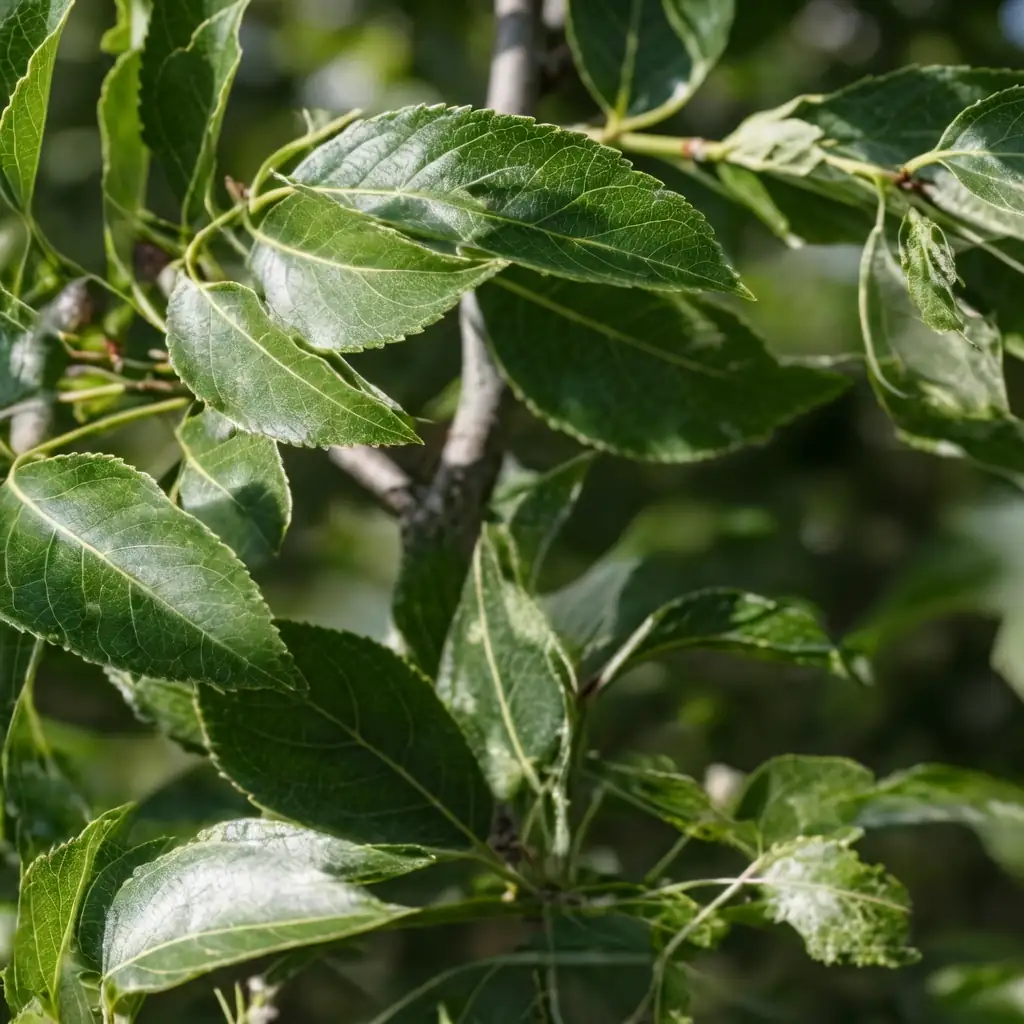
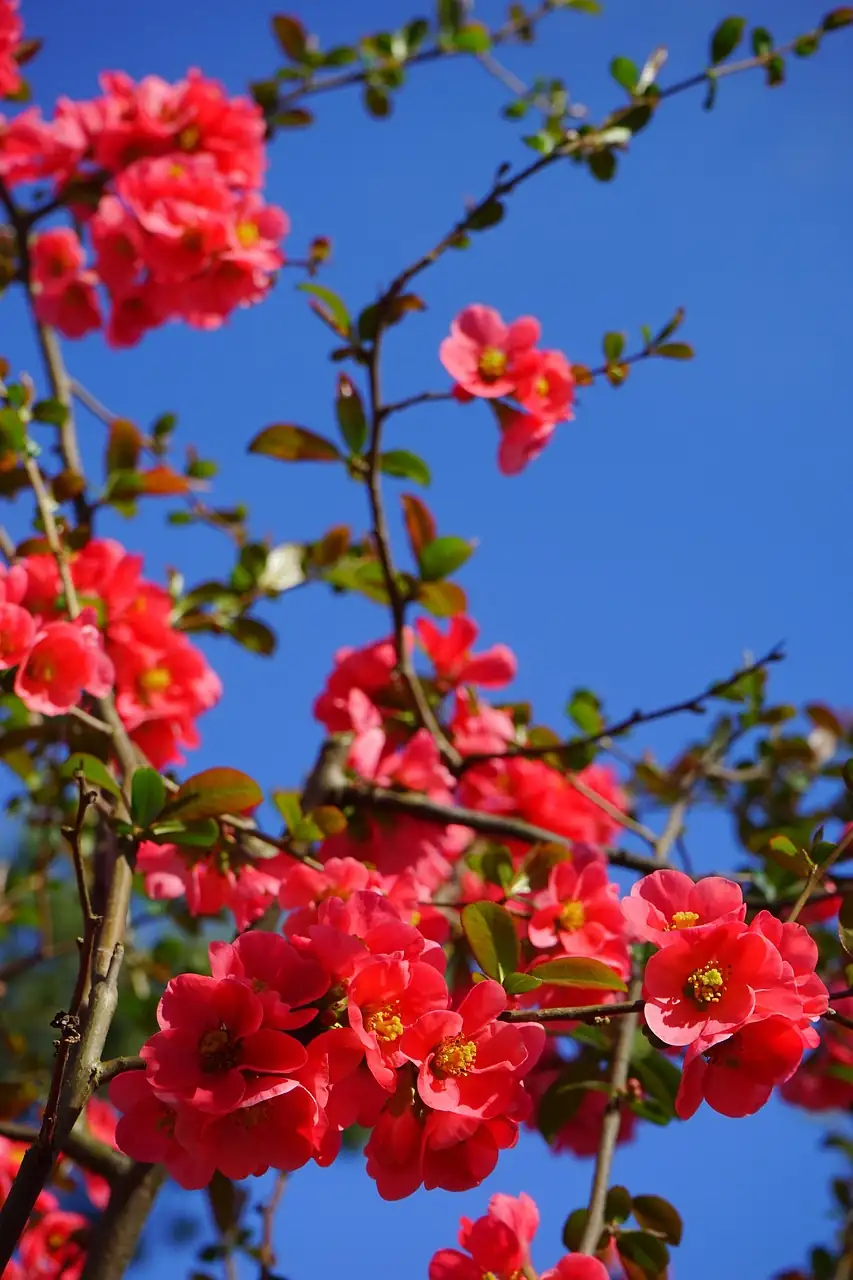
- Foliage: Leaves are oval. Young twigs are cylindrical, slightly zig-zag, hairless, and purplish-brown with scattered pale lenticels. Branches are upright and may bear short spur-like thorns.
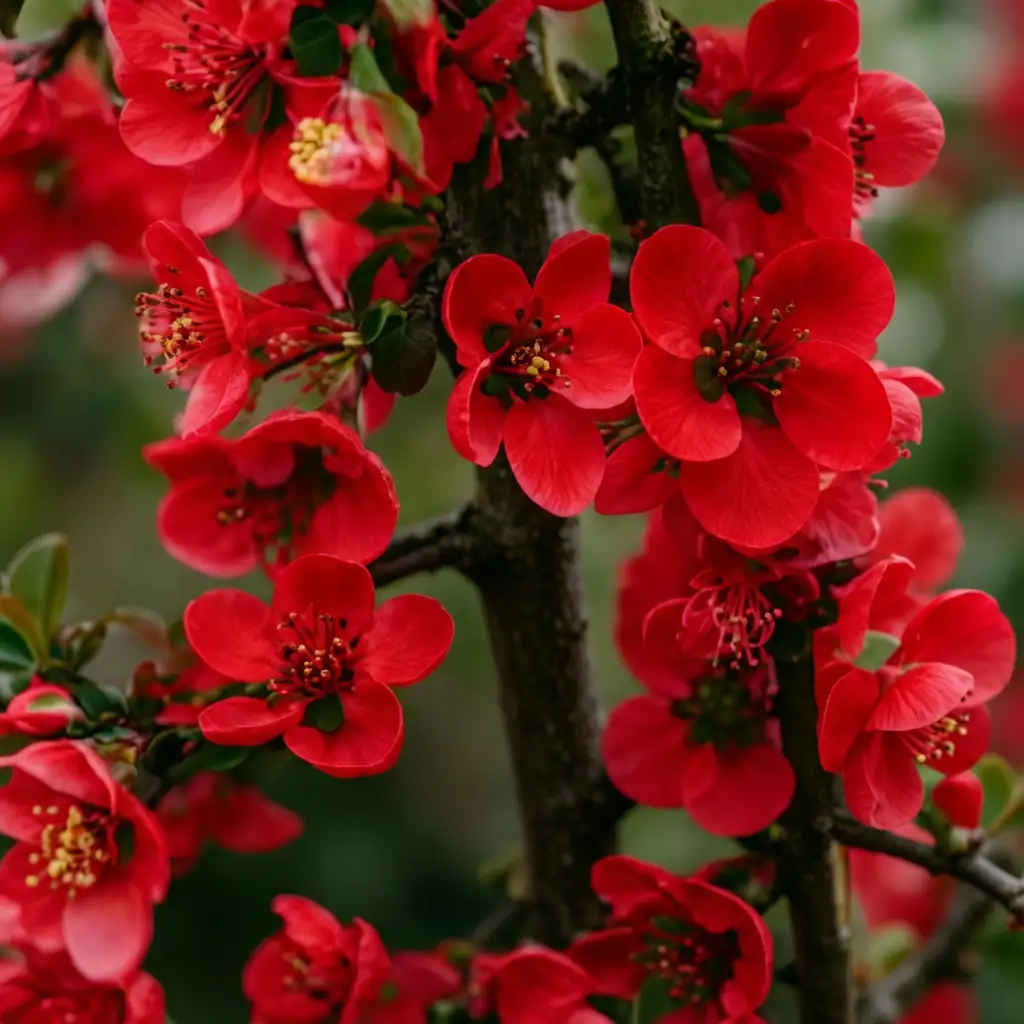
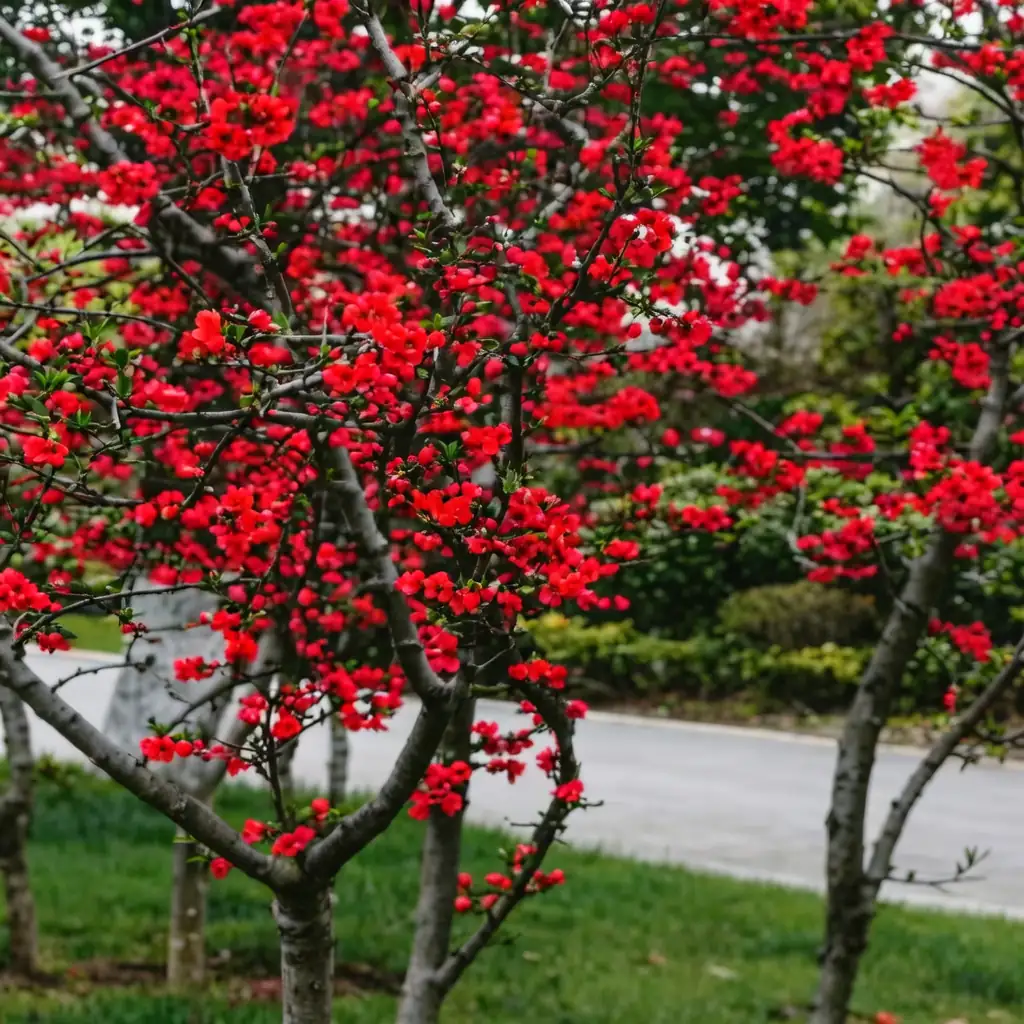
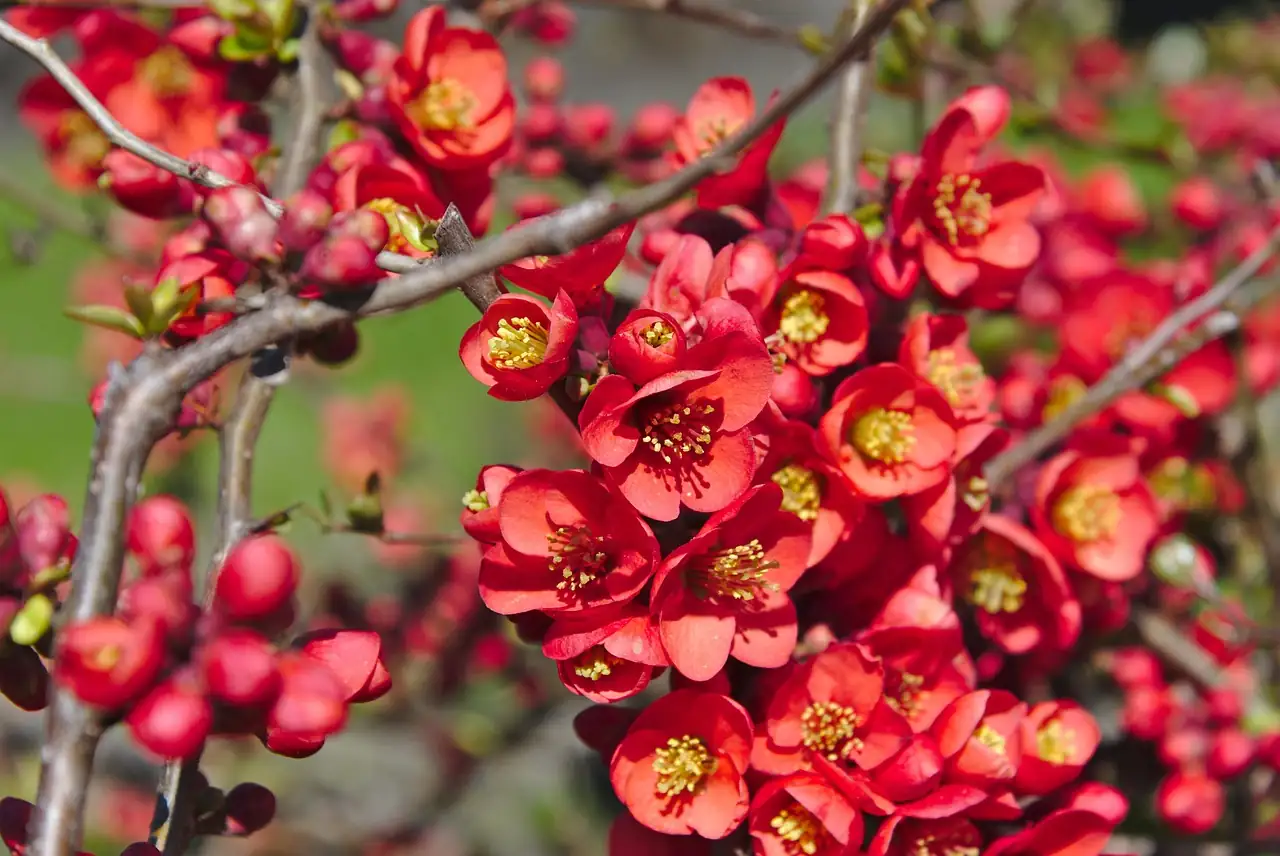
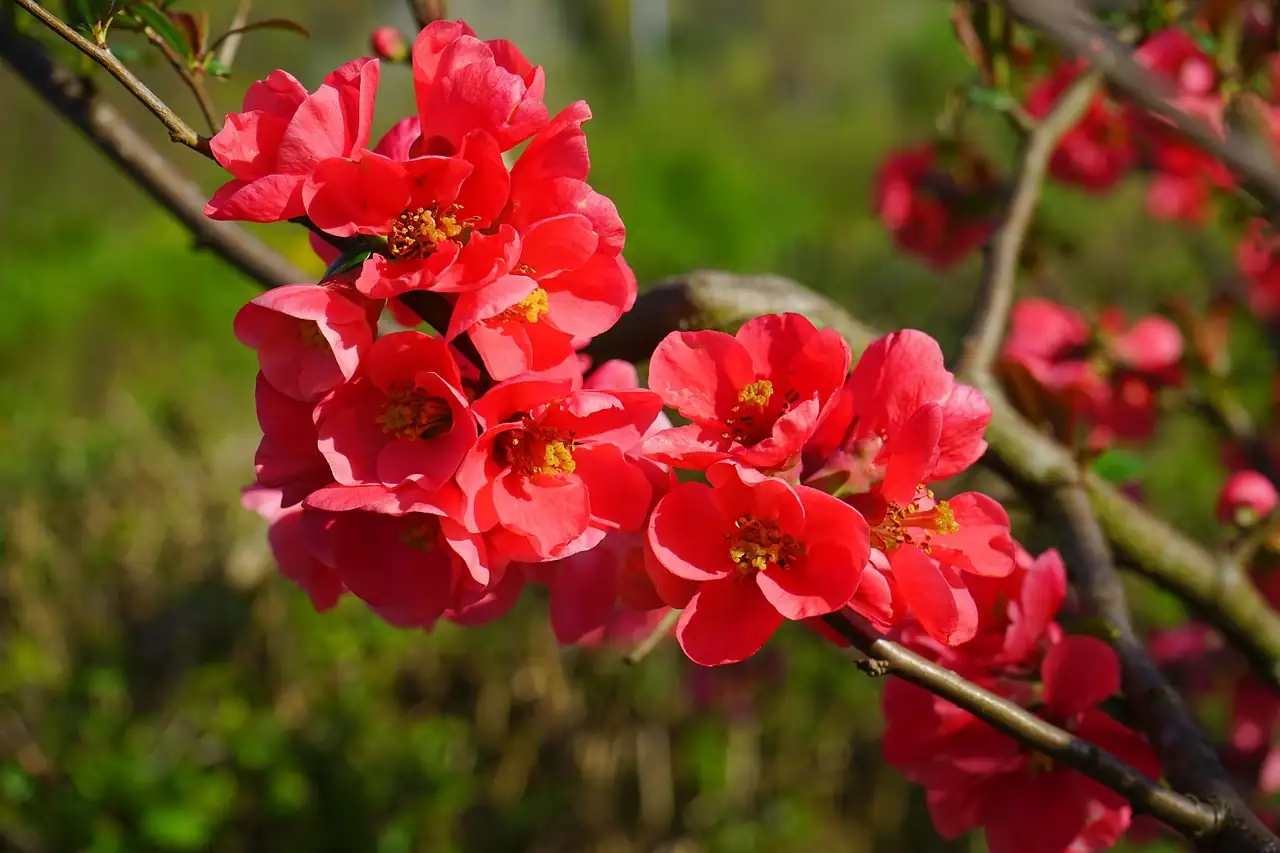
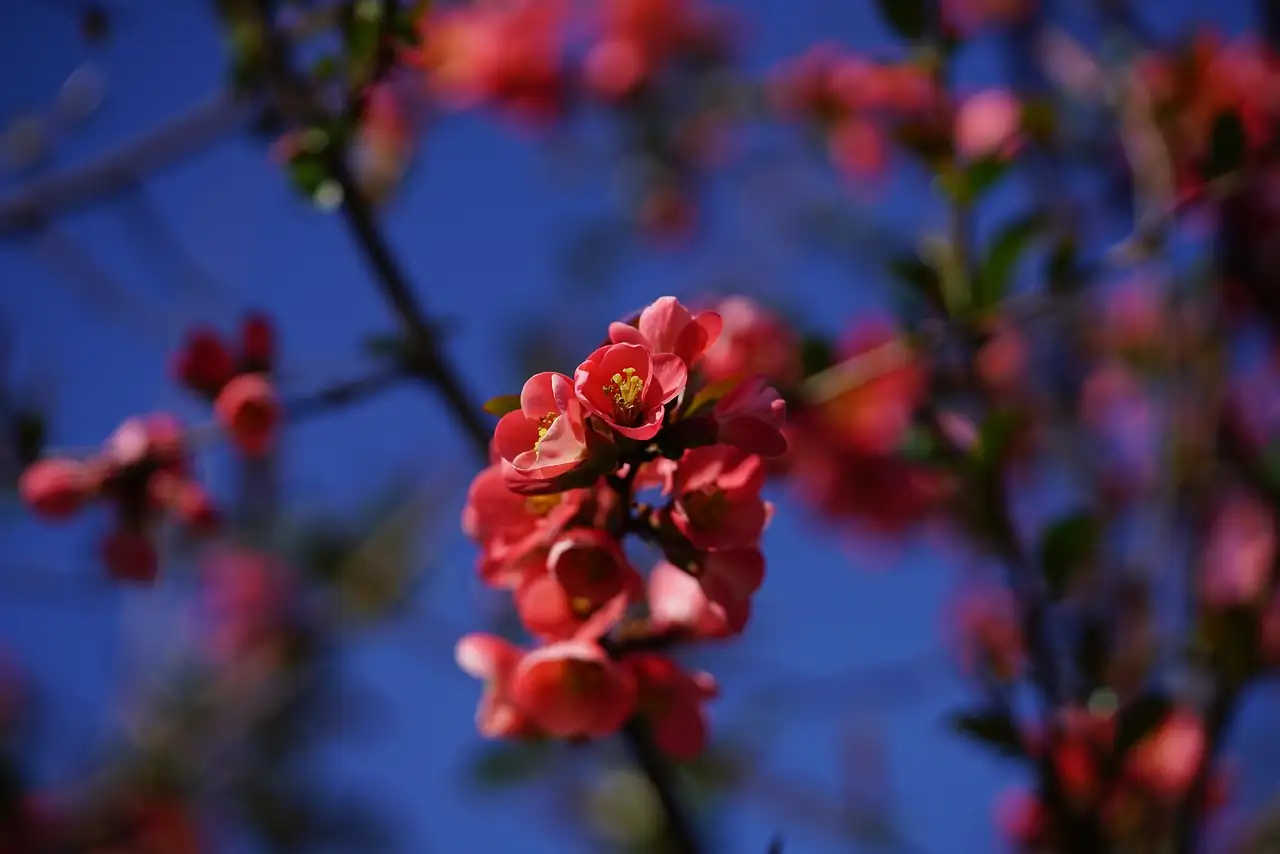
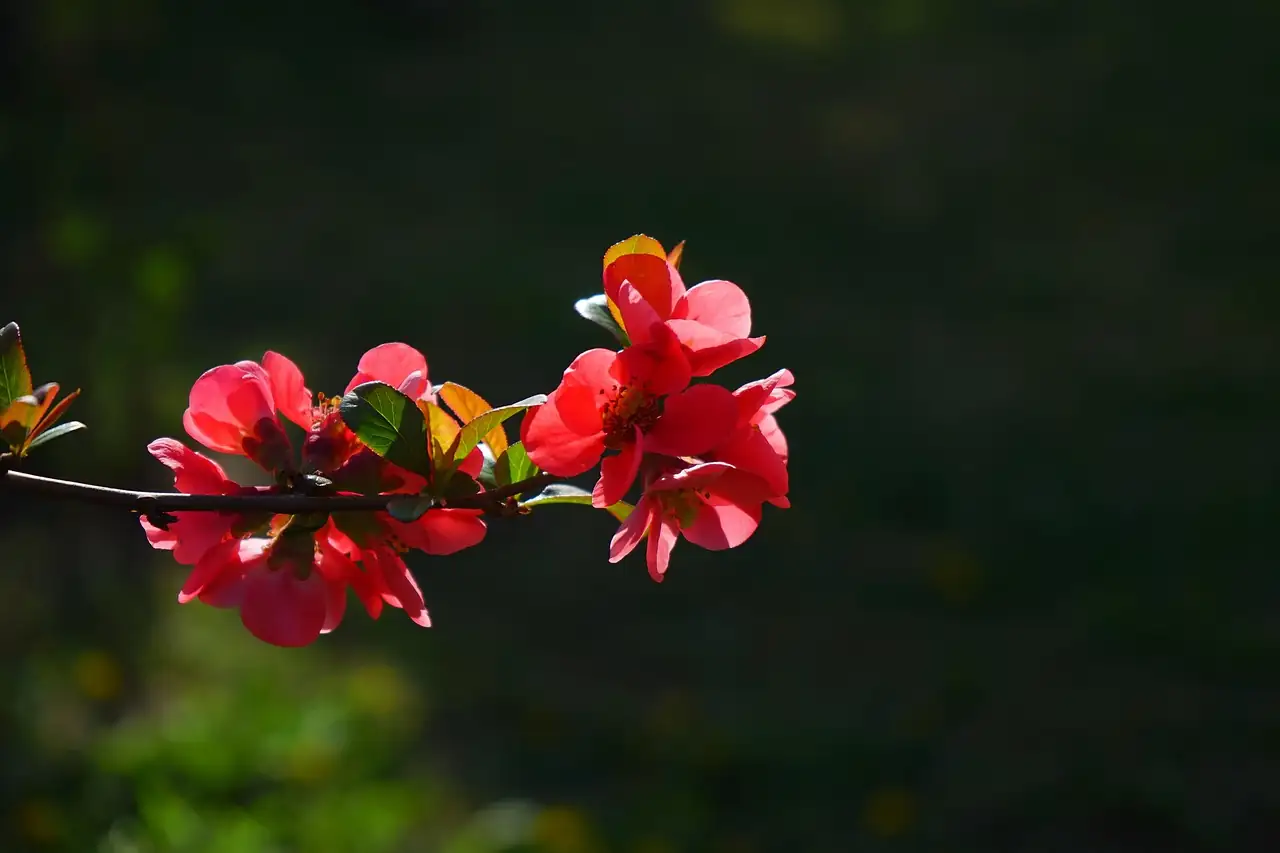
- Flower: Flowers typically open before the leaves and are often borne in clusters of 2–3 on older (second-year) wood. Individual blooms are about 2–4 cm (0.8–1.6 in) across, with a bell-shaped hypanthium/calyx tube and petals that are obovate to nearly round.
- Flowering Season: March–May
- Growth Habit: Deciduous shrub to small tree with upright branches; often with short spurs/thorns
Environment
Sunlight
Full sun for best flowering and fruiting; tolerates light shade
Temperature
Prefers mild to warm growing seasons but is very cold-tolerant; reported to handle winter lows around -20°C (-4°F)
Humidity
Adaptable; does well in moderate humidity with good air circulation
Soil
Well-drained loam or sandy loam; slightly acidic to neutral is generally suitable. Avoid heavy, waterlogged soils.
Placement
Outdoor gardens, sunny borders, informal hedges, slopes, and roadside plantings; choose a bright, well-drained site
Hardiness
Cold-hardy; approximately USDA Zone 5–8 (local conditions can shift this). Not tolerant of prolonged soggy winter soils.
Care Guide
Difficulty
Easy to moderate: generally hardy and forgiving once established, but it performs best with full sun and excellent drainage (sensitive to waterlogging).
Buying Guide
Pick plants with firm, unscarred stems and healthy buds. Avoid pot-bound specimens or any plant sitting in soggy media. If buying while flowering, choose one with plenty of buds (not just open blooms) and no dieback on older wood.
Watering
Water deeply after planting to help roots settle in. After establishment, it is drought-tolerant—let the top layer of soil dry between waterings. Avoid standing water and consistently wet soil, which can lead to root trouble.
Fertilization
Feed in early spring with a balanced slow-release fertilizer or a light compost top-dressing. Go easy on nitrogen, which can push leafy growth at the expense of flowers.
Pruning
Prune right after flowering. Remove dead, damaged, or crossing branches and thin congested growth to improve airflow. Because it flowers on older wood, avoid hard pruning in winter/early spring if you want the biggest spring display.
Propagation
Semi-hardwood cuttings in summer, hardwood cuttings in winter, layering on flexible shoots, or seed (note: seedlings can vary from the parent).
Repotting
Best in the ground. If grown in a container, repot every 2–3 years into a slightly larger pot with a sharply draining mix; ensure drainage holes remain clear and never let the pot sit in water.
📅 Seasonal Care Calendar
Spring (Mar–May): enjoy flowering; water if dry; feed lightly. Summer: minimal watering once established; watch containers for drought stress. Autumn (Sep–Oct): fruits provide ornament; tidy fallen leaves/fruit if needed. Winter: dormant—keep soil on the dry side and avoid waterlogging; do major shaping after flowering rather than mid-winter.
Pests, Diseases & Safety
Common Pests & Diseases
Can attract aphids, scale, and spider mites. In wet, poorly ventilated situations it may develop leaf spots or other fungal issues. Give it sun, airflow, and well-drained soil; treat outbreaks with horticultural soap/oil as needed.
Toxicity
Not widely considered highly toxic, but the fruits are extremely hard and astringent and are generally not eaten raw. As a sensible precaution, discourage children and pets from chewing plant parts and avoid ingestion.
Culture & Symbolism
Symbolism: Often linked with resilience and the promise of spring—an early bloomer that shrugs off cold better than many garden shrubs.
History & Legends: Long appreciated in East Asian gardens for its early-season blossoms and later ornamental fruit, and commonly planted near paths and homes to mark the changing seasons.
Uses: Primarily ornamental: a classic “spring flowers, autumn fruit” shrub for gardens, borders, informal hedges, and landscape plantings.
FAQ
When does it flower?
Typically March–May, often before the leaves fully expand.
When do the fruits mature?
Usually September–October.
How tall does it get?
About 2–6 m (6.6–19.7 ft) tall.
What growing conditions does it like?
Sun to light shade with well-drained soil. It tolerates moderate humidity, but it should never sit in waterlogged ground.
How cold-hardy and drought-tolerant is it?
It’s reported to tolerate around -20°C (-4°F) and becomes quite drought-tolerant once established, but poor drainage and soggy soil can quickly cause problems.
Fun Facts
- It often blooms before the leaves fully expand, creating a dramatic early-spring “flowers-first” effect.
- Flowers commonly appear in small clusters of 2–3 on older wood.
- Blooms are about 2–4 cm (0.8–1.6 in) across—small individually, but impressive en masse.
- It has a broad native range across many provinces in China.
- Gardeners prize it for delivering interest in two seasons: spring blossoms and autumn fruit.