

Plant Features
- Size: Up to about 20 m (66 ft) tall; crown spread varies with site conditions and pruning/training.
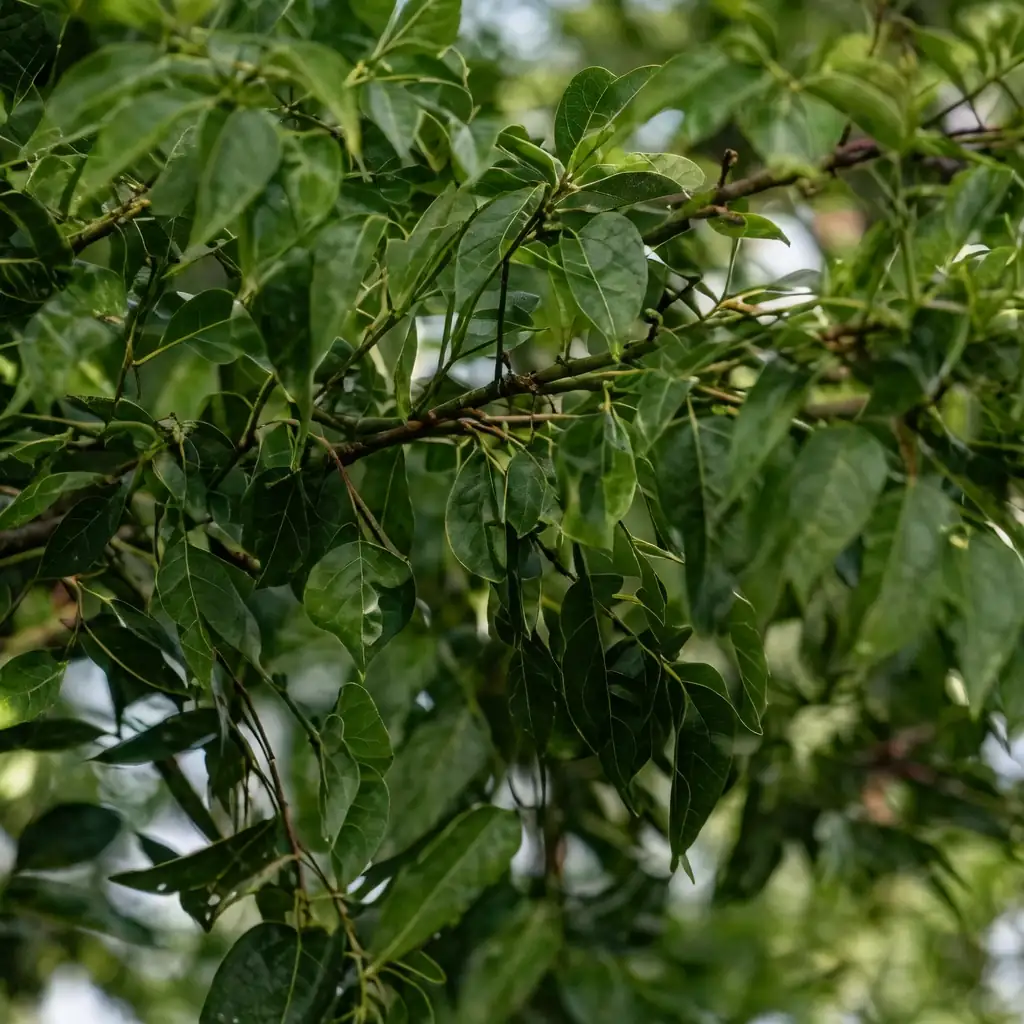
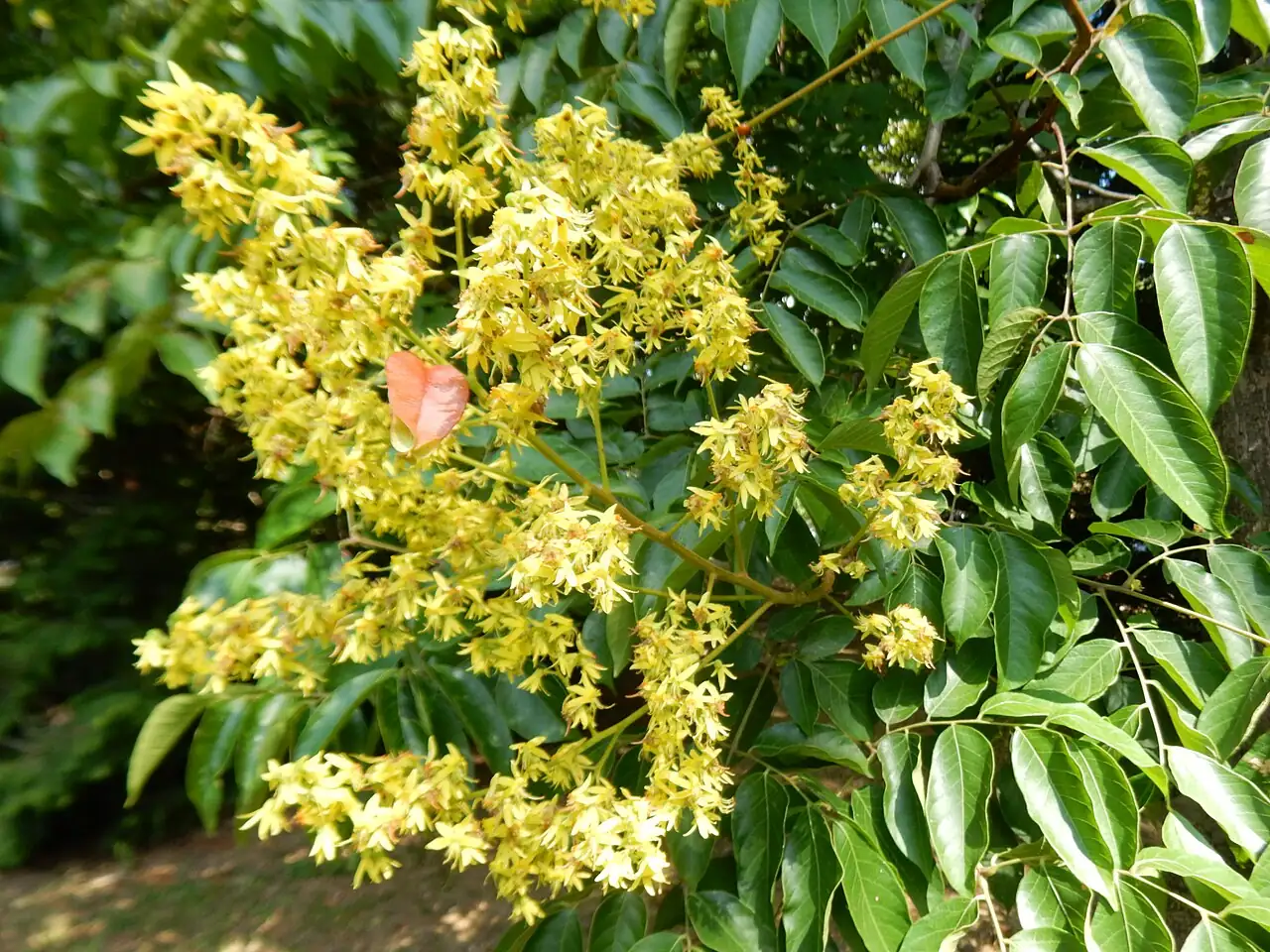
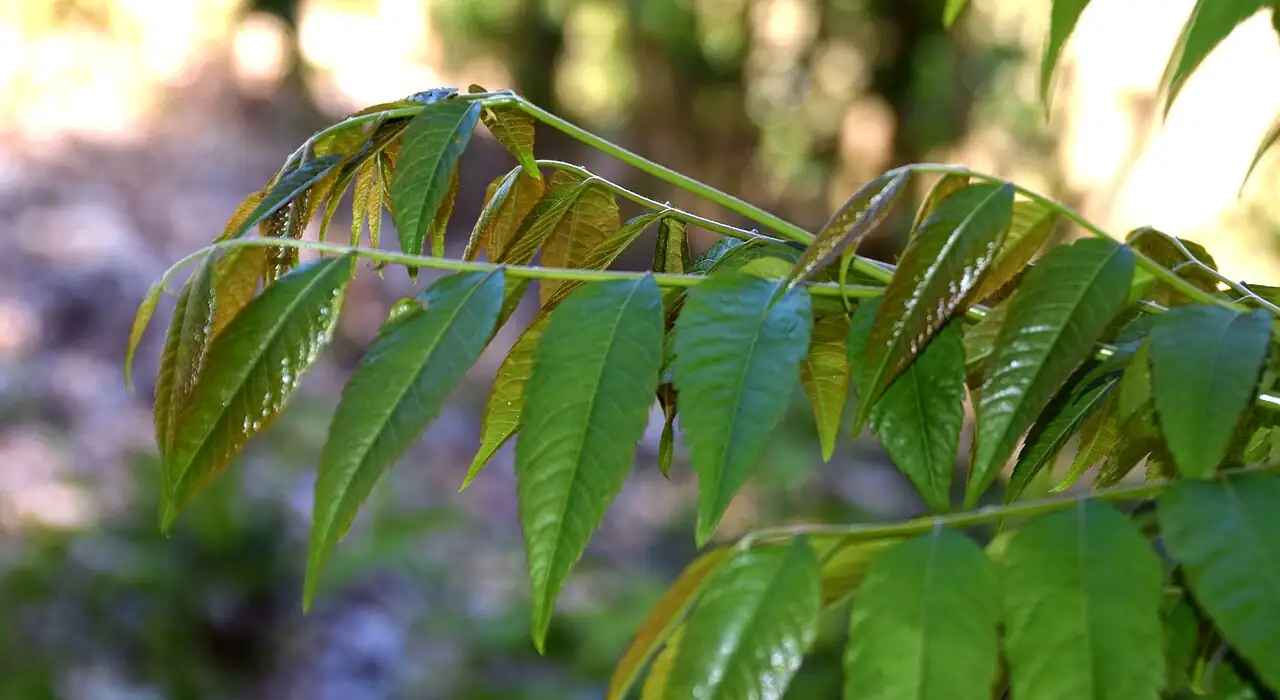
- Foliage: Alternately arranged, twice-pinnate (bipinnate) compound leaves that look flat and feathery, giving the tree an open, airy texture. Young branches may show small wart-like lenticels.
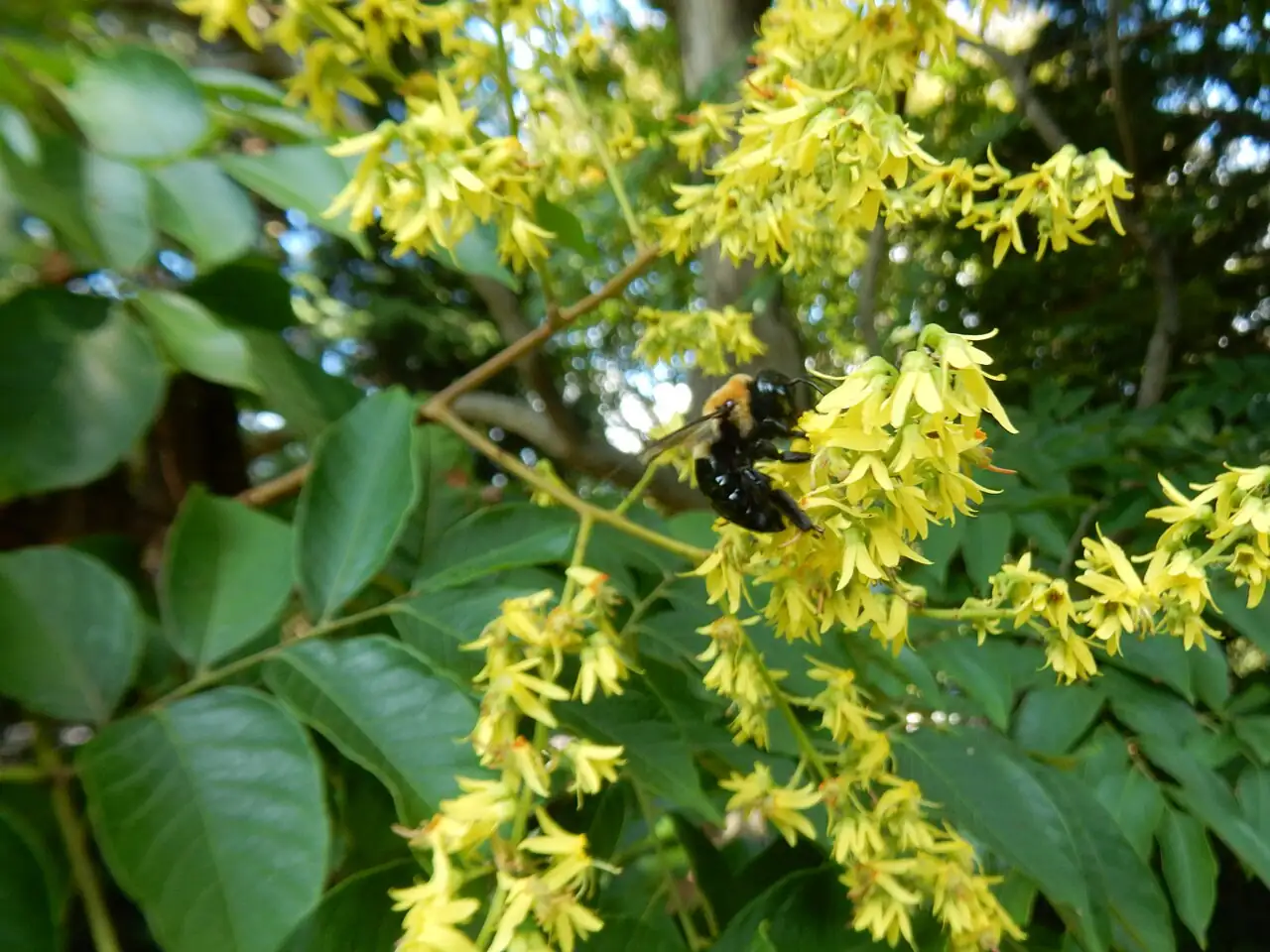
- Flower: Large, branched panicles of many small yellow flowers in summer; petals are typically oblong to lance-shaped, creating a bright, hazy “golden” effect across the canopy.
- Flowering Season: July–September
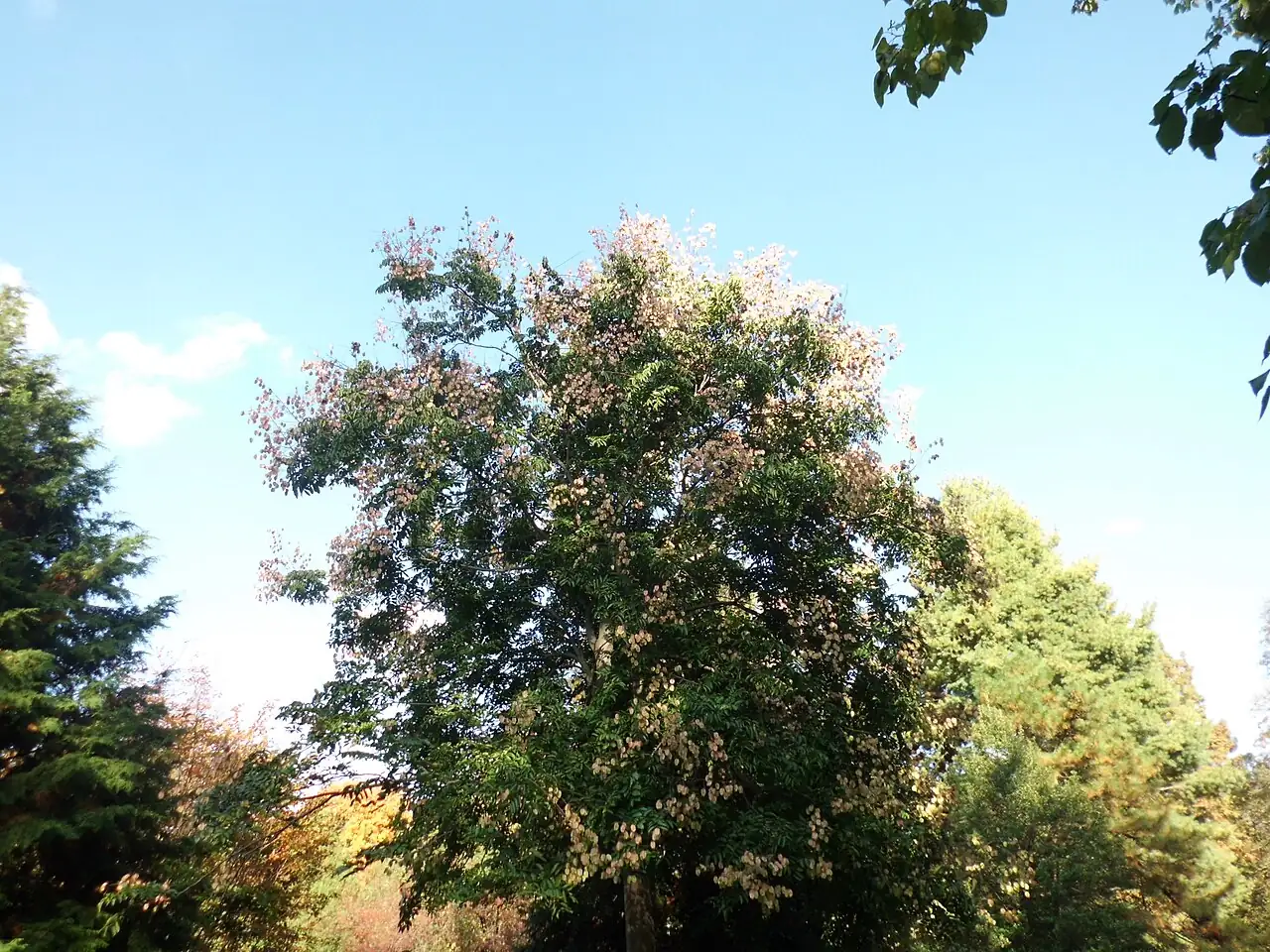
- Growth Habit: Fast-growing deciduous tree with an upright habit that matures into a spreading canopy.
Environment
Sunlight
Full sun to light shade; flowering and best color are strongest in full sun.
Temperature
Grows best in warm-temperate to subtropical climates; a typical comfort range is about 10–35°C (50–95°F). Young trees appreciate protection from severe frost.
Humidity
Adaptable in average outdoor humidity; performs best with good air circulation to reduce mildew/leaf-spot issues.
Soil
Prefers deep, fertile soil that stays evenly moist yet drains well. Tolerates calcareous (lime-rich) soils and does fine from slightly acidic to slightly alkaline pH; can also handle some salinity and short-term waterlogging.
Placement
Outdoors—ideal as a specimen, park, shade, or street tree where it has space to develop its canopy.
Hardiness
Usually USDA Zones 7–10 (approximately down to about -17°C / 1°F in the mild end of Zone 7, though reliability varies by provenance and duration of cold). Not reliably hardy in prolonged deep freezes.
Care Guide
Difficulty
Easy to moderate outdoors: vigorous and forgiving once established, but it needs adequate space and benefits from early structural training to prevent weak branch angles later.
Buying Guide
Look for a straight central leader (unless trained otherwise), well-spaced scaffold branches, and a visible healthy root flare. Avoid pot-bound plants with circling roots, trees with trunk wounds, or tight V-shaped weak branch unions.
Watering
During the first 1–2 years, water regularly to keep soil evenly moist (not constantly soggy). Once established, it’s moderately drought-tolerant, and it can cope with short-term waterlogging—but for best growth and flowering, aim for consistently moist, well-drained soil, especially during hot, dry spells.
Fertilization
In average garden soils, feed lightly in spring with a balanced slow-release fertilizer. Avoid heavy nitrogen, which can encourage overly lush, weaker growth and reduce flowering.
Pruning
Prune in late winter to early spring to build a strong framework: remove crossing/rubbing branches and weak attachments, and thin out problematic shoots. Remove suckers and water sprouts as needed. Avoid heavy summer pruning if you want maximum flowering.
Propagation
Commonly grown from seed. Seeds may germinate better with scarification and/or cold stratification; sow in spring when conditions are warm.
Repotting
Not ideal as a long-term container tree. If started in a pot, step up to a larger container as roots fill the space, keep drainage excellent, and plant out once the young tree is sturdy.
📅 Seasonal Care Calendar
July–September: flowering. August–October: showy pods develop. Late winter/early spring: main pruning and structure training. Summer: water more during heat and drought, especially for young trees.
Pests, Diseases & Safety
Common Pests & Diseases
Generally resilient. Possible issues include aphids and scale insects, plus occasional leaf spot or powdery mildew—especially in humid, poorly ventilated sites. Improve airflow, clean up fallen leaves, and use targeted treatments only if infestations become persistent.
Toxicity
No consistently documented serious toxicity is widely accepted for this species, but it’s still sensible to prevent children and pets from chewing on pods or seeds and to avoid ingestion.
Culture & Symbolism
Symbolism: Often linked with summer brightness and a feeling of good fortune—thanks to its golden blooms and lantern-like pods.
History & Legends: A native Chinese tree that became a favorite ornamental because it offers an easy, dramatic seasonal display: summer flowers followed by colorful pods into autumn.
Uses: Primarily an ornamental shade, street, and landscape tree. The wood has been used for furniture; seed oil has been used as an industrial oil. Flowers have been used in traditional applications and can also produce a yellow dye.
FAQ
Why does my Chinese flame tree flower poorly?
The most common reasons are too much shade, overly rich/high-nitrogen feeding, or heavy pruning at the wrong time. Give it more sun, feed lightly (especially avoiding excess nitrogen), and do major pruning in late winter to early spring rather than during the flowering season.
Do the lantern-like pods mean the tree is unhealthy?
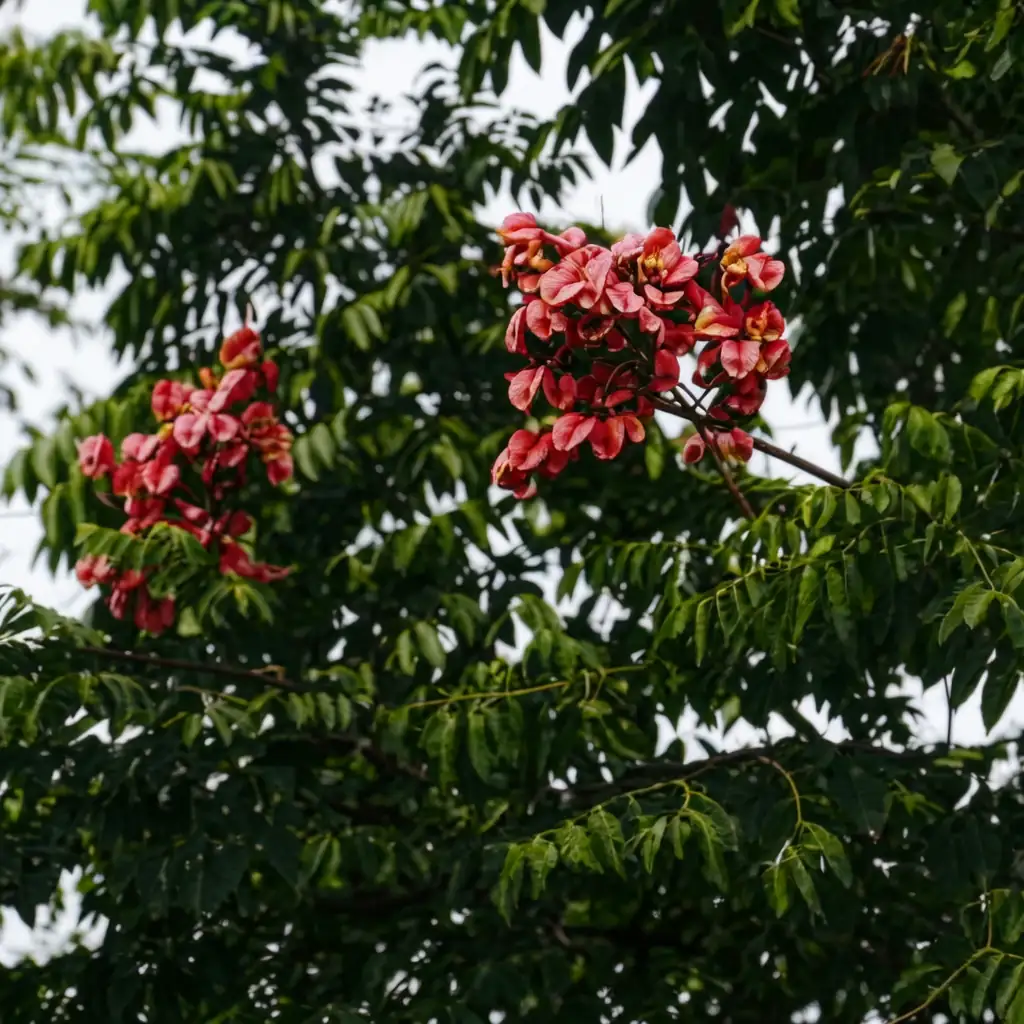
No—those papery, reddish pods are a normal and much-loved feature that follows flowering. They typically develop from late summer into autumn and can persist for a while, adding ornamental interest.
Fun Facts
- It puts on a two-season performance: golden summer flowers followed by reddish, lantern-like pods into autumn.
- It tolerates lime-rich (calcareous) soils and handles a pH range from slightly acidic to slightly alkaline.
- Compared with many ornamental trees, it can cope with some soil salinity and brief waterlogging.
- Its flowers have historically been used to make a yellow dye.


