Plant Features
- Size: Typically 1.5–3 m (5–10 ft) tall, with a similar spread when untrimmed.
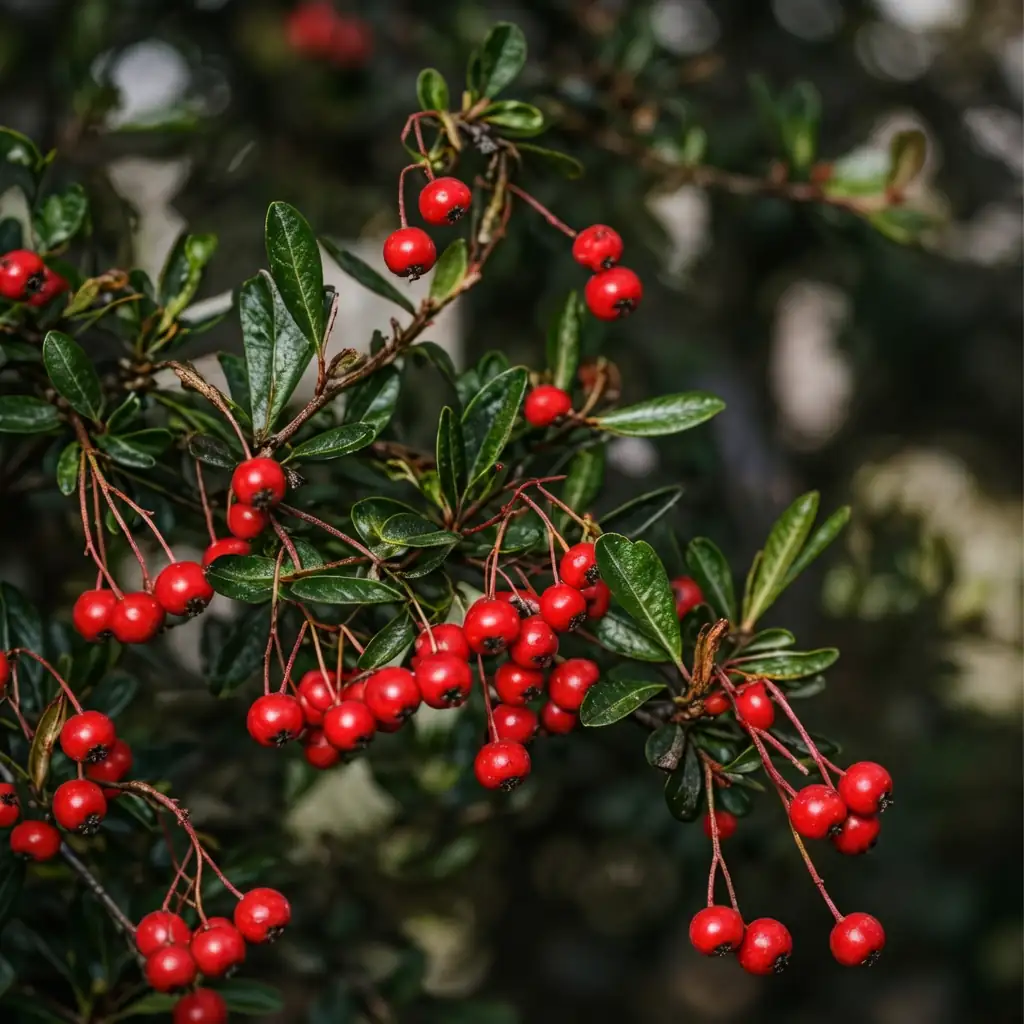
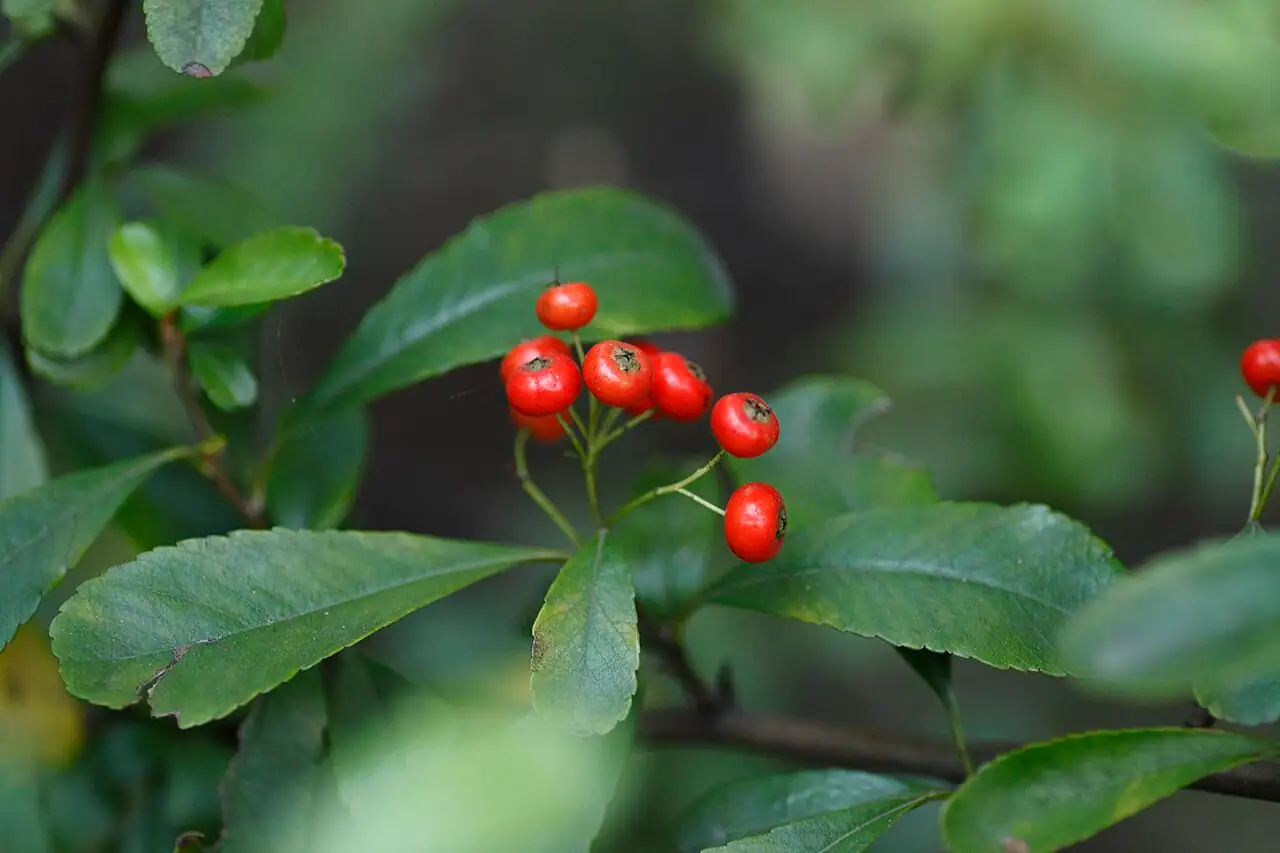
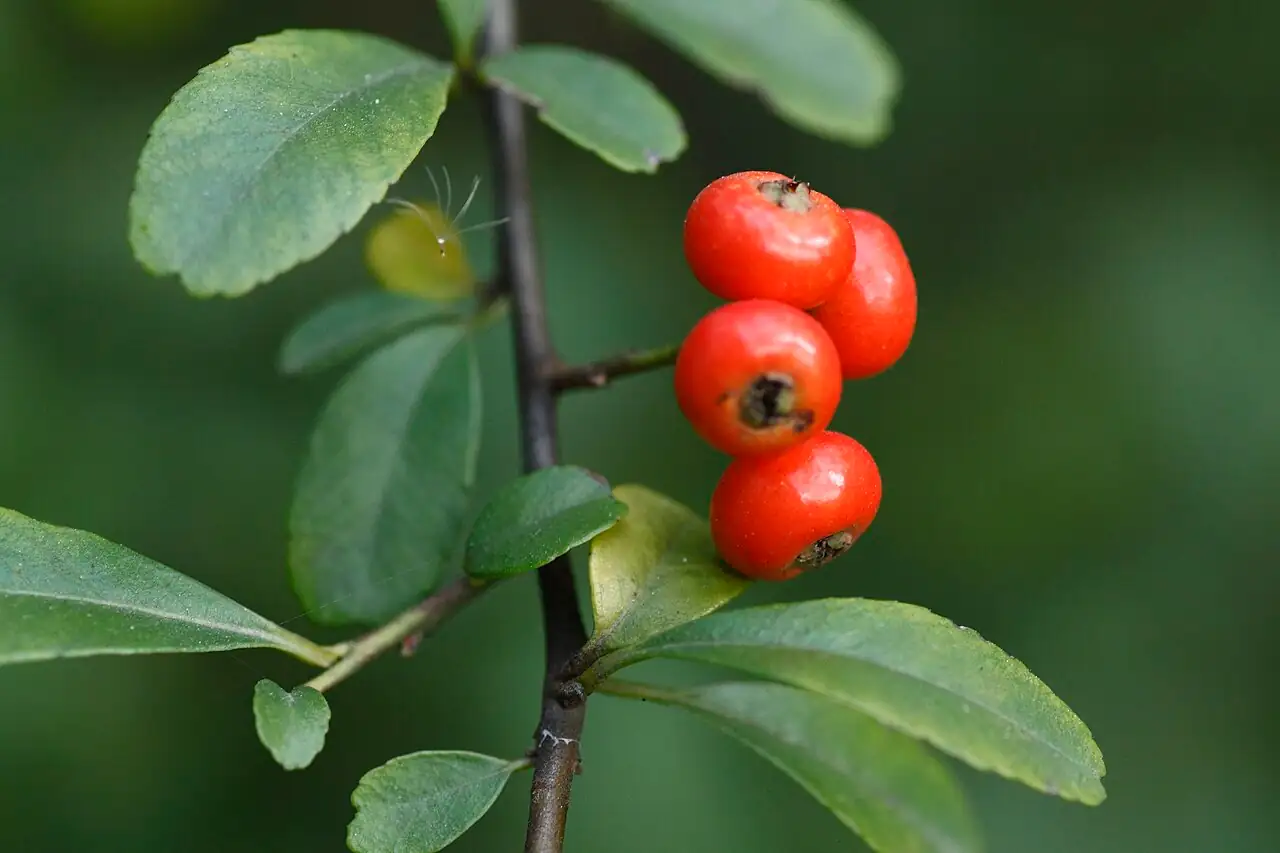
- Foliage: Evergreen leaves are obovate to obovate-oblong and medium green, creating dense cover along the twiggy, thorny branches.
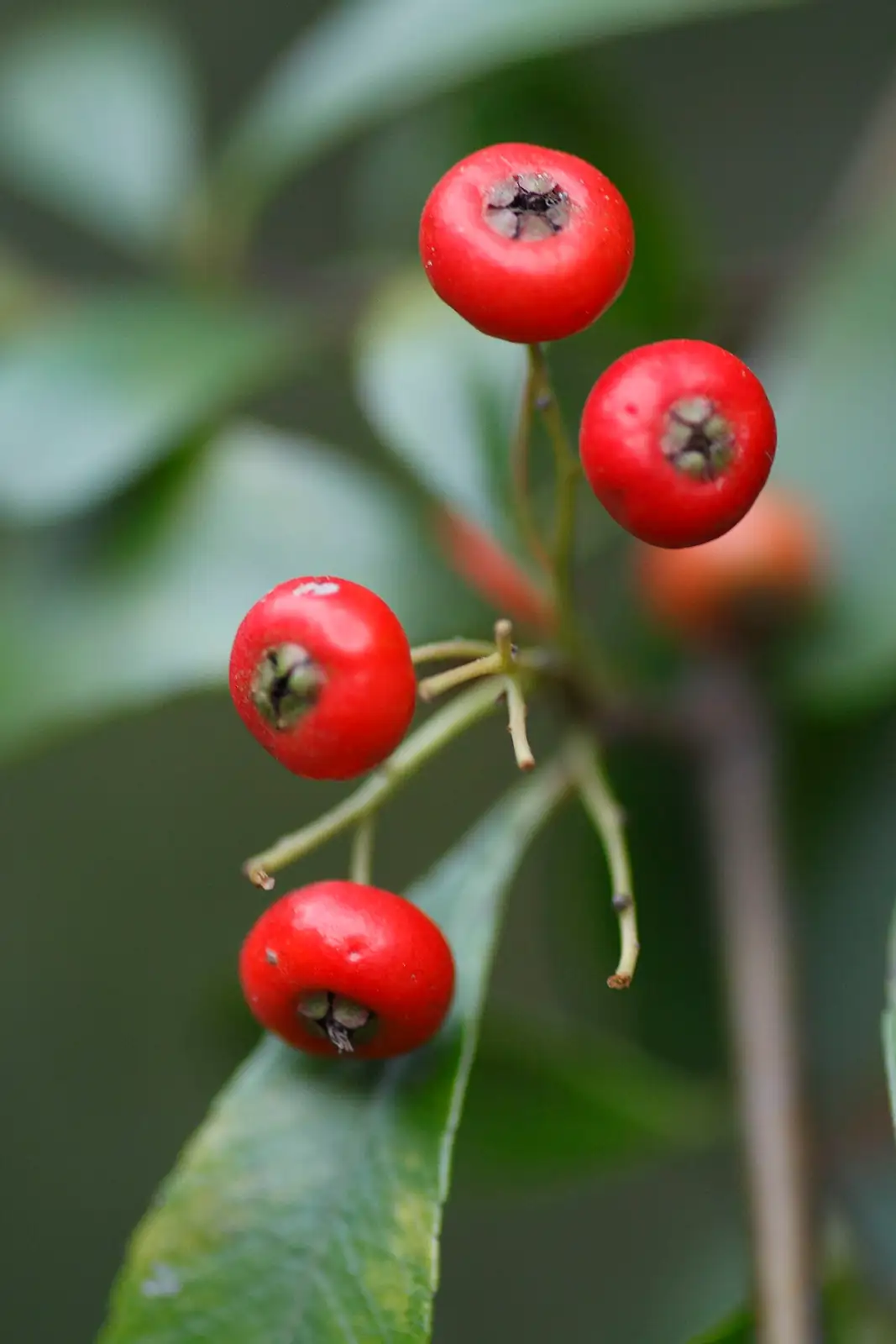
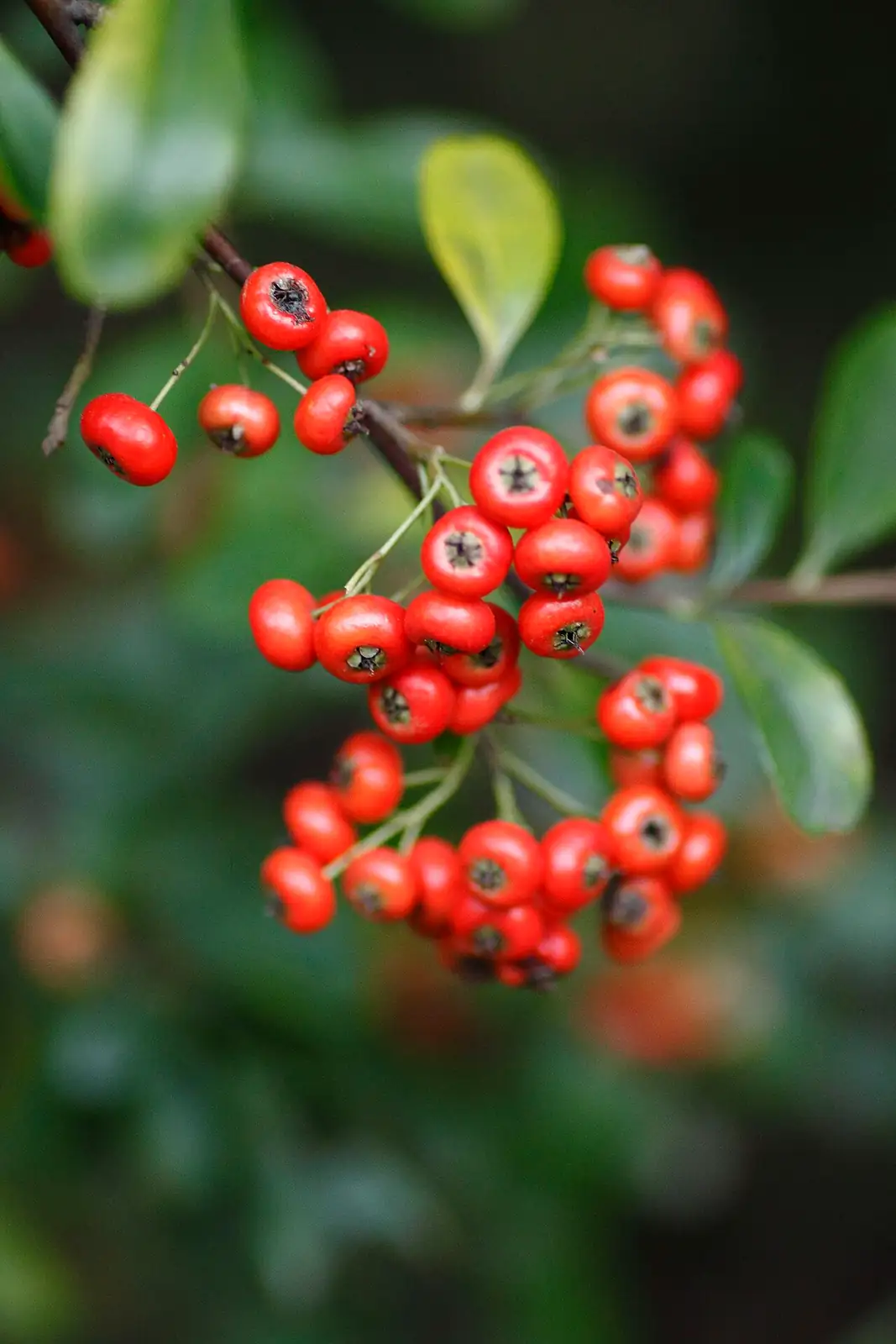
- Flower: In spring it produces small, white, five-petaled flowers in flat-topped clusters, with yellow anthers. The fruits are nearly spherical pomes about 5 mm (0.2 in) across, ripening from orange-red to deep red and often persisting into winter.
- Flowering Season: March–May (spring)
- Growth Habit: Evergreen, dense, thorny shrub; readily trained as a hedge, espalier, or bonsai and responds strongly to clipping and shaping.
Environment
Sunlight
Full sun to light shade; flowers and berries are best in full sun.
Temperature
Prefers cool to warm temperate conditions; typical growing range about 10–30°C (50–86°F). Protect container plants from prolonged hard freezes.
Humidity
Average outdoor humidity is fine; provide good airflow to help prevent fungal problems.
Soil
Adaptable, but happiest in well-drained, moderately moist, loose loam; neutral to slightly acidic soil is ideal.
Placement
Great for hedges and thorny barrier plantings, wildlife-friendly gardens, sunny banks/slopes, and training as espalier or bonsai; fruiting branches can also be used decoratively in arrangements.
Hardiness
USDA Zones 6–9 (approx.). Once established it tolerates drought and relatively poor soils; not fond of prolonged severe freezes, especially in pots.
Care Guide
Difficulty
Easy—adaptable, forgiving, and a strong resprouter after pruning.
Buying Guide
Pick plants with dense branching and healthy, glossy leaves. Avoid blackened shoot tips, heavy spotting, or sticky residue (often aphids/scale). If berries are your goal, choose a plant showing flower buds in spring or visible fruit clusters in late summer/fall.
Watering
Water regularly while establishing (the first growing season). Afterward, water deeply but less often, letting the top few centimeters dry between waterings. In containers, water when the top 2–5 cm (1–2 in) is dry, and never leave the pot sitting in water.
Fertilization
In-ground: a light spring application of balanced slow-release fertilizer is usually enough. In pots: feed lightly in spring and early summer; avoid high nitrogen, which can push leafy growth at the expense of flowers and berries.
Pruning
Very pruning-tolerant. For hedges, clip after flowering (late spring/early summer) and again in late summer if needed; avoid heavy late-season pruning if you want the fullest winter berry display. Wear gloves—thorns are sharp.
Propagation
Most often by semi-ripe cuttings in summer or hardwood cuttings in winter; seed is possible but results can be variable.
Repotting
For containers/bonsai, repot every 2–3 years (or when rootbound) in early spring, trimming roots moderately and using a free-draining mix.
📅 Seasonal Care Calendar
Spring: light feeding; prune/shape after bloom. Summer: maintain hedge shape; watch for pests. Autumn: enjoy berries; reduce feeding. Winter: water sparingly in pots; take hardwood cuttings and do structural pruning as needed.
Pests, Diseases & Safety
Common Pests & Diseases
Can see aphids, scale, and spider mites; diseases may include leaf spot, scab, and (in some regions) fire blight. Improve airflow, avoid overhead watering, remove infected growth promptly, and treat outbreaks with appropriate controls.
Toxicity
Low toxicity overall, but the seeds can cause stomach upset if eaten in quantity. Keep berries away from small children and pets, and be mindful of the thorns (they can puncture skin).
Culture & Symbolism
Symbolism: Often linked with protection (thorny branches) and abundance (heavy berry clusters).
History & Legends: A long-loved shrub in Chinese gardens for hedging and ornamental fruit, and a favorite in penjing/bonsai thanks to its dense twigging and colorful, persistent berries.
Uses: Clipped hedge or security barrier, ornamental shrub for slopes and sunny sites, bonsai/penjing material, and decorative fruiting branches for arrangements.
FAQ
Why does my firethorn flower but not set berries?
The usual culprits are not enough sun, too much nitrogen fertilizer, or pruning at the wrong time. Give it more sun, feed lightly, and prune right after flowering rather than before bloom.
Can Chinese firethorn handle drought?
Yes, once established. Water regularly in the first season, then switch to deep, occasional watering. Container plants dry out faster and will need more frequent checks.
Is it suitable for a hedge?
Absolutely. It naturally grows dense and thorny and rebounds strongly after clipping, making it a classic hedge and barrier shrub.
Fun Facts
- In China it’s commonly found on sunny slopes south of the Yellow River, especially in the southwest.
- The berries are tiny—about 5 mm (0.2 in)—but they’re produced in big clusters that can color the plant for months.
- It trains beautifully: hedge, espalier, or bonsai—its vigorous resprouting makes shaping easy.
- White spring flowers plus winter-persistent berries give it genuine four-season charm.