

Plant Features
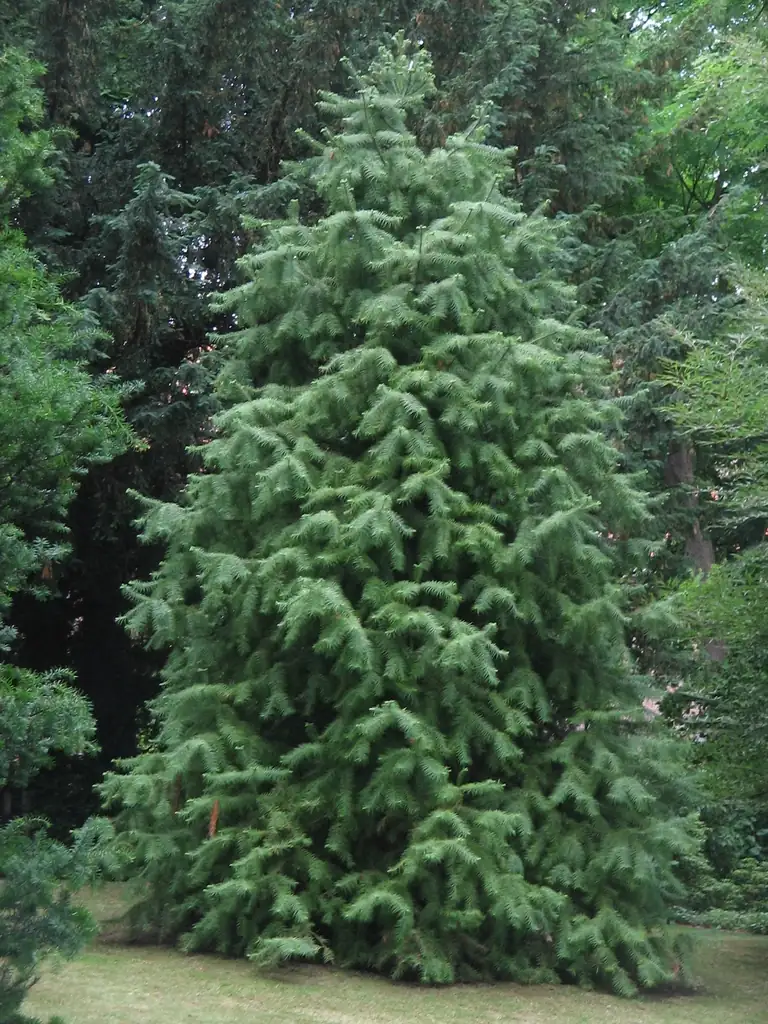
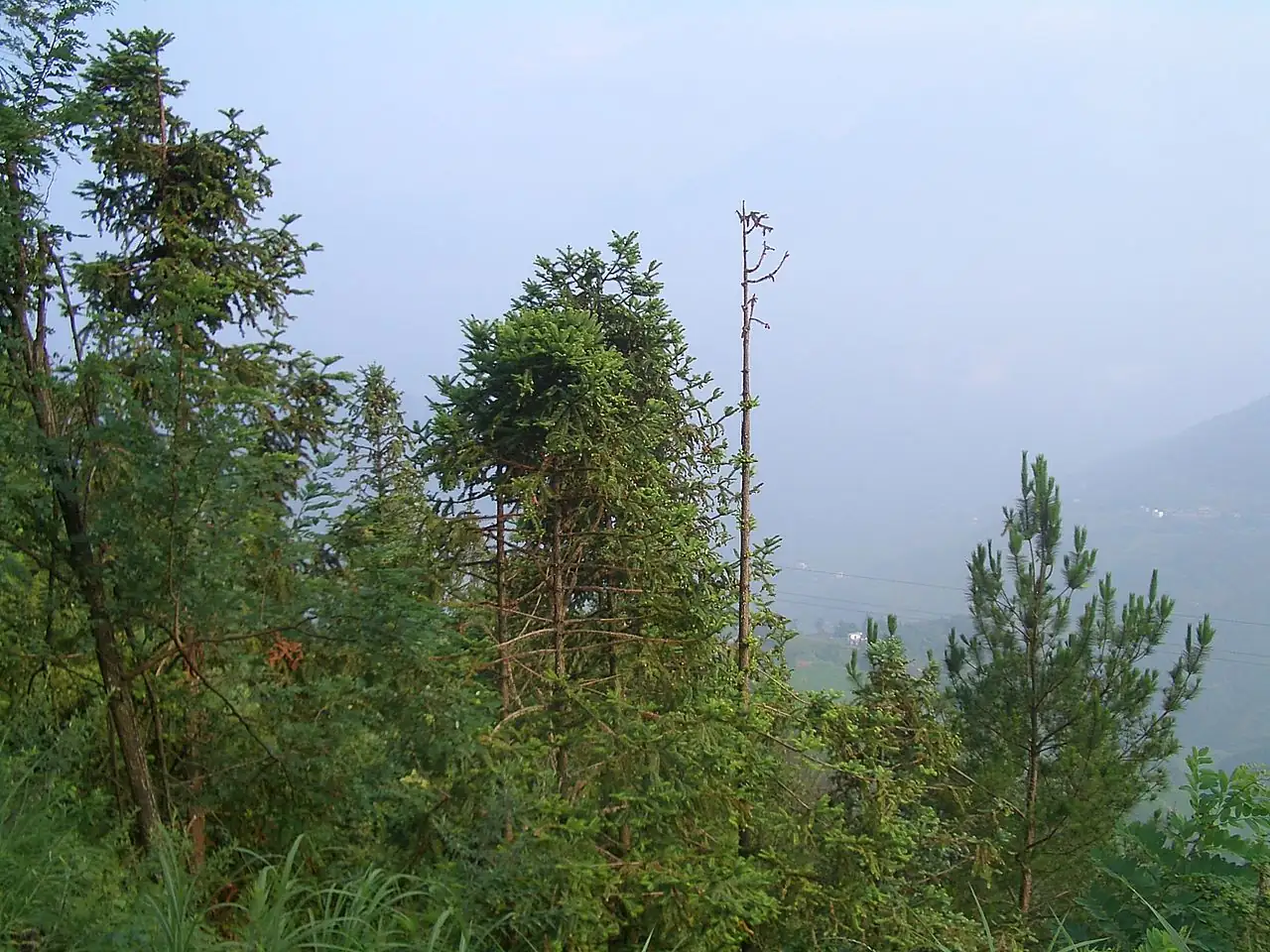
- Size: Up to about 30 m (98 ft) tall; crown narrow and spire-like when young, becoming broadly conical with age.
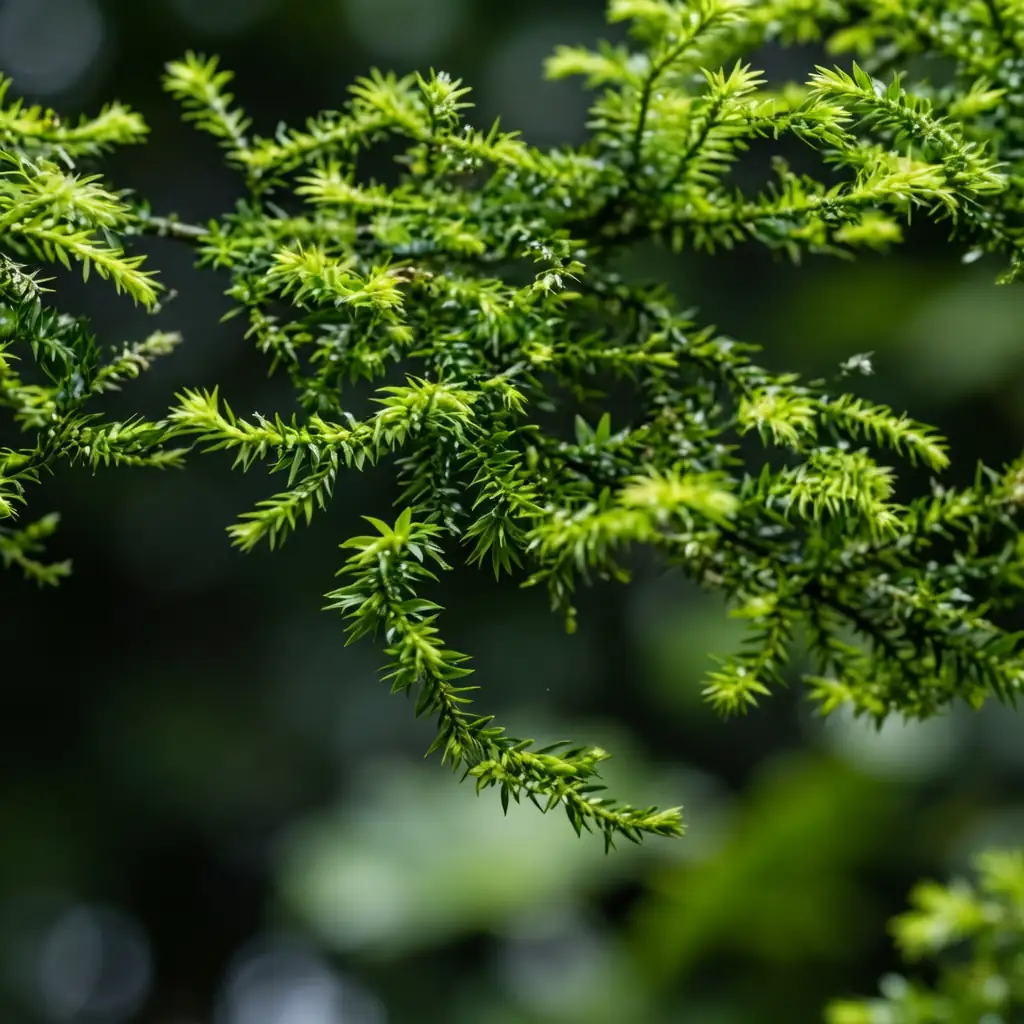
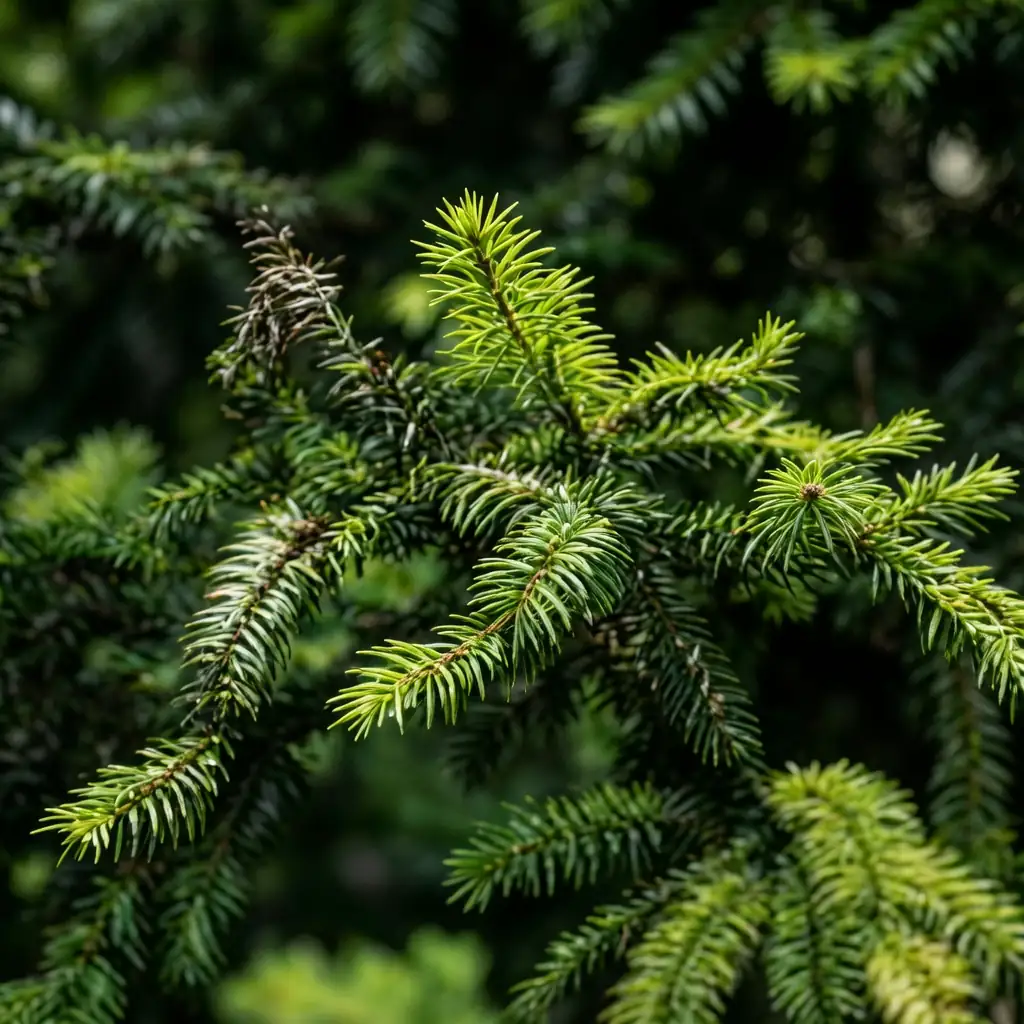
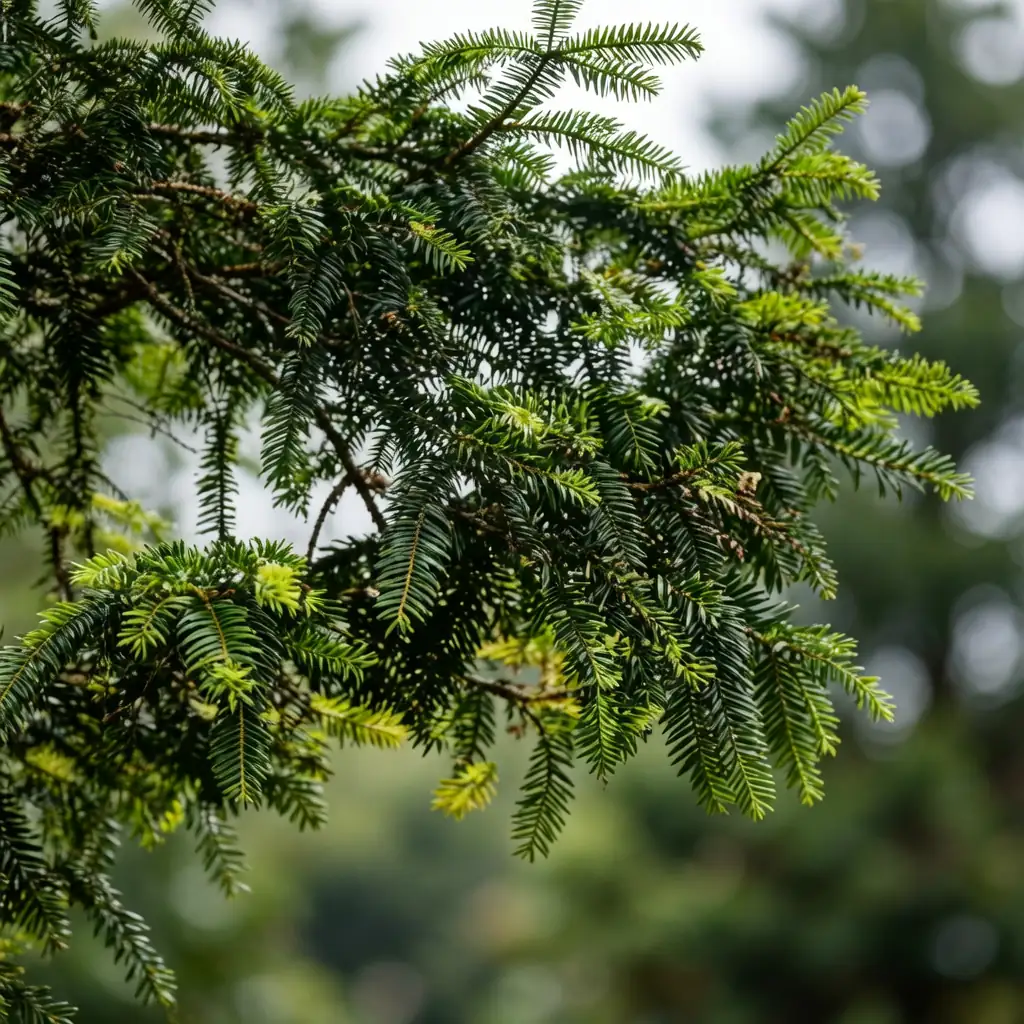
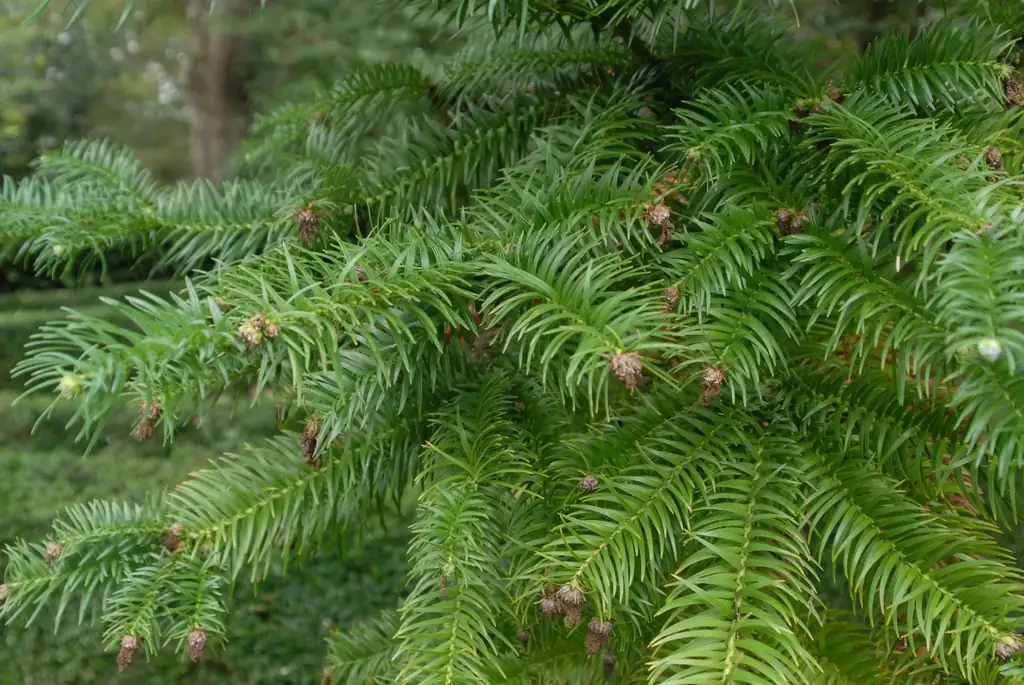
- Foliage: Leaves are lance-shaped to narrowly lance-shaped, slightly sickle-curved, thick, leathery, stiff, and glossy deep green. Old, curled, dead leaves may persist along the main trunk and larger branches.
- Flower: No showy flowers; reproductive structures are seed cones. Cones are ovoid to nearly spherical and ripen to yellow-brown; seeds are winged and dispersed by wind.
- Flowering Season: April (cone formation; conifers do not produce showy flowers).
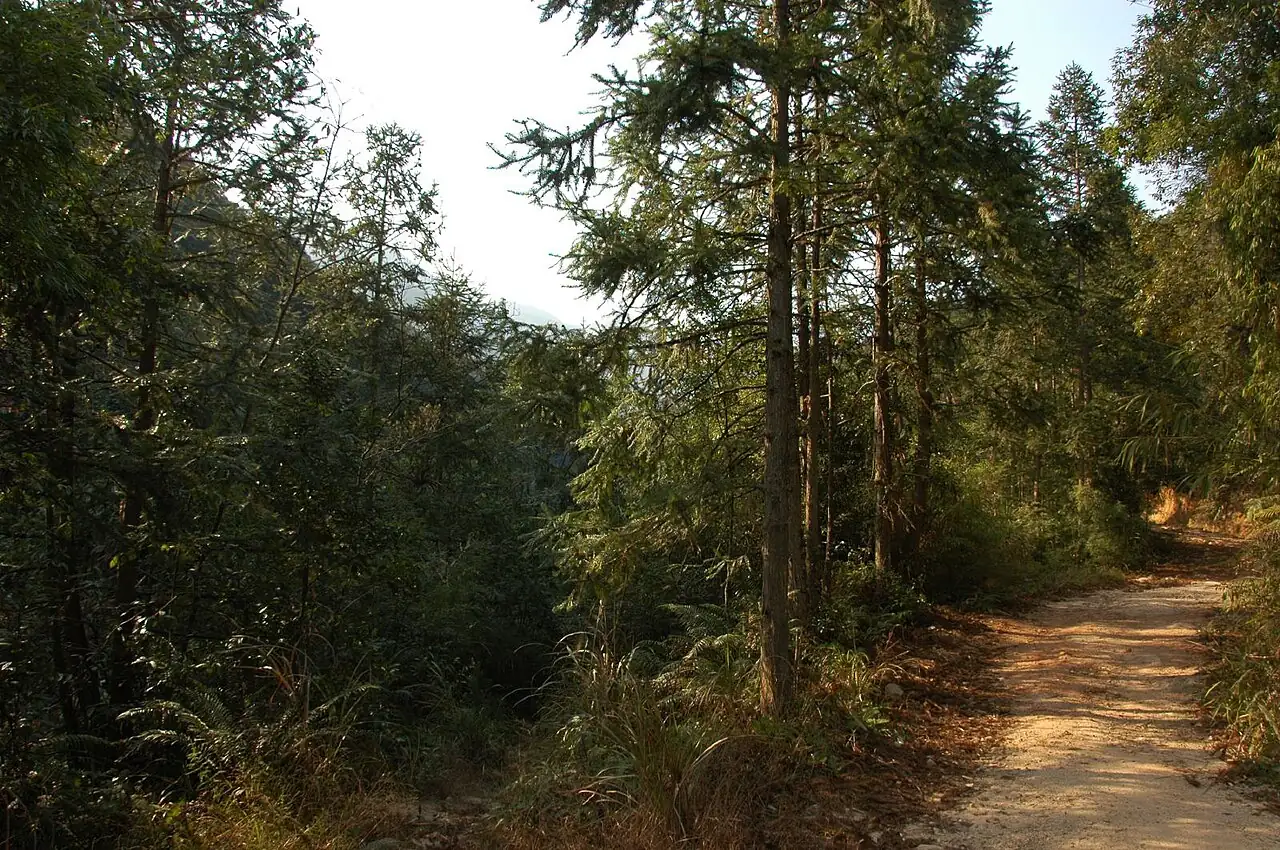
- Growth Habit: Evergreen, upright tree with a strong central leader. Bark is brown and flakes off in long strips.
Environment
Sunlight
Full sun for best growth; tolerates light shade when young but performs best with strong light.
Temperature
Prefers warm, humid conditions. Best growth roughly 15–30°C (59–86°F). Not fully frost-hardy—protect from prolonged freezes below about -5°C (23°F), especially when young.
Humidity
Moderate to high humidity; happiest in consistently moist, humid climates (avoid hot, dry air for long periods).
Soil
Deep, fertile, well-drained, acidic soil. Avoid waterlogging and strongly alkaline soils; steady moisture with good drainage is ideal.
Placement
Outdoors only in most situations—parks, large gardens, avenues, and windbreak/shelterbelt plantings. Not suitable as a typical indoor plant due to its eventual size and light needs.
Hardiness
Generally suited to USDA Zone 7–10 (approx.); sensitive to severe cold and prolonged drought.
Care Guide
Difficulty
Moderate (outdoors, in suitable climates). It’s fairly adaptable once established, but it truly shines in warm, humid regions with full sun. The big avoidables are prolonged drought, severe cold, and poorly drained soils.
Buying Guide
Pick nursery plants with a straight central leader and dense, evenly green foliage. Avoid browning tips, trunk wounds, or badly root-bound pots. A good rootball should be firm and moist—not soggy—and the container should drain well.
Watering
During the first 1–2 years, water regularly to keep soil evenly moist. In dry spells, deep-water thoroughly rather than frequent light sprinkling. Once established, reduce frequency, but don’t let it sit in prolonged drought.
Fertilization
Feed in spring with a balanced slow-release fertilizer, or a fertilizer formulated for acid-loving trees/shrubs, following label rates. Avoid heavy feeding late in the season so new growth can harden before cold weather.
Pruning
Usually minimal. In late winter to early spring, remove dead, damaged, or crossing branches. Don’t top the tree; maintain a single central leader for its best natural form.
Propagation
Most commonly grown from seed. Semi-hardwood cuttings can work under mist with rooting hormone, though success rates vary.
Repotting
Not applicable once planted in the ground. For container-grown young trees, up-pot when roots begin circling; use a free-draining, slightly acidic mix and disturb the roots as little as possible.
📅 Seasonal Care Calendar
Spring: plant, mulch, and feed lightly; watch for fresh growth. Summer: deep-water during heat/drought; keep mulch topped up to conserve moisture. Autumn: stop heavy feeding; keep soil lightly moist. Winter: protect young trees from hard freezes and drying winds where cold snaps occur.
Pests, Diseases & Safety
Common Pests & Diseases
Can be bothered by scale insects; spider mites may appear in hot, dry conditions. Root stress and decline are common if the soil stays waterlogged. Improve airflow, avoid overwatering, and check for honeydew/stickiness or leaf stippling; treat with horticultural oil/soap when needed.
Toxicity
No widely recognized serious toxicity for typical household exposure, but it’s not meant to be eaten. Discourage pets from chewing foliage and keep plant material out of reach as a general precaution.
Culture & Symbolism
Symbolism: Often linked with evergreen strength, resilience, and longevity—an ‘always-green’ presence in landscapes and shelterbelts.
History & Legends: Chinese fir has long been cultivated and planted across southern China for forestry—prized for its fast growth and straight trunks, and commonly used in plantations and protective shelterbelt systems.
Uses: A handsome ornamental and highly functional landscape tree for avenues, parks, and windbreaks/shelterbelts. It is also one of the most important forestry/plantation species in its native region.
FAQ
Can Chinese fir be grown as a houseplant?
Not long-term. It’s a large outdoor tree that needs strong sun and space. A young plant may survive temporarily indoors, but it will quickly outgrow the setting and usually weakens without outdoor light and airflow.
Why are the leaf tips browning?
Most often it’s drought stress, drying winds, root stress from poor drainage, or spider mites during hot, dry weather. Check soil moisture, improve mulching and watering depth, and inspect foliage closely for pests.
Fun Facts
- Major production regions in China include Zhejiang, Fujian, Jiangxi, Hunan, Guangdong, and Guangxi.
- Its silhouette changes with age—from a narrow, spire-like young tree to a broader conical crown as it matures.
- The brown bark peels in long strips, which makes it easy to recognize in the field.
- Curled, dead leaves can cling to the trunk and main branches, creating a distinctive ‘skirted’ look.
- Its yellow-brown cones hold winged seeds designed for wind dispersal.


