

Plant Features
- Size: Typically 1–2 m (3.3–6.6 ft) tall.
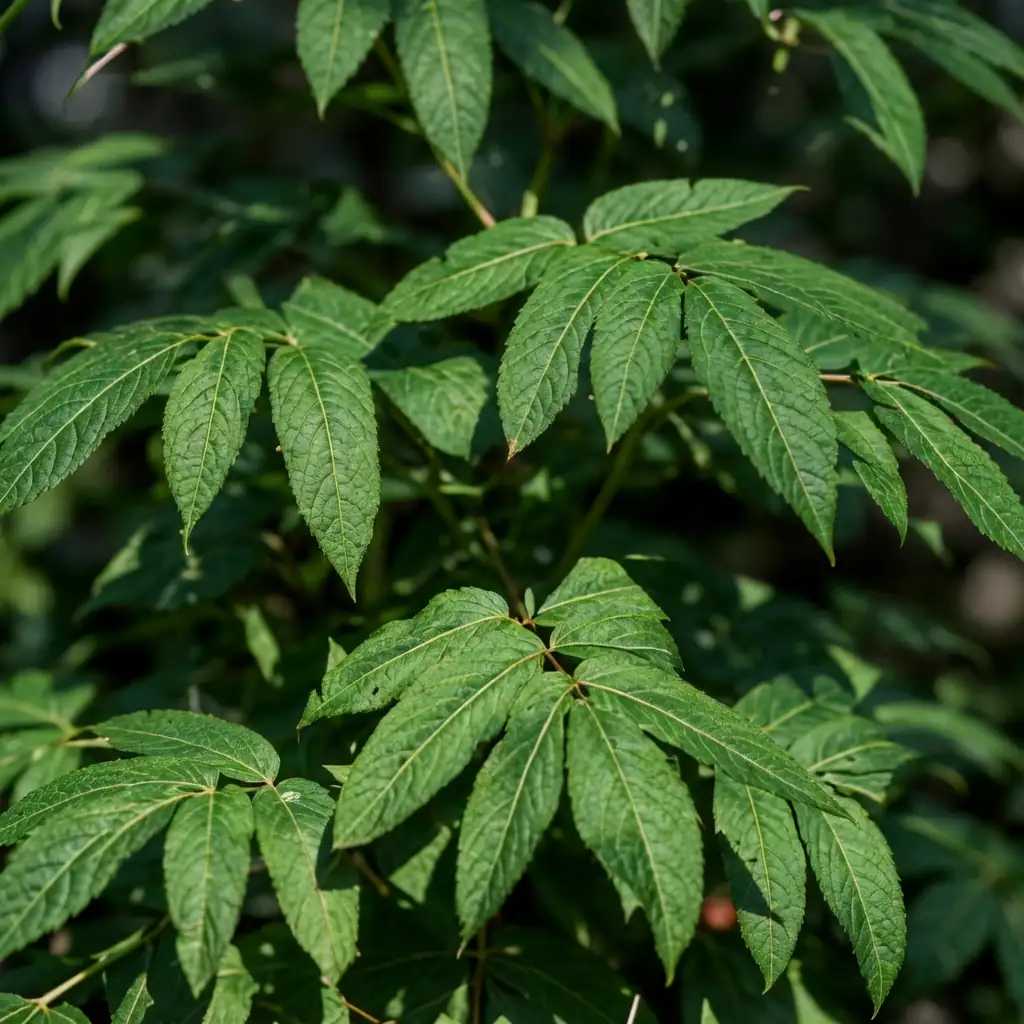
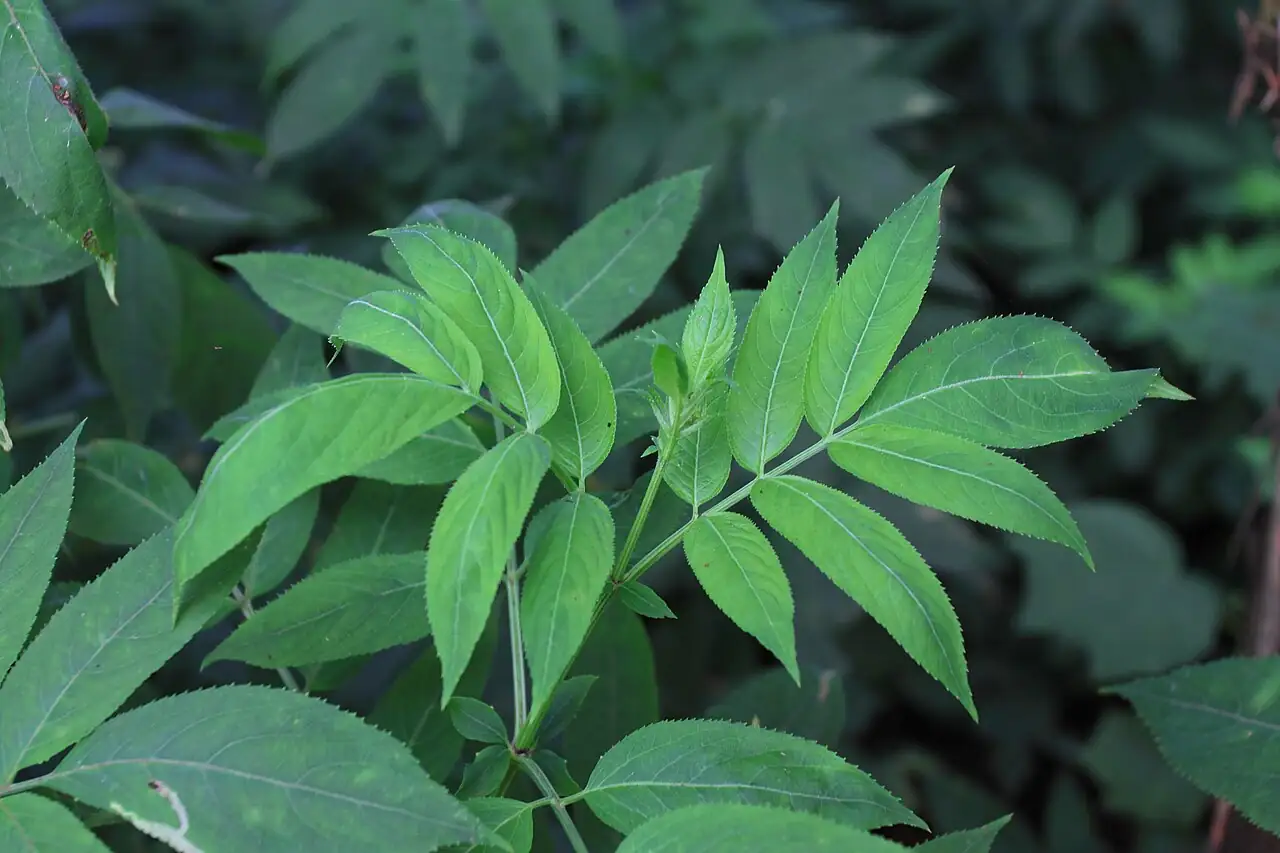
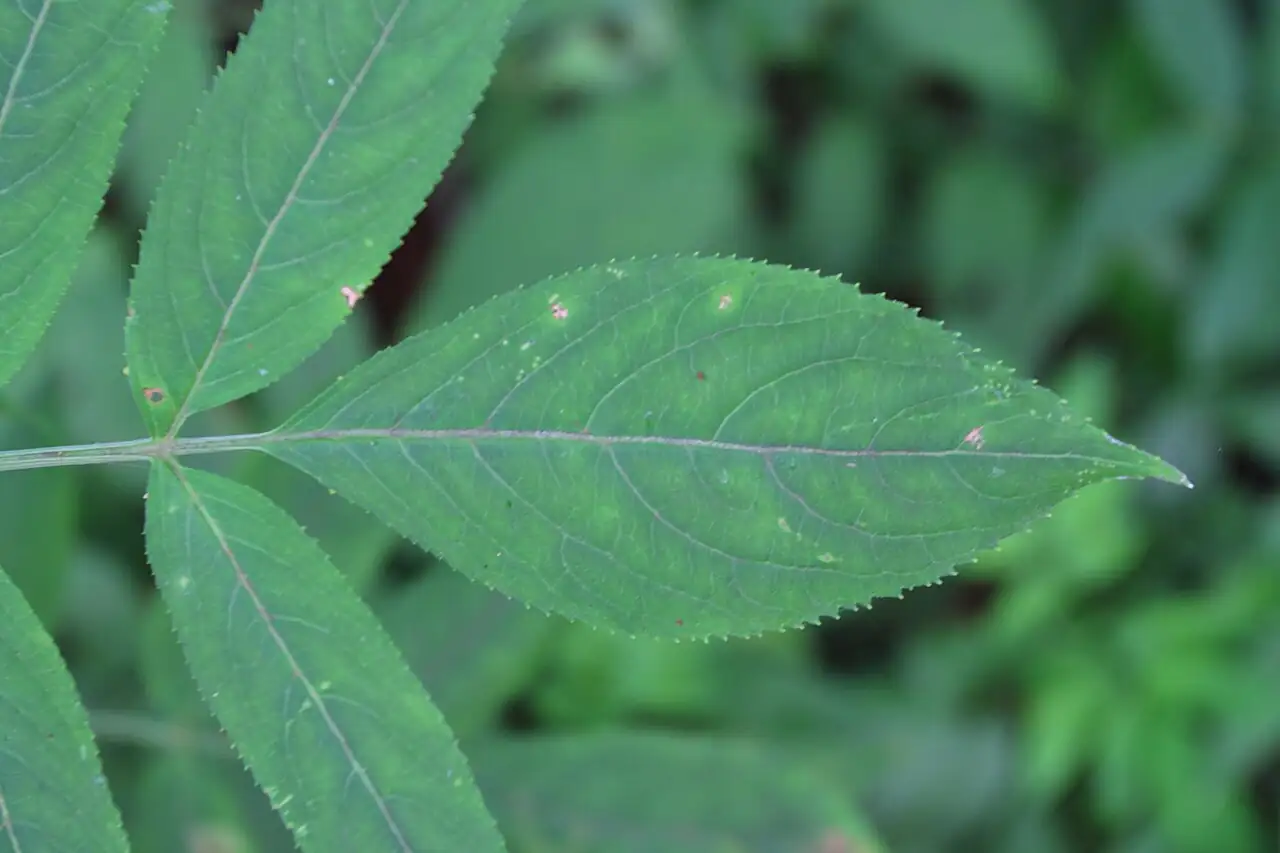
- Foliage: Stems are often ridged. Leaves are pinnate (compound) with multiple leaflets; leaflets are narrow-ovate with fine serrations. Leaf arrangement is usually opposite, though it may sometimes appear alternate.
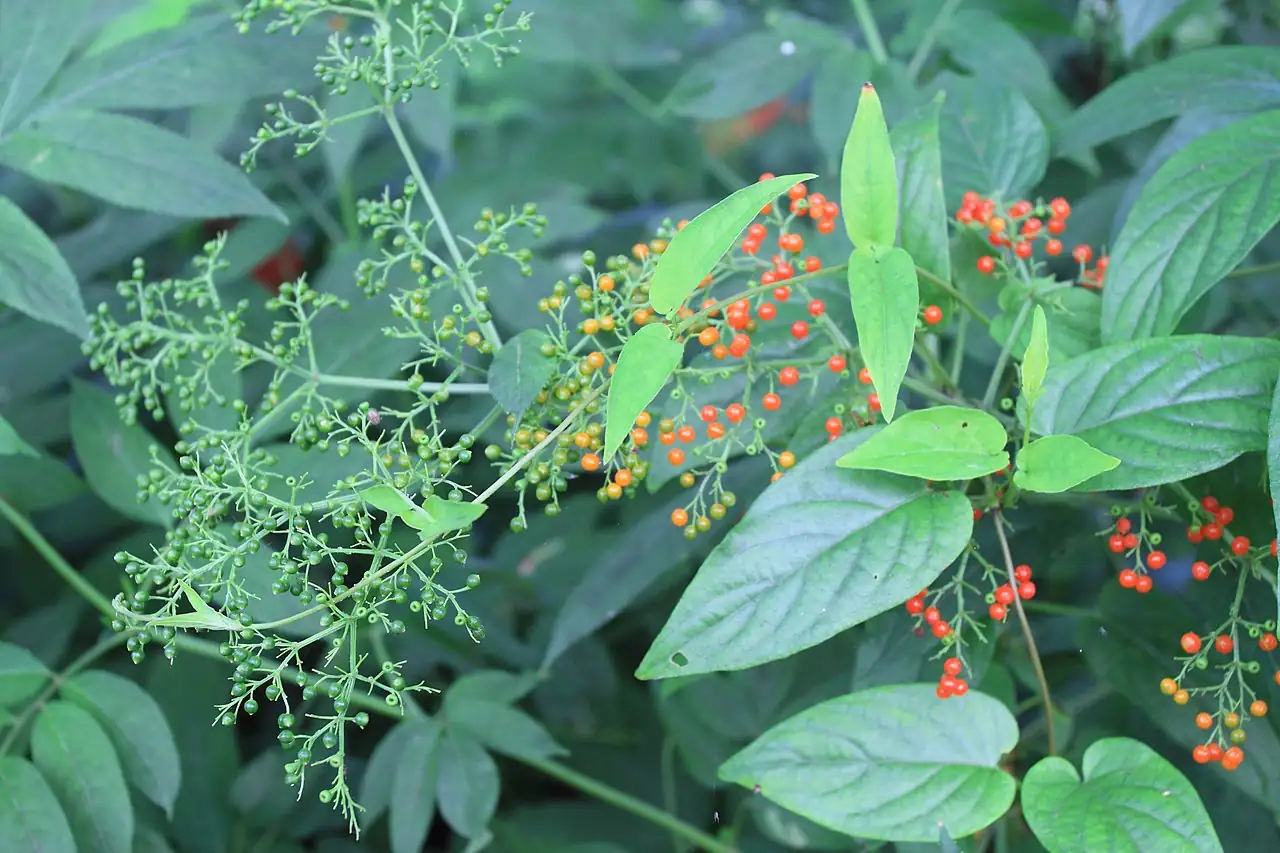
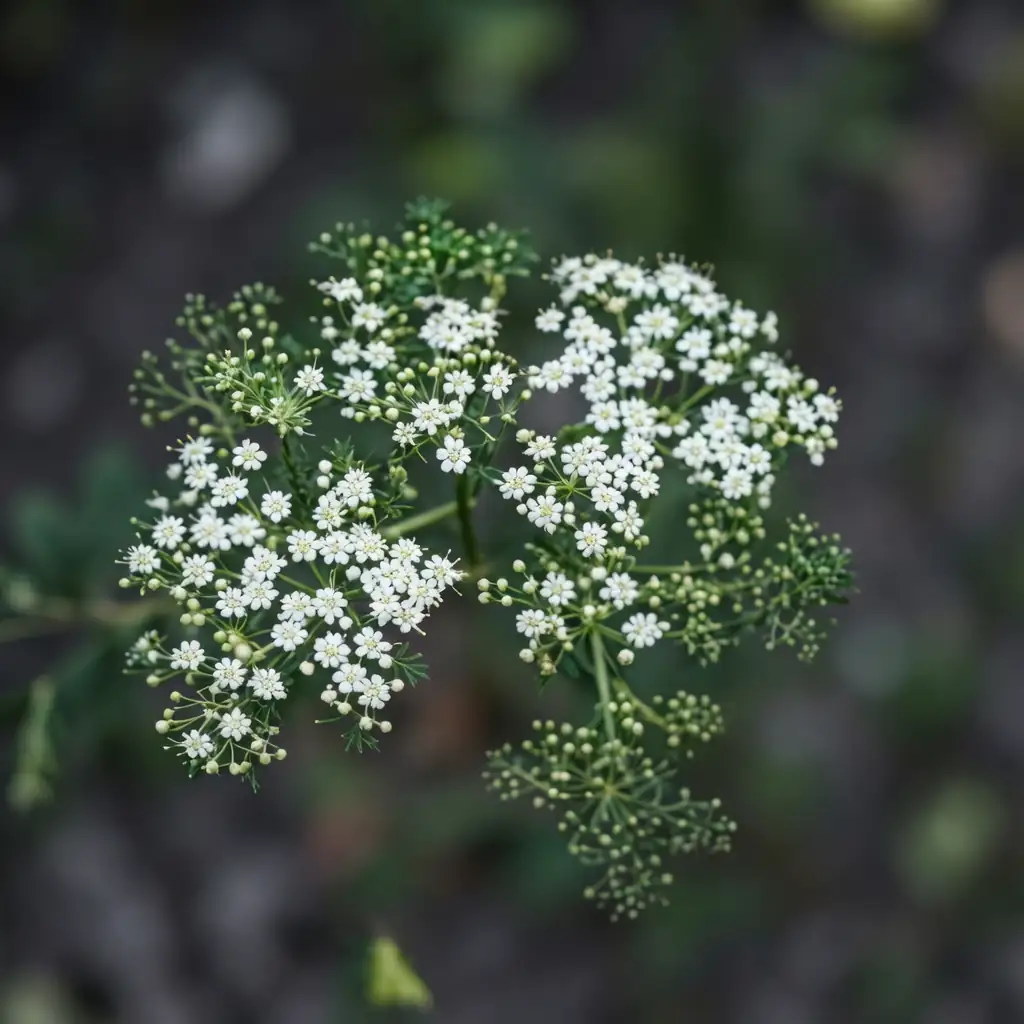
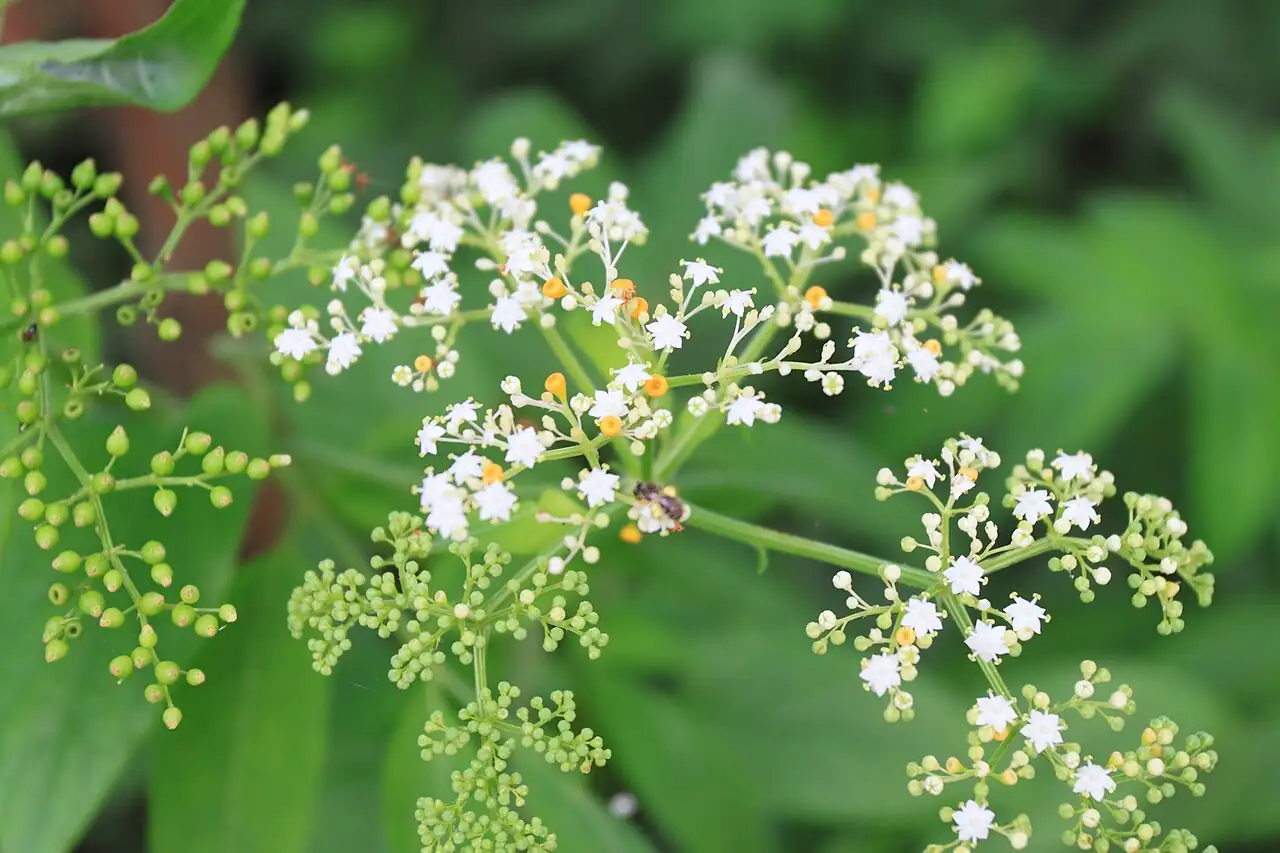
- Flower: Produces large, loose, terminal, flat-topped clusters of small white flowers; anthers can look yellowish to purplish. After flowering, it develops rounded red berries, sometimes with tiny warty bumps on the surface.
- Flowering Season: April–May
- Growth Habit: Tall herbaceous perennial to semi-woody subshrub; naturalistic, clump-forming growth that can be thinned for airflow.
Environment
Sunlight
Full sun to partial shade; flowering and fruiting are best in brighter sun.
Temperature
Adaptable in temperate to subtropical climates; during active growth, a comfortable range is about 10–30°C (50–86°F).
Humidity
Average outdoor humidity is fine; not picky as long as the soil isn’t staying waterlogged.
Soil
Prefers fertile, loose, well-drained garden soil, but tolerates many soil types if drainage is decent and roots aren’t sitting in stagnant water.
Placement
Outdoors: borders, park plantings, woodland edges, naturalistic drifts, slopes, and along ditches/grassland margins; excellent where you want a “settles-in-by-itself” feel.
Hardiness
Often performs well around USDA Zones 6–9 (local conditions can shift this).
Care Guide
Difficulty
Easy—generally tough and adaptable once established.
Buying Guide
Pick plants with firm, unblemished stems and healthy green foliage. Avoid waterlogged pots (sour smell, mushy roots) and plants already showing heavy aphid infestations or obvious powdery mildew.
Watering
Water regularly while establishing. Once rooted in, it usually only needs watering during prolonged dry spells. Aim for evenly moist soil—not soggy.
Fertilization
In spring, top-dress with compost or use a balanced slow-release fertilizer. Don’t overdo nitrogen, which can push leafy growth at the expense of flowers and fruit.
Pruning
In late winter to early spring, remove dead, weak, or damaged stems. After fruiting, thin congested growth to improve airflow and reduce mildew pressure.
Propagation
Can be grown from seed (cold stratification improves germination). Also propagates well by division; softwood to semi-hardwood cuttings may root under warm, humid conditions.
Repotting
Mostly grown in the ground. If kept in a container, repot every 1–2 years into a fresh, fertile mix and ensure strong drainage.
📅 Seasonal Care Calendar
Spring: light feeding and watch new growth; Summer: water during heat and enjoy berries; Autumn: tidy up and mulch in colder regions; Winter: prune and remove storm- or frost-damaged stems.
Pests, Diseases & Safety
Common Pests & Diseases
Watch for aphids, scale, and spider mites. Powdery mildew can show up in crowded, shady, or still-air conditions. Improve airflow, avoid late-day overhead watering, and use horticultural soap/oil if infestations build.
Toxicity
Edibility and toxicity vary across Sambucus species and by plant part. Unless you have reliable, species-specific guidance, treat the berries and other parts as not for casual eating and keep plant material away from children and pets to prevent accidental ingestion.
Culture & Symbolism
Symbolism: Often linked with healing and resilience, echoing its long-standing traditional reputation.
History & Legends: In Chinese folk and traditional practices, it has been associated especially with external uses for bruises and sprains—one reason it remains a memorable plant in rural landscapes.
Uses: A decorative, wildlife-friendly ornamental for spring flowers and summer berries; great for mass planting and naturalistic designs. Traditionally valued as a medicinal plant (notably for bruises and sprains).
FAQ
Will Chinese elder grow in partial shade?
Yes. It tolerates light shade, though you’ll usually get better flowering and berry display in fuller sun.
Why is my plant getting powdery mildew?
Mildew is most common when plants are crowded, shaded, or in still air. Thin stems for airflow, avoid overhead watering late in the day, and treat early with horticultural soap/oil if needed.
Can I eat the red berries?
Be cautious—Sambucus edibility depends on the exact species and the plant part, and some parts can be harmful if misused. Unless you have trusted, species-specific edible confirmation, don’t treat the berries as edible.
Fun Facts
- It’s a naturalizer—happy to fill in slopes, ditch edges, and woodland margins with a relaxed, semi-wild look.
- The berries are often described as rounded and red, sometimes with tiny warty bumps on the surface.
- Its reputation for helping bruises and sprains is a big part of why it’s remembered and grown in traditional settings.
- It grows as a tall perennial that can look almost shrub-like as stems become a bit woody.


