

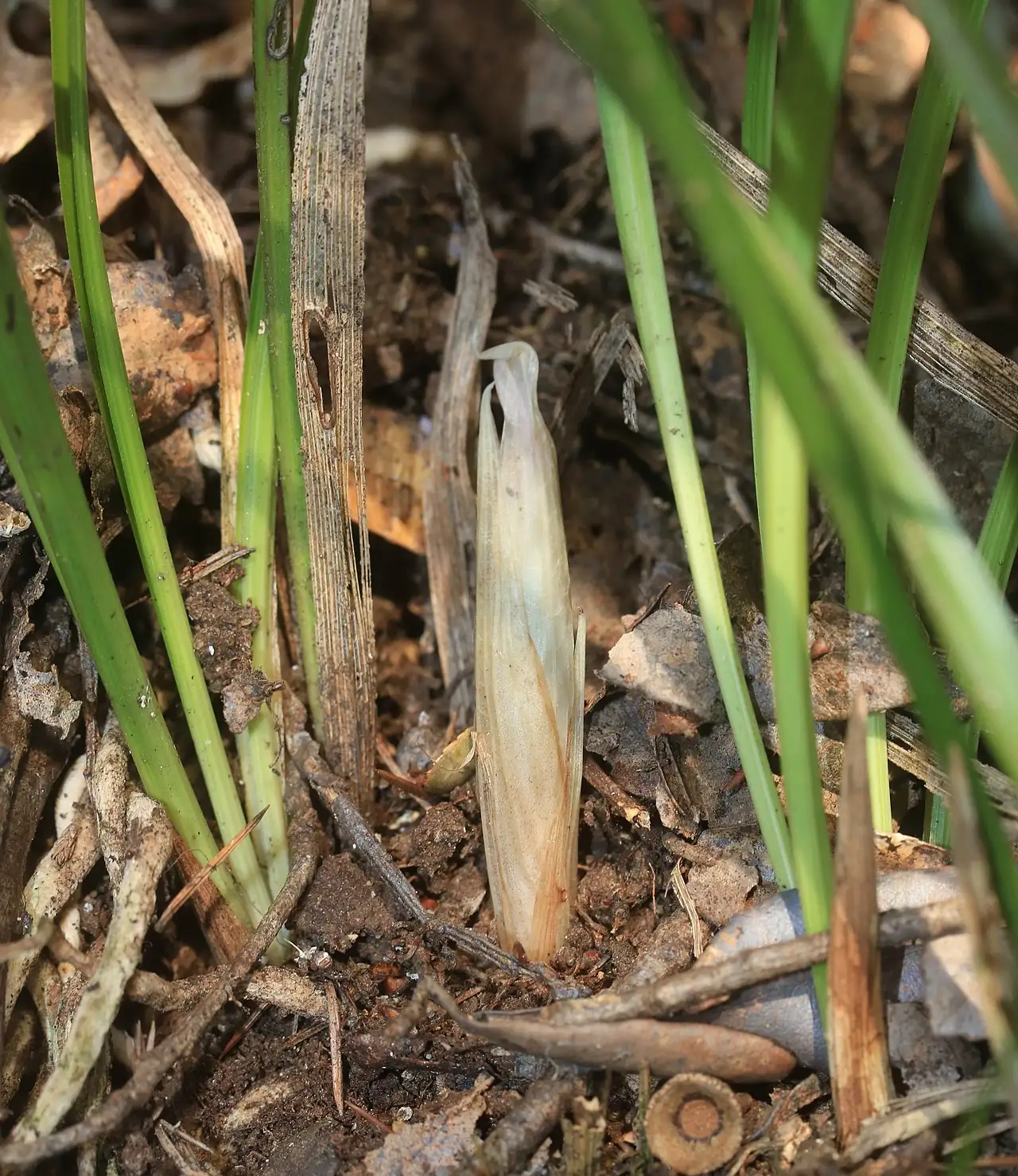
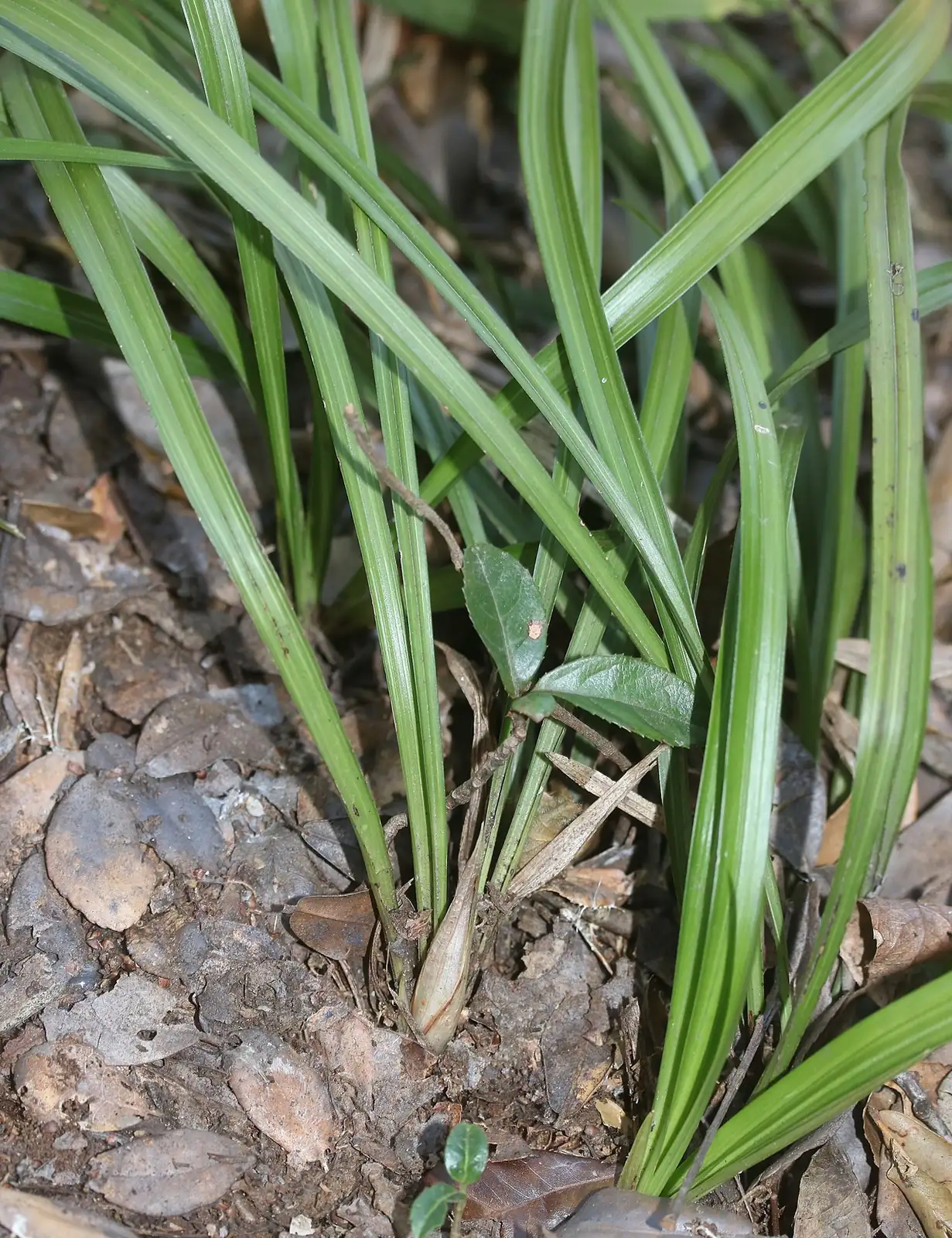
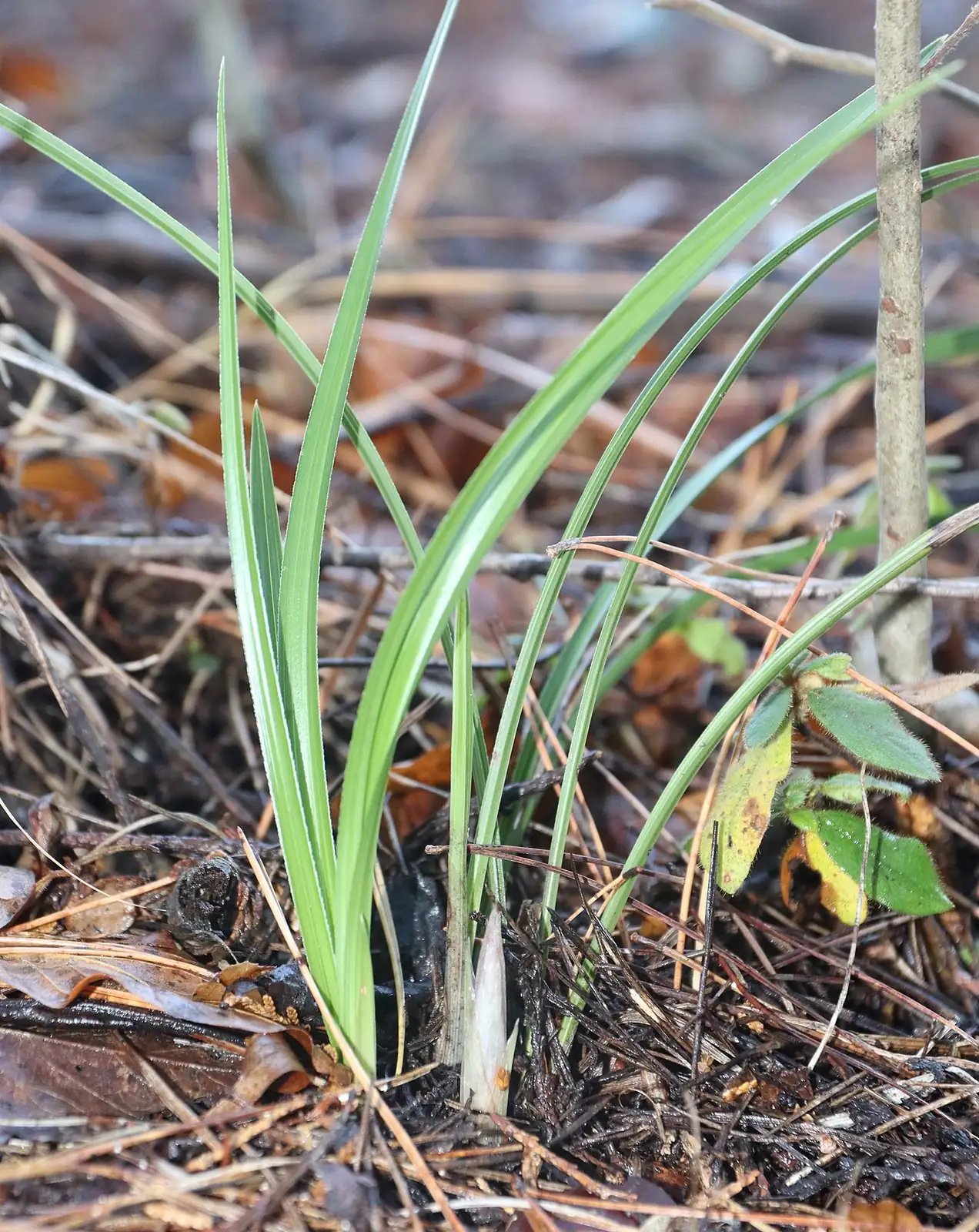
Plant Features
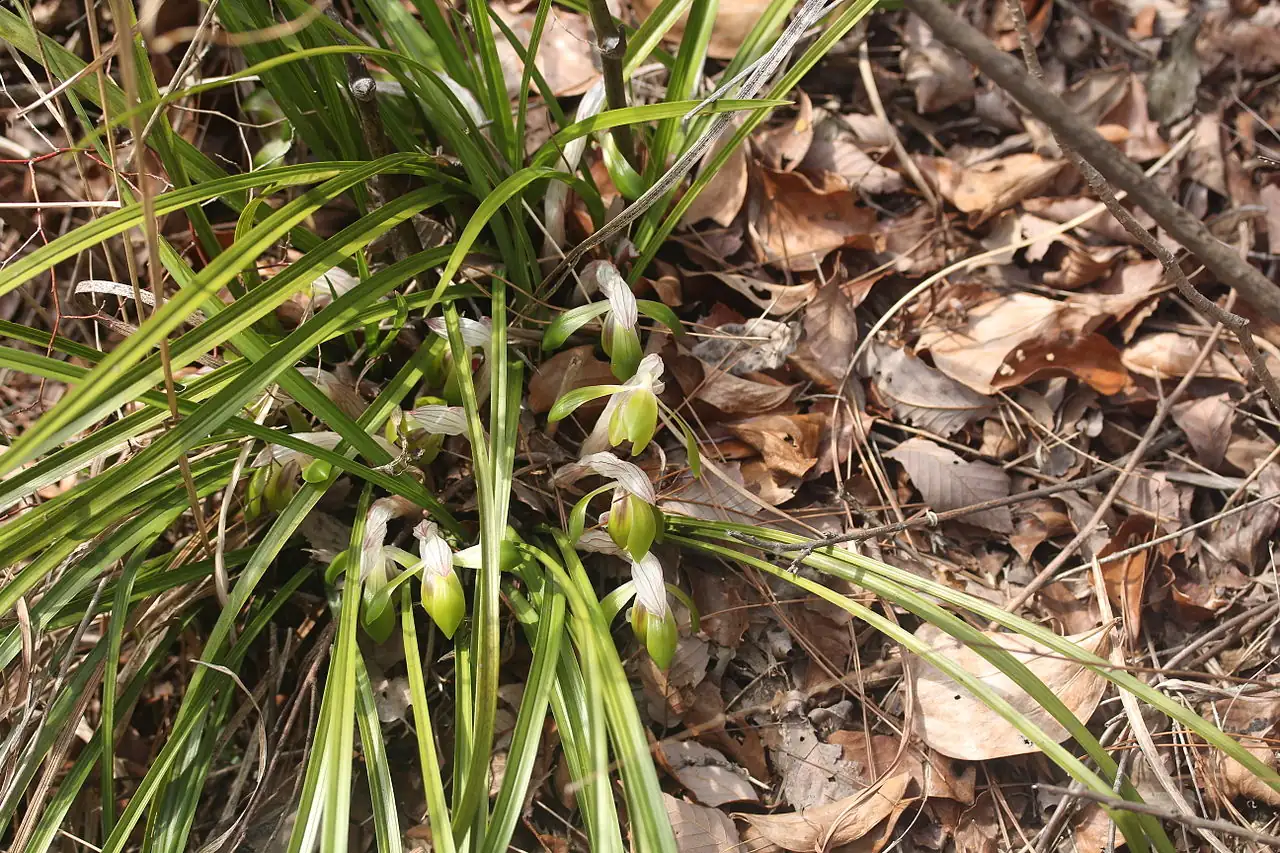
- Size: Typically 20–40 cm (8–16 in) tall in cultivation; forms tight clumps that slowly widen over time.
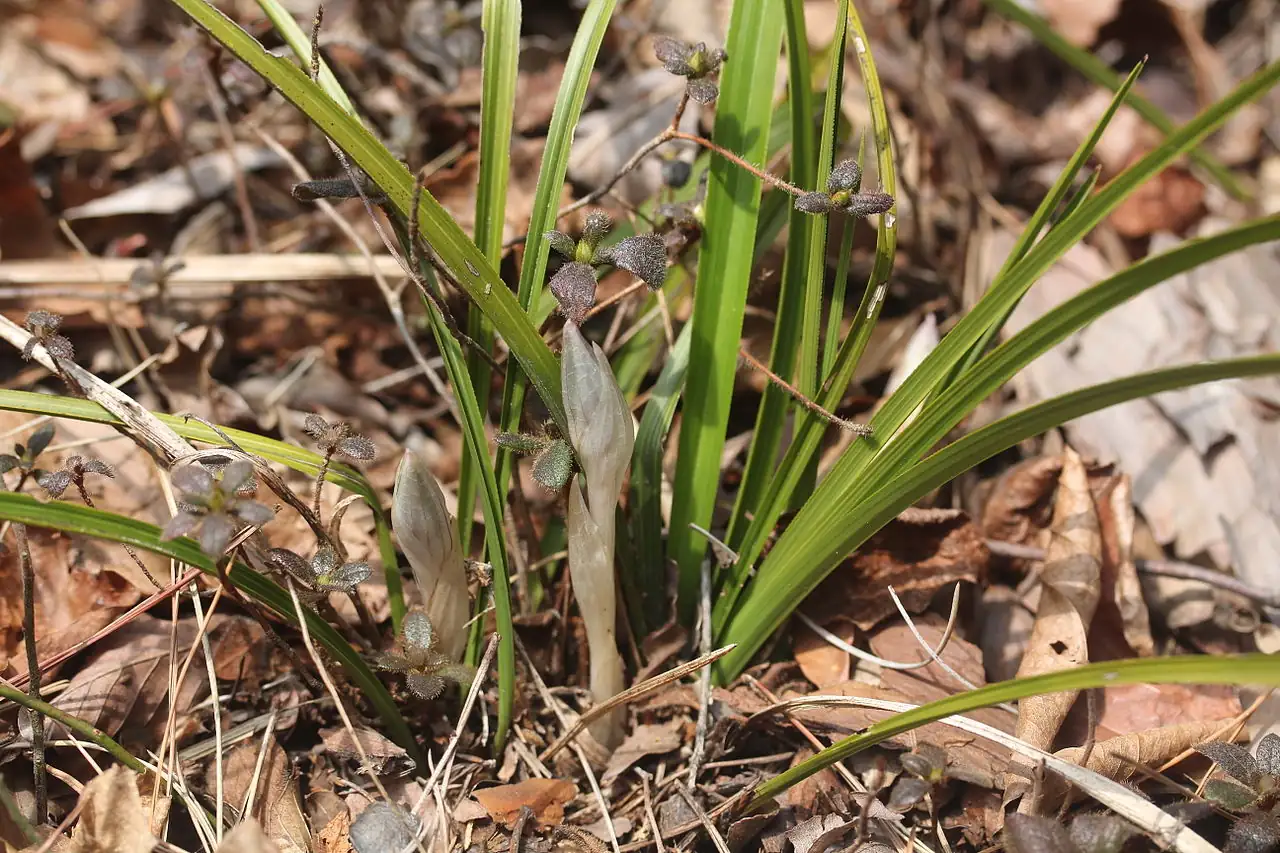
- Foliage: Narrow, strap-like evergreen leaves arising from pseudobulbs; usually deep green, arching to upright, creating a neat, grassy look.
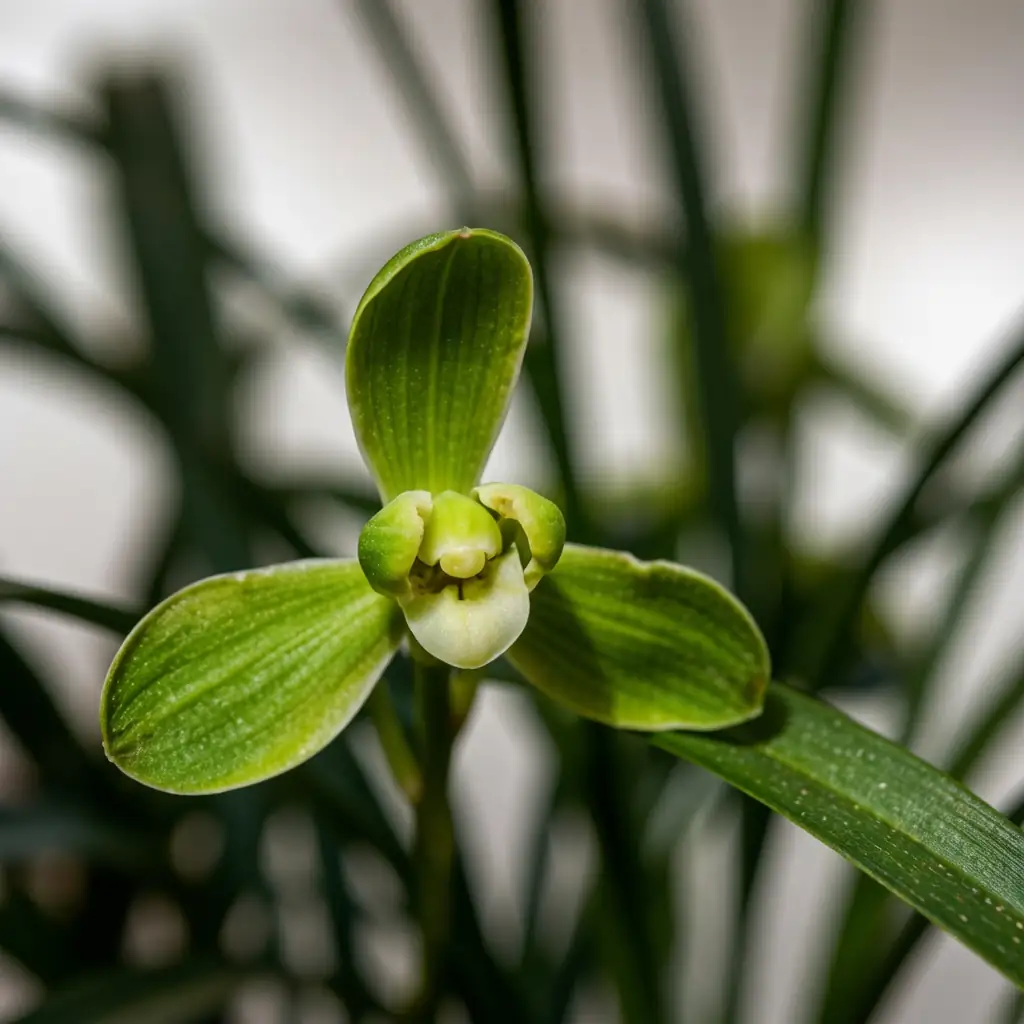
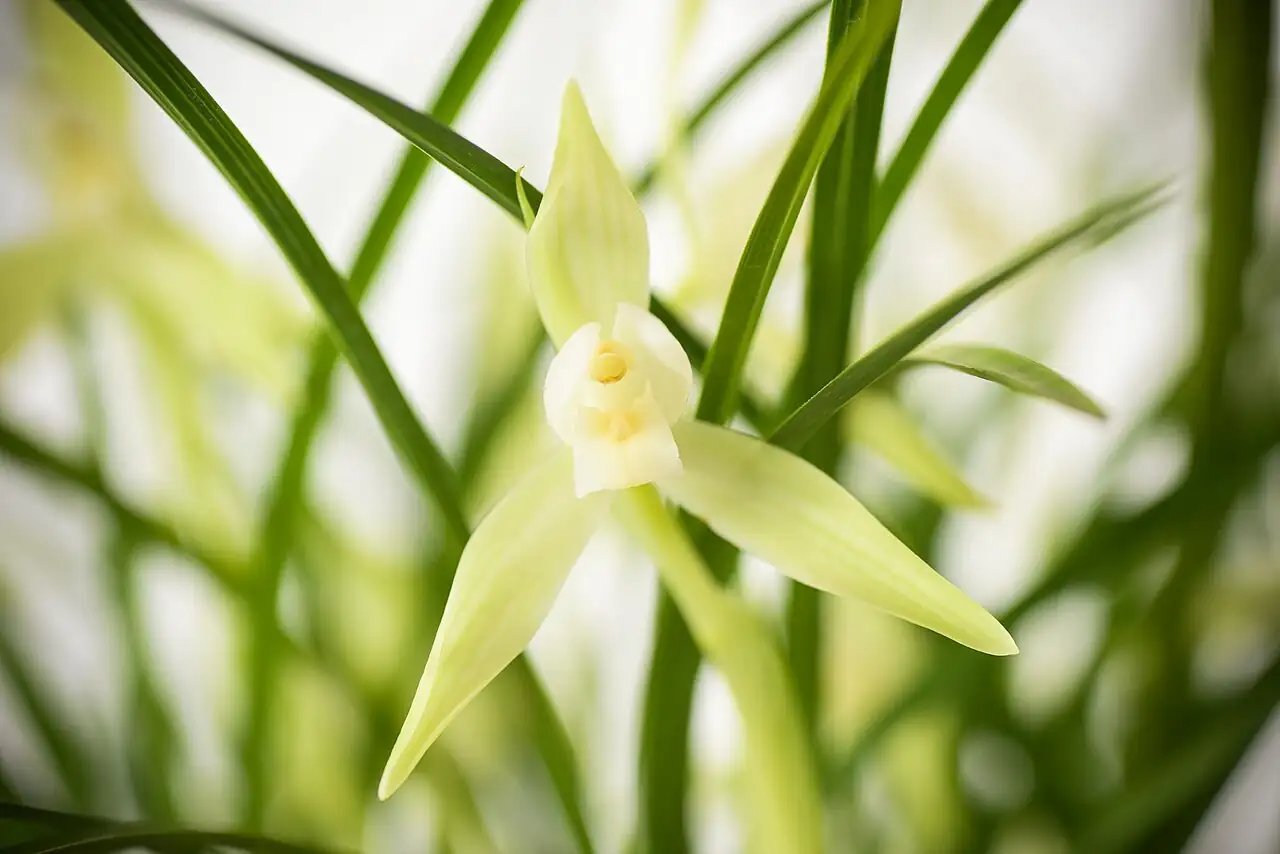
- Flower: Short flower stems carry a few waxy, starry blooms, often greenish to yellow-green with contrasting markings. Famous for an intense, sweet fragrance.
- Flowering Season: Winter to spring.
- Growth Habit: Clump-forming sympodial orchid with pseudobulbs.
Environment
Sunlight
Bright shade to dappled/filtered light. Avoid harsh midday sun. In summer, provide about 60%–80% shade; in winter, a bright windowsill or balcony with gentle sun works well.
Temperature
Prefers 15–25°C (59–77°F). Can tolerate brief cold spells around -8 to -5°C (18 to 23°F) if kept drier and protected, but it is not suited to prolonged freezes. Growth slows above 35°C (95°F). Flower bud initiation is often encouraged around 12–13°C (54–55°F).
Humidity
Moderate to high humidity with good airflow. Around 50%–60% is a workable baseline; during active growth, 80%–90% can be ideal. In winter, many growers aim for roughly 60%–70% while keeping air moving.
Soil
A very airy, fast-draining orchid mix that never stays soggy. Common ingredients include leaf mold, peat, moss, composted bark/wood chips, coconut coir, charcoal, pumice, brick chips, and vermiculite (often adjusted to local materials). Some growers use mostly moss, but only if ventilation is excellent and watering is tightly controlled.
Placement
A bright, airy spot with filtered light: outdoors in a shaded, well-ventilated area for much of the year; indoors in winter near a bright window or balcony. Typical sunny windowsills can be too dry/bright unless humidity is boosted and light is softened.
Hardiness
Not reliably frost-hardy long-term; tolerates brief dips to about -8 to -5°C (18 to 23°F) but dislikes extended freezing and prolonged heat above 35°C (95°F).
Care Guide
Difficulty
Moderate to challenging—especially in dry indoor homes. The secret is balancing moisture, airflow, and light: keep roots and rhizomes airy (never sitting in stagnant water) while preventing humidity from dropping too low.
Buying Guide
Pick plants with firm, plump pseudobulbs and clean, unspotted leaves. Avoid sour-smelling pots or mixes that stay soggy. Ideally, choose a plant with active roots and at least one strong new growth (seasonally).
Watering
Watering is the make-or-break point. Adjust to season and growth: water less in winter (cooler temps, slower growth), and water more during vigorous summer growth—yet avoid prolonged wetness and protect from heavy rain. In autumn, water in the morning; in winter, water around midday on sunny days. Use clean water; if using tap water, let it sit so chlorine dissipates and the water warms to room temperature. Avoid splashing dirty water on leaves and never let water pool in the crown/center.
Fertilization
Feed lightly but consistently during active growth. Aside from the winter rest and the period around flowering, apply a very dilute fertilizer about every 2–3 weeks. Some growers use weak nitrogen plus a bloom-supporting feed (for example, urea and monopotassium phosphate at low concentration). Don’t fertilize on overcast/rainy days, and keep fertilizer solution out of the plant’s center.
Pruning
Remove yellowing, damaged, or diseased leaves as needed. During repotting, trim away dead tissue and discard weak shoots.
Propagation
Best propagated by division, usually during repotting every 2–3 years. Ideal timing is before new shoots rise above the medium and before new roots elongate—commonly around March or around September. Let the mix dry slightly first, remove and clean the plant, air-dry roots briefly, then divide between crowded pseudobulbs with a clean cut. Keep divisions modest (often 2–3 growths per piece), dust cuts with sulfur, and recover in bright shade.
Repotting
Repot about every 2–3 years. Let the medium dry slightly to reduce root breakage. Remove old mix, rinse roots, trim dead tissue, and on weak plants reduce excess flower buds. Many growers pot 3–5 shoots together for a fuller clump. Use a deep, well-drained pot with coarse drainage material at the base (such as shards/brick chips) and an airy mix. Spread roots, firm gently, leave about 2 cm (0.8 in) headspace, top-dress if desired, water thoroughly, then keep in bright shade until re-established.
📅 Seasonal Care Calendar
Summer: 60%–80% shade; water more but protect from heavy rain. Autumn: avoid rain-soaking (leaf-spot risk); water in the morning. Winter: brighter indoor placement; water less, ideally at midday on sunny days. Fertilizer: very dilute feed every 2–3 weeks during growth, but not in winter or around flowering. Repot/divide: every 2–3 years; often in March or around September before new roots extend.
Pests, Diseases & Safety
Common Pests & Diseases
In stagnant, poorly ventilated conditions—especially with persistently high humidity—leaf spot and soft rot can occur. Leaf spot may attack new growth and can be fatal if severe; soft rot causes basal decay and may show white fungal growth on the medium surface. Prevention focuses on strong airflow, avoiding soggy media, and lowering humidity during muggy/still weather. If necessary, use an orchid-appropriate fungicide following local regulations and label directions.
Toxicity
Cymbidium orchids are not widely cited as seriously toxic to people or pets, but chewing or ingestion may still cause mild stomach upset. Keep away from pets that like to nibble plants.
Culture & Symbolism
Symbolism: Often associated with purity, elegance, and refined character—quiet beauty with a strong inner presence.
History & Legends: Celebrated for centuries in East Asian culture, especially for its extraordinary fragrance—frequently described in classical writing as one of the finest scents among flowers.
Uses: Primarily ornamental: grown as a traditional potted orchid for its perfume, winter-to-spring flowers, and graceful evergreen foliage.
FAQ
What potting mix is best for Chinese cymbidium in a pot?
Use an airy, fast-draining mix that holds a little moisture but never stays waterlogged. Popular blends combine materials like leaf mold, peat, moss, coconut coir, charcoal, pumice, brick chips, and vermiculite. Some people grow it mostly in moss, but only when airflow is excellent and watering is carefully managed.
Why is my plant getting smaller with fewer leaves over time?
This orchid reacts quickly to stress from watering, light, and humidity. Roots must stay breathable—too wet (or bone-dry) will weaken growth, and water quality can matter. It also prefers filtered light rather than strong sun. During the growing season it often performs best with higher humidity (commonly 80%–90%), while winter can be around 60%–70% with good air movement. Many windowsill setups are simply too bright and too dry unless you actively manage shade and humidity.
Fun Facts
- Its fragrance has been praised for centuries and is one of the main reasons collectors treasure it.
- It’s a signature “Chinese orchid” type valued for refined form and scent rather than huge, showy blooms.
- Some growers have successfully raised it in simple, moss-heavy setups—proof that airflow and careful watering often matter more than fancy ingredients.


