Plant Features
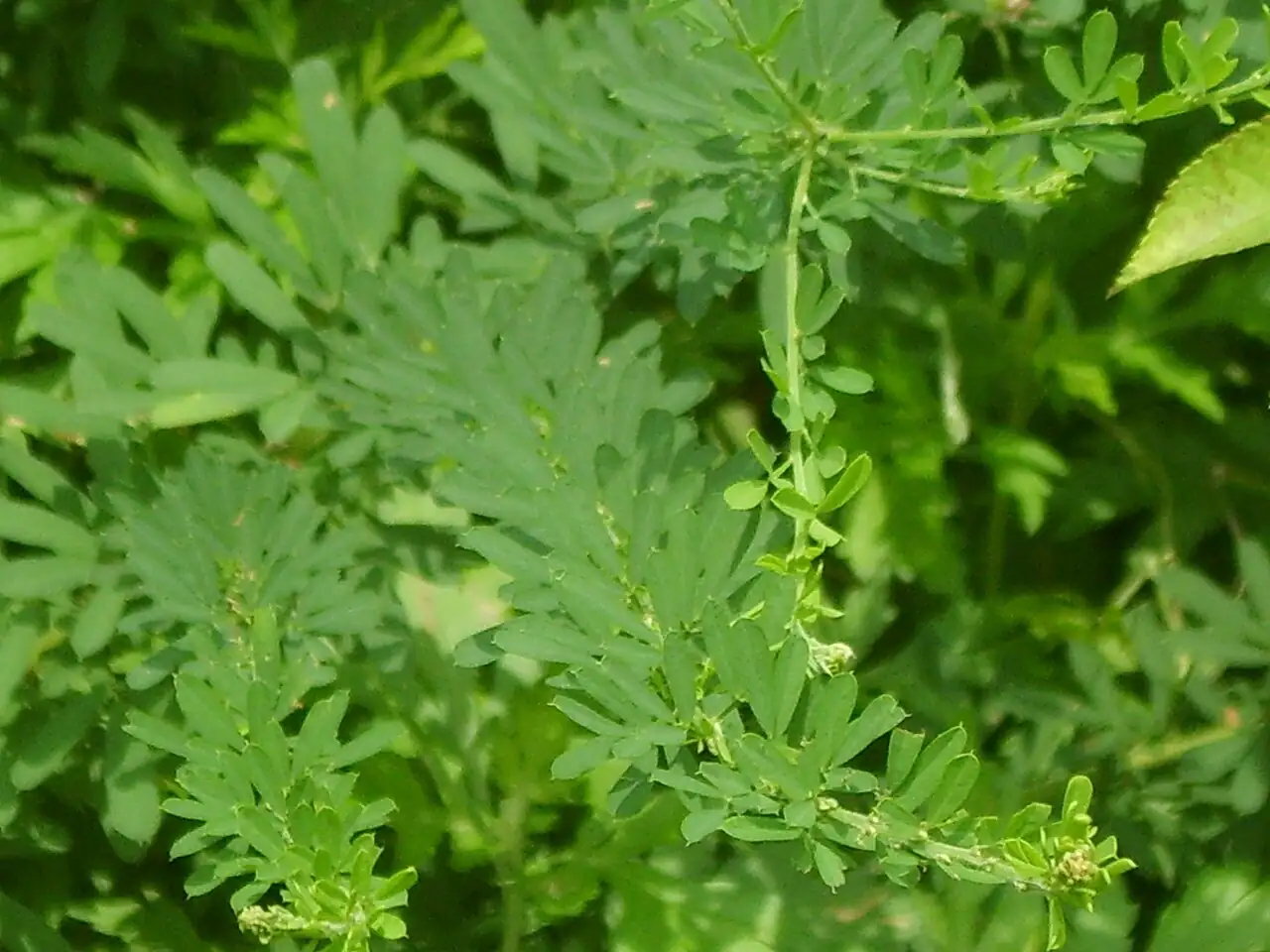
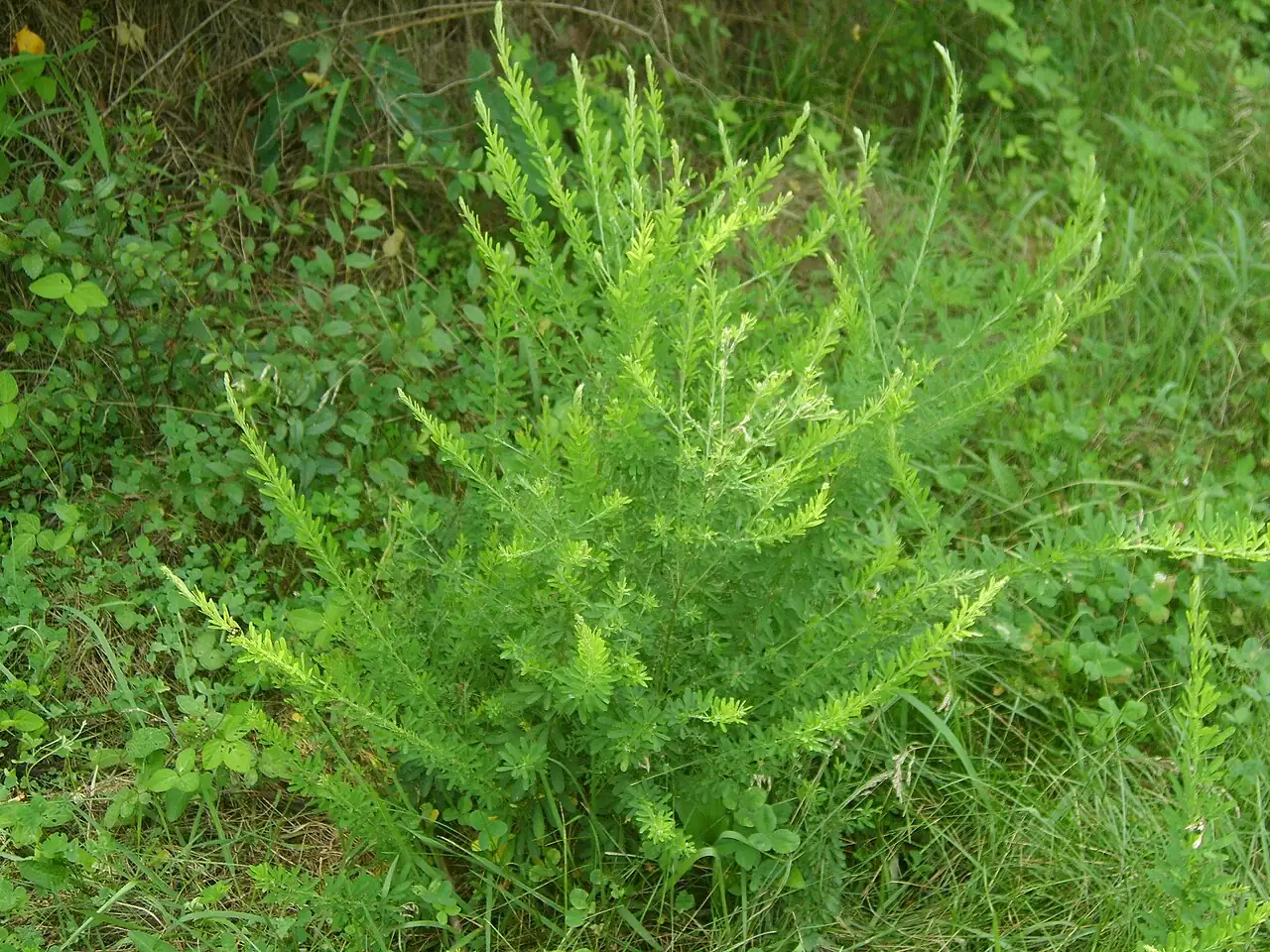
- Size: Up to 1 m (3.3 ft) tall; typically an upright to arching small shrub.
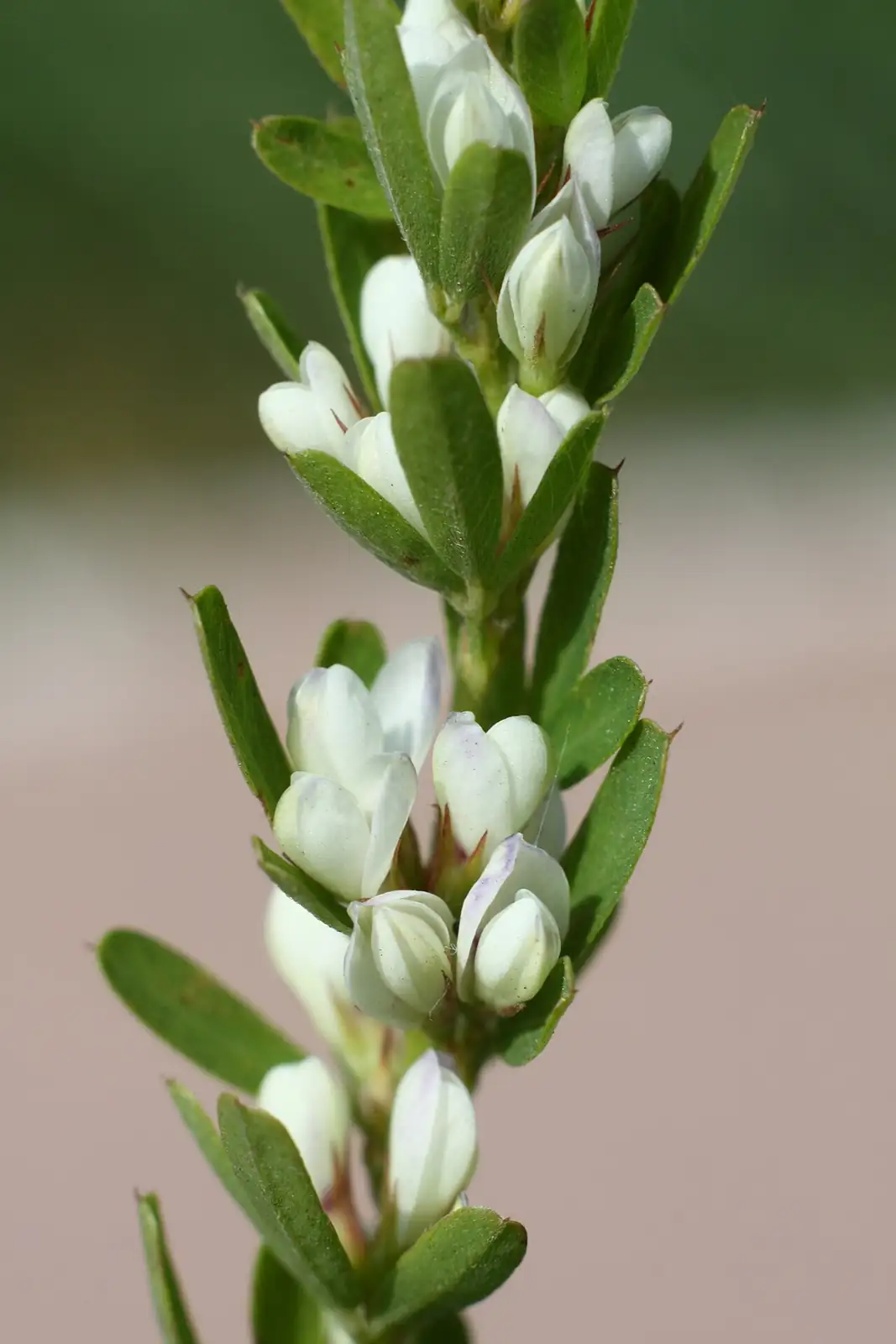
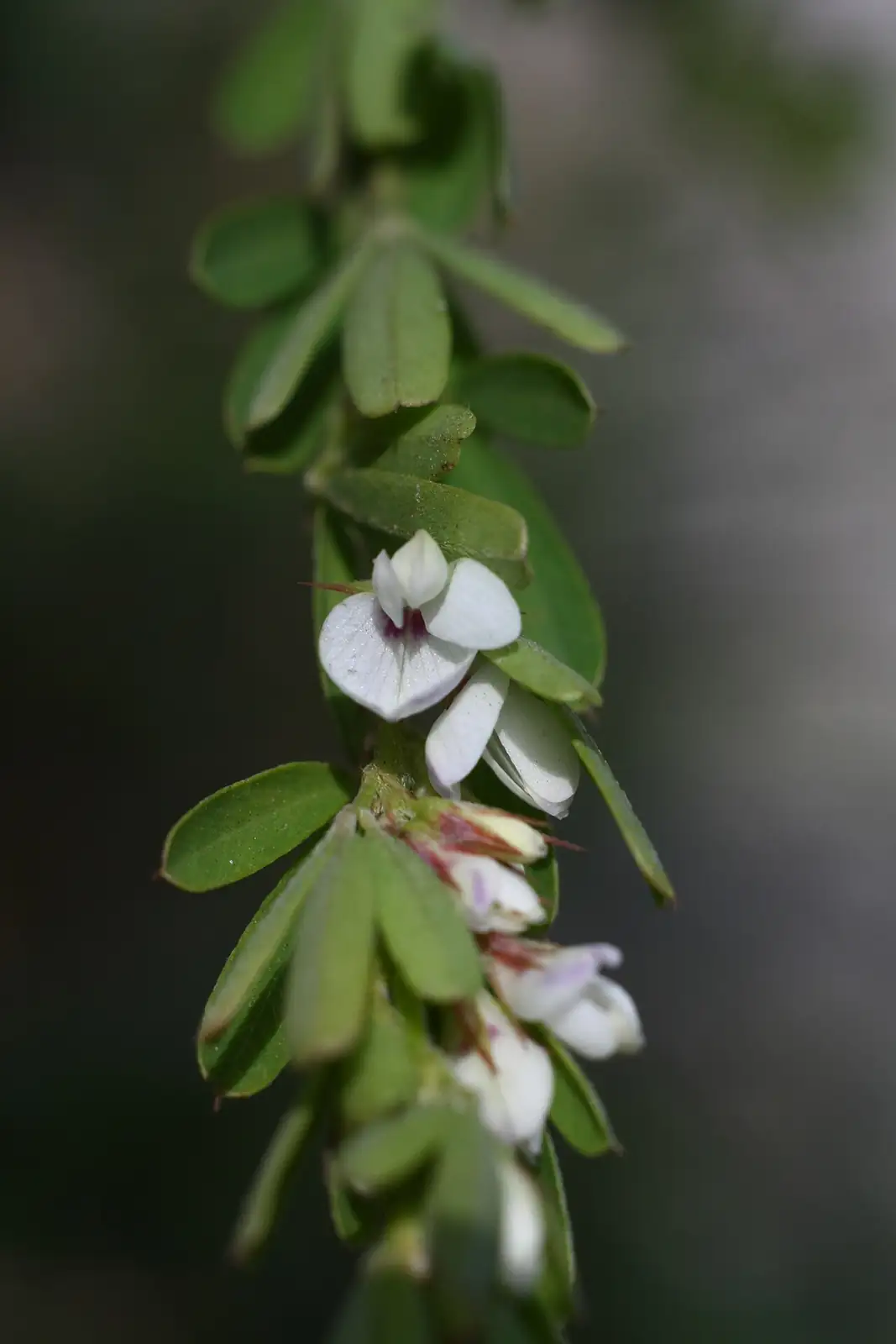
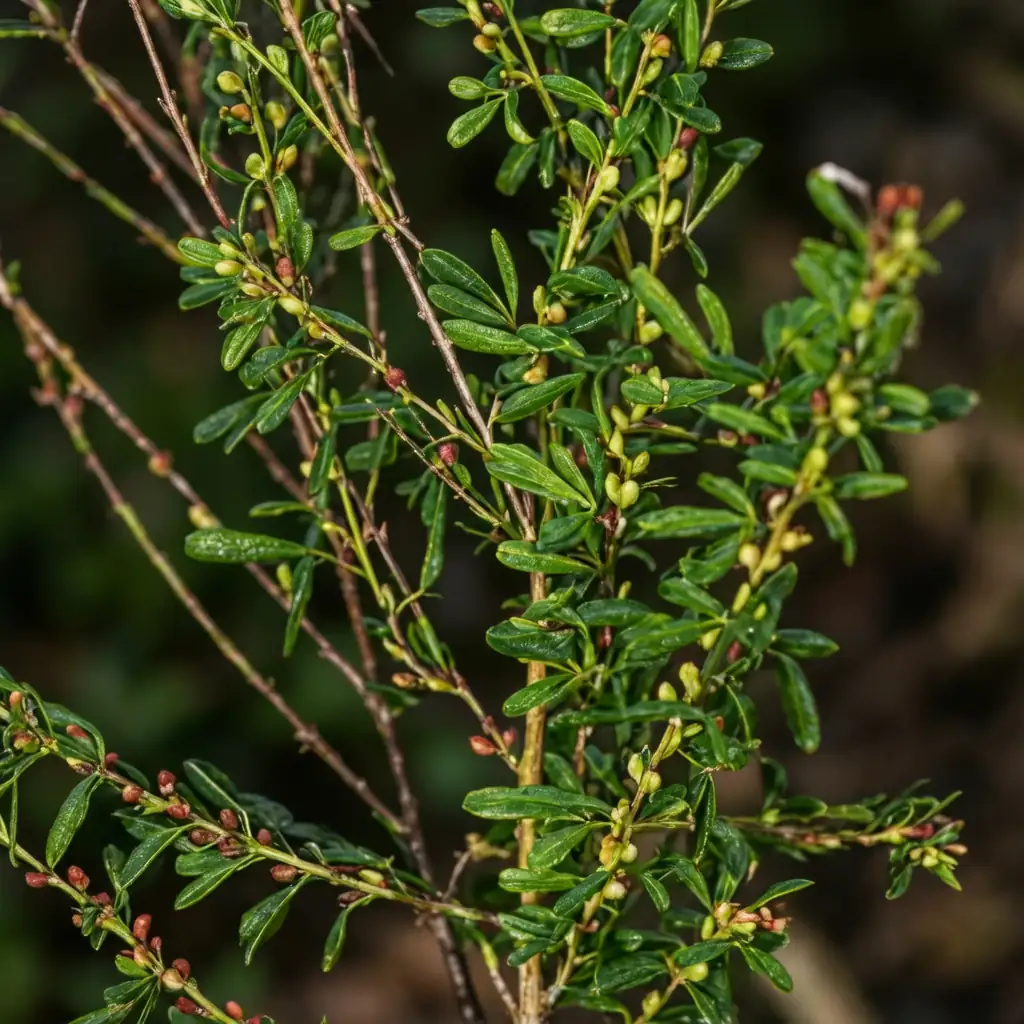
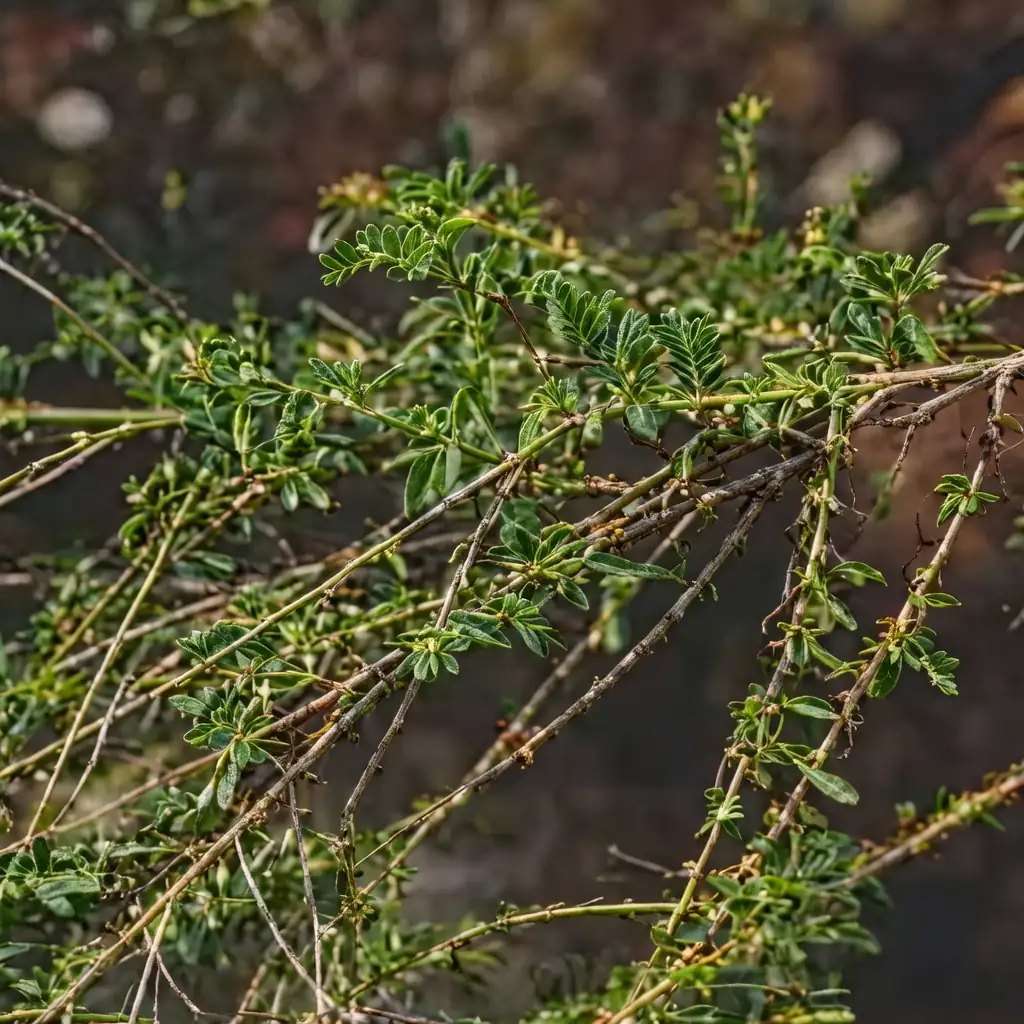
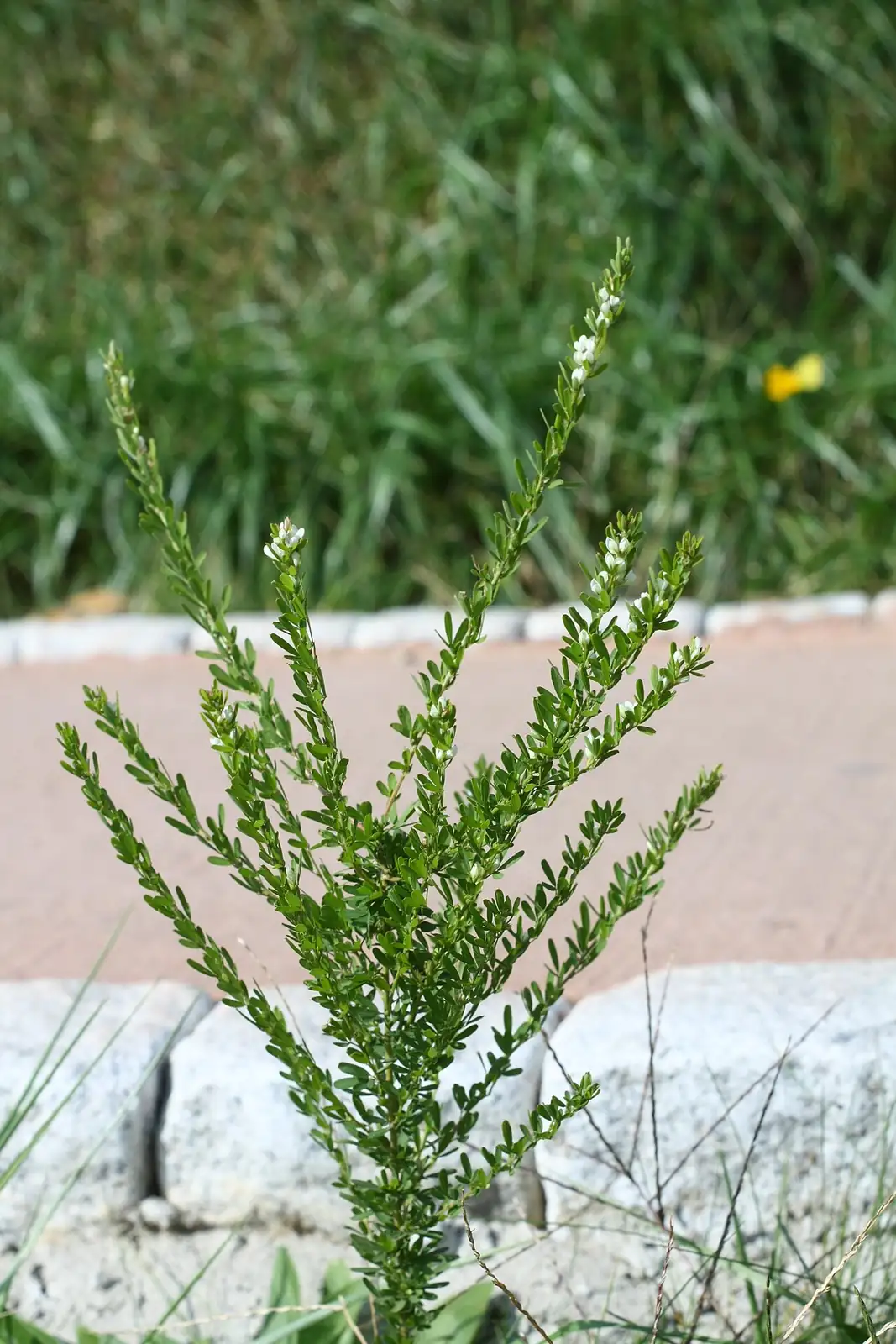
- Foliage: Leaves are dense with short stalks. Leaflets are wedge-shaped to narrowly wedge-shaped with a squared-off tip that often ends in a tiny point. The upper surface is nearly hairless, while the underside is densely covered with fine, pressed hairs, giving it a subtly silky look.
- Flower: Small pea-like flowers typical of the legume family, carried along the upper portions of the stems in summer. Flowers are most often purple to pinkish-purple.
- Flowering Season: July–August
- Growth Habit: Deciduous, upright to ascending shrub with obliquely upward-held branches; stems and upper branches are noticeably hairy.
Environment
Sunlight
Full sun to light shade (best flowering and sturdier growth in full sun).
Temperature
Prefers warm growing seasons; generally hardy in temperate climates. Approximate tolerance range: -23 to 35°C (-10 to 95°F), depending on local conditions.
Humidity
Adaptable; does well in average outdoor humidity and tolerates dry air once established.
Soil
Very adaptable: grows in red soils, yellow-brown soils, and clays; tolerates strongly acidic soil (below pH 5.0) and high aluminum content. Best performance is in fertile, well-drained loam.
Placement
Best outdoors in open, sunny sites—slopes, hillsides, roadsides, wasteland, and disturbed/mined ground—especially where stabilization and revegetation are needed.
Hardiness
Approx. USDA Zones 4–9; drought tolerant and tolerant of low fertility. Not a fan of constantly wet conditions.
Care Guide
Difficulty
Easy. A low-maintenance shrub once established, valued for handling drought, acidic ground, and nutrient-poor soils.
Buying Guide
Pick plants with multiple healthy stems and no obvious dieback. Avoid severely pot-bound stock. For restoration or large plantings, use locally appropriate, responsibly sourced material and check local regulations before planting.
Watering
Water regularly during establishment for the first 4–8 weeks (about 1–2 months). After that, water only during prolonged drought. Avoid keeping the soil constantly wet.
Fertilization
Usually unnecessary. If growth is weak on extremely poor sites, apply a light, balanced fertilizer in spring; avoid heavy nitrogen feeding.
Pruning
Prune in late winter to early spring to shape the plant and encourage fresh shoots; remove dead or weak stems. If you want to reduce seed production and self-seeding, cut back after flowering.
Propagation
Primarily by seed. Scarify seeds (nicking the coat or using hot-water treatment) to improve germination, then sow in spring. It may also self-seed in suitable sites.
Repotting
Not typically grown long-term in containers. If container-grown, pot up when rootbound and refresh with a free-draining, loam-based mix.
📅 Seasonal Care Calendar
Spring: sow seed/plant out and prune. Summer: minimal care; watch establishment watering. Autumn: seed set and possible self-seeding—cut back if you want to limit spread. Winter: dormant; plan pruning for late winter.
Pests, Diseases & Safety
Common Pests & Diseases
Generally robust. Possible issues include aphids, spider mites during hot, dry weather, and occasional fungal leaf spot when crowded and humid. Good sun, airflow, and avoiding overwatering help prevent problems.
Toxicity
Not commonly listed as toxic to people or pets, but—as with many legumes—eating large amounts may cause stomach upset. Use sensible caution around pets and grazing animals, and follow local agricultural guidance where relevant.
Culture & Symbolism
Uses: A classic workhorse plant for erosion control and soil stabilization on slopes, roadsides, and disturbed or mined ground. Also used as green manure and, in some systems, as forage.
FAQ
Is Chinese bushclover good for difficult sites?
Yes. It’s known for tolerating drought, low fertility, and acidic soils, so it’s often used on slopes and disturbed ground.
Does it need rich soil or frequent feeding?
No—usually it grows fine without fertilizer. Overly rich soil can encourage soft, floppy growth.
Fun Facts
- It’s widely distributed across many regions of China and is often spotted in scattered clumps on hillsides and roadsides.
- It can tolerate very acidic soils (below pH 5.0) and high aluminum levels—conditions that stress many other plants.
- It has been used in revegetation projects for eroded land and areas disturbed by open-pit mining.
- It can play both ecological and agricultural roles: protecting soil while also serving as green manure or forage in certain contexts.