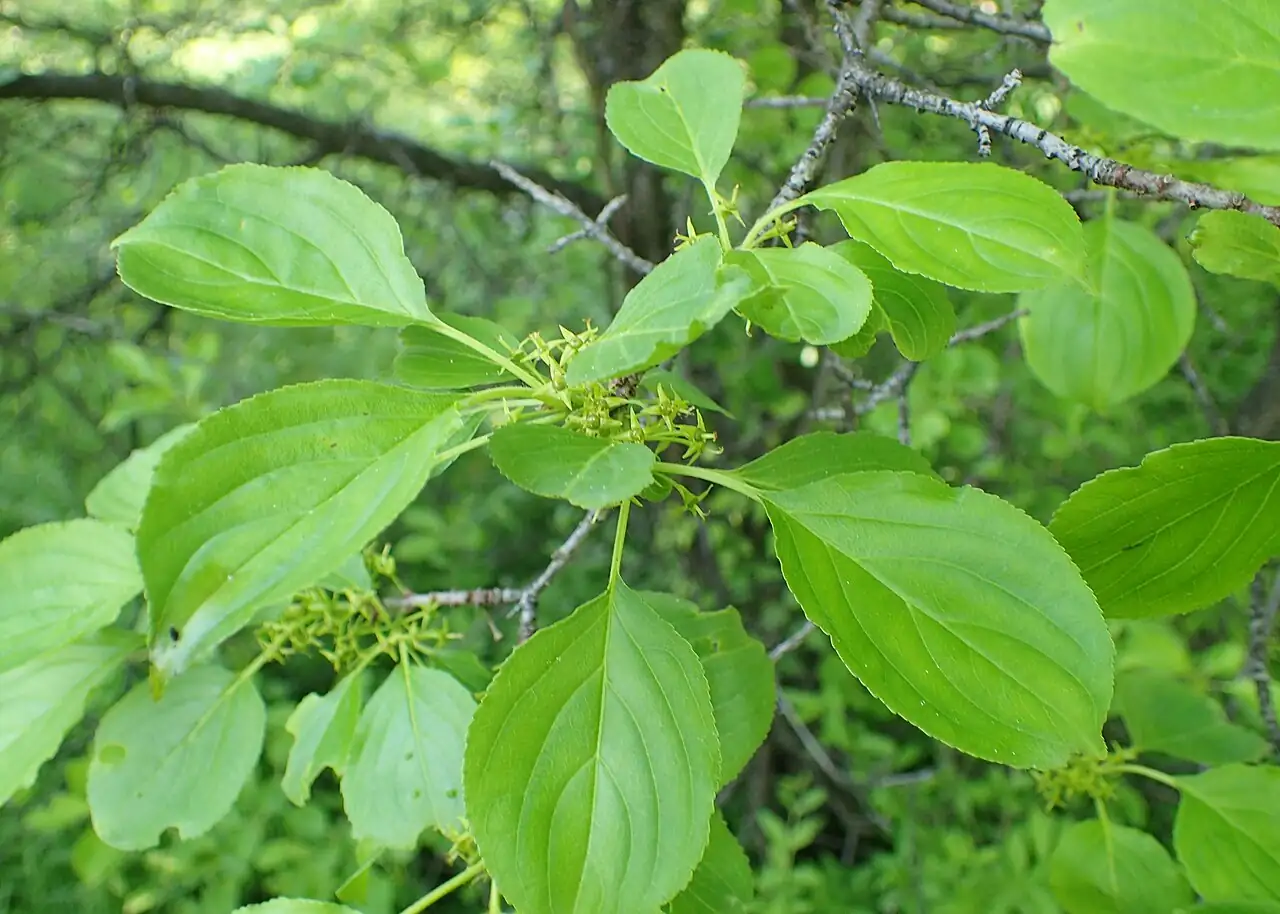
Plant Features
- Size: Up to 4 m (13 ft) tall; spread commonly about 2–4 m (6.5–13 ft), influenced by site conditions and pruning.
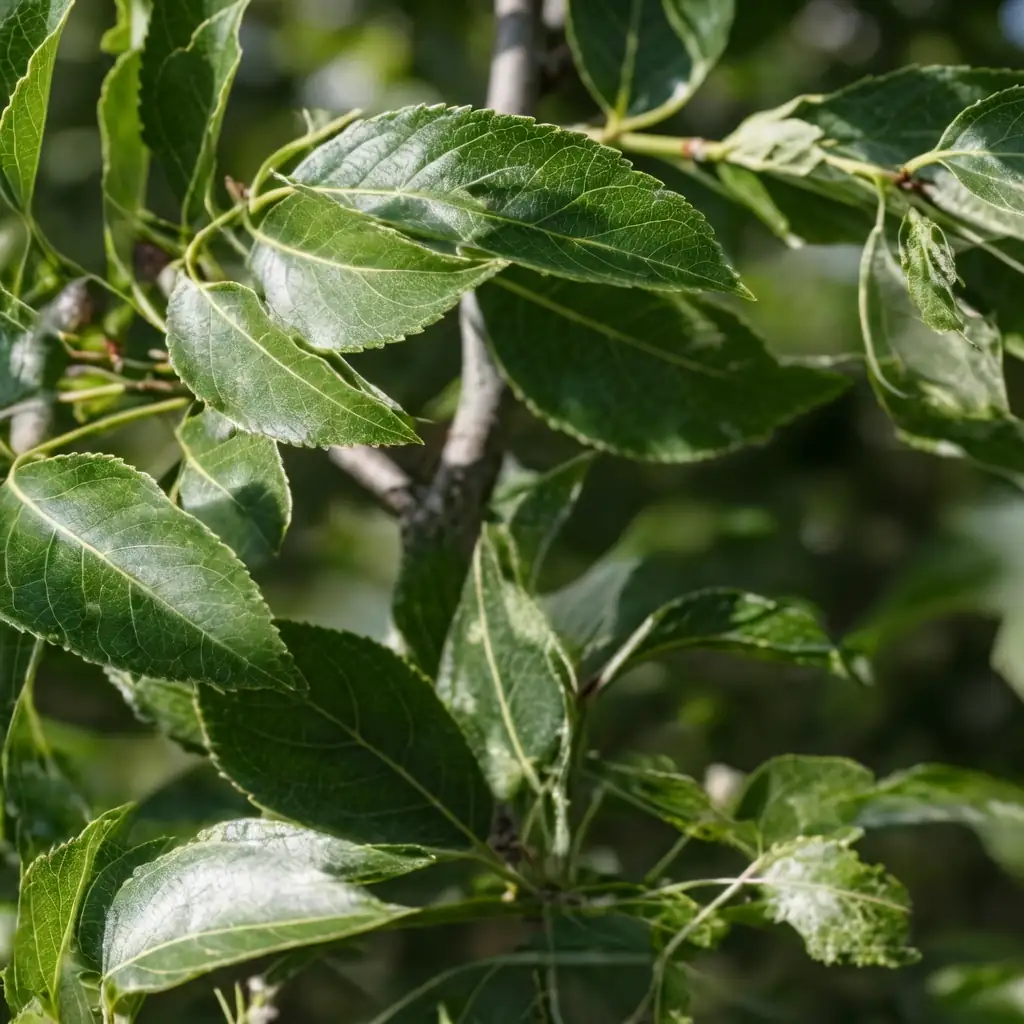
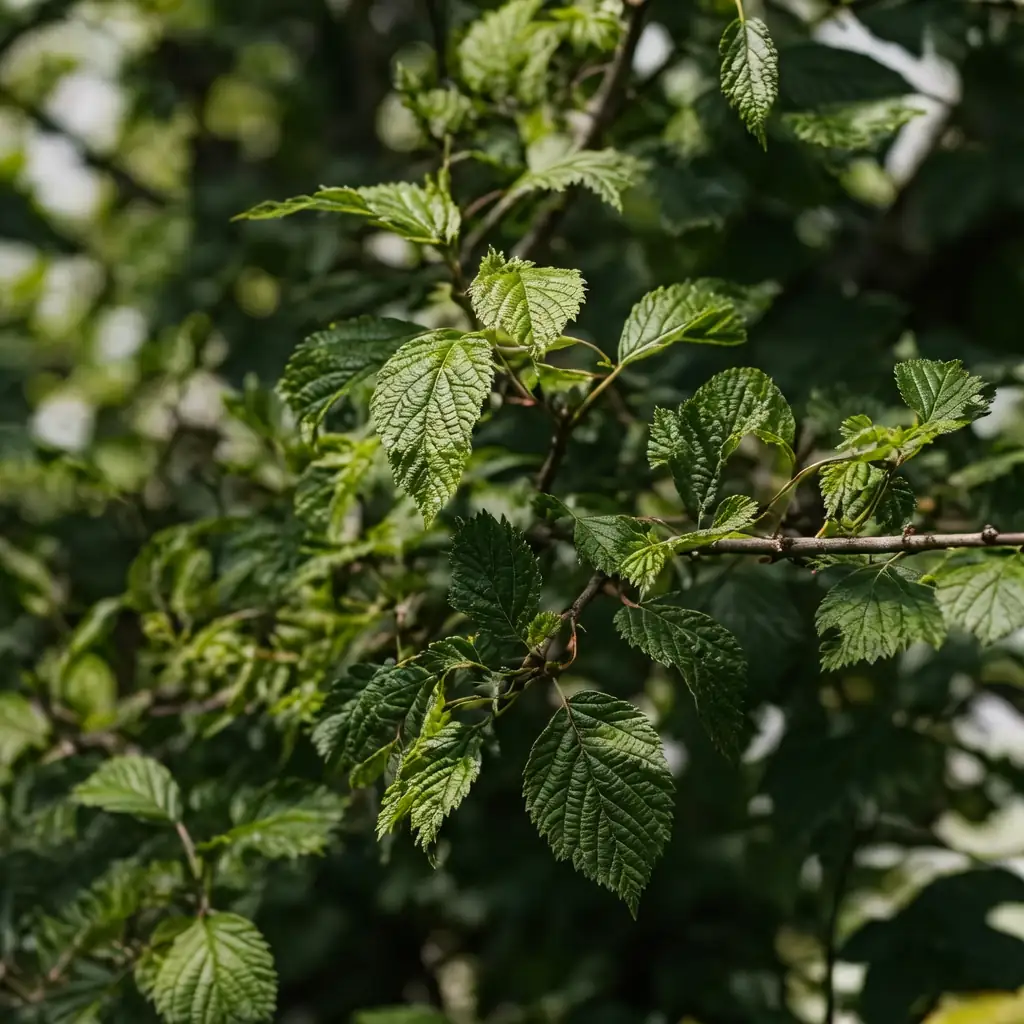
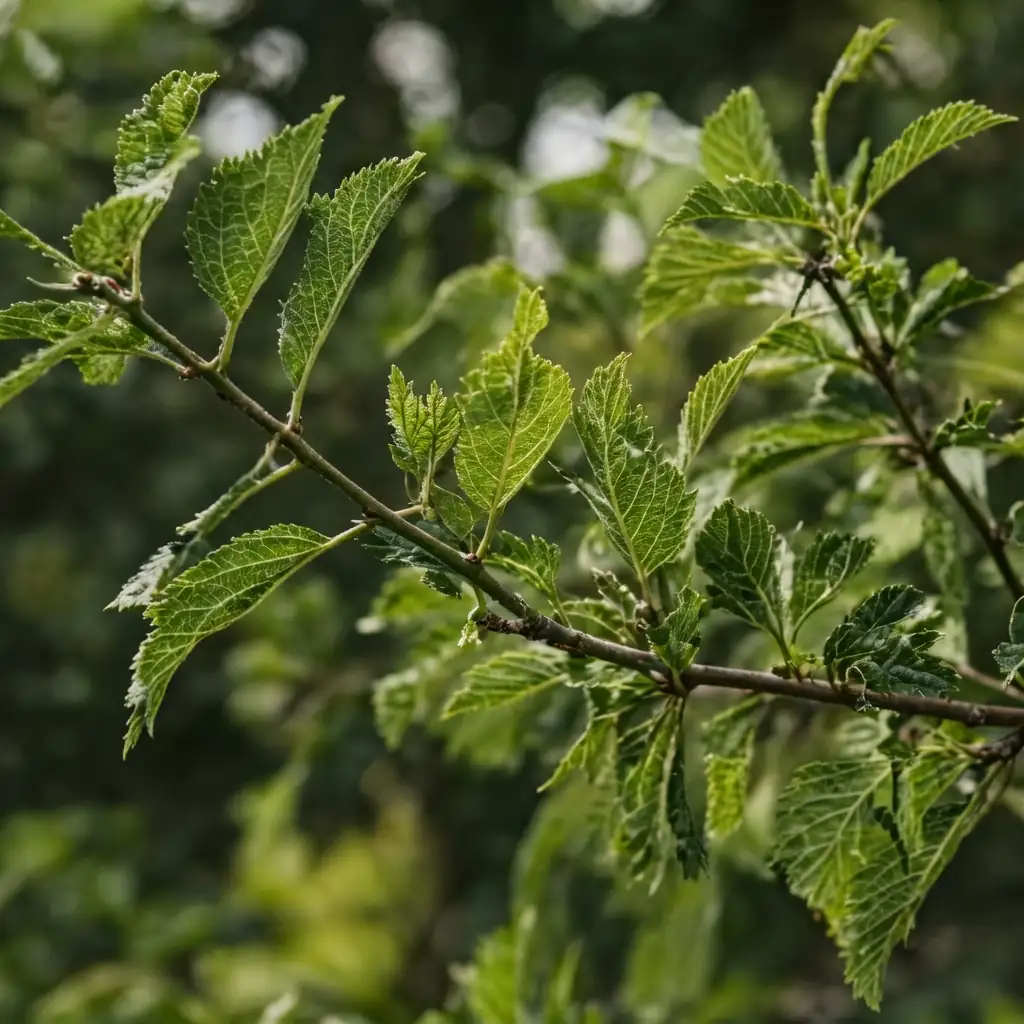
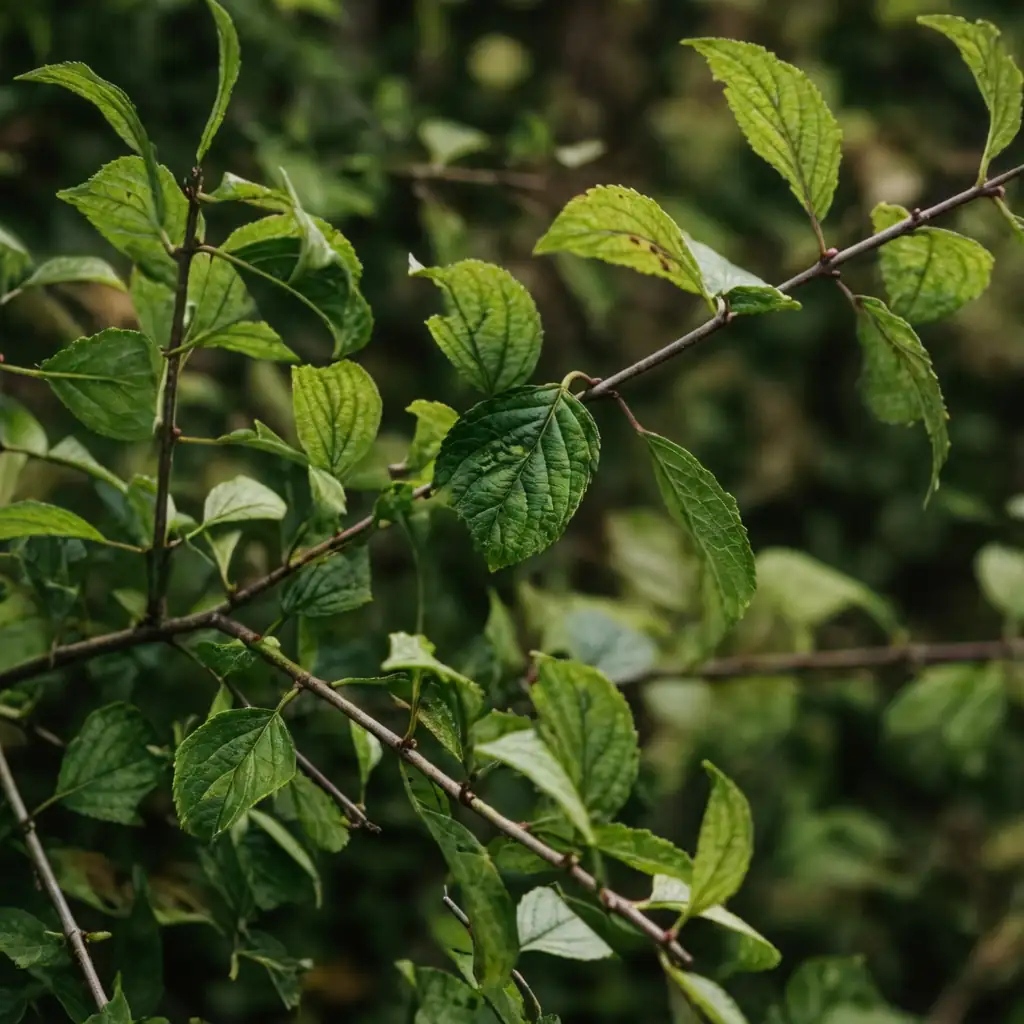
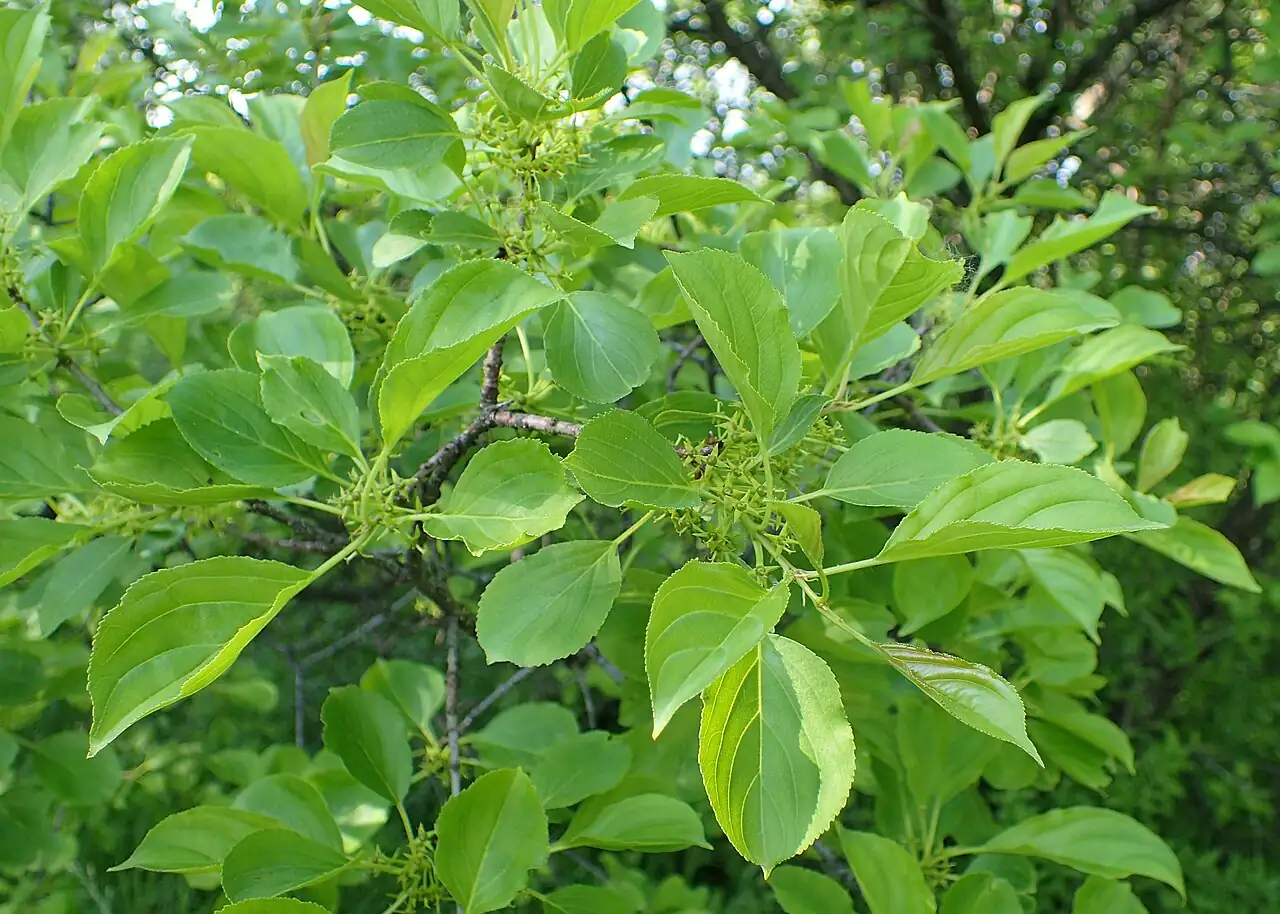
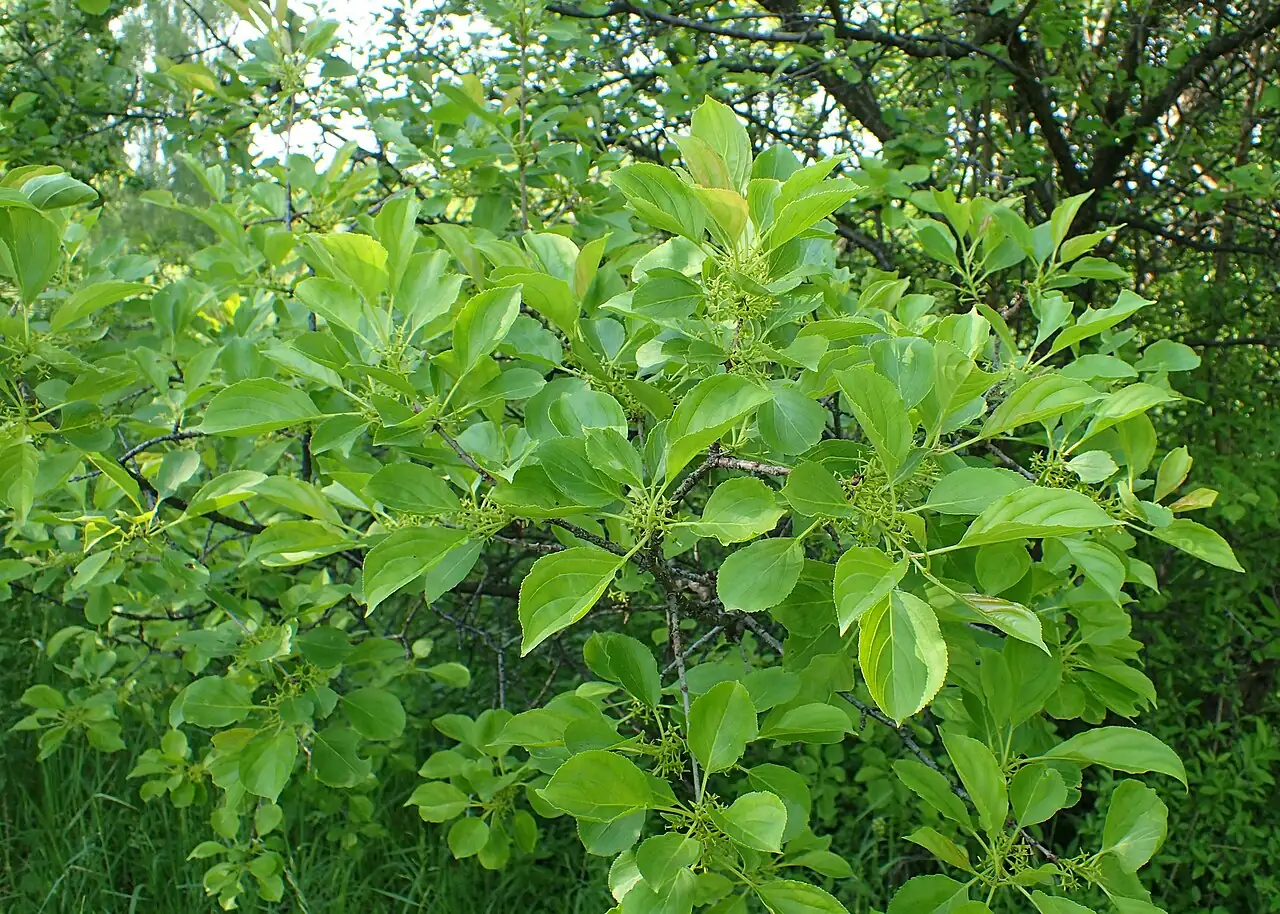
- Foliage: Leaves are papery and usually opposite or nearly opposite, though they may also cluster on short shoots. Young branches are hairless; twigs are smooth and brown to purplish-red.
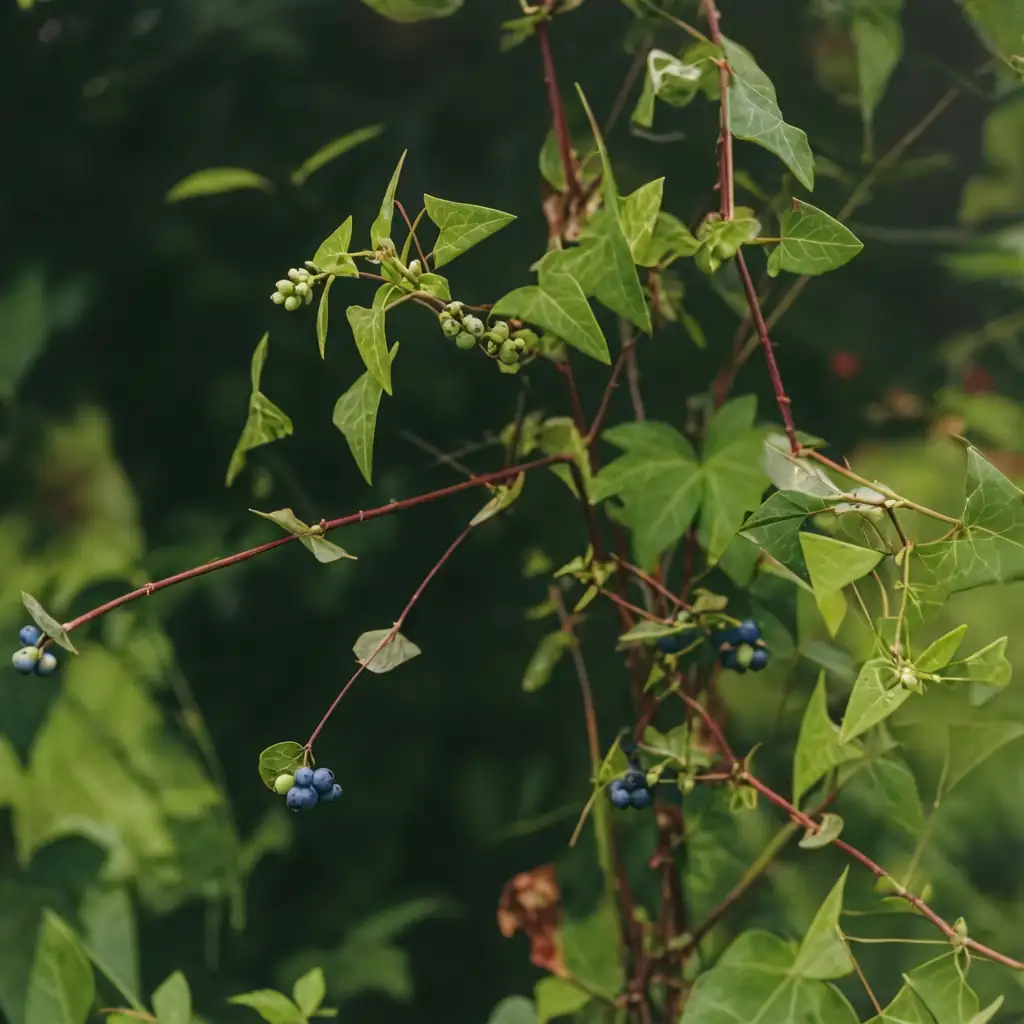
- Flower: Flowers are unisexual and occur on separate plants (dioecious), meaning there are distinct male and female individuals. Female plants can develop round to nearly round drupes that mature to black; the seeds have a short groove near the base on the back side, which can help with identification.
- Flowering Season: April–June
- Growth Habit: Upright, resilient shrub or small tree with twiggy branching. Tolerates light shade and a wide range of soils, and copes well with cold, drought, and low fertility once established.
Environment
Sunlight
Full sun to light shade. For denser growth and better fruiting, give it more sun; it still performs in partial shade.
Temperature
Cold-tolerant and suited to temperate climates. Once established, it can handle roughly -20 to 35°C (-4 to 95°F) depending on provenance and site conditions.
Humidity
Adaptable in typical outdoor conditions; tolerates average humidity and relatively dry air after establishment.
Soil
Not picky: tolerates many soil types, including lean/infertile soils, as long as drainage is good. Avoid persistently waterlogged ground.
Placement
Best outdoors: hillsides, shrub borders, shelterbelts, naturalistic plantings, and open woodland edges—especially where soil is poor and irrigation is limited.
Hardiness
Frost-hardy; broadly comparable to USDA Zone 5–9 (about -29 to -1°C / -20 to 30°F), varying with local conditions and exposure.
Care Guide
Difficulty
Easy (outdoors). A strong, low-maintenance choice thanks to its cold and drought tolerance, ability to cope with poor soils, and willingness to grow in light shade.
Buying Guide
Pick plants with firm, unscarred stems and healthy buds/leaves. If you want the black fruit display, remember it’s dioecious: you’ll need a female plant plus a nearby male for pollination, or buy from a supplier that can confirm plant sex when flowering.
Watering
Water consistently during the first growing season to help roots establish. After that, water deeply only during prolonged dry spells, letting the top layer of soil dry between waterings. Avoid waterlogging.
Fertilization
Often unnecessary in average garden soils. If growth is weak, use a light application of a balanced slow-release fertilizer in spring; avoid heavy feeding in already fertile ground.
Pruning
Prune in late winter to early spring to remove dead, crossing, or weak branches and to shape the plant. Light thinning improves airflow. If you’re aiming for maximum flowers/fruit, avoid overly aggressive pruning.
Propagation
By seed (often improved by cold stratification) or by semi-hardwood cuttings in summer. Seed-grown plants vary, and sex (male vs. female) usually can’t be confirmed until they flower.
Repotting
Usually grown in the ground. If kept in a container, repot every 2–3 years in early spring into a slightly larger pot with a well-drained mix; don’t keep roots constantly wet.
📅 Seasonal Care Calendar
Spring: prune before active growth; feed lightly only if needed. Summer: watch watering during extended drought; take semi-hardwood cuttings. Autumn: enjoy fruit on female plants; plant out young stock. Winter: minimal care; protect new plantings from harsh, drying winds if exposed.
Pests, Diseases & Safety
Common Pests & Diseases
Generally robust. Watch for aphids on new growth, scale insects, and occasional leaf spot in humid, stagnant conditions. Improve airflow, avoid frequent overhead watering, and use horticultural soap/oil if infestations become heavy.
Toxicity
Toxicity information for Rhamnus utilis is not consistently standardized in popular horticultural references. As a cautious rule (common for many buckthorns), don’t ingest plant parts, and keep fruit/plant material away from children and pets—especially in high-contact garden areas.
Culture & Symbolism
Uses: Primarily used as a hardy ornamental shrub/small tree for landscaping and ecological or low-input plantings. It’s valued for its resilience and, on female plants, its decorative dark fruits.
FAQ
Why does my plant flower but never set fruit?
Because it’s dioecious: male and female flowers grow on separate plants. A female needs a nearby male plant (and pollinators) to produce fruit.
Can it grow in poor, rocky, or dry soil?
Yes—once established it’s notably tolerant of drought and low fertility, as long as the soil drains well and doesn’t stay waterlogged.
Fun Facts
- Male and female flowers grow on different plants, so fruit requires both sexes nearby.
- The fruit is a drupe that ripens to a rounded, glossy black.
- A short groove near the base on the back of the seed can help confirm identification.
- It’s recorded across multiple provinces in China and is often found in shrubland or under open woodland.
- Its cold, drought, and poor-soil tolerance makes it a strong candidate for low-maintenance landscapes.