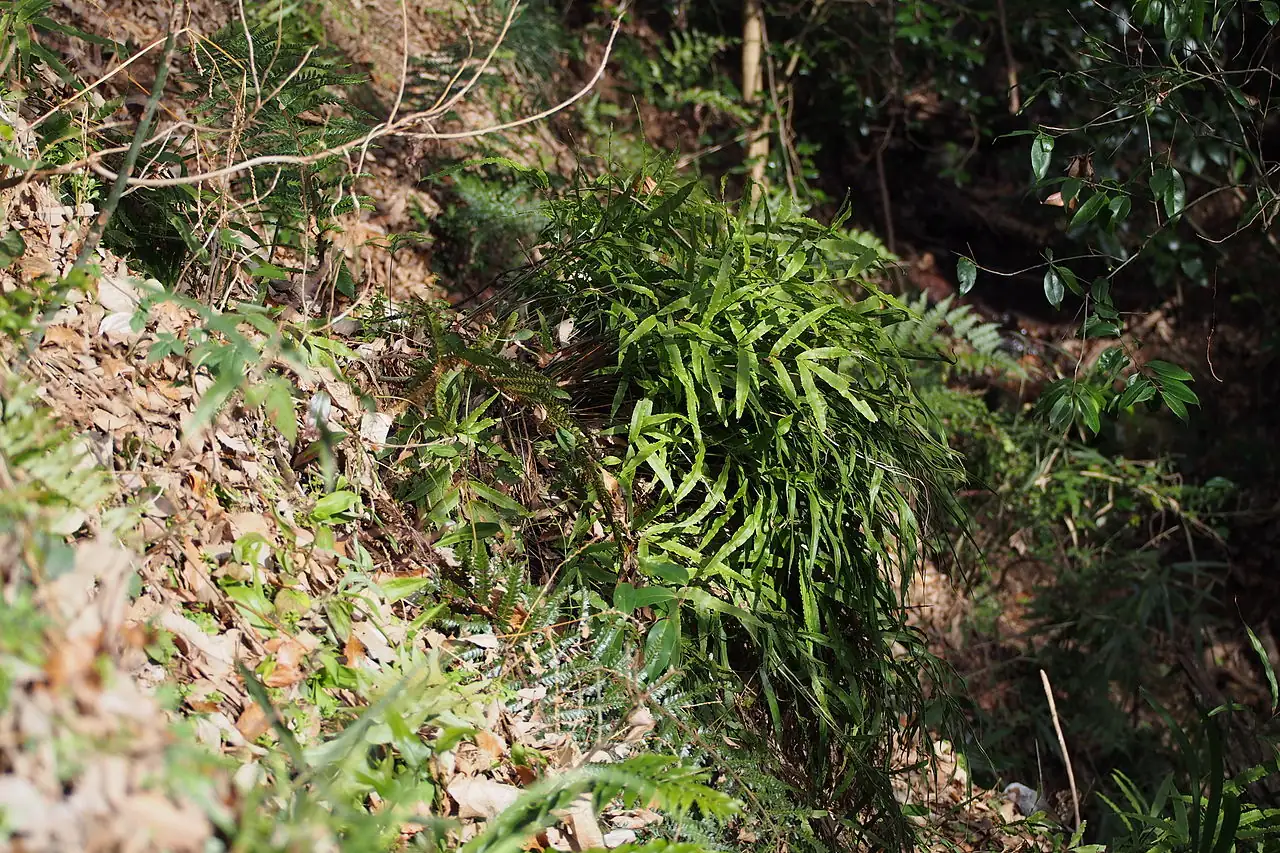
Plant Features
- Size: Typically 30–60 cm (12–24 in) tall and 30–60 cm (12–24 in) wide in containers, depending on cultivar and growing conditions.
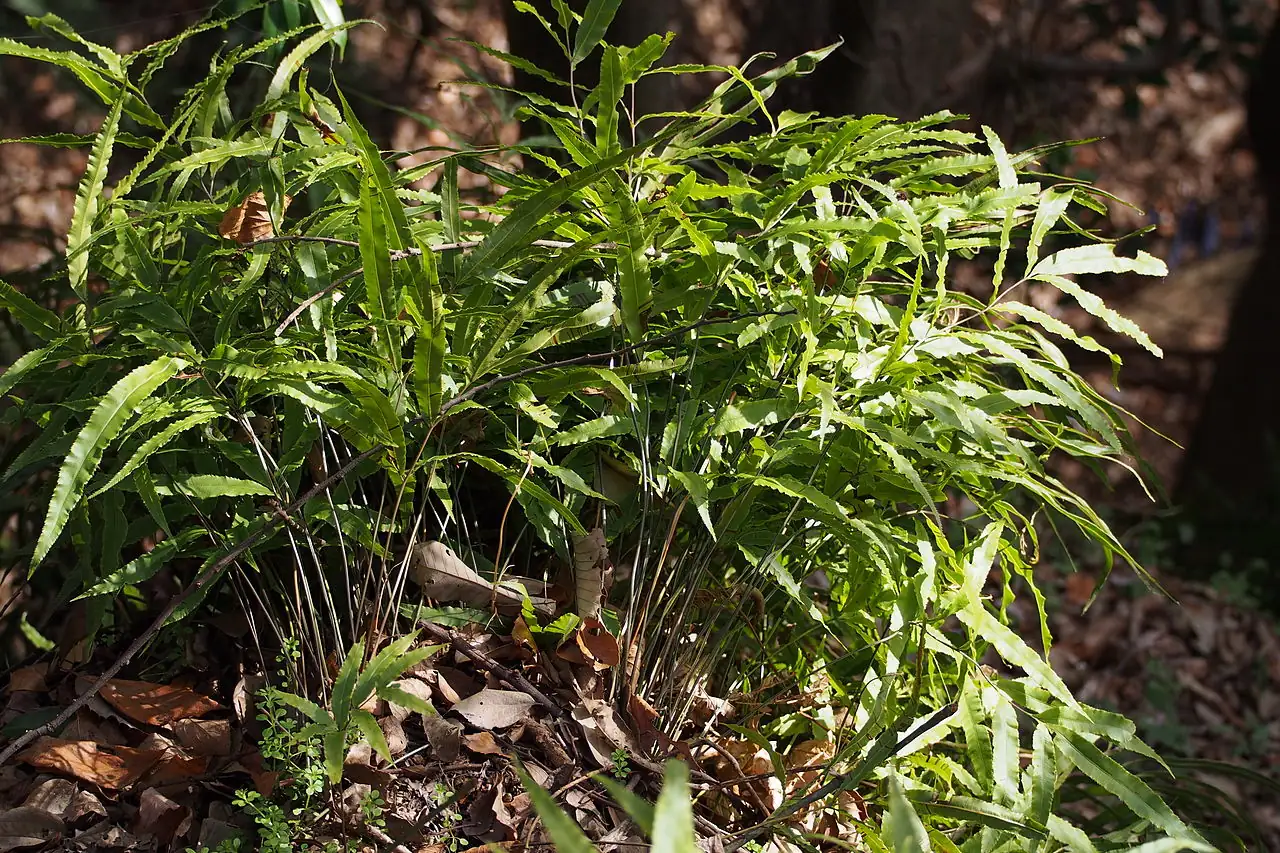
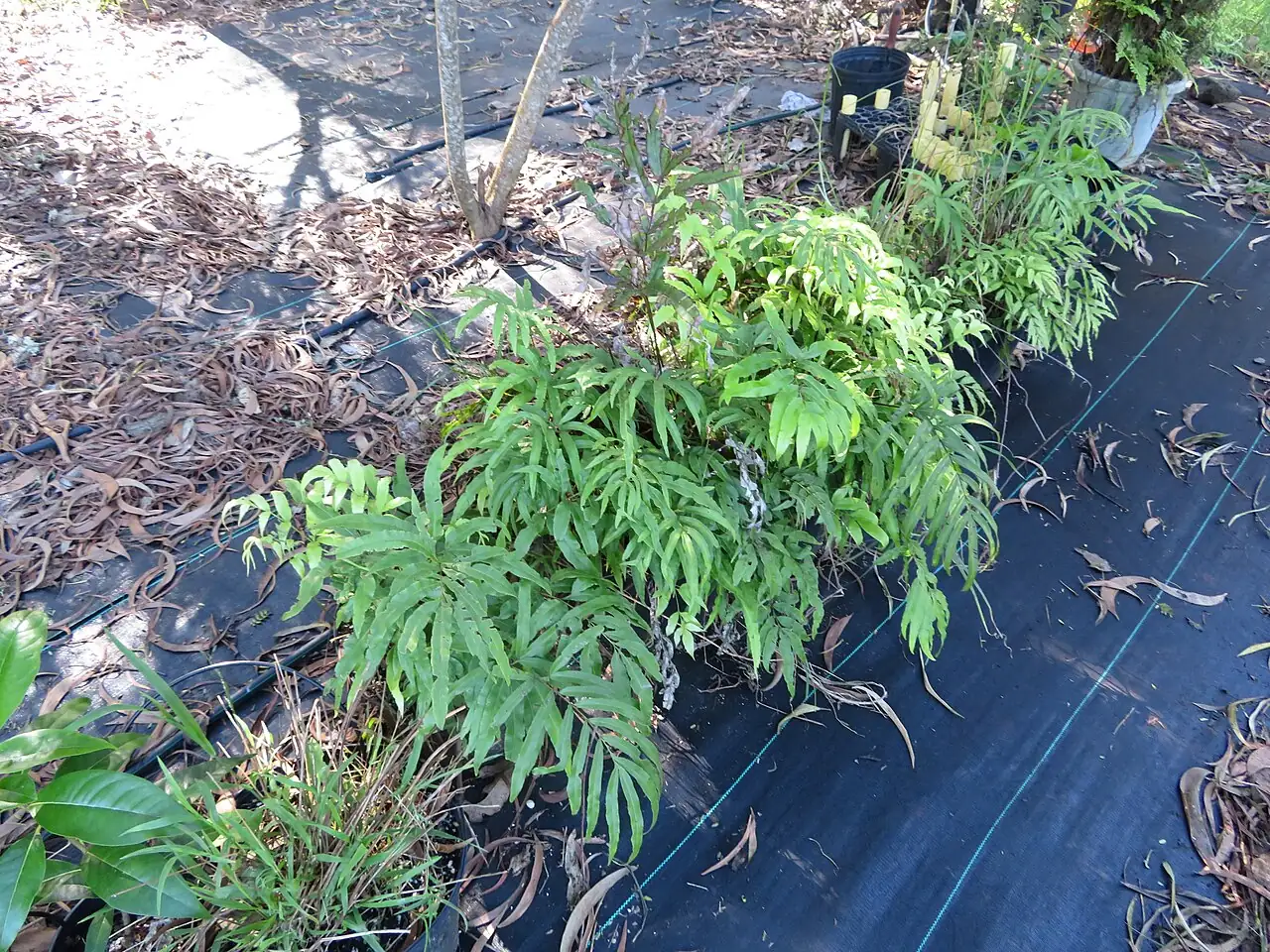
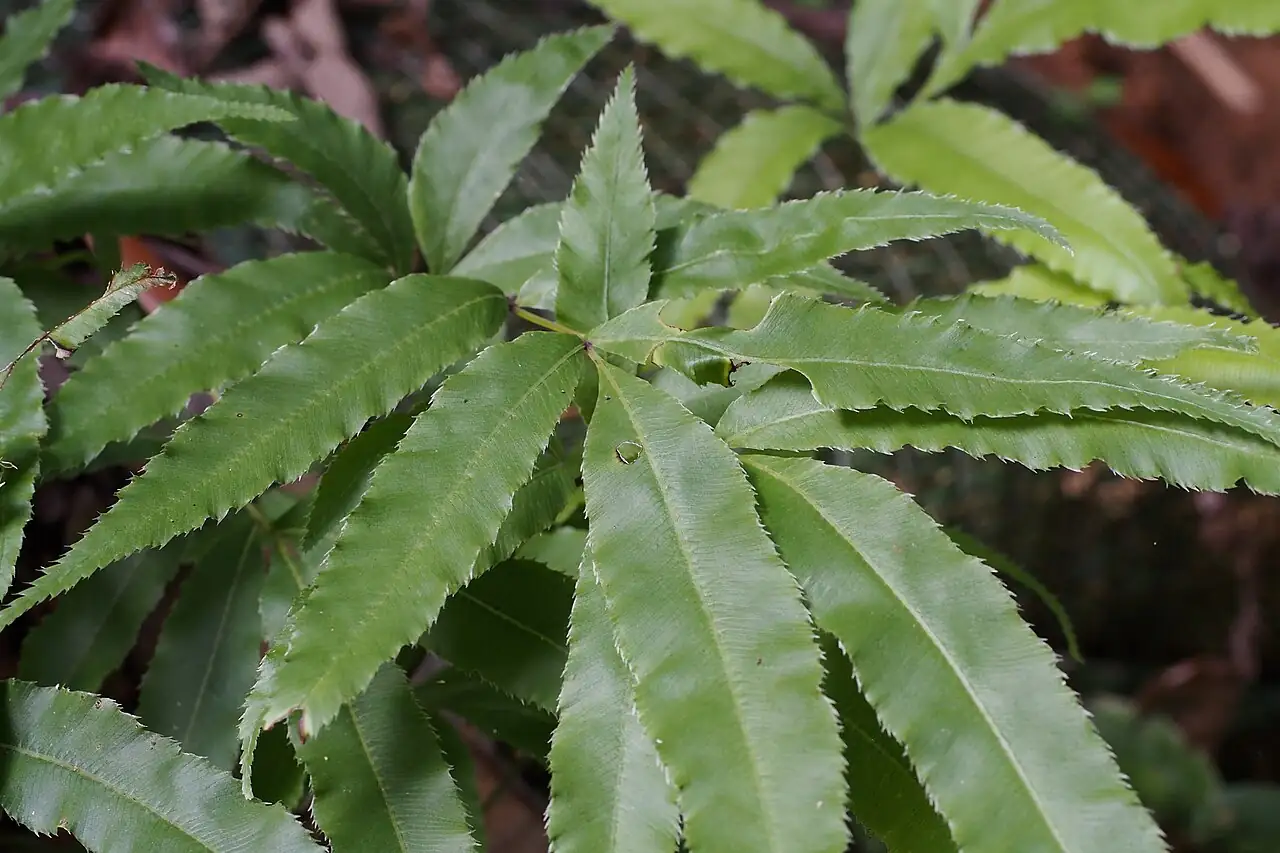
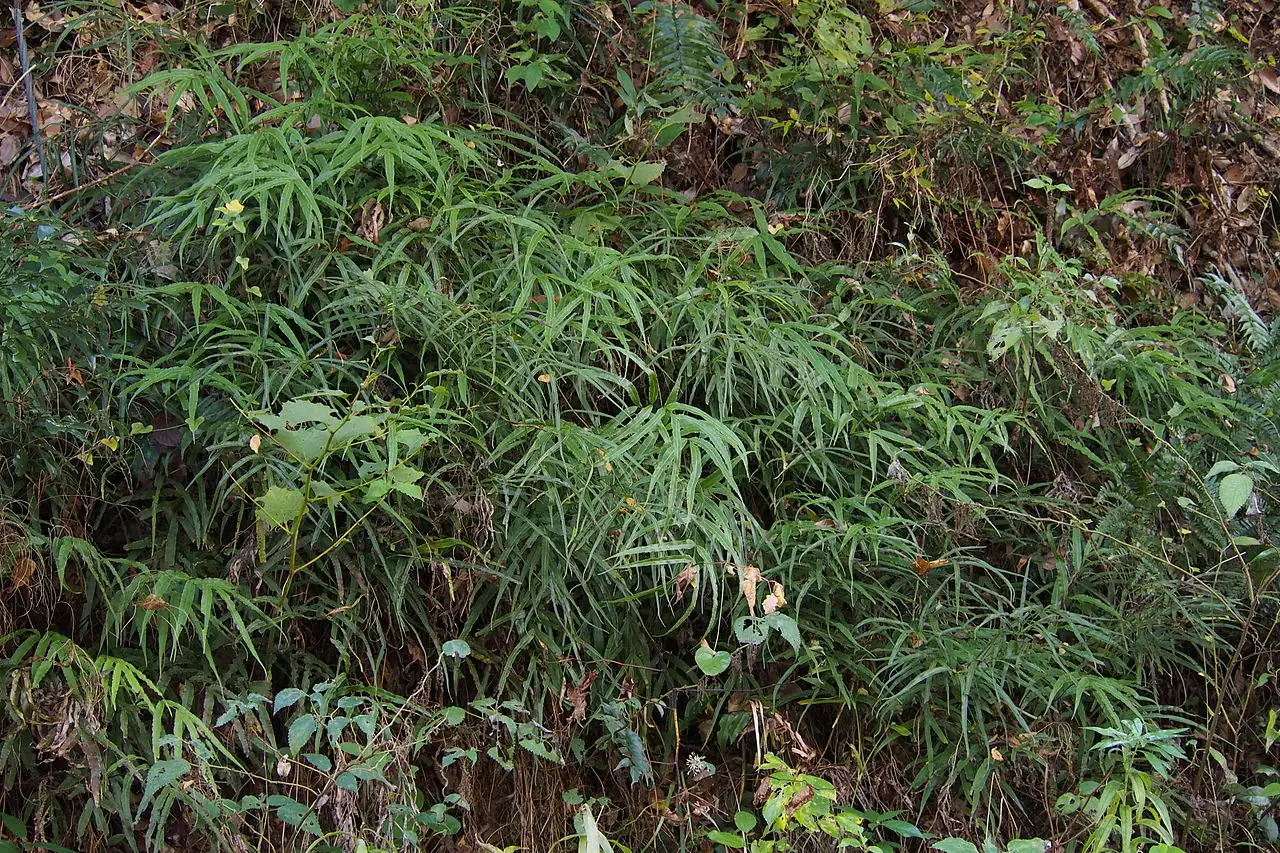
- Foliage: Forms arching, feathered fronds with a distinctive tail-like outline. Foliage can stay green through winter indoors if kept above about 10°C (50°F). Growth slows dramatically below about 5°C (41°F), and cold can damage fronds.
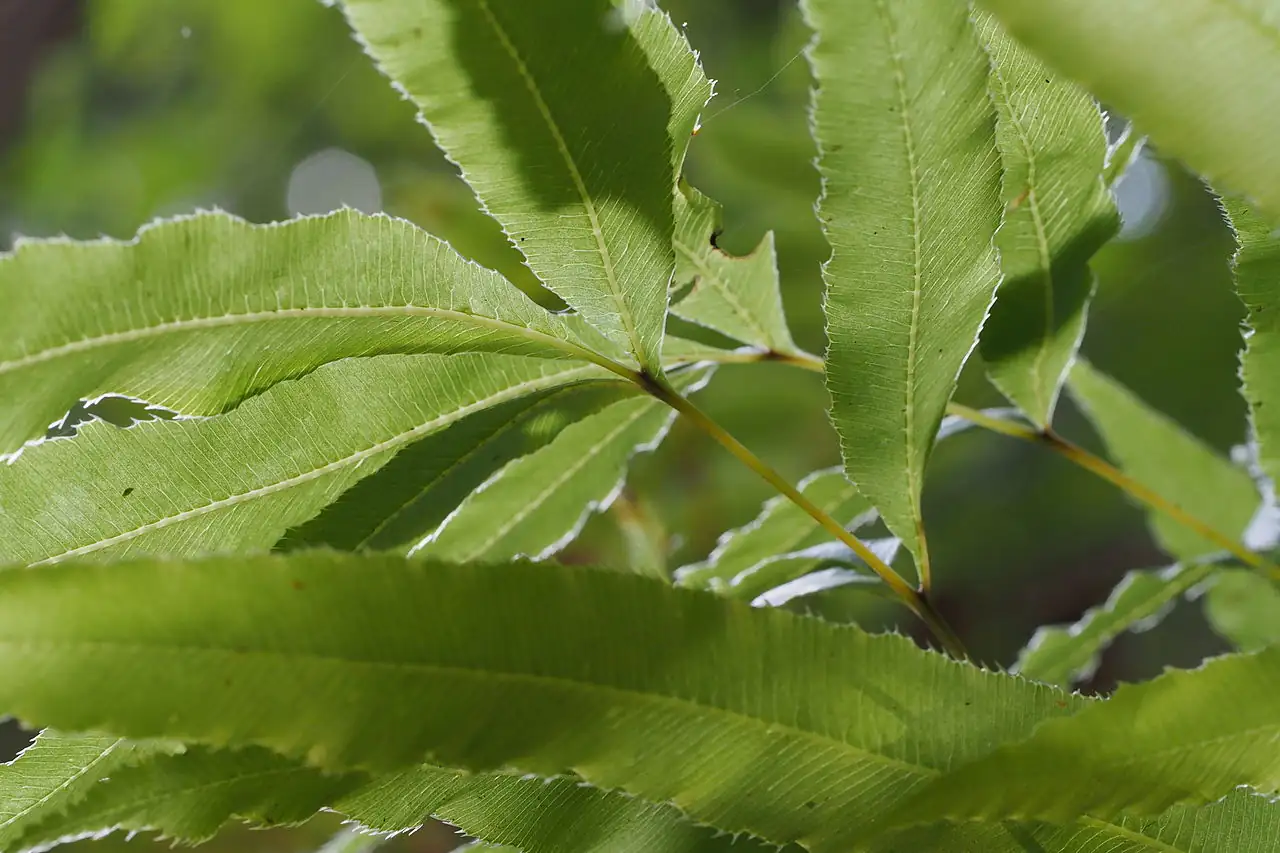
- Flower: No flowers (it’s a fern). It reproduces by spores, which develop in neat lines of sori on the undersides of mature fronds.
- Flowering Season: No flowering season (spore-bearing plant). Spores may be produced during the growing season when conditions are good.
- Growth Habit: Clump-forming evergreen (or semi-evergreen) fern with upright-to-arching fronds.
Environment
Sunlight
Partial shade to bright, indirect light. Tolerates lower light but should be protected from harsh direct sun, which can scorch fronds.
Temperature
Best growth at 12–22°C (54–72°F); ideal nights around 10–16°C (50–61°F). Keep above 10°C (50°F) for good winter appearance; below 5°C (41°F) growth can stop and frost damage becomes likely.
Humidity
Prefers high humidity; aim for 50%+ and support it with regular misting, a pebble tray/humidity tray, or a humidifier (especially in heated rooms).
Soil
Moisture-retentive yet free-draining mix. A good approach is peat-free potting mix blended with bark or fine orchid mix plus perlite. Keep evenly moist—never bone-dry, but also not waterlogged.
Placement
Indoors: filtered-light windowsill, desk, or bright bathroom. Outdoors (mild climates): sheltered shade such as a wall corner, shaded rock garden pocket, or near a pond edge.
Hardiness
Tender to frost; generally suited to USDA Zone 9–11 (protect from freezing).
Care Guide
Difficulty
Easy to moderate: very forgiving when kept evenly moist with decent humidity, but fronds can decline quickly in dry air or strong sun.
Buying Guide
Pick a plant with firm, green fronds and minimal browning at the tips. Check the crown for fresh new growth, and inspect frond undersides for pests—especially scale and mealybugs.
Watering
Keep the mix consistently moist. Water when the top 1–2 cm (0.4–0.8 in) feels slightly dry, then water thoroughly and let excess drain away. Boost humidity with misting, especially during winter heating.
Fertilization
In spring and summer, feed lightly with a balanced houseplant fertilizer at 1/4–1/2 strength every 4–6 weeks. Too much fertilizer can scorch fronds.
Pruning
Remove yellowing or damaged fronds at the base with clean scissors. Only trim dead tissue and avoid cutting into the crown where new fronds emerge.
Propagation
Best by division of an established clump during repotting. It can also be raised from spores, but this is slower and more technical.
Repotting
Repot every 1–2 years in spring, or once roots fill the pot. Move up by one pot size (about 2–5 cm / 1–2 in wider) and refresh the mix to restore drainage and vigor.
📅 Seasonal Care Calendar
Spring–summer: active growth—keep evenly moist, maintain humidity, and fertilize lightly. Autumn: reduce feeding and water a bit less, but don’t let it dry out. Winter: keep above 10°C (50°F) for the best-looking foliage; prolonged periods below 5°C (41°F) can halt growth and invite cold damage.
Pests, Diseases & Safety
Common Pests & Diseases
Watch for scale insects, mealybugs, and spider mites (especially in dry air). Fungus gnats can appear if soil stays overly wet. Prevent issues with good airflow, avoiding soggy media, and occasionally rinsing foliage; treat pests with insecticidal soap or horticultural oil when needed.
Toxicity
Generally considered non-toxic to people and pets, though chewing may cause mild stomach upset. Keep out of reach of pets that like to nibble plants.
Culture & Symbolism
Symbolism: Like many ferns, it’s often linked with freshness, resilience, and a calm, soothing green atmosphere indoors.
History & Legends: Pteris ferns have a long history as ornamental shade plants. Many forms sold today are cultivated selections chosen for attractive fronds and reliable performance as houseplants rather than wild-collected plants.
Uses: Primarily ornamental—an elegant foliage houseplant for bright shade indoors, and a shaded garden/landscape fern in frost-free or well-protected settings.
FAQ
Why are the frond tips turning brown?
The usual culprits are low humidity, inconsistent watering, or too much direct sun. Aim for 50%+ humidity (tray, misting, or humidifier), keep soil evenly moist, and move the plant to bright, indirect light.
Does it flower?
No—ferns don’t flower. Chinese brake fern reproduces by spores that form on the undersides of mature fronds.
Can it tolerate cold indoors near a window?
Try to avoid cold drafts and chilly glass. Keep it above about 10°C (50°F) for best appearance; extended exposure below about 5°C (41°F) can stop growth and damage foliage.
Fun Facts
- Its fronds are often described as “phoenix-tail” shaped, which inspired its Chinese common name.
- Instead of flowers and seeds, it makes spores in lines on the undersides of mature fronds.
- Many nursery plants are cultivated varieties selected for especially attractive fronds and indoor adaptability.