Plant Features
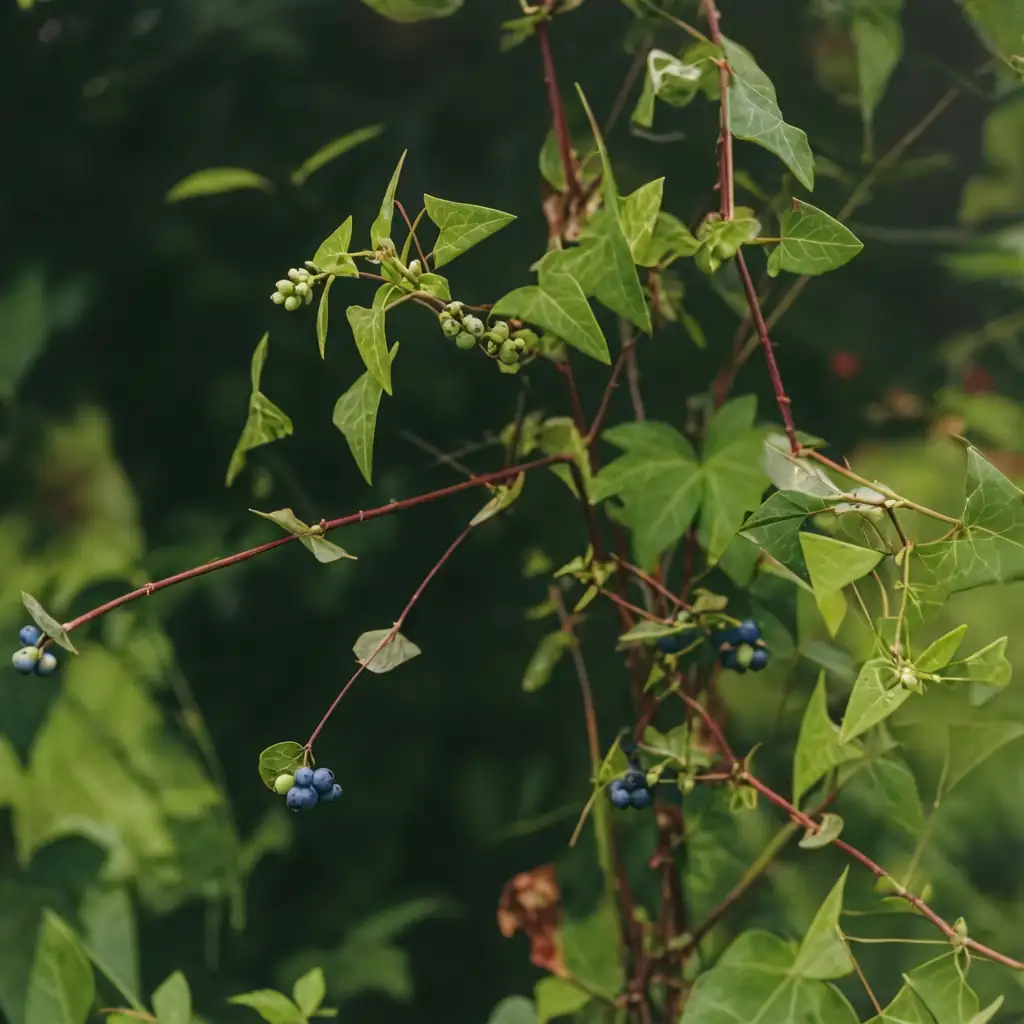
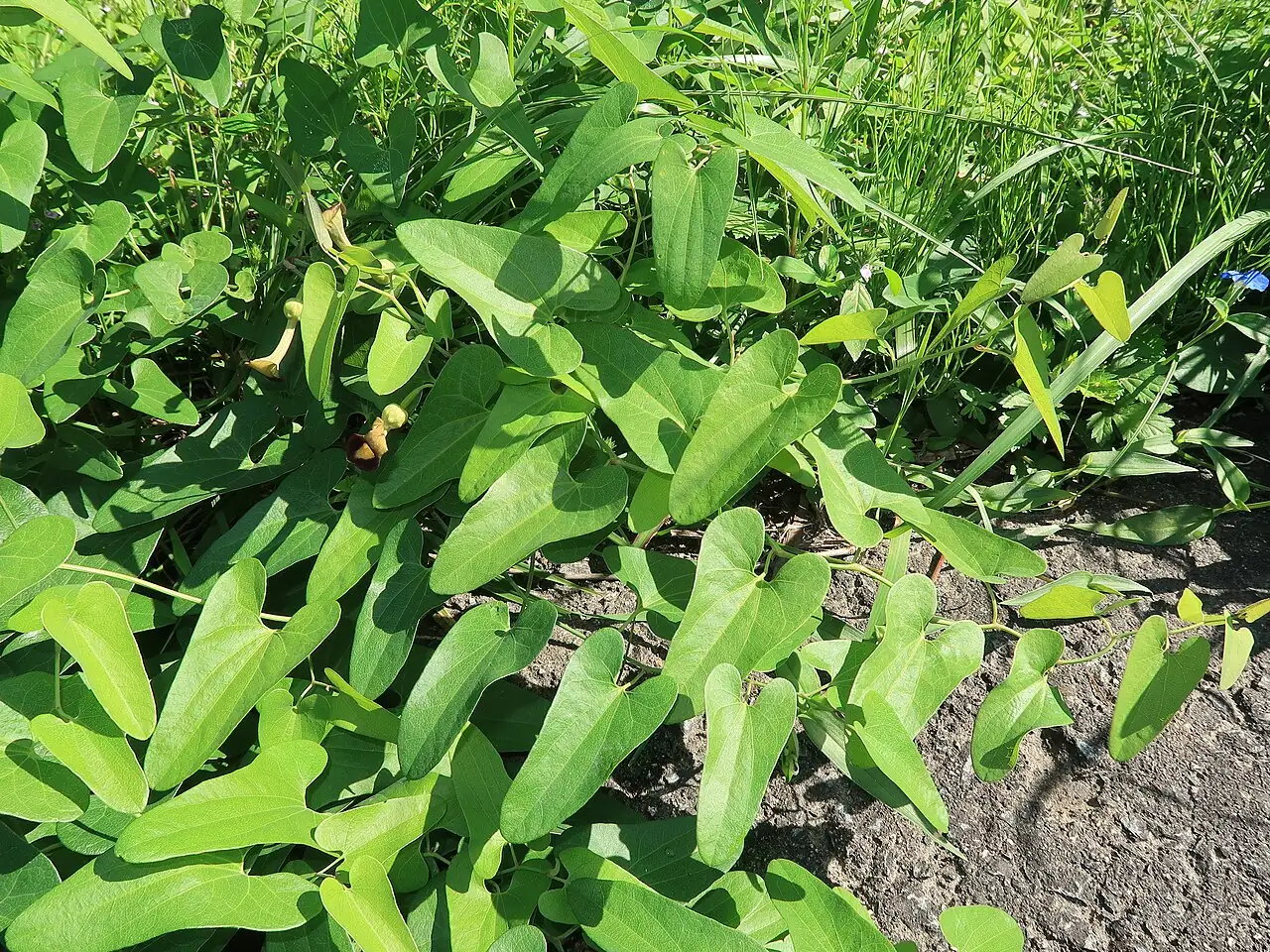
- Size: A twining, herbaceous vine that can trail along the ground or climb low supports, typically reaching about 1–3 m (3–10 ft) when given something to scramble over.
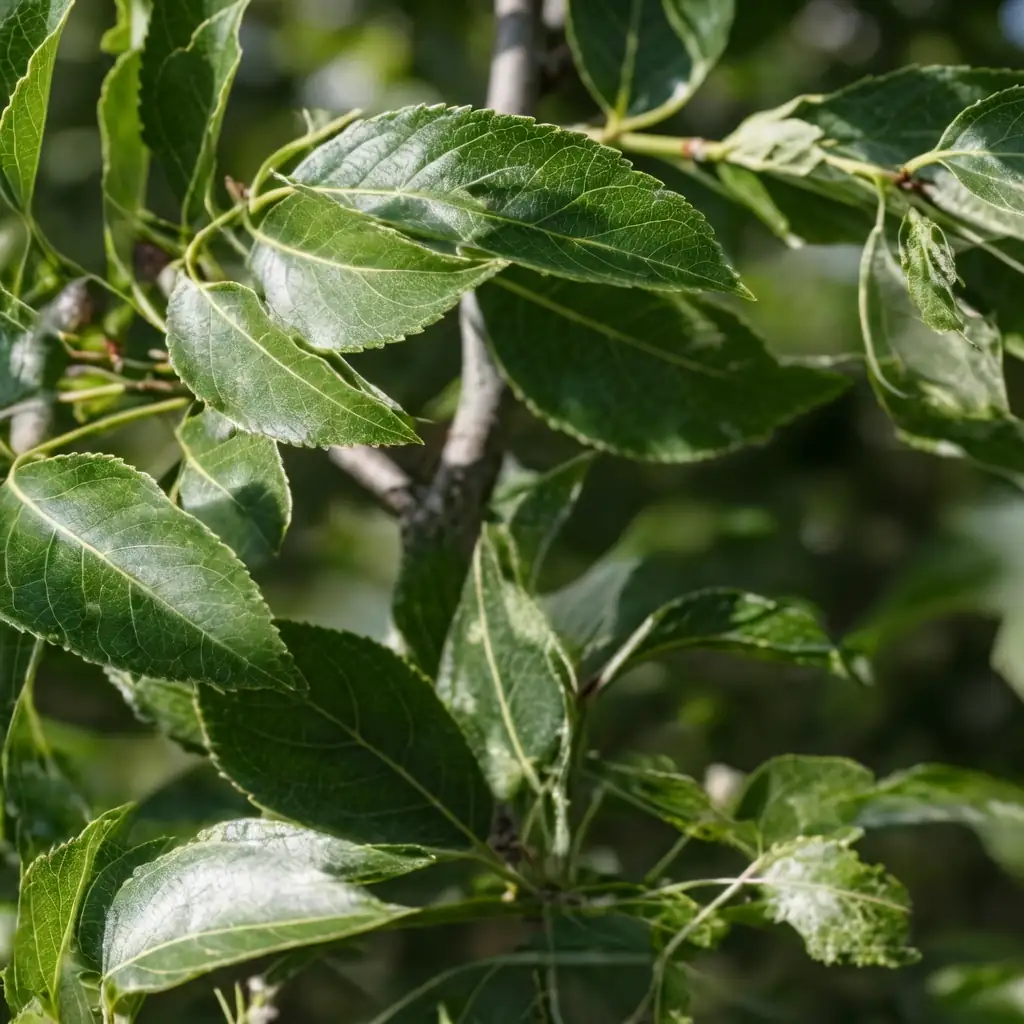
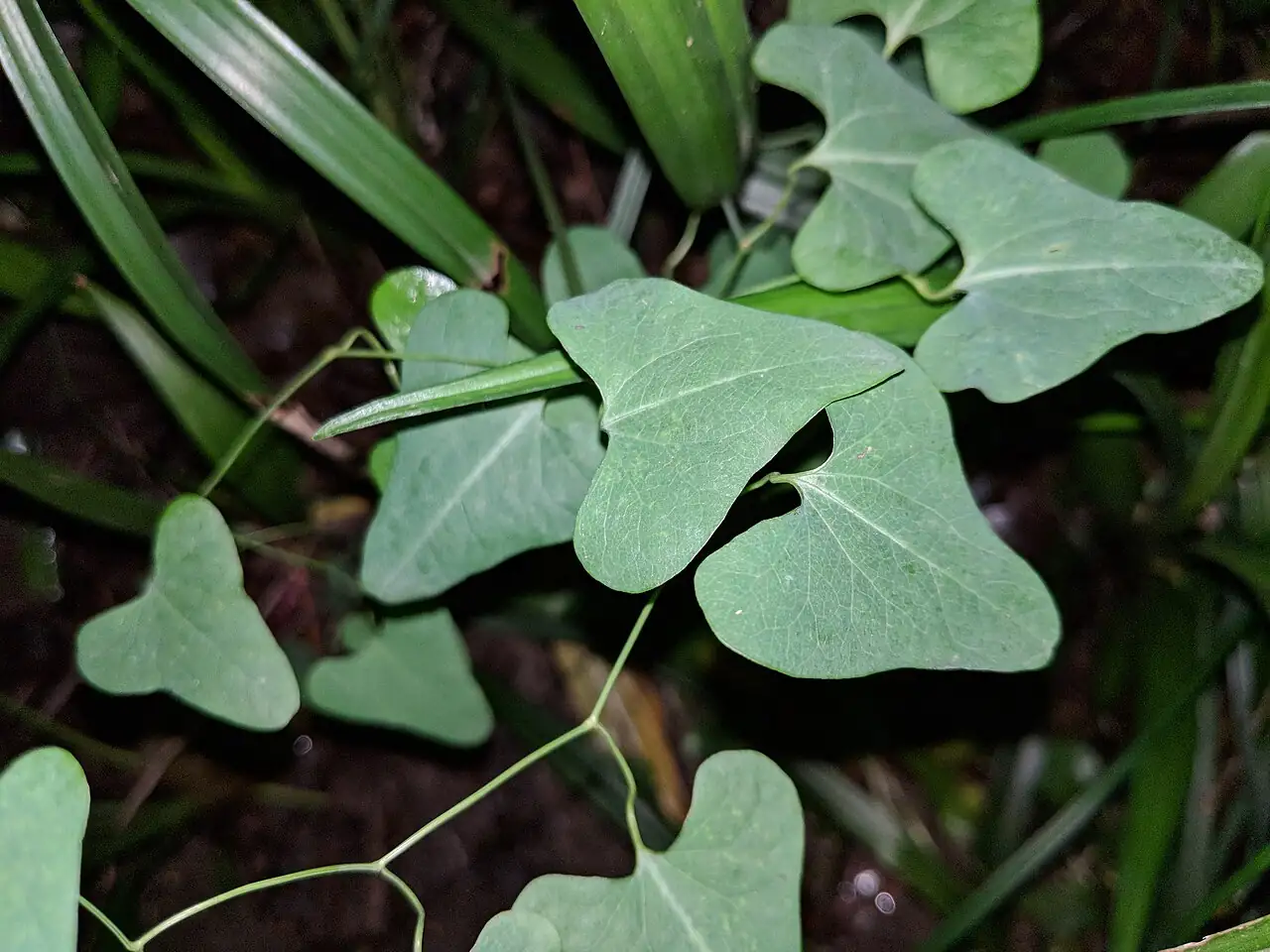
- Foliage: Stems are slender and flexible. Leaves are alternate and broadly ovate to triangular-ovate with a blunt tip and a heart-shaped (cordate) base; typically with 5–7 main veins radiating from the leaf base.
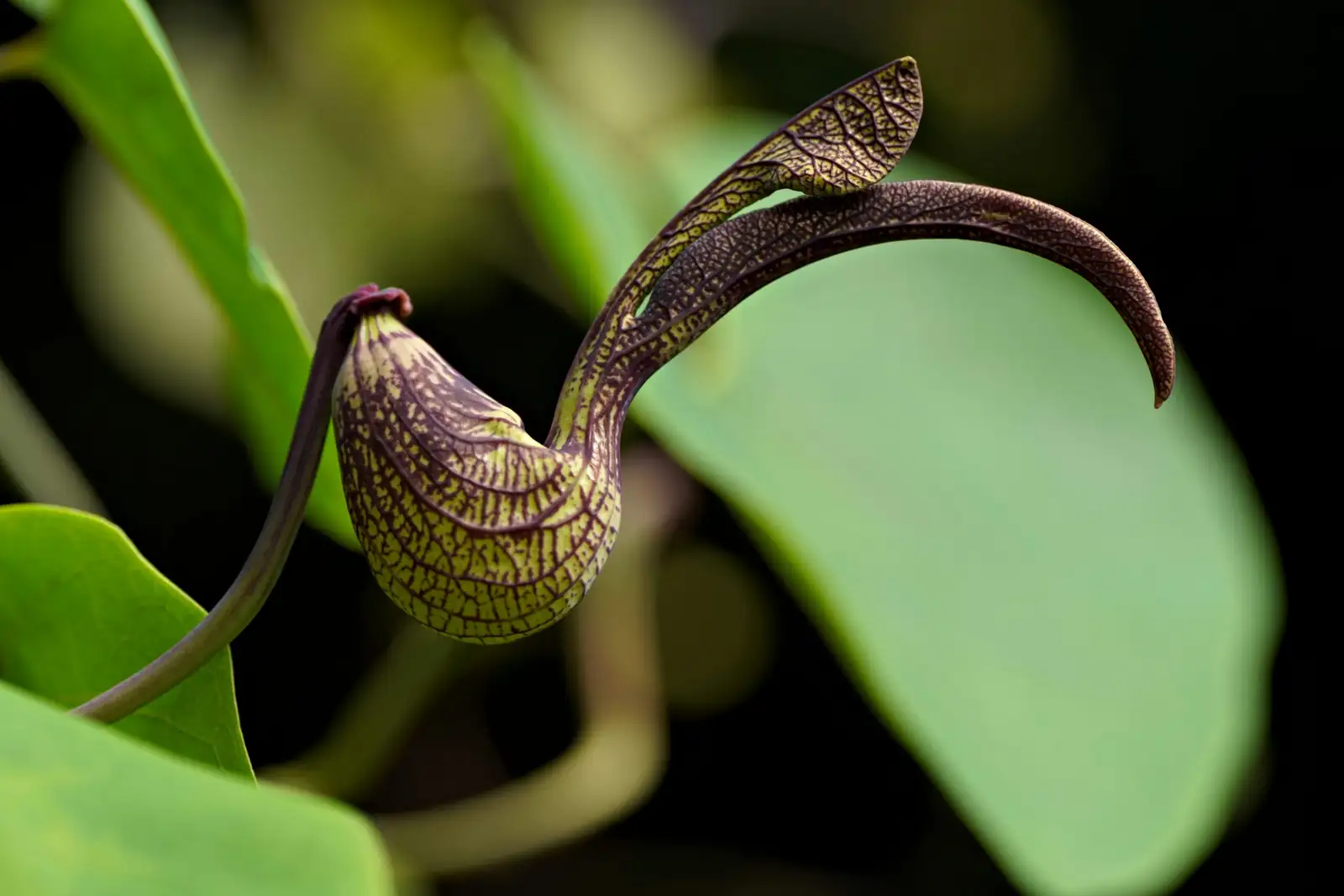
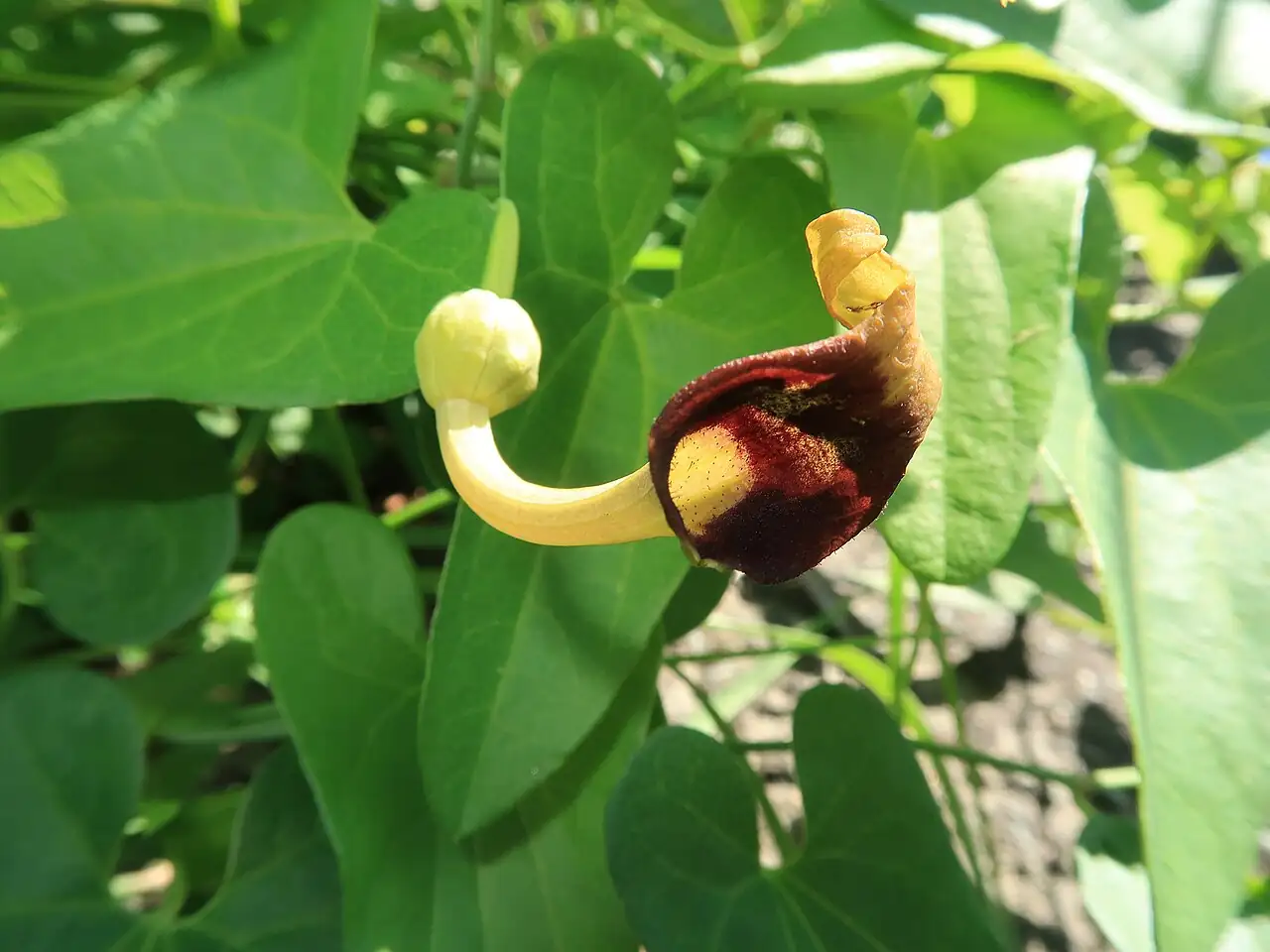
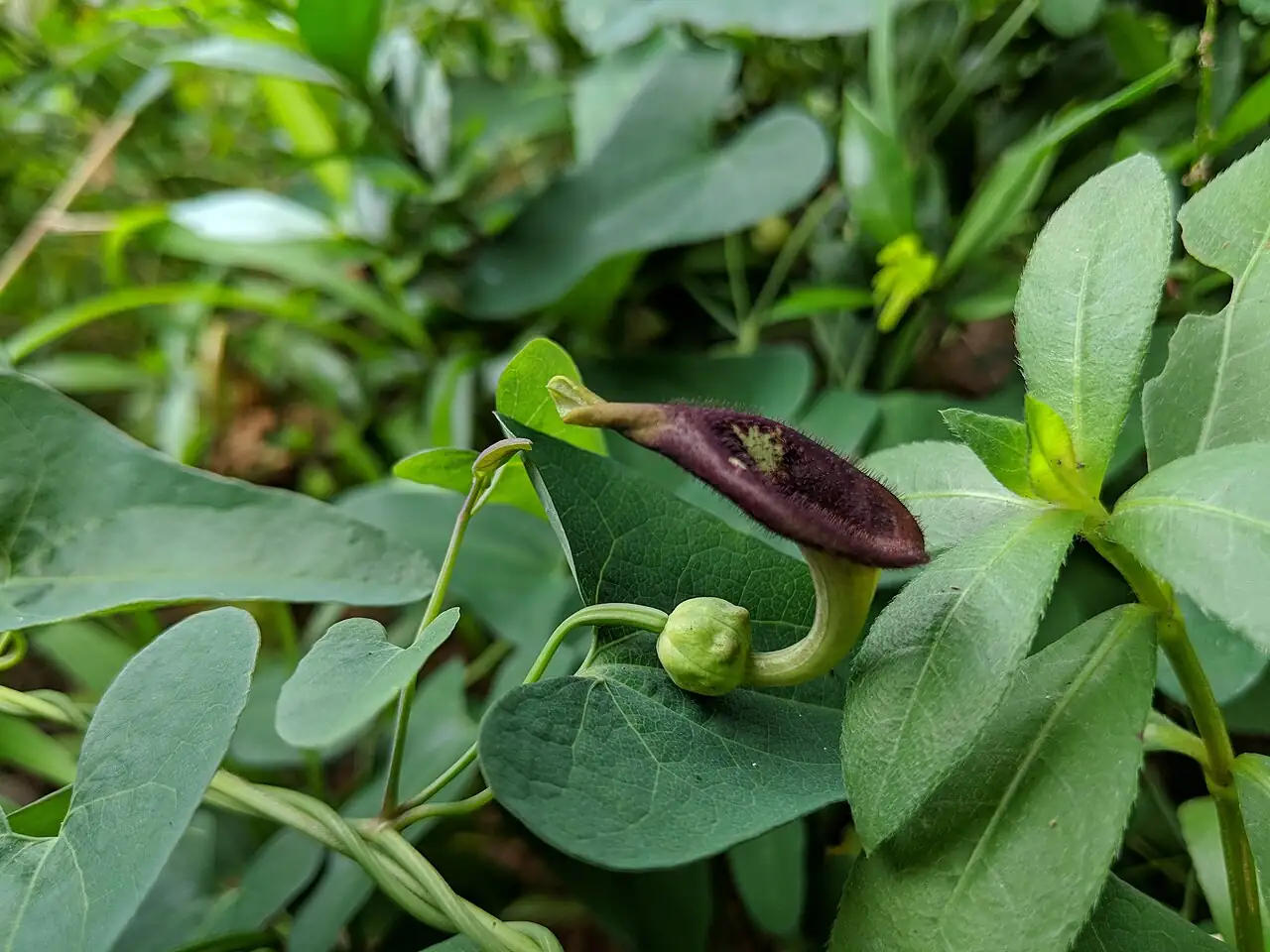
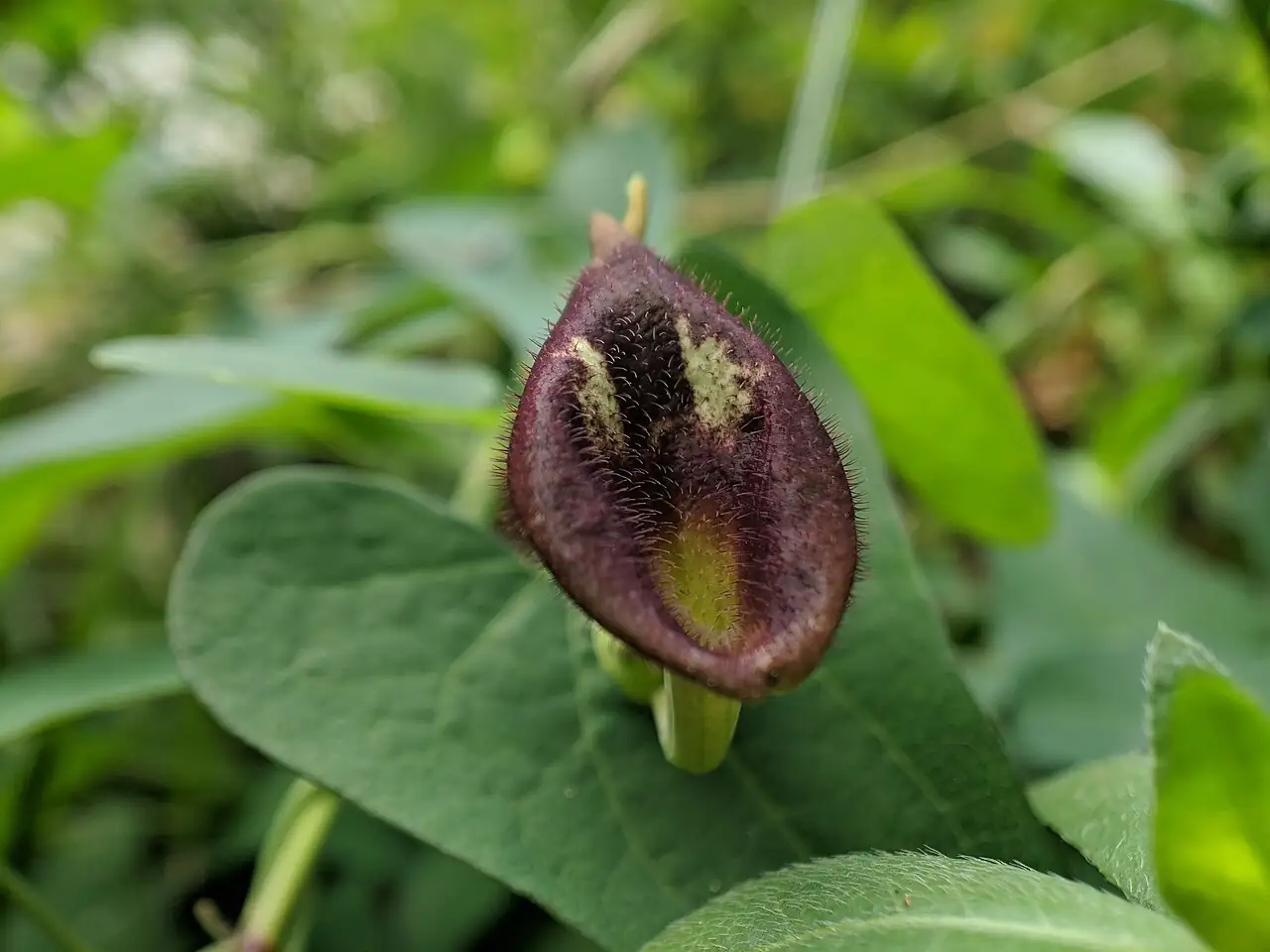
- Flower: Flowers are usually solitary or in pairs in the leaf axils; small, yellow-green, and pipe-like, with purple spotting near the throat. Small triangular bracts may be present but drop early.
- Flowering Season: July–August
- Growth Habit: Herbaceous, twining climber with soft stems; can grow scattered or in clumps along shrub edges, roadsides, ditches, and woodland margins.
Environment
Sunlight
Full sun to partial shade. It tolerates light shade well and often looks happiest with morning sun and afternoon shade; brighter light can encourage better flowering as long as moisture is steady.
Temperature
Best growth in mild to warm weather around 15–28°C (59–82°F). It is relatively cold-tolerant for a birthwort, but young plants and container specimens benefit from protection in severe cold.
Humidity
Prefers humid air and consistently moist conditions; well-suited to damp, sheltered sites (gullies, woodland edges, and other moisture-retentive spots).
Soil
Moist but well-drained sandy loam is ideal. Avoid stagnant, waterlogged soils to reduce the risk of root problems.
Placement
Outdoors in naturalistic plantings, woodland edges, and moist borders; use as a groundcover under open shrubs or train over low fences/trellises for vertical greening.
Hardiness
Approx. USDA Zone 6–9 (−23 to −1°C / −10 to 30°F), depending on local conditions; container plants are more vulnerable to freezing than in-ground plants.
Care Guide
Difficulty
Easy to moderate outdoors: generally adaptable once established, but it performs best with reliable moisture and a bit of structure to climb (or space to trail).
Buying Guide
Pick plants with firm, clean leaves and flexible green stems. Avoid pots with sour-smelling or soggy media (a sign of poor drainage). For outdoor planting, choose plants already hardened to your local temperatures.
Watering
Keep evenly moist, especially in active growth and during summer flowering. Water deeply when the top 2–5 cm (1–2 in) of soil dries. In cooler weather, reduce frequency, but don’t let the root zone dry out completely for long periods.
Fertilization
Feed lightly in spring and early summer with a balanced slow-release fertilizer, or use a diluted liquid feed about every 3–4 weeks. Reduce or stop feeding after late summer.
Pruning
Trim straggly or overlong shoots after flowering or in late winter/early spring to encourage a tidier, bushier plant. Remove weak, damaged, or tangled stems whenever you notice them.
Propagation
Propagation is commonly done by seed (sow in spring), stem cuttings taken during the growing season, or layering—flexible stems can root where they rest against moist soil.
Repotting
If grown in containers, repot every 1–2 years in spring into fresh, well-draining mix. Provide a low trellis, or let it trail from the pot edge.
📅 Seasonal Care Calendar
Spring: restart watering and light feeding; set up supports and guide new growth. Summer: maintain consistent moisture; enjoy flowering; lightly trim if it gets messy. Autumn: taper feeding; keep soil lightly moist. Winter: protect container plants from hard freezes; prune back before vigorous spring growth.
Pests, Diseases & Safety
Common Pests & Diseases
Usually fairly trouble-free. Watch for aphids on tender new growth and occasional spider mites in hot, dry spells. Root issues can develop in poorly drained or constantly waterlogged soil—improve drainage and avoid leaving roots in stagnant moisture.
Toxicity
Toxic if ingested. Aristolochia species contain aristolochic acids, which are linked to serious kidney damage and cancer risk. Keep away from children and pets, and do not use as self-prescribed herbal medicine.
Culture & Symbolism
Symbolism: Often grown as a curiosity plant thanks to its quirky pipe-like flowers and distinctive fruits; it lends a charming, wild-garden feel when allowed to mingle along edges and supports.
History & Legends: Its Chinese name “马兜铃” refers to the mature fruit resembling a small bell once hung from a horse’s neck.
Uses: Mainly ornamental: used as a moist-site groundcover in semi-shaded gardens and as a twining vine for low fences, small trellises, or informal vertical greening in naturalistic plantings.
Fun Facts
- The name “马兜铃” was inspired by fruits that resemble a small bell once worn by horses.
- It produces a nearly spherical capsule fruit, and the seeds inside are characteristically flat.
- The little yellow-green flowers have a purple-spotted throat, and their tiny triangular bracts fall off early.