

Plant Features
- Size: Typically 3–6 m (10–20 ft) tall; spread varies with pruning and site conditions.
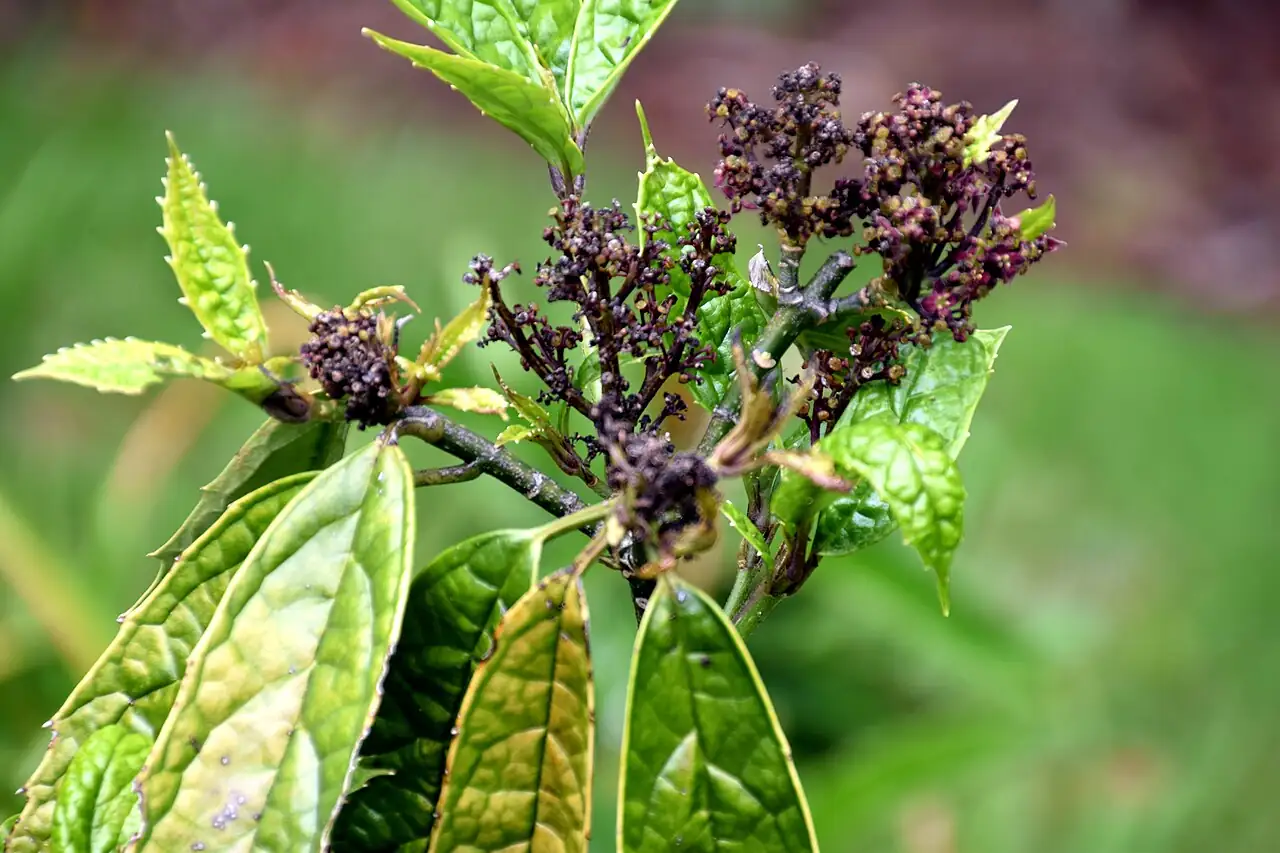
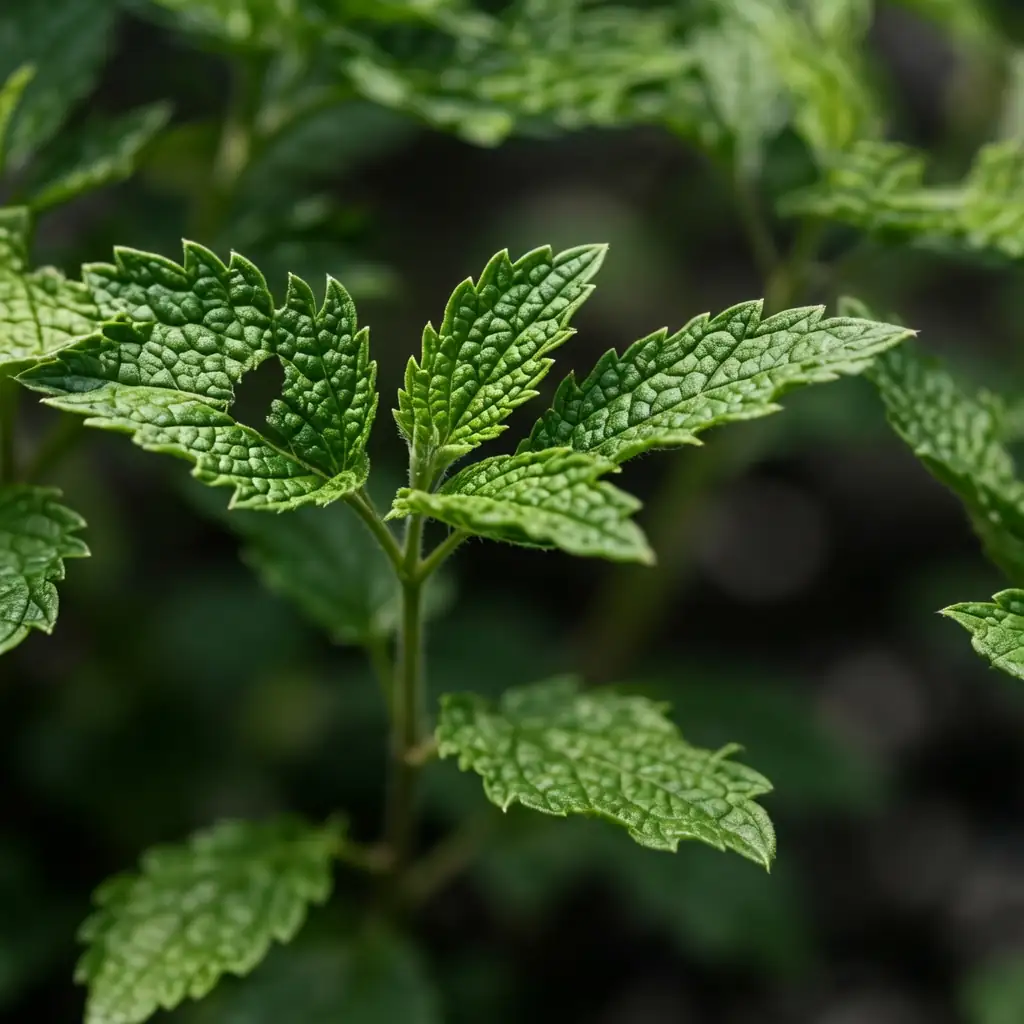
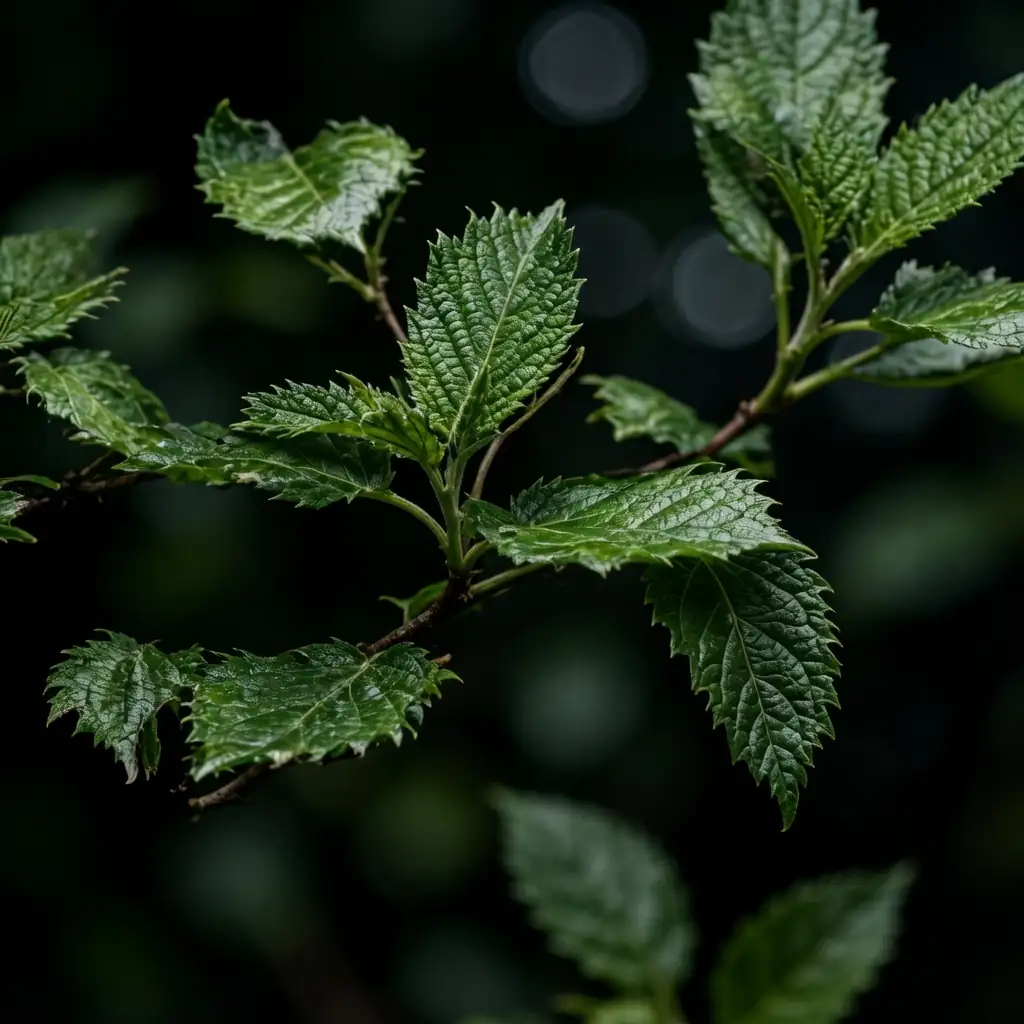
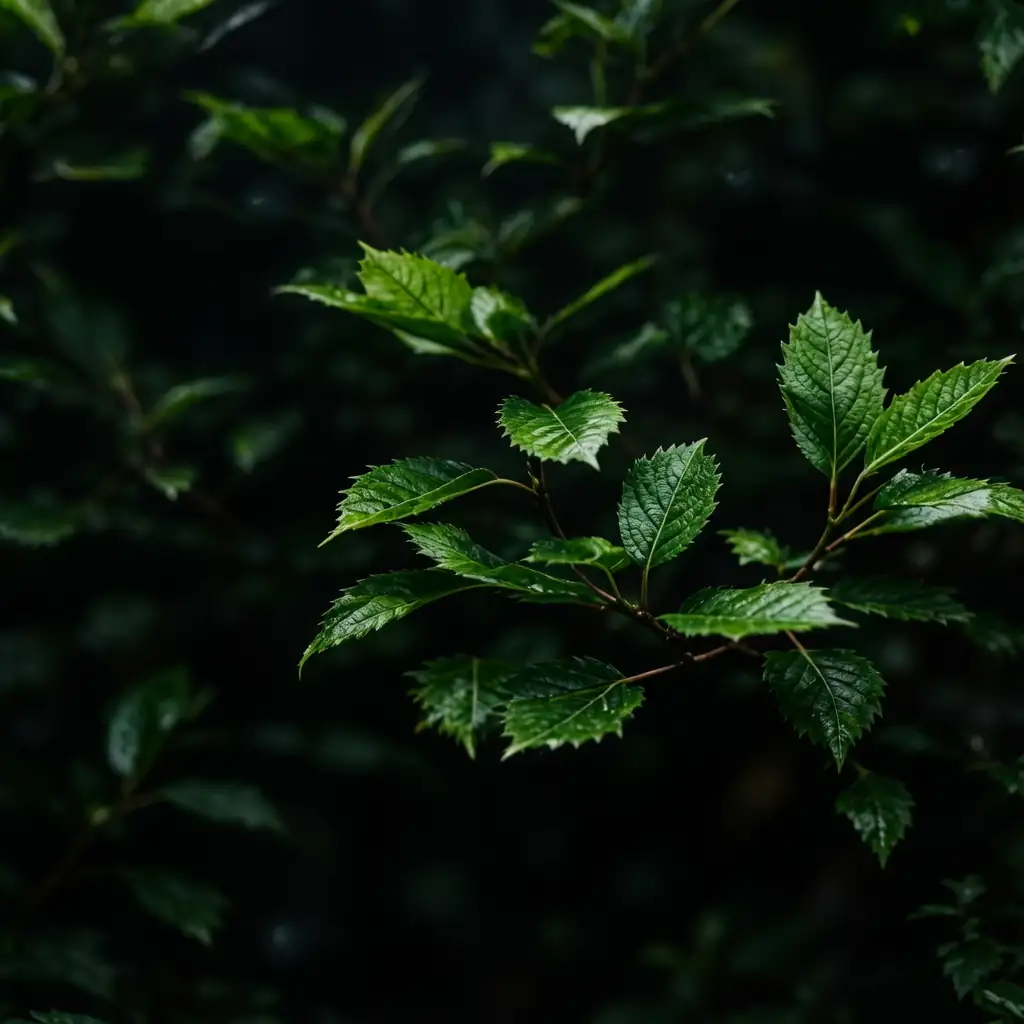
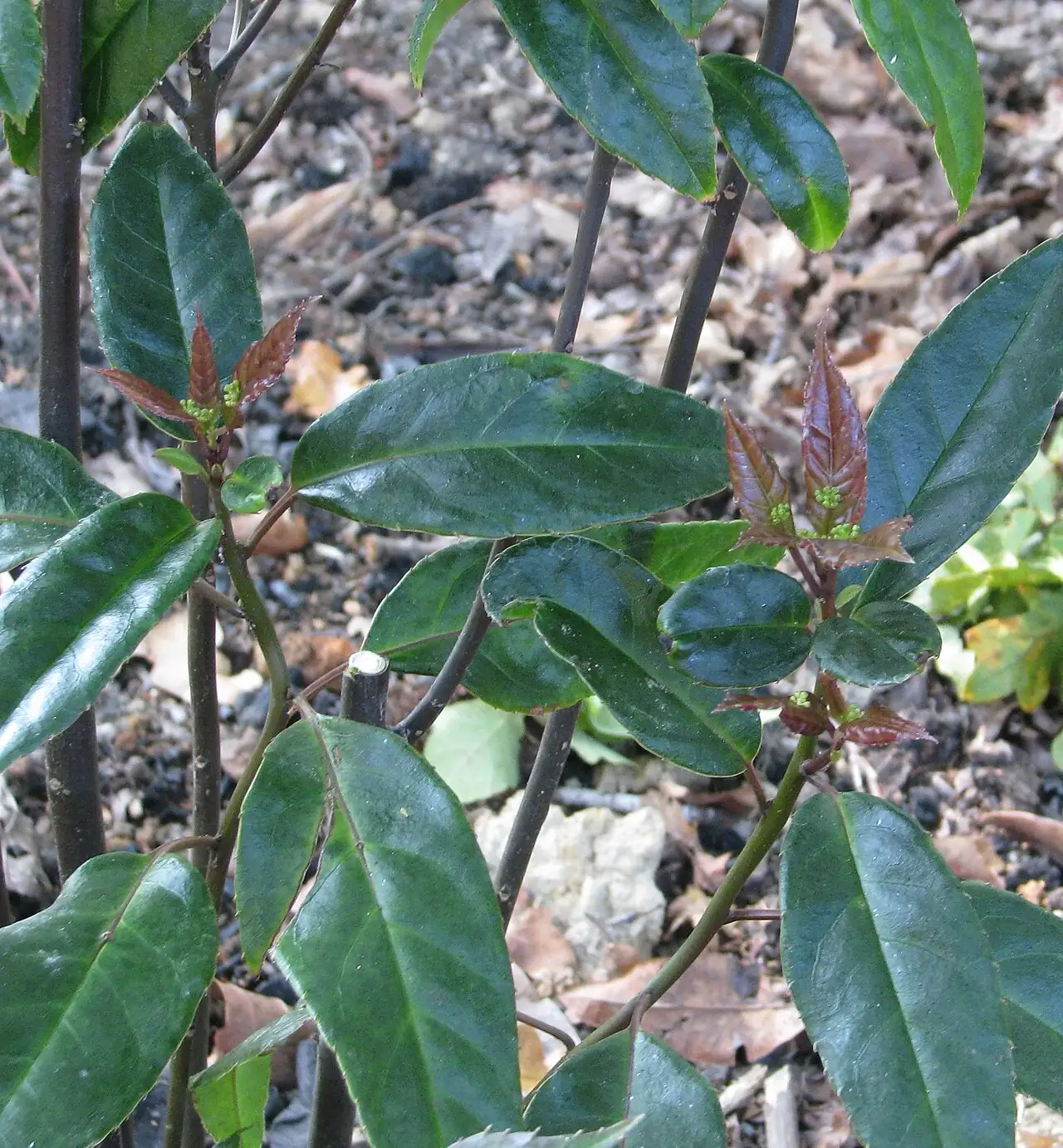
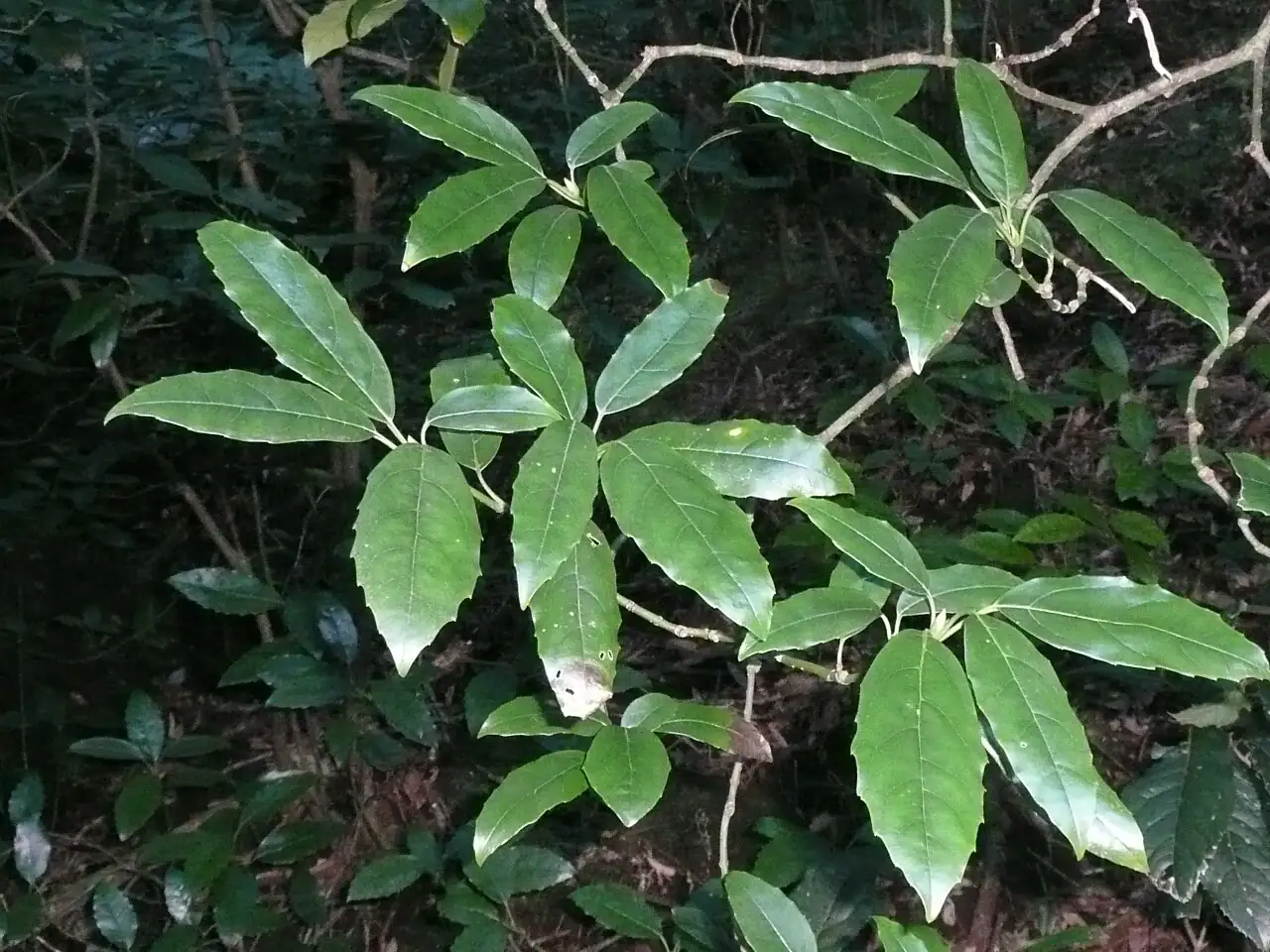
- Foliage: Leaves are leathery and oval to broadly oval, deep green on top and paler beneath; margins usually show 5–8 pairs of teeth (sometimes more coarsely toothed).
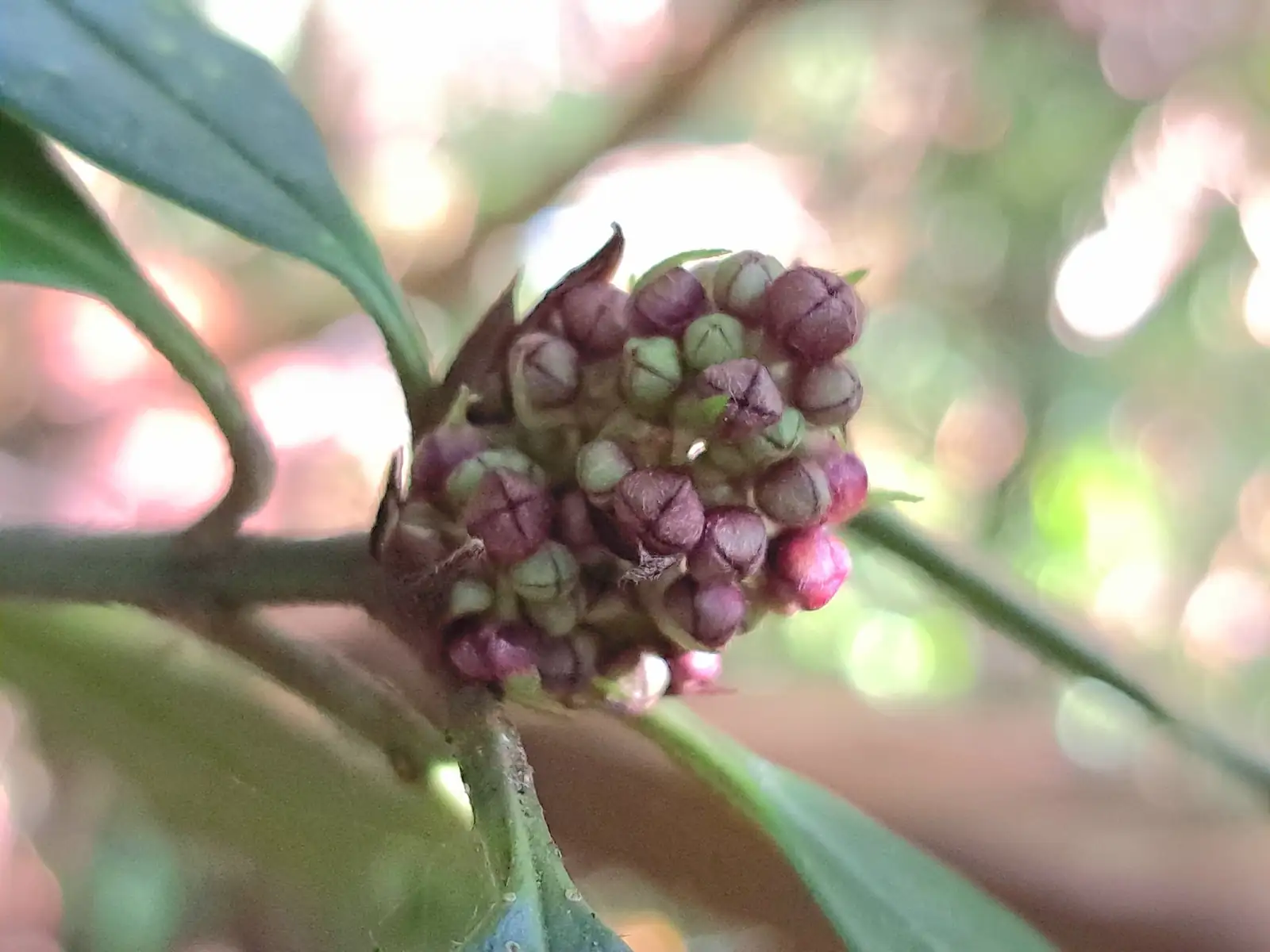
- Flower: Flowers are small and not especially showy, so the plant is mainly grown for its foliage and fruit. The berries start green, ripen to vivid red, and can persist for a long season; it’s not unusual to see older and newer fruit clusters on the same plant.
- Flowering Season: January–February
- Growth Habit: Evergreen shrub or small tree with stout branchlets; naturally an understory plant that handles shade well but can scorch in strong summer sun.
Environment
Sunlight
Shade to partial shade; aim for bright, filtered light and avoid harsh midday/afternoon sun—especially in summer.
Temperature
Best in mild conditions around 10–25°C (50–77°F). Protect from hard frost, and try to avoid prolonged heat above about 32°C (90°F), which can increase leaf scorch.
Humidity
Prefers moderate to high humidity; does best when air and soil moisture stay fairly even (without soggy soil).
Soil
Fertile, organic-matter-rich loam that holds moisture but drains well. Avoid waterlogged conditions.
Placement
Outdoors: sheltered shady courtyard, woodland border, or north/east-facing spot; suitable for hedging in warm regions. Indoors: near a bright window with filtered light (avoid hot direct sun through glass).
Hardiness
Best in warm-temperate to subtropical climates; approximately USDA Zone 8–11. Not reliably hardy where hard freezes are common.
Care Guide
Difficulty
Moderate: very shade-tolerant and generally sturdy, but it resents drought, poor drainage, hard frost, and intense summer sun/heat.
Buying Guide
Pick plants with firm, glossy leaves and sturdy stems. Avoid blackened tips (possible cold damage), scorched patches (sunburn), or pots that stay persistently wet (root-rot risk). If you’re buying for berries, remember many Aucuba are dioecious—fruiting typically requires a female plant plus a compatible male nearby for pollination.
Watering
Water deeply, then let the top 2–5 cm (1–2 in) dry slightly before watering again. Keep moisture more even during active growth; reduce watering in cool weather. Don’t leave it in waterlogged soil, which can trigger root problems.
Fertilization
Feed in spring and early summer with a balanced slow-release fertilizer, or use a half-strength liquid feed every 4–6 weeks. Stop feeding in late summer so new growth can harden before cooler weather.
Pruning
Prune in late winter to early spring after the coldest weather has passed. Remove dead or weak shoots and lightly shape for hedging. If you want maximum berries, prune conservatively.
Propagation
Semi-ripe cuttings in summer or hardwood cuttings from late autumn to winter. Keep cuttings humid and in a free-draining medium until well rooted.
Repotting
Repot container plants every 2–3 years in spring, moving up one pot size by about 2–5 cm (1–2 in). If not repotting, refresh the top layer of mix annually.
📅 Seasonal Care Calendar
Spring: feed, repot if needed, prune to shape. Summer: provide shade, water consistently, protect from heat/sun scorch. Autumn: ease off feeding, keep moisture steady, enjoy berry development. Winter: protect from frost and avoid overwatering in cold conditions.
Pests, Diseases & Safety
Common Pests & Diseases
Watch for scale insects, mealybugs, and spider mites (especially indoors with dry air). Root rot can occur in poorly drained or overwatered soil. Leaf scorch is common in strong sun or excessive heat.
Toxicity
Toxicity references for this exact species can be inconsistent; for safety, treat leaves and berries as not edible and keep out of reach of children and pets.
Culture & Symbolism
Symbolism: Often linked with endurance and dependable winter beauty in shade gardens, thanks to its evergreen leaves and long-lasting red berries.
Uses: Ornamental plant valued for evergreen foliage and showy berries; used as a garden accent, woodland shrub, and clipped hedge in warm, humid regions.
FAQ
Why does my Chinese aucuba get scorched leaves in summer?
Strong direct sun and heat are the usual culprits. Move it to shade or bright filtered light, keep the soil evenly moist (not soggy), and avoid reflective heat from walls, paving, or windows.
How can I get berries on my aucuba?
Berries form on female plants after pollination. If yours never fruits, it may be a male plant or there may be no compatible pollinator nearby—adding a male plant (or ensuring one is nearby) can help.
Fun Facts
- The berries begin green and ripen to vivid red, often persisting for months.
- You can sometimes see fruit clusters from different seasons on the same plant.
- In the wild it naturally grows as an understory shrub in evergreen broadleaf forests.
- In warm southern climates it’s commonly used as an ornamental hedge and courtyard accent.


