Plant Features
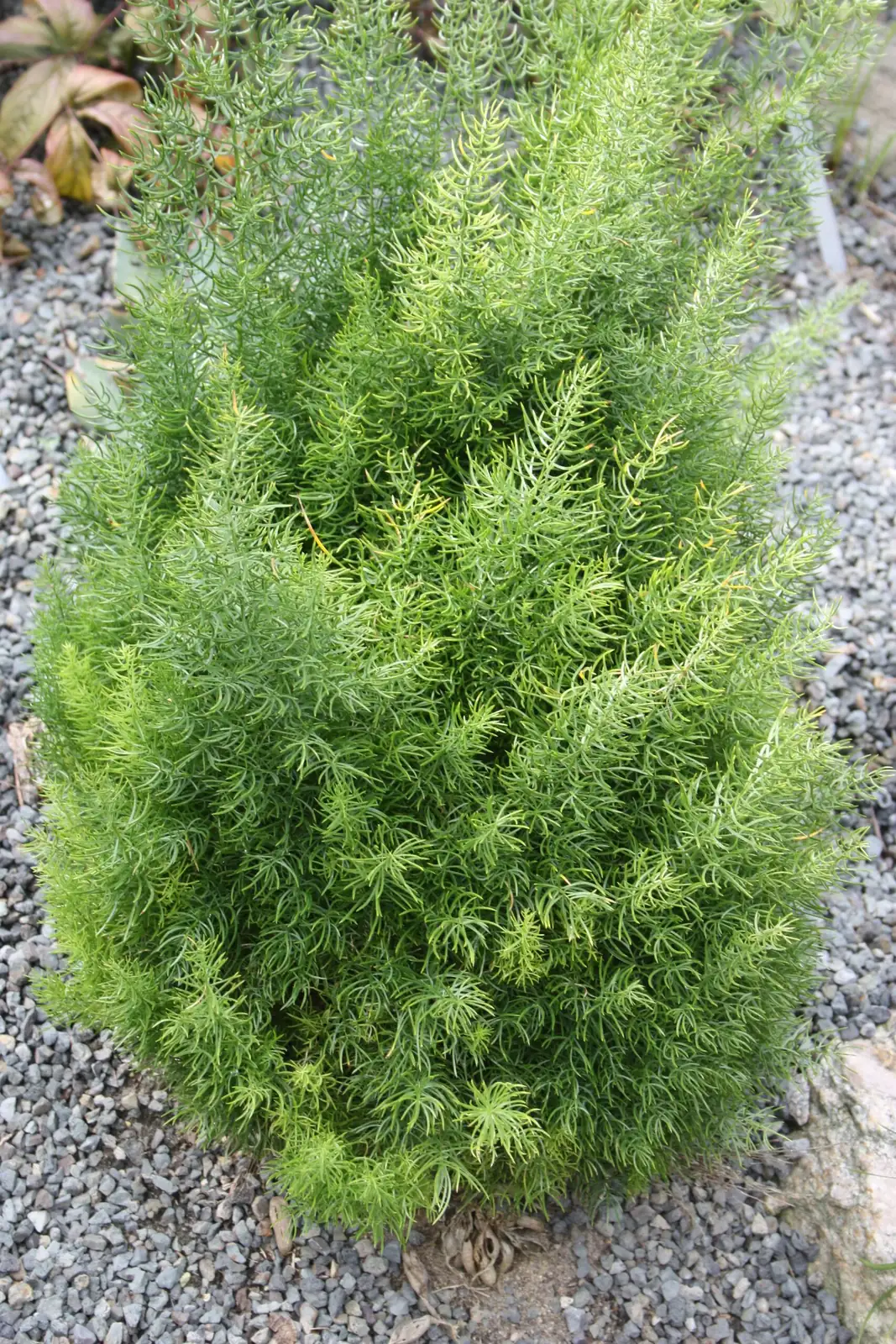
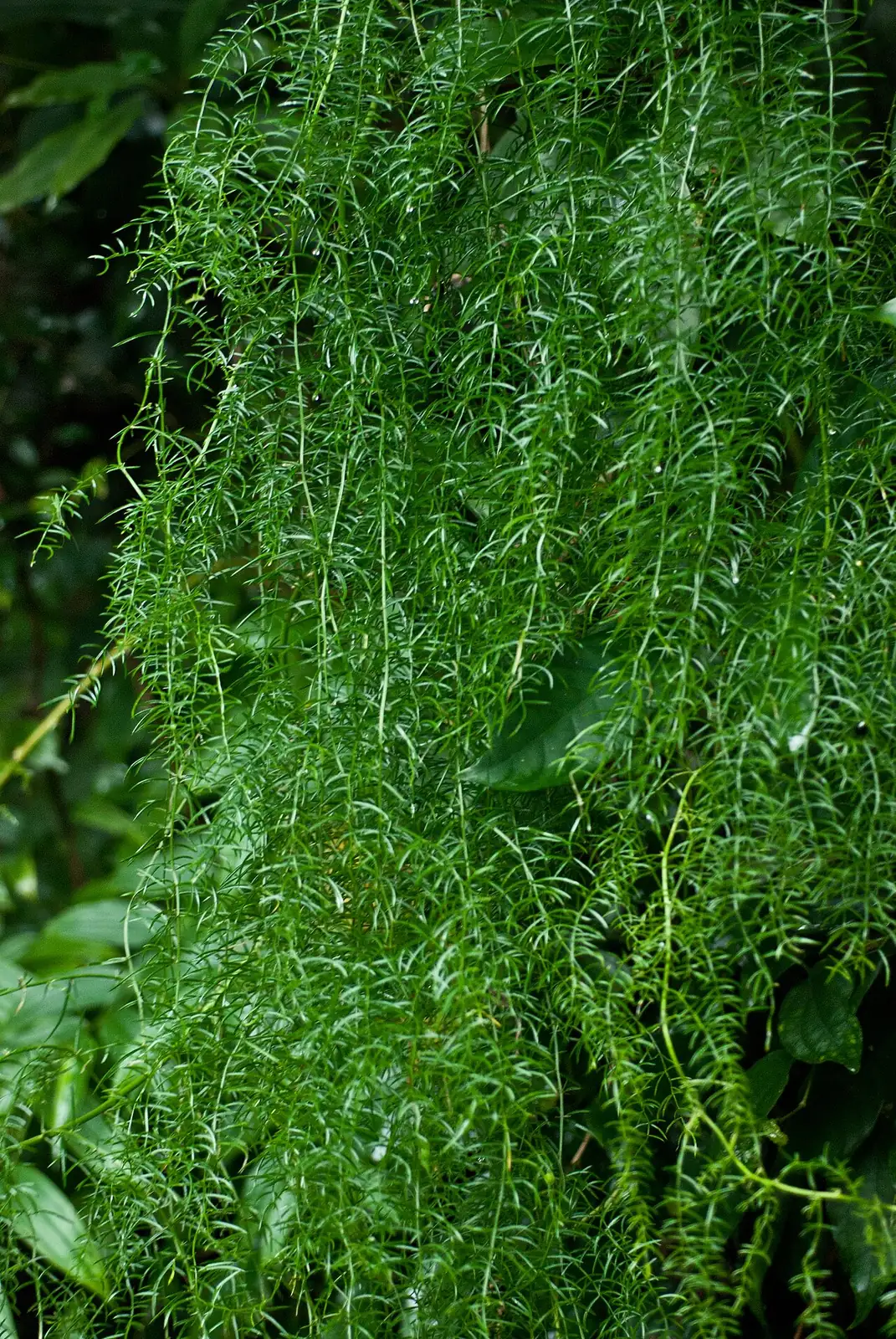
- Size: Climbing/trailing habit; typically trained on low trellises or allowed to cascade in baskets. Mature size varies with support, pruning, and growing conditions rather than a fixed height/width.
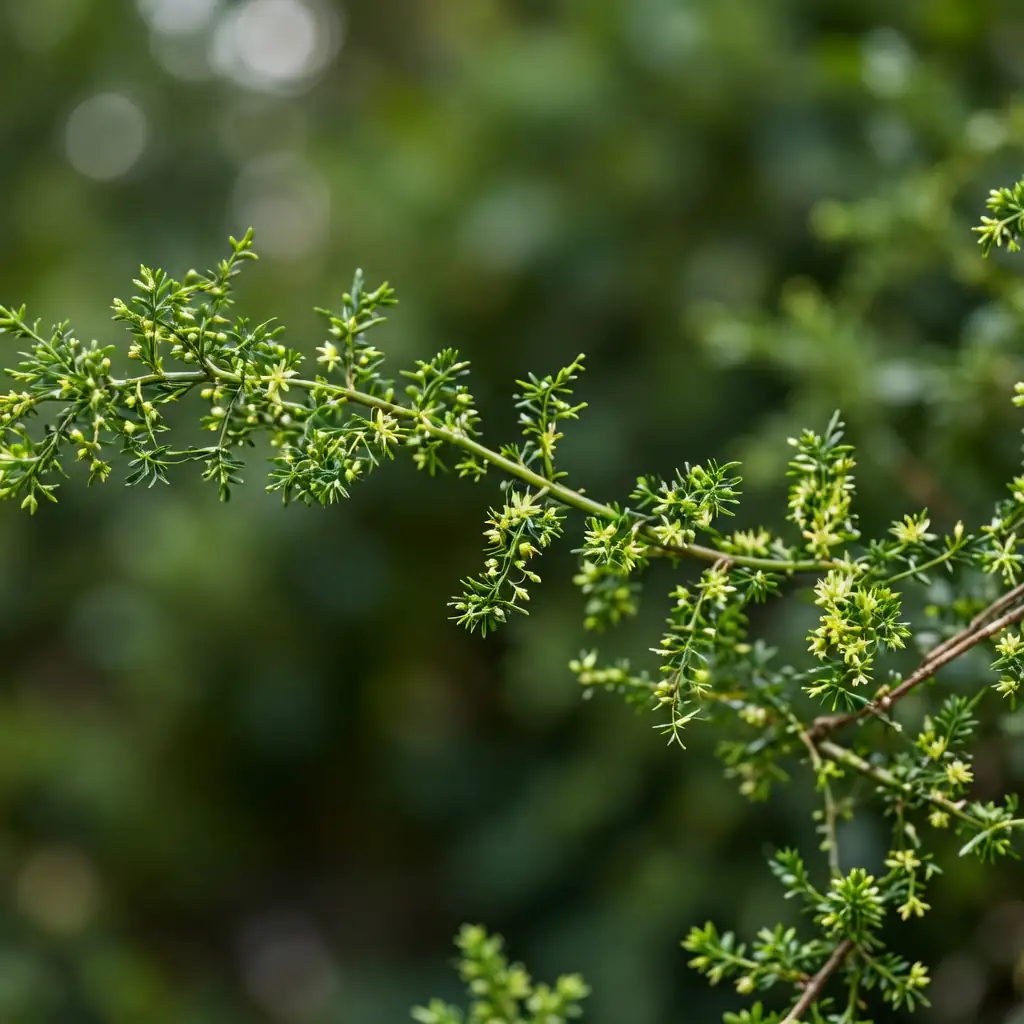
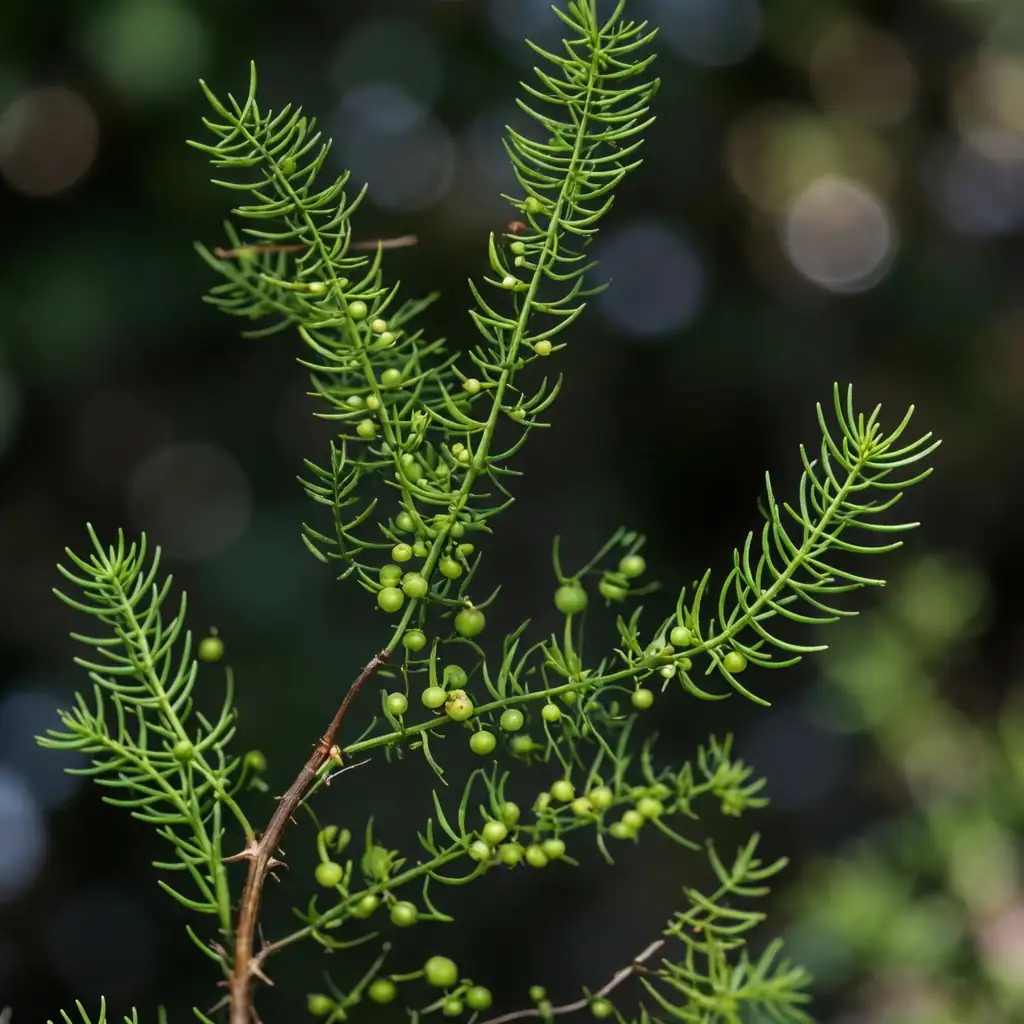
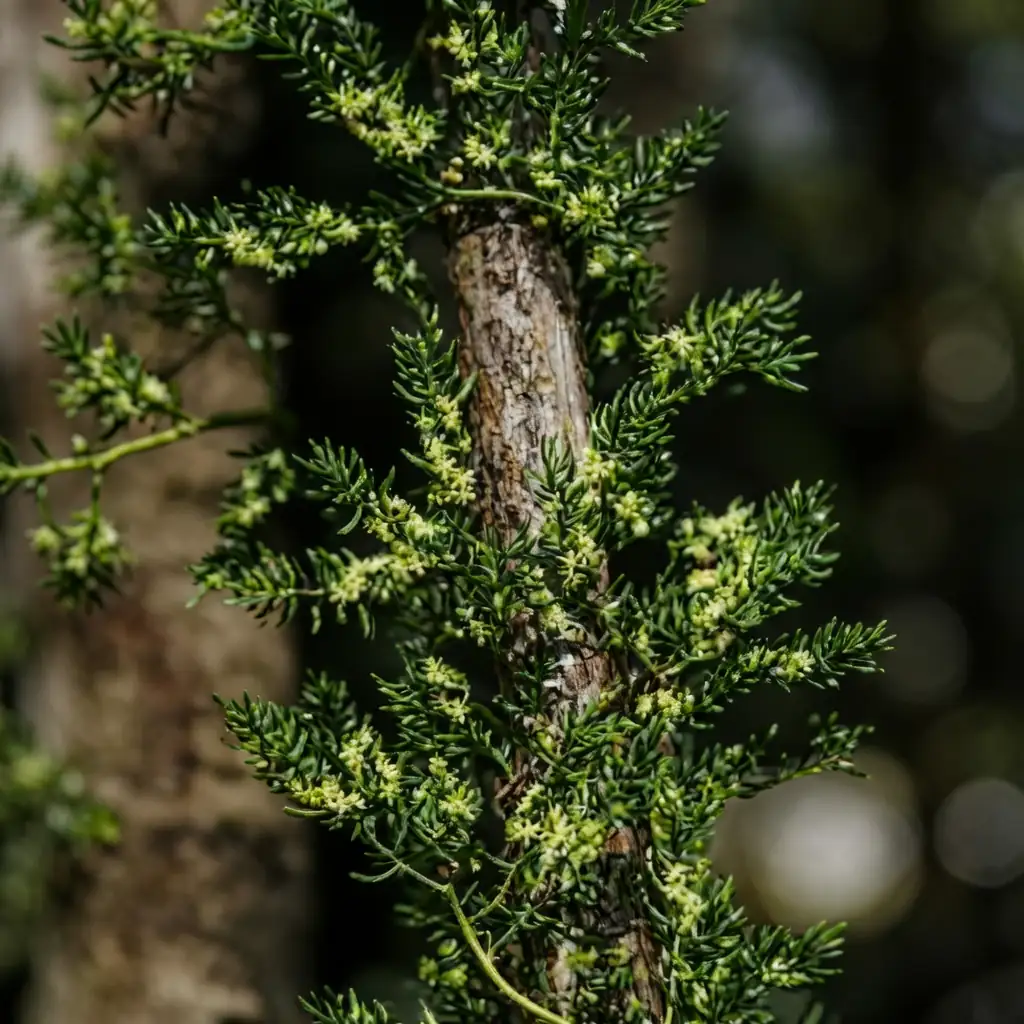
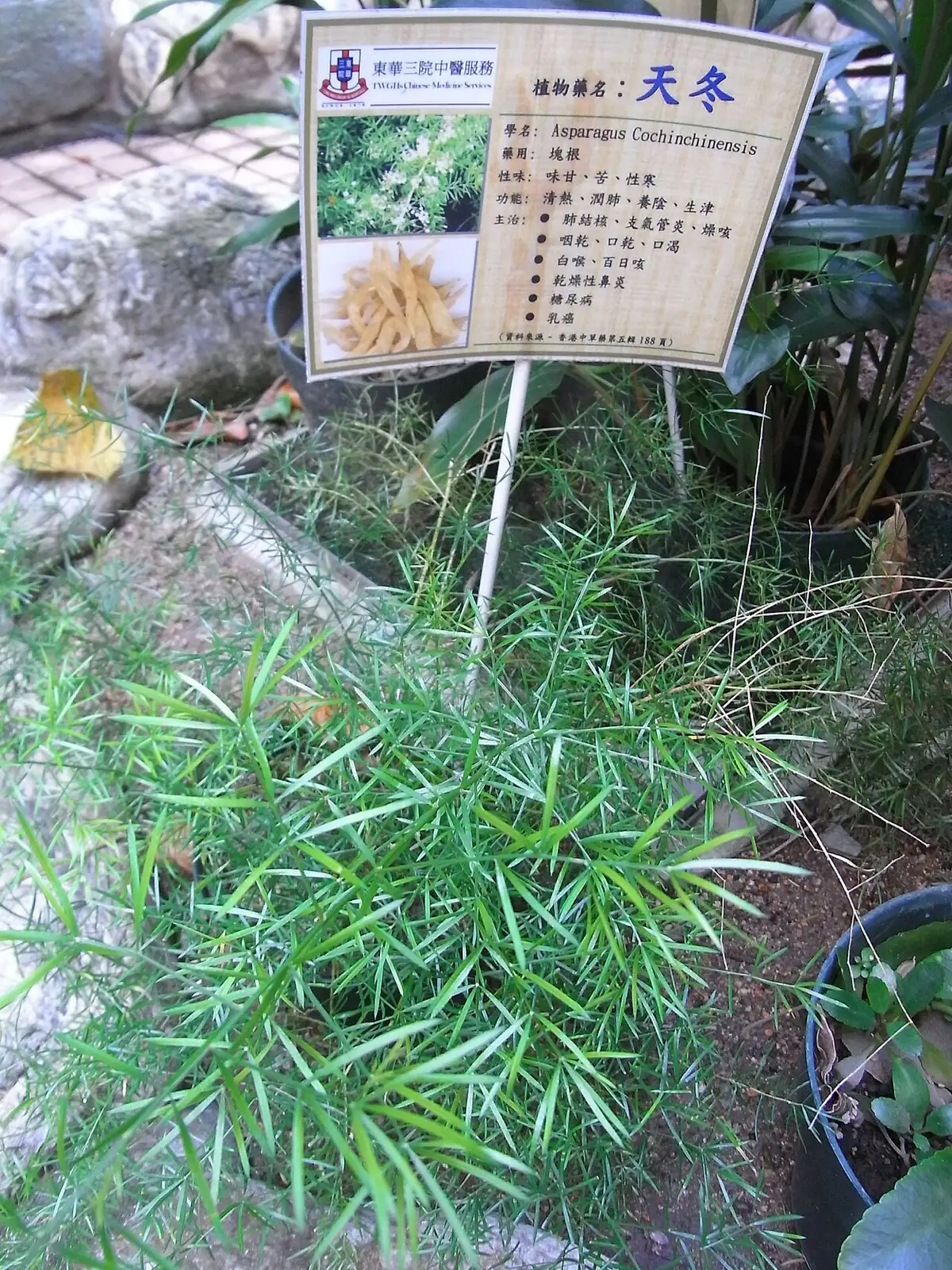
- Foliage: Flattened, sickle-shaped cladodes borne in small clusters (often three together). True leaves are tiny scales; stem bases may develop stiff spines.
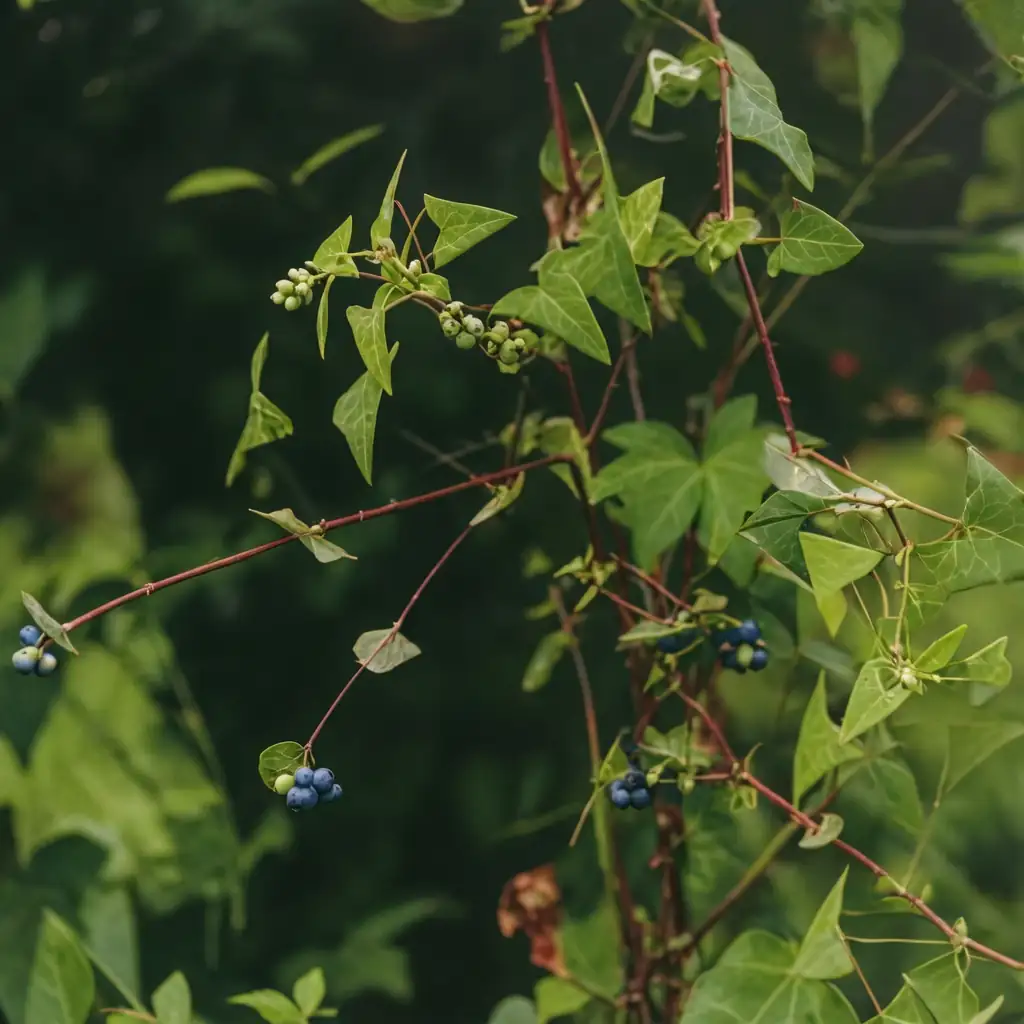
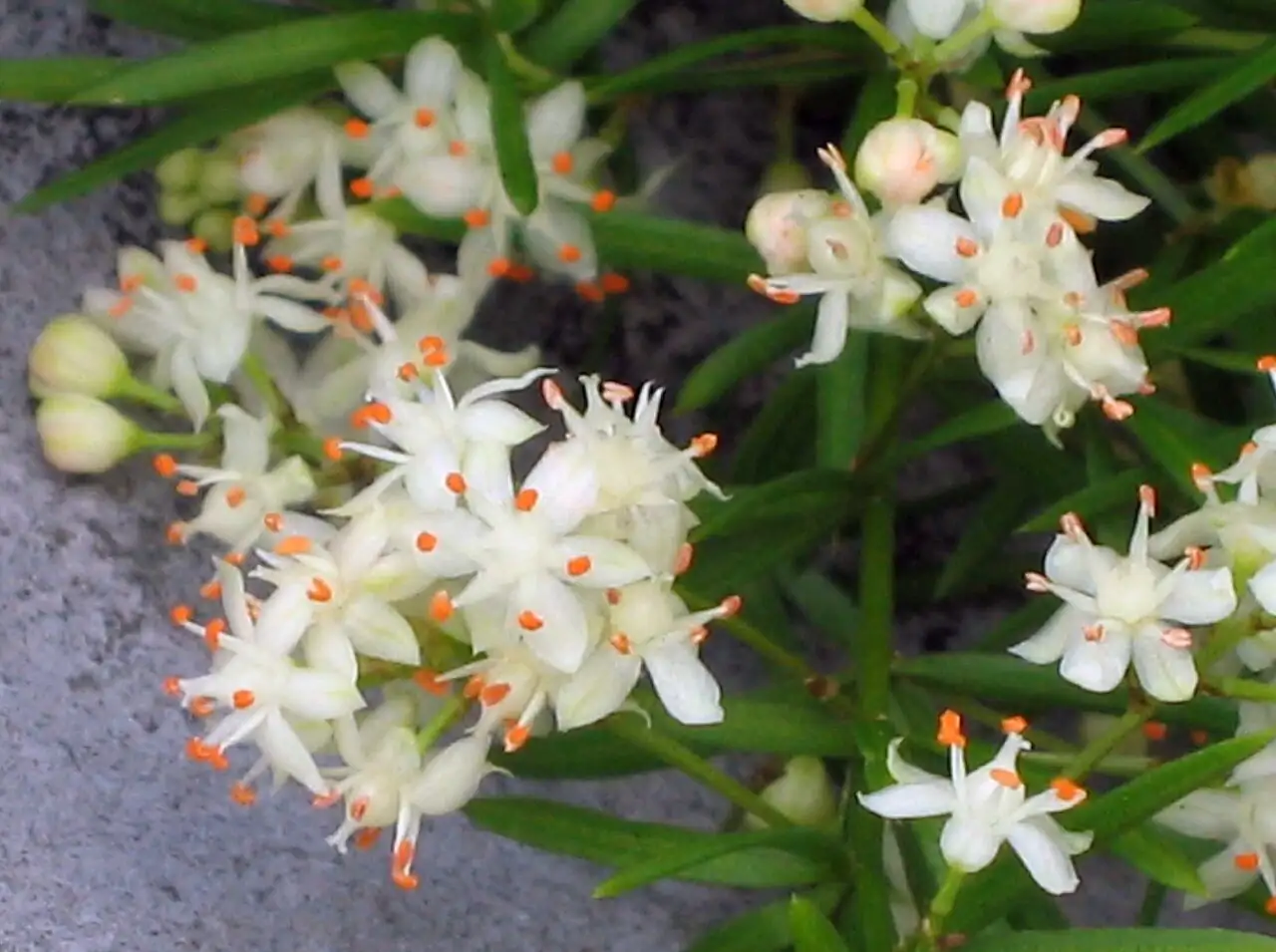
- Flower: Small, inconspicuous flowers in late spring, followed by bright red berry-like fruits later in the season.
- Flowering Season: May–June
- Growth Habit: Perennial, branching climber/trailer with angled or narrowly winged stems.
Environment
Sunlight
Bright light to full sun. In very hot summers, protect from harsh midday sun to prevent stress while still keeping light strong.
Temperature
Best growth around 10–25°C (50–77°F). Fairly cold-tolerant for an “asparagus fern,” but protect potted plants from prolonged hard freezes below about -5°C (23°F).
Humidity
Moderate humidity. It prefers an even routine—neither constantly soggy nor left dry for long stretches.
Soil
Well-drained, airy mix (for example, a loam-based potting soil amended with grit/perlite). Avoid heavy, water-retentive soils that stay wet.
Placement
A low trellis for vertical greenery, or a hanging basket where stems can trail. Great for a bright windowsill, sunroom, or a sheltered, sunny balcony.
Hardiness
Generally hardy in USDA Zone 7–10 (approx. -17 to -1°C / 1–30°F), depending on local conditions; container plants typically need winter protection in colder areas.
Care Guide
Difficulty
Easy to moderate: vigorous and forgiving once established, but happiest with strong light and careful watering—never waterlogged, never bone-dry.
Buying Guide
Pick plants with firm, green cladodes and minimal yellowing. Check the crown and potting mix for rot signs (sour smell, blackened base) and inspect for sap-suckers like mealybugs or scale.
Watering
Water thoroughly, then let the top of the potting mix dry slightly before watering again. Don’t leave the pot sitting in water. In hot, bright weather water more often; in winter reduce watering to avoid root/crown rot.
Fertilization
Feed in spring–summer with a balanced liquid fertilizer at half strength every 2–4 weeks. Pause or greatly reduce feeding in winter.
Pruning
Trim long, tangled, or weak stems to shape and encourage fresh growth. Remove yellowed stems right from the base for a cleaner look.
Propagation
Best by division in spring: split the crown/rhizome so each division has roots attached, then pot separately. Seed propagation is possible but slower.
Repotting
Repot every 1–2 years in spring, or sooner if rootbound. Use a pot with drainage and refresh the mix to keep it open and airy.
📅 Seasonal Care Calendar
May–June: flowering. August–October: red berries typically develop. Spring: increase light and feeding. Summer: monitor watering closely in heat. Winter: keep a bit drier and cooler and protect from hard freezes.
Pests, Diseases & Safety
Common Pests & Diseases
Can attract mealybugs, scale, and spider mites—especially indoors with dry air. Overwatering can cause root/crown rot. Improve airflow, avoid soggy soil, and treat pests with insecticidal soap or horticultural oil as needed.
Toxicity
Berries may cause stomach upset if eaten—keep away from children and pets. Sap and prickly bases can irritate sensitive skin; handle carefully (gloves help when training on supports).
Culture & Symbolism
Symbolism: Often appreciated as a symbol of resilience and adaptable growth (a plant that happily climbs, trails, and regrows after pruning).
History & Legends: In Chinese plant lore and everyday horticulture, “天门冬” is widely recognized as a traditional plant name; the genus Asparagus also has a long history of use and cultivation in East Asia. (Ornamental use today focuses on its graceful, leafy-looking cladodes and easy training habit.)
Uses: Primarily grown as an ornamental for vertical greening on low supports or as a cascading plant in hanging baskets.
FAQ
Why are the stems turning yellow?
The usual causes are low light, overwatering (root stress), or prolonged dryness. Move it to brighter light, make sure the pot drains fast, and water again only when the surface begins to dry.
Can it be grown outdoors year-round?
Yes in mild climates (roughly USDA Zone 7–10). In colder regions, keep it in a container and overwinter frost-free, or protect the crown from hard freezes.
Fun Facts
- What look like leaves are actually flattened stems (cladodes); the true leaves are tiny scales.
- The bases can become prickly—use gloves when tying stems to a trellis.
- Red berries usually follow the late-spring bloom.
- It’s often grown as a compact climber on low supports or as a trailing basket plant.