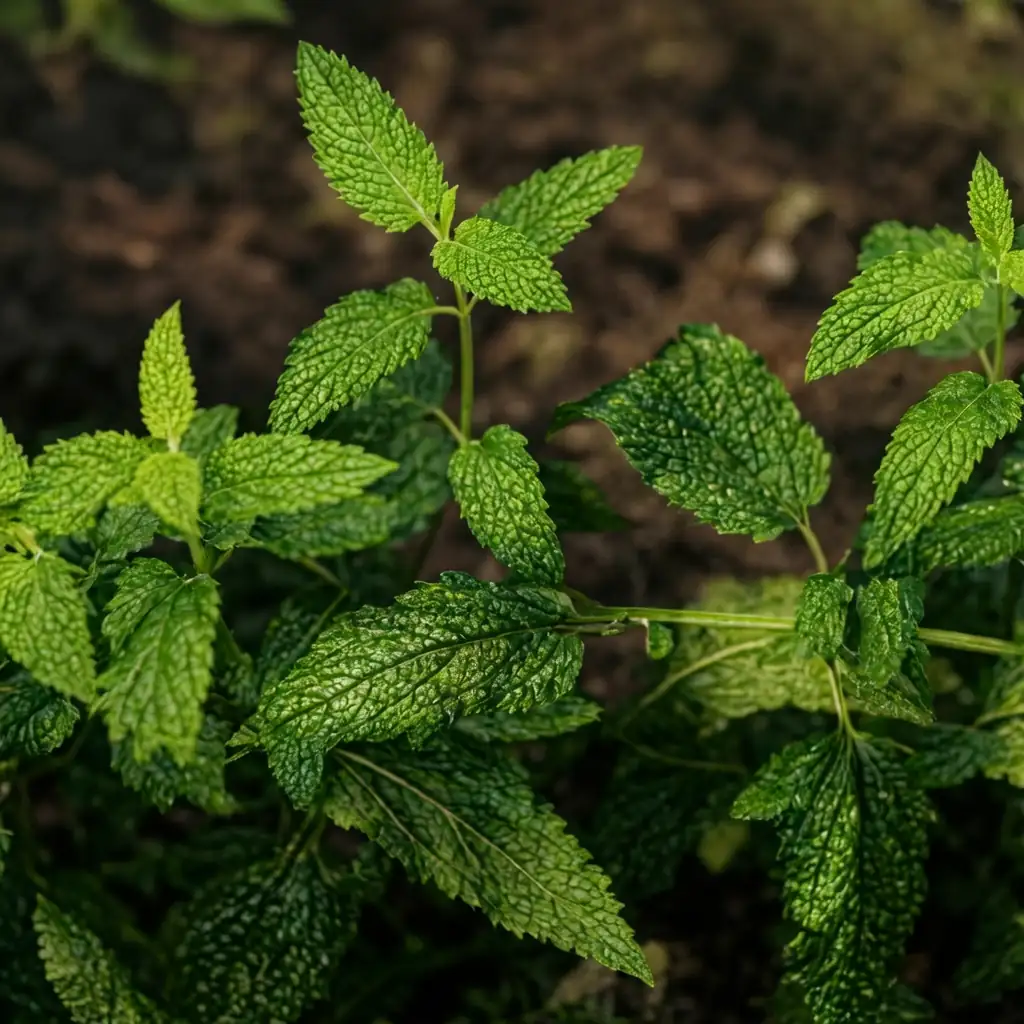
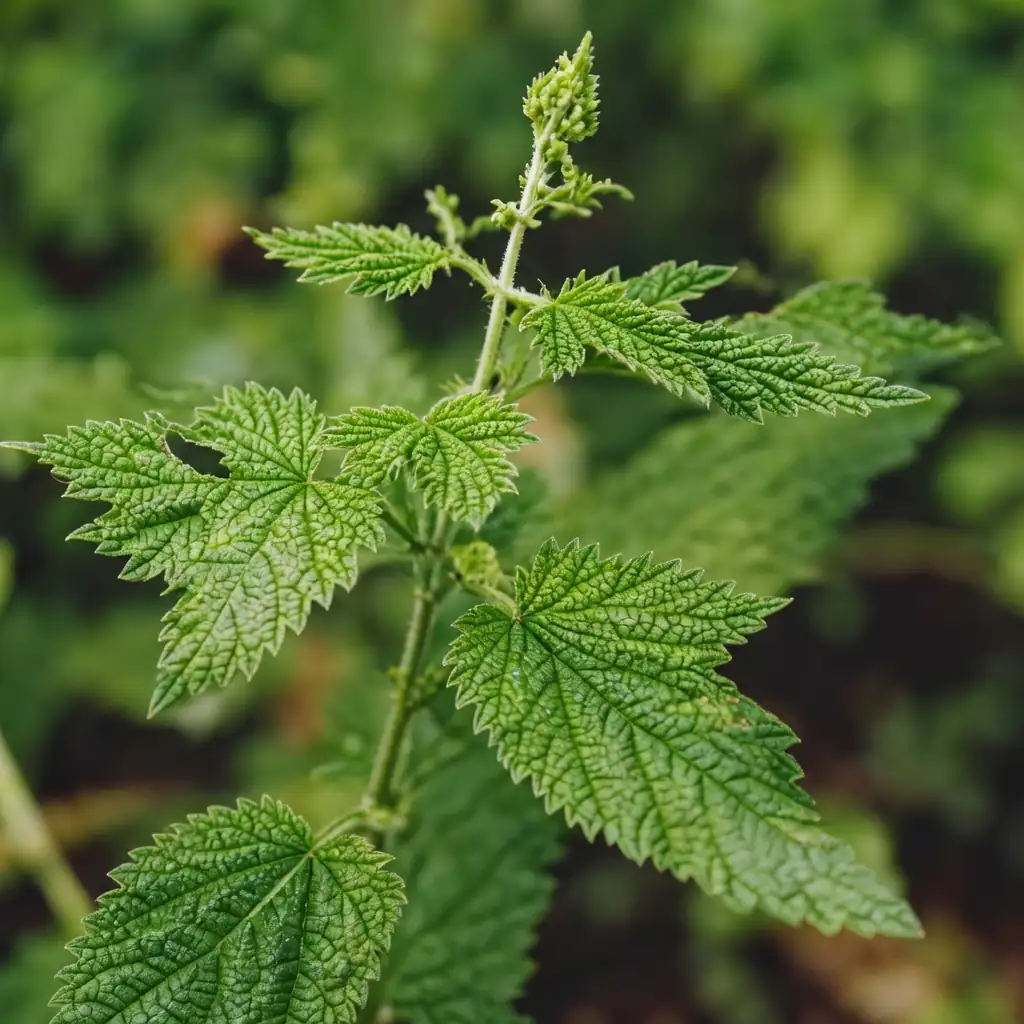
Plant Features
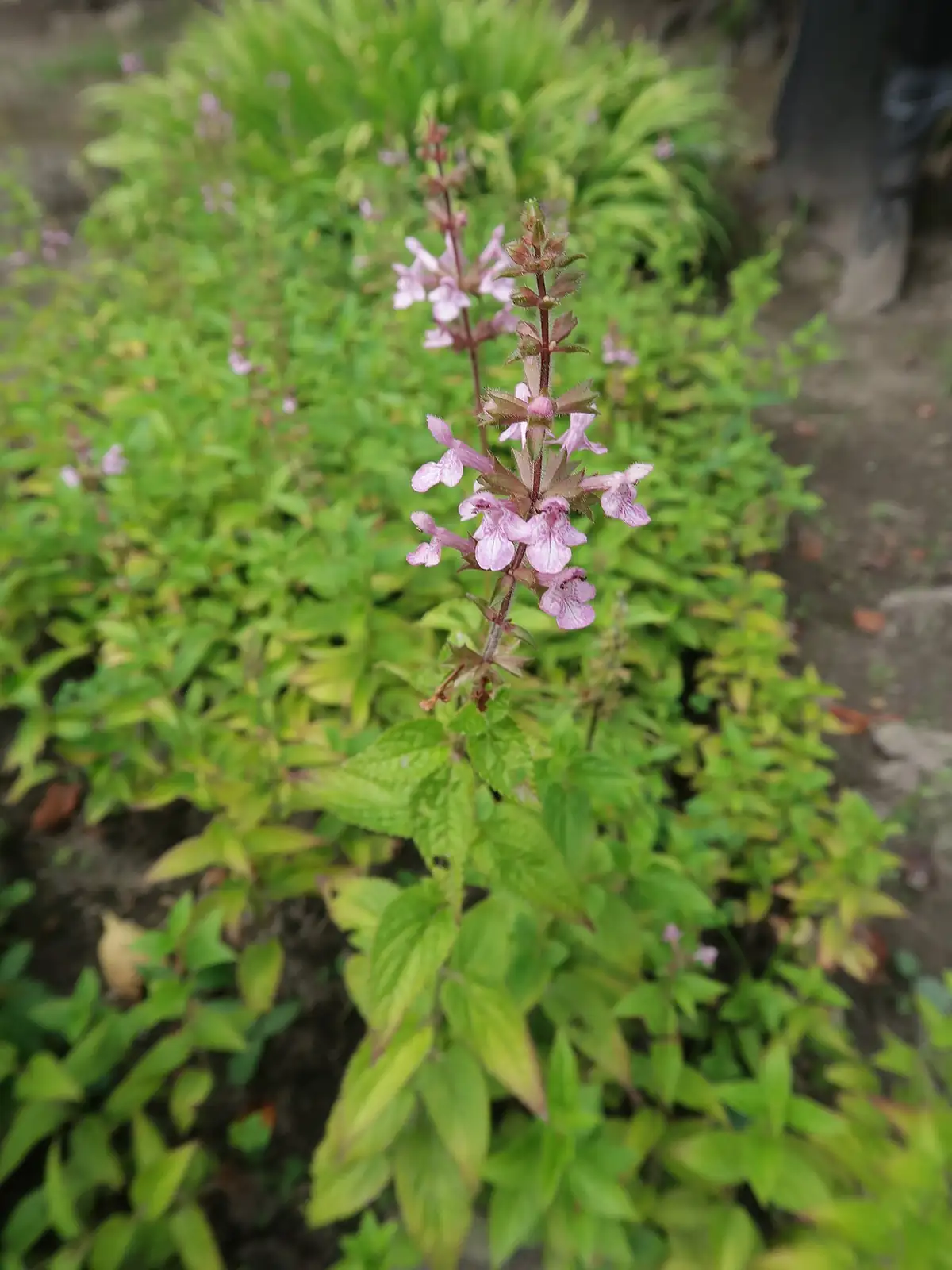
- Size: Typically 30–120 cm (12–47 in) tall; clump-forming, with spread varying by growing conditions and how freely the tubers multiply.
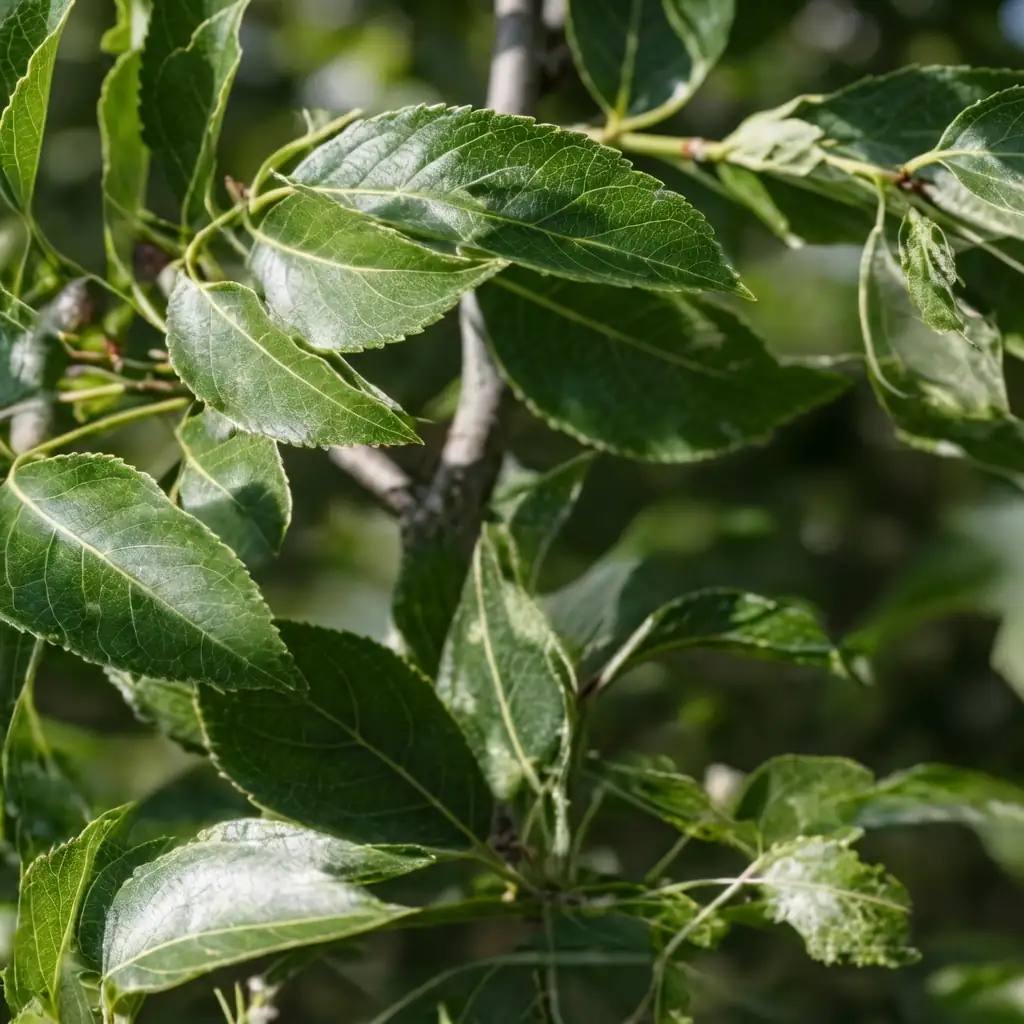
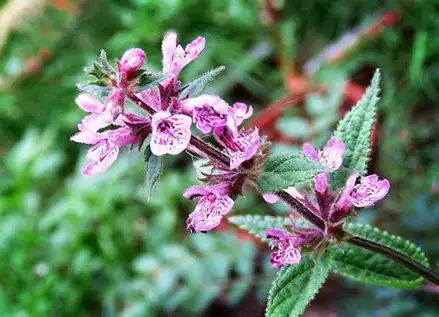
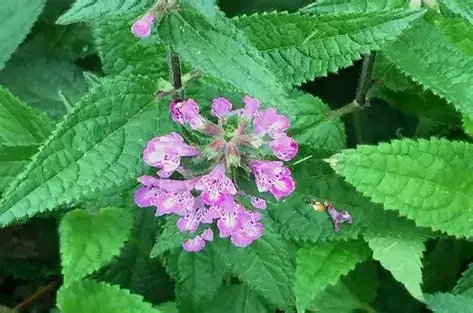
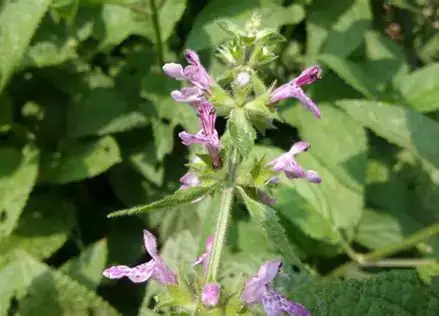
- Foliage: Leaves are opposite (a classic mint-family trait), generally ovate, and noticeably hairy, giving them a slightly rough, textured feel; foliage may release a mild herbal scent when crushed.
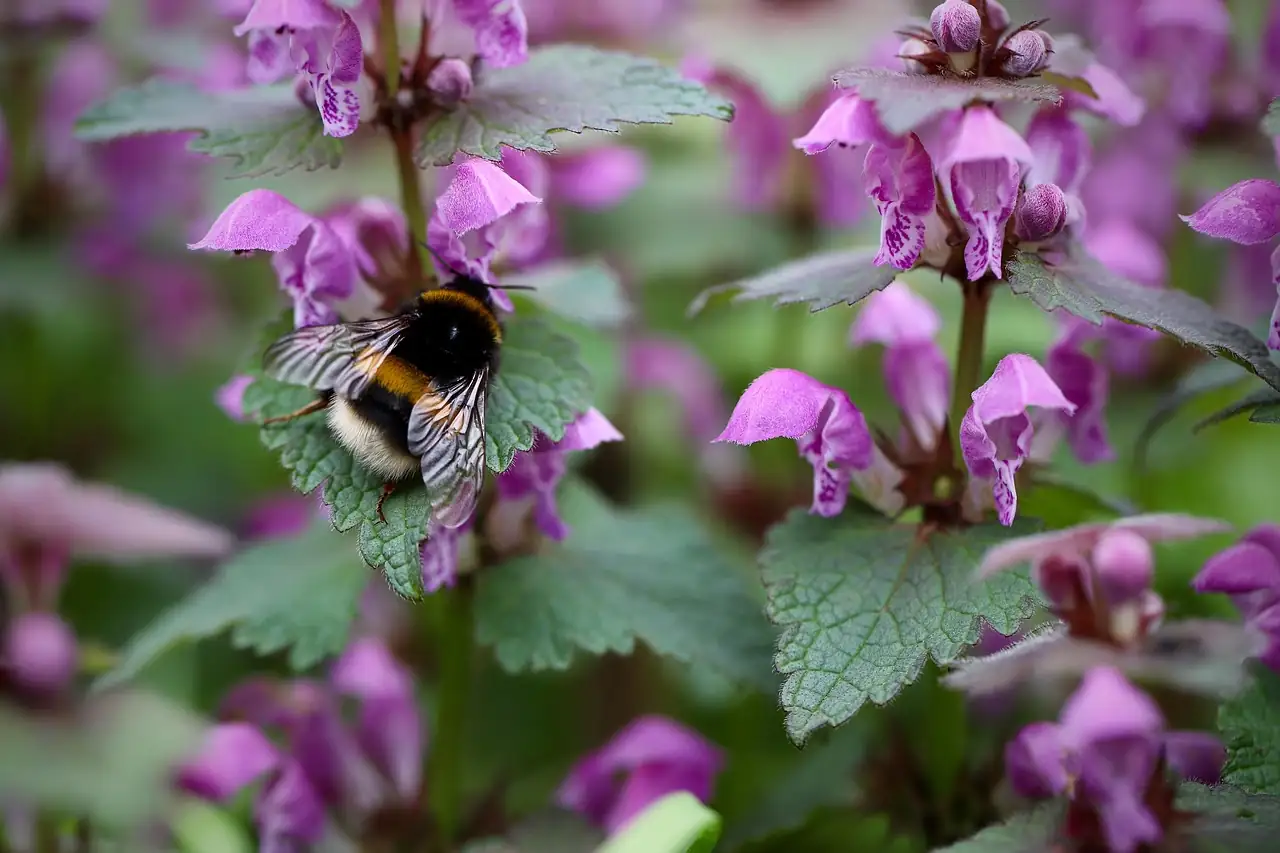
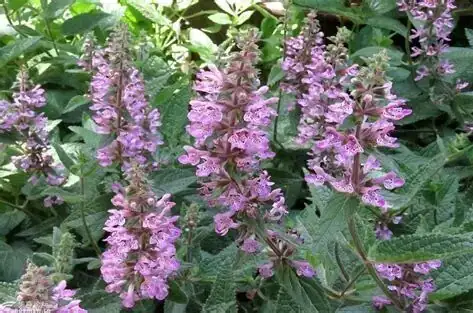
- Flower: Terminal, spike-like clusters carry small tubular flowers in pink to reddish-purple; the lower lip often shows darker purple spotting, adding detail up close.
- Flowering Season: July–August (mid to late summer)
- Growth Habit: Upright, clump-forming perennial herb that spreads and renews itself by producing segmented underground tubers.
Environment
Sunlight
Part shade to light shade; appreciates protection from intense midday sun, especially in warmer climates.
Temperature
Prefers cool to mild conditions; best growth around 10–25°C (50–77°F). Avoid prolonged high heat and drought, which can reduce vigor and tuber quality.
Humidity
Enjoys consistently moist conditions; performs best where the root zone doesn’t dry out for long.
Soil
Moisture-retentive yet well-drained soil. It tolerates wetter soils better than many edible crops, but prolonged stagnant, oxygen-poor waterlogging can trigger rot—aim for moisture plus aeration.
Placement
Cool, evenly moist garden beds; edges of ponds or naturally damp areas (provided drainage is adequate), or containers kept evenly moist in a bright, lightly shaded spot.
Hardiness
Cold-hardy perennial; roughly USDA Zone 5–9 (approx.).
Care Guide
Difficulty
Easy to moderate—generally accommodating, but it looks and tastes best when kept evenly moist and not stressed by heat or drought.
Buying Guide
Choose firm, clean tubers with no soft spots, mold, or sour smell. Buying from reputable edible-plant suppliers helps ensure vigorous, true-to-type stock.
Watering
Keep soil evenly moist. Water when the top 2–3 cm (about 1 in) begins to dry. It likes steady moisture, but avoid long periods of airless saturation—use a mix that holds water while still draining well.
Fertilization
Light feeder. Work compost into the soil at planting. If growth seems weak, feed with a balanced fertilizer at half strength every 4–6 weeks during active growth.
Pruning
Usually unnecessary. For a tidier look (or to encourage more energy toward tubers), remove yellowing leaves and cut back spent flower spikes.
Propagation
Primarily by tubers or dividing tuber clusters. Plant small tubers shallowly in spring; they multiply underground through the growing season.
Repotting
In containers, replant yearly: refresh the potting mix and replant tubers after harvest. Always use a pot with drainage to reduce rot risk.
📅 Seasonal Care Calendar
Spring: plant tubers and keep soil consistently moist. Summer: provide part shade in heat, maintain even watering; flowering often occurs. Autumn: tubers swell—harvest after foliage begins to die back. Winter: mulch beds in cold regions; store harvested tubers cool and slightly moist to prevent shriveling.
Pests, Diseases & Safety
Common Pests & Diseases
Most problems come from overly waterlogged, poorly aerated soils (tuber/root rot) and slug/snail feeding in very damp sites. Improve drainage and airflow, avoid overcrowding, and use slug/snail controls if pressure is high.
Toxicity
Generally considered non-toxic and edible. The tubers are eaten (often pickled or fermented). As with any new food, try a small amount first if you have sensitivities.
Culture & Symbolism
Symbolism: Often appreciated as a plant of “hidden treasures” in the garden—its best feature is harvested from underground, rewarding patience with a crunchy surprise.
History & Legends: Grown traditionally as an edible tuber crop in parts of East Asia and later popularized elsewhere as a specialty/novelty vegetable. Its French market name “crosne” comes from Crosne, a town near Paris where it became well known in European kitchens.
Uses: Grown mainly for its edible tubers, which are crisp, mild, and famous for staying crunchy when pickled or fermented. Also planted as a curiosity crop and as a small ornamental for its summer flower spikes.
FAQ
When does it flower?
Typically July–August (mid to late summer).
When does it set fruit?
Small fruiting can occur after flowering, often around September (early autumn), though tuber harvest is the main focus and fruiting is not usually important in cultivation.
How tall does it grow?
About 30–120 cm (12–47 in) tall, depending on conditions.
Is it edible?
Yes—its underground tubers are edible and especially popular pickled or fermented for a mild flavor and satisfying crunch.
Fun Facts
- The tubers look like tiny pale spirals or segmented shells—one reason it’s grown as a ‘novelty’ vegetable.
- It belongs to the mint family (Lamiaceae), which is why it has opposite leaves and often slightly aromatic foliage.
- It’s both ornamental and edible: flower spikes in summer, tubers in autumn.
- In the wild it’s often associated with damp places, which hints at why it appreciates steady moisture in gardens.
- Pickling and fermenting really show off its signature crunch and sculptural shape.