Plant Features
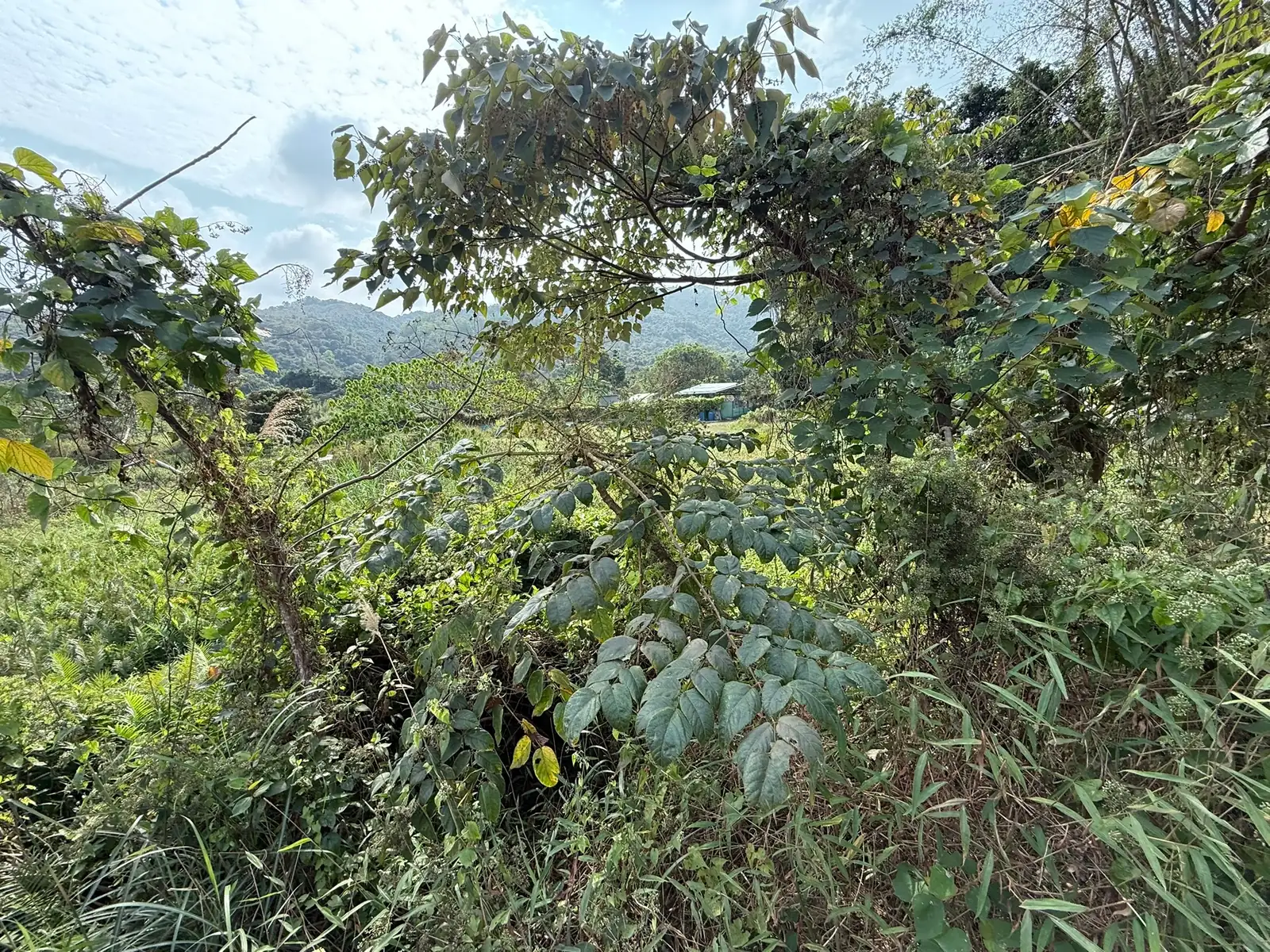
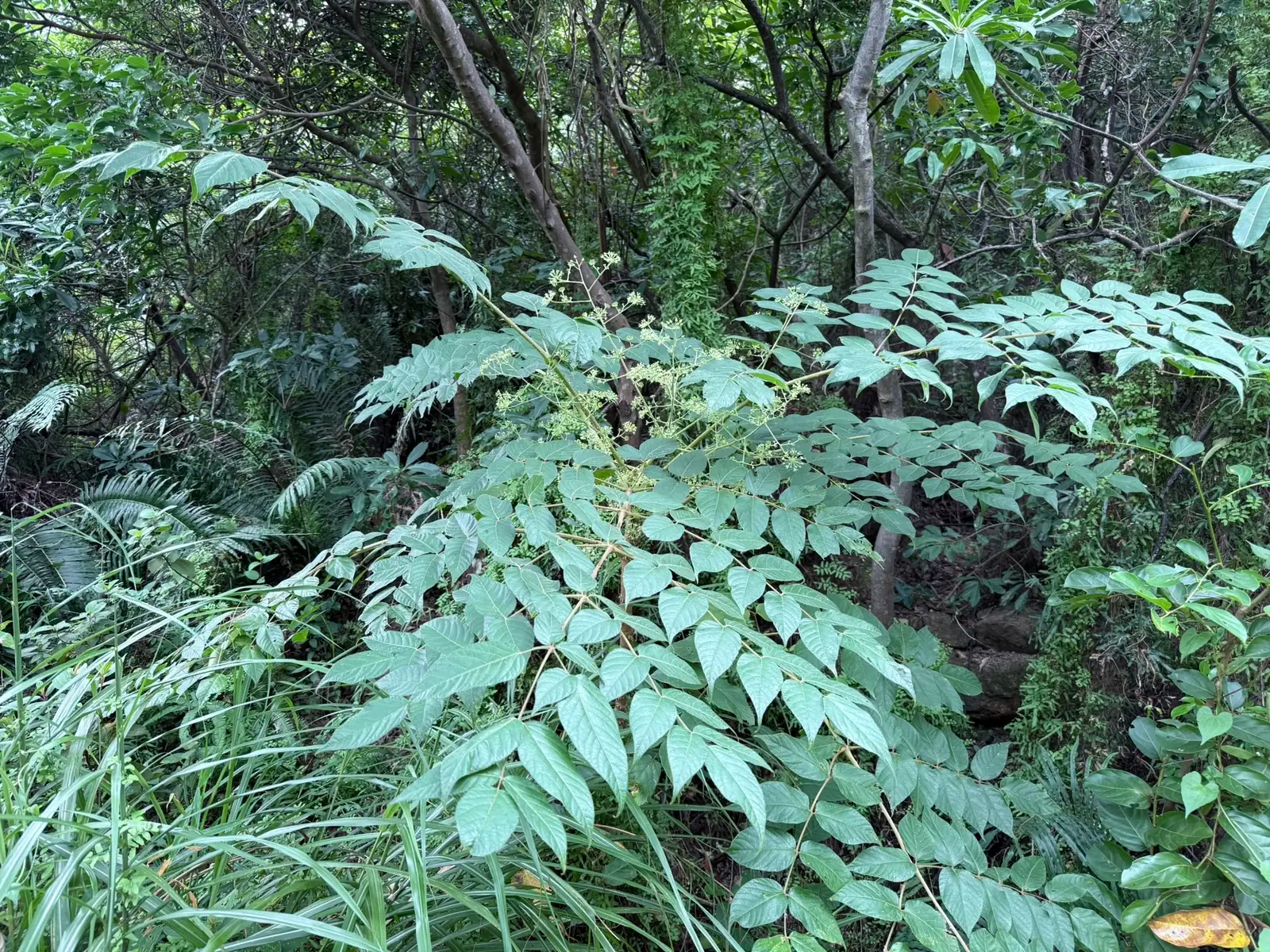
- Size: Typically 1–5 m (3–16 ft) tall; overall spread varies with site and pruning.
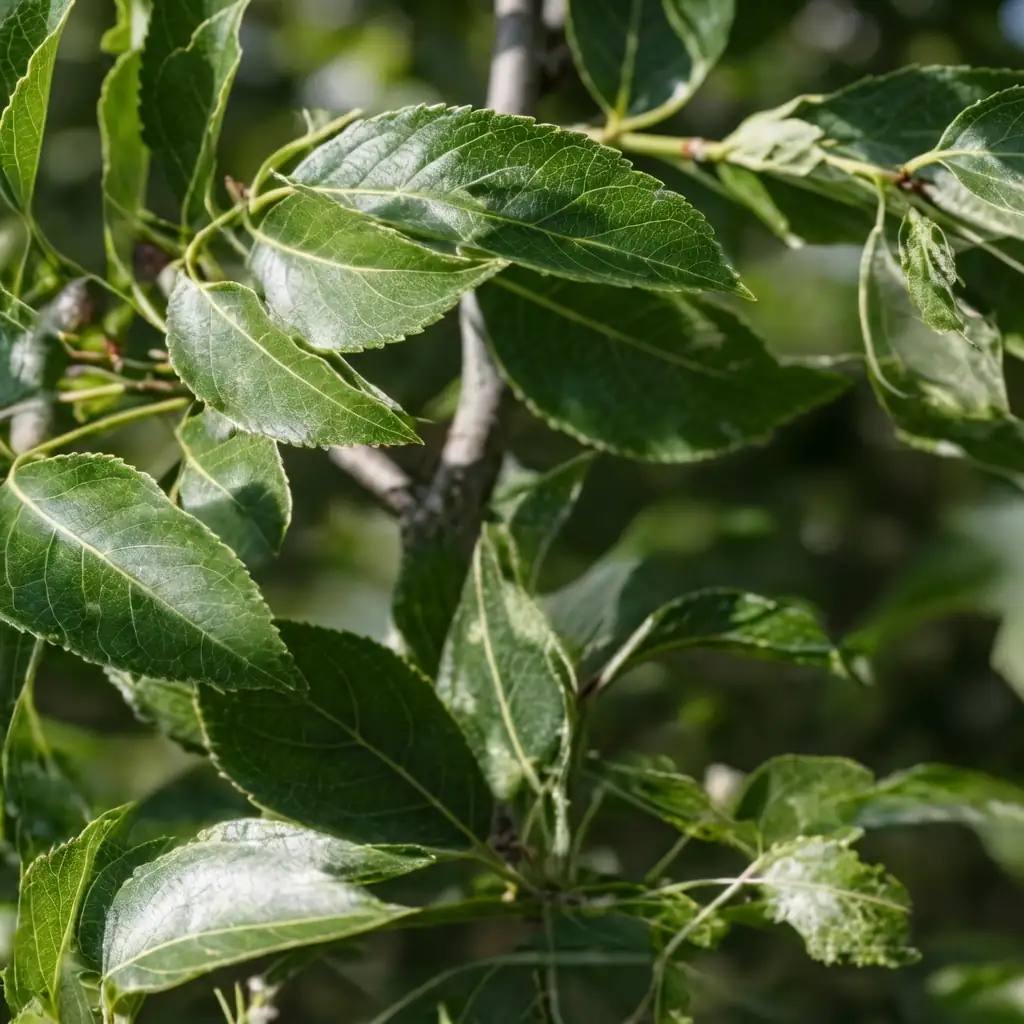
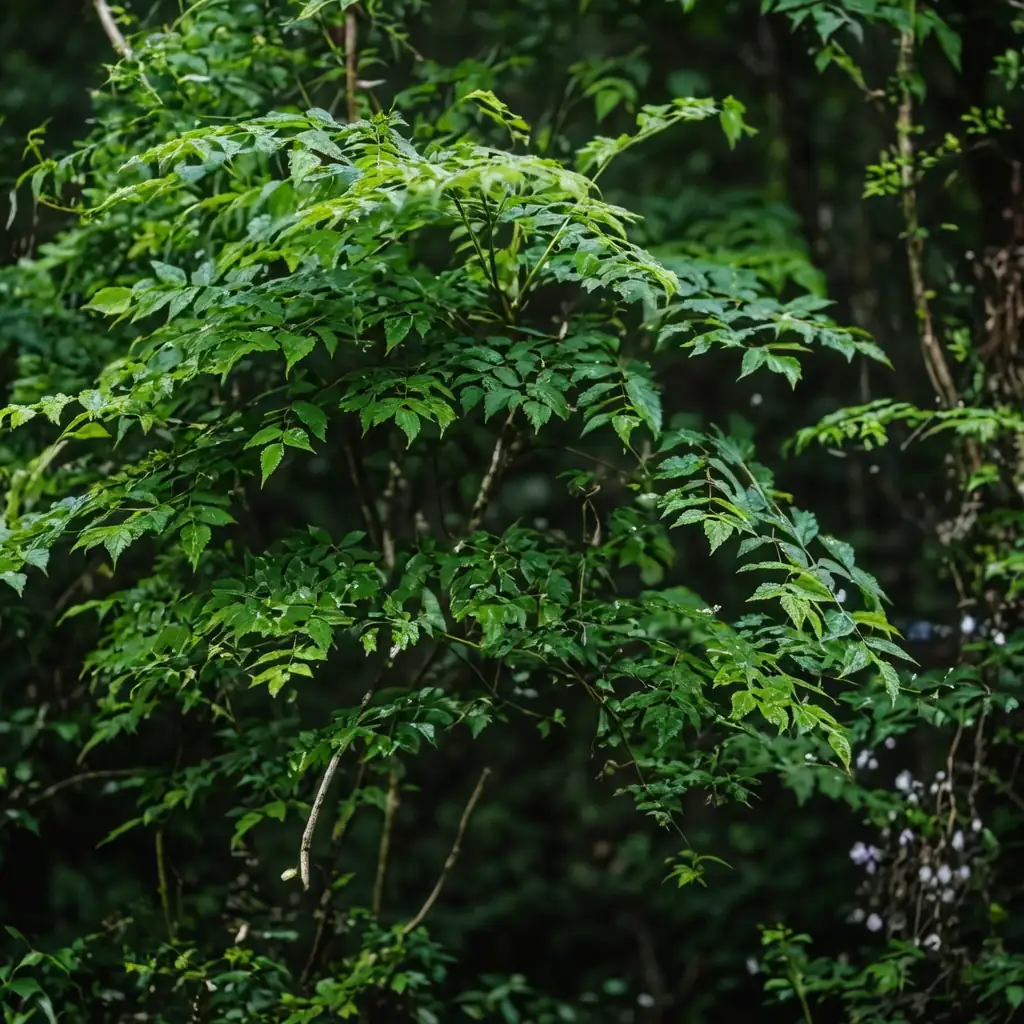
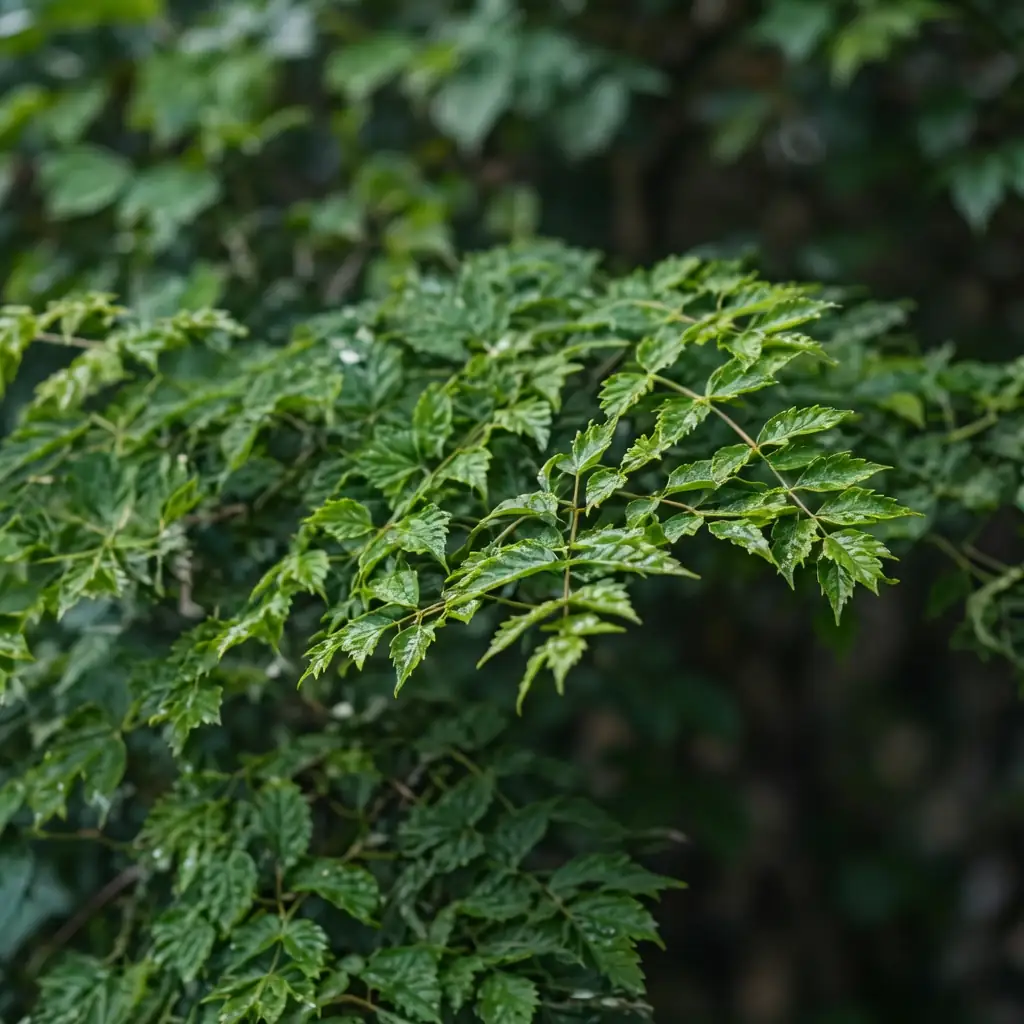
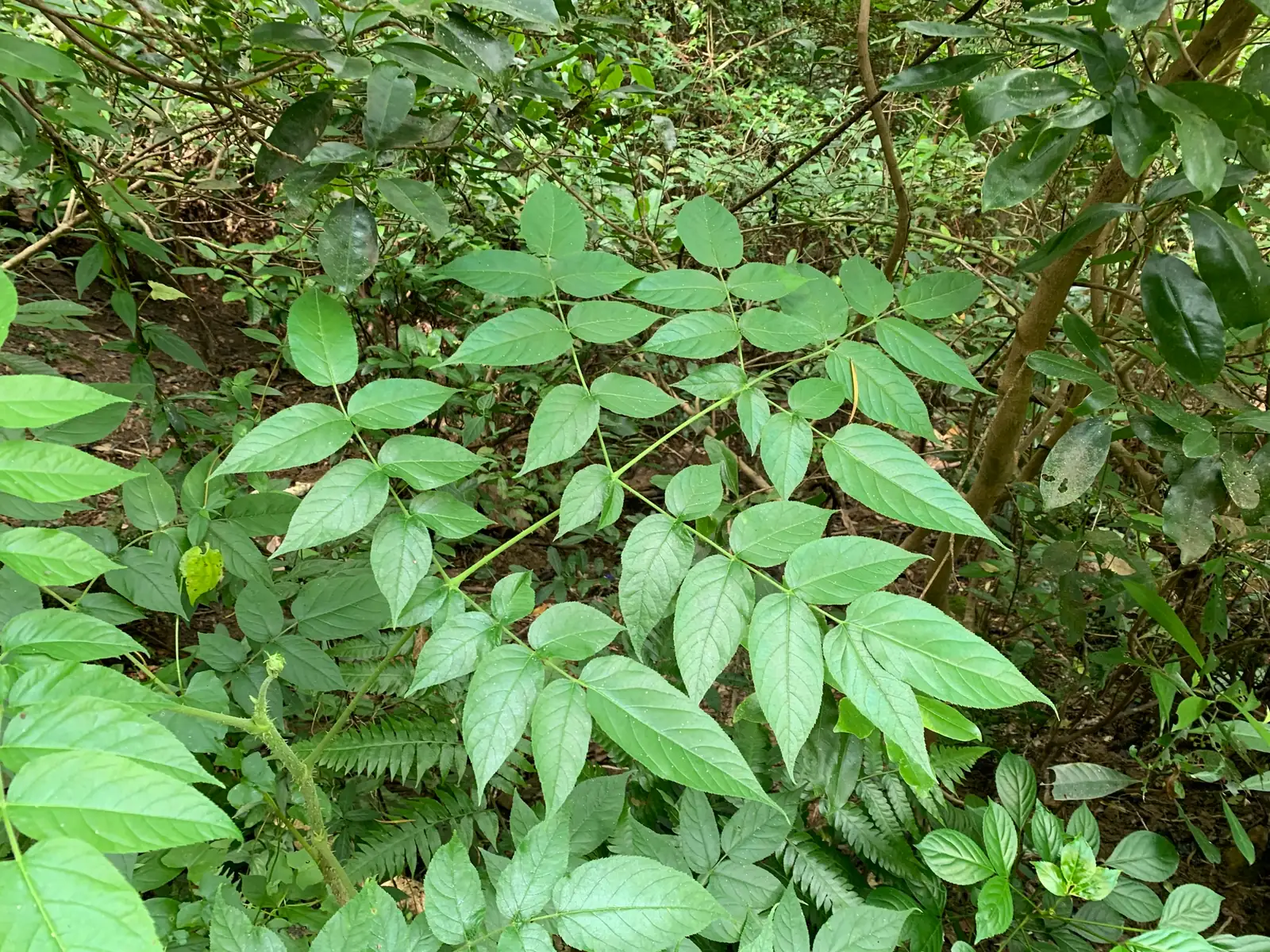
- Foliage: Leaves are very large, twice- to thrice-pinnate compound leaves, about 60–110 cm (24–43 in) long. Petioles are stout and can reach about 50 cm (20 in).
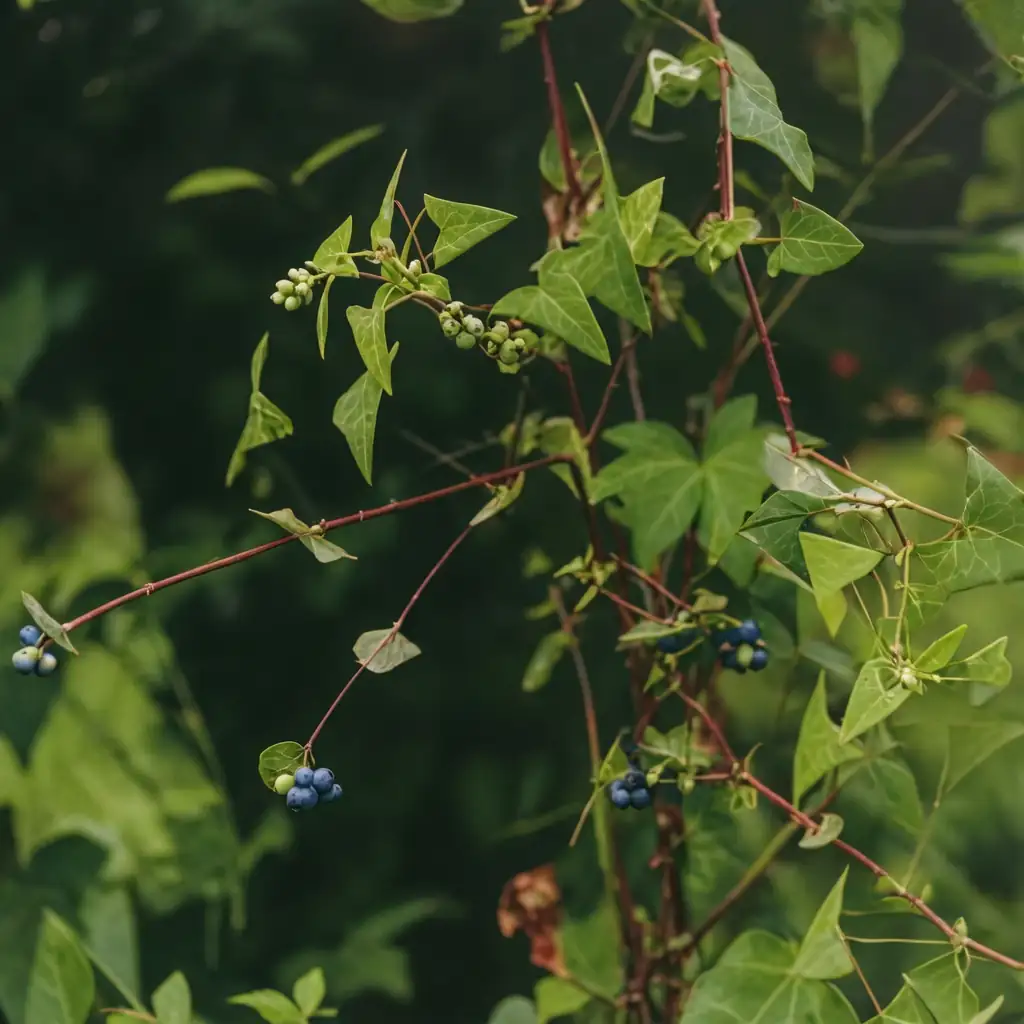
- Flower: Large, branched panicles bearing many small flowers; fruits are round berries that ripen black.
- Flowering Season: July–September
- Growth Habit: Evergreen shrub to small tree; upright and branching.
Environment
Sunlight
Full sun to light shade; grows best with plenty of sun.
Temperature
Cold tolerant; grows most vigorously in warm, moist conditions. Suitable growth range roughly 15–30°C (59–86°F).
Humidity
Prefers moderate to high humidity; avoid prolonged hot, dry air.
Soil
Fertile, moisture-retentive but well-drained soil; slightly acidic is ideal.
Placement
Outdoors in a sunny woodland-edge setting; also suitable for large gardens where it has room to develop its bold foliage.
Hardiness
Cold tolerant; outdoor hardiness depends on provenance and local conditions (often grown in temperate regions; protect from severe freezes and drying winds).
Care Guide
Difficulty
Moderate outdoors: generally robust once established, but appreciates consistent moisture and fertile soil.
Buying Guide
Choose plants with firm stems and healthy, unblemished foliage. Avoid specimens with wilted new growth or signs of scale insects on stems. If buying bare-root or young plants, look for a strong root system and multiple healthy buds.
Watering
Water deeply after planting and keep evenly moist during establishment. Once established, water when the top 3–5 cm (1–2 in) of soil dries; do not allow the root zone to stay waterlogged.
Fertilization
Feed in spring with compost or a balanced slow-release fertilizer. In poor soils, a second light feed in early summer can support leaf growth; avoid heavy late-season nitrogen.
Pruning
Prune in late winter to early spring to remove dead, weak, or crossing branches and to shape. Wear gloves if stems are prickly on your plant; sanitize tools.
Propagation
Usually propagated by seed (sown fresh when possible) or by root cuttings/suckers where available. Seed germination may be slow and can benefit from a cold stratification period of about 8–12 weeks at 1–5°C (34–41°F).
Repotting
Best grown in the ground; if container-grown, move up to a larger pot when rootbound (typically every 1–2 years). Use a rich, well-drained mix and a heavy container to prevent tipping.
📅 Seasonal Care Calendar
Spring: top-dress with compost, begin regular watering, harvest tender shoots where customary. Summer: maintain steady moisture and mulch to conserve water. Autumn: enjoy fruit display; reduce feeding. Winter: protect young plants in exposed sites; prune late winter.
Pests, Diseases & Safety
Common Pests & Diseases
May be affected by aphids on soft new growth, scale insects on stems, and occasional leaf spots in humid, stagnant conditions. Improve airflow, avoid overhead watering late in the day, and treat infestations with horticultural soap or oil as needed.
Toxicity
Not widely documented as toxic as an ornamental; however, only eat parts that are traditionally used and correctly identified. Keep berries away from children and pets as a precaution, since many ornamental berries can cause stomach upset.
Culture & Symbolism
Symbolism: Often associated with vitality and resilience due to its vigorous spring shoots and hardy nature in the wild.
History & Legends: In parts of China, the spring shoots have a long history of being gathered as seasonal wild greens, reflecting a tradition of foraging and using local plants for both food and folk remedies.
Uses: The tender spring shoots and buds are traditionally eaten as a wild vegetable. The plant is also used in folk medicine in some regions.
FAQ
Can I grow Chinese angelica tree in a small garden?
It can be kept manageable with pruning, but it naturally becomes a large shrub/small tree (about 1–5 m / 3–16 ft). Give it space for its oversized leaves or choose a spot where it can be a focal plant.
Why are the leaves smaller or less lush than expected?
Insufficient sun, poor soil fertility, or drought stress are the most common causes. Provide more sun, add organic matter, and keep moisture consistent (without waterlogging).
Fun Facts
- It is endemic to China and occurs widely across suitable habitats.
- The spring shoots are traditionally harvested as a seasonal wild vegetable with a food-and-folk-medicine reputation.
- A single leaf can reach about 60–110 cm (24–43 in) long, with a petiole up to about 50 cm (20 in).
- It produces round black berries, typically ripening in autumn (often around September–December).
- Depending on conditions, it may grow as a robust shrub or develop into a small tree form, commonly reaching 1–5 m (3–16 ft) tall.