Plant Features
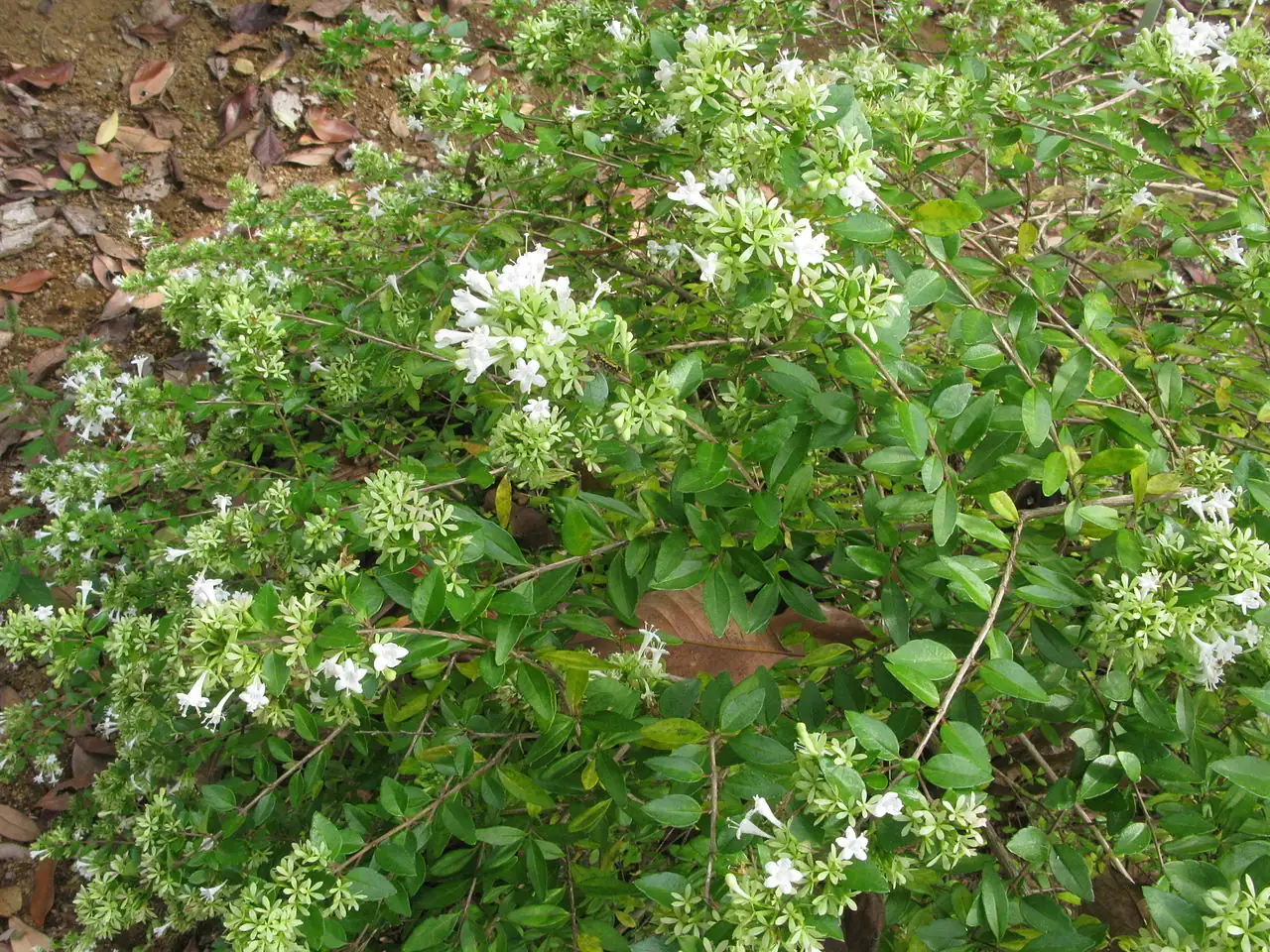
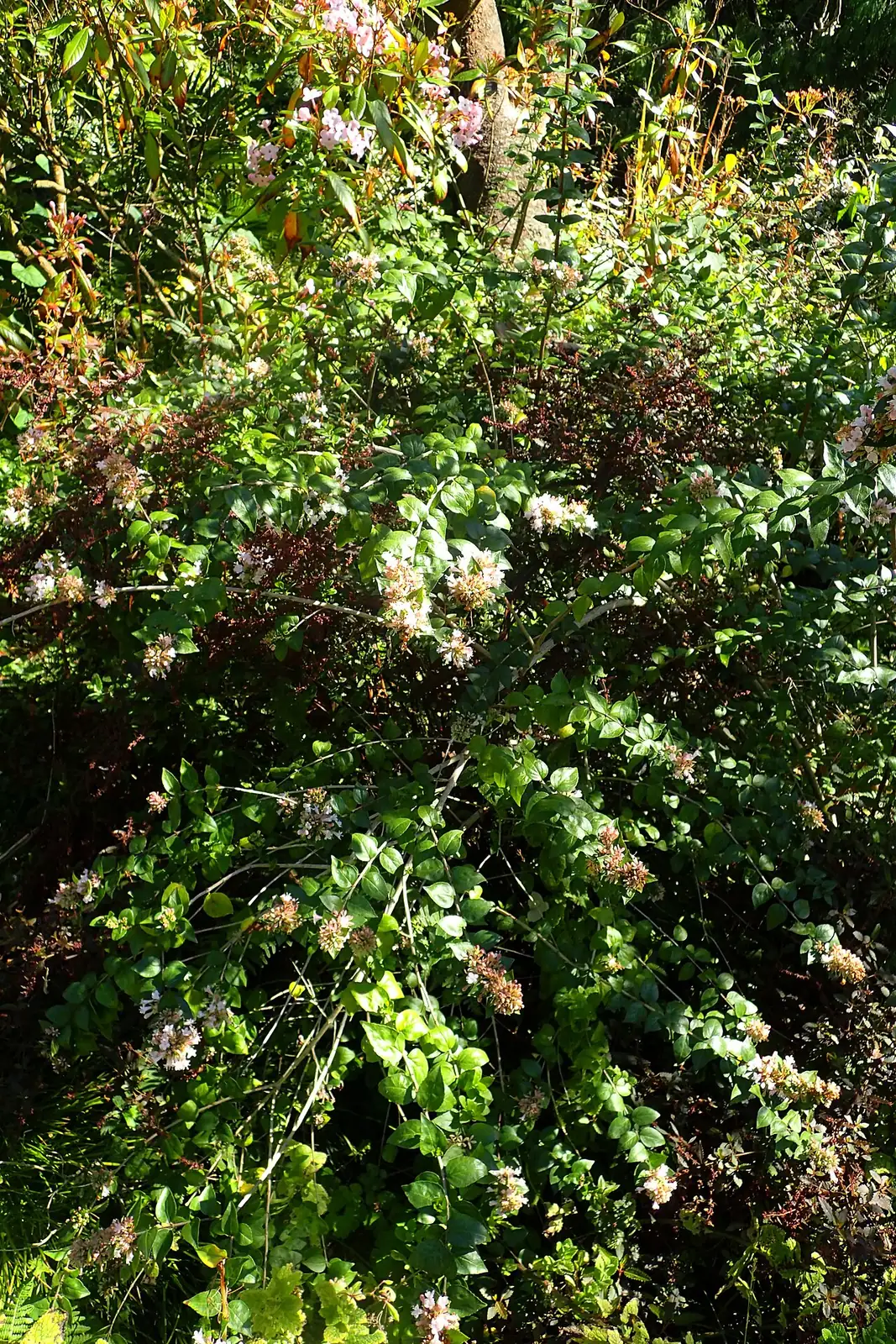
- Size: Up to about 2 m (6.6 ft) tall; typically forms a rounded, arching shrub.
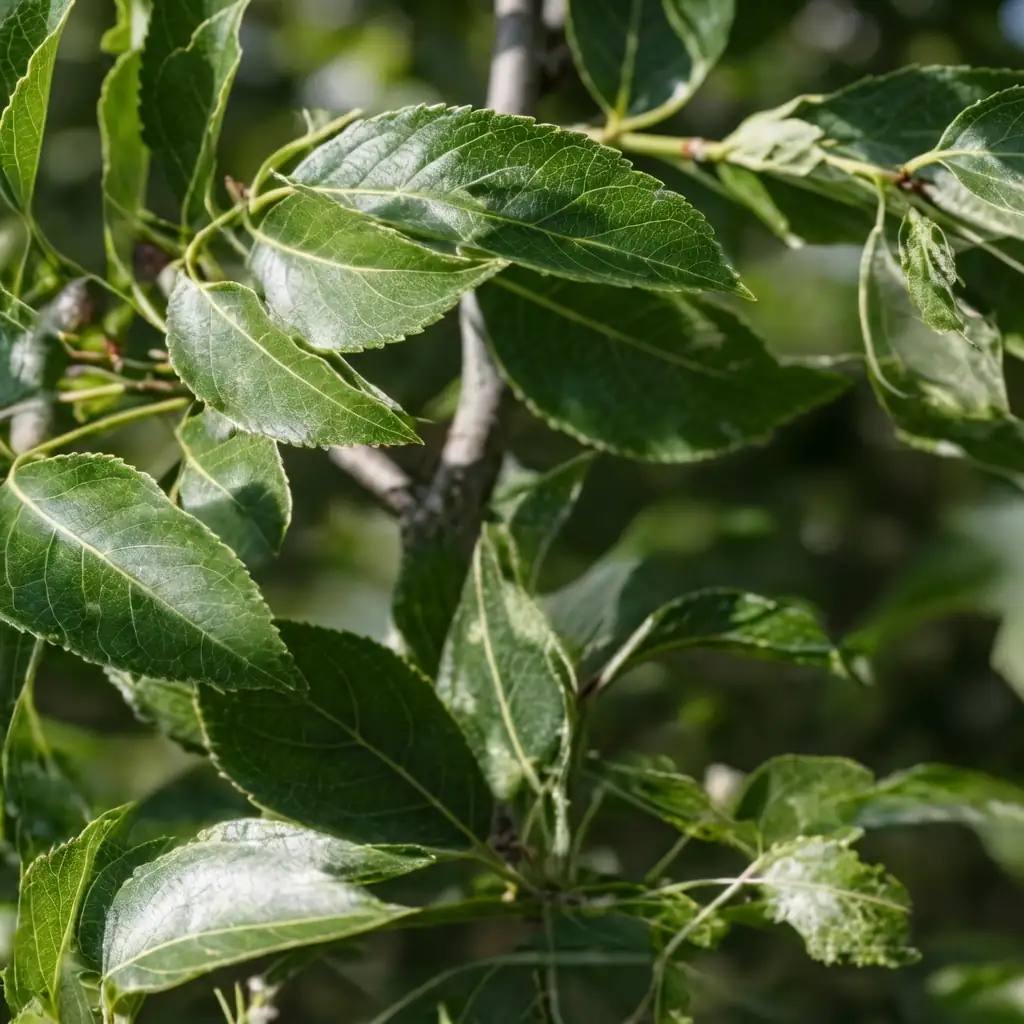
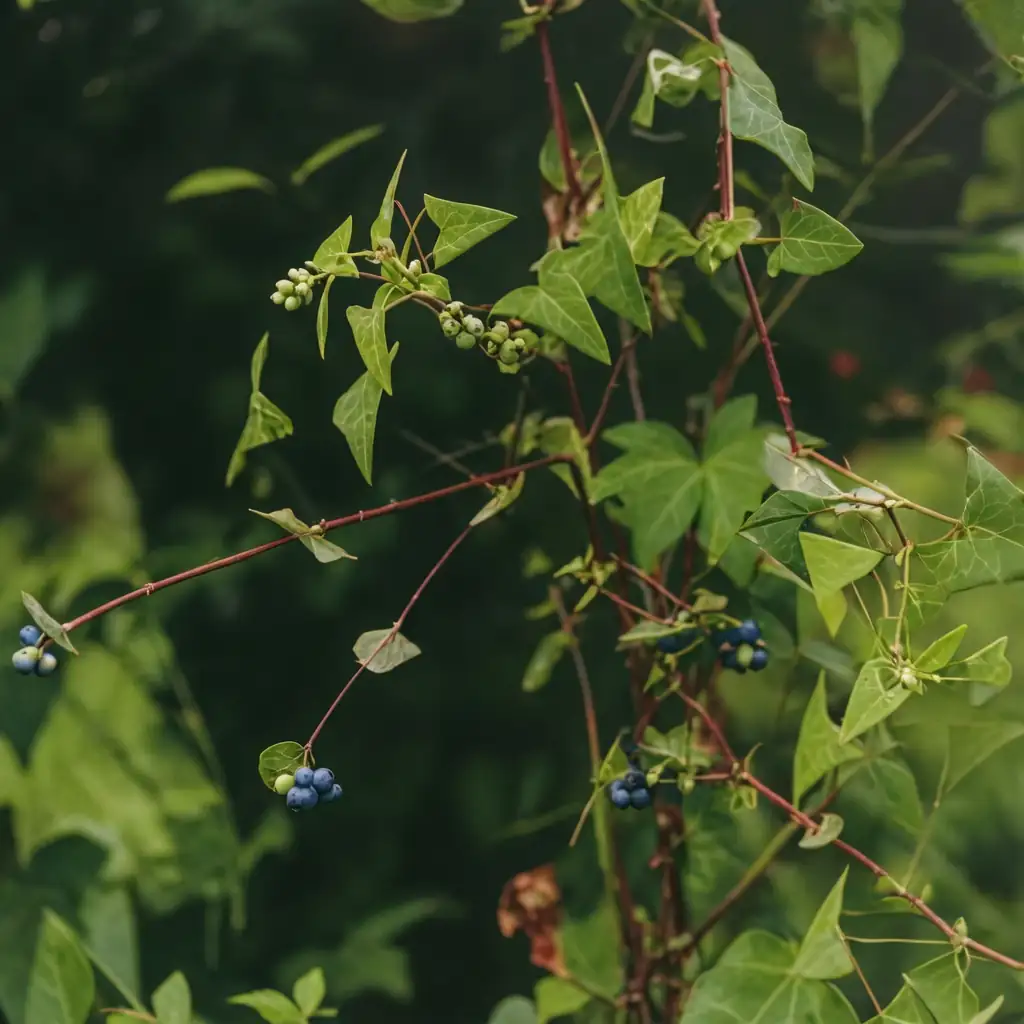
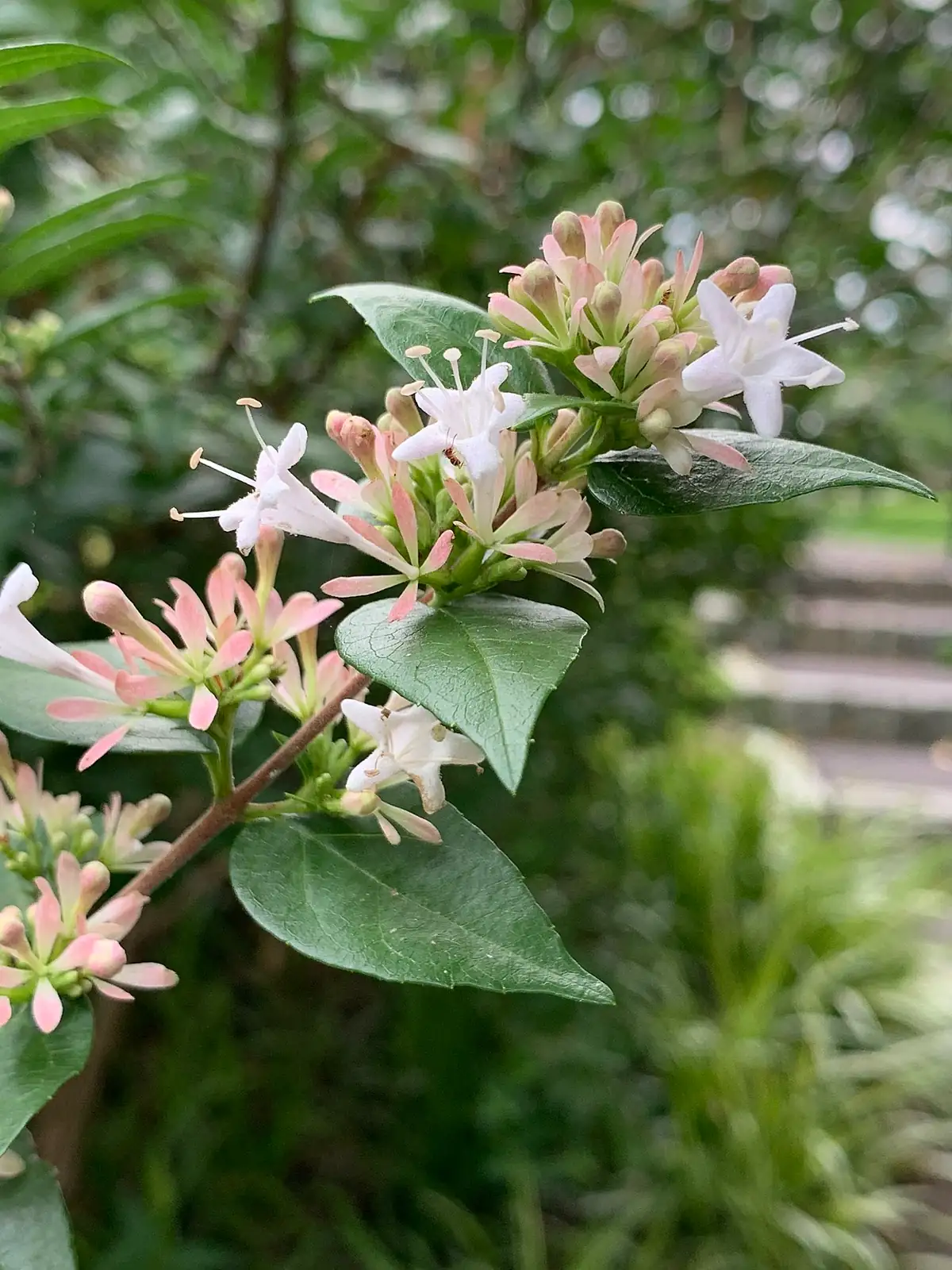
- Foliage: Leaves are broadly ovate to nearly round with toothed margins; on flowering shoots, the upper leaves become progressively smaller. Young stems are often reddish-brown and softly hairy, while older stems develop bark with long, vertical fissures.
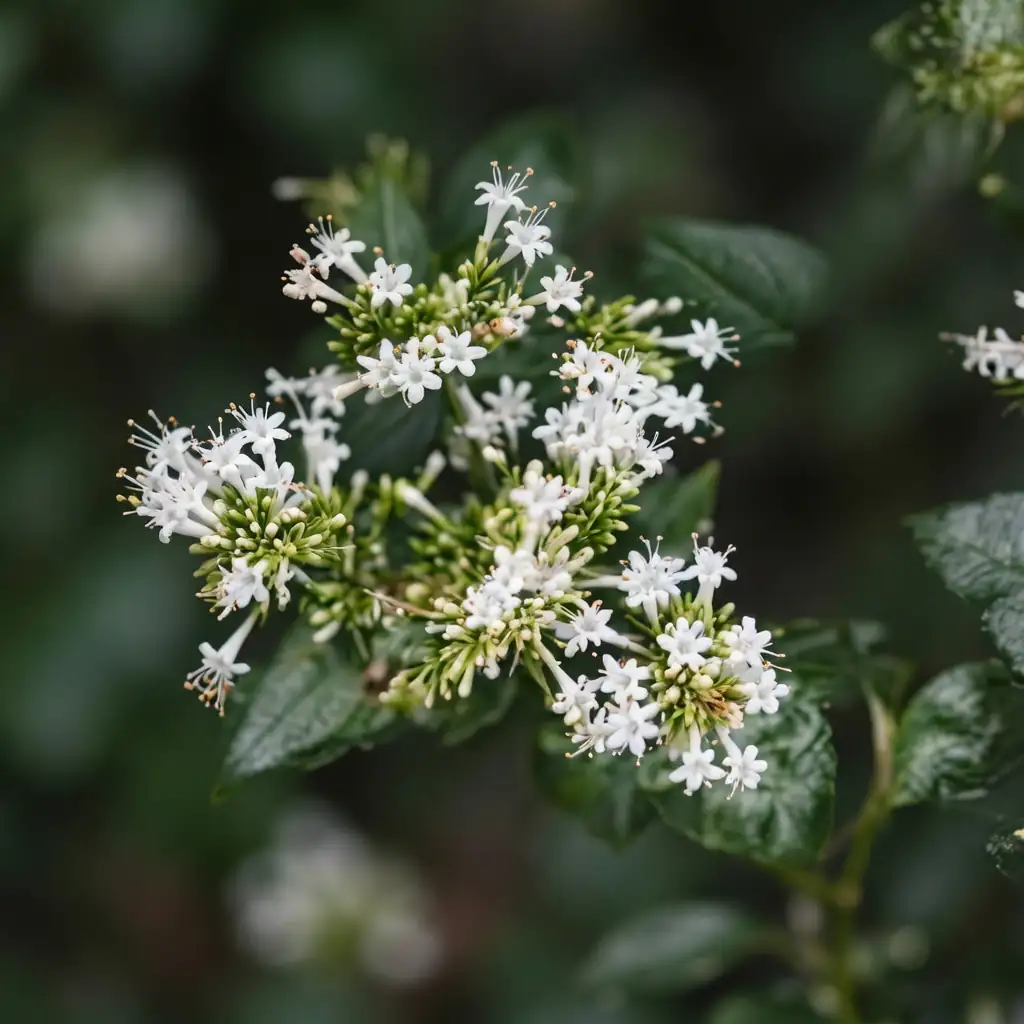
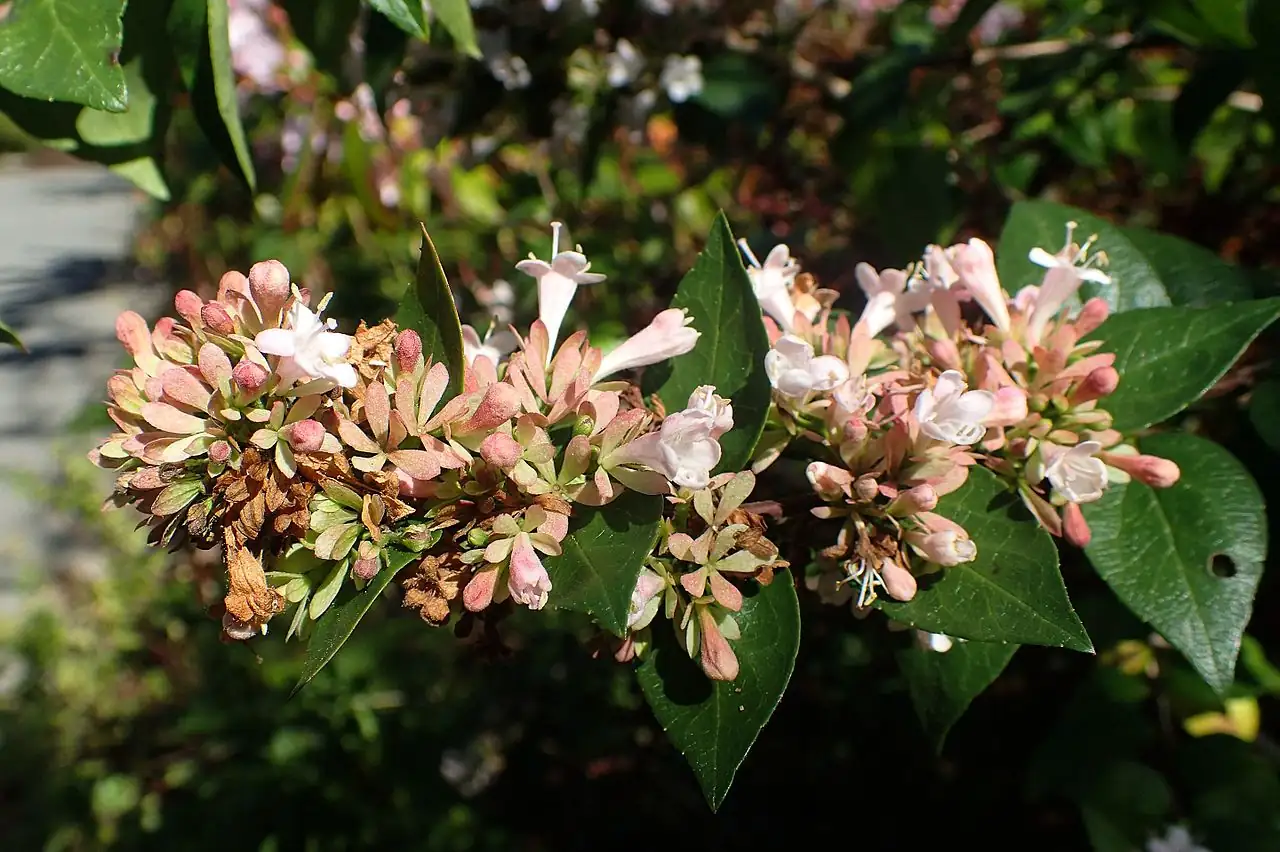
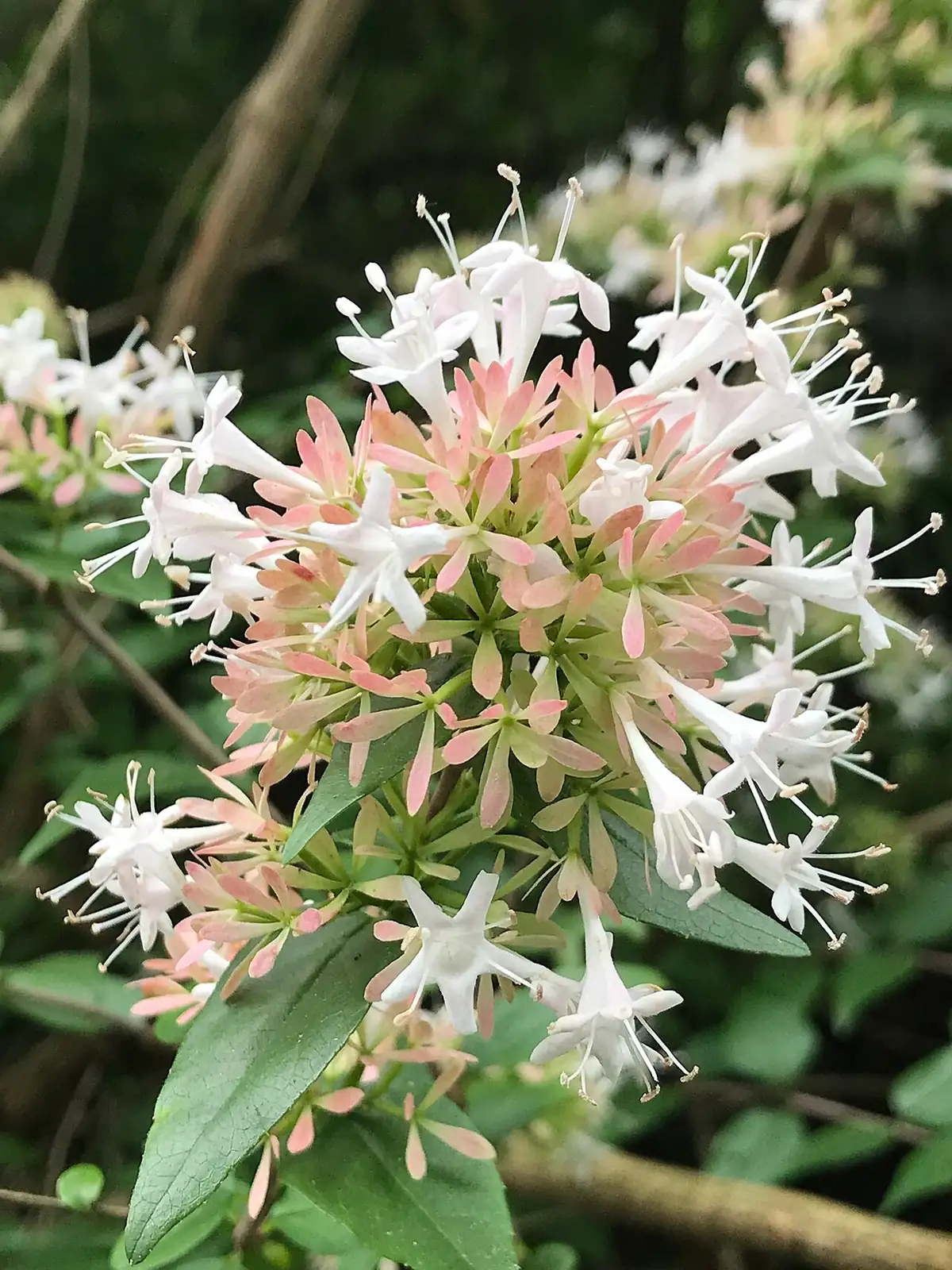
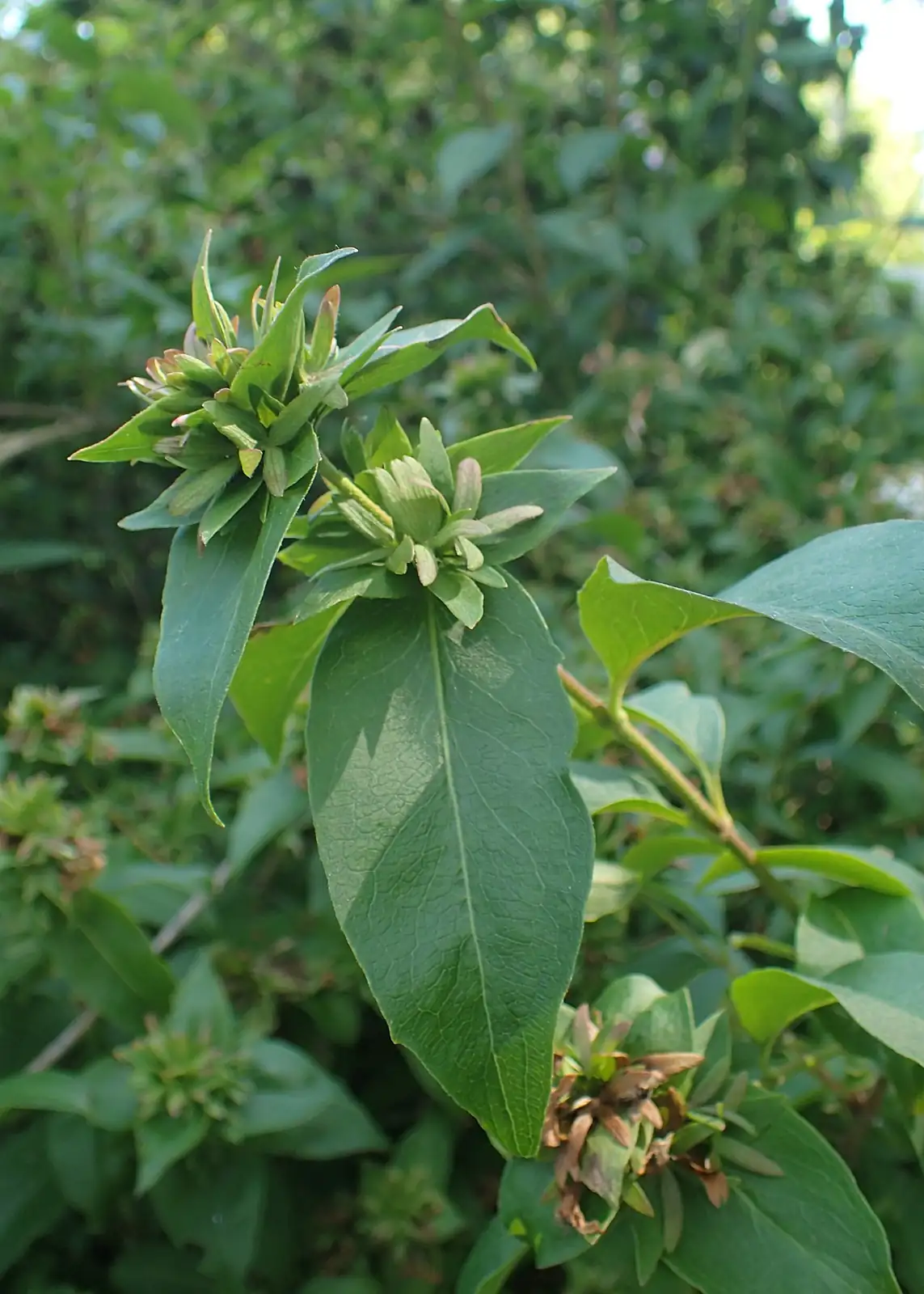
- Flower: Flowers are borne in clusters and are sweetly scented, funnel-shaped, and typically white with occasional pink tinges. The stamens are long and extend beyond the flower tube, creating a delicate, “whiskery” look up close. After flowering, fruits keep their persistent calyx lobes, which may enlarge slightly as they mature.
- Flowering Season: September–November (Sep–Nov)
- Growth Habit: Deciduous, multi-stemmed, freely branching shrub with arching stems and vigorous regrowth; takes well to pruning and can be maintained as a clipped hedge.
Environment
Sunlight
Full sun to partial shade; flowering is best in sun. In very hot climates, light afternoon shade helps prevent leaf scorch.
Temperature
Happy in cool-to-mild conditions but tolerant of summer warmth; a practical growing range is about 10–30°C (50–86°F). Protect from extreme heat and intense midday sun where summers are harsh.
Humidity
Does well in average outdoor humidity; appreciates evenly moist conditions during active growth but doesn’t require high humidity.
Soil
Loose, well-drained soil is essential. It adapts to many garden soils but performs best in fertile, moisture-retentive yet free-draining ground; avoid prolonged waterlogging.
Placement
Ideal for landscape use along borders, paths, roadsides, lawns, woodland edges, near walls, or beside water features; excellent in group plantings, rows, and as a clipped flowering hedge.
Hardiness
Approx. USDA Zone 6–9; generally cold-hardy in temperate regions. Once established, it tolerates some drought and moderately poor soils.
Care Guide
Difficulty
Easy and forgiving: vigorous growth, strong resprouting, tolerant of pruning, and fairly drought-tolerant once established.
Buying Guide
Pick plants with multiple healthy basal shoots, firm stems, and clean foliage. Avoid shrubs with sparse, twiggy growth, blackened roots, or visible scale insects on stems.
Watering
Water regularly during the first growing season to keep soil lightly moist. Once established, water deeply during prolonged dry spells; avoid constantly soggy soil. Mulch in hot weather to reduce evaporation and buffer roots.
Fertilization
Feed in spring with a balanced slow-release fertilizer or a generous layer of compost. Don’t overdo nitrogen—too much can push leafy growth at the expense of flowers.
Pruning
Prune after flowering for best timing, or tidy in late winter/early spring if needed. Remove dead or weak stems and lightly shape; it clips well into a hedge. For rejuvenation, periodically remove some of the oldest stems at the base to encourage fresh new shoots.
Propagation
Propagate from semi-hardwood cuttings in summer or hardwood cuttings from late autumn to winter. Layering also works well thanks to the flexible, arching stems.
Repotting
Most often grown in the ground. In containers, repot every 2–3 years in spring into a well-draining mix, moving up one pot size; refresh the top layer of mix annually.
📅 Seasonal Care Calendar
Spring: lightly feed, tidy, and remove winter damage. Summer: watch moisture during heat; take semi-hardwood cuttings. Autumn: enjoy peak bloom; lightly shape after flowering. Winter: minimal care; in colder areas, mulch the root zone for insulation.
Pests, Diseases & Safety
Common Pests & Diseases
Usually trouble-free. Aphids may appear on soft new growth, and scale insects can occasionally settle on stems. Root problems are most likely in poorly drained soils—prioritize drainage and avoid overwatering.
Toxicity
No widely cited, well-documented toxicity for humans or pets. Still, treat it as a non-edible ornamental and discourage chewing by pets or children.
Culture & Symbolism
Symbolism: Often associated with gentle elegance and the pleasure of late-season fragrance, thanks to its arching form and scented autumn flowers.
History & Legends: A China-native shrub long appreciated in gardens for its graceful habit and reliable, late-blooming clusters of fragrant flowers—useful both as a specimen shrub and for hedging in temperate landscapes.
Uses: Ornamental planting for borders, mass plantings, woodland-edge gardens, and flowering hedges. Its arching branches soften hard edges like walls and paths, while the blooms add a welcome burst of fragrance when many other shrubs are finishing for the year.
Fun Facts
- Young stems are often reddish-brown and softly hairy, while older stems develop long, vertical fissures in the bark.
- The long, protruding stamens give each tiny bloom a delicate, whiskery detail when viewed up close.
- After flowering, the fruit keeps a persistent calyx that can look slightly swollen as it matures.