Plant Features
- Size: Indoors commonly 60–200 cm (2–6.5 ft) tall, depending on pot size and pruning; in frost-free tropical/subtropical ground plantings it can become a small tree.
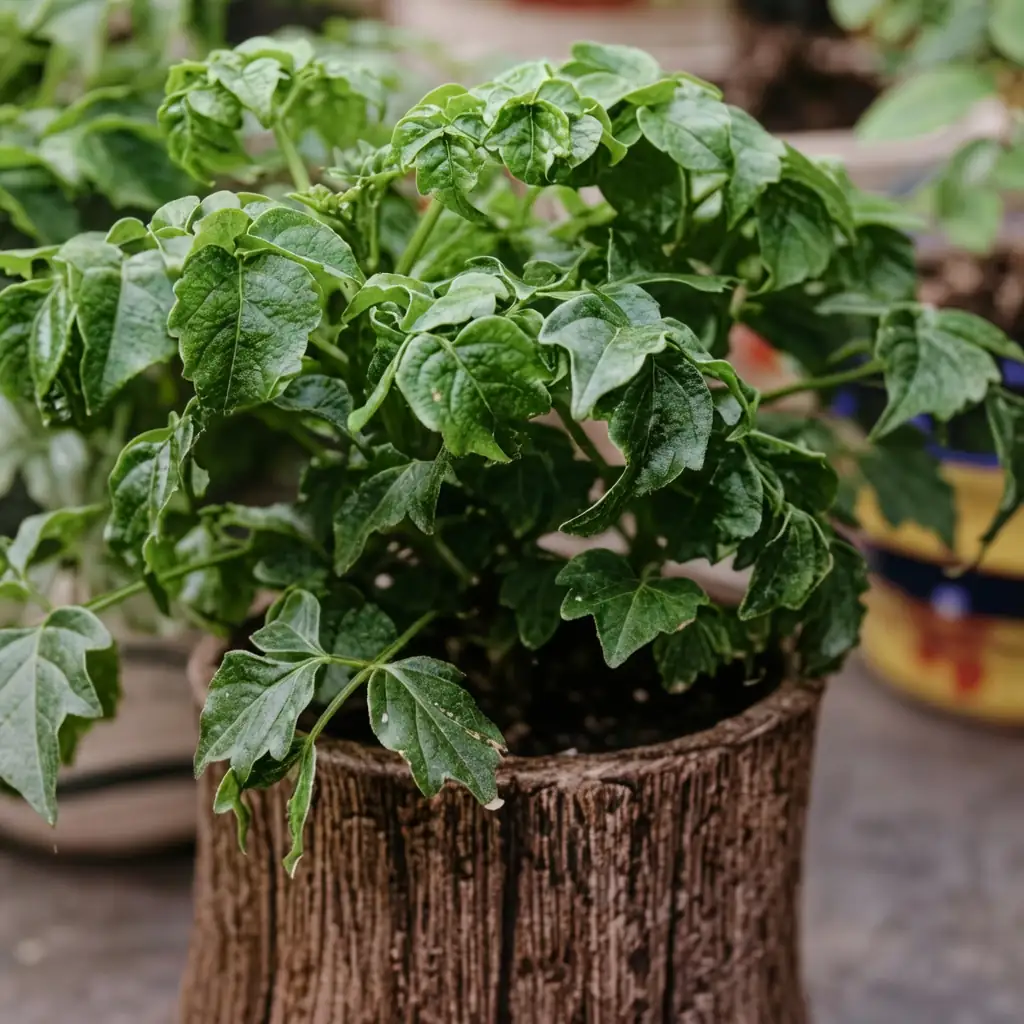
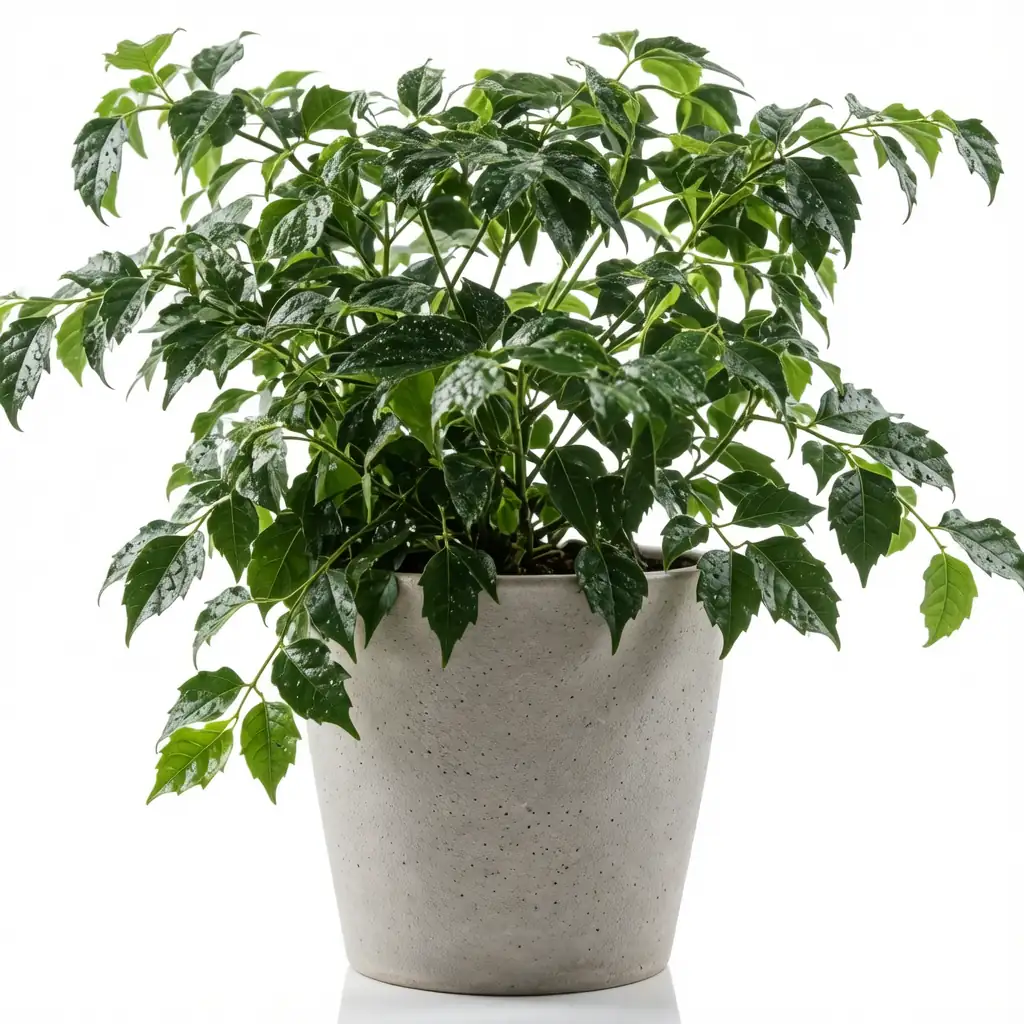
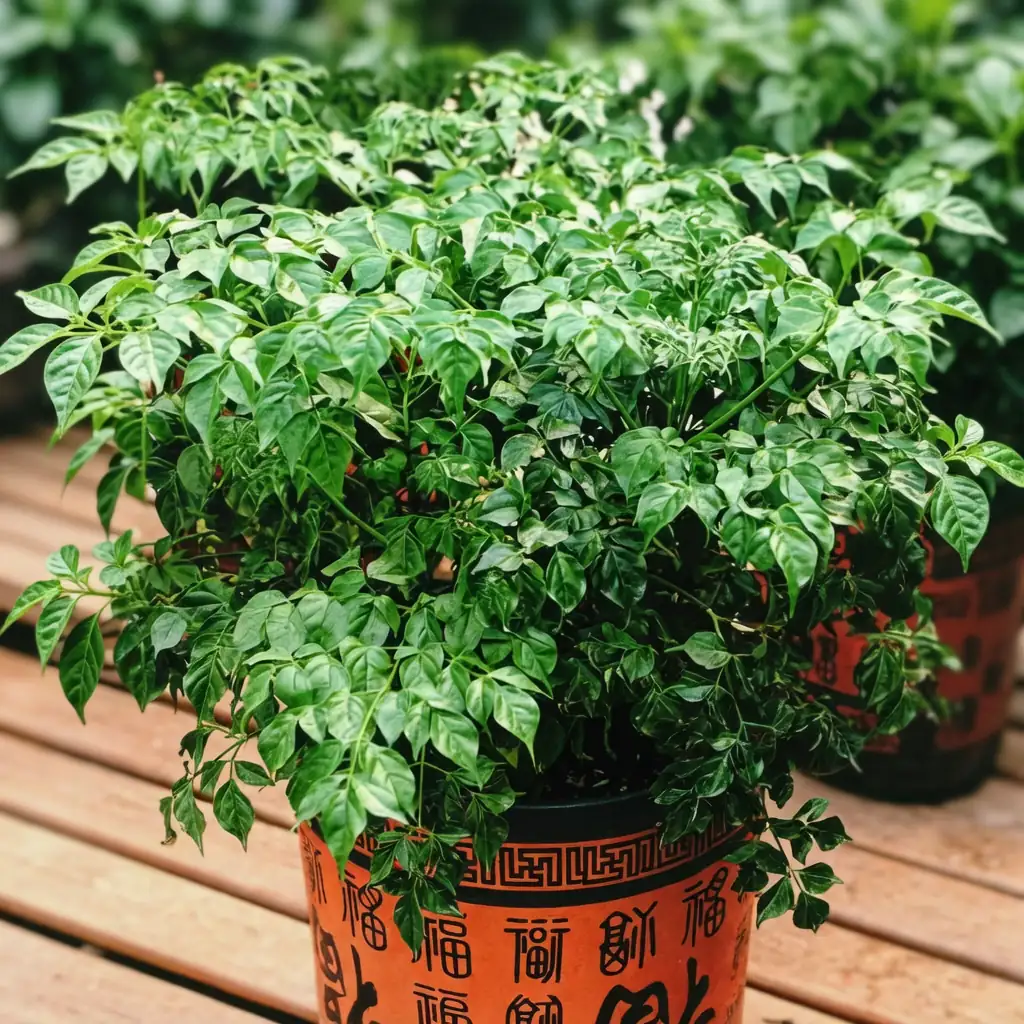
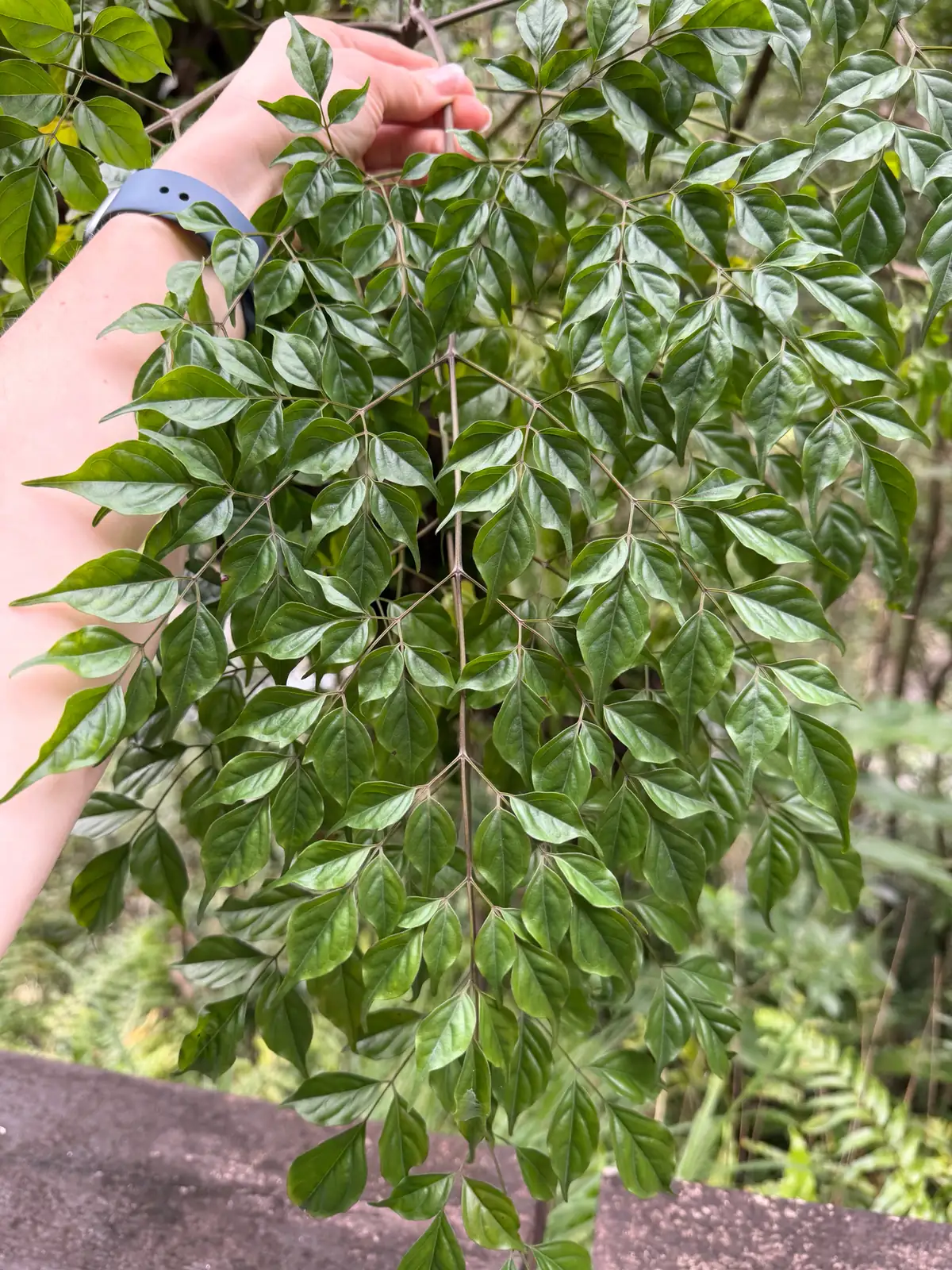
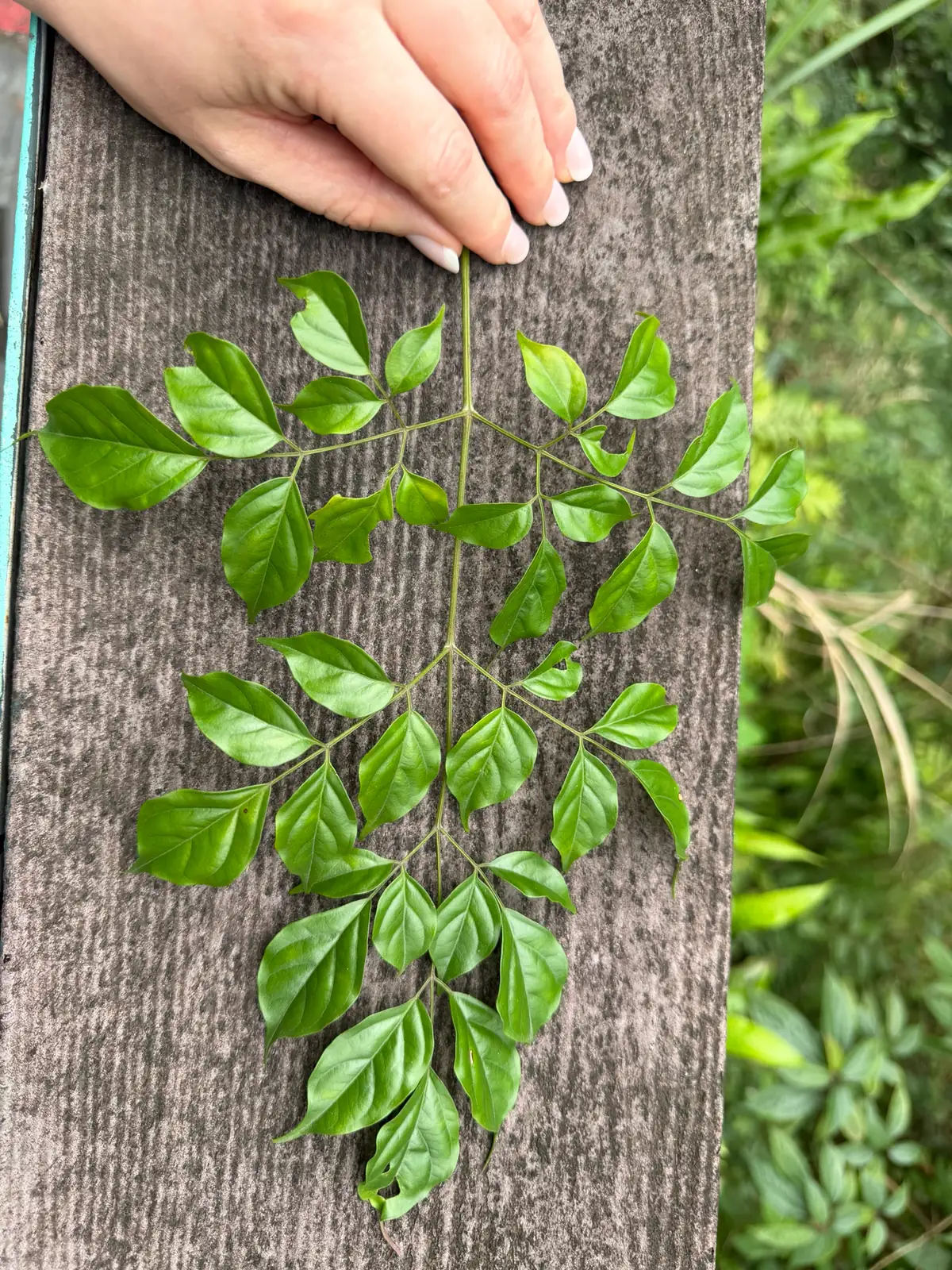
- Foliage: Evergreen, woody growth with dense branching. Leaves are compound with many small, glossy, deep-green leaflets, often arranged in tidy, layered tiers along the stems. Strong light encourages fresh growth; chilling or stress can lead to yellowing and leaf drop.
- Flower: Flowering indoors is uncommon. In warm climates, conservatories, or outdoor plantings, it may produce showy trumpet-shaped blooms, usually creamy-white to pale white and sometimes lightly fragrant—though most people grow it purely for the foliage.
- Flowering Season: Spring to summer (when it flowers; rarely indoors).
- Growth Habit: Upright, bushy evergreen shrub/small tree. Naturally forms layered branches and responds very well to pinching and pruning for a fuller, compact canopy.
Environment
Sunlight
Bright, indirect light to gentle sun; tolerates light shade. Protect from harsh midday summer sun (about 50–60% shade is often ideal). Best near an east-facing window or filtered south light.
Temperature
Best growth around 20–30°C (68–86°F). Keep warm and stable; avoid cold drafts and sudden swings. Protect from chilling—keep above about 12°C (54°F) for best indoor performance, and avoid dropping below 5°C (41°F), which can trigger serious leaf drop.
Humidity
Prefers moderate to high humidity, roughly around 60%+ relative humidity. Misting, a pebble tray, or a humidifier helps—paired with good airflow to prevent leaf spot.
Soil
Loose, fertile, well-draining mix: a quality potting soil with leaf mold/compost plus coarse sand or perlite. A small amount of well-rotted organic fertilizer can be blended in. Always use a pot with drainage.
Placement
Indoors in a bright, airy spot with filtered light—living room, entryway, or study/office. Keep away from heating/AC vents, cold winter glass, and cigarette smoke or stagnant air.
Hardiness
Frost-tender; suitable outdoors mainly in USDA Zone 10–12. In cooler climates it’s best grown as a houseplant.
Care Guide
Difficulty
Moderate. It’s easy to love when conditions are steady (bright light, warmth, even moisture), but it can punish inconsistency—especially low light, dry air, smoke, or cold drafts—by dropping leaves.
Buying Guide
Choose a plant with a balanced, dense crown and compact growth. Leaves should be glossy, deep green, and free of spots, yellowing, damage, or active leaf drop. Check carefully for pests (especially scale/whiteflies). Avoid pots that smell sour or stay waterlogged. After purchase, give it bright filtered light and good ventilation, and protect it from temperature shocks during transport.
Watering
During active growth (spring through autumn), water thoroughly and keep the mix evenly moist—but never soggy. Don’t let the pot dry out completely. In summer, support humidity (misting about every 2 days can help) and avoid overheated, stagnant rooms; many growers do a deeper soak roughly every 2 weeks while still checking the soil and adjusting to conditions. In winter, reduce watering; for many homes, watering about once every 2 weeks works, but always base it on how quickly the mix dries. The goal in winter is ‘just moist,’ not wet.
Fertilization
Feed during the growing season about once a month with a balanced fertilizer (e.g., 20-20-20) at diluted strength or an organic liquid feed (such as compost/oil-cake tea). Pause feeding during extreme summer heat and stop in winter when growth slows.
Pruning
Pinch the tips to encourage branching and keep it bushy. Prune back leggy or overly vigorous shoots during active growth to maintain a full, attractive canopy.
Propagation
Cuttings (most common): take semi-mature tip cuttings in summer, about 12–20 cm (4.7–8 in) long. Remove lower leaves, keep 2–4 top leaves and trim large leaves by half; root in sand or a peat-based medium at 22–26°C (72–79°F) with high humidity. Rooting typically takes about 5–6 weeks (around 35–40 days).
Seeds: sow in spring; cover lightly. Germination is best at 18–21°C (64–70°F) and often occurs in about 2–3 weeks (roughly 15–20 days).
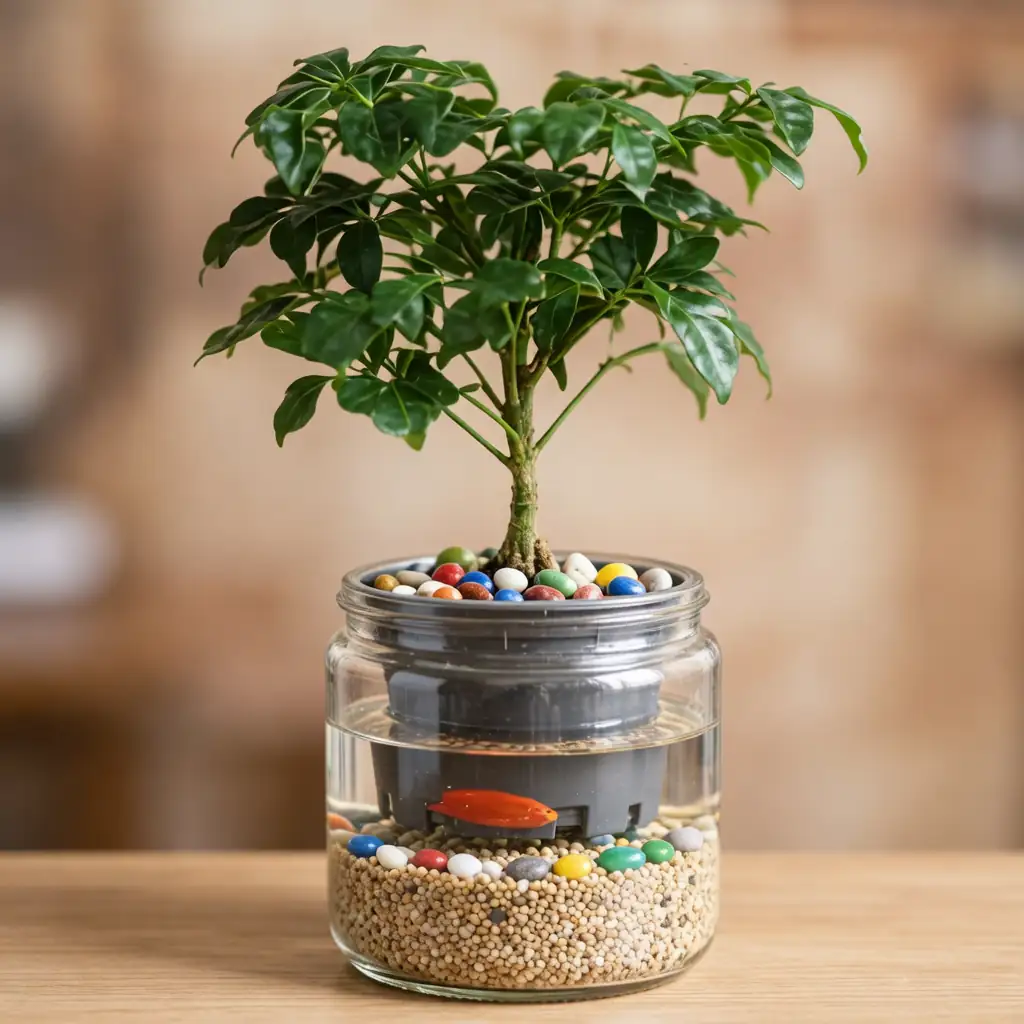
Water/semi-hydro culture: rinse roots clean after unpotting, trim damaged roots, set into clean decorative stones or water culture. Change water about weekly (for pure water culture) and add hydroponic nutrient solution about monthly; keep in bright filtered light.
Repotting
Repot in spring, typically yearly for actively growing young plants (or whenever rootbound). Use a fresh, well-draining mix and step up pot size gradually; common indoor pot diameters are about 12–25 cm (4.7–9.8 in), depending on the plant.
📅 Seasonal Care Calendar
Spring: repot if needed; resume feeding; pinch tips to shape; seeds can be sown at 18–21°C (64–70°F).
Summer: bright filtered light with midday protection; maintain even moisture and higher humidity; pause fertilizer during extreme heat.
Autumn: keep lightly moist, maintain brightness; clean/wipe leaves to keep them glossy.
Winter: keep warm and stable (ideally above 12°C/54°F), avoid drafts; water sparingly (often ~every 2 weeks) and stop feeding; keep humidity up to reduce leaf drop.
Pests, Diseases & Safety
Common Pests & Diseases
Leaf spot can occur—improve airflow, avoid leaving foliage wet late in the day, and remove affected leaves. Common indoor pests include scale insects and whiteflies (often worse in warm, humid, poorly ventilated rooms). Treat early with horticultural oil or insecticidal soap, repeat as needed, and isolate the plant while treating. General stress (cold drafts, smoke, low light) often shows up as yellowing and leaf drop.
Toxicity
Generally regarded as non-toxic to people and pets in many houseplant references, but chewing/ingestion may still cause mild stomach upset in sensitive individuals. Keep out of reach of children and pets as a sensible precaution.
Culture & Symbolism
Symbolism: Often marketed as a “happiness” or “good luck” plant—its lush, thriving look is used to suggest prosperity, diligence, and a calm, refined atmosphere (especially in a study or office).
History & Legends: More a modern houseplant success story than an old legend: it became widely commercialized across Asia and beyond as an auspicious, tree-like indoor ornamental, and its popularity is closely tied to its positive common name.
Uses: Primarily an ornamental indoor foliage plant—great as a bright-corner floor plant or tabletop ‘mini tree’ when kept pruned. It can also be displayed in decorative water culture or semi-hydro (colored-stone) setups for interior décor.
FAQ
Why is my China doll plant constantly dropping leaves?
The usual culprits are low light, dry air, cold drafts, or big temperature swings—smoke and stagnant air can also stress it. Move it to brighter filtered light, keep it warm and steady (ideally above 12°C/54°F), raise humidity (humidifier/pebble tray/misting with airflow), and ventilate the room well.
How do I grow it in decorative stones (semi-hydro)?
Choose a plant with strong roots, rinse the roots clean, and trim damaged bits. Add clean stones to fill about 1/3 of the container, spread the roots, then add stones up to about 4/5 and firm gently. Add water slowly, keep in bright filtered light, top up water about weekly (adjust to evaporation), and add a hydroponic nutrient solution about once a month.
Fun Facts
- The nickname “China doll” comes from its delicate-looking, finely divided glossy foliage—like a crafted ornament.
- Pinching the growing tips regularly is one of the simplest ways to keep it compact and bushy indoors.
- Indoor flowering is rare; most home growers enjoy it purely for the foliage.