Plant Features
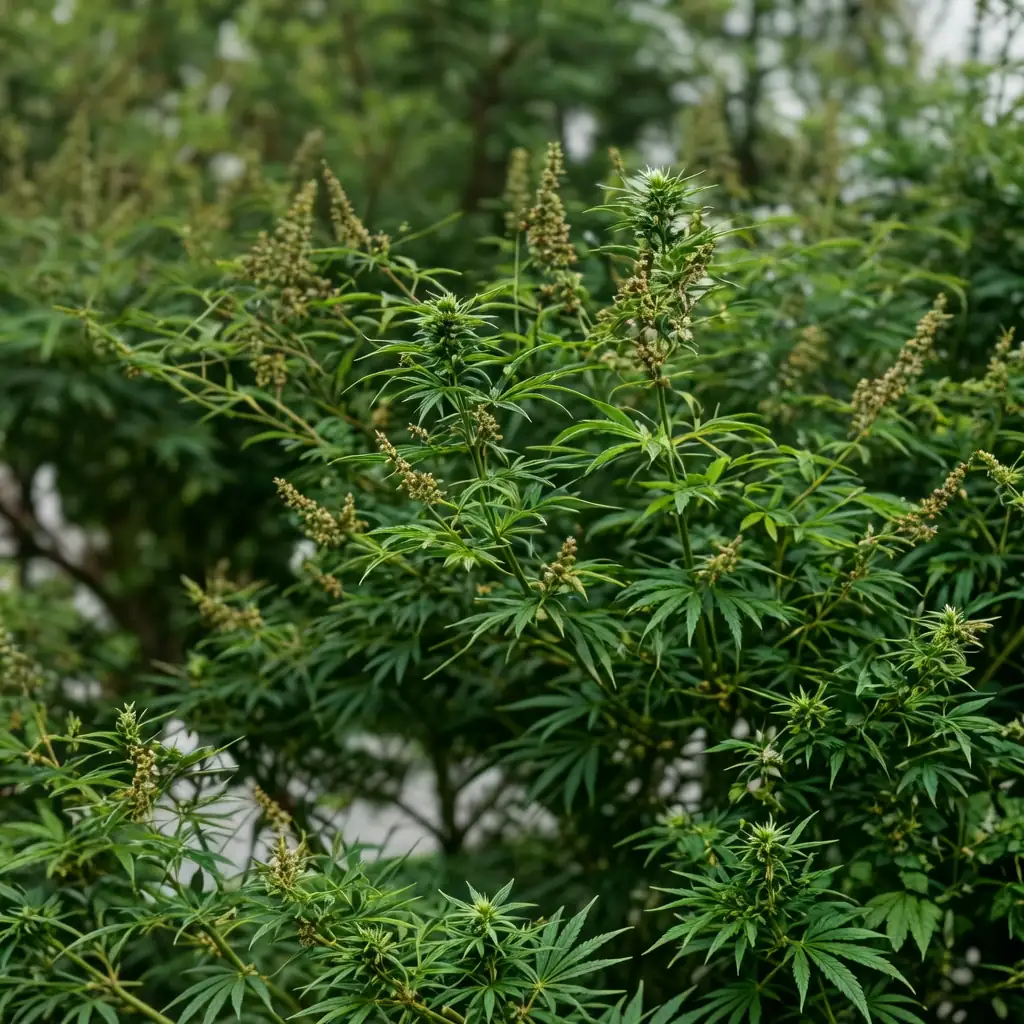
- Size: Typically 2–3 m (6.6–9.8 ft) tall, often with a similar spread in cultivation.
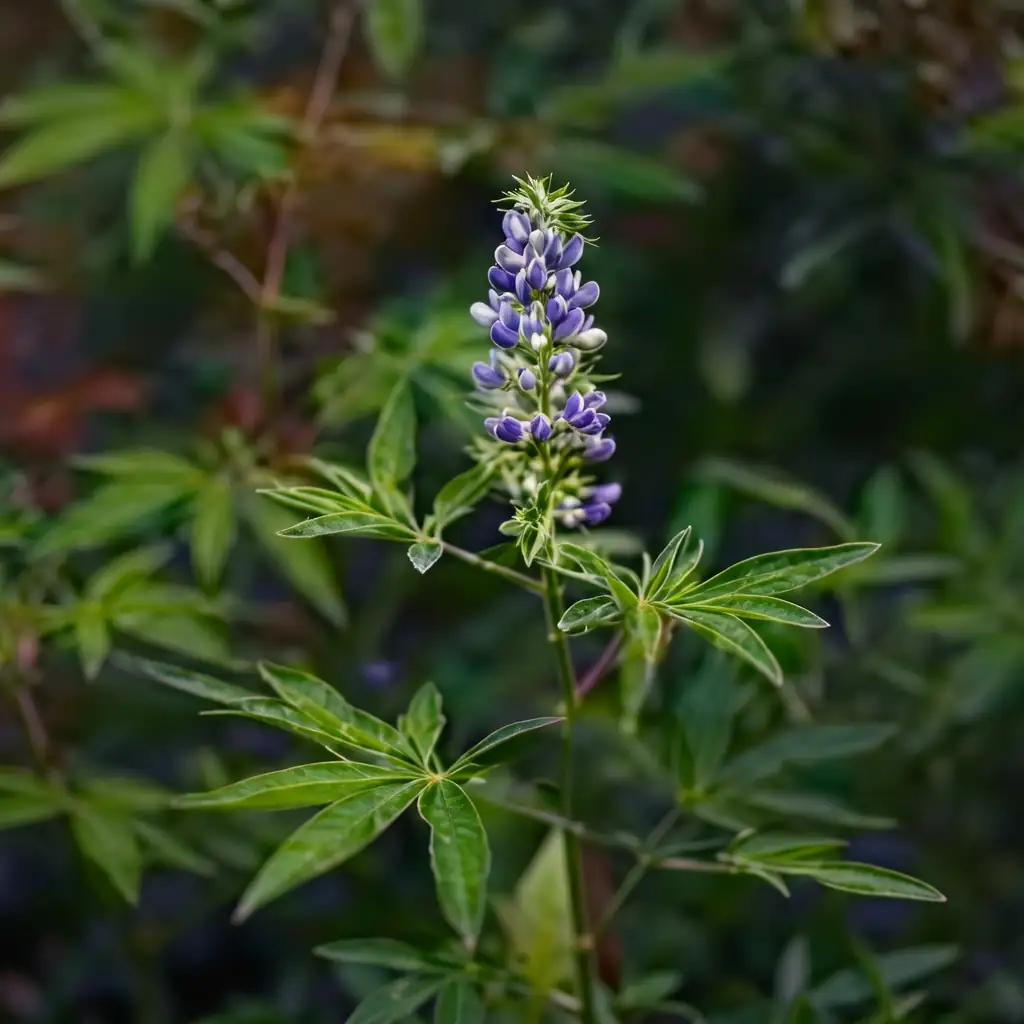
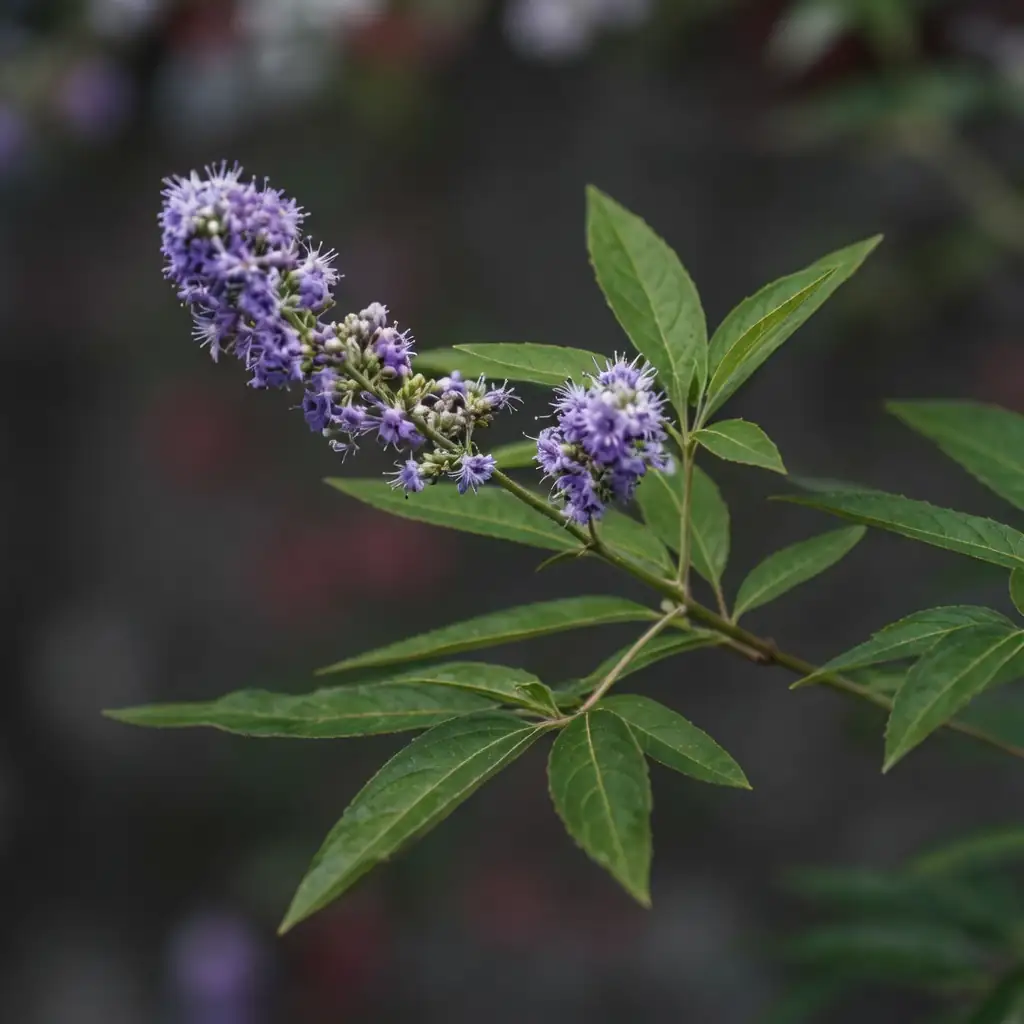
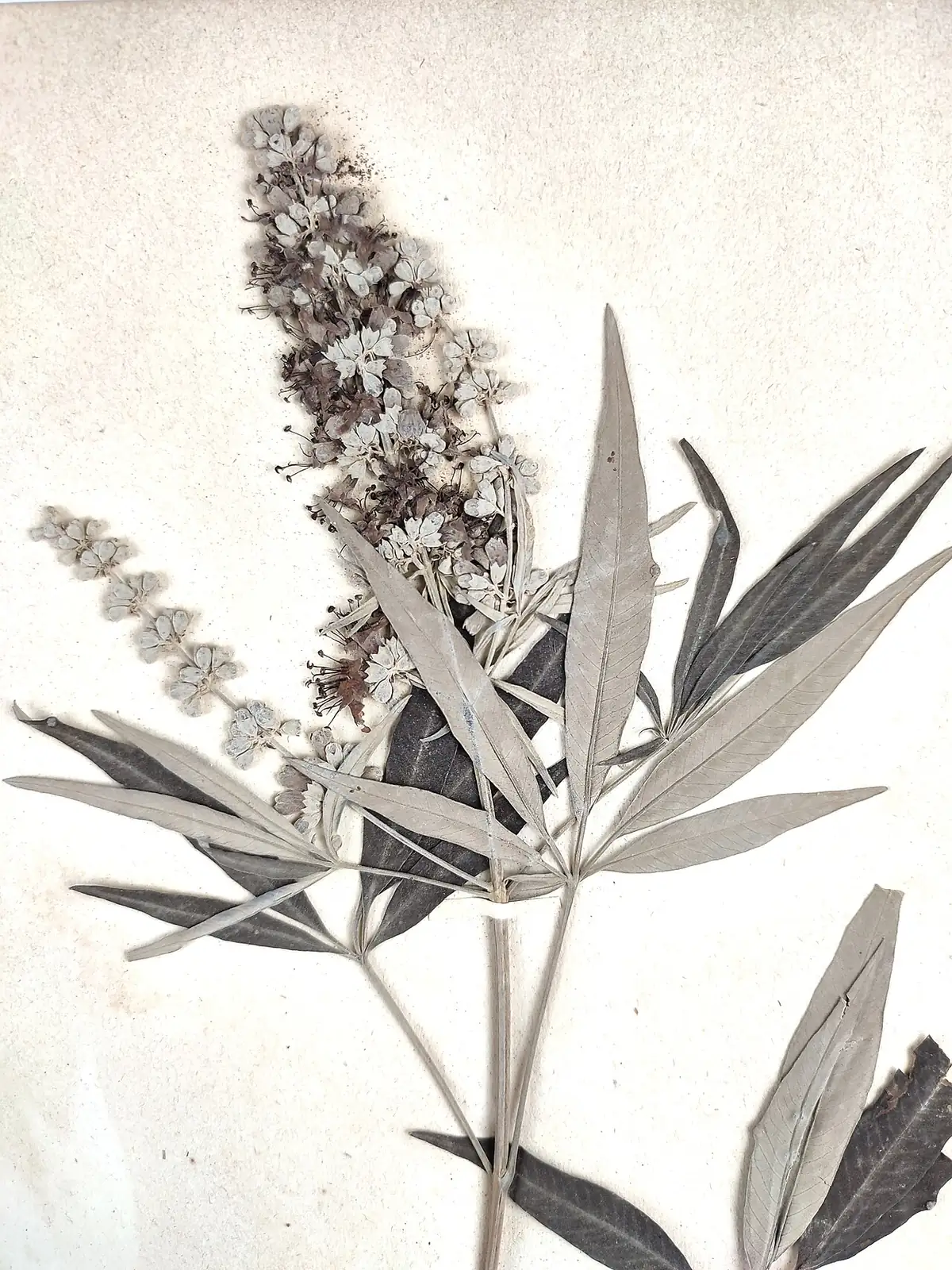
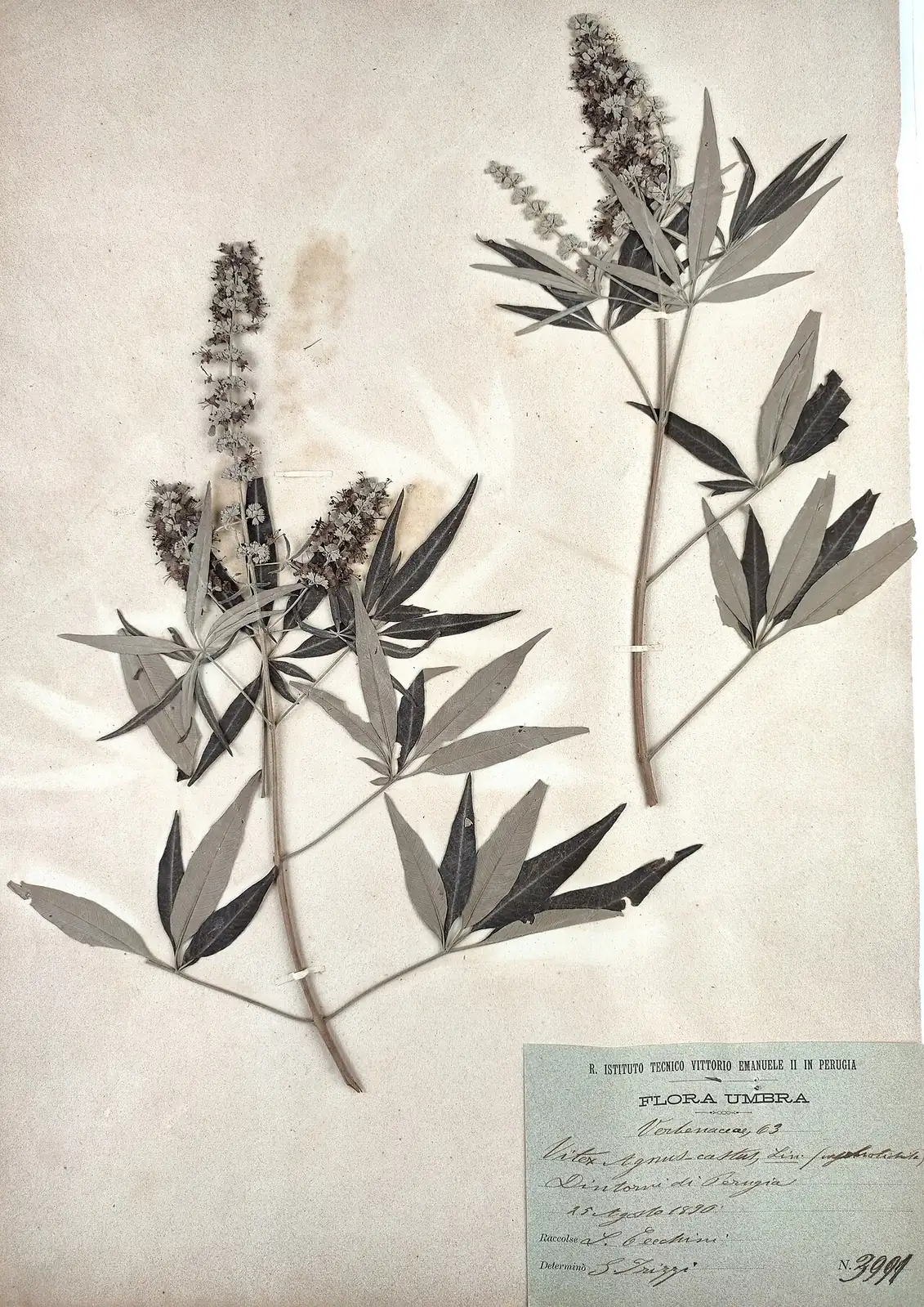
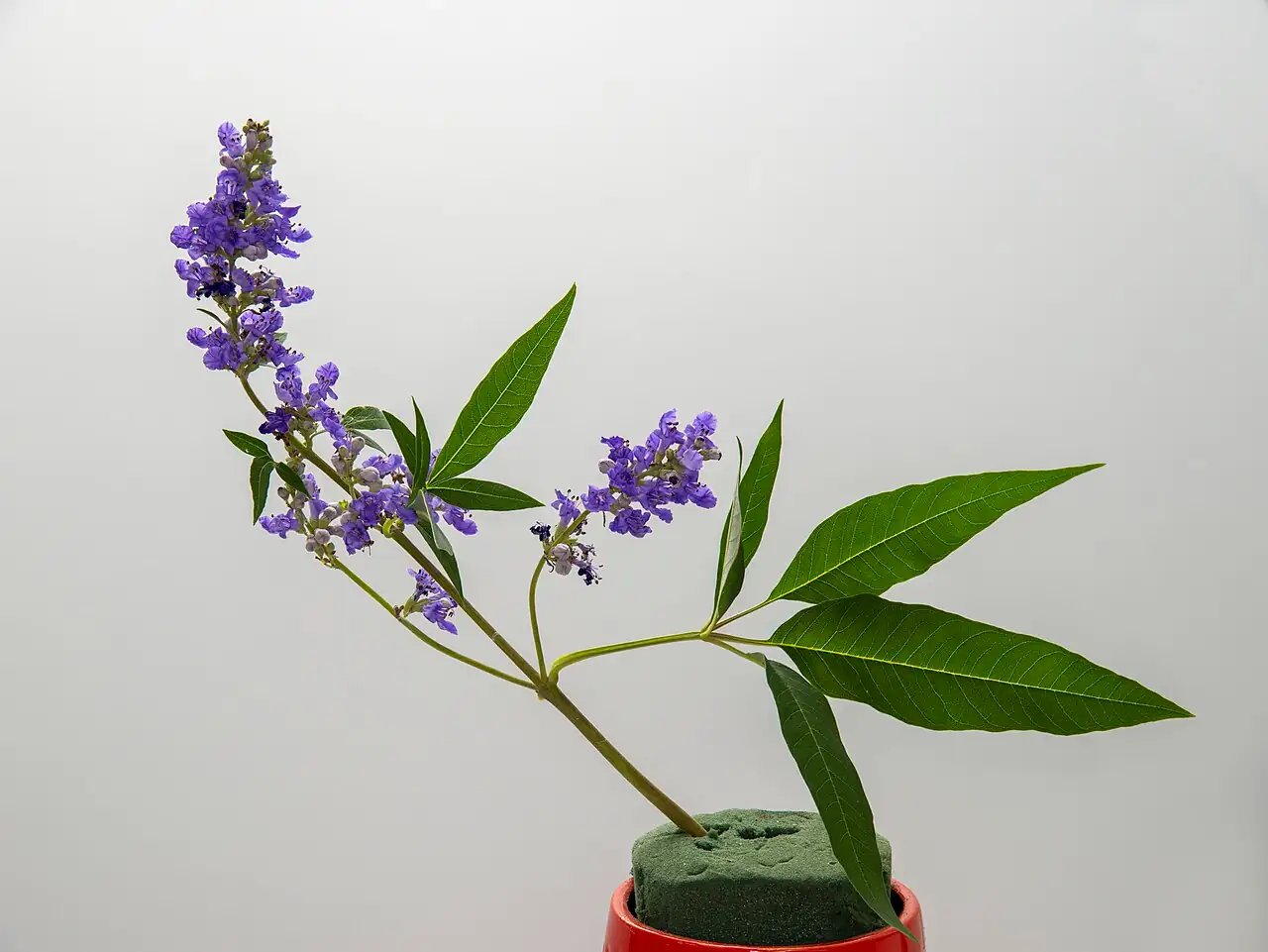
- Foliage: Leaves are opposite and palmately compound, made up of narrow, lance-shaped leaflets that give the plant an airy, soft-textured look. Young stems are noticeably four-angled (square in cross-section), a classic trait seen in many members of the mint family (Lamiaceae).
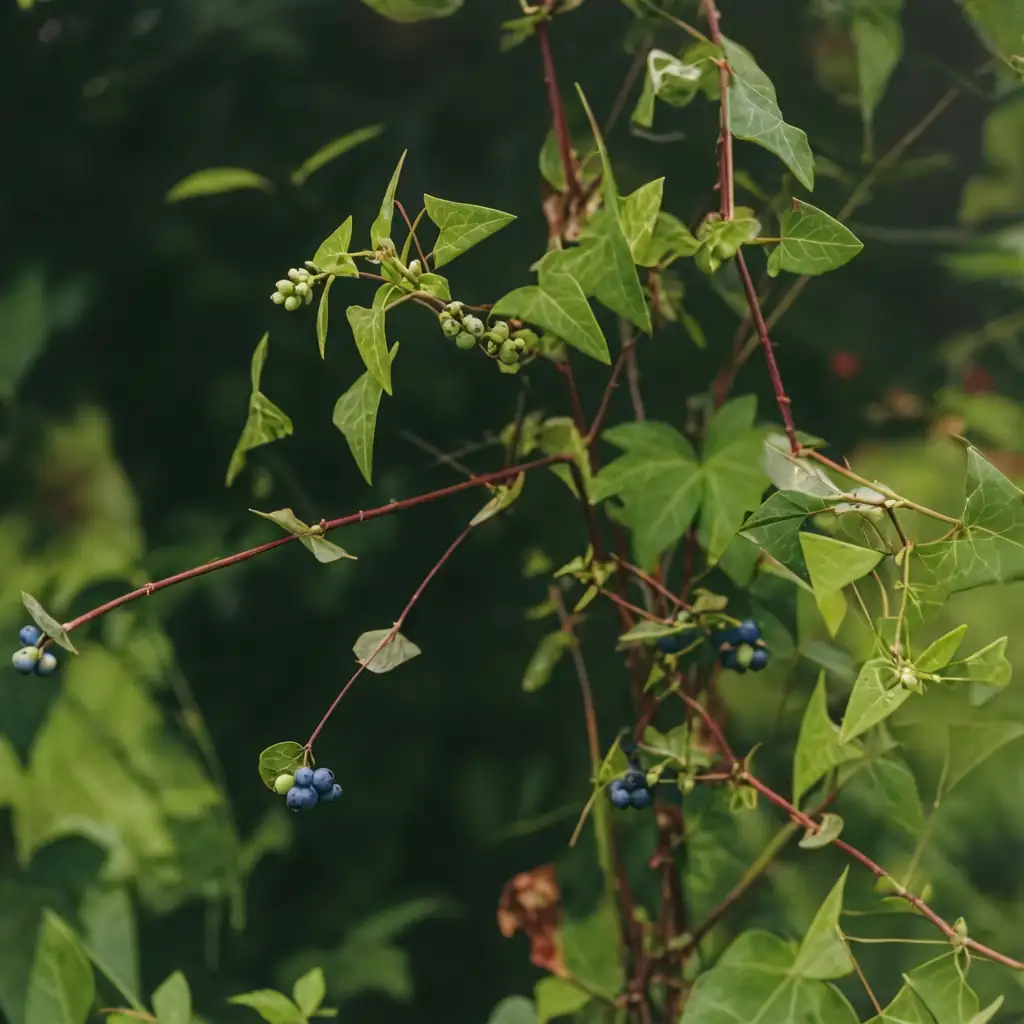
- Flower: Produces upright, showy panicles/spikes packed with small tubular flowers in violet to blue-purple. After flowering, it can form small, round, berry-like drupes often called chasteberries.
- Flowering Season: Mid to late summer (typically July–August).
- Growth Habit: A vigorous, strongly branching deciduous shrub that responds very well to pruning; it can be kept as a rounded shrub or trained into a small multi-stem tree form.
Environment
Sunlight
Full sun for best flowering—aim for at least 6–8 hours of direct sun per day.
Temperature
Prefers warm summers. Once established, it’s generally hardy to about -15 to -10°C (5 to 14°F) and also tolerates summer heat well.
Humidity
Adaptable, but happiest with good air circulation. Avoid persistently damp, stagnant conditions that can encourage stress and root issues.
Soil
Well-drained soil is essential. Tolerates poor, dry, and rocky soils once established; avoid waterlogged or heavy, constantly wet ground.
Placement
Best outdoors in a sunny spot: borders, shrub beds, slopes, and informal/roadside-style plantings. Great for many temperate gardens where drainage and sun are reliable.
Hardiness
USDA Zone 6–9 (approx.). Drought-tolerant after establishment; not tolerant of prolonged waterlogging.
Care Guide
Difficulty
Easy—give it sun and sharp drainage and it’s generally resilient, with relatively few pest or disease issues.
Buying Guide
Choose a plant with sturdy, well-branched growth. Check the pot: avoid severely root-bound plants and avoid any with blackened stems or constantly soggy potting mix (often a sign of poor drainage or stressed roots).
Watering
Water regularly during the first growing season to establish a deep root system. After establishment, water sparingly and let the soil dry between waterings. In containers, water when the top 2–5 cm (1–2 in) of mix feels dry.
Fertilization
Light feeding is usually enough. In spring, use a balanced slow-release fertilizer or top-dress with compost. Avoid heavy nitrogen feeding, which can push leafy growth at the expense of flowers.
Pruning
Prune in late winter to early spring to shape the plant and encourage strong new shoots (which carry the flowers). It tolerates hard pruning and typically rebounds with vigorous growth.
Propagation
Propagate from semi-hardwood cuttings in summer or hardwood cuttings in winter. Seed is also possible, though seedlings can be slower and less uniform than cuttings.
Repotting
For container plants, repot every 2–3 years in spring into a slightly larger pot using a sharply draining mix. Make sure drainage holes stay clear and the plant never sits in water.
📅 Seasonal Care Calendar
Spring: prune and give a light feed. Summer: water during prolonged drought; deadhead if you want a tidier look (optional). Autumn: reduce watering and enjoy the seed/fruit display. Winter: protect young plants in colder areas and keep the soil on the dry side—especially in containers.
Pests, Diseases & Safety
Common Pests & Diseases
Usually trouble-free. Occasionally aphids may appear on new growth, spider mites can show up in hot/dry conditions, and root problems can develop if the soil stays wet. Prevention is mostly simple: full sun, airflow, and excellent drainage.
Toxicity
Not commonly considered highly toxic as an ornamental, but the fruits (“chasteberries”) are used in herbal products and may influence hormones or interact with medications. Avoid casual ingestion; keep plant parts away from children and pets unless advised by a qualified professional.
Culture & Symbolism
Symbolism: Traditionally linked with chastity and monastic life—reflected in names like “monk’s pepper.”
History & Legends: Long cultivated around monasteries and used in traditional herbal practices. Many of its stories and common names come from historical cultural associations rather than modern medical guidance.
Uses: Primarily grown as an ornamental shrub for its rare violet-blue summer flower spikes and strong, drought-tolerant landscape performance. The dried fruits are also known historically as an herbal ingredient (chasteberry).
FAQ
Why isn’t my chaste tree flowering well?
The usual culprits are too little sun or soil that’s too rich/wet. Give it full sun, improve drainage, and avoid high-nitrogen fertilizer for better blooms.
Can it handle drought?
Yes—once established it’s notably drought-tolerant. During the first season, though, water more regularly while roots are developing.
When should I prune it?
Late winter to early spring is ideal. It flowers on new growth, so spring pruning typically leads to better flowering later in summer.
Fun Facts
- It’s prized for bringing reliable violet-blue blooms to the garden in mid to late summer—a color that’s surprisingly uncommon in woody shrubs.
- Its stems can feel “square” because they’re distinctly four-angled.
- The palmately compound leaves give the plant a light, airy texture that pairs well with tougher, sun-loving perennials.
- Its small round fruits are called chasteberries and have a long history of traditional herbal use.
- It’s both heat-tolerant and drought-tolerant once established, and it rebounds enthusiastically after pruning.