

Plant Features
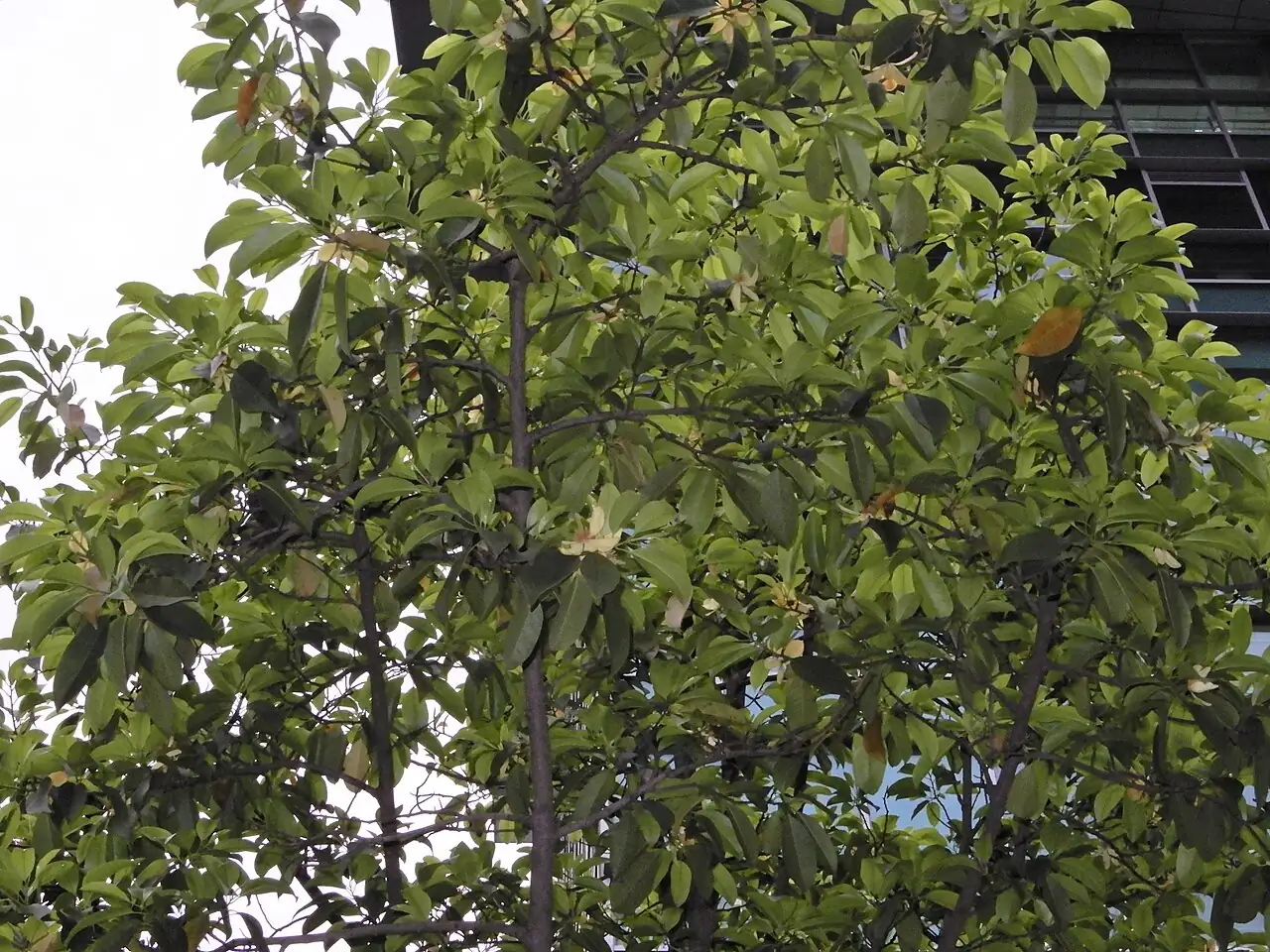
- Size:15–30 m (49–98 ft) tall; develops a broad, dense crown with age
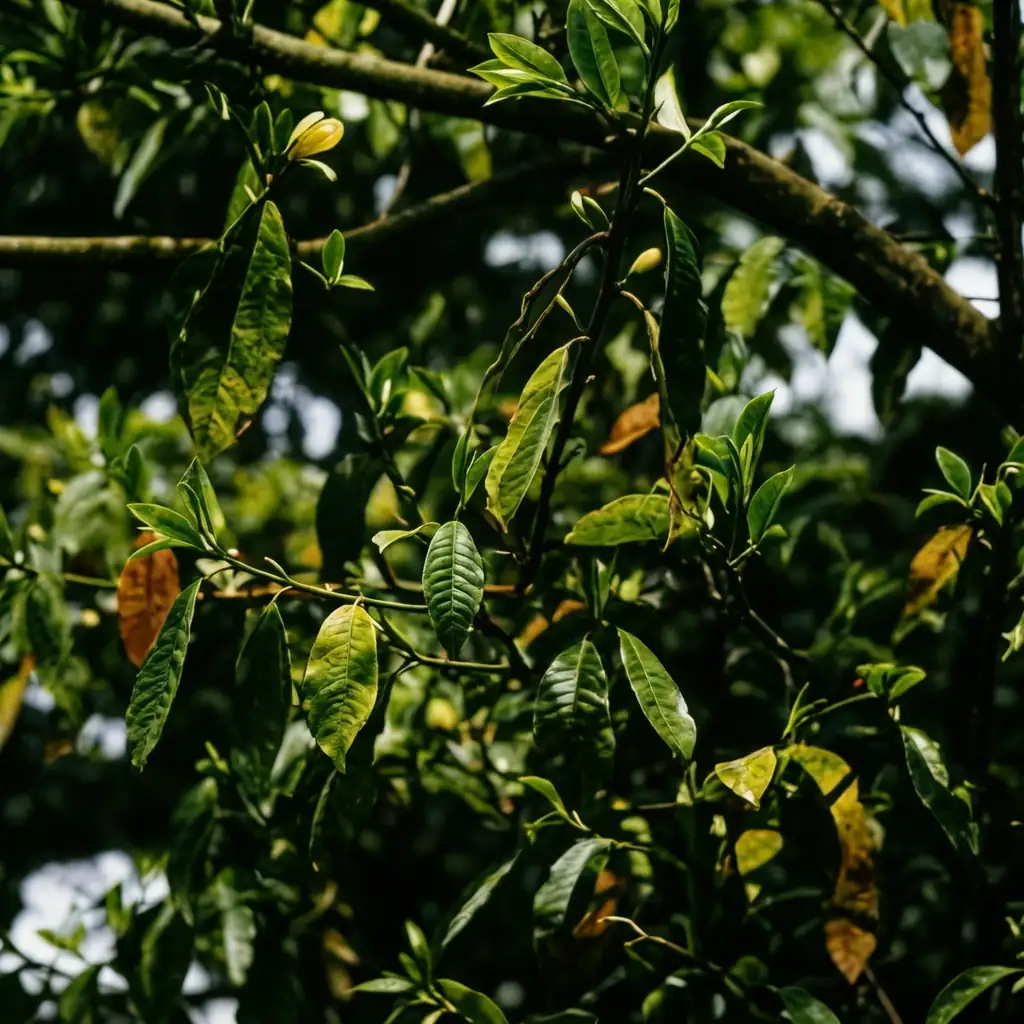
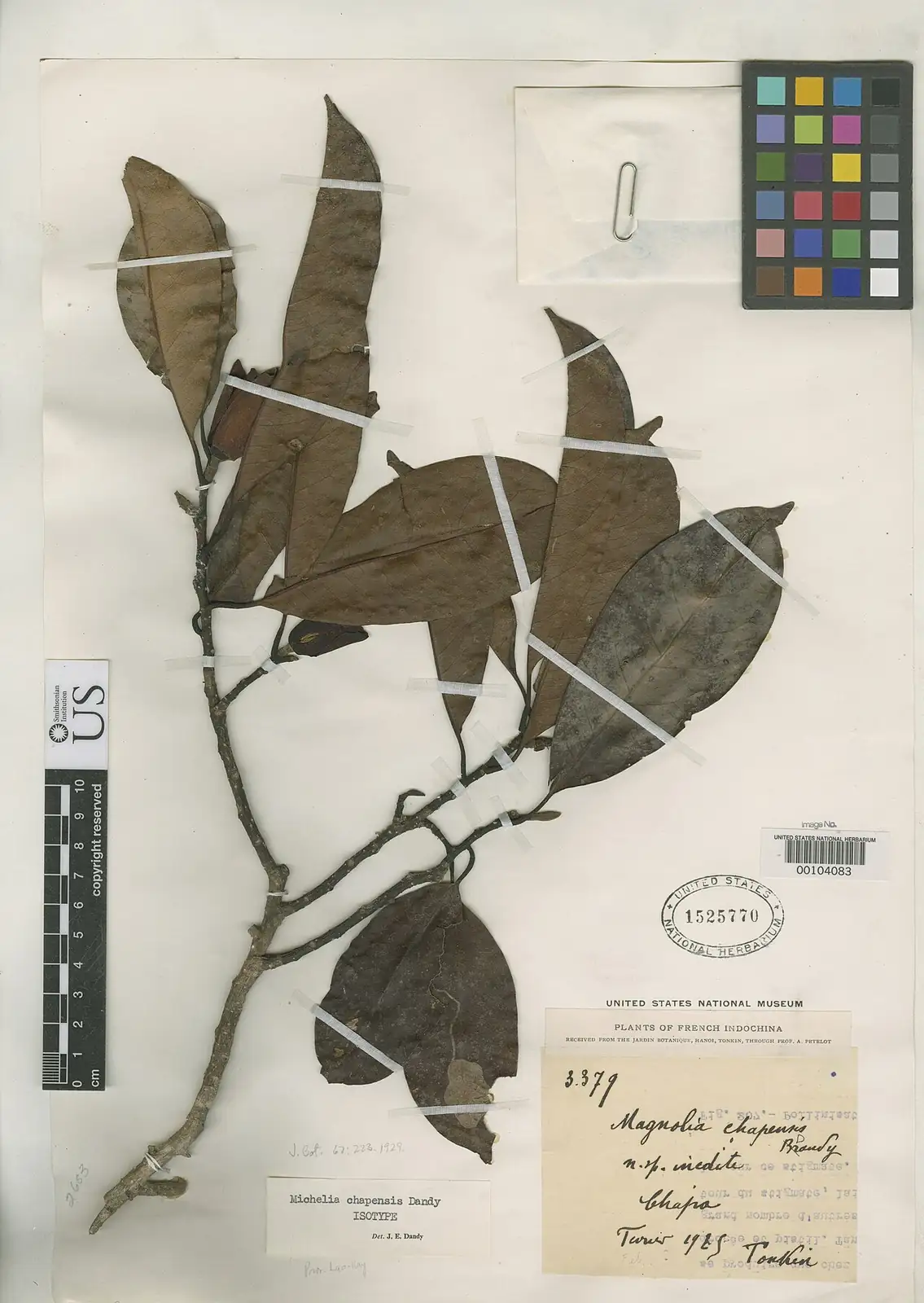
- Foliage: Leaves are thinly leathery and glossy, typically obovate to obovate-oblong, about 5–16 cm (2–6.3 in) long. They have a short pointed tip and a wedge-shaped base. Twigs are mostly smooth, though new growth may show a little hair around the nodes.
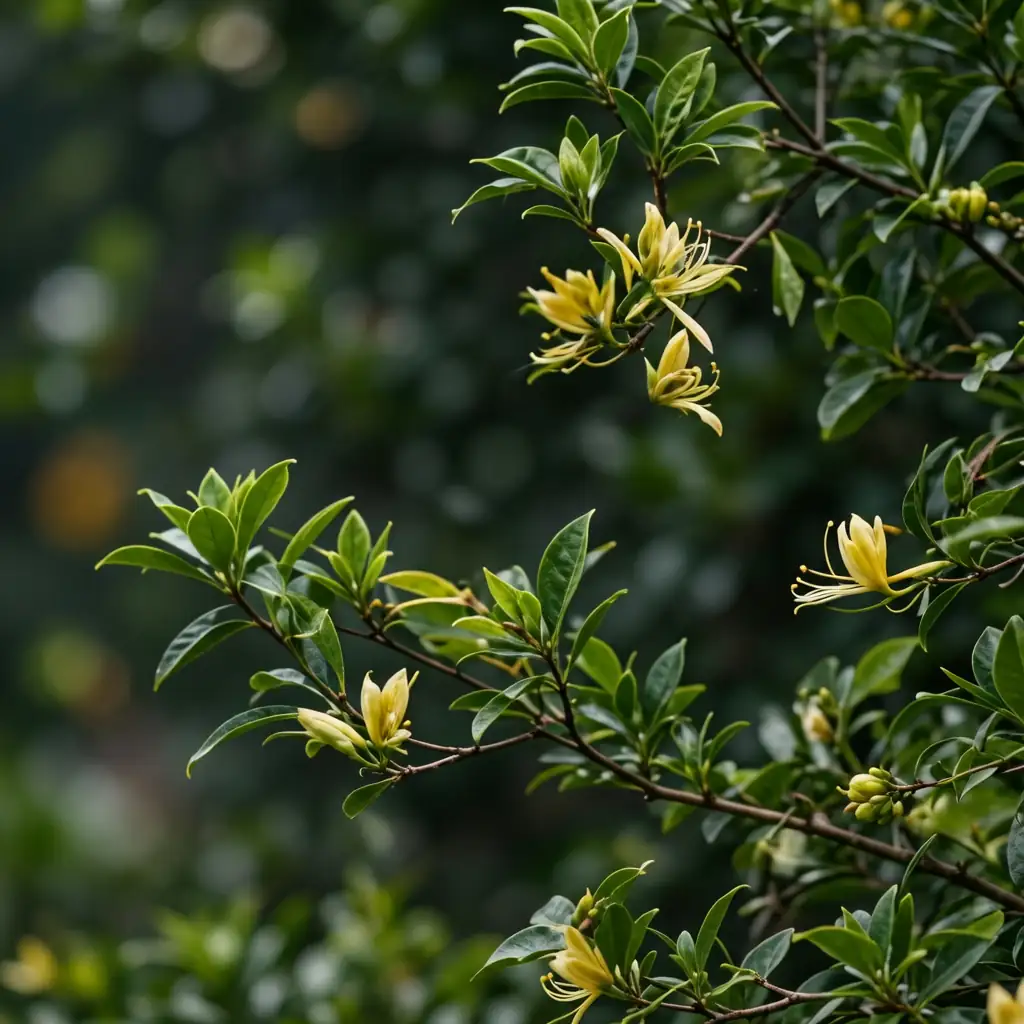
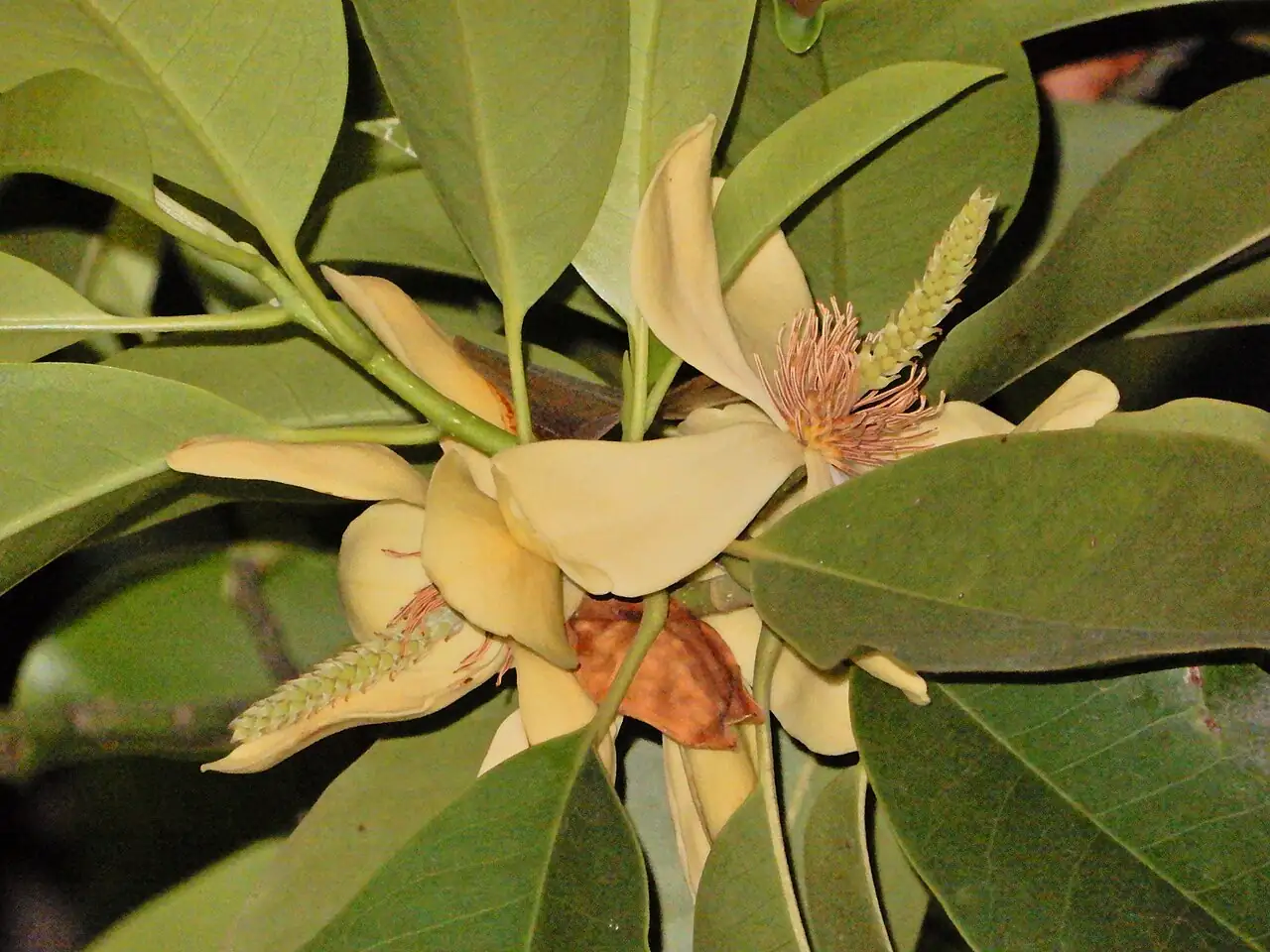
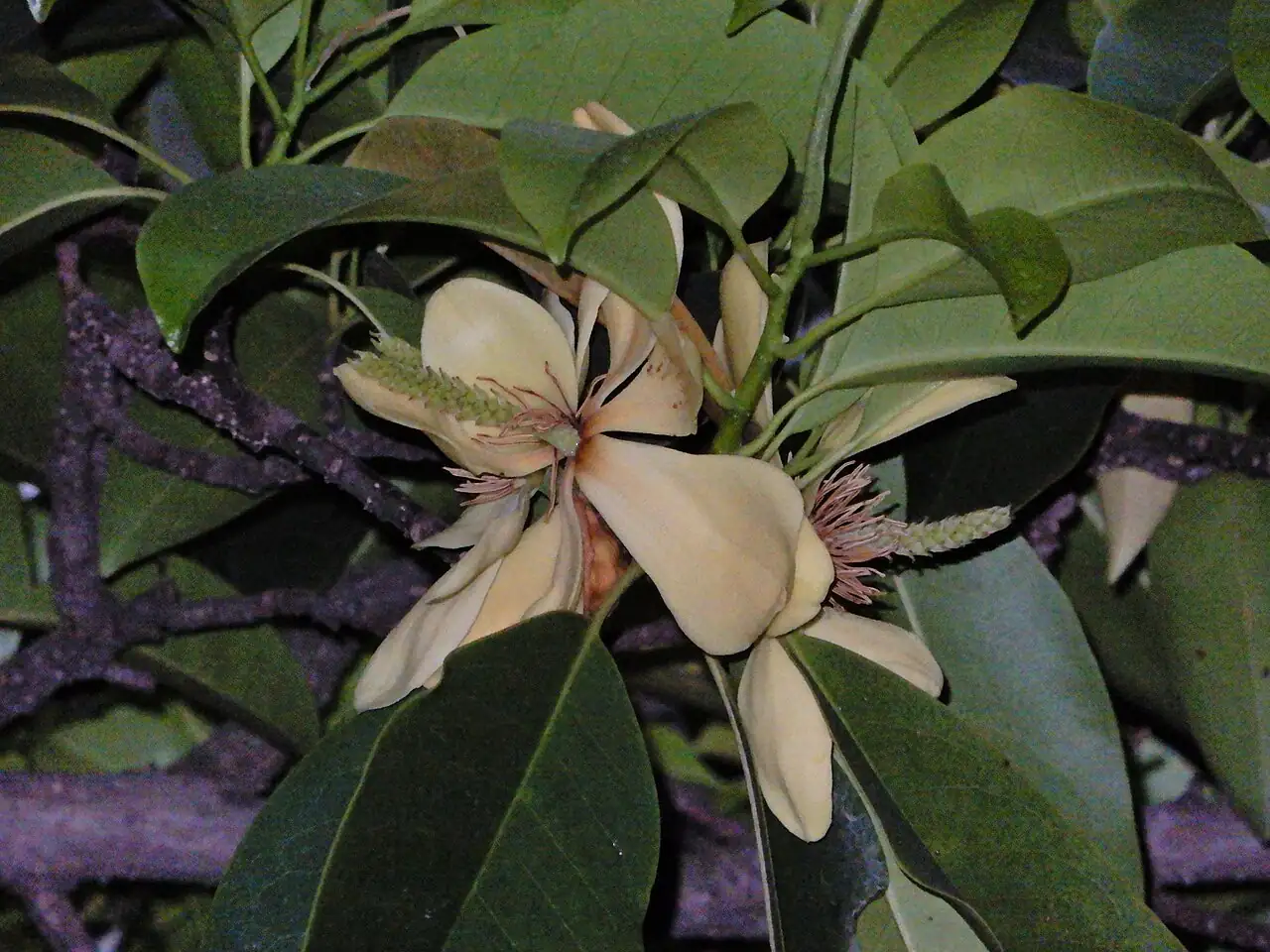
- Flower: Spring flowers are intensely fragrant, creamy to yellowish-white, with 6 tepals; the scent is notably strong and sweet.
- Flowering Season: March–April (spring)
- Growth Habit: Upright evergreen tree with a straight trunk and dense canopy
Environment
Sunlight
Full sun to light shade; partial shade is helpful for young trees while they establish
Temperature
Grows best at 15–32°C (59–90°F). Very heat tolerant—reported up to about 41°C (106°F). Cold tolerance varies; young plants should be protected from hard freezes.
Humidity
Prefers humid air and evenly moist soil (moist, but never soggy)
Soil
Deep, fertile, loose, well-drained soil; generally tolerant from acidic to slightly alkaline conditions
Placement
Outdoors in gardens, parks, and streetscapes—excellent as a specimen tree, avenue tree, or planted in groups; fits naturally into woodland-style landscapes
Hardiness
Best suited to mild-winter climates; not reliably hardy where severe frosts are common. Heat tolerance to about 41°C (106°F).
Care Guide
Difficulty
Moderate: quite straightforward once established in the right climate, but young trees dislike prolonged drought and poor drainage.
Buying Guide
Pick a plant with a strong, straight central leader (especially if you want a classic street-tree form), glossy healthy leaves, and a clean-smelling root ball. Avoid stock with blackened roots, a sour/wet smell (waterlogging), girdling roots, or major trunk wounds.
Watering
After planting, water deeply and keep the soil evenly moist for the first 1–2 growing seasons. Once established, water during dry spells. Avoid constantly wet soil—waterlogging is a common cause of stress and decline.
Fertilization
In spring, feed with compost or a balanced slow-release fertilizer. Skip heavy feeding late in the season to prevent soft, tender growth heading into cool weather.
Pruning
Keep pruning light. Shape and remove dead, damaged, or crossing branches after flowering or in late spring. Avoid hard pruning—magnolia relatives often respond poorly to severe cuts.
Propagation
Usually grown from seed (fresh seed tends to germinate best) or from semi-hardwood cuttings. Nurseries may graft selected forms.
Repotting
Typically planted in the ground. For container stock, step up only one pot size at a time into a free-draining mix, and minimize root disturbance.
📅 Seasonal Care Calendar
Spring: plant, mulch, and feed; watch moisture needs during flowering. Summer: water during heat/drought; maintain mulch. Autumn: reduce feeding; keep soil lightly moist. Winter: protect young trees from hard frost and drying winds if your area gets cold snaps.
Pests, Diseases & Safety
Common Pests & Diseases
Can be bothered by scale insects and aphids, with occasional leaf spot. Roots may suffer in poorly drained soils. Improve airflow, avoid overwatering, and treat early infestations with horticultural oil or other appropriate controls.
Toxicity
No well-documented serious toxicity for typical landscape use, but it’s still best not to ingest any plant parts and to keep trimmings away from pets and small children.
Culture & Symbolism
Symbolism: Often linked with elegance and purity—thanks to its refined evergreen form and pale, beautifully scented spring flowers.
History & Legends: A long-appreciated ornamental in southern China, commonly planted in gardens and along avenues for its perfume and dignified, upright habit.
Uses: Primarily a fragrant ornamental landscape tree—used as a specimen, in groups in parks and gardens, and especially as a spring-scented street/avenue tree.
FAQ
Can it grow in full sun?
Yes. Mature trees handle full sun well, but young plants often establish more smoothly with partial shade plus steady, even moisture.
Why are the leaves yellowing?
Common causes include waterlogged soil (poor drainage), drought stress, or a nutrient imbalance. Check drainage first, adjust watering, and consider a balanced spring feed if needed.
Fun Facts
- In the wild, it’s a southern China native associated with montane woodland habitats.
- Its flowers are typically 6-tepaled, creamy to yellowish-white, and famously fragrant.
- It prefers 15–32°C (59–90°F) but can tolerate extreme heat up to around 41°C (106°F).


