

Plant Features
- Size: Typically 30–60 cm (12–24 in) tall; spreads vigorously by rhizomes and can form broad, colony-like patches.
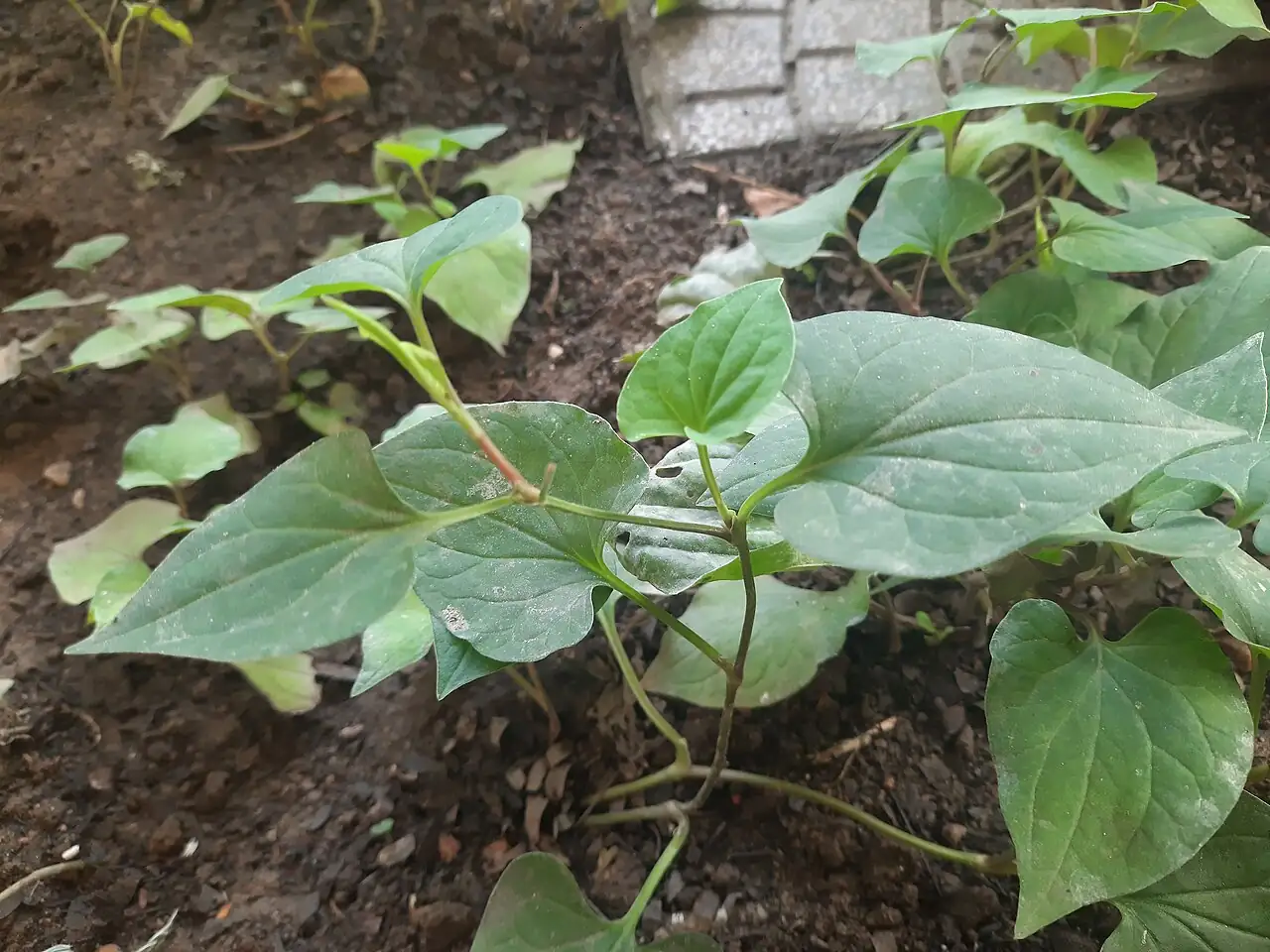
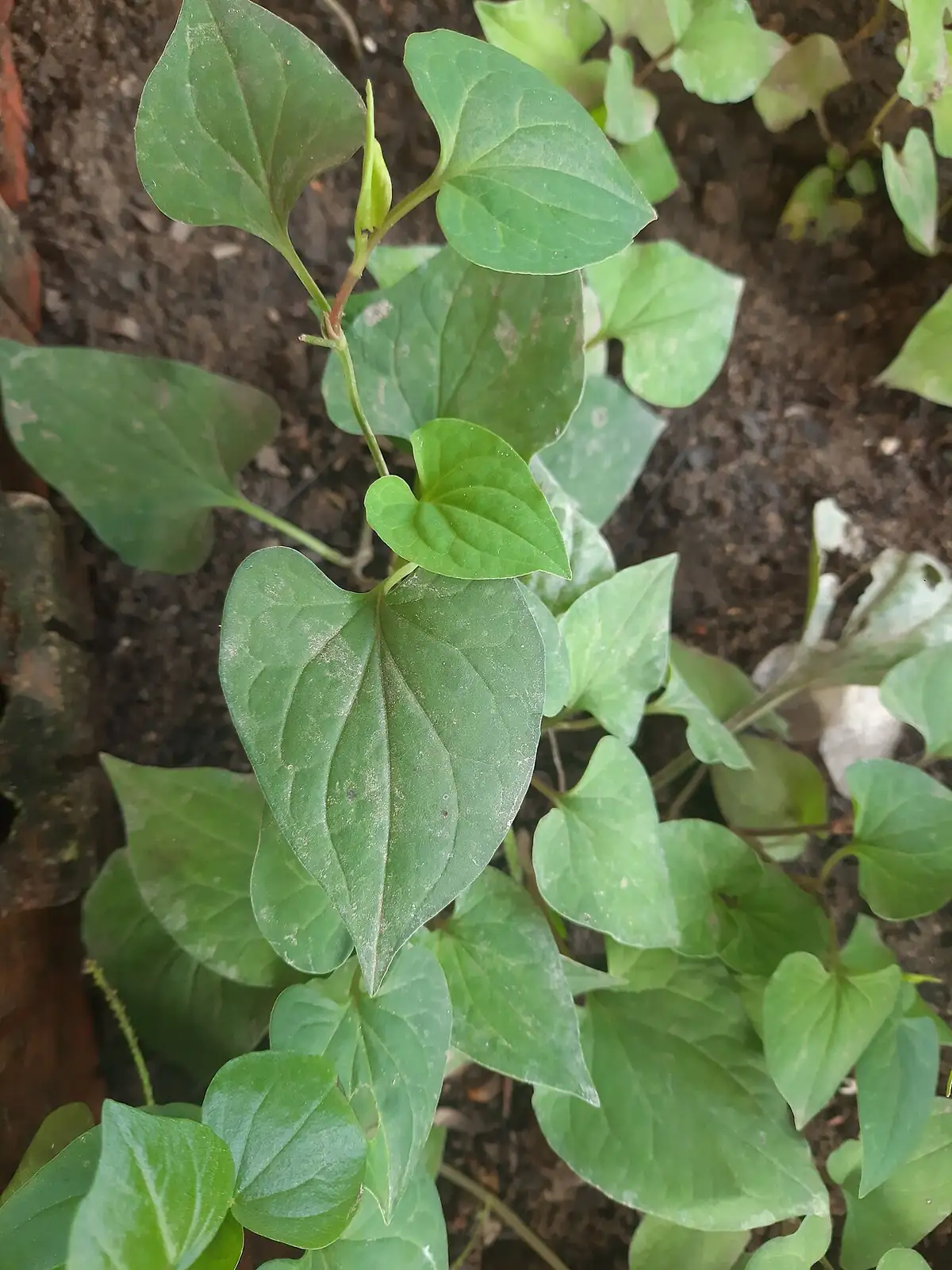
- Foliage: Leaves are thin and papery, heart-shaped to broadly egg-shaped, with visible oil/gland dots (often easiest to spot on the underside). The undersides commonly tint purplish-red. Leaves usually show about 5–7 main veins, and the petioles are smooth (hairless).
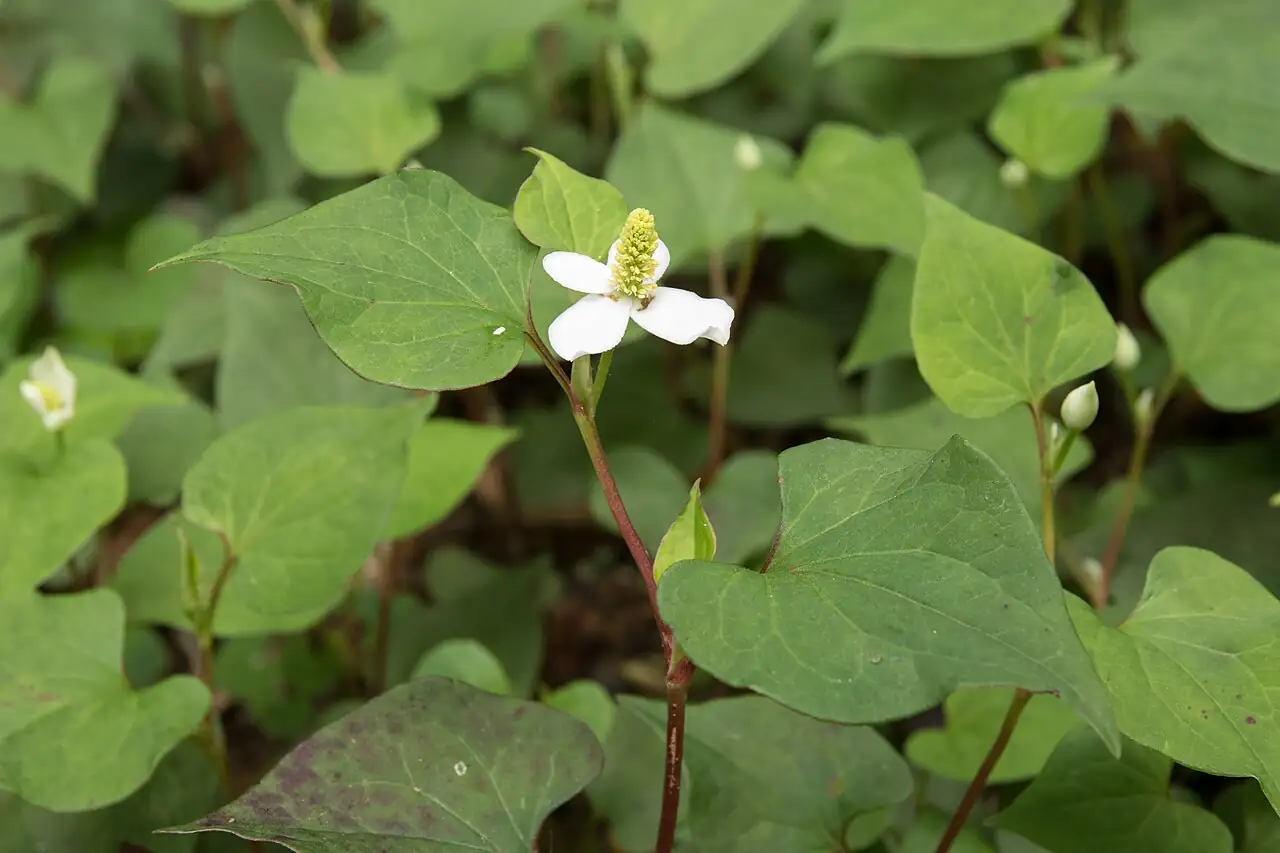
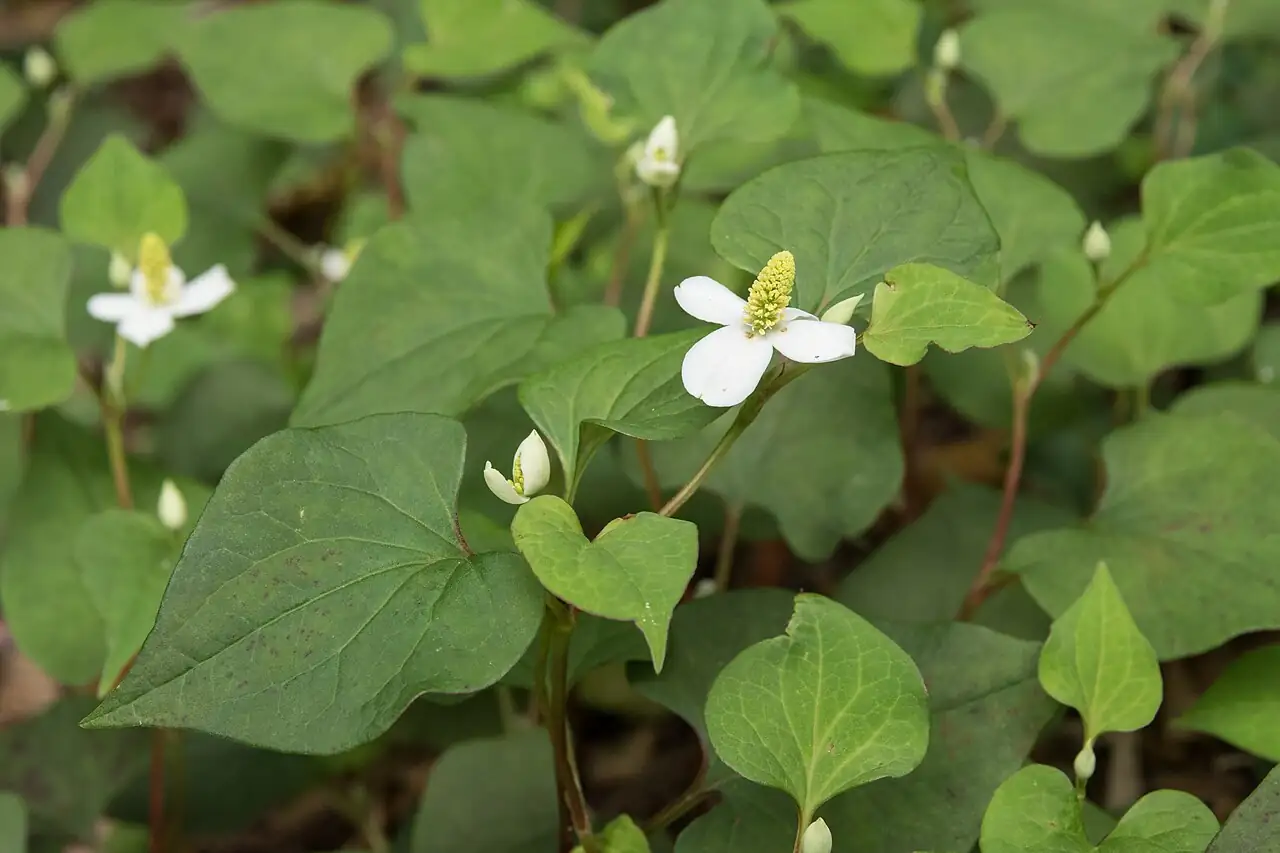
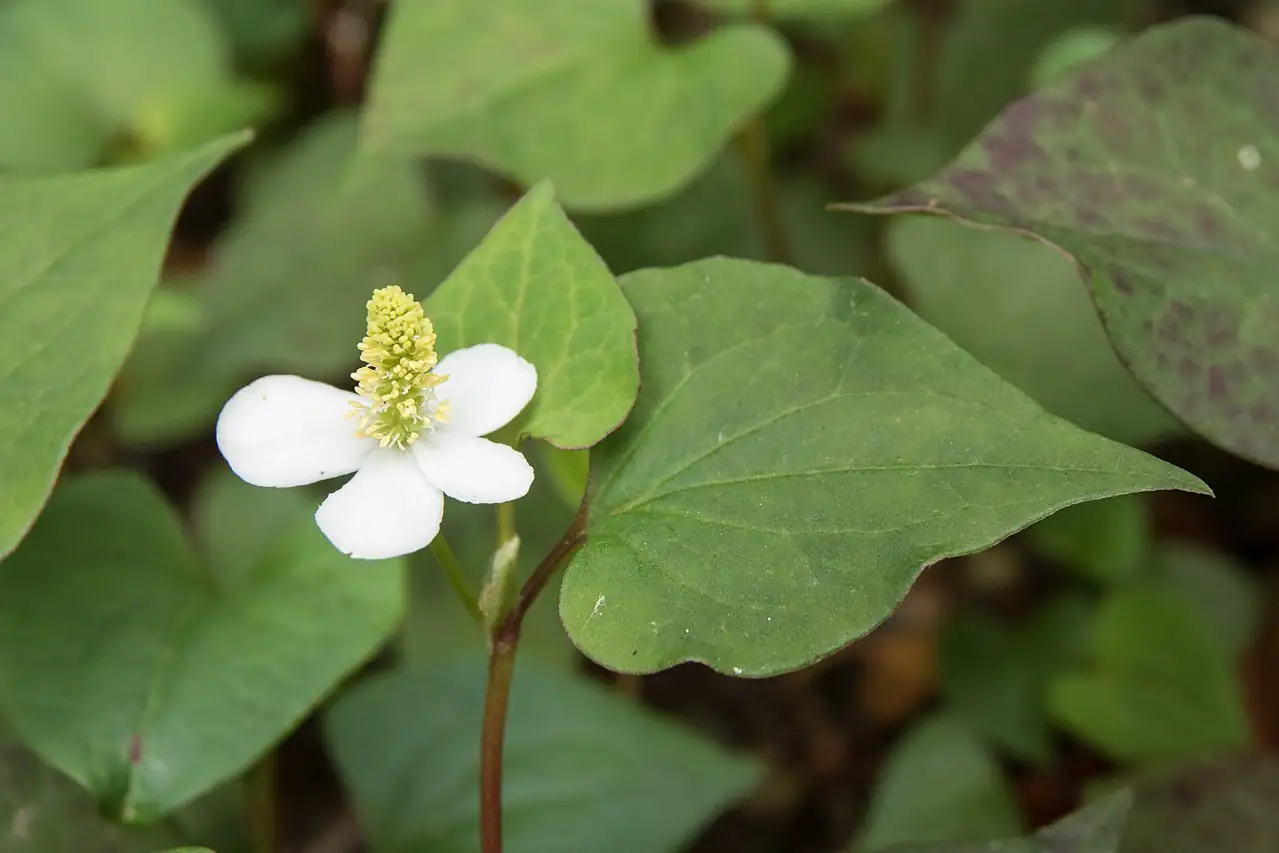
- Flower: The “flowers” are a neat illusion: tiny true flowers are packed on a short spike about 2 cm (0.8 in) long, and the showy white parts are four bracts that look like petals. After flowering, it can form a small capsule-like fruit; the flowering structures may linger briefly.
- Flowering Season: April–July (Apr–Jul)
- Growth Habit: Herbaceous perennial, rhizomatous spreader and dense groundcover. Naturally suited to moist woodland edges and stream/ditch margins; excellent for mass planting in reliably wet ground (but can be aggressive if uncontained).
Environment
Sunlight
Adaptable: full sun to partial shade; tolerates shade/low light, though growth may be less dense in deep shade or indoors.
Temperature
Best growth in mild to warm conditions around 15–30°C (59–86°F). In cold climates, top growth dies back and returns from rhizomes when temperatures rise.
Humidity
Loves moisture and high humidity; thrives in consistently damp soil and tolerates waterlogging.
Soil
Not picky as long as moisture is reliable: does well in moist, fertile sandy loam or sand, and can also grow in heavier clay if kept wet. In containers, avoid letting the mix dry out completely.
Placement
Ideal for bog gardens, pond/stream edges, rain gardens, and moist woodland beds. In pots, place where you can keep soil evenly moist (e.g., patio or a bright bathroom).
Hardiness
Generally hardy in USDA Zones 4–8 (approx. −34 to −7°C / −30 to 20°F), depending on local conditions; dies back in winter and resprouts from rhizomes.
Care Guide
Difficulty
Easy; the main challenge is managing its vigorous, rhizome-driven spread (best grown in containers or with root barriers in many gardens).
Buying Guide
Pick plants with firm, fresh rhizomes and crisp, unblemished leaves. If planting in the ground, plan ahead for containment (pot culture, root barrier, or a dedicated wet bed) to prevent it from running.
Watering
Keep evenly moist at all times. For pots, water when the top 1–2 cm (0.4–0.8 in) starts to dry, and don’t allow prolonged drying. Tolerates standing water and is well-suited to boggy sites.
Fertilization
Usually needs little feeding. For quicker coverage, use a light, balanced fertilizer in spring and again in mid-summer at label rates; avoid overfeeding if you’re trying to limit rampant growth.
Pruning
Trim or remove tired stems to keep it tidy. In colder regions, cut dead top growth back to ground level in late winter/early spring. Pull or cut unwanted runners promptly.
Propagation
Very easy by dividing rhizomes or clumps in spring or early autumn. Pieces with at least one growth node establish quickly in consistently moist soil.
Repotting
Repot or divide every 1–2 years, or whenever rhizomes crowd the pot. Use a moisture-retentive mix and a wide container to accommodate its sideways spread.
📅 Seasonal Care Calendar
Flowering: April–July (Apr–Jul). Fruiting: July–October (Jul–Oct). Divide in spring or early autumn; cut back in late winter/early spring.
Pests, Diseases & Safety
Common Pests & Diseases
Usually trouble-free. In stagnant, overly wet container conditions, rot can occur—remove decaying material and improve aeration. Outdoors, slugs and snails may chew tender new growth.
Toxicity
Not typically considered poisonous and is eaten/used medicinally in parts of Asia. That said, its aromatic oils can irritate sensitive people, and pets shouldn’t be encouraged to consume large quantities. Only eat/use medicinally with correct identification and appropriate local guidance.
Culture & Symbolism
Uses: A hardy ornamental groundcover for wet areas (streamside, bog gardens, rain gardens). Also used traditionally as an herbal plant, and the young shoots/rhizomes are eaten in some regional cuisines as a vegetable or strong seasoning.
FAQ
When does it flower?
April–July (Apr–Jul).
When does it fruit?
July–October (Jul–Oct).
Where is it naturally found and what habitat does it prefer?
Native to central to southern China; commonly grows along ditches and streams and in wet ground under open woodland. It prefers consistently moist to waterlogged conditions.
What soil and light does it prefer?
It tolerates many soils (sand through clay) as long as moisture is steady. Light is flexible from full sun to shade; it can still grow in low light, but may be less lush.
What is it used for?
Wet-area ornamental groundcover, traditional herbal use, and as an edible herb/seasoning in some cuisines.
How tall does it get?
About 30–60 cm (12–24 in) tall.
Fun Facts
- Crushed leaves release a distinctive fishy scent—hence the nickname “Fish Mint.”
- The white “petals” are actually bracts; the true flowers are tiny and packed on the central spike.
- It spreads by rhizomes and can form large colonies quickly—fantastic for filling wet spots, but best contained in many gardens.
- Leaf undersides often blush purple-red, and tiny oil/gland dots can be seen on the leaves, especially beneath.


