Plant Features
- Size: Typically 10–50 cm (4–20 in) tall
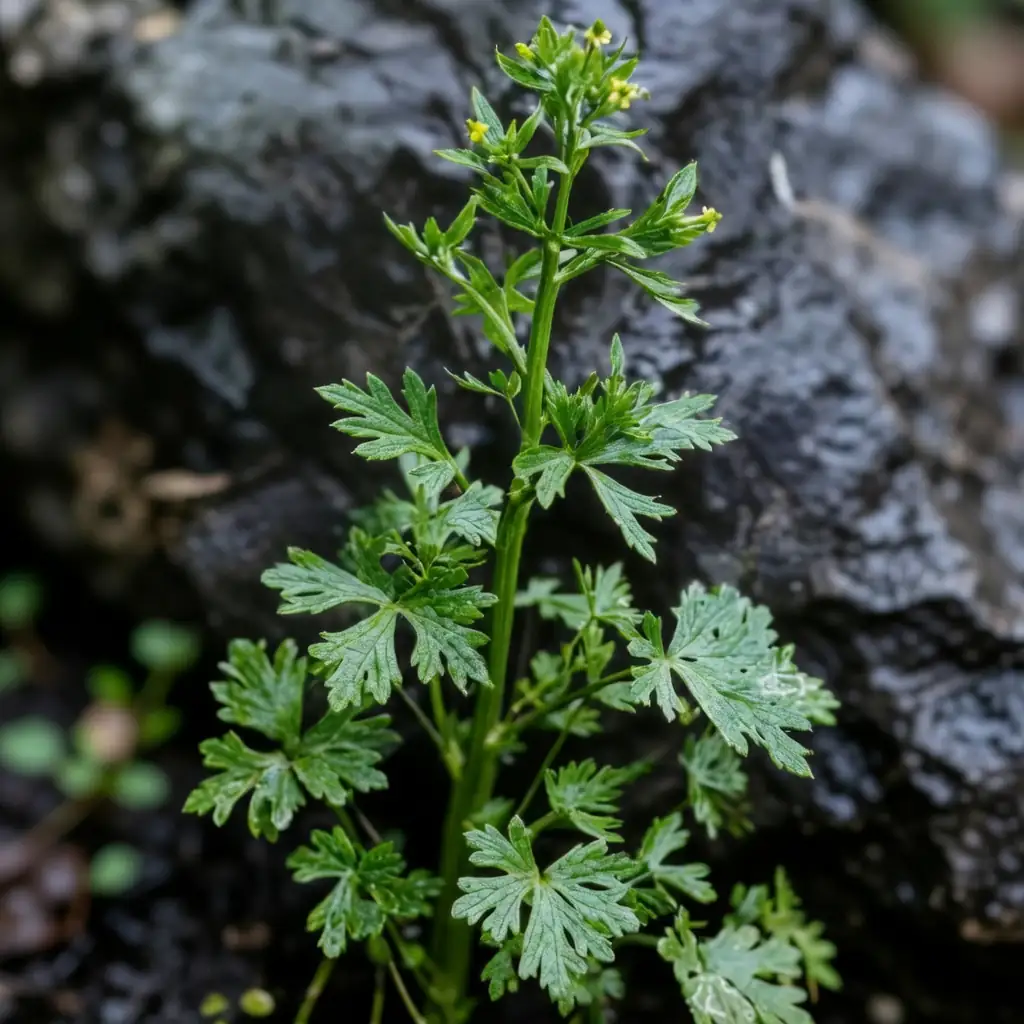
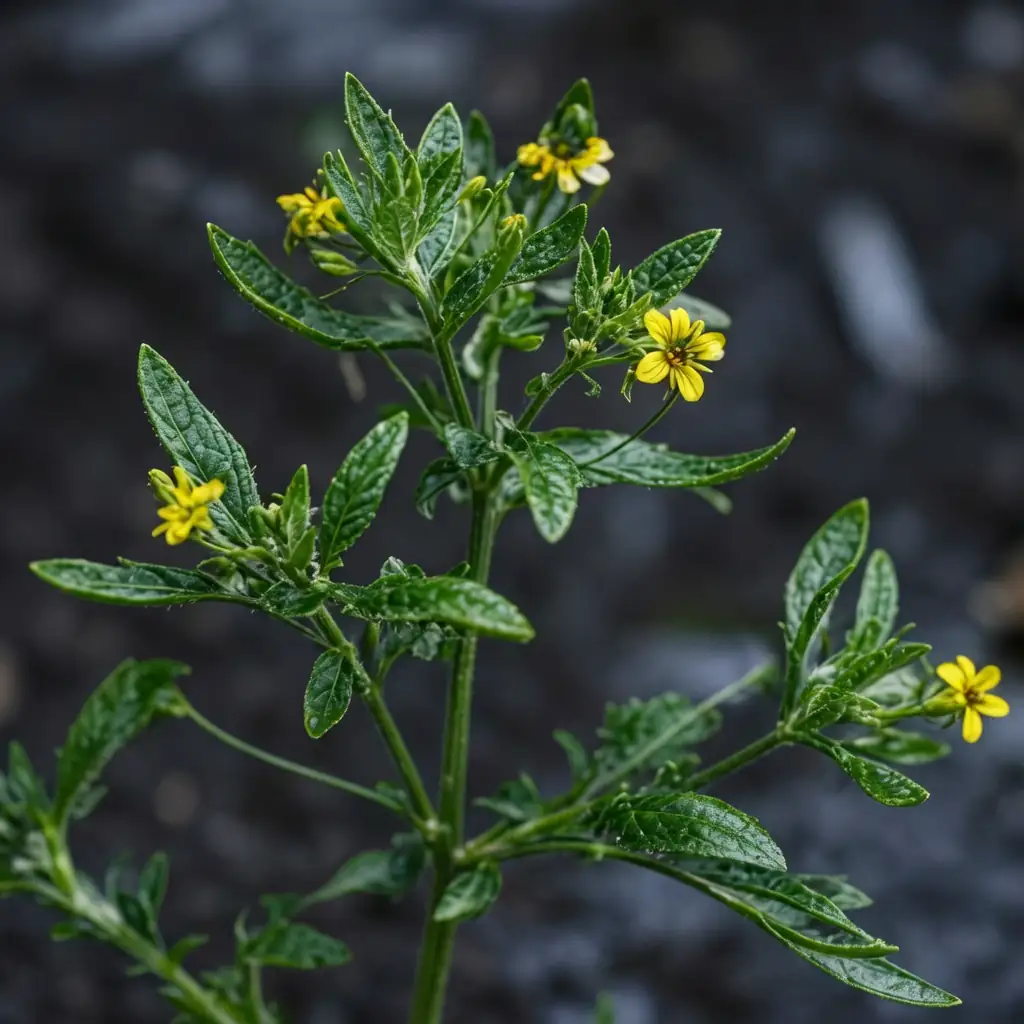
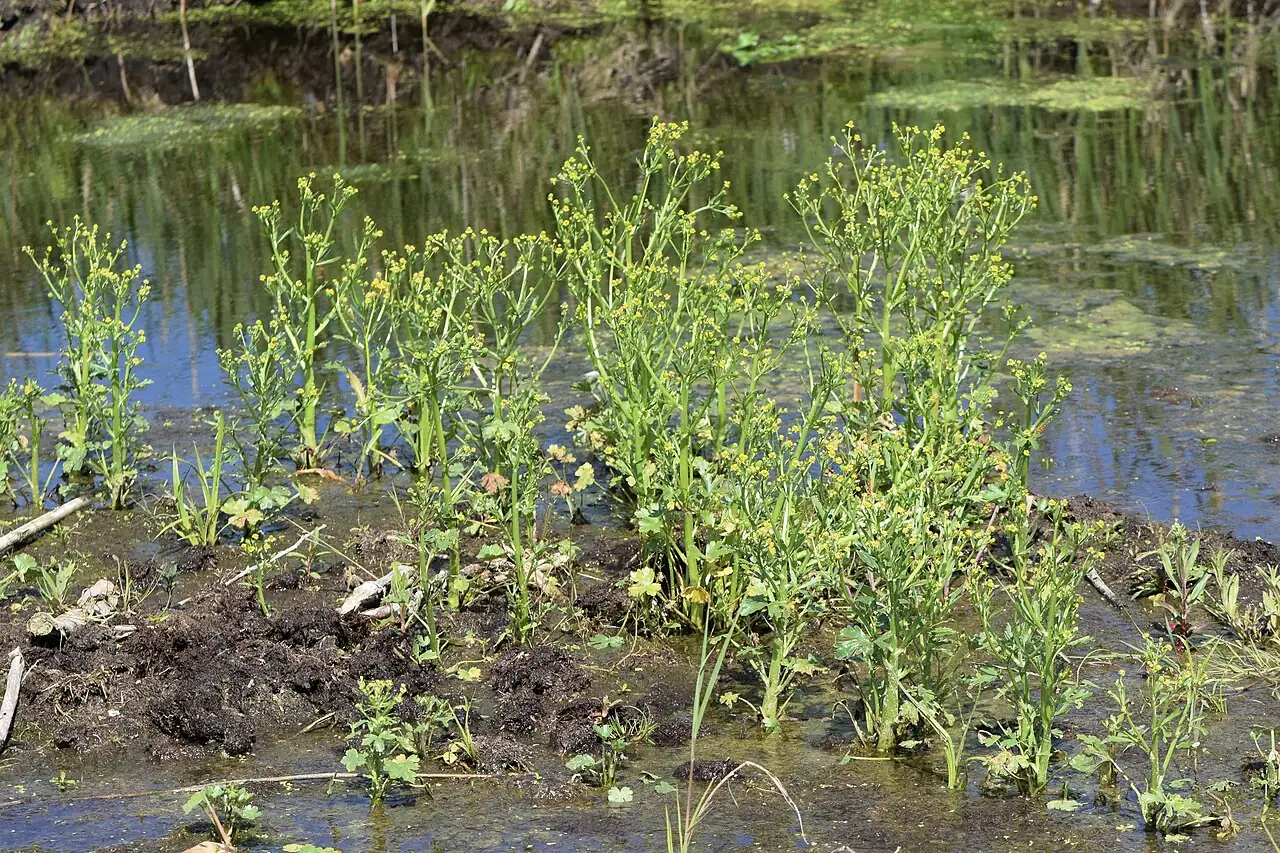
- Foliage: Basal leaves are divided into lobes, with the middle lobe often wedge- to diamond-shaped and the side lobes frequently obovate. Leaves up the stem become progressively smaller. Stems are usually hairless (or only sparsely, softly hairy), helping the plant keep a clean, smooth look even in wet conditions.
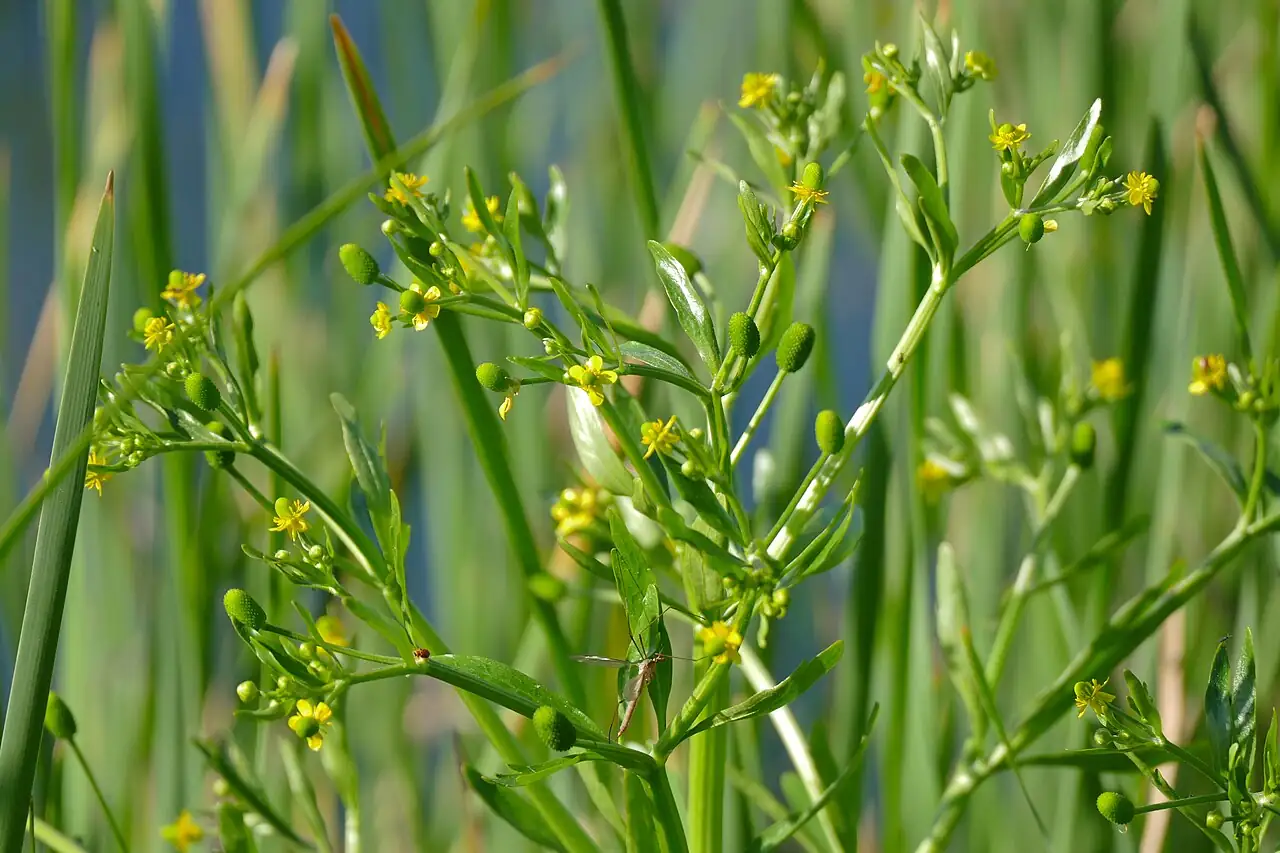
- Flower: Produces small, classic buttercup-style flowers, usually pale yellow. The flower receptacle can be softly hairy or hairless. After flowering it forms small achenes (seed-like fruits) that are obovoid to nearly spherical.
- Flowering Season: January–July
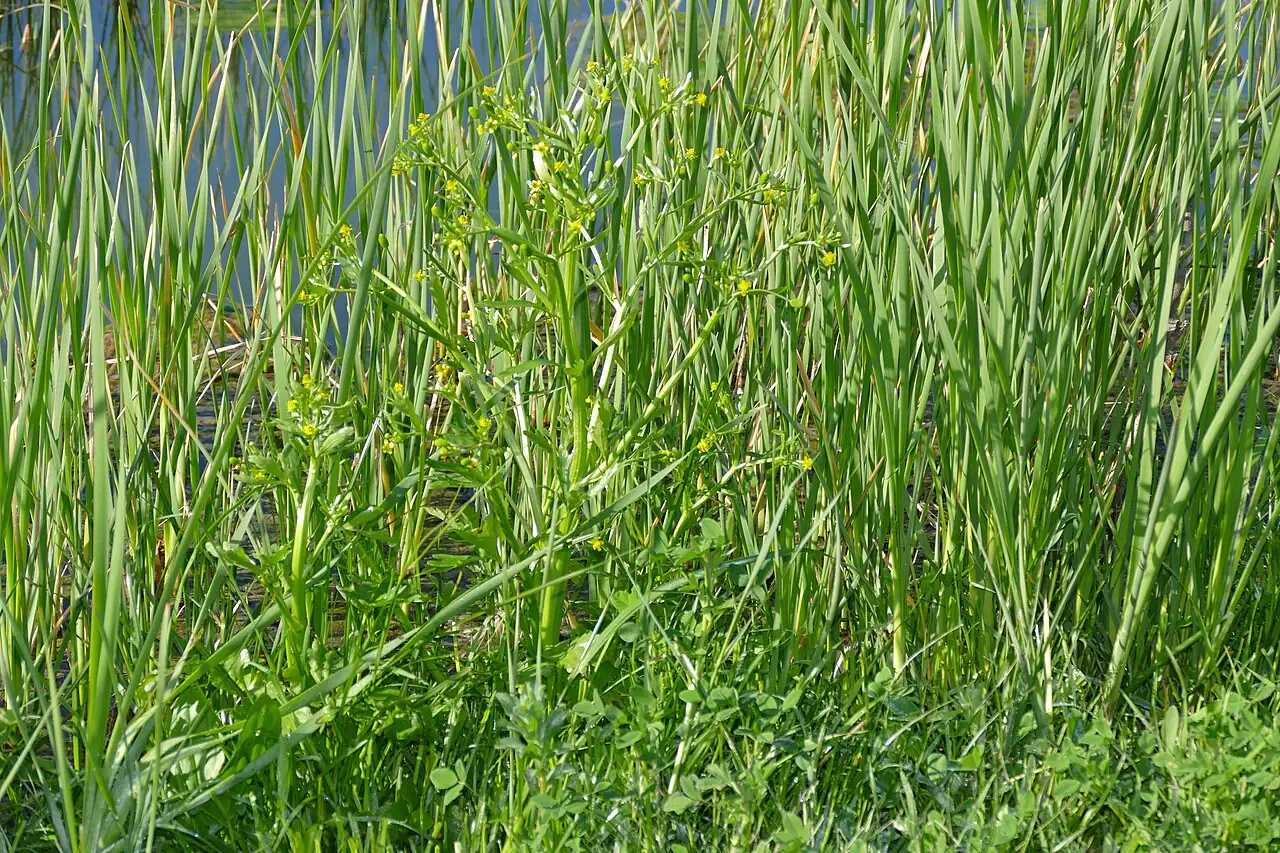
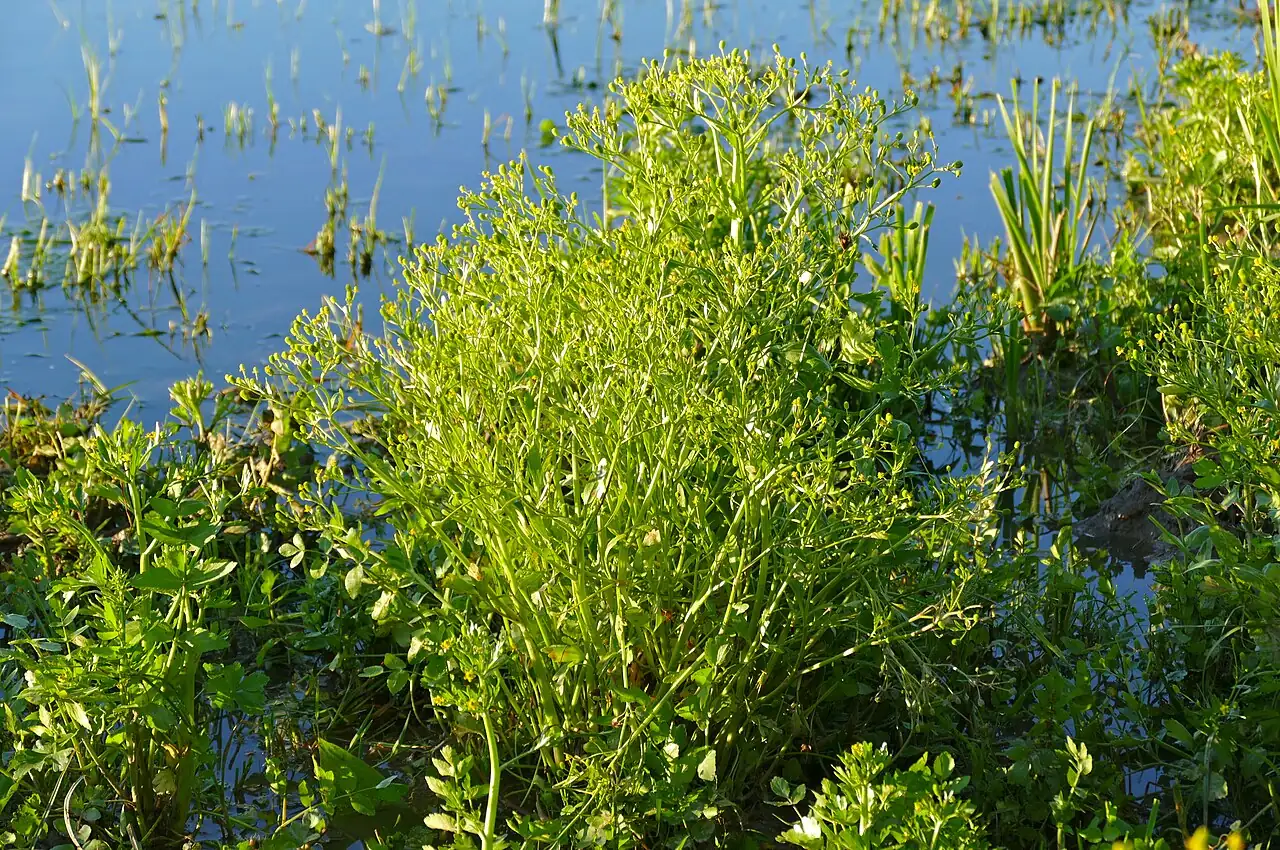
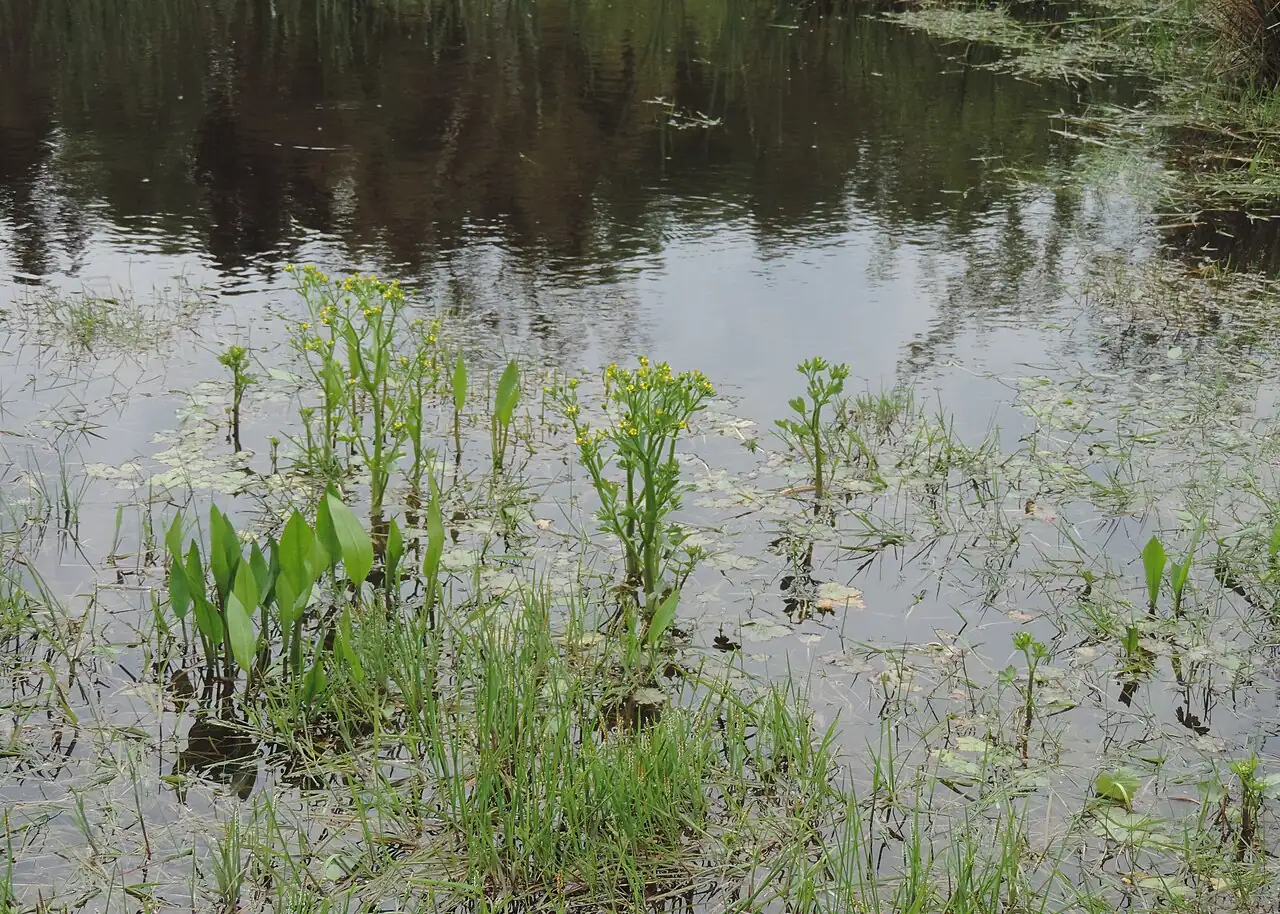
- Growth Habit: Annual herb; upright to low-growing, forming small clumps in wet ground and sometimes growing at the water’s edge.
Environment
Sunlight
Full sun to partial shade; brighter light generally encourages better flowering.
Temperature
Prefers mild to warm conditions; most active growth is typically around 15–25°C (59–77°F).
Humidity
Enjoys high moisture and humid, wetland-like conditions; tolerates waterlogged soil and can handle shallow standing water.
Soil
Rich, fertile, humus-heavy soil that stays consistently moist to wet; tolerates waterlogged conditions. In containers, use a moisture-retentive mix (not a fast-draining cactus-style mix).
Placement
Ideal for pond/stream margins, bog gardens, wet meadows, rain gardens, and other consistently moist sites; attractive planted in strips or bands along a waterline.
Hardiness
Temperate and often treated as an annual. If overwintering is attempted, protect from hard freezes below about -5°C (23°F), especially in exposed containers.
Care Guide
Difficulty
Easy when it never dries out; challenging in dry gardens or if watering is inconsistent.
Buying Guide
Pick plants with fresh green leaves and firm, upright stems. Avoid pots that have dried out or plants that look wilted from drought stress. For best results near water features, choose stock that has been grown in consistently moist conditions to reduce transplant shock.
Watering
Never let the soil dry. Keep the substrate evenly moist to wet at all times; in hot weather, check daily. Container plants can be grown with the pot standing in a shallow tray of water about 1–3 cm (0.4–1.2 in) deep if needed.
Fertilization
Usually minimal feeding is needed in fertile, humus-rich soil. If growth looks weak, use a dilute balanced fertilizer during active growth about every 3–4 weeks.
Pruning
Remove yellowing leaves and spent stems to keep it tidy and to reduce the chance of disease in humid, still-air conditions.
Propagation
Mostly grown from seed. Let plants set seed (fruiting typically May–August), then sow on moist soil and keep constantly damp until seedlings establish.
Repotting
For containers, repot in spring into a wider pot using a rich, moisture-retentive mix. Keep the crown at the same level and water thoroughly after repotting.
📅 Seasonal Care Calendar
Flowering is typically January–July; fruiting/seed set is usually May–August. Keep moisture constant throughout the growing season—drought is the main cause of failure.
Pests, Diseases & Safety
Common Pests & Diseases
In very wet, stagnant conditions it may develop fungal problems such as leaf spot or rot. Improve airflow, avoid overcrowding, and remove affected foliage promptly. Aphids can appear on soft new growth; rinse off with water or use insecticidal soap as needed.
Toxicity
Toxic if ingested. Fresh sap can irritate skin and mucous membranes (common in many Ranunculus species). Keep away from children and pets, and consider gloves if you have sensitive skin.
Culture & Symbolism
Uses: Mainly ornamental, especially for naturalistic, waterside plantings. It works as a small-scale groundcover for consistently wet areas and looks especially charming planted in loose bands along pond, ditch, or stream edges.
FAQ
When does it flower?
Typically from January to July, depending on local climate and site conditions.
When does it set fruit/seed?
Fruiting is usually from May to August.
How tall does it grow?
About 10–50 cm (4–20 in) tall.
Where does it naturally grow?
It is widespread in China and is commonly found in ditches, riverbanks, wet lowlands, marshes, wet meadows, beside rice paddies and streams, and sometimes in shallow water.
What soil and moisture does it need?
It prefers fertile, humus-rich soil that stays consistently moist to waterlogged. It strongly dislikes drying out.
Fun Facts
- It can handle extremely wet sites and may even grow in shallow standing water.
- Its finely divided leaves give it a delicate, lacy texture that stands out among many wetland plants.
- It’s a simple way to add a natural, “wild” edge to pond margins and rain gardens.