

Plant Features
- Size: Typically 10–30 cm (4–12 in) tall; spreads by bulbs to form dense clumps, often reaching about 20–60 cm (8–24 in) wide over time.
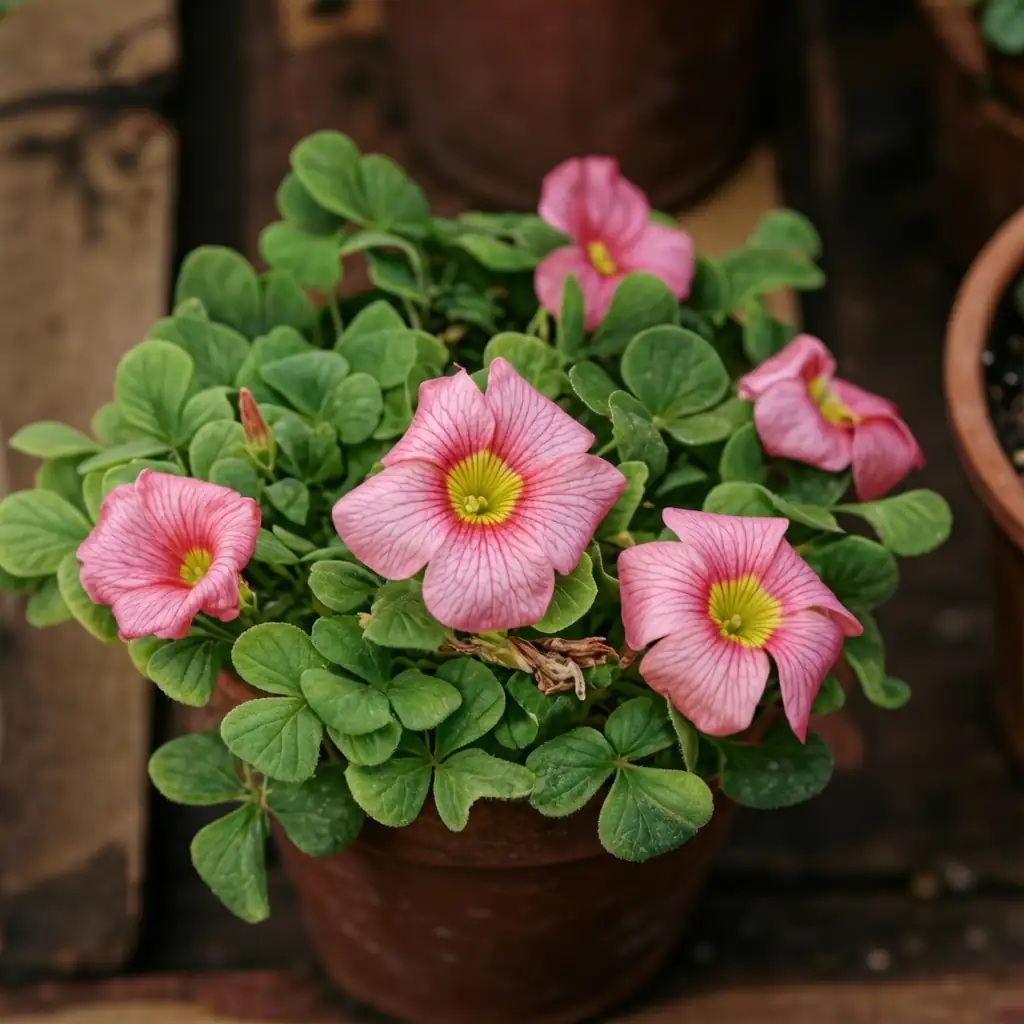
- Foliage: Bright green, shamrock-like leaves that look best when the plant is actively growing and filling the pot. If indoor air is very dry, light misting can help—just don’t keep foliage constantly wet, as that can encourage disease.
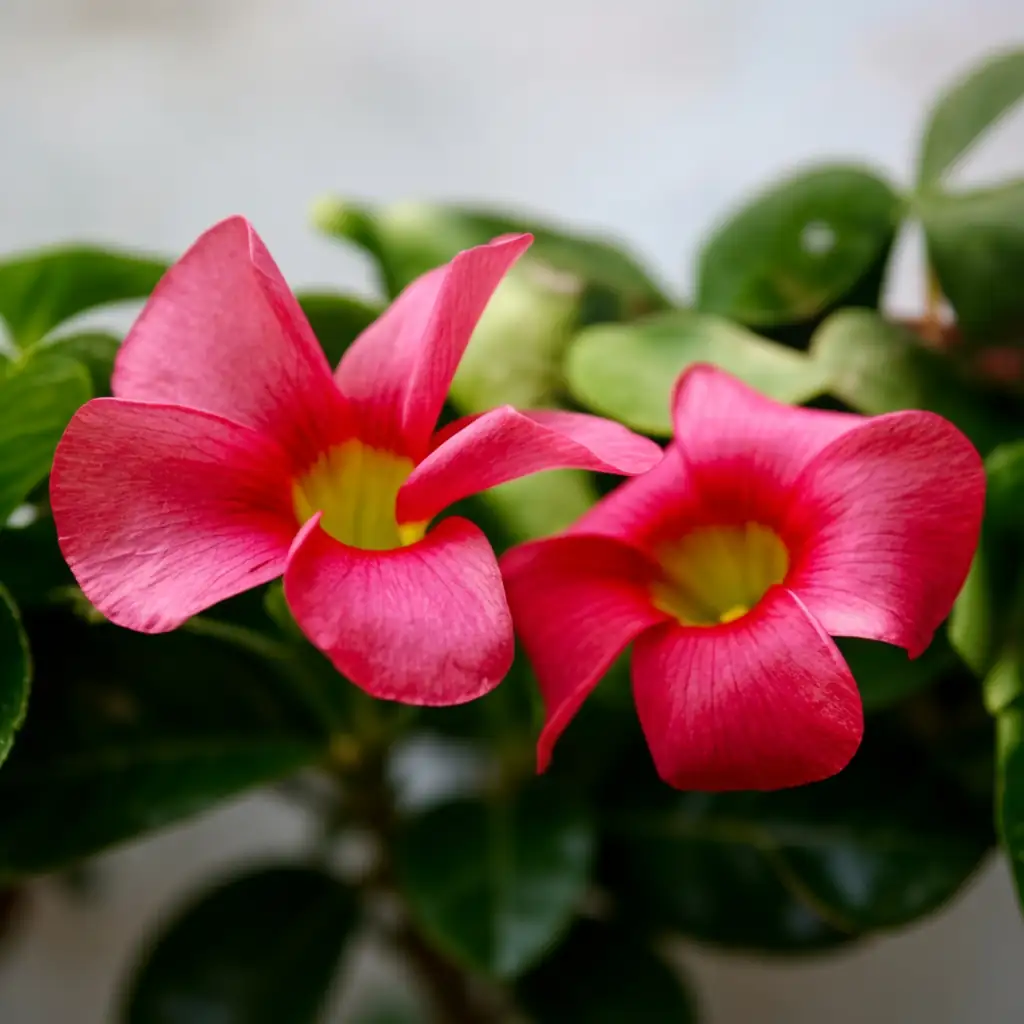
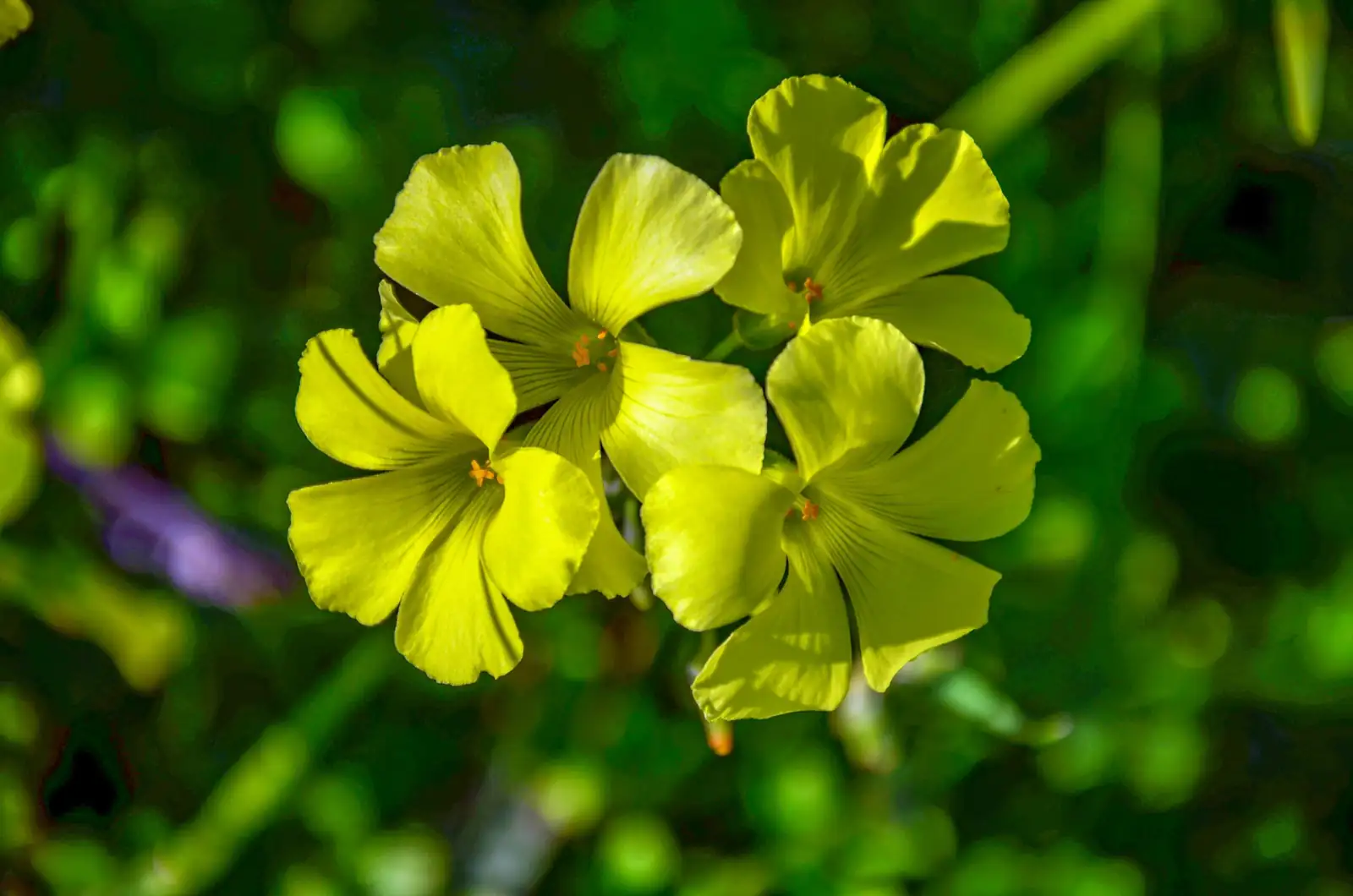
- Flower: Produces dense clusters of soft-looking, buttercup-style yellow blooms held above the foliage. Flowers are most abundant in bright light with good airflow; too much shade can mean few (or no) blooms. Avoid spraying water directly onto open flowers to prevent brown spotting.
- Flowering Season: Autumn to spring (fall through spring).
- Growth Habit: Bulbous perennial that forms tight, spreading clumps; often grown as a pot plant or used as a seasonal groundcover in mild-winter areas.
Environment
Sunlight
Full sun to very bright light; tolerates partial shade but blooms best with stronger light. For the longest flowering display, give it bright light and good ventilation.
Temperature
Best growth in mild warmth around 20–28°C (68–82°F). Avoid hot, very dry heat. Established plants can tolerate brief cold down to about -5°C (23°F), but potted plants should be protected from hard freezes.
Humidity
Average household humidity is usually fine. If conditions are extremely dry, lightly mist the leaves (not the flowers).
Soil
Free-draining, airy mix to prevent rot—e.g., a peat-based potting mix amended with perlite and vermiculite (or similar drainage-boosting materials).
Placement
Indoors: bright windowsill with airflow. Outdoors: sunny balcony/patio, or in beds/borders/planters as a flowering groundcover where winters are mild.
Hardiness
Roughly USDA Zone 9–11 (varies with winter wetness and exposure); tolerate light freezes but not prolonged hard frost in pots.
Care Guide
Difficulty
Easy; very vigorous and multiplies quickly from bulbs.
Buying Guide
For potted plants, look for rich green foliage that fills the pot, plenty of buds, and ideally 2–3 open flowers; avoid plants with damage or signs of pests/disease. For bulbs, choose clean, plump, firm bulbs with visible growth points (“eyes”), no rot/blemishes, and a circumference of about 3–4 cm (1.2–1.6 in) or more.
Watering
During active growth, keep the mix evenly moist but never soggy. In summer dormancy, cut back—keep soil only slightly moist. If air is very dry, lightly mist foliage. Do not spray water onto flowers while blooming to avoid petal spotting.
Fertilization
Feed every 2 weeks during active growth with a balanced fertilizer (or very dilute organic feed). When flower stems start to appear, one application a bit higher in phosphorus and potassium can support blooming. Stop fertilizing during dormancy.
Pruning
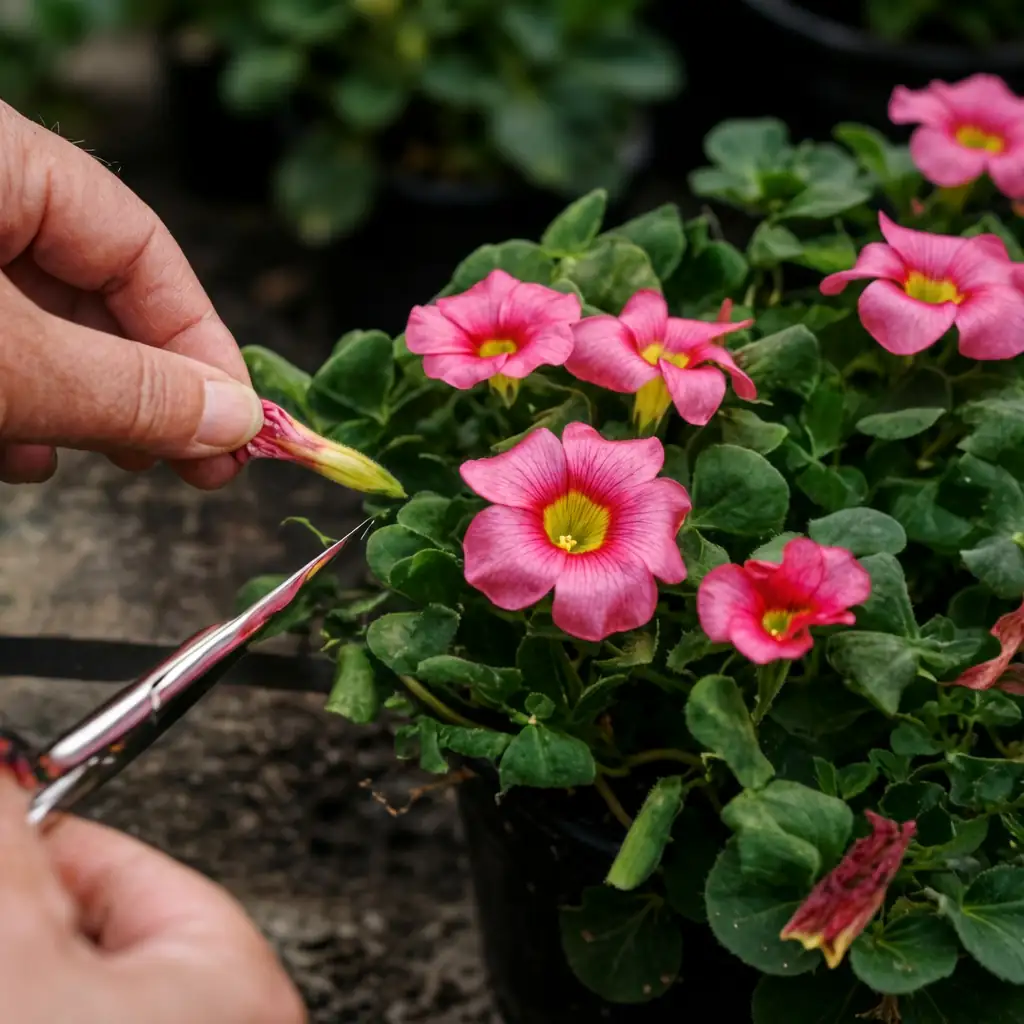
Remove yellowing/dead leaves as needed. After flowering, pinch off spent blooms to keep the plant neat and encourage continued tidiness (and reduce mess).
Propagation
Mostly by bulb division: detach the small offset bulbs around the mother bulb and pot them up. Plant offsets about 4–5 cm (1.6–2.0 in) deep. Bulbs can also be cut into sections as long as each piece has at least one growth point; plant sections about 2–3 cm (0.8–1.2 in) deep. New leaves often appear in about 1 month, and spring-planted bulbs may flower within the same year.
Repotting
A pot around 15–20 cm (6–8 in) wide suits a small planting; place about 1–3 bulbs per pot. Typical planting depth is about 2–3 cm (0.8–1.2 in) in a free-draining peat/perlite/vermiculite-style mix.
📅 Seasonal Care Calendar
Fall–spring (active growth): keep evenly moist, fertilize every 2 weeks, and remove yellow leaves/spent flowers. When flower stems appear: apply one phosphorus/potassium-leaning feed. Summer (dormancy): reduce watering to slightly moist and stop fertilizing. Spring: bulbs potted in spring often bloom within the year.
Pests, Diseases & Safety
Common Pests & Diseases
Can develop gray mold (Botrytis), leaf spot, and root rot—improve airflow, avoid wetting blooms, and prevent waterlogged soil. In hot, dry weather, spider mites may cause yellowing and leaf dieback; raise humidity around the plant and treat with insecticidal soap/horticultural oil or a suitable miticide, following label directions.
Toxicity
Contains oxalates; mildly to moderately toxic if eaten, especially for pets (cats/dogs) and grazing animals. Possible symptoms include drooling, vomiting, and stomach upset. Keep bulbs and foliage away from children and pets.
Culture & Symbolism
Symbolism: Often linked with “good luck” thanks to its shamrock-like leaves—though it isn’t the true Irish shamrock.
History & Legends: Native to South Africa and widely naturalized in other parts of the world. Because it spreads readily by bulbs, it’s considered invasive in some regions and can be difficult to eradicate once established.
Uses: Popular as a potted flowering plant and as a seasonal groundcover for bedding displays, borders, and planter boxes in mild-winter climates.
FAQ
How do I choose a good potted oxalis or bulbs?
Choose pots with dense, bright green foliage and lots of buds—bonus if 2–3 flowers are already open—and avoid any signs of pests or disease. For bulbs, pick ones that are firm, plump, clean, and show visible growth points (“eyes”); avoid soft spots or rot. A circumference of about 3–4 cm (1.2–1.6 in) or larger is a solid benchmark.
Where should I place it at home, and how should I care for it after purchase?
Give it very bright light and good airflow (a sunny windowsill, balcony, or patio). Keep the mix evenly moist during active growth. If indoor air is very dry, lightly mist the leaves—but don’t spray open flowers, as they can spot.
Fun Facts
- Its bulbs have multiple growth points—so even small bulb pieces with an “eye” can sprout, often pushing new leaves in about 1 month.
- Bulbs potted in spring often bloom within the same year.
- Once established it can handle some drought, but hot, very dry conditions (especially in pots) can still stress it.


