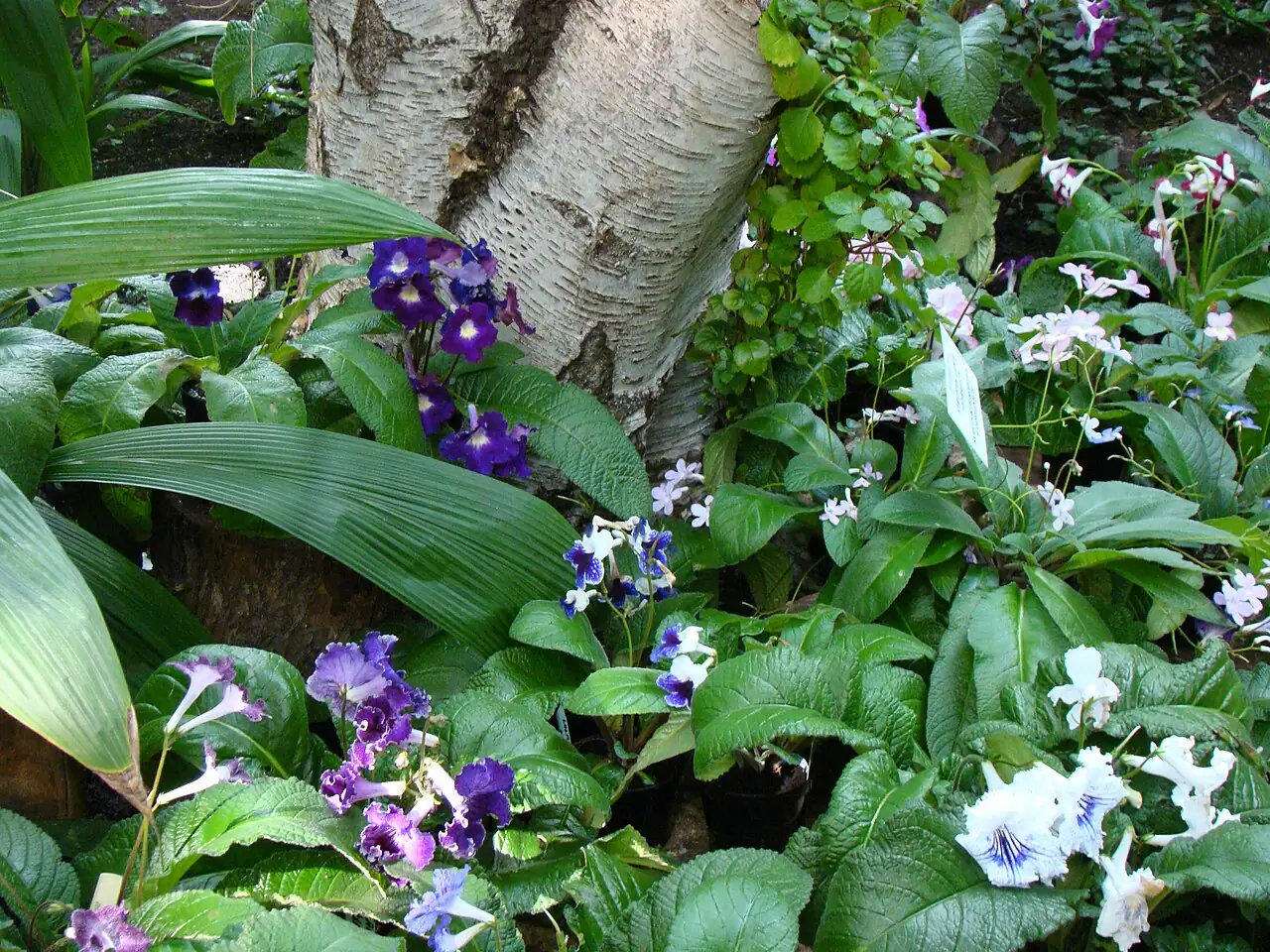
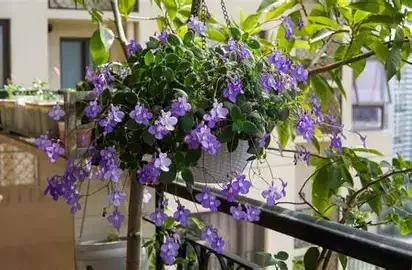

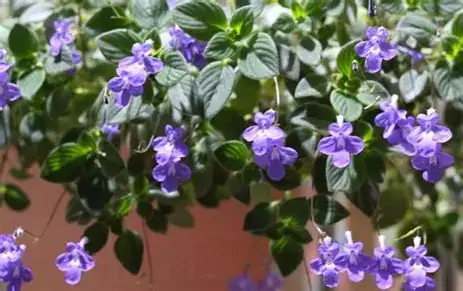
Plant Features
- Size: Typically up to about 60 × 60 cm (24 × 24 in) in a pot, depending on cultivar and growing conditions.
- Foliage: A basal clump/rosette of lance-shaped, softly textured, wrinkled green leaves.
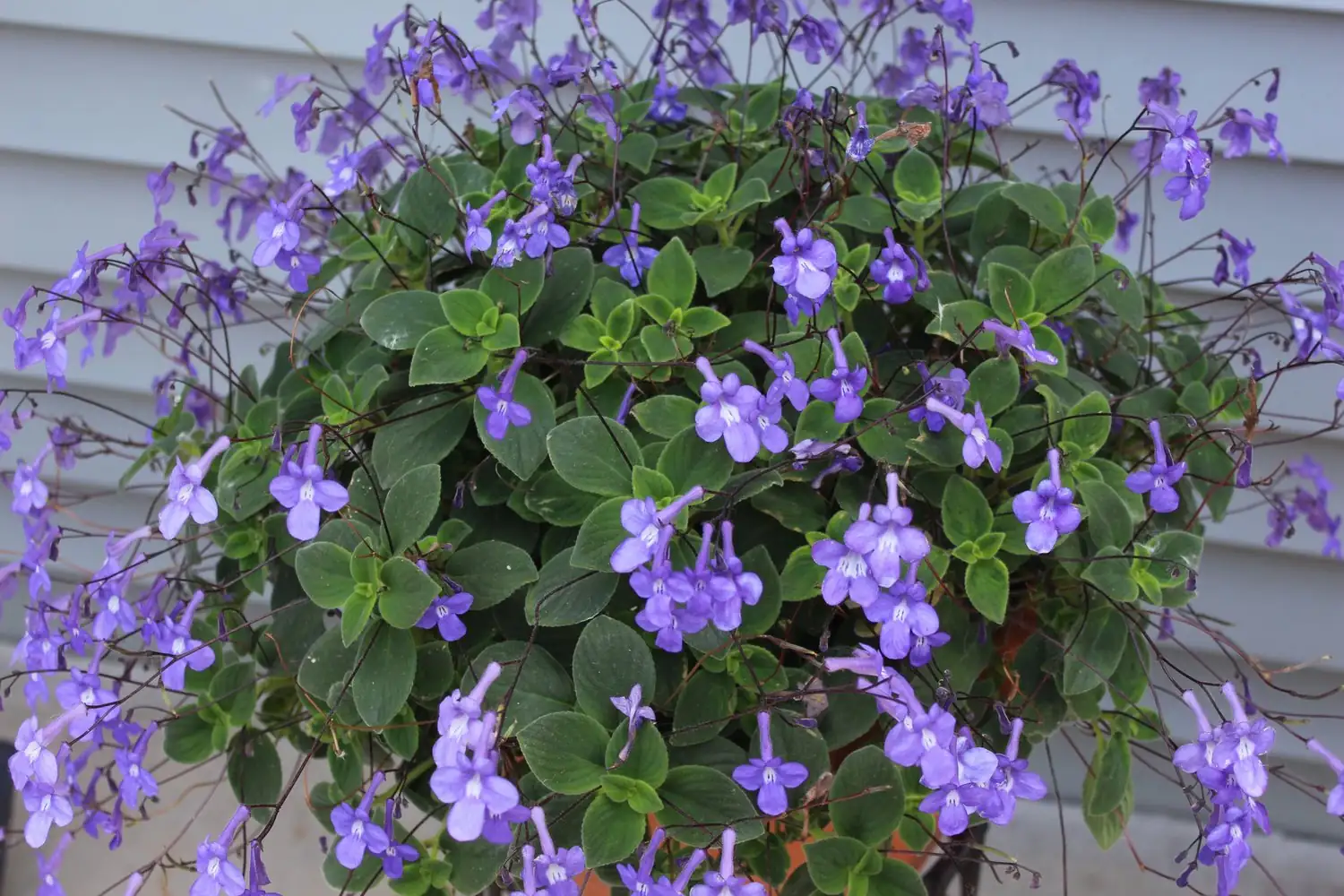
- Flower: Trumpet- to funnel-shaped, velvety flowers held on slender stems above the foliage. Colors commonly include white, pink, red, blue, and purple; many cultivars are bicolored or have striking patterned throats.
- Flowering Season: Usually spring through autumn; some cultivars can flower in winter with sufficient light.
- Growth Habit: Compact, rosette-forming plant with upright flower stalks.
Environment
Sunlight
Bright, indirect light to part sun/part shade. An east window is ideal; a lightly shaded south/west window also works. In winter, moving it to a brighter spot with more direct sun can help maintain flowering.
Temperature
12–24°C (54–75°F).
Humidity
Moderate household humidity is usually fine. Avoid very dry air, and also avoid hot, stagnant conditions.
Soil
A free-draining houseplant mix (or general-purpose potting mix) amended for drainage—e.g., with perlite—so water never sits around the roots/crown.
Placement
A bright indoor spot, especially a windowsill. Provide light shade from harsh summer sun, and consider a brighter windowsill in winter to support blooms.
Hardiness
Tender; not frost hardy. Generally suitable outdoors year-round only in frost-free climates (about USDA Zone 10–12).
Care Guide
Difficulty
Easy—especially if you focus on bright light and avoid soggy soil.
Buying Guide
Pick a plant with firm, unblemished leaves and several buds. Avoid waterlogged pots, sour smells, or any soft/blackened area at the crown (a common early sign of rot).
Watering
Water from the top or bottom. For bottom-watering, stand the pot in a tray of water for about 20 minutes, then remove it and let it drain completely. From spring to autumn, water when the surface of the mix feels dry. In winter, reduce watering so the mix becomes almost dry between waterings. Overwatering and poor drainage are the quickest routes to root/crown rot.
Fertilization
From spring to autumn, feed about once a month with a high-potassium fertilizer formulated for flowering plants, following label directions.
Pruning
Remove spent flower stems as blooms fade. In spring, as fresh leaves appear, trim away older tired leaves to tidy the plant and improve airflow.
Propagation
Most commonly by leaf cuttings (including leaf sections). Mature clumps can also be divided during repotting.
Repotting
Typically grown in a 10–15 cm (4–6 in) pot in a well-draining mix. Repot each spring into a slightly larger pot, but keep it a little pot-bound (lightly root-restricted) to encourage better flowering.
📅 Seasonal Care Calendar
Spring–autumn: water when the surface dries; feed monthly; deadhead and remove older leaves; repot in spring. Winter: water sparingly (nearly dry between waterings) and move to a brighter window with more direct sun during the day if flowering slows.
Pests, Diseases & Safety
Common Pests & Diseases
Most problems come from overwatering—root/crown rot is the big one, especially in heavy soil or if water lingers around the crown. Pests can include mealybugs, aphids, and spider mites. Good airflow and careful watering (avoiding repeated soaking of the crown) help prevent issues.
Toxicity
Generally regarded as non-toxic to cats and dogs, though chewing/ingestion may still cause mild stomach upset in some pets.
Culture & Symbolism
Uses: Primarily an ornamental flowering houseplant—excellent for bright windowsills and indoor color, and capable of blooming for years with steady care.
FAQ
How should I water a Cape primrose?
Water from the top or bottom. For bottom-watering, place the pot in a tray of water for about 20 minutes, then remove and let it drain well. From spring to autumn, water when the surface of the potting mix is dry. In winter, reduce watering so the mix becomes almost dry between waterings. Overwatering can lead to root rot.
What light does it need?
Bright, indirect light is ideal, though it can handle part sun/part shade. An east window is great. In winter, moving it to a brighter windowsill with more direct sun can help keep it blooming.
When should I fertilize?
Feed from spring through autumn, about once a month, using a high-potassium fertilizer for flowering plants.
How do I prune it?
Snip off flower stems as blooms fade. In spring, remove older leaves as fresh new growth begins to keep the plant open and tidy.
When should I repot, and what soil/pot size is best?
Repot in spring, moving up only slightly in pot size. A 10–15 cm (4–6 in) pot is typical. Use a free-draining houseplant mix (often improved with perlite) and keep the plant a little root-restricted for best flowering.
Fun Facts
- Many modern Streptocarpus hybrids are bred for extra-long flowering and can bloom almost year-round with strong indoor light.
- A single leaf can be turned into several new plants via leaf cuttings, which is why Cape primroses are so popular for sharing.