

Plant Features
- Size: Typically up to about 60 cm (24 in) tall, with a spread commonly around 30–60 cm (12–24 in), depending on conditions and cultivar.
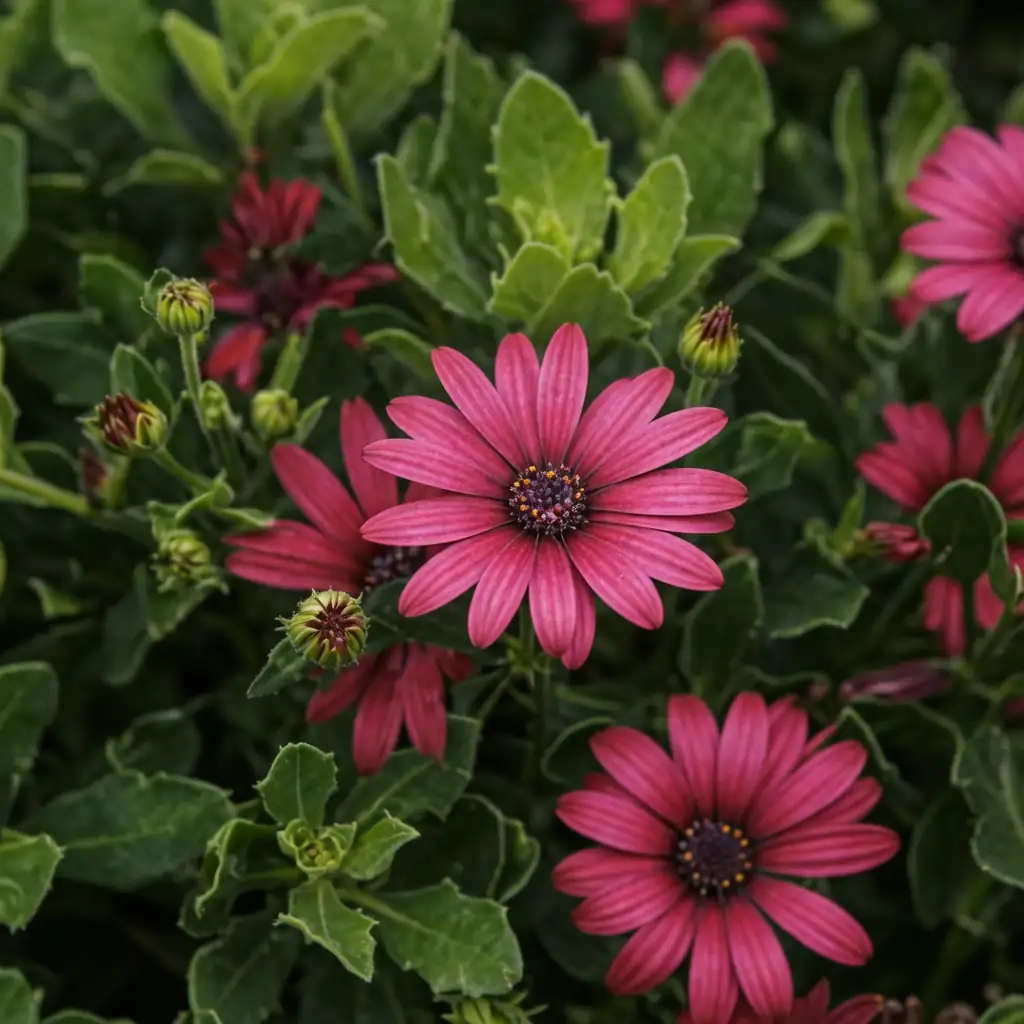
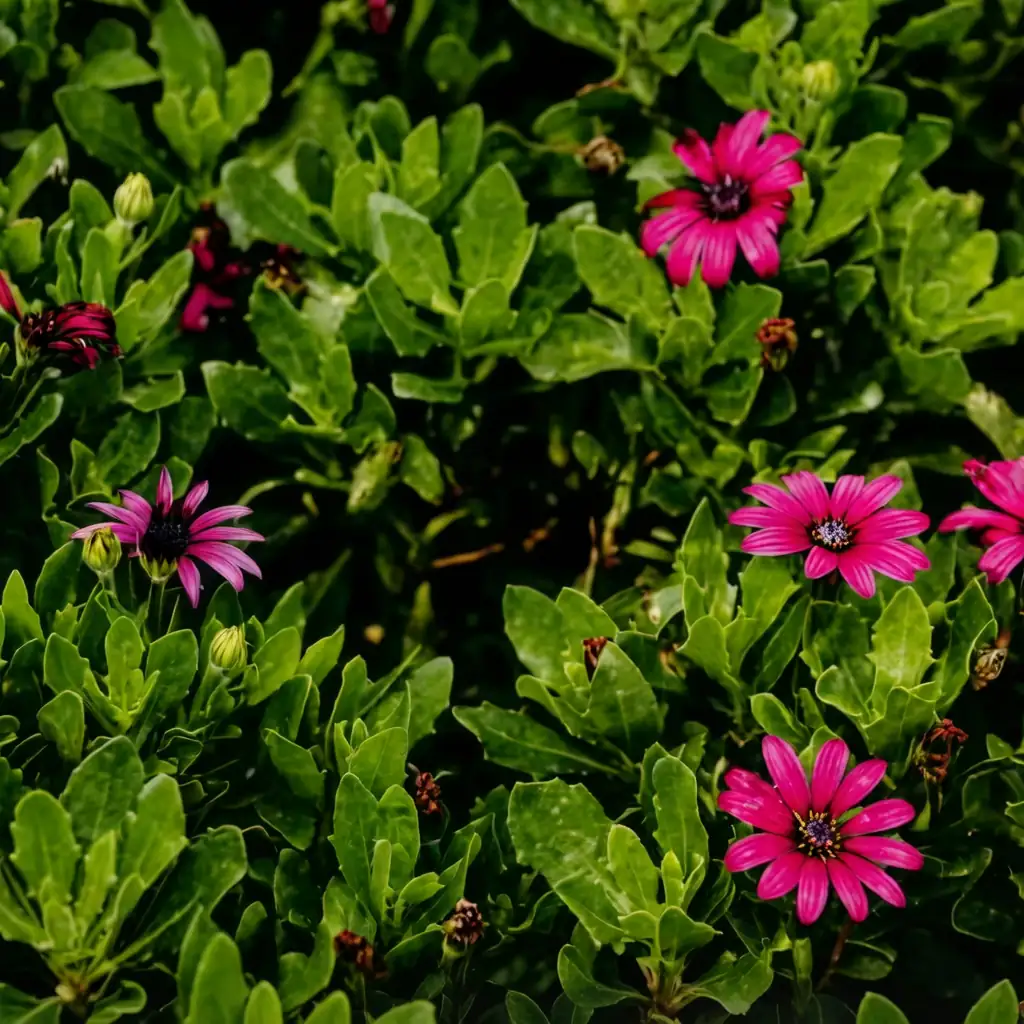
- Foliage: Basal leaves gather into a low clump, while stem leaves are alternate. Leaves are often lobed (sometimes nearly entire with slight teeth) and can show a soft, pale fuzz—especially when young—giving the plant a slightly velvety look.
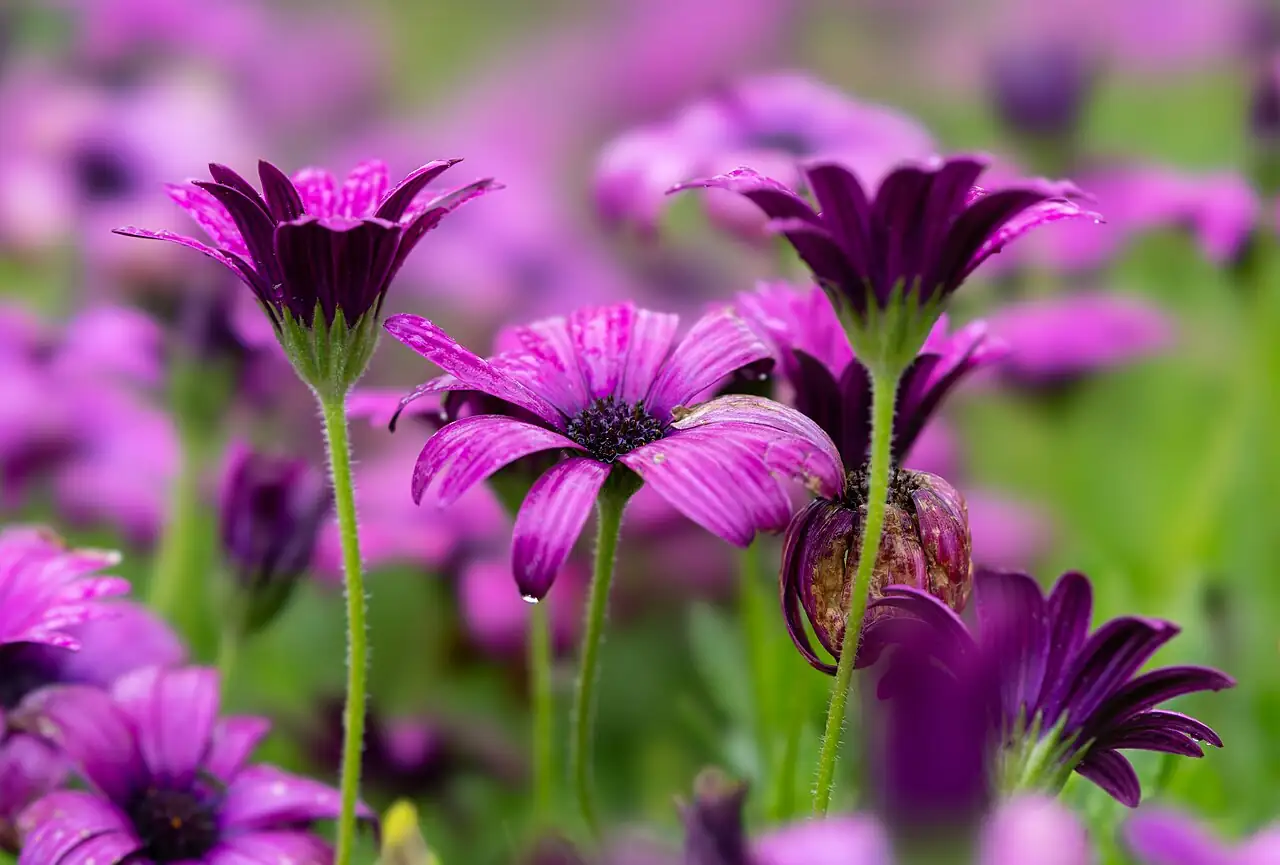
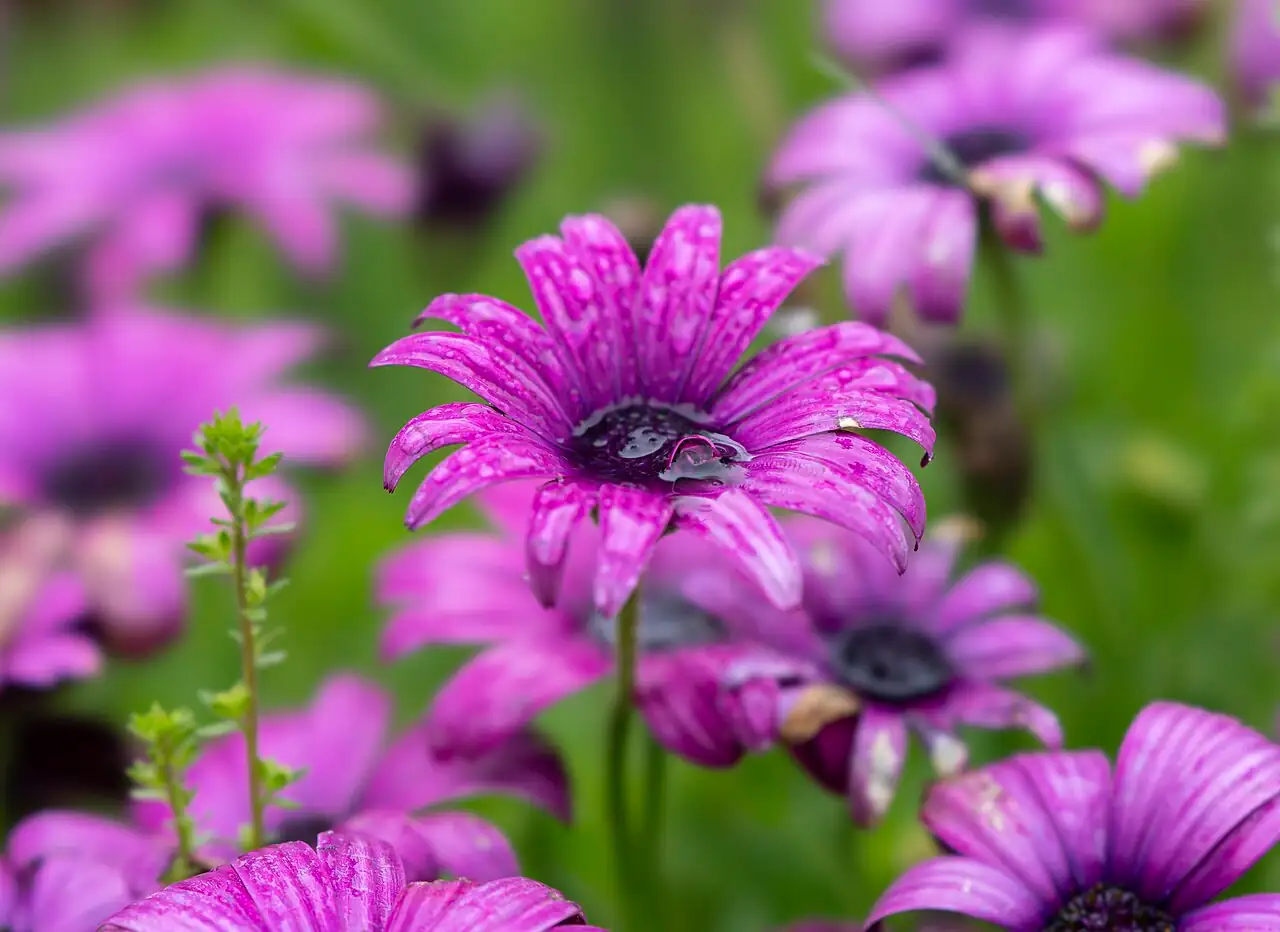
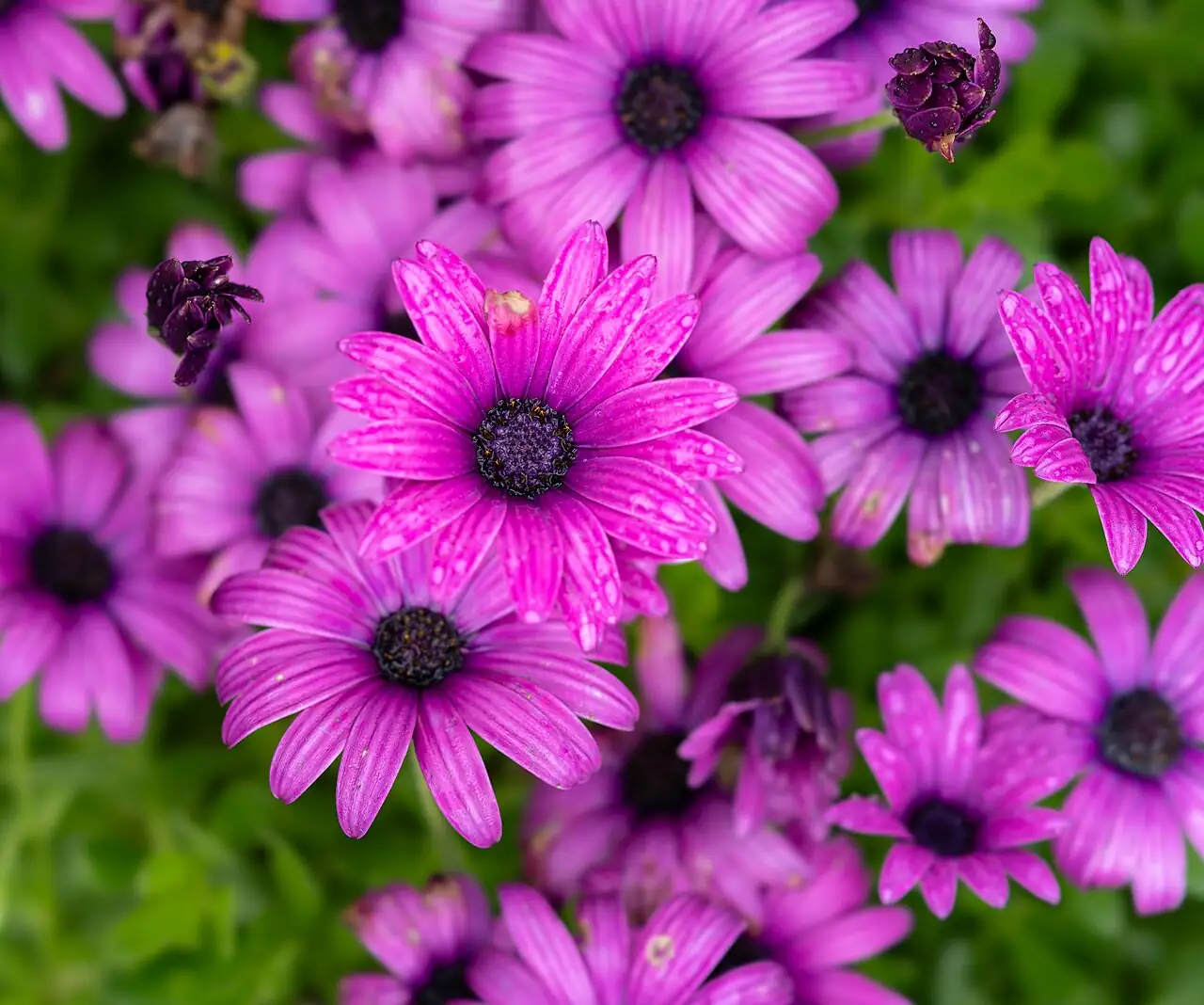
- Flower: Classic daisy-shaped blooms with white ray florets that often have pointed tips; the reverse of the petals may show a pale lilac tint. The central disc is a striking blue to blue‑violet. Cultivated forms may be single or double-flowered.
- Flowering Season: Summer to autumn
- Growth Habit: Clump-forming herbaceous perennial that is tender and frequently grown as an annual in cooler climates.
Environment
Sunlight
Full sun for the strongest growth and best flowering; tolerates light shade but blooms less.
Temperature
Grows best around 18–26°C (64–79°F). Not frost-hardy—protect from cold snaps; also dislikes prolonged extremes of heat.
Humidity
Does best in average outdoor humidity with good air circulation; avoid persistently damp, stagnant conditions.
Soil
Well-drained soil is essential. Sandy or gritty, free-draining mixes are ideal; avoid heavy, waterlogged sites to prevent rot.
Placement
Ideal for sunny beds, borders, and mass plantings; excellent in pots and patio containers. Also suits bright, open naturalistic areas (such as lawns or sunny woodland edges) where drainage is reliable.
Hardiness
Tender perennial; typically USDA Zone 9–11. Protect from frost.
Care Guide
Difficulty
Easy to moderate: very rewarding in sun and free-draining soil, but it strongly dislikes frost and soggy conditions.
Buying Guide
Pick compact, bushy plants with healthy grey-green foliage and no soft stems or signs of rot. Avoid leggy, stretched plants. Check new growth and buds for aphids, and be wary of pots that stay constantly wet.
Watering
Water regularly while establishing. After that, let the top layer of soil dry slightly between waterings. For containers, water thoroughly until it drains from the bottom, then empty saucers—never let the pot sit in water.
Fertilization
Feed lightly during active growth. Use a balanced fertilizer at half strength every 2–4 weeks, or apply a slow-release fertilizer. Avoid heavy nitrogen feeding, which can push leafy growth at the expense of flowers.
Pruning
Deadhead spent blooms to keep flowers coming. Pinch or lightly trim leggy stems to encourage branching and a fuller, tidier mound.
Propagation
Most commonly grown from seed; also possible from softwood cuttings in warm conditions. Sow seeds in spring after frost danger has passed, or start earlier under protection for earlier blooms.
Repotting
For container plants, repot in spring into a free-draining mix and a pot with drainage holes. Move up only one pot size to reduce the risk of overly wet soil.
📅 Seasonal Care Calendar
Spring: sow seeds or plant out after frost; pinch tips for bushiness. Summer: deadhead often; water during dry spells; light feeding. Autumn: continue deadheading; protect from early chills. Winter: in cold regions treat as an annual, or overwinter frost-free with very light watering.
Pests, Diseases & Safety
Common Pests & Diseases
Can attract aphids, whiteflies, and spider mites (especially during hot, dry weather). Poor drainage can cause root or crown rot. Prevent problems with airy spacing, bright sun, and careful watering; remove badly infested growth and use insecticidal soap if needed.
Toxicity
Not widely reported as toxic to people or pets, though chewing or ingestion may still cause mild stomach upset. It’s best to discourage pets from snacking on it.
Culture & Symbolism
Symbolism: Often linked with cheerful optimism and that “sunny garden” feeling—thanks to its bright daisy face and vivid central eye.
History & Legends: A South African native that became a popular ornamental bedding plant worldwide. The genus name Dimorphotheca refers to the plant’s ability to produce different types of seeds—a detail that fascinated early botanists.
Uses: Grown mainly for ornament: mass planting in beds and borders, brightening up mixed plantings, and adding long-lasting color to pots and patio containers. It also works well in naturalistic-style plantings where conditions are sunny and well-drained.
FAQ
When does Cape marguerite bloom?
It typically blooms from summer into autumn, especially with full sun and regular deadheading.
Where is Cape marguerite native to?
South Africa.
What temperatures suit Cape marguerite best?
About 18–26°C (64–79°F). It isn’t frost-hardy, so protect it from cold weather.
Where should I plant Cape marguerite?
Choose a sunny spot with excellent drainage—perfect for beds, borders, mass plantings, and containers.
Fun Facts
- The flowers can look subtly two-toned: white on top with a pale lilac tint on the reverse, plus a vivid blue‑violet center.
- Young leaves often have a soft, whitish fuzz that gives the foliage a gentle, velvety feel.
- Under good conditions it can reach around 60 cm (24 in) tall.
- It’s commonly sold as African Daisy or Cape Daisy, but its signature “blue eye” helps set it apart.


