

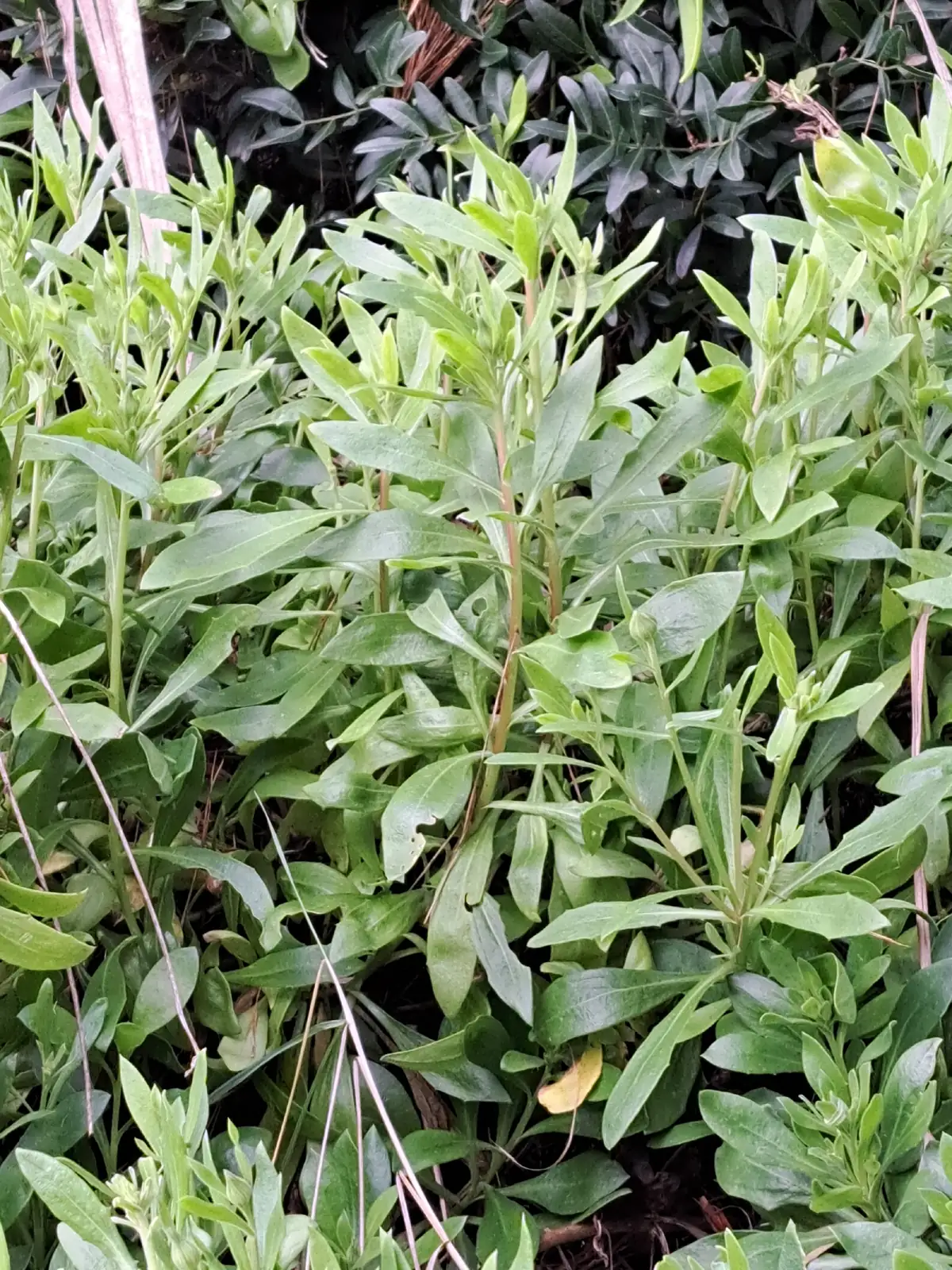
Plant Features
- Size: Typically 25–45 cm (10–18 in) tall and 30–60 cm (12–24 in) wide, depending on growing conditions and pot size.
- Foliage: Evergreen to semi-evergreen in mild climates. Leaves are medium green, slightly fleshy, and usually narrow to spoon-shaped with lightly toothed edges.
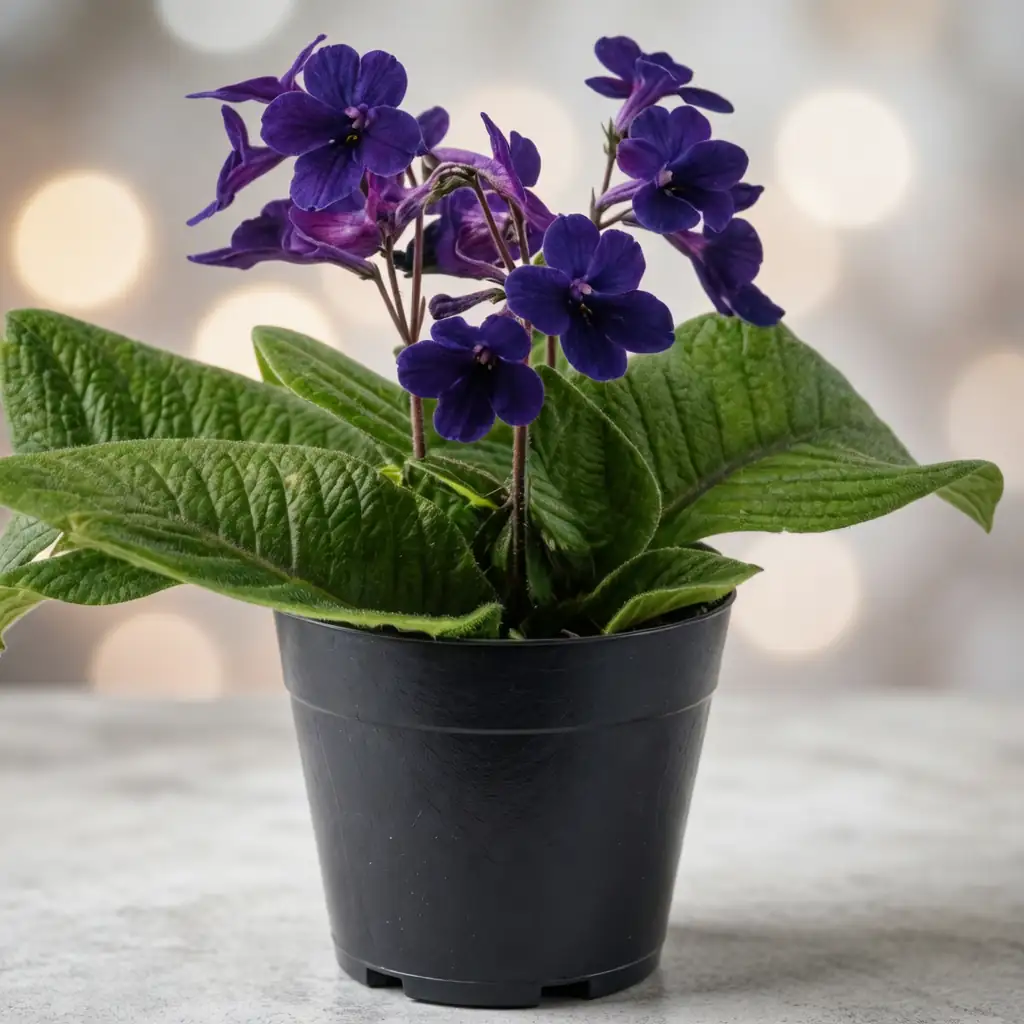
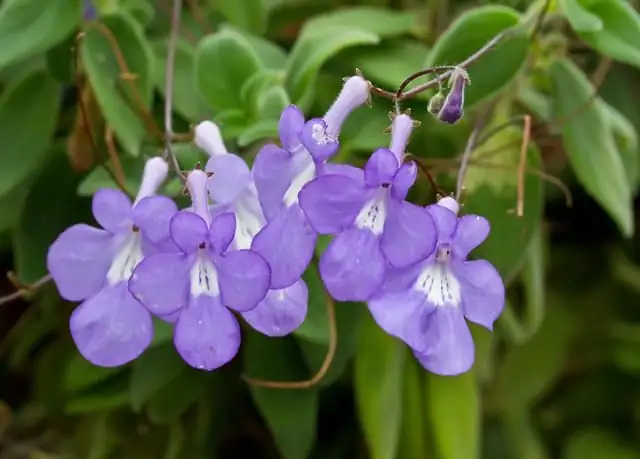
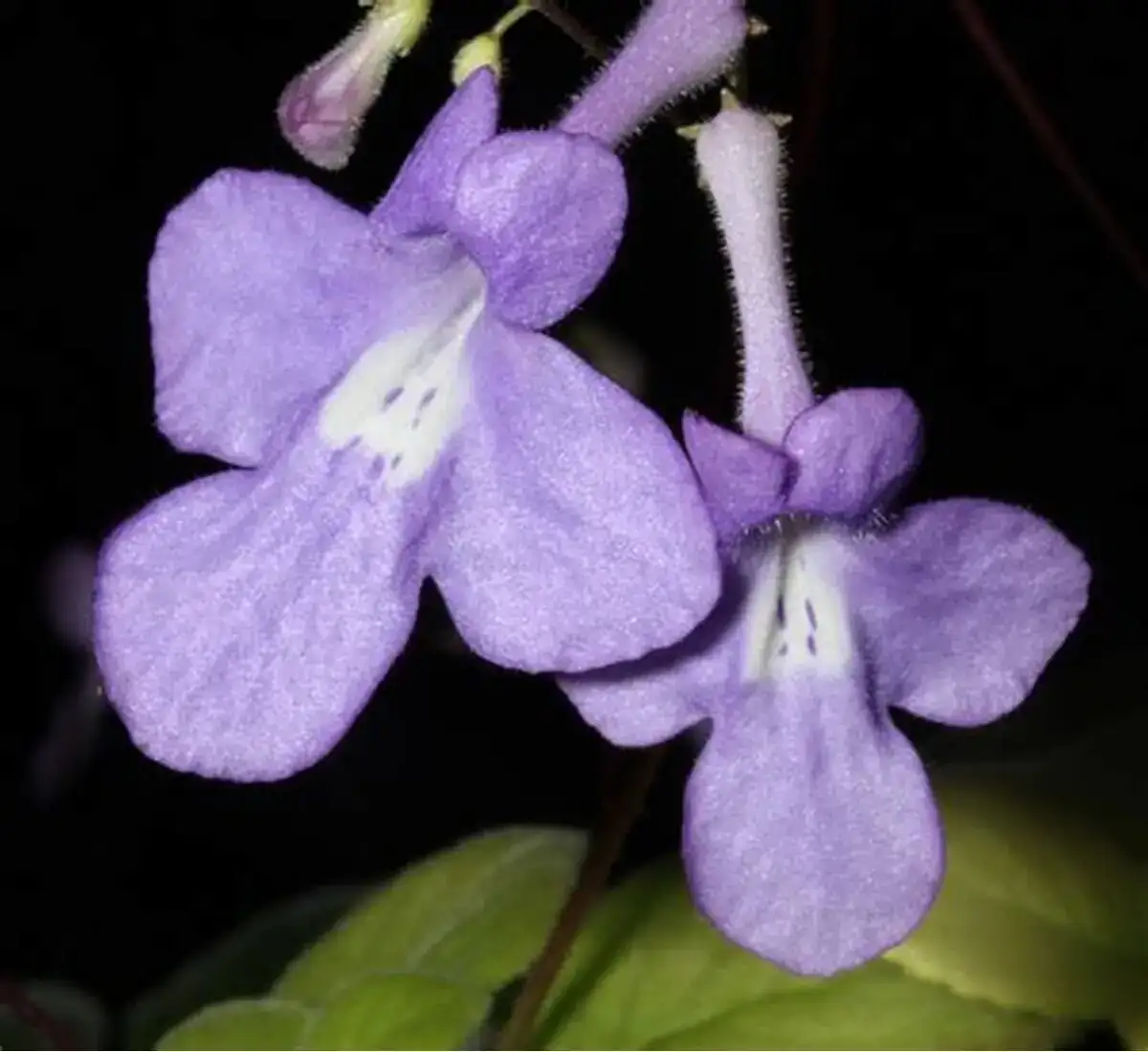
- Flower: Masses of daisy-like flowers with a soft, velvety appearance and a slight sheen. Color is a deep, saturated purple with a richer/darker purple contrast toward the center.
- Flowering Season: Spring to autumn (roughly March–October in mild climates; can be longer in frost-free areas).
- Growth Habit: Low, compact mounding to spreading habit; commonly grown as a bedding plant or a neat, floriferous container plant.
Environment
Sunlight
Full sun for the strongest flowering (aim for 6+ hours/day). Tolerates light shade, but blooming is usually reduced.
Temperature
Grows best around 10–24°C (50–75°F). Protect from hard frost; flowering and growth can slow in prolonged heat above about 30°C (86°F).
Humidity
Average outdoor humidity is fine. Avoid persistently damp conditions and stagnant air, which can encourage fungal problems.
Soil
Well-drained, moderately fertile soil or potting mix. Slightly acidic to neutral pH is ideal. Avoid waterlogged compost/soil to prevent root issues.
Placement
Sunny patio containers, balconies, window boxes, and bright border edges—anywhere with good drainage and airflow.
Hardiness
USDA Zone 9–11 (about -6 to 4°C / 21 to 39°F minimums). Often grown as an annual where winters are cold.
Care Guide
Difficulty
Easy to moderate: very rewarding in sun with free-draining soil. Most setbacks come from low light, soggy soil, or overly nitrogen-rich feeding.
Buying Guide
Pick compact, sturdy plants with plenty of buds and fresh green leaves. Avoid specimens with yellowing foliage, waterlogged compost, or visible pests such as aphids or whitefly.
Watering
Water well, then allow the top 2–3 cm (about 1 in) of the mix to dry before watering again. Container plants may need more frequent watering in hot, windy weather; reduce watering during cool seasons.
Fertilization
Feed during active growth with a balanced liquid fertilizer every 2–4 weeks, or apply a slow-release fertilizer at the start of the season. Don’t overdo nitrogen, which can encourage leafy growth at the expense of flowers.
Pruning
Deadhead spent blooms to keep new flowers coming. Lightly pinch or trim leggy stems to encourage branching and a fuller, tidier mound.
Propagation
Best propagated by cuttings to keep the cultivar true to type. Take softwood cuttings in late spring to summer and root them in a free-draining mix in bright light.
Repotting
Repot in spring if rootbound: move up one pot size (about 2–5 cm / 1–2 in wider) and refresh with a well-draining potting mix.
📅 Seasonal Care Calendar
Spring: pot up, begin feeding, pinch tips for bushiness. Summer: give full sun, water/food regularly, deadhead often. Autumn: reduce feeding and protect from early frosts. Winter (if overwintering): keep bright and cool, and water sparingly.
Pests, Diseases & Safety
Common Pests & Diseases
Watch for aphids, whitefly, thrips, and spider mites—especially during hot, dry spells. Root rot is a risk in poorly drained soil, and powdery mildew may appear when airflow is low. Improve drainage and airflow, keep plants in strong light, and treat early infestations with insecticidal soap as needed.
Toxicity
Generally considered low-toxicity. If chewed or eaten, it may cause mild stomach upset in pets or people—best kept away from curious nibblers.
Culture & Symbolism
Symbolism: Like many daisy-like flowers, it’s linked with cheerful optimism and bright, sunny-garden energy.
History & Legends: Osteospermum has been widely bred into modern cultivars for longer flowering seasons, punchier colors, and stronger garden performance—making selections like ‘Targa’ popular in sunny, coastal and Mediterranean-style plantings.
Uses: Ornamental: ideal for containers, window boxes, edging, and mass bedding displays in sunny, well-drained spots.
FAQ
Why is my Cape daisy flowering less?
Most often it needs more sun, less water, or a different fertilizer. Give it 6+ hours of sun, let the mix dry slightly between waterings, and avoid high-nitrogen feeds that push leaves instead of blooms.
Can I keep it over winter?
Yes in mild climates (Zone 9–11). In colder areas, overwinter it in a bright, cool place around 5–10°C (41–50°F), water sparingly, and keep it frost-free.
Fun Facts
- Many Cape daisies close their flowers at night or in dull light and reopen when the sun returns.
- Cultivars like ‘Targa’ are commonly kept true-to-type through cuttings, so the color and habit stay consistent from plant to plant.


