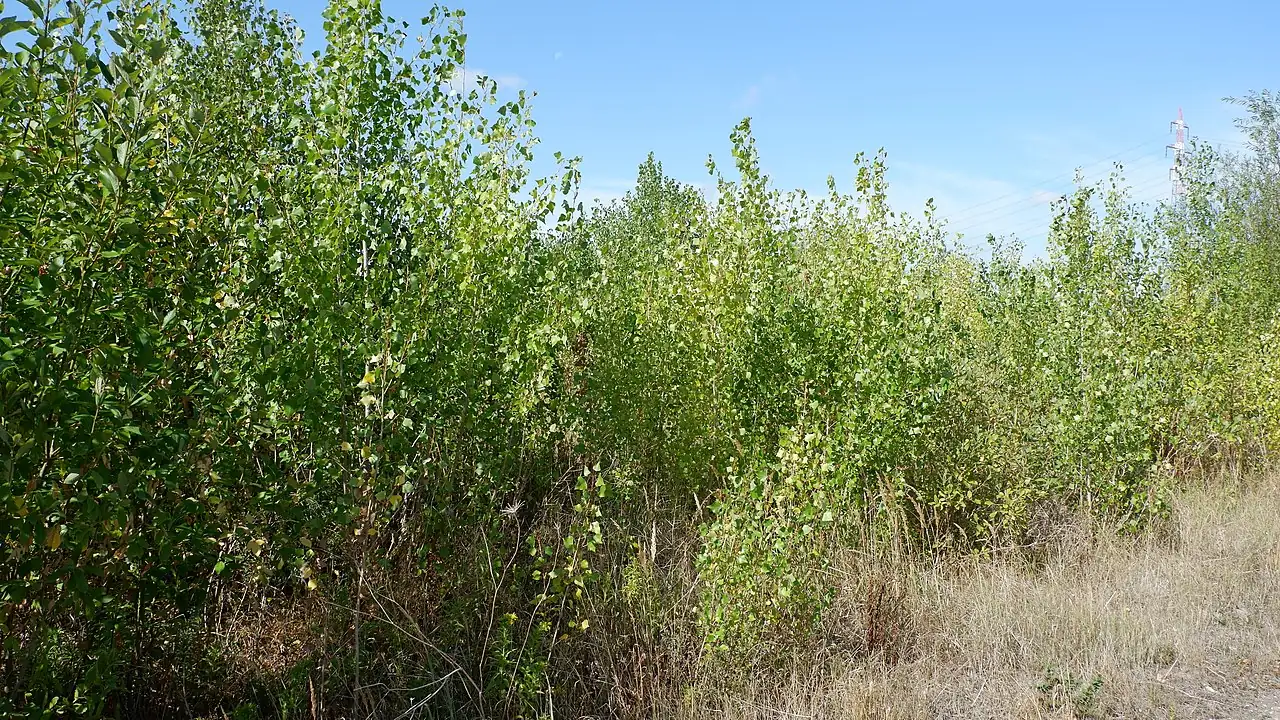
Plant Features
- Size: Up to about 30 m (98 ft) tall; broad, shade-casting crown.
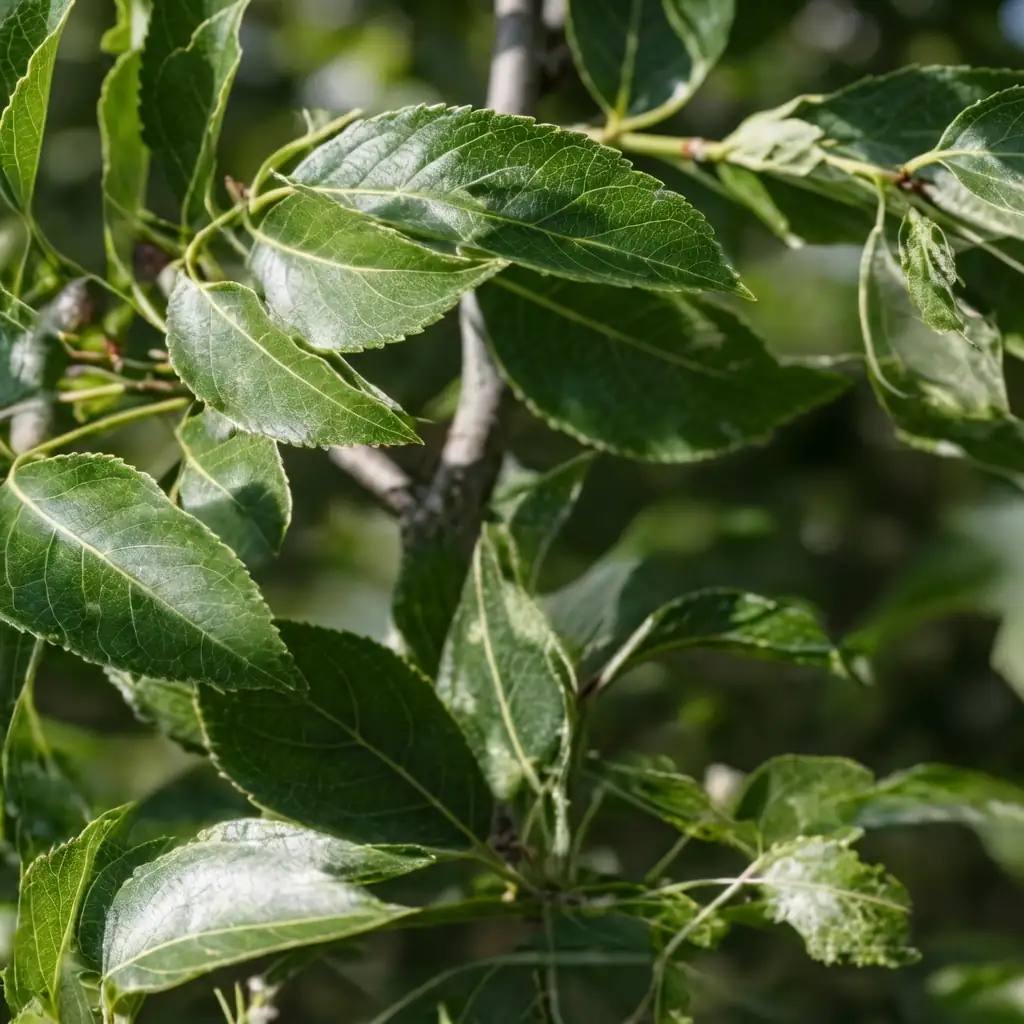
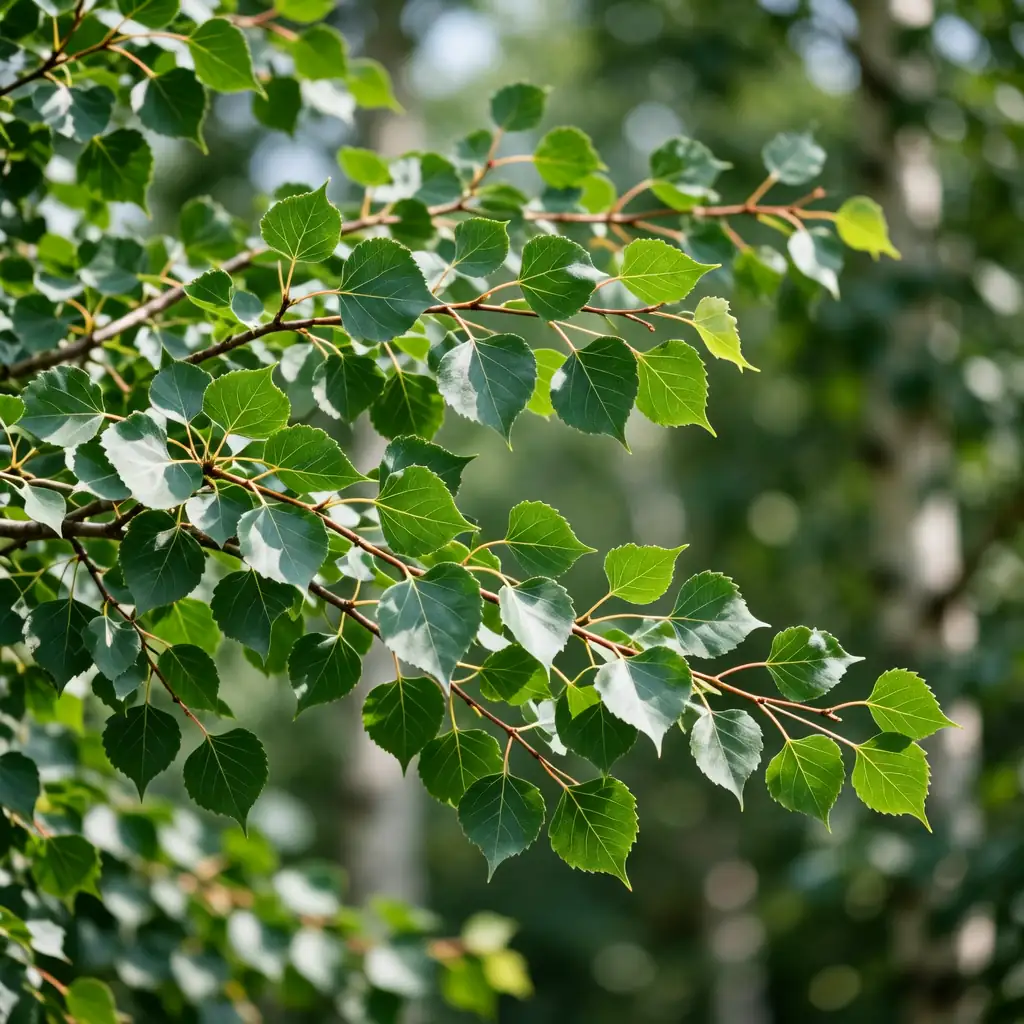
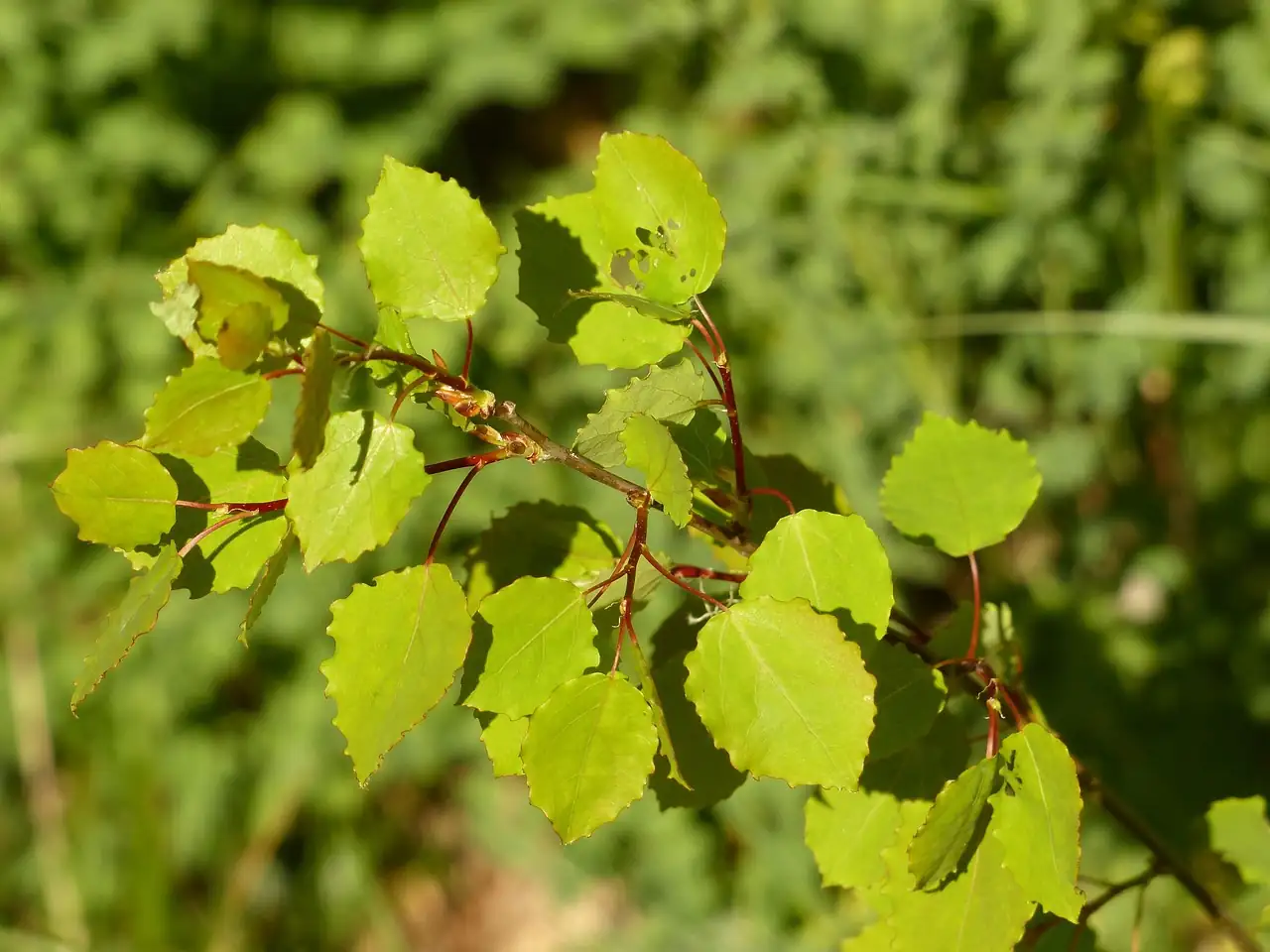
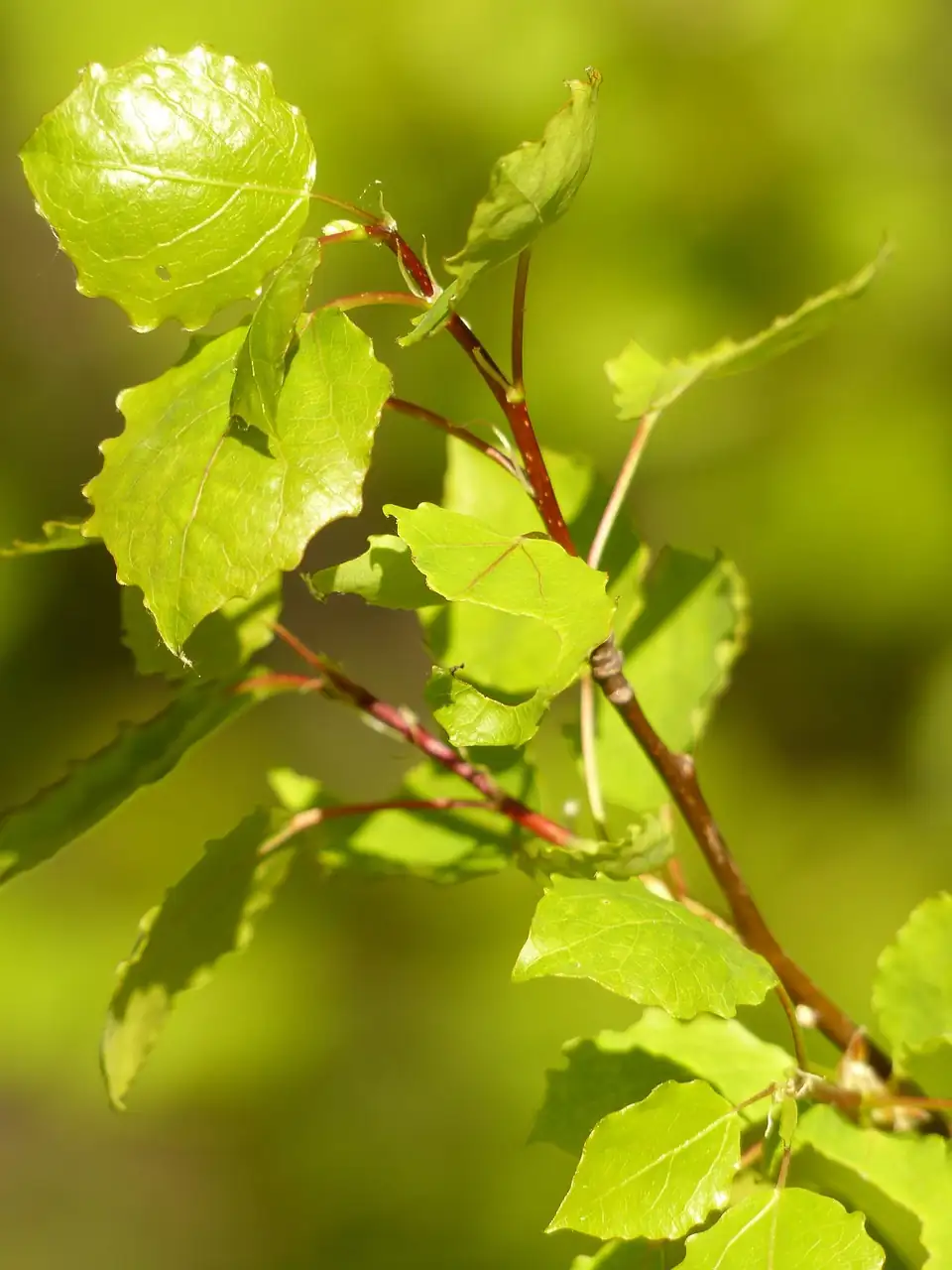
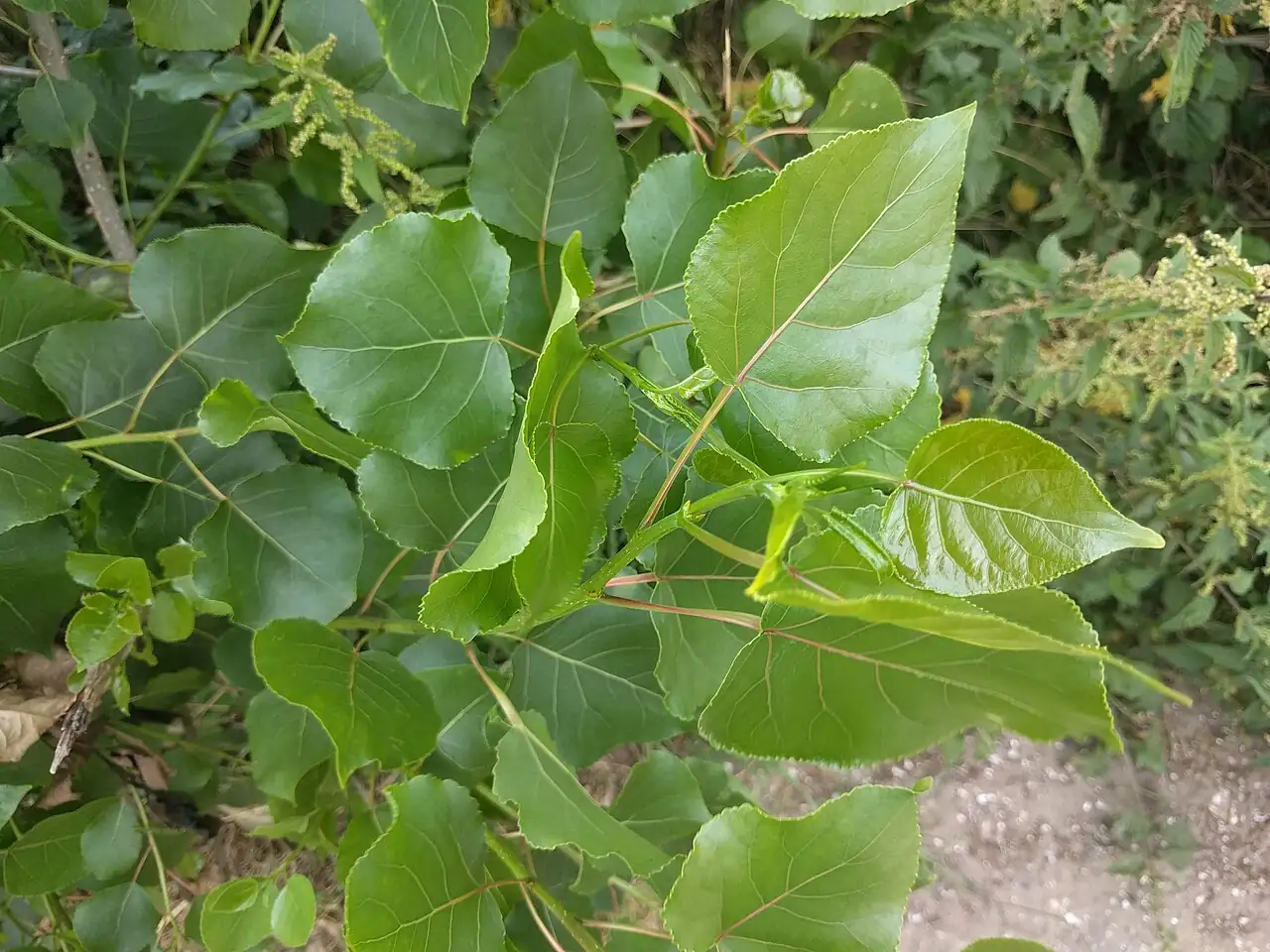
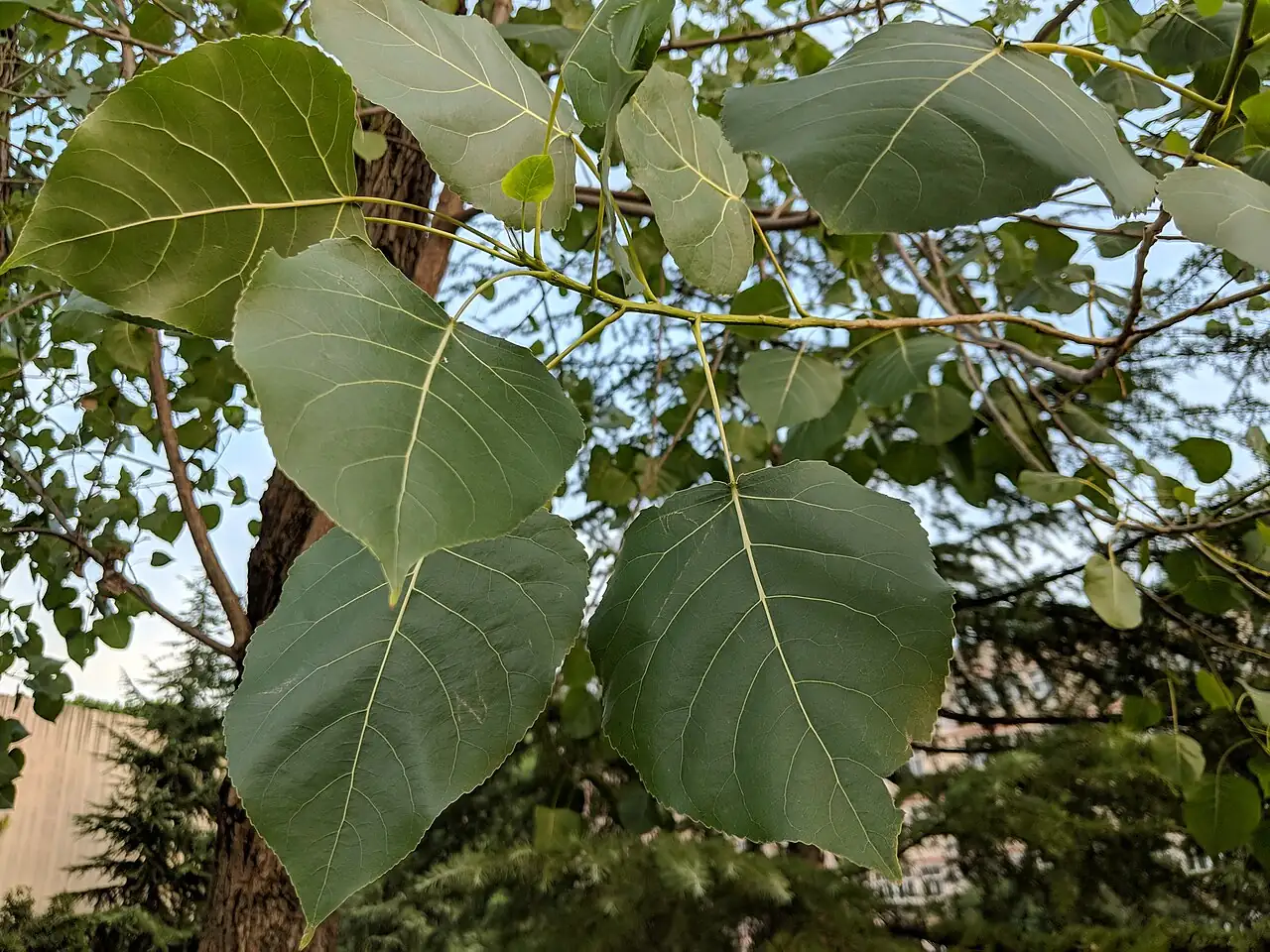
- Foliage: Deciduous leaves, typically triangular with a tapering tip and a more or less squared-off (truncate) base.
- Flower: Flowers appear in catkins (as is typical for poplars); details can vary by clone and by sex. When female clones set fruit, they form oval capsules characteristic of poplars, often followed by cottony seed fluff.
- Flowering Season: April (spring)
- Growth Habit: A large, upright deciduous tree with a straight trunk. Bark tends to be thick and deeply furrowed; main branches angle slightly upward, and the crown is often oval and dense.
Environment
Sunlight
Full sun (best growth with direct sun most of the day).
Temperature
Performs best in temperate climates with a warm, moist growing season. Typical active-growth comfort is about 15–30°C (59–86°F); winter cold tolerance depends on the clone.
Humidity
Prefers moist conditions and does best where soil moisture is fairly reliable.
Soil
Ideal in moist, fertile, well-drained alluvial soils, but adapts to many soils as long as they are not extremely dry.
Placement
Best in large outdoor sites where its size and roots won’t cause conflicts: streets, parks, campuses, shelterbelts/windbreaks, and broad-scale greening (including industrial or reclaimed areas).
Hardiness
Cold-hardy overall; once established it may tolerate temporary waterlogging and some salinity/alkalinity or thinner soils, though performance varies by clone. Generally not drought-loving.
Care Guide
Difficulty
Easy (in open ground in suitable climates). Very adaptable and famously fast-growing, but it needs space and regular moisture to look its best.
Buying Guide
Choose nursery stock with a straight central leader, healthy intact bark, and no signs of cankers, dieback, or borer damage. Because Populus × canadensis is a hybrid group commonly grown as clones, ask for a locally proven selection. Plan ahead: avoid planting too close to paving, foundations, or pipes where vigorous roots could become an issue over time.
Watering
Water deeply and regularly during establishment (about the first 1–2 years), keeping soil evenly moist but not permanently saturated. After it’s established, it can handle brief wet spells, but prolonged drought slows growth and stresses the tree. Mulch helps conserve moisture and moderate soil temperature.
Fertilization
Often unnecessary in naturally fertile soil. On poor soils, apply a balanced slow-release fertilizer in spring. Avoid heavy nitrogen late in the season to reduce soft growth going into winter.
Pruning
Prune in late winter to early spring while dormant. Remove dead, damaged, and crossing branches, and maintain a strong central leader. Avoid heavy topping, which encourages weak, break-prone regrowth.
Propagation
Most commonly propagated from dormant hardwood cuttings, which root readily in consistently moist media. Many plantings rely on selected clones for predictable performance.
Repotting
Not applicable for landscape trees in the ground. If purchased container-grown, up-pot only briefly (early spring if needed) and plant out promptly to prevent root binding.
📅 Seasonal Care Calendar
Spring: plant, water thoroughly, and fertilize lightly only if soil is poor. Summer: keep moisture consistent, especially during hot spells; mulch helps. Autumn: stop or reduce feeding; water during dry stretches before dormancy. Winter: inspect structure, prune while dormant, and watch for cankers or other overwintering issues.
Pests, Diseases & Safety
Common Pests & Diseases
May suffer from poplar leaf rust, leaf spots, cankers, and wood-boring insects; aphids can produce sticky honeydew. Promote airflow, avoid unnecessary overhead watering, remove fallen infected leaves/branches, and—when possible—choose resistant, locally recommended clones.
Toxicity
Generally not considered highly toxic to people or pets. However, sap and airborne pollen/seed fluff can irritate sensitive individuals, and fruiting female clones may produce large amounts of cottony fluff.
Culture & Symbolism
Symbolism: Often linked with shelter, resilience, and rapid growth—fitting for a tree that quickly becomes a living windbreak and shade-maker.
History & Legends: This poplar is a long-used cultivated hybrid group developed and selected in Europe from North American and European parent species. Its speed and adaptability made it a worldwide favorite for shelterbelts, timber-oriented plantings, and urban greening.
Uses: Primarily grown as a shade and shelter tree for streets, parks, campuses, and windbreaks. Also widely used in large-scale greening efforts—including industrial, mining, and reclaimed landscapes—thanks to its fast growth and broad adaptability.
Fun Facts
- It typically flowers in spring (often around April), and fruiting (when female clones are present) may follow in late spring to early summer.
- Because it’s often planted as selected clones, two “Canadian poplars” can look and perform a bit differently depending on the clone.
- At up to about 30 m (98 ft) tall, it’s a true big tree—great for shade, but not a good fit for small gardens.
- The thick, deeply furrowed bark and an oval, dense crown are common visual clues in mature plantings.