

Plant Features
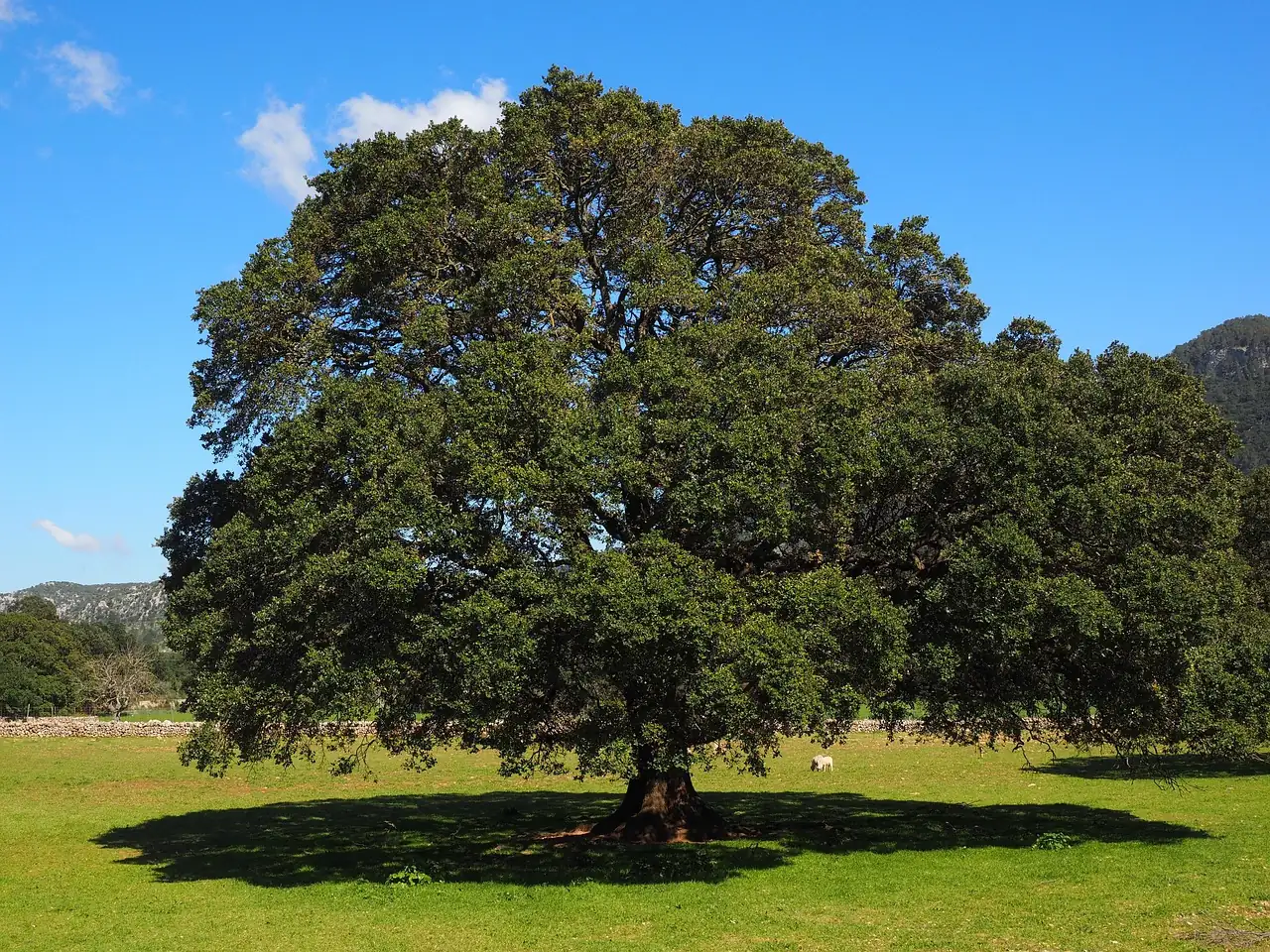
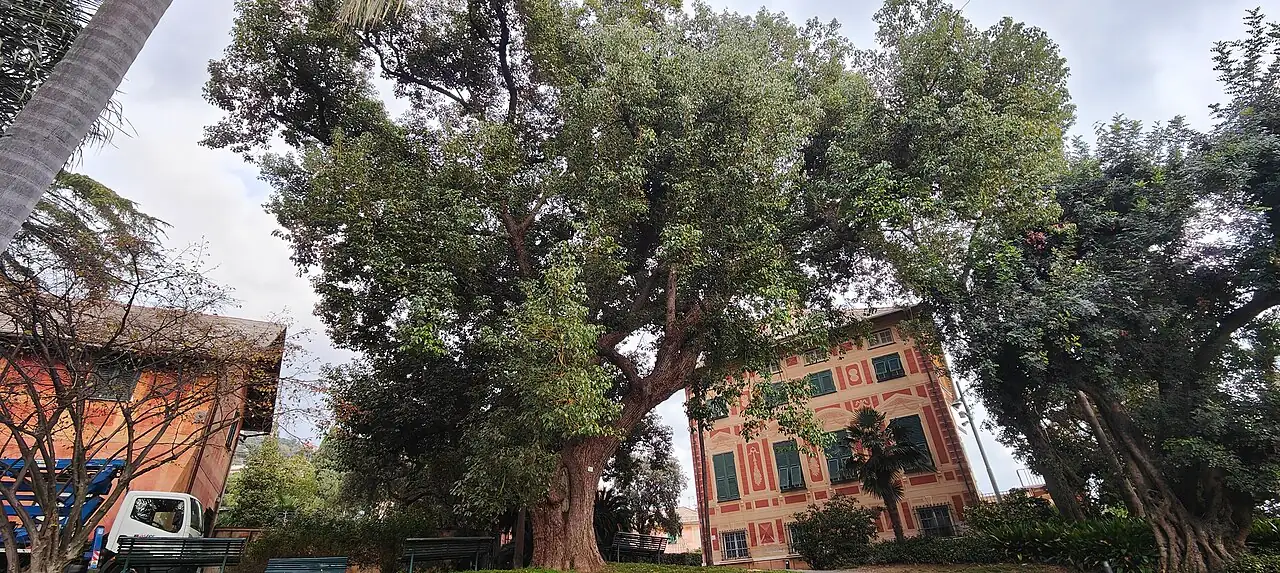
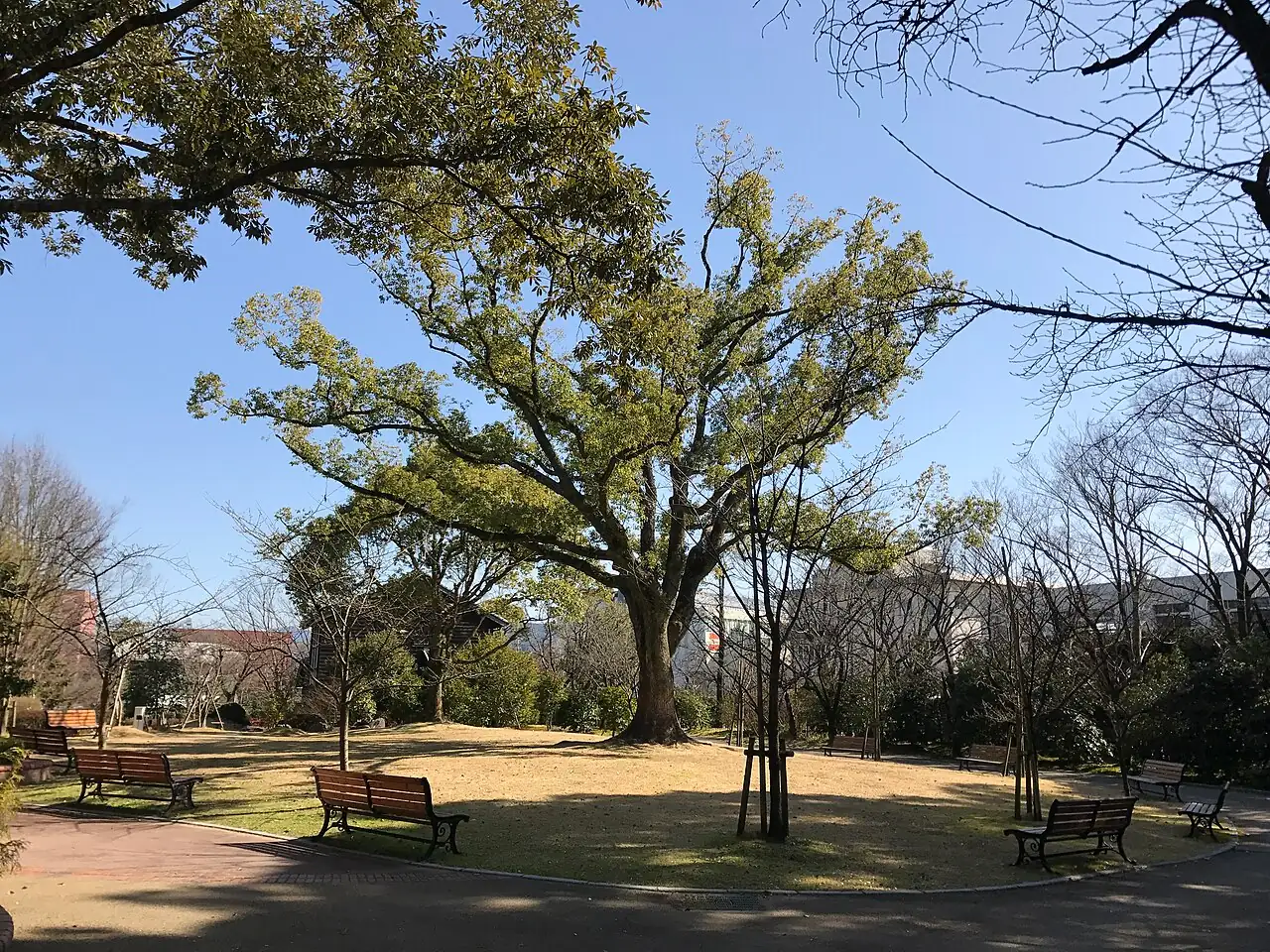
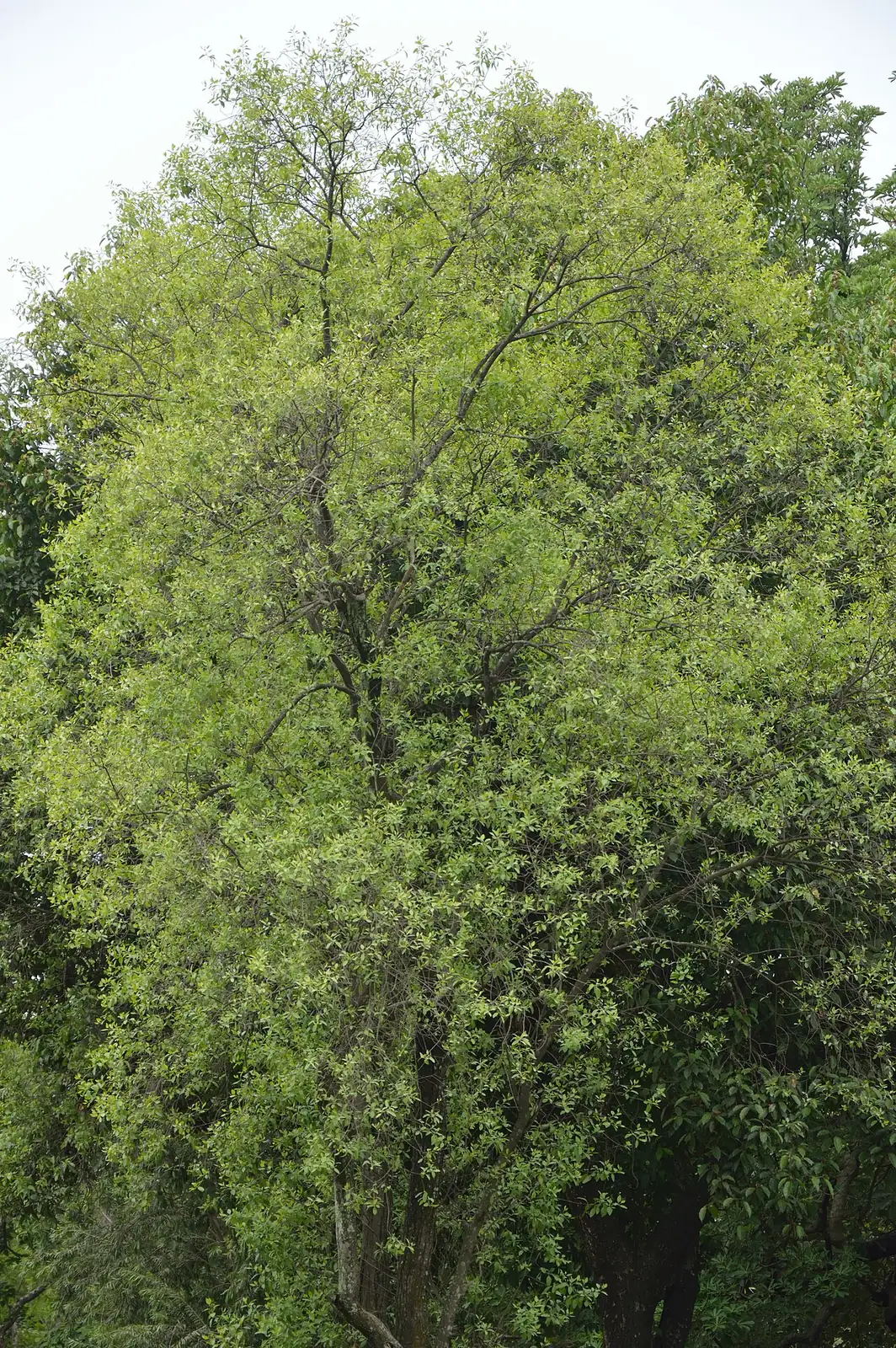
- Size: Up to 30 m (98 ft) tall; typically develops a broad, rounded canopy with age.
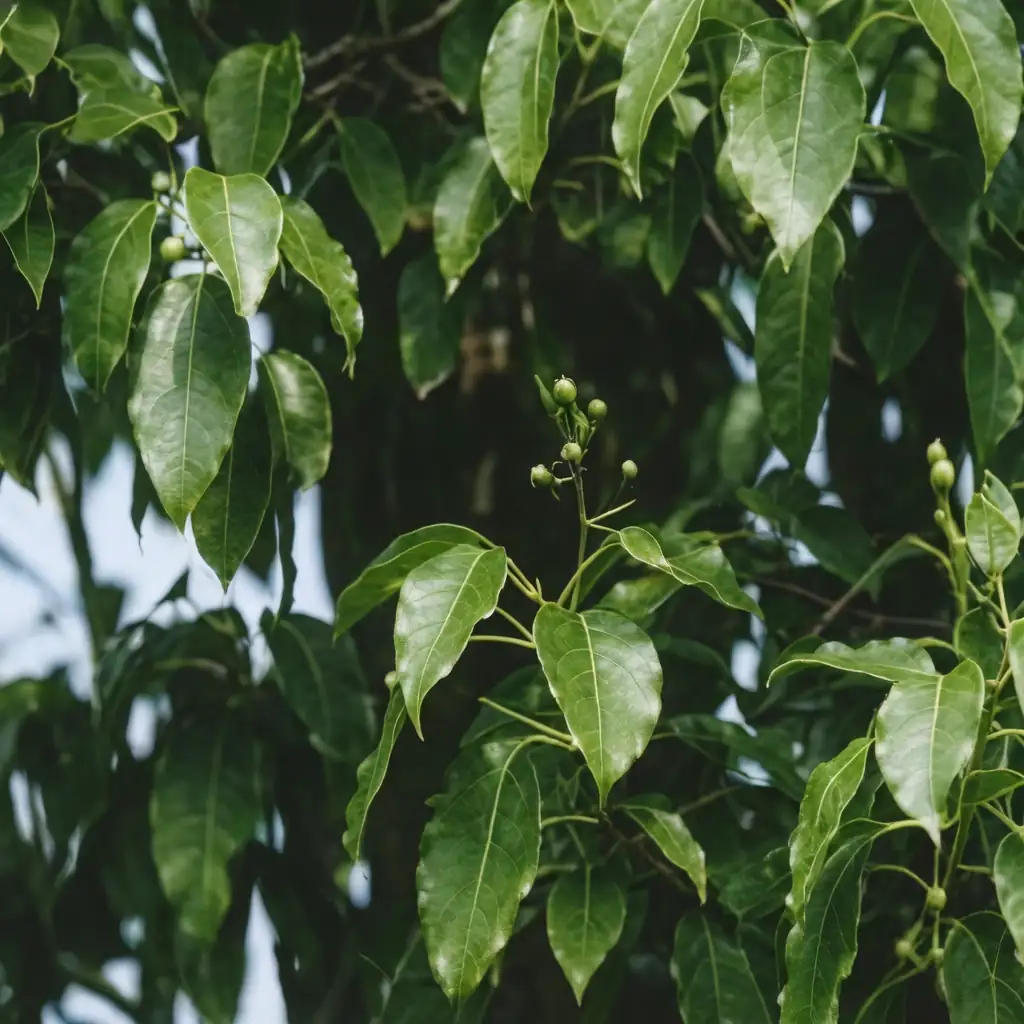
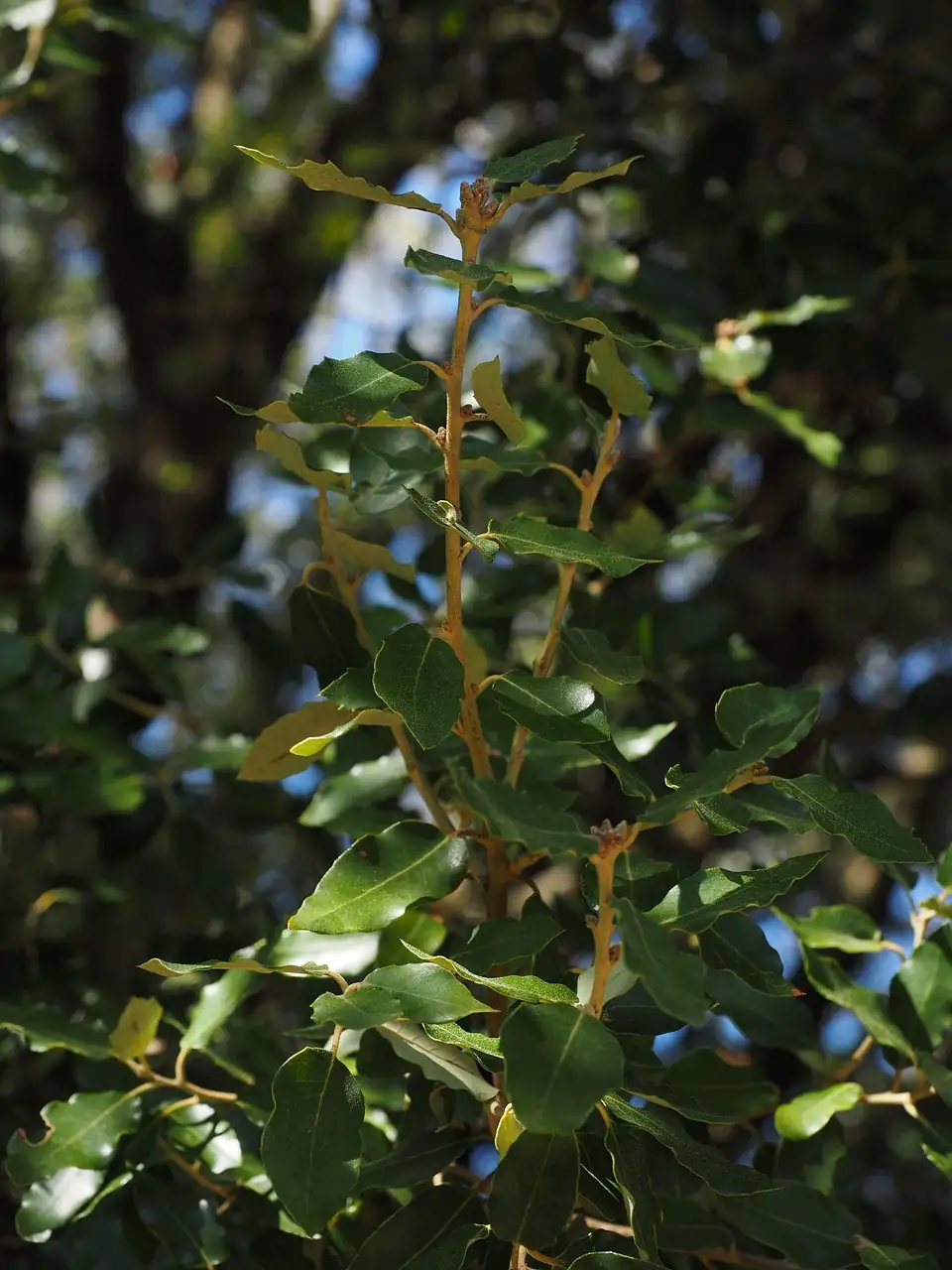
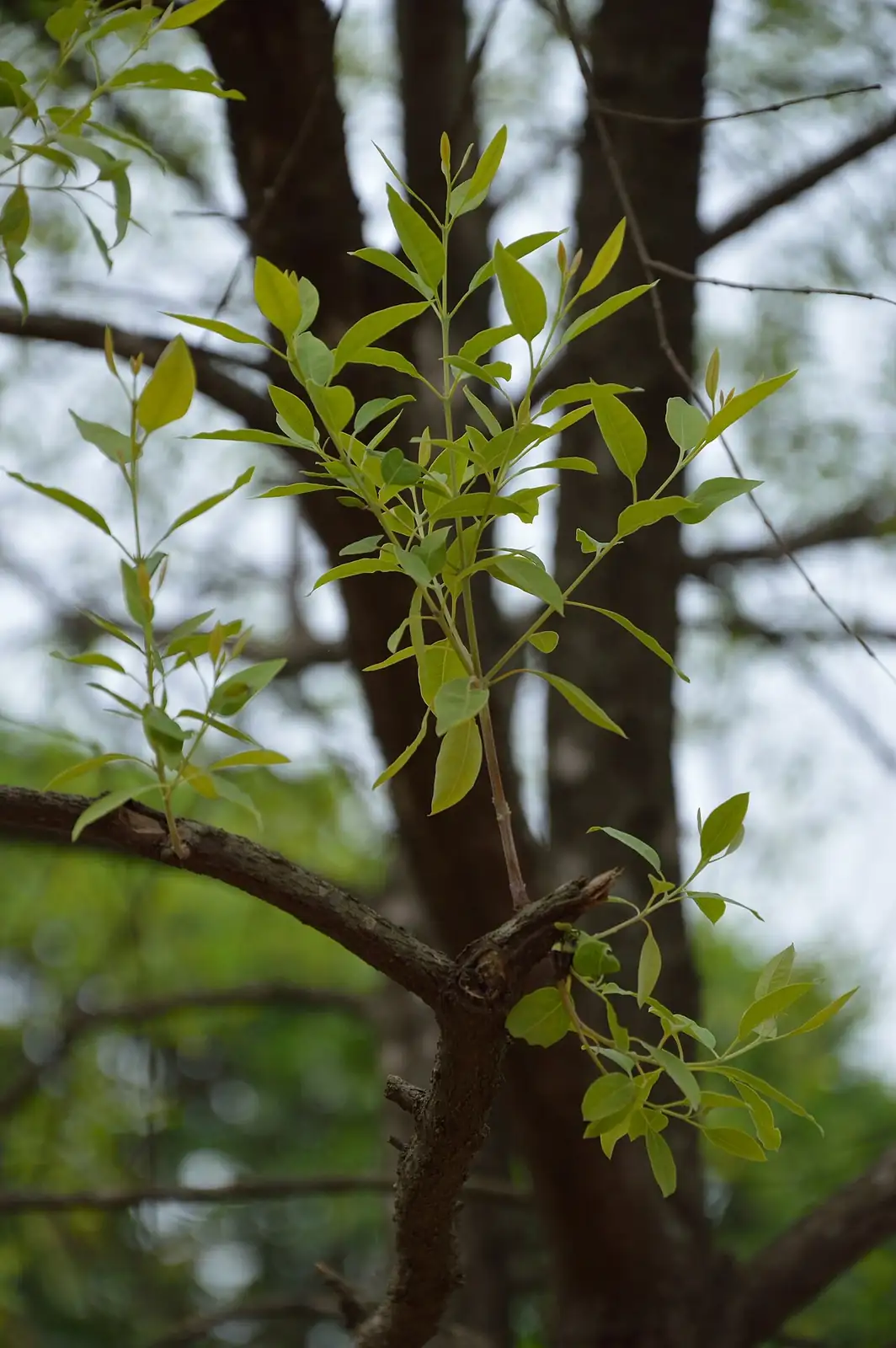
- Foliage: Leaves are alternate, oval to elliptic, and glossy green. The underside can look paler or slightly whitish. A classic ID clue is the three prominent veins arising near the leaf base; tiny glands may appear in the vein axils. Overall, the crown tends to be nearly spherical and very dense, creating deep shade.
- Flower: Produces small yellow-green flowers in clusters from the leaf axils. The fruit is a small, spherical berry that ripens to dark purple-black.
- Flowering Season: April–May (Apr–May)
- Growth Habit: A vigorous, large evergreen tree with a rounded crown and a strong, deep root system that helps it stand up well to wind.
Environment
Sunlight
Full sun to partial shade; full sun generally gives the best growth and densest crown.
Temperature
Prefers warm, humid conditions and mild winters. Not strongly frost-hardy; performs best where winter lows usually stay above about -5°C (23°F).
Humidity
Moderate to high humidity is ideal; it looks and grows best in warm, moist air and dislikes prolonged dry, arid conditions.
Soil
Deep, fertile, well-drained sandy loam is ideal; slightly acidic to neutral soils suit it well. Avoid waterlogged or poorly drained sites to reduce root problems.
Placement
Outdoors—excellent as a park or garden shade tree, street/avenue tree, windbreak, or large landscape specimen. Suited to sunny slopes, valleys, and fertile riverbank plains in subtropical to warm-temperate climates.
Hardiness
Approximately USDA Zone 9–11; protect young trees from hard frost.
Care Guide
Difficulty
Moderate (outdoors): tough and vigorous once established, but it needs space, sun, and well-drained fertile soil. Young trees benefit from protection against hard frost and drying winds.
Buying Guide
Pick a tree with a straight central leader and well-spaced scaffold branches. Avoid plants with damaged bark, circling/girdling roots, or severely pot-bound roots. Leaves should look healthy and smell pleasantly aromatic when lightly rubbed; also check carefully for scale insects.
Watering
During establishment (first 1–2 years), water regularly so the soil stays evenly moist but never soggy. Once established it becomes fairly drought-tolerant, but long dry spells can reduce vigor—deep, infrequent watering is better than frequent light sprinkling.
Fertilization
In spring, feed lightly with compost or a balanced slow-release fertilizer if the soil is poor or growth is weak. Avoid pushing heavy nitrogen, which can make growth soft and more easily stressed.
Pruning
Prune in late winter to early spring to remove dead/damaged wood and to correct crossing branches. When young, focus on building a strong framework. Avoid heavy pruning in hot weather and minimize large cuts when possible.
Propagation
Most commonly grown from seed. Semi-hardwood cuttings can work with rooting hormone and consistent humidity/warmth (such as under mist/heat), though success can be variable.
Repotting
Not a good long-term container plant due to its eventual size. If started in a pot, up-pot before it becomes root-bound, then plant into the ground as soon as practical.
📅 Seasonal Care Calendar
Spring: plant, mulch, and feed lightly; begin structural training. Summer: deep-water in dry spells and maintain mulch to conserve moisture. Autumn: ease off feeding and watch for sap-feeding pests. Winter: protect young trees from hard frost; do light structural pruning while dormant.
Pests, Diseases & Safety
Common Pests & Diseases
Can attract scale insects and aphids; sooty mold may follow these sap-feeders. Poor drainage can lead to root stress or decline. Prevent problems with good airflow, well-drained soil, and prompt control of sap-feeding insects.
Toxicity
Camphor (especially concentrated camphor oil) is toxic if swallowed and can be dangerous to children and pets. Handle essential oil products carefully and keep them out of reach.
Culture & Symbolism
Symbolism: Often linked with longevity, steadfastness, and protection—fitting for an evergreen that can anchor a landscape for generations.
History & Legends: Long treasured in East Asia for its aromatic wood and for camphor extraction, the camphor tree also became a classic avenue and shade tree in warm regions thanks to its strong form and dense canopy.
Uses: Widely used as a shade tree in parks, streets, and large gardens, and as a windbreak in suitable climates. Timber is valued for furniture, carving, and musical instruments. It is an important source of camphor and camphor oil for fragrance, chemical, and medicinal industries; roots, bark, and leaves have also been used in traditional medicine.
FAQ
When does camphor tree flower?
Typically April–May (Apr–May).
When does it fruit?
Typically August–November (Aug–Nov), with berries ripening to dark purple-black.
How tall can a camphor tree get?
Up to about 30 m (98 ft) tall in good conditions.
Where is it native and what habitat does it prefer?
Native to southern and southwestern China; it favors fertile subtropical sites such as sunny slopes, valleys, and riverbanks, and is widely cultivated in similar habitats.
What are the main uses of camphor tree?
Shade and street planting, windbreaks and landscaping; timber for fine furniture, carving, and instruments; and extraction of camphor oil for fragrance, chemical, and medicinal uses.
Fun Facts
- Its dense, rounded canopy can cast deep shade, which is why it’s so popular for parks and avenues in warm climates.
- The berries ripen to a distinctive dark purple-black.
- The wood and leaves are famously aromatic—one sniff is often enough to recognize it.
- Camphor oil from this species has a long history in fragrance and industry.
- Because concentrated camphor products are toxic if swallowed, camphor oil should be stored safely away from kids and pets.


