Plant Features
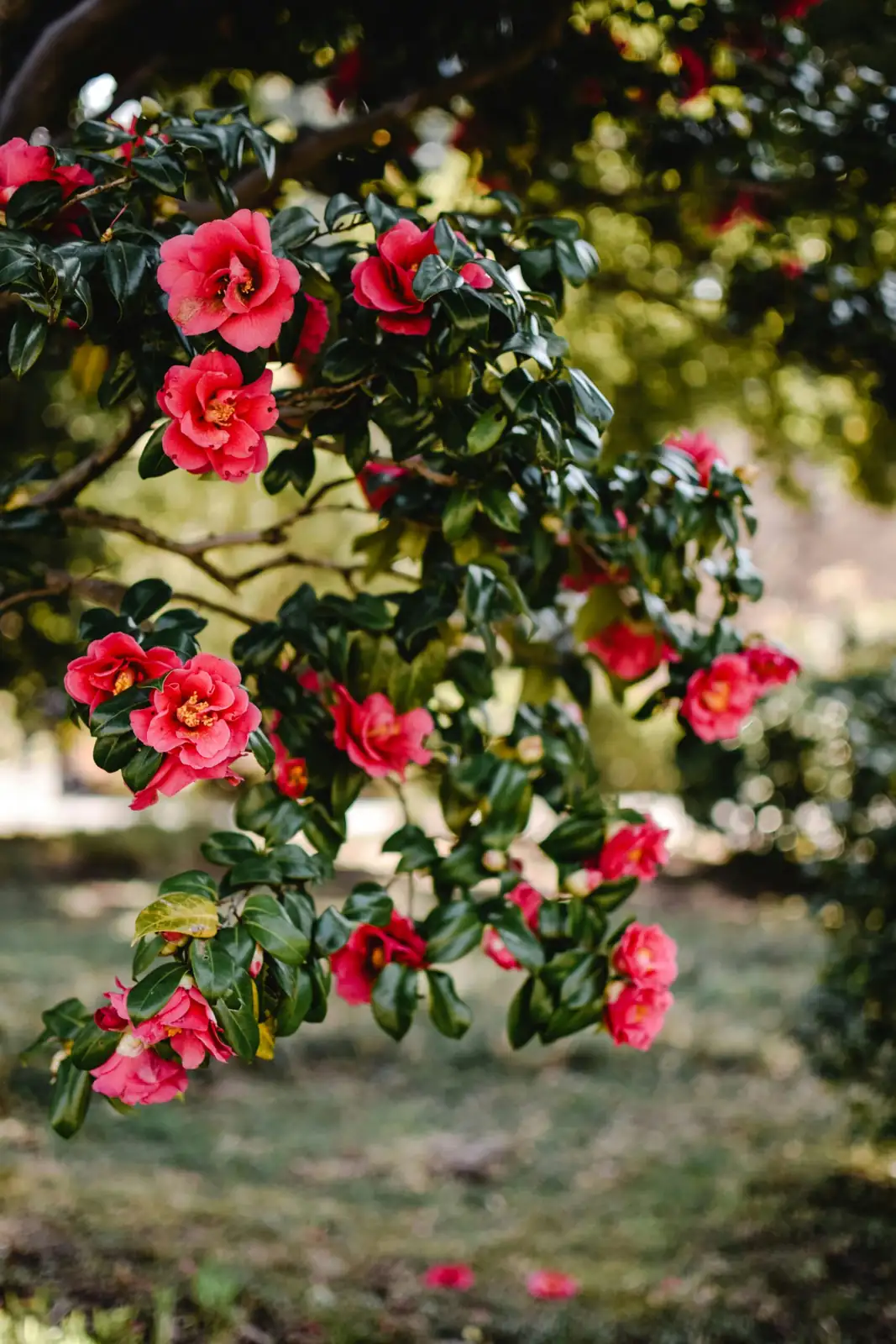
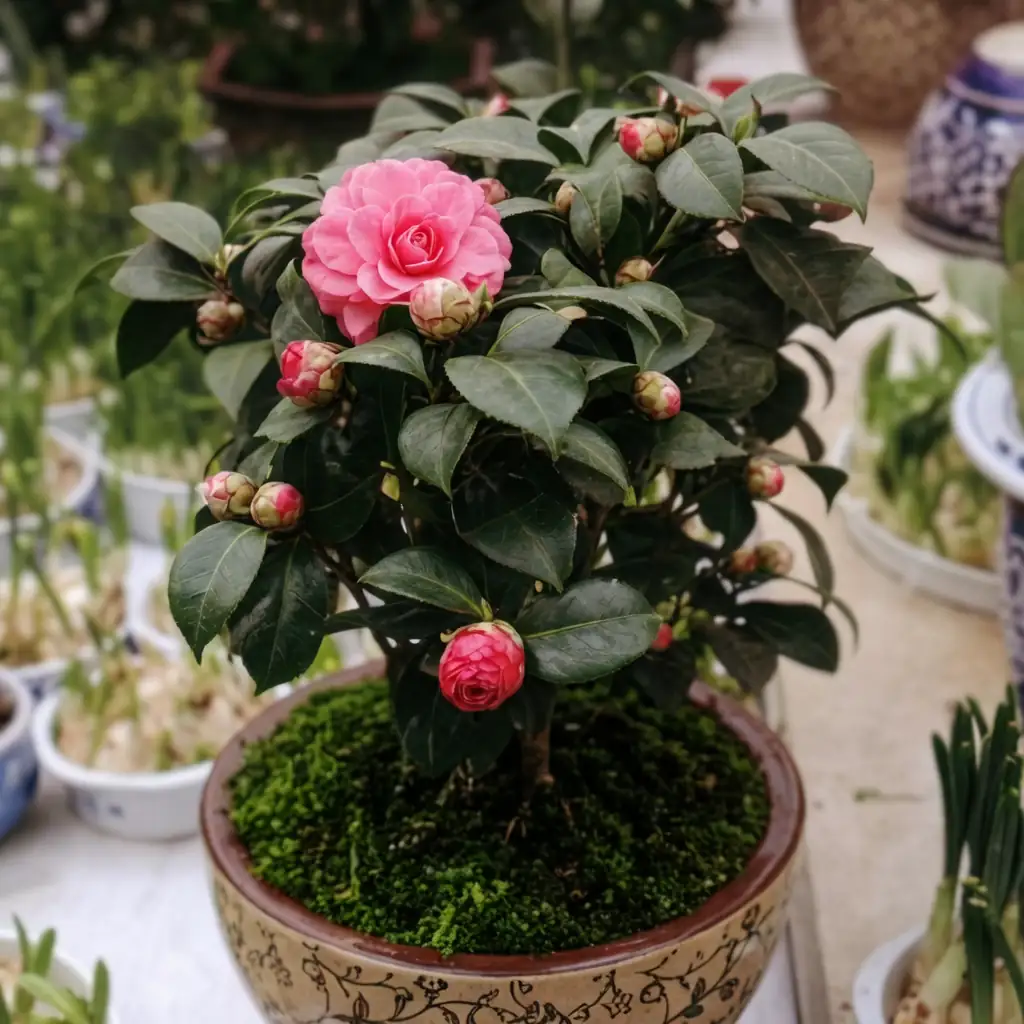
- Size: Typically 1.5–4 m (5–13 ft) tall and 1.5–3 m (5–10 ft) wide outdoors; many garden forms mature around 1.8–3.7 m (6–12 ft) and can be nearly as wide. Container plants are often kept smaller with pot size and light pruning.
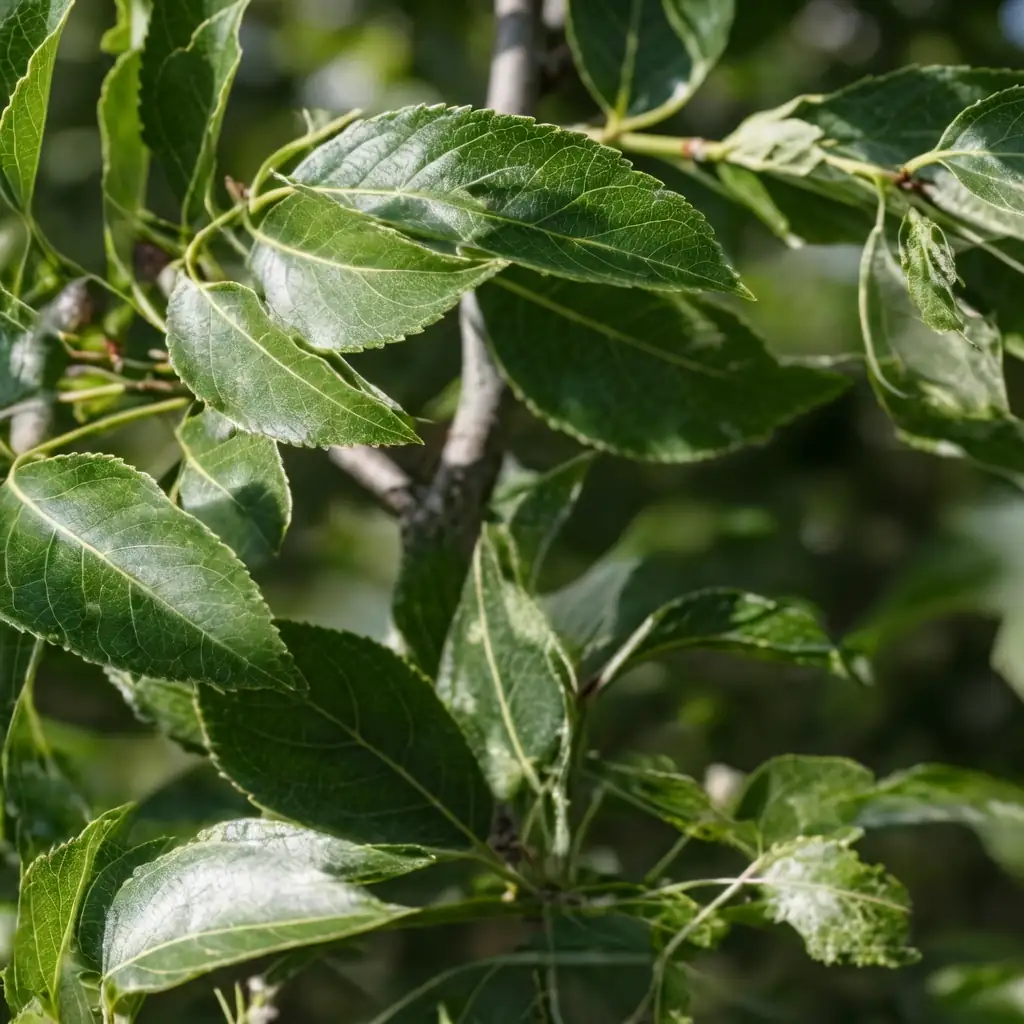
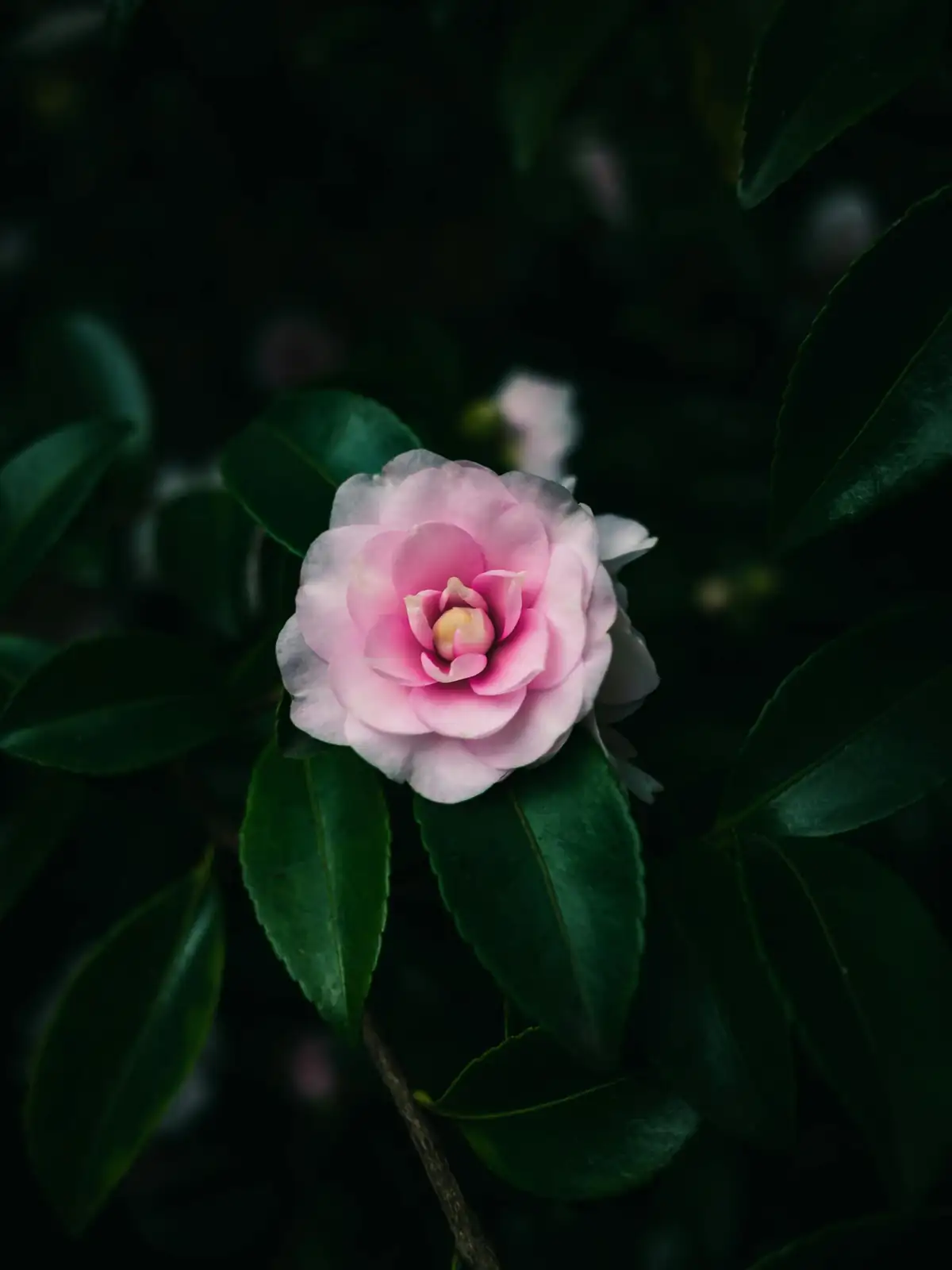
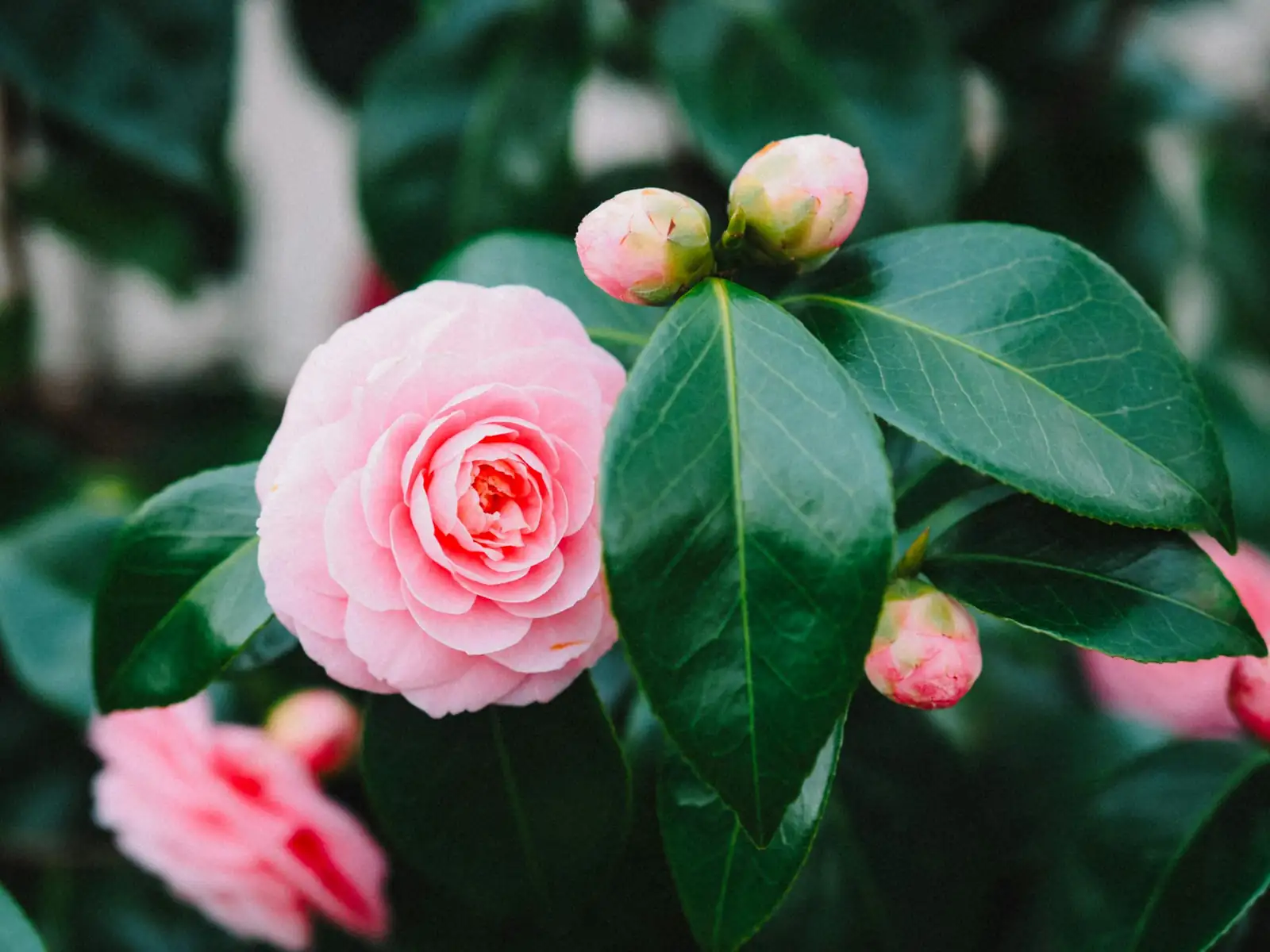
- Foliage: Evergreen, leathery, oval leaves with a noticeably glossy, deep-green finish and lightly serrated edges. Dense foliage can form a full, bushy canopy when grown well; tender new growth may be damaged by hard cold (around -5°C/23°F or below).
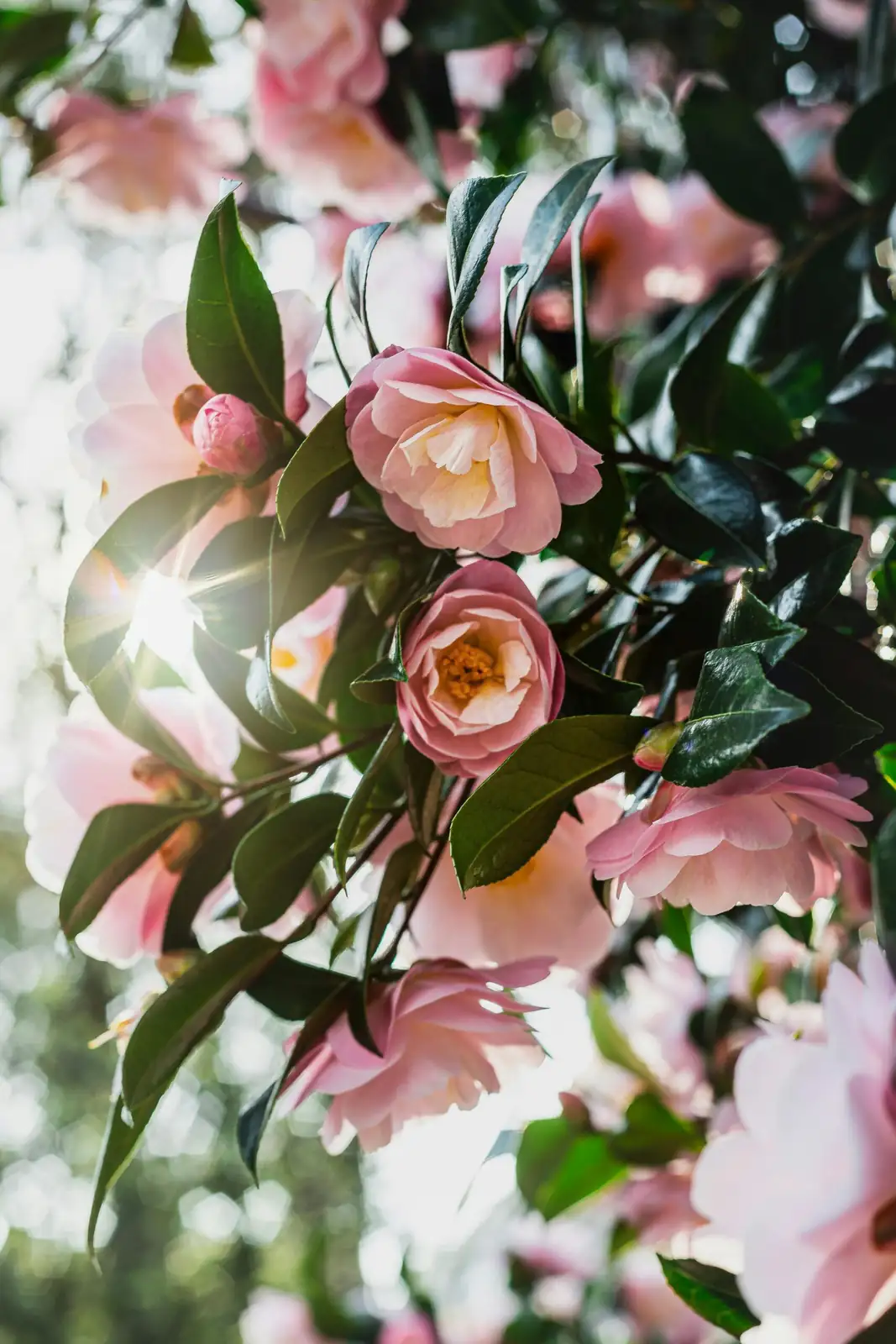
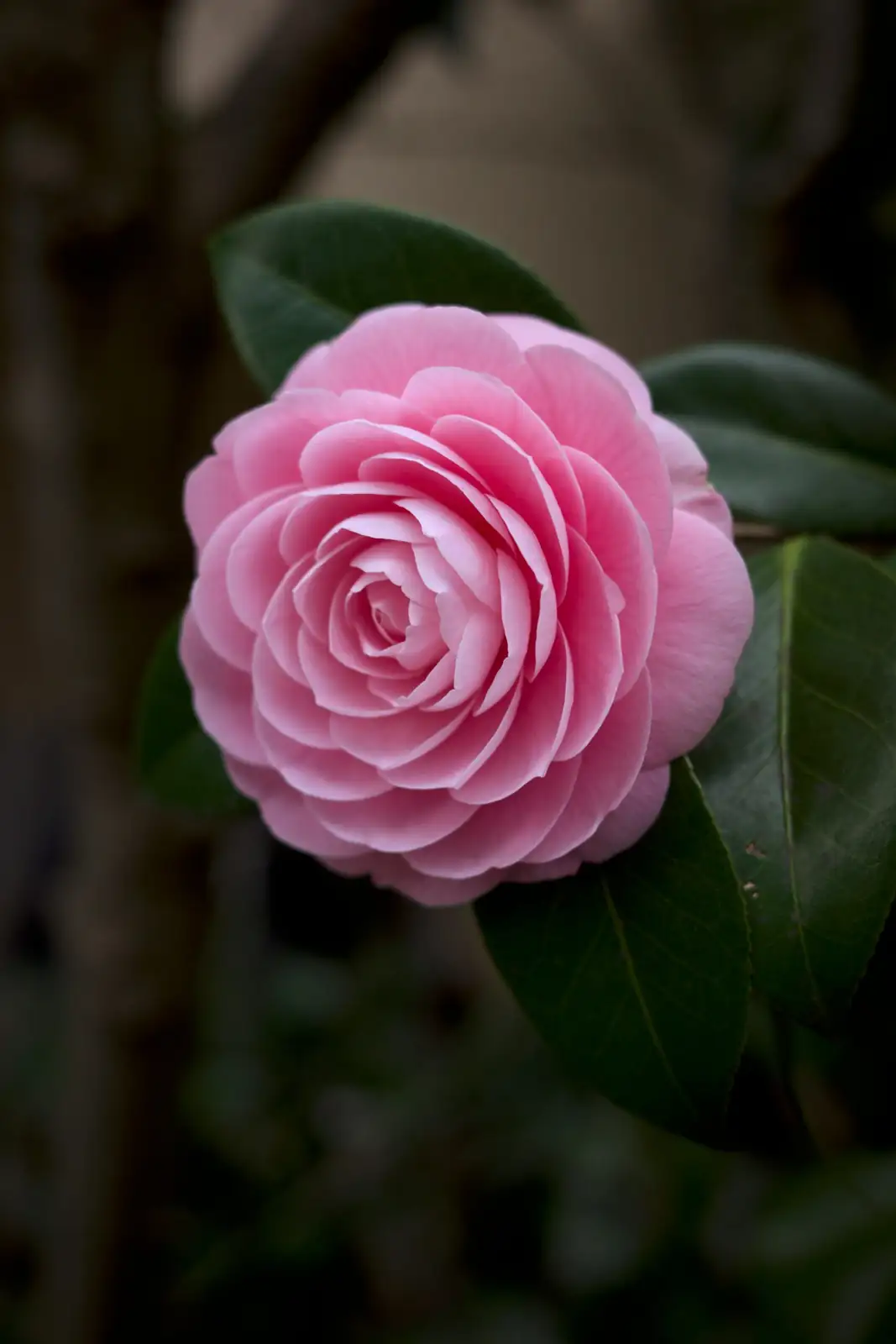
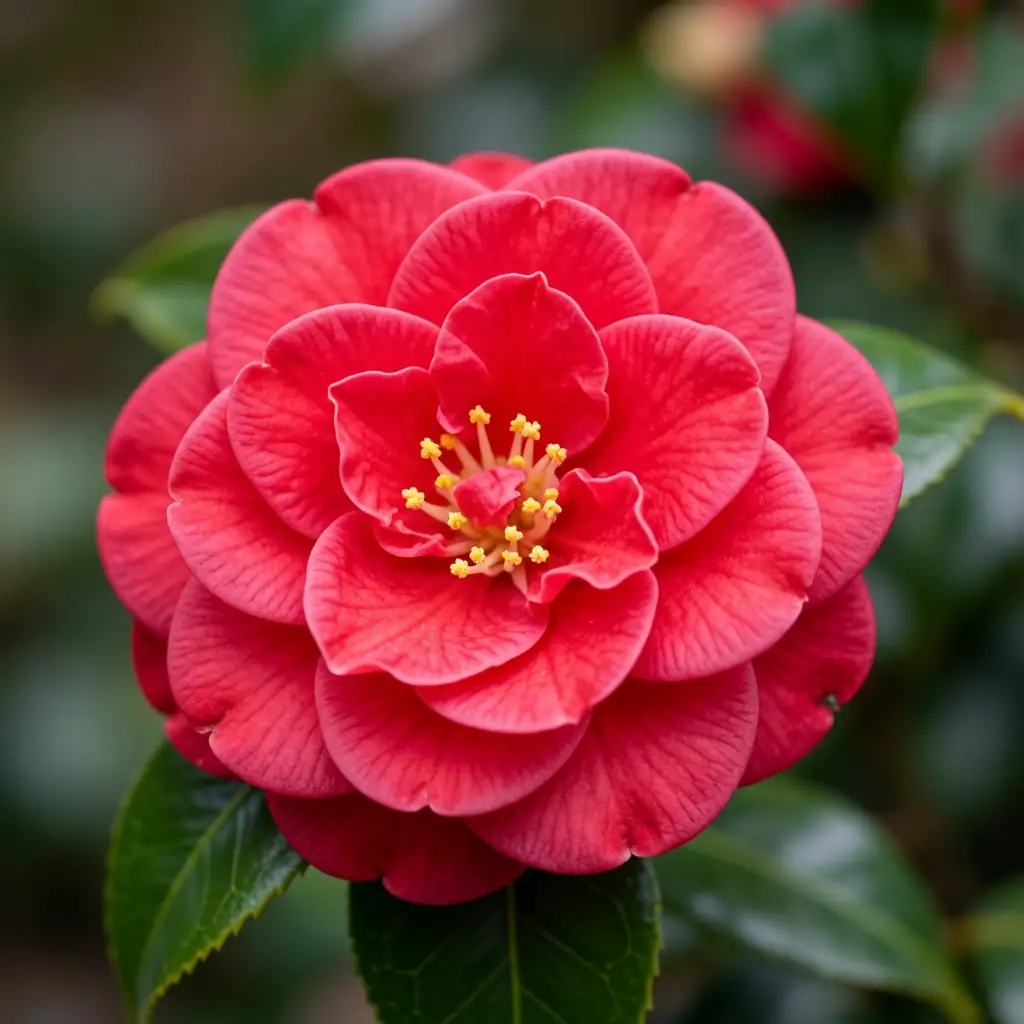
- Flower: Large, showy blooms about 5–13 cm (2–5 in) across, depending on cultivar. Flower forms range from single to formal double (including anemone, peony, and rose-form types). Colors commonly include white, pink, red, and bicolors; flowers last longer in cool conditions, which is why camellias shine as winter/early-spring display plants.
- Flowering Season: Winter to spring (often January–March), though timing varies by climate and cultivar; related camellias such as sasanqua types can bloom from mid-fall into winter.
- Growth Habit: Slow to medium-growing, upright to rounded evergreen woody shrub (sometimes trained as a small tree) with a dense, well-balanced crown.
Environment
Sunlight
Bright, dappled/filtered light is ideal. Outdoors, morning sun with afternoon shade works beautifully; protect from harsh midday sun, especially in summer and for young plants. Too much shade can reduce flowering and make growth thin. Indoors, place near a bright window (east is gentle; south can work in winter if kept cool and not overheated).
Temperature
Best growth around 18–25°C (64–77°F). Many plants tolerate brief cold snaps to about -5°C (23°F) (some garden selections can go colder), but tender shoots and leaves are more easily damaged. For potted plants kept indoors while blooming, cooler conditions around 8–10°C (46–50°F) often help flowers last longer and reduce bud drop.
Humidity
Prefers moderate to high humidity with good airflow; dry air can trigger bud/flower drop. Aim for around 50%+ humidity when practical, while avoiding stagnant, stuffy conditions.
Soil
Acidic, fertile, well-drained, humus-rich soil (roughly pH 5.5–6.5). A good mix often includes leaf mold/composted bark with loam and coarse sand (or other drainage material). In areas with alkaline soil or tap water, use rainwater or dechlorinated water when possible and rely on acid-forming media/fertilizers to help maintain acidity.
Placement
Outdoors: sheltered patio/balcony, under light canopy shade, protected from drying winds and harsh afternoon sun. Indoors: a bright windowsill or sunroom with airflow, away from heaters/AC vents and sudden temperature swings; keep cooler in winter for best bloom longevity.
Hardiness
Commonly grown in USDA Zones 7–10 (hardy cultivars may reach Zone 6). Not reliably frost-hardy in severe winters; protect plants if temperatures drop below about -5°C (23°F), especially containers.
Care Guide
Difficulty
Moderate. Camellias are very doable once you nail the basics: acidic, free-draining soil; steady moisture; bright filtered light; and stable, cool-to-mild conditions. Most problems come from alkaline water/soil, scorching sun, drought, waterlogging, or heat/dry air that triggers bud drop.
Buying Guide
Choose a compact, sturdy plant with a dense canopy and healthy glossy leaves. Ideally pick one with a balanced mix of open flowers and firm buds (often roughly half-and-half), and avoid plants that look freshly potted into overly loose media (may not be established). Check carefully for scale insects on stems and leaf undersides and avoid infested plants. After purchase, give bright light (often a south-facing spot in winter), keep it cool if you can (about 8–10°C/46–50°F helps flowers last), avoid drafts and vents, and keep the mix evenly moist—never waterlogged.
Watering
Keep evenly moist, not soggy. Water thoroughly when the surface begins to dry, letting excess drain freely. In warm weather, containers may need daily watering; during summer heat, water in the morning and (if needed) again in the evening. In cooler winter conditions, water about every 2–3 days (often midday is best to avoid chilling the roots). Too wet encourages root rot; too dry can cause leaf curl and bud problems. In alkaline-water regions, rainwater or dechlorinated water can make a noticeable difference.
Fertilization
Feed lightly and consistently during active growth, using a camellia/azalea (acid-forming) fertilizer or a gentle, well-diluted organic feed. Common timing: after flowering in spring (around April) to support new shoots; again in early summer (around June) to maintain growth; and again in early autumn (September–October) to support bud formation and improve cold resilience. Avoid heavy feeding in extreme heat or when stressed, and many growers avoid fertilizing after mid-summer (e.g., after July) to reduce the risk of bud drop—adjust based on your climate and product directions.
Pruning
Usually minimal. After blooming, remove dead, diseased, pest-damaged, crossing, crowded, weak, or inward-growing branches; shorten overly vigorous shoots to keep a balanced shape. For better flower size, you can thin excess buds (keep the strongest buds). Remove spent blooms and dried buds promptly to reduce disease issues and keep the plant tidy.
Propagation
Most commonly by semi-ripe cuttings (June–July or September–October): take current-season semi-mature shoots about 8–10 cm (3–4 in) long, leave 2 leaves at the tip, and root warm and humid at about 20–25°C (68–77°F). Callus may form in ~3 weeks; rooting often follows in ~6 weeks (sometimes longer). Also propagated by layering (often taking ~60 days to root) and grafting (commonly in May–June). Seed is possible but slow and not true-to-type for cultivars.
Repotting
For container plants, repot every 2–3 years, ideally after flowering or in autumn. Use an acidic, well-drained mix rich in organic matter. Typical pot sizes: about 15–20 cm (6–8 in) for smaller plants and 20–30 cm (8–12 in) for mature specimens. Ensure excellent drainage and avoid burying the crown too deeply.
📅 Seasonal Care Calendar
Spring: enjoy blooms; after flowering, prune lightly if needed and give a gentle feed. Summer: protect from harsh sun and heat; water steadily—this is a key time for next season’s buds to develop. Fall: continue even moisture, provide bright light without scorching sun, and feed lightly (September–October) to support bud set. Winter: keep on the cool side, water less often but don’t let the root ball dry out; protect from hard freezes (especially below about -5°C/23°F) and keep indoor plants away from hot, dry air that causes bud drop.
Pests, Diseases & Safety
Common Pests & Diseases
Common pests include scale insects, aphids, spider mites, and tea scale—especially indoors with dry air and poor ventilation. Treat early by wiping/brushing off pests and using horticultural oil, insecticidal soap, or neem (follow local rules/labels). Common diseases include petal blight (brown spots on blooms), dieback/canker, anthracnose, leaf spot, leaf gall, and root rot. Prevention: keep good airflow, avoid waterlogging, remove spent flowers and infected leaves, and water the soil rather than splashing foliage late in the day. Fungicides (e.g., copper products or other labeled fungicides) may help where permitted.
Toxicity
Generally considered non-toxic/low-toxicity for people and pets, though chewing plant material can still cause mild stomach upset in sensitive animals. (Note: tea comes from Camellia sinensis, a different species in the same genus.)
Culture & Symbolism
Symbolism: Camellias are often linked with love, devotion, faithfulness, and admiration, and in China they’re also tied to celebration and good fortune because they bloom around major winter holidays. Color meanings are commonly shared as: white for purity, red for deep love/passion, and pink for longing or admiration. In some traditions they’re associated with Aquarius; in a few customs, camellias are considered an unsuitable gift for someone who is ill.
History & Legends: Camellias have been cultivated for centuries in East Asia. In Japan, camellias (often called “tsubaki”) became culturally significant; the way some flowers drop as a whole blossom has been linked in folklore to themes of honor and “noble death” among samurai. In Chinese storytelling, camellias have been celebrated as symbols of feminine spirit and beauty. In the West, camellias appear in literature such as Alexandre Dumas’ novel “La Dame aux Camélias,” where they became a romantic emblem.
Uses: Primarily ornamental: grown as a specimen shrub, hedge/screen, woodland-edge planting, or a flowering container plant for balconies and bright indoor display during bloom season. Cut flowers are also used for arrangements. (Related camellia species, notably Camellia sinensis, are used for tea production.)
FAQ
Why is my camellia not flowering?
The most common causes are stress during summer bud formation (letting it dry out), too much shade, late/heavy fertilizing, heat/dry air, or root problems from soggy soil. Keep moisture steady in summer, give bright filtered light, use acidic soil, and avoid heavy fertilizing after mid-summer.
Why are the buds dropping or not opening?
Bud drop is usually triggered by sudden heat, harsh sun, dry air, drafts, drought, or waterlogged roots. Aim for stable conditions: bright but protected light, even moisture with excellent drainage, cooler temperatures while blooming, and good airflow (especially indoors).
Why are my camellia leaves turning yellow?
Yellowing often points to alkaline soil or water (camellias need acidic conditions), iron deficiency, or watering issues. Test pH if possible, switch to rainwater/dechlorinated water in alkaline areas, use an acid-forming fertilizer, and make sure the pot drains freely.
Can camellias be grown indoors?
Yes—especially as a seasonal blooming plant. Give bright indirect light, cool temperatures (around 8–10°C/46–50°F helps blooms last), higher humidity, and keep it away from heaters/AC vents. Long-term, many camellias do best outdoors or in a cool sunroom because typical homes are warm and dry.
How do I protect camellias in winter?
Mulch the root zone, shelter from wind, and protect containers first (pots freeze faster). Move pots close to a wall, wrap containers, or place them in an unheated garage/greenhouse during severe cold. Protect tender growth if temperatures approach or drop below about -5°C (23°F).
Fun Facts
- Camellias can live for decades, and some old plants are over 100 years old.
- There are hundreds of camellia species and thousands of cultivars and hybrids used in gardens worldwide.
- Many camellias are grown for spectacular winter and early-spring flowers, when few shrubs are in full bloom.
- Most Camellia japonica cultivars aren’t strongly fragrant, but some camellias (and some cultivars) do have a pleasant scent.
- In places with alkaline tap water, switching to rainwater is one of the fastest ways to improve leaf color and reduce yellowing.
- Alabama (USA) famously adopted a camellia as its official state flower.