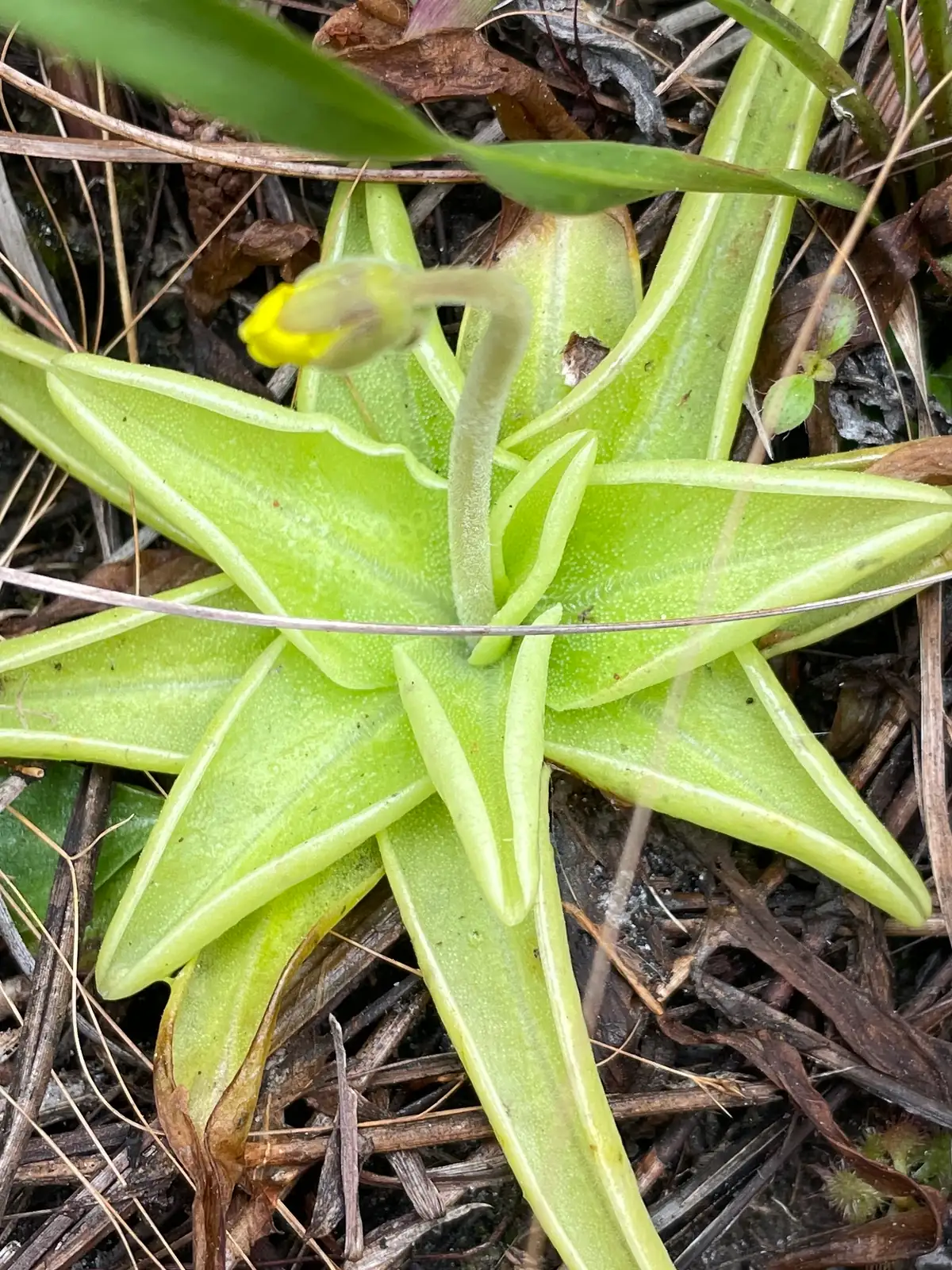
Plant Features
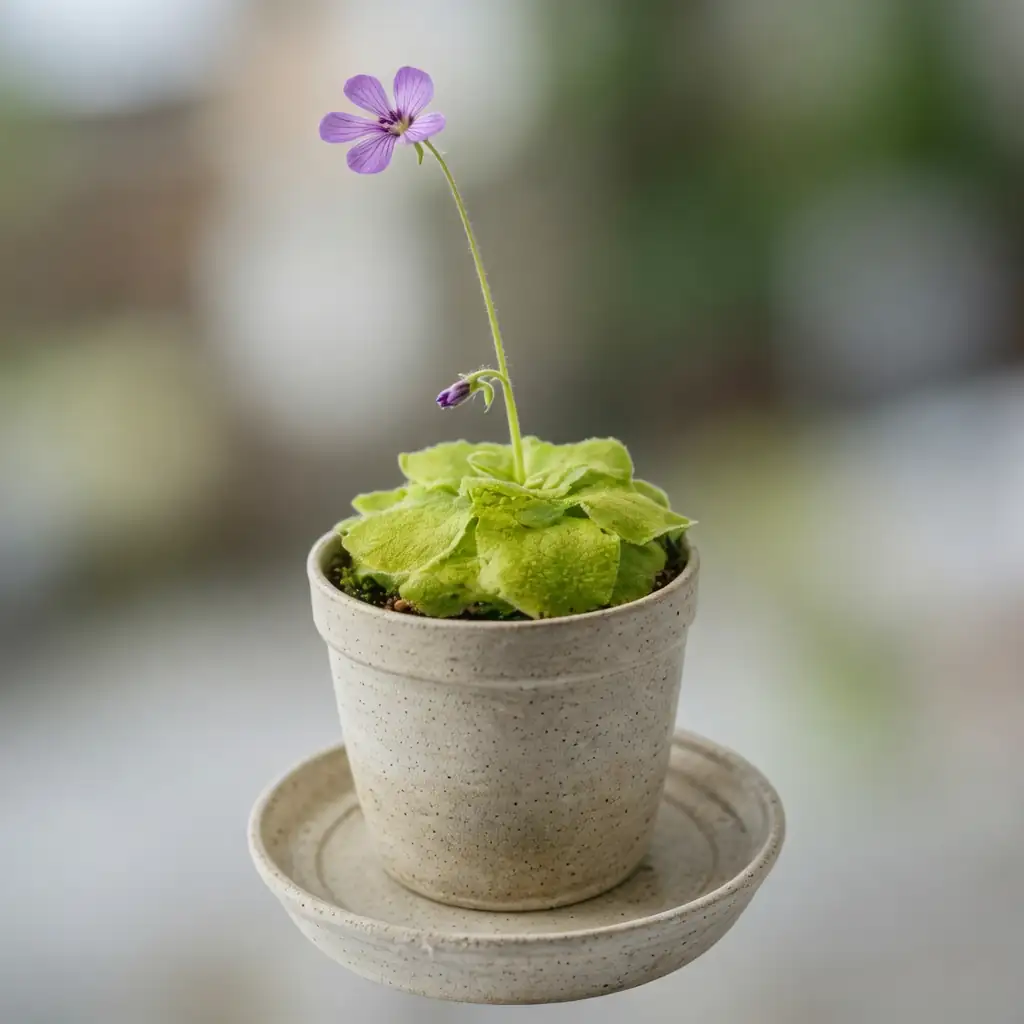
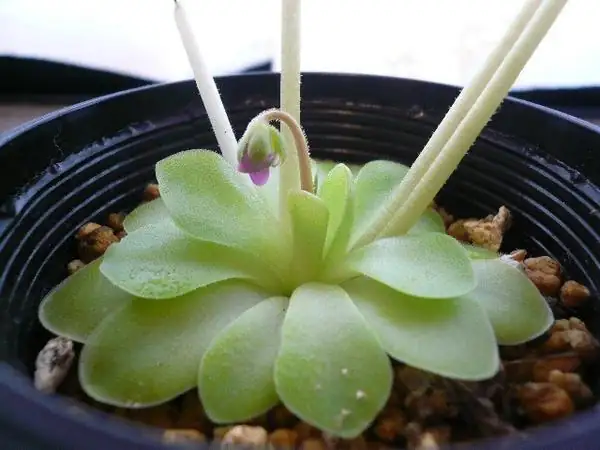
- Size: Typically about 15 × 10 cm (6 × 4 in) for the rosette (height × spread), with flower stalks rising above the leaves.
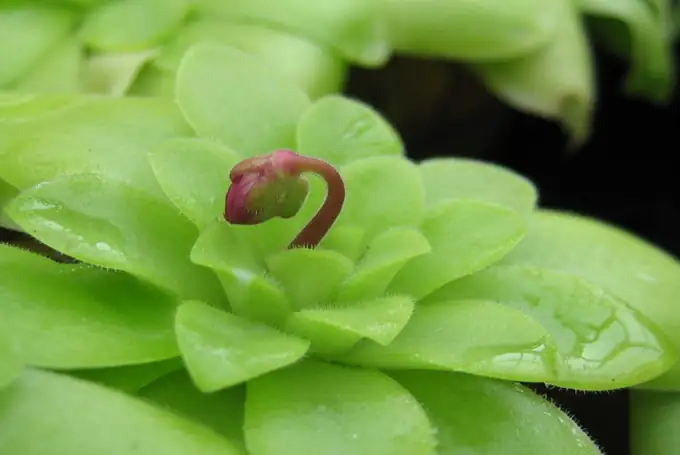
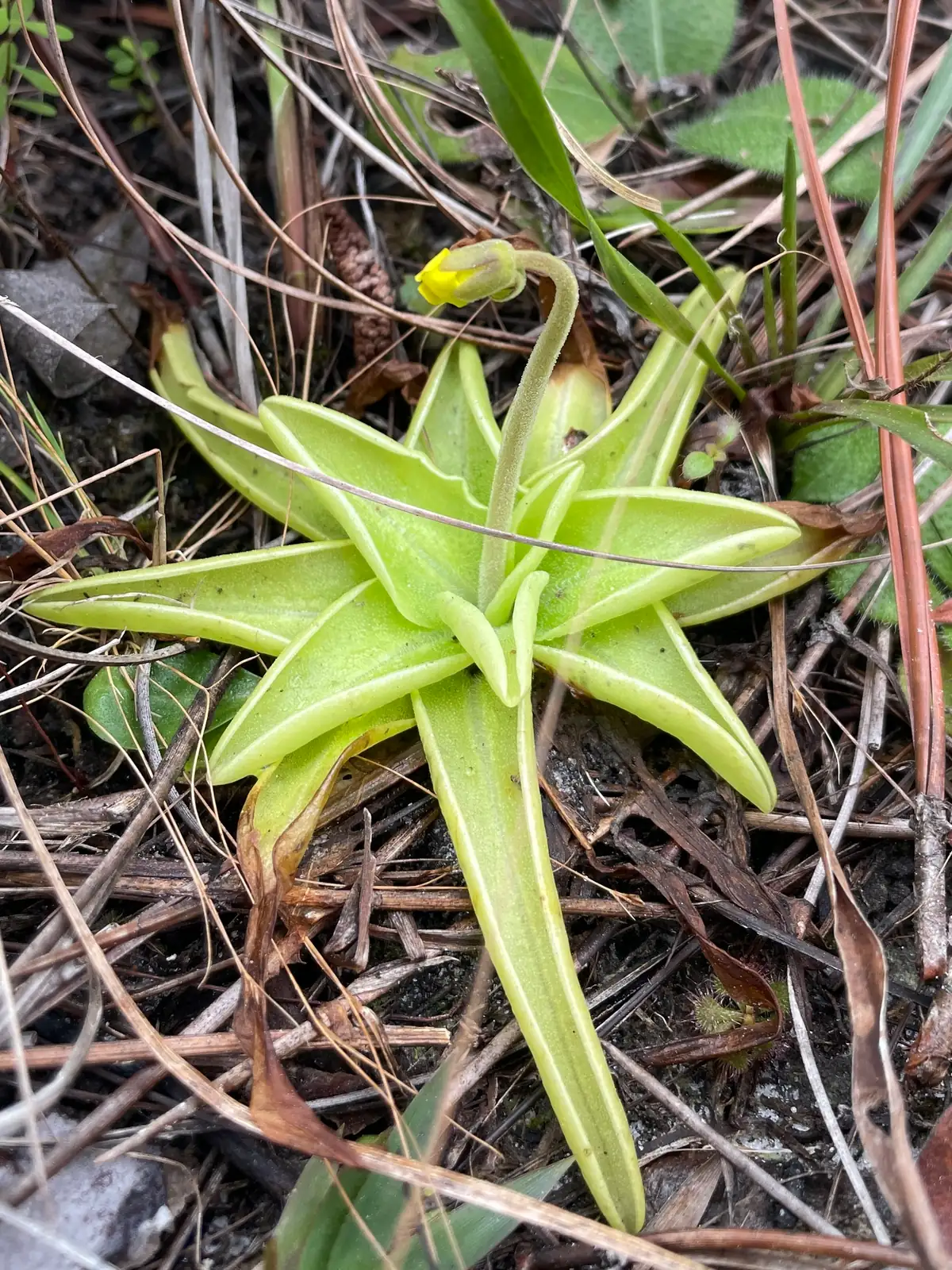
- Foliage: A compact, rosette-forming plant with pale yellow‑green to bronzy leaves coated in a shiny, sticky mucilage that traps small insects (such as aphids and gnats). The leaf surface also secretes enzymes to digest prey.
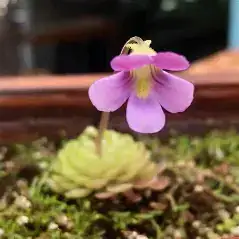
- Flower: Delicate, small flowers held above the rosette on thin stems; commonly pink, reddish, or bluish-purple depending on species and cultivar.
- Flowering Season: Summer (varies by species and growing conditions).
- Growth Habit: Rosette-forming and often clumping over time; some types shift into a dormant phase and produce smaller, more succulent (less sticky) leaves.
Environment
Sunlight
Bright, indirect light to part sun; gentle morning sun is usually fine. Avoid harsh midday direct sun, especially behind glass.
Temperature
18–29°C (64–84°F). Many commonly grown Mexican types should be kept above about 10°C (50°F).
Humidity
Moderate humidity; adapts well to typical indoor humidity if there’s decent airflow.
Soil
Use a carnivorous-plant medium only. A common mix is silica sand : peat moss : perlite = 3 : 1 : 1. Avoid regular potting soil, compost, or mixes with added fertilizer.
Placement
A bright windowsill with filtered light—often an east window, or a shaded/filtered south or west exposure. Keep out of intense, hot direct sun.
Hardiness
Varies by species. Many popular Mexican butterworts are not frost-hardy; protect from cold and keep above ~10°C (50°F).
Care Guide
Difficulty
Easy, as long as you use low‑mineral water and a proper carnivorous-plant medium (this is the make-or-break point).
Buying Guide
Choose a plant with a firm, symmetrical rosette and clean, sticky leaves. Avoid plants potted in standard potting soil, or any with a blackened, mushy center (possible rot).
Watering
Use rainwater or distilled water (low-mineral water is essential). During active growth, water from above and keep the medium evenly moist. When the plant enters dormancy, reduce watering—water only when the surface begins to dry or feels just slightly dry on top.
Fertilization
No fertilizer is needed (and soil fertilizing can harm it). Indoors, occasional prey is enough—around 2–3 small insects per month is plenty. Avoid feeding large insects.
Pruning
Remove spent flower stalks and dead leaves promptly to keep the rosette tidy and reduce mold/rot risk.
Propagation
Commonly propagated by leaf pullings (leaf cuttings) or division, depending on the species. Some can also be raised from seed.
Repotting
Use a small pot about 10–15 cm (4–6 in) wide. Repot during dormancy or right as fresh growth resumes, especially if the mix has broken down.
📅 Seasonal Care Calendar
Dormancy timing varies by species and conditions. In dormancy, plants may form smaller, more succulent leaves and need less water. Keep it brighter rather than darker, reduce watering (only when the surface dries slightly), and repot during dormancy if needed.
Pests, Diseases & Safety
Common Pests & Diseases
Can be affected by fungus gnats, aphids, mealybugs, and rot—especially if kept too wet in low light. Improve light and airflow, remove dead leaves, and avoid rich soils. Use pest controls appropriate for carnivorous plants (low-residue, gentle approaches).
Toxicity
Generally considered non-toxic to people and pets, though swallowing plant material may cause mild stomach upset. The sticky mucilage is not dangerous.
Culture & Symbolism
Symbolism: Often linked with quiet cleverness—gentle beauty hiding surprising strength (a pretty plant with a predator’s secret).
History & Legends: The name “butterwort” comes from old European lore: the leaves can feel slightly greasy, inspiring associations with butter and milk, and folklore even claimed the plant could influence dairy products.
Uses: Mostly grown as an ornamental and educational carnivorous houseplant. It can also help catch small nuisance insects such as fungus gnats.
FAQ
How should I water a butterwort?
Use rainwater or distilled water. Keep the medium evenly moist during active growth, then reduce watering during dormancy—water only when the surface begins to dry.
Does it need fertilizer?
No—don’t fertilize the soil. Occasional small insects are enough (about 2–3 per month indoors).
What soil should I use?
A carnivorous-plant mix only. A dependable recipe is silica sand : peat moss : perlite = 3 : 1 : 1. Avoid standard potting soil.
Where should I place it indoors?
Give it bright, indirect light or gentle morning sun. Avoid strong midday sun through glass.
What should I do during dormancy?
Dormancy varies by species; the plant may make smaller, more succulent leaves. Water less (when the surface dries slightly) and repot during dormancy if needed.
Fun Facts
- Butterwort leaves can sparkle because the sticky mucilage reflects light, so they look dewy even when the air feels dry.
- They’re “flypaper” carnivores: insects are held by glue-like mucilage and digested right on the leaf surface (no snapping traps).
- Many popular indoor butterworts are Mexican species or hybrids that handle average home humidity better than many other carnivorous plants.