Plant Features
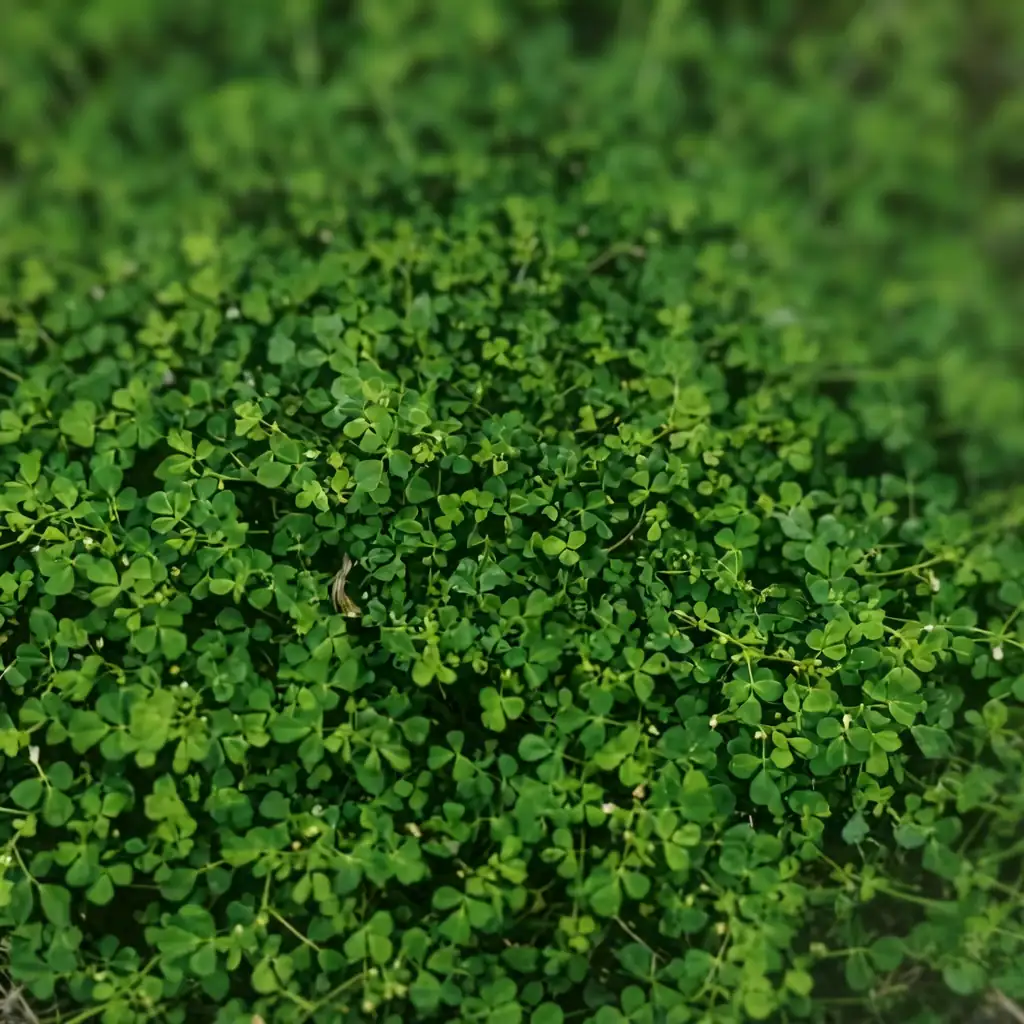
- Size: Typically 20–90 cm (8–35 in) tall, often forming low, spreading patches.
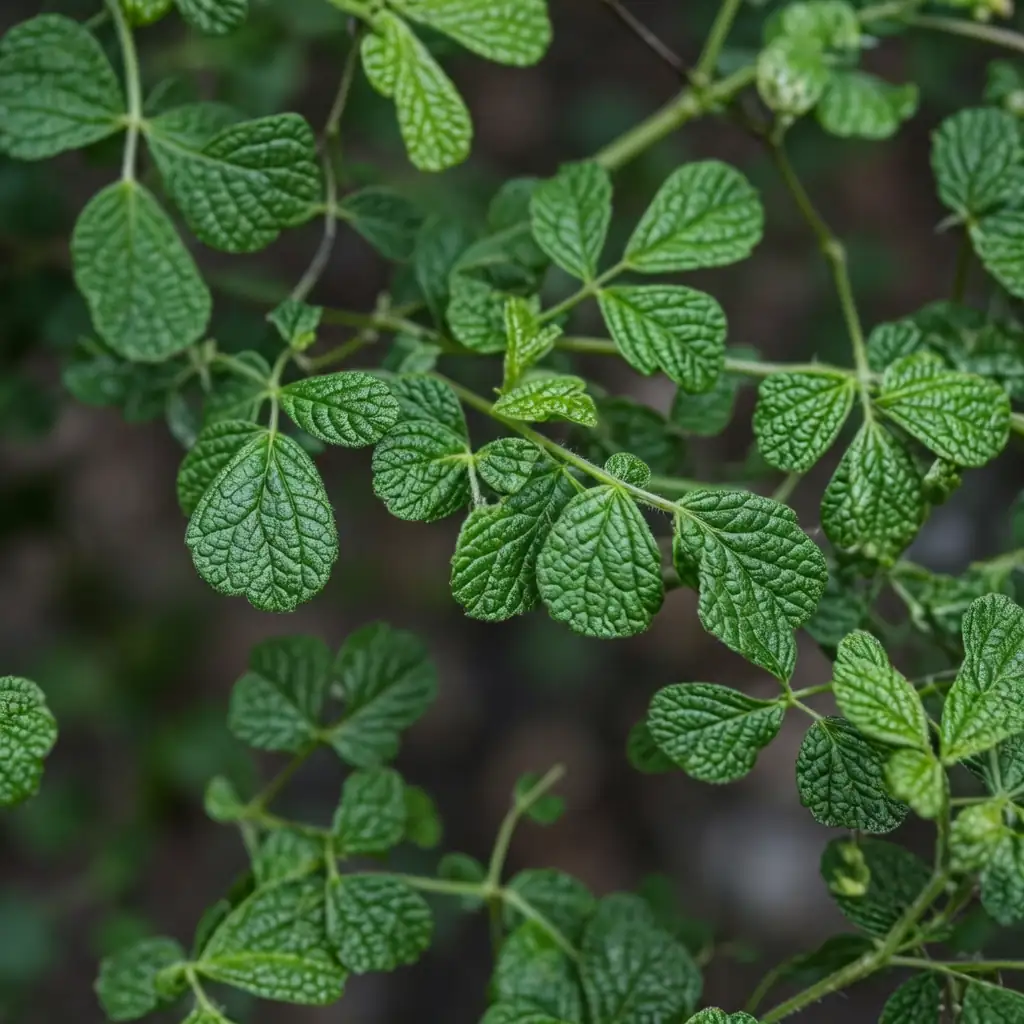
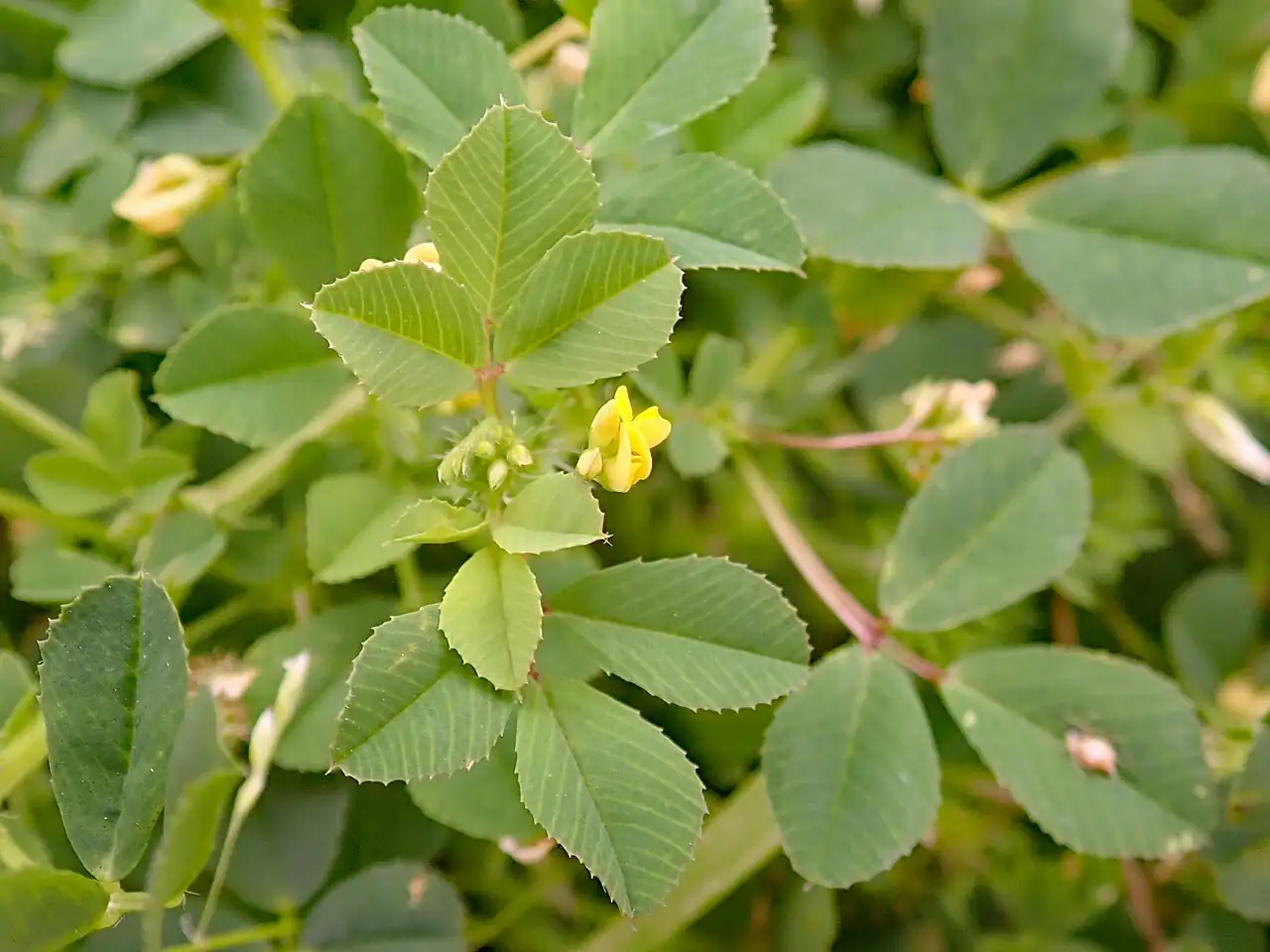
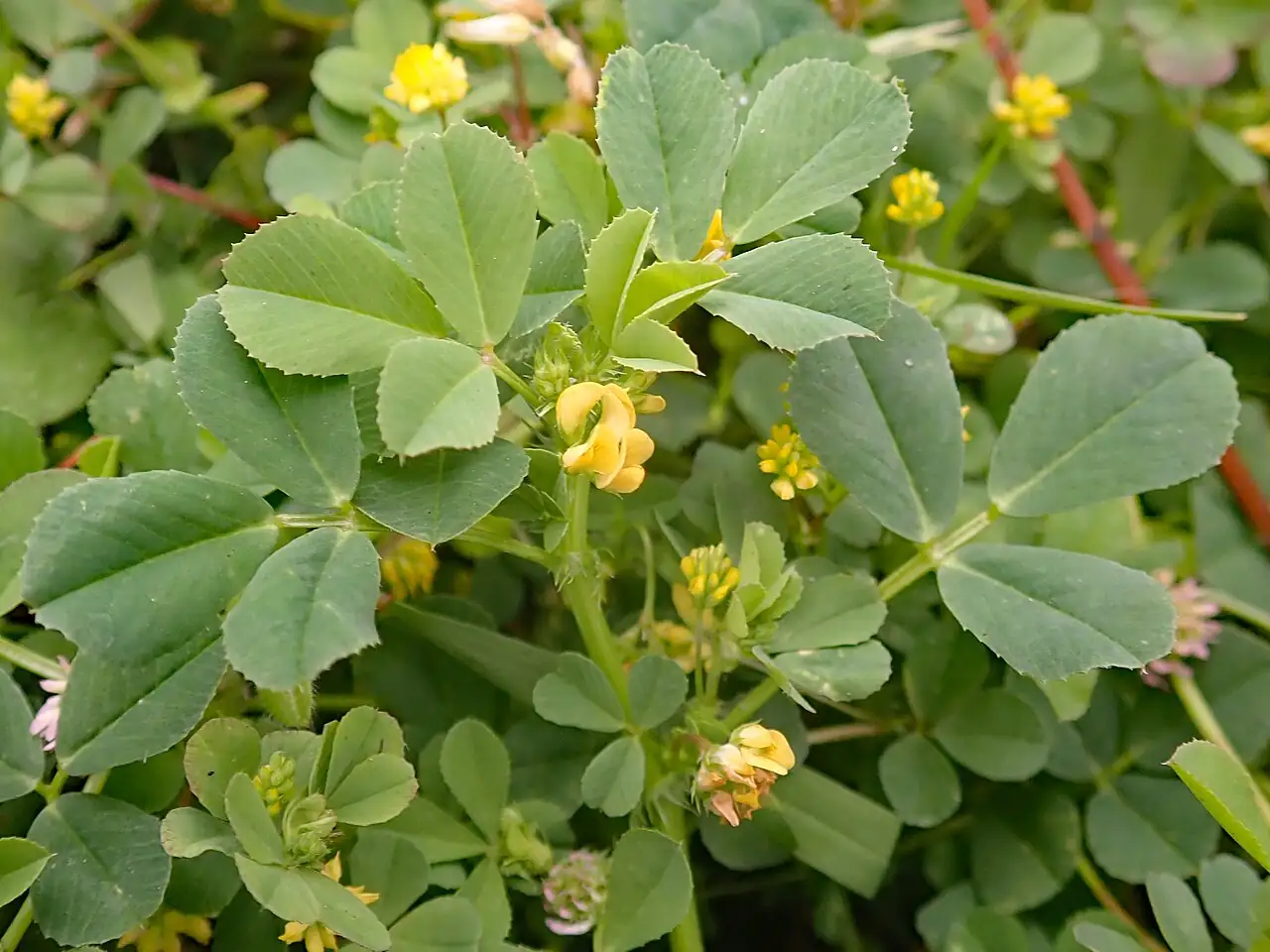
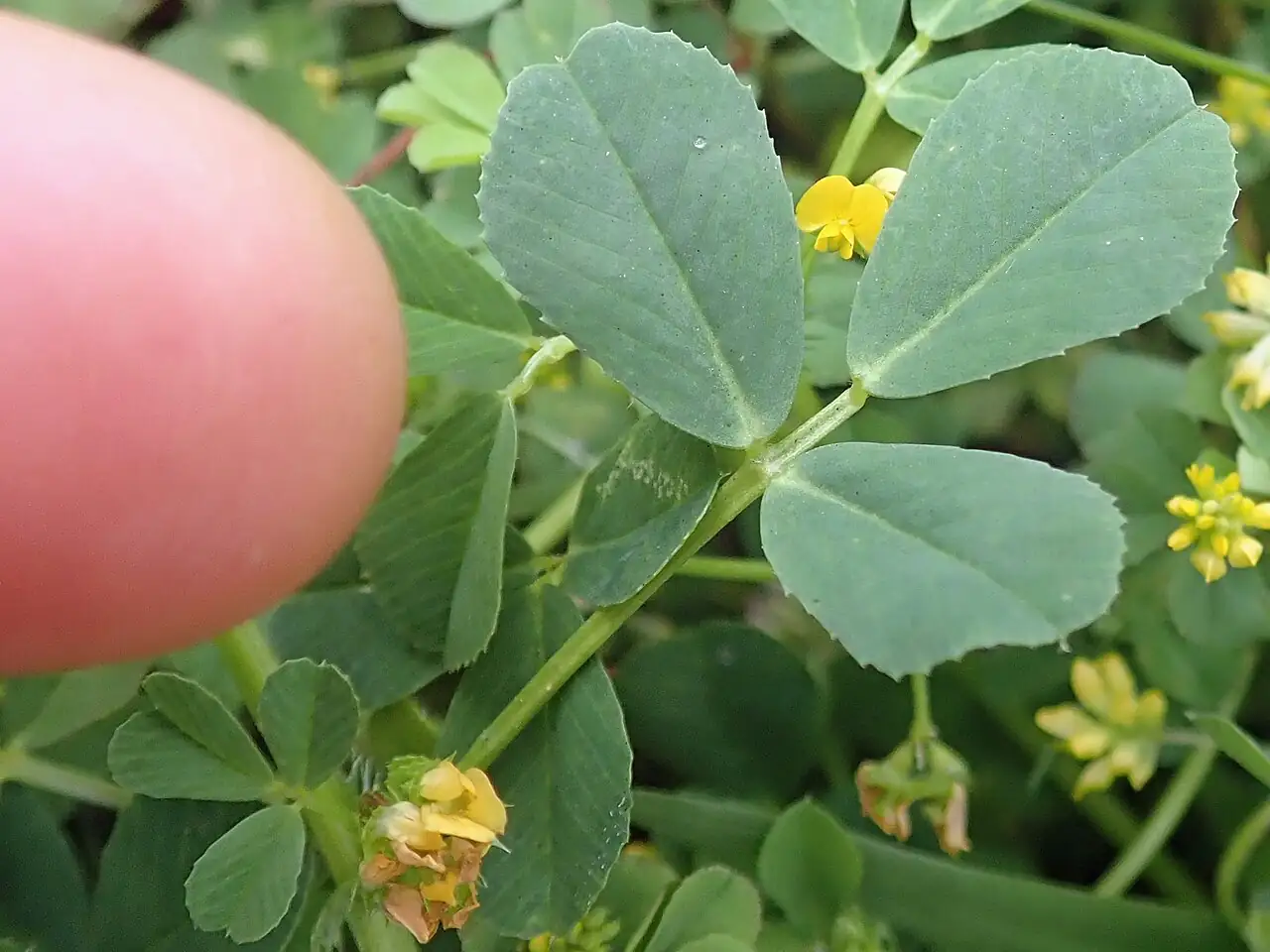
- Foliage: Trifoliate leaves with obovate to heart-shaped leaflets; tips rounded or slightly notched, with fine teeth toward the outer margins. Foliage is deep green, and the plant branches freely from a strong taproot.
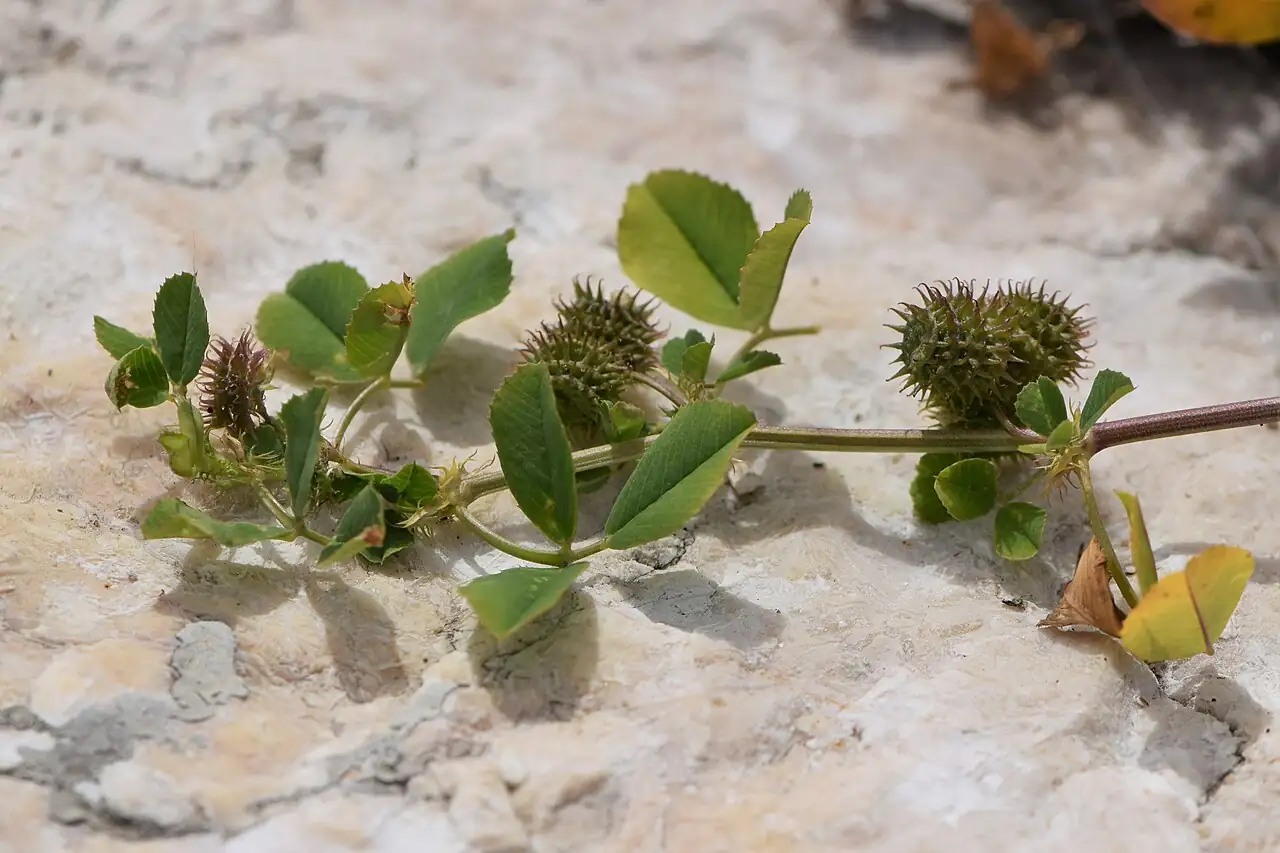
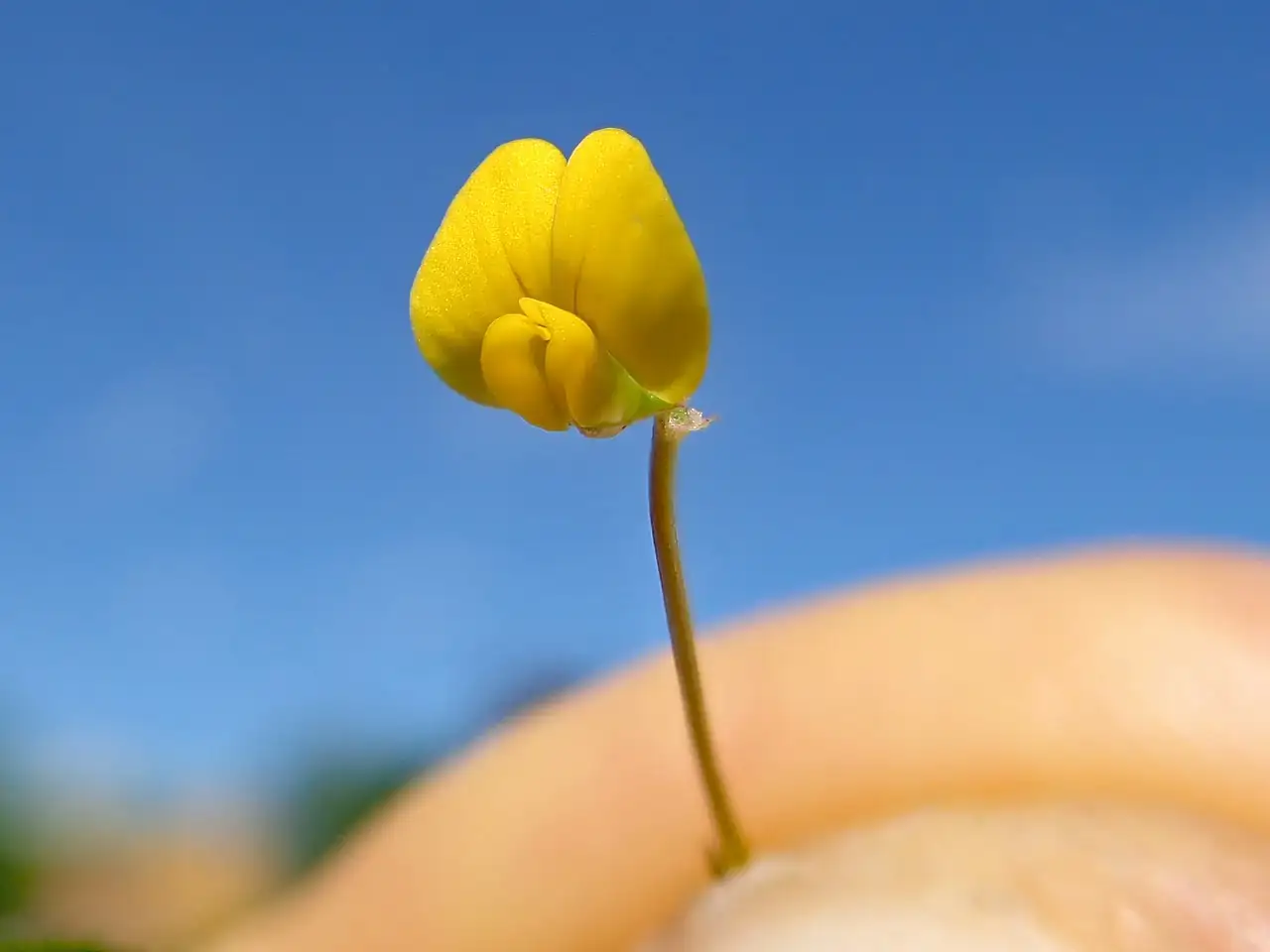
- Flower: Small yellow, pea-like flowers in short clusters. These are followed by distinctive coiled pods armed with hooked spines—little burs that cling to animals and fabric for easy dispersal.
- Flowering Season: March–May (spring); fruiting May–June (late spring–early summer).
- Growth Habit: Annual to short-lived biennial herb with a low, branching, spreading habit and a long taproot; ecologically flexible from moist sites to semi-arid ground.
Environment
Sunlight
Full sun to light shade; for best growth aim for at least 6 hours of sun daily.
Temperature
Grows best in mild to warm weather around 15–25°C (59–77°F); generally not tolerant of hard frost.
Humidity
Adaptable from humid to semi-arid conditions; does best with moderate moisture during active growth.
Soil
Prefers well-drained, fertile, loose soil; tolerates many soil types as long as drainage is good.
Placement
Outdoors in sunny beds, field margins, meadow-style plantings, or as a cover crop in orchards and vineyards.
Hardiness
Frost-sensitive; often behaves as a winter/spring annual in mild climates (approximately USDA Zone 8–11).
Care Guide
Difficulty
Easy outdoors in suitable climates—fast-growing, forgiving, and adaptable once established.
Buying Guide
For cultivation, start with fresh seed from a reputable supplier. If buying seedlings, choose plants with vigorous green growth (no yellowing), and avoid pots with sour smell or waterlogged soil.
Watering
Water regularly at first to establish, keeping the soil lightly moist. Once established, water mainly during prolonged dry spells; avoid constantly wet conditions to reduce root problems.
Fertilization
Usually needs little to no nitrogen fertilizer because it is a legume that fixes nitrogen. If soil is poor, mix in compost or use a balanced, low-nitrogen fertilizer early in the season.
Pruning
Not required. If grown as forage or a cover crop, mow/trim to encourage branching and to manage spread; remove plants before burr pods mature if you want to limit self-seeding.
Propagation
By seed. Sow in cool seasons where winters are mild, or in early spring in cooler regions. Lightly cover seeds and keep evenly moist until germination.
Repotting
Usually grown in the ground. If container-growing, choose a deep pot for the taproot and refresh the potting mix once rootbound.
📅 Seasonal Care Calendar
Flowering March–May; fruiting May–June. For green manure, cut and incorporate into the soil before pods mature to avoid lots of burr seeds (and to return nutrients and organic matter to the bed).
Pests, Diseases & Safety
Common Pests & Diseases
Can attract aphids; may develop leaf spot or root rots in poorly drained soils. Improve airflow, avoid overwatering, and use insecticidal soap for aphids when needed.
Toxicity
Not generally considered toxic and is widely used as forage. As with many legumes, heavy grazing on lush growth can contribute to bloat in livestock. For people and pets, only eat if correctly identified and harvested from clean, pesticide-free areas.
Culture & Symbolism
Uses: Widely used as high-quality forage (grazed or cut) and as a green manure/cover crop to add organic matter and nitrogen to the soil. In some places it’s also gathered as a seasonal wild green and appears in local folk practices.
FAQ
Why is it called “bur clover”?
After flowering, it forms small coiled pods with hooked spines that stick to fur and clothing—just like burs—so the seeds can travel easily.
Does bur clover need nitrogen fertilizer?
Usually not. Because it fixes nitrogen with the help of root bacteria, adding lots of nitrogen fertilizer can be unnecessary and may reduce the plant’s nitrogen-fixing benefit.
Fun Facts
- Those prickly spiral pods are built for “hitchhiking,” which helps the plant spread along paths, lawns, and field edges.
- As a nitrogen-fixing legume, it can boost soil fertility—especially when grown as a cover crop and turned in before seed set.
- It’s surprisingly flexible: it can handle moderately moist spots and, once established, can cope with semi-dry conditions.
- It’s often found cultivated or semi-wild in agricultural landscapes and roadsides across many warm regions.