Plant Features
- Size: Typically about 30 cm (12 in) tall and 45 cm (18 in) wide in containers, sometimes larger with age.
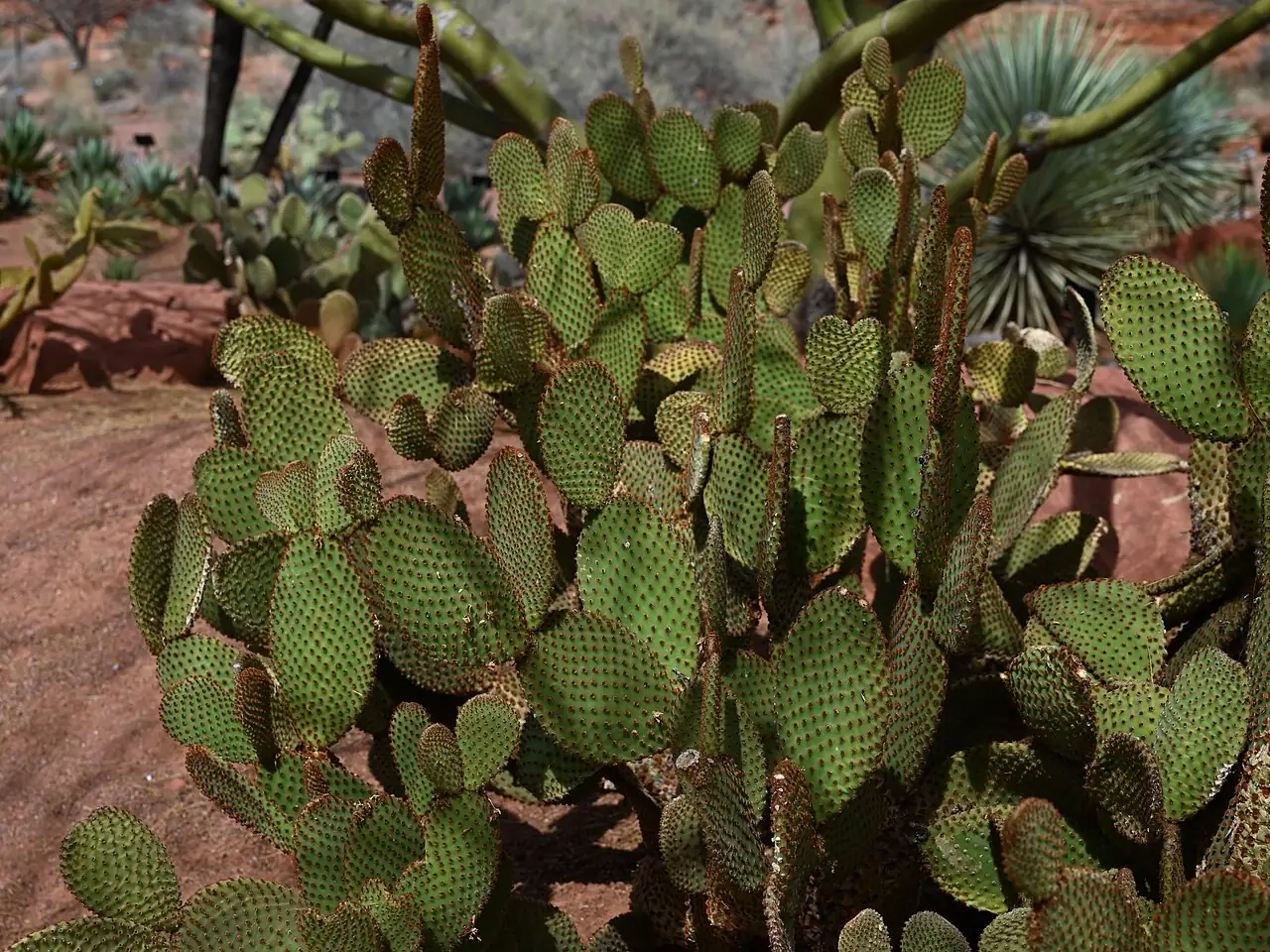
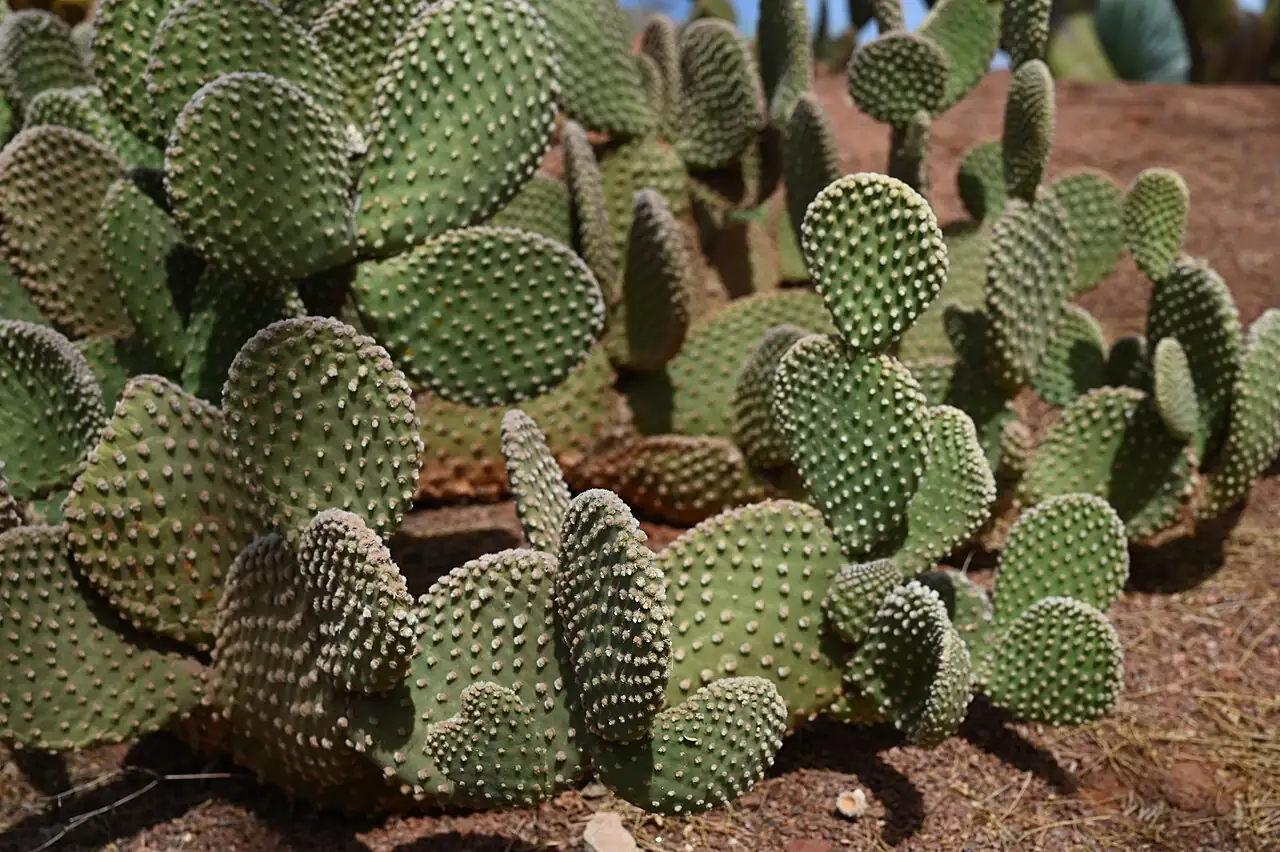
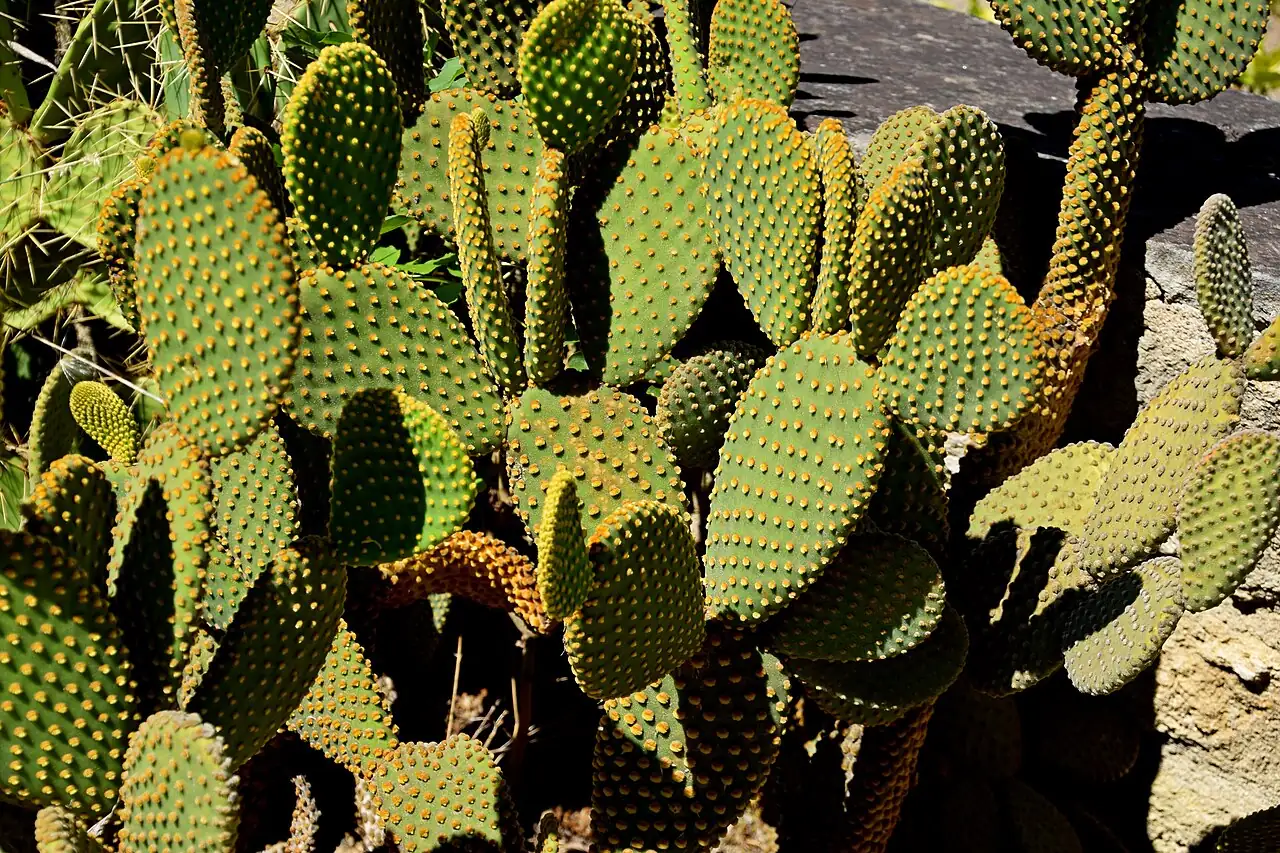
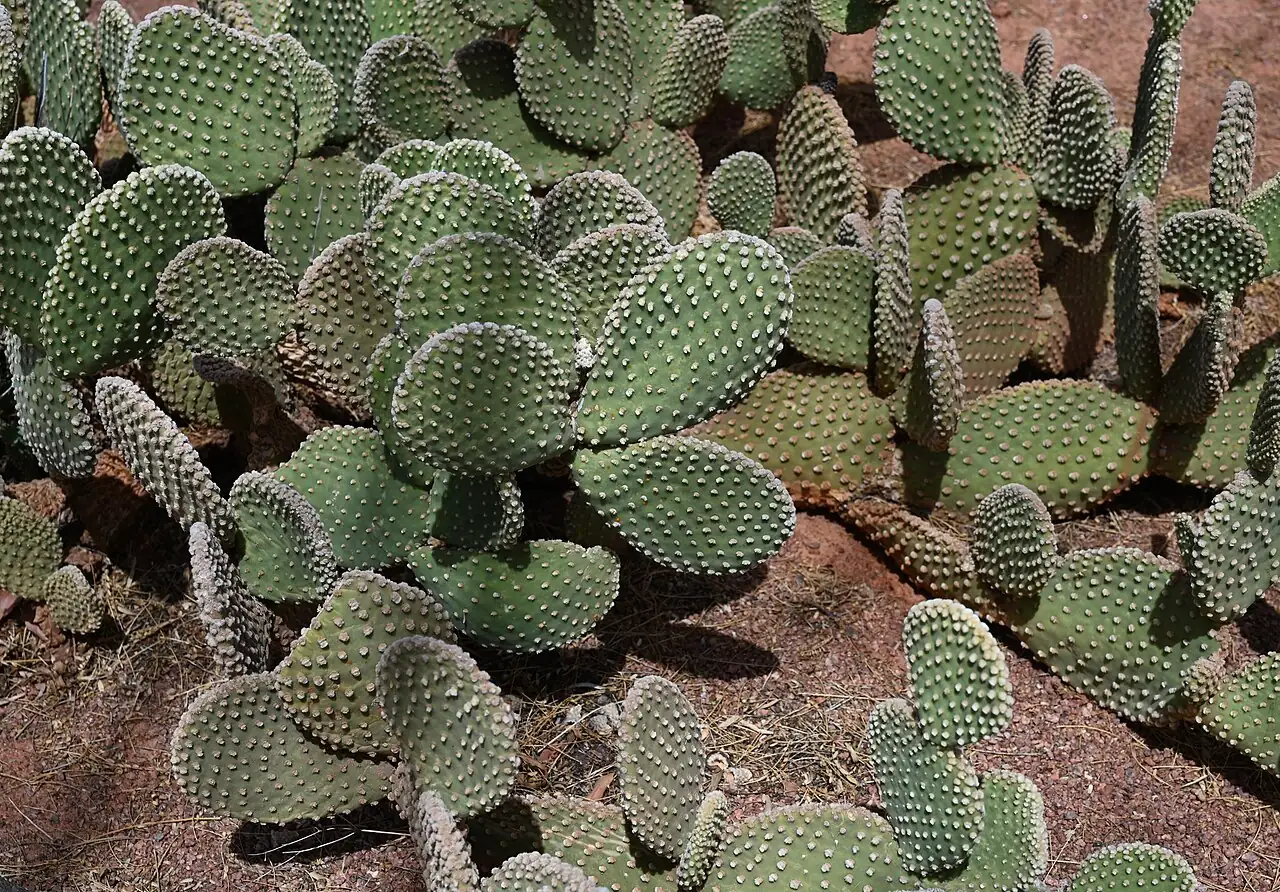
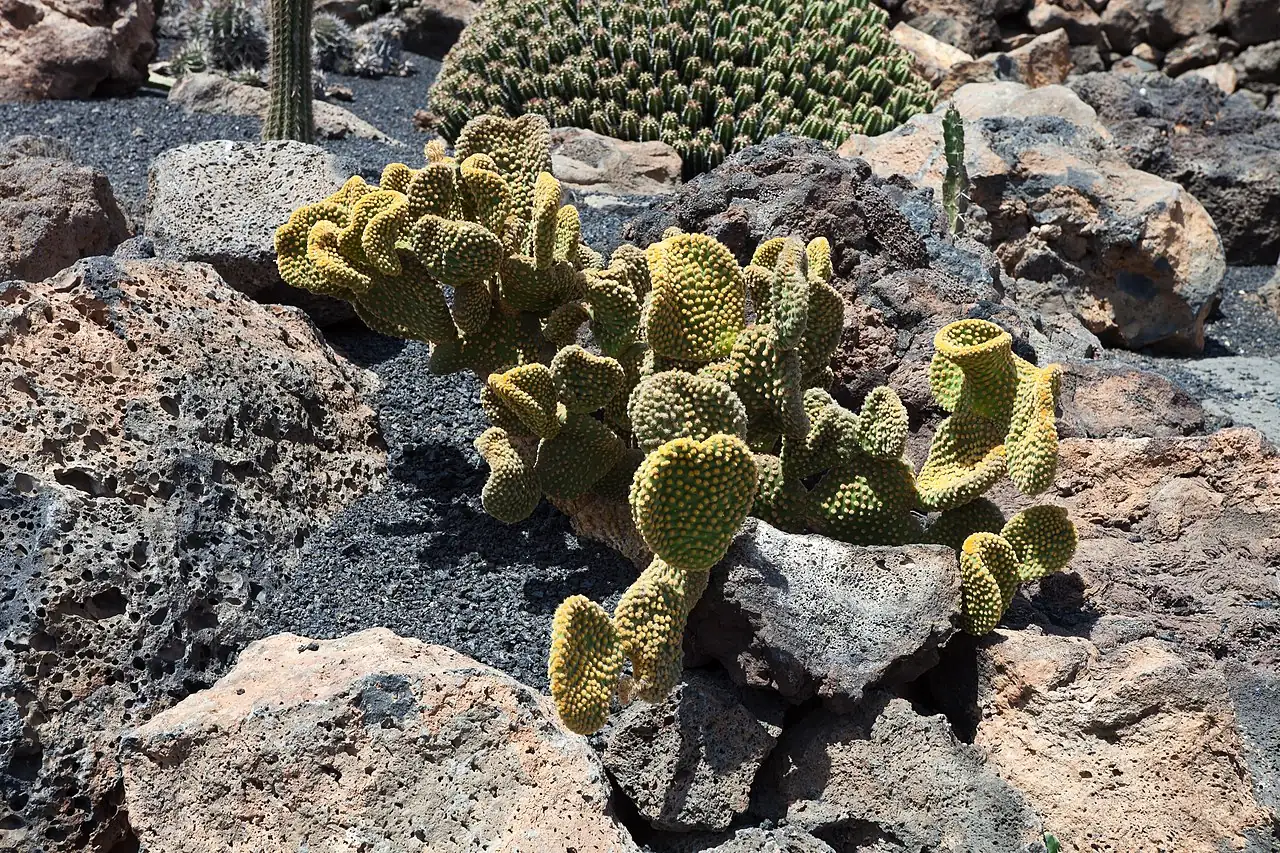
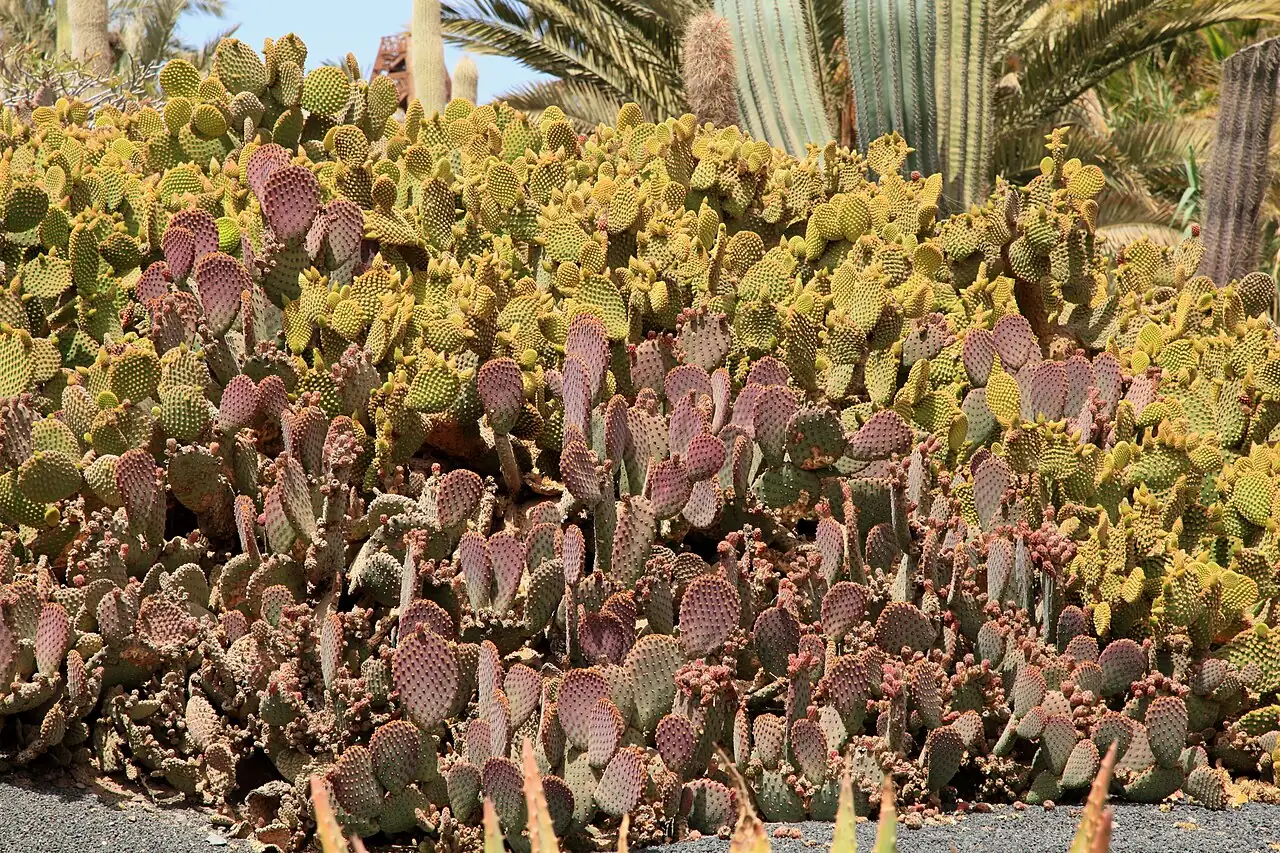
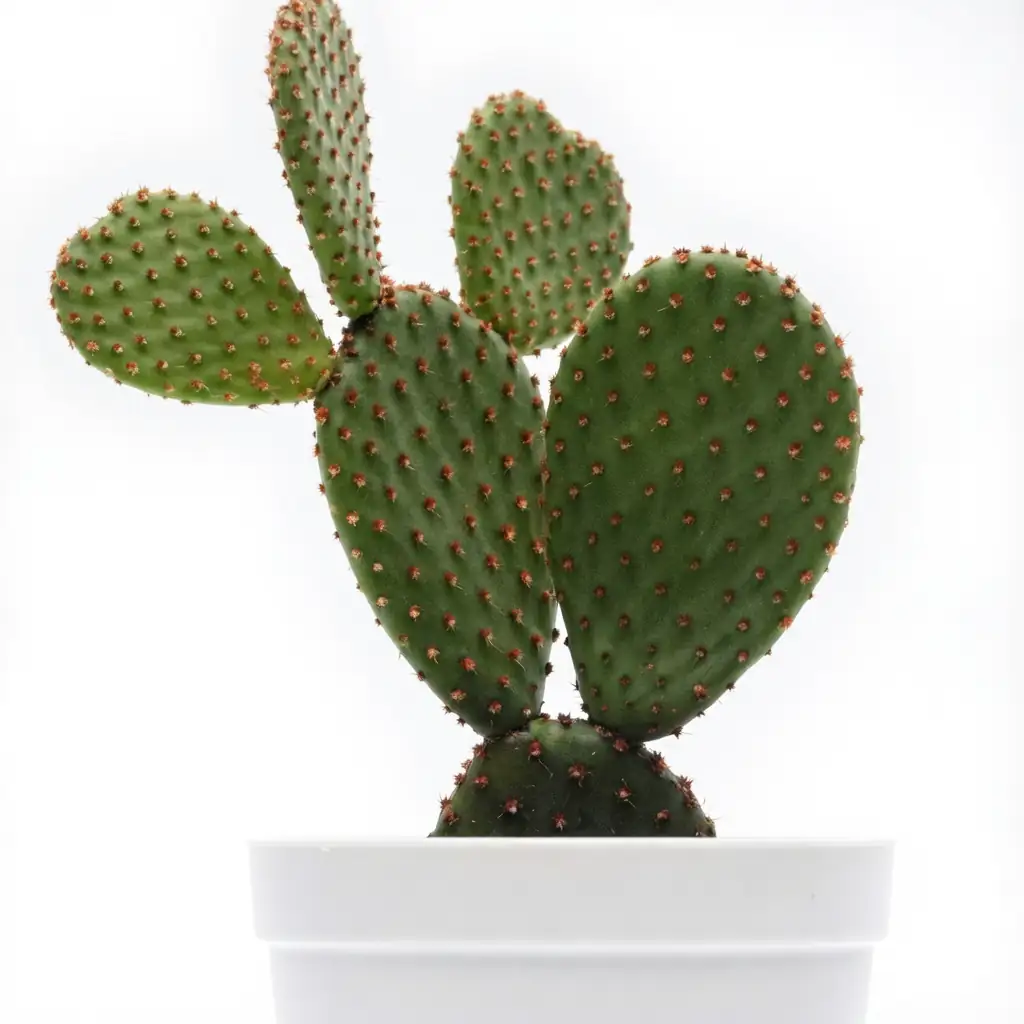
- Foliage: Flattened, oval to obovate green pads (stem segments) that commonly form paired “ears.” The areoles are evenly spaced and carry dense clusters of golden-yellow glochids rather than long spines.
- Flower: Yellow, bowl-shaped (cup-like) flowers in warm weather; blooming is most likely on mature plants grown in very strong light.
- Flowering Season: Summer
- Growth Habit: Upright to spreading, pad-forming cactus; pads are often produced in pairs, creating the classic bunny-ear silhouette.
Environment
Sunlight
Full sun to very bright light. In extremely hot summers, aim for bright light with some midday/afternoon shade to prevent sun scorch.
Temperature
10–30°C (50–86°F). For winter rest, keep cooler and drier—ideally 5–12°C (41–54°F)—and protect from hard frost.
Humidity
Prefers low humidity; avoid persistently humid conditions and stagnant air.
Soil
Fast-draining cactus/succulent mix. DIY option: 3 parts potting soil : 1 part coarse sand : 1 part perlite (by volume).
Placement
Indoors, place at the brightest window (south/west exposure) with good airflow. In summer, it can go outside to a very bright spot but avoid harsh midday sun during heatwaves. In winter, a cool, bright room supports dormancy. Always use a pot with excellent drainage.
Hardiness
Best outdoors year-round only in warm, frost-free climates; commonly treated as tender (approx. USDA Zone 9–11).
Care Guide
Difficulty
Easy, as long as it receives strong light and the potting mix dries thoroughly between waterings.
Buying Guide
Pick a plant with firm, evenly colored pads and no soft, mushy spots. Check pad joints/areoles for pests, and avoid any plant with a blackened base (possible rot). Handle carefully with gloves—glochids dislodge easily.
Watering
Spring to early fall: water about once a week, but only after the mix has dried out well. Winter dormancy: keep almost dry—about 1–2 light waterings total for the season, and only if pads noticeably shrivel.
Fertilization
Spring to early fall: fertilize with a cactus/succulent feed every 6–8 weeks. Stop feeding in winter.
Pruning
Usually unnecessary. If you need to tidy or remove damage, twist or cut pads off at the joint. Let wounds callus for several days before watering nearby soil again.
Propagation
Pad cuttings: detach a healthy pad, let it callus for 5–10 days, then set it into dry, gritty cactus mix. Start very light watering only once roots begin forming (often 2–4 weeks in warm conditions).
Repotting
Wear gloves. Repot into a fast-draining cactus mix (or the 3:1:1 potting soil:sand:perlite blend) in a pot with drainage holes that doesn’t restrict roots. Repot young plants yearly; mature plants about every 2 years.
📅 Seasonal Care Calendar
Spring–early fall: water roughly weekly after drying; fertilize every 6–8 weeks. Summer: keep very bright; provide midday shade in extreme heat. Autumn: taper watering to prep for dormancy. Winter: cool + bright + very dry, watering only 1–2 times total. Repot: yearly for young plants, every ~2 years for mature ones.
Pests, Diseases & Safety
Common Pests & Diseases
Common issues include mealybugs and scale (often hiding at pad joints). Overwatering and poor drainage can lead to root/base rot. Prevent problems with strong light, excellent drainage, and letting the soil dry fully between waterings.
Toxicity
Not usually considered highly toxic if ingested, but the glochids can cause painful skin irritation and serious eye injury. Keep away from children and pets; handle with gloves and avoid touching your face/eyes after contact.
Culture & Symbolism
Symbolism: Often seen as a symbol of resilience and protection—tough, water-wise, and well-defended.
History & Legends: A beloved Mexican prickly pear relative that became popular worldwide as a houseplant thanks to its playful “bunny ear” shape and straightforward care.
Uses: Mainly grown as an ornamental cactus for sunny windowsills, patios, and container displays.
FAQ
What temperature range does it prefer?
Around 10–30°C (50–86°F). In winter, it does best with a cool, bright rest (about 5–12°C / 41–54°F) and very little water; protect it from hard frost.
How much light does it need?
Full sun to very bright light. If summer sun is extremely intense, provide some midday/afternoon shade to prevent sunburn on the pads.
How should I water it?
During active growth (spring through early fall), water when the potting mix has dried, often about weekly depending on heat and pot size. In winter dormancy, water only 1–2 times total, and only if the pads start to shrivel.
How often should I fertilize?
Feed every 6–8 weeks from spring to early fall with a cactus/succulent fertilizer, and skip fertilizing in winter.
How do I pot and repot it?
Use a very fast-draining cactus mix (or 3:1:1 potting soil:sand:perlite) and a pot with drainage holes. Repot young plants annually and mature plants about every 2 years—wear gloves to avoid glochids.
Fun Facts
- Those cute “fuzzy dots” aren’t soft—each one is a cluster of glochids that detach easily and can be trickier to remove than regular cactus spines.
- It can flower indoors, but it usually needs very strong light and a mature plant to do so.