

Plant Features
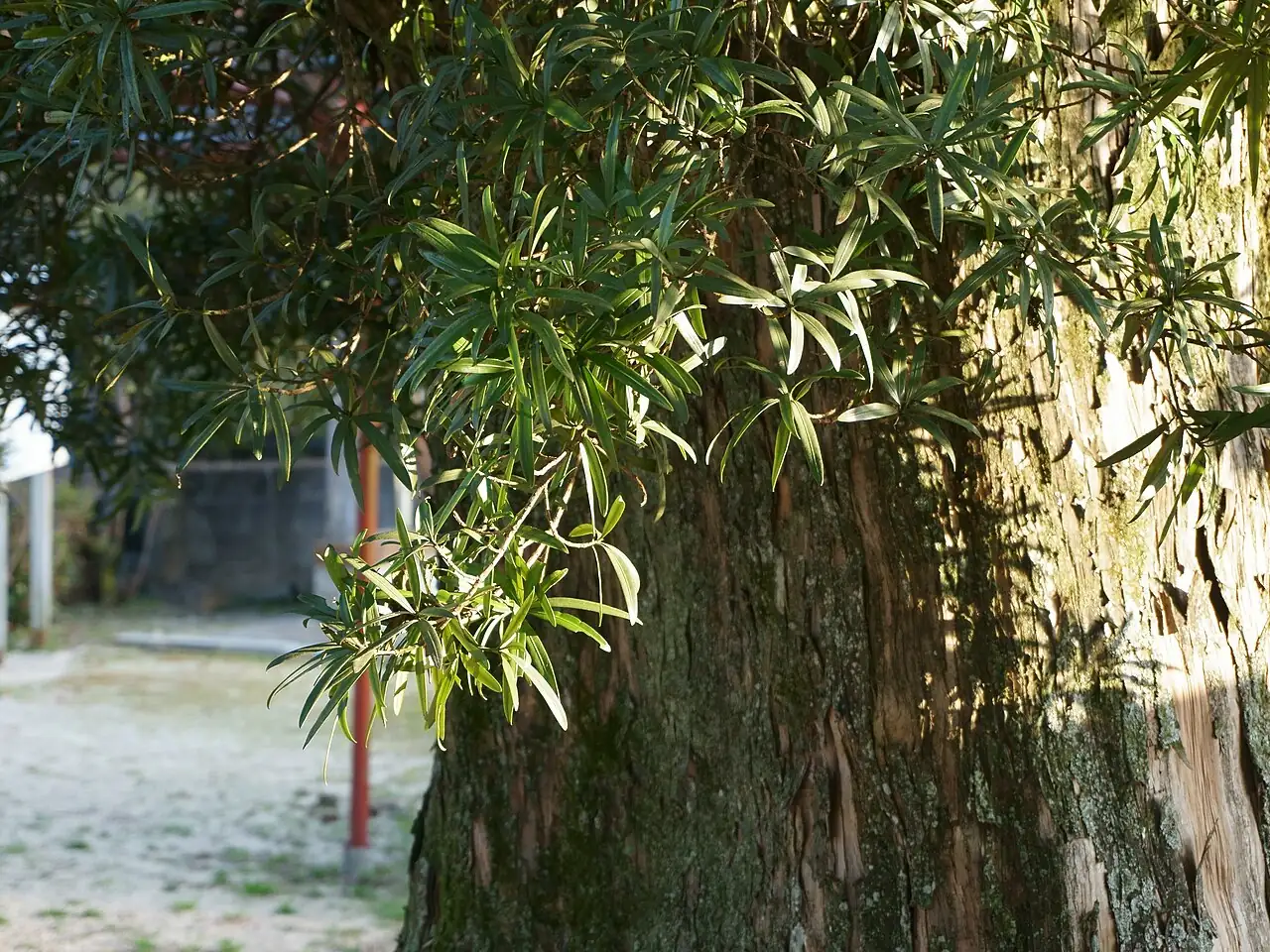
- Size: Naturally a full-sized evergreen tree, but commonly kept much smaller in pots and bonsai culture. Typical bonsai containers are about 20–40 cm (8–16 in) deep.
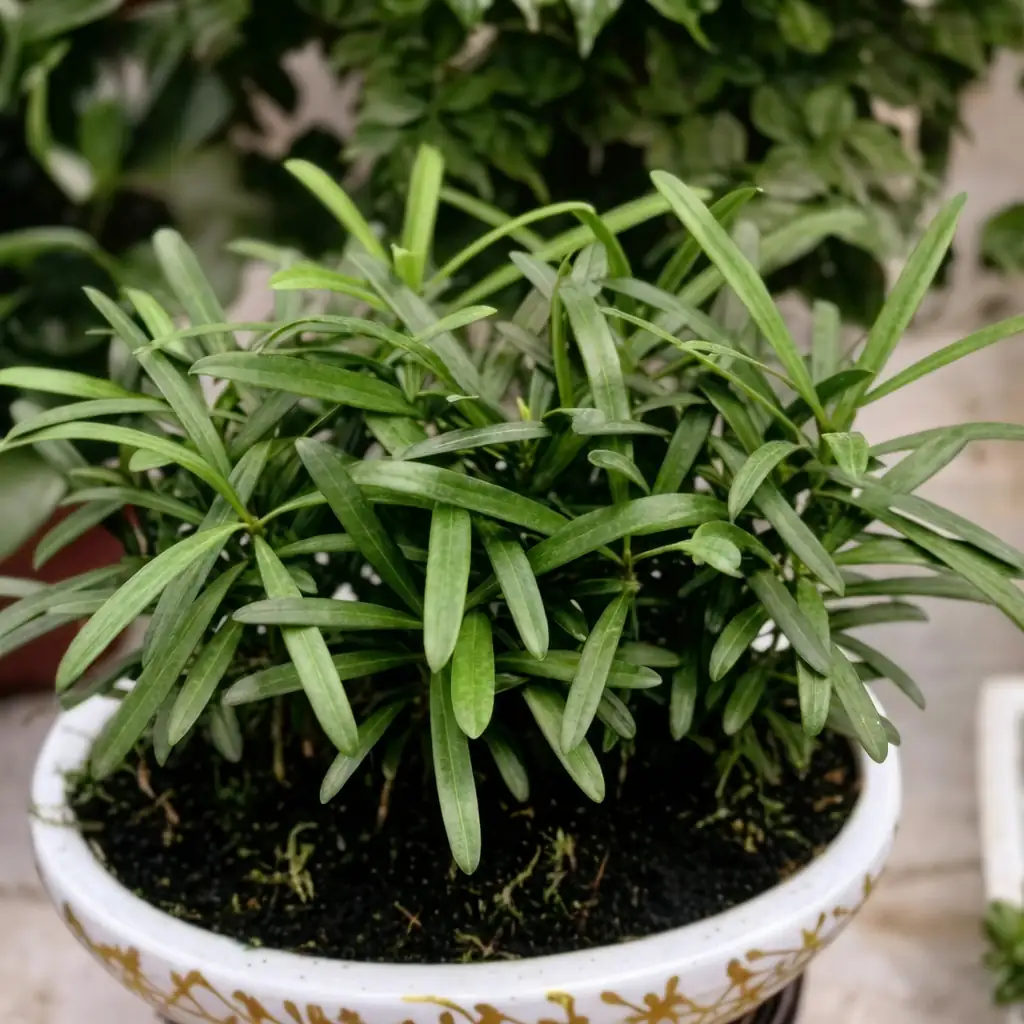
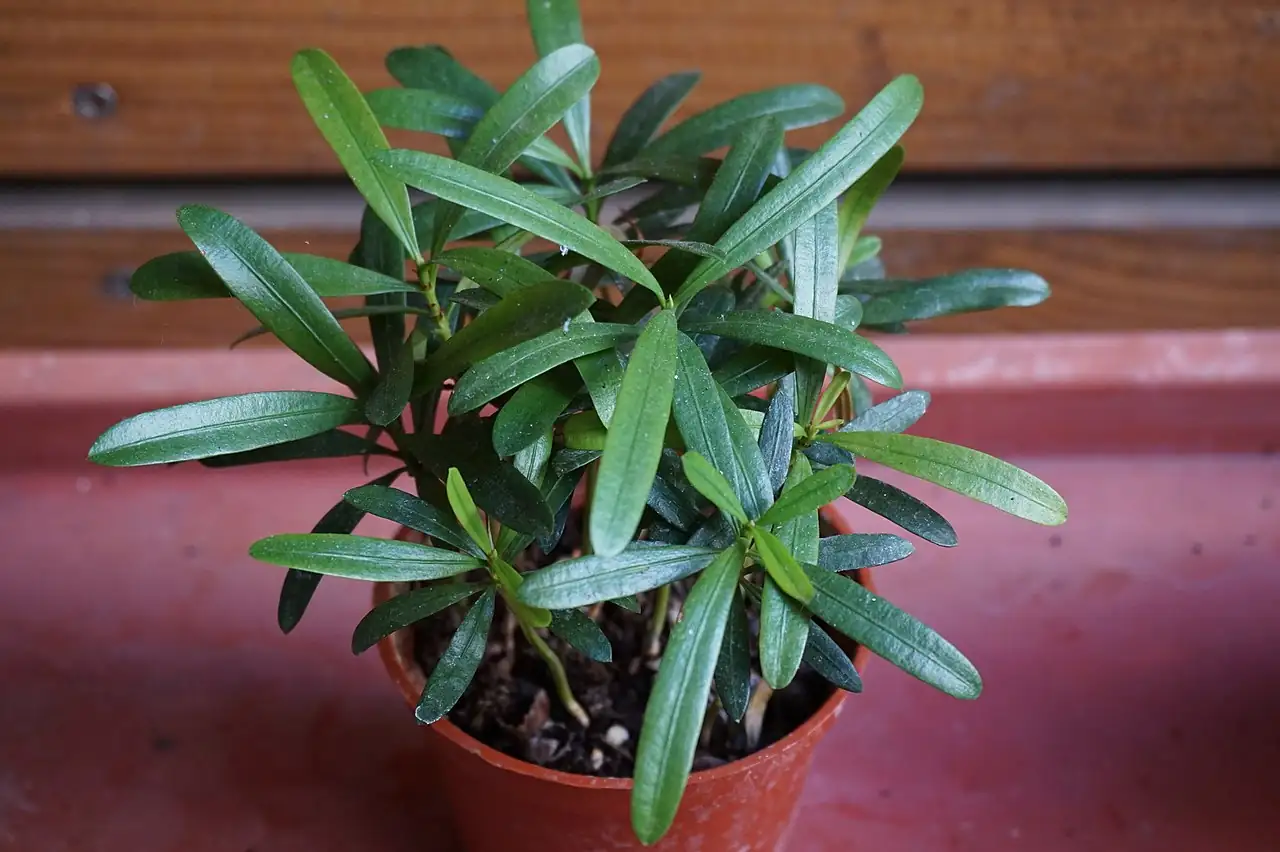
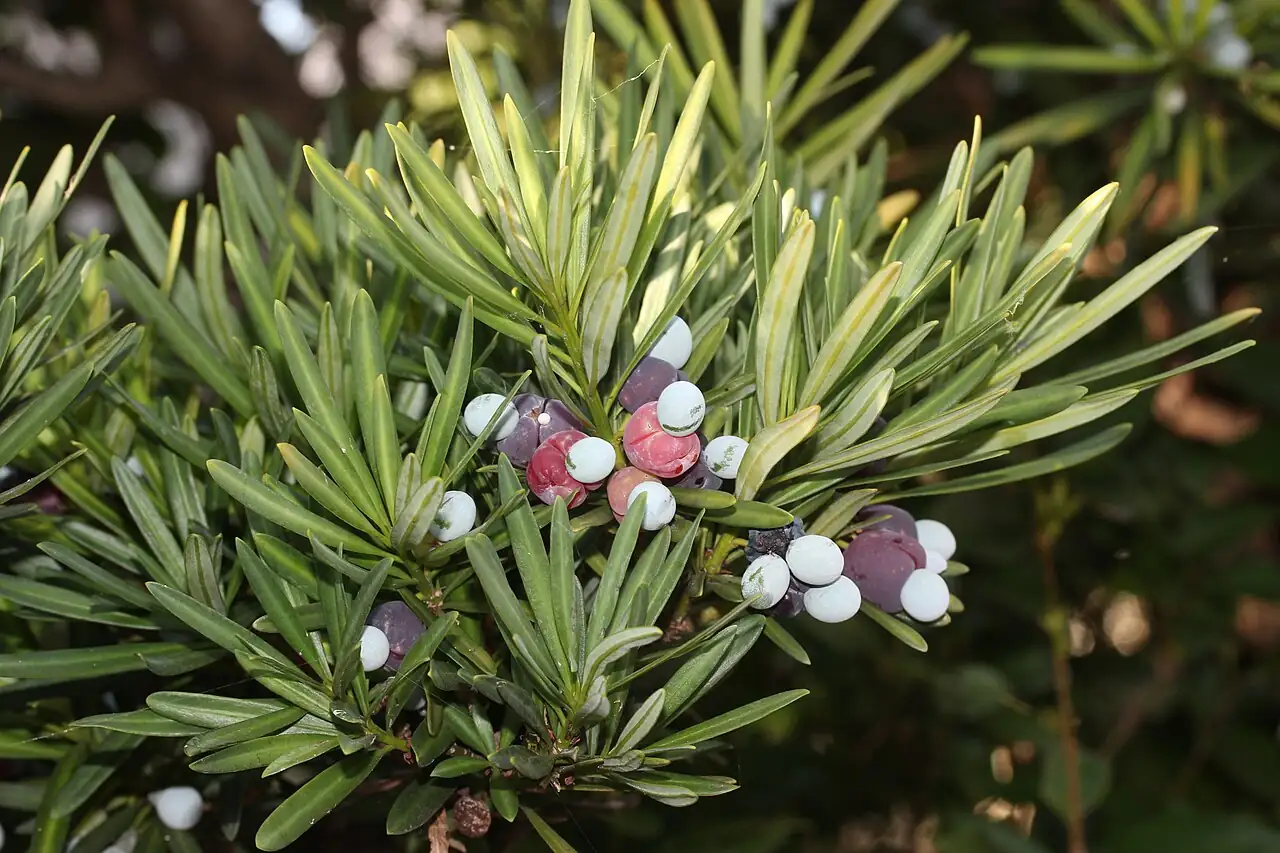
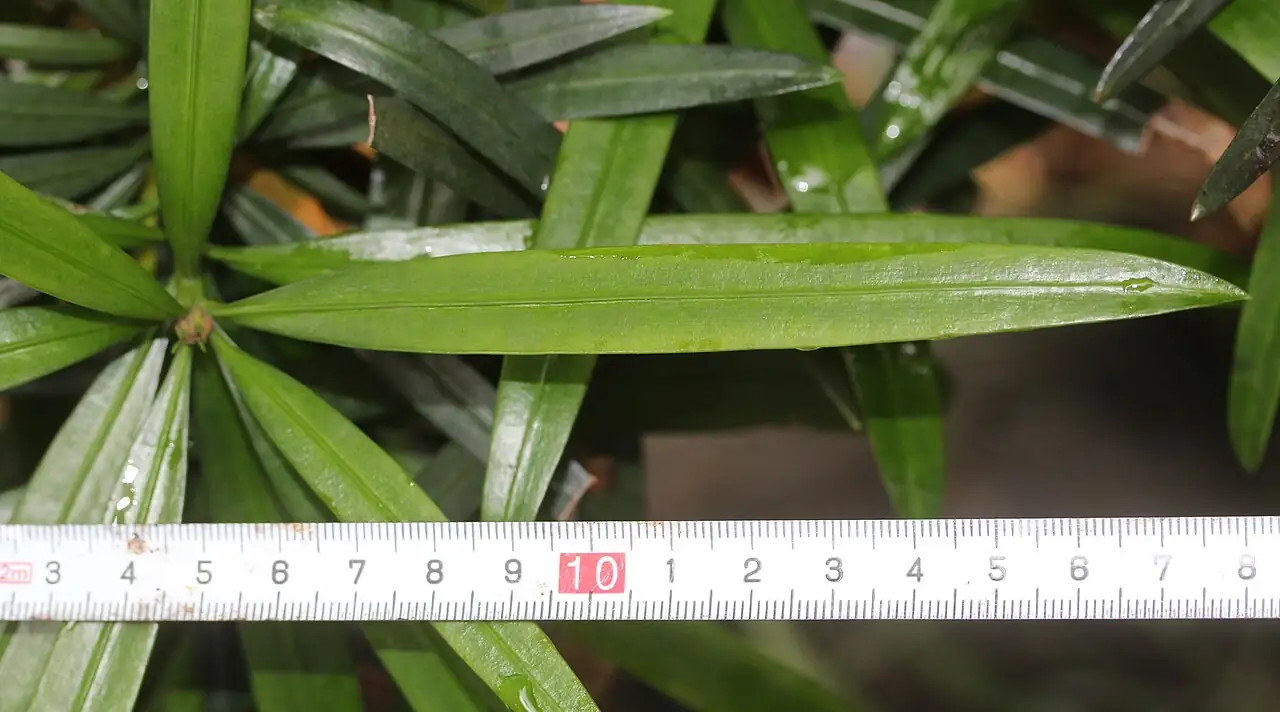
- Foliage: Dense, leathery, narrow lance-shaped leaves in a deep green. Bonsai growers sometimes slightly reduce watering during spring growth flushes to encourage shorter leaves. In hot weather, occasional misting can help the foliage stay fresh and richly green.
- Flower: Flowers are small and inconspicuous in spring. Plants are typically male or female; if a female plant is pollinated, it can form decorative fleshy structures around the seeds.
- Flowering Season: Spring.
- Growth Habit: Evergreen woody plant with a strong tolerance for pruning and shaping. Prefers warm, humid conditions and bright light, but can handle partial shade. Dislikes waterlogging and can scorch in harsh, intense sun.
Environment
Sunlight
Bright light to partial shade. Avoid scorching midday summer sun; an east-facing balcony/window or a bright indoor spot with good airflow is ideal.
Temperature
Grows best around 15–25°C (59–77°F). Can tolerate brief drops to about -5°C (23°F), but should be protected from hard freezes.
Humidity
Moderate to high humidity is preferred. In summer, occasional misting can boost local humidity and keep foliage vivid.
Soil
Well-drained, airy soil is essential. For containers/bonsai, use a free-draining mix such as leaf mold/compost plus fertile loam and coarse sand/grit. Avoid heavy, water-retentive media and never leave roots sitting in soggy soil.
Placement
Indoors near a very bright window, or outdoors on a sheltered, well-ventilated east-facing balcony/patio. Provide shade from extreme summer sun and prioritize excellent drainage.
Hardiness
Approximately USDA Zone 8–11; not reliably hardy where winters are severe. Protect from hard freezes (brief tolerance to about -5°C (23°F)).
Care Guide
Difficulty
Moderate. It’s fairly forgiving once established, but it strongly resents waterlogged soil. Bonsai forms also need ongoing pruning/training to stay crisp and compact.
Buying Guide
Choose a plant with a well-balanced crown, sturdy and compact branching, and rich green foliage without yellowing, dieback, or pest damage. For bonsai, look for short, dense pads and a trunk/branch structure that suits the pot. After purchase, place it somewhere bright and airy, protect it from scorching summer sun, mist foliage during hot spells, and water only when the mix is starting to dry. During spring flush, slightly reducing water can help keep new leaves shorter. Young plants meant for training should be potted up or planted promptly.
Watering
Water thoroughly during active growth, then wait until the top of the potting mix begins to dry before watering again (aim for “nearly dry,” not a rigid schedule). A rough guide is about twice weekly in the growing season, but adjust for heat, pot size, and soil. Avoid constantly wet soil to prevent root rot. Slightly reducing water during spring leaf flushes can help produce shorter leaves for bonsai. From summer into autumn, occasional misting can help maintain fresh green foliage.
Fertilization
In-ground plants: feed in spring and autumn (about 2 times/year) using well-rotted organic fertilizer tea. Containers/bonsai: feed about once per month during the growing season, then stop in winter. A small amount of organic fertilizer can also be incorporated into the potting mix.
Pruning
In spring, pinch or prune shoot tips to control extension growth and keep the silhouette tight. For styling, wire and prune branches to build layered, cloud-like pads; once the form is set, continue routine trimming/pinching to maintain compact foliage pads.
Propagation
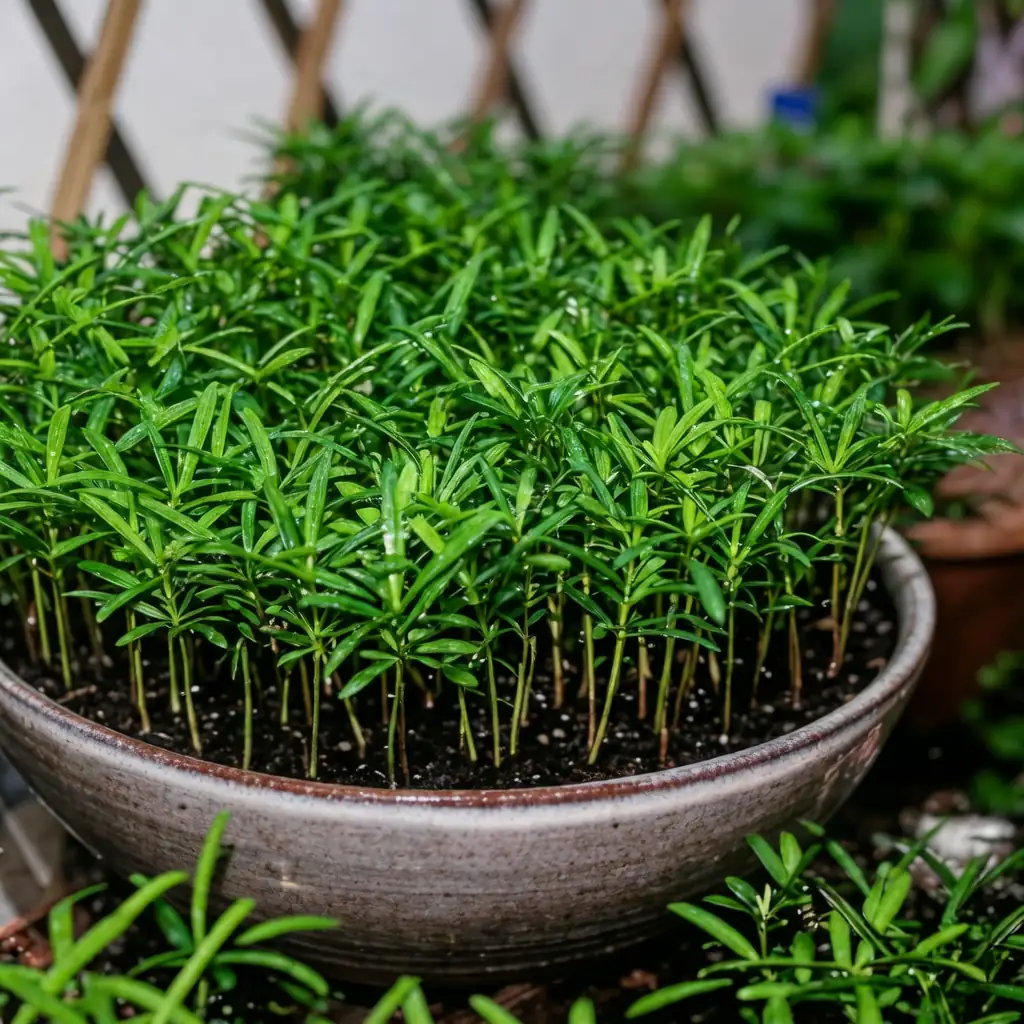
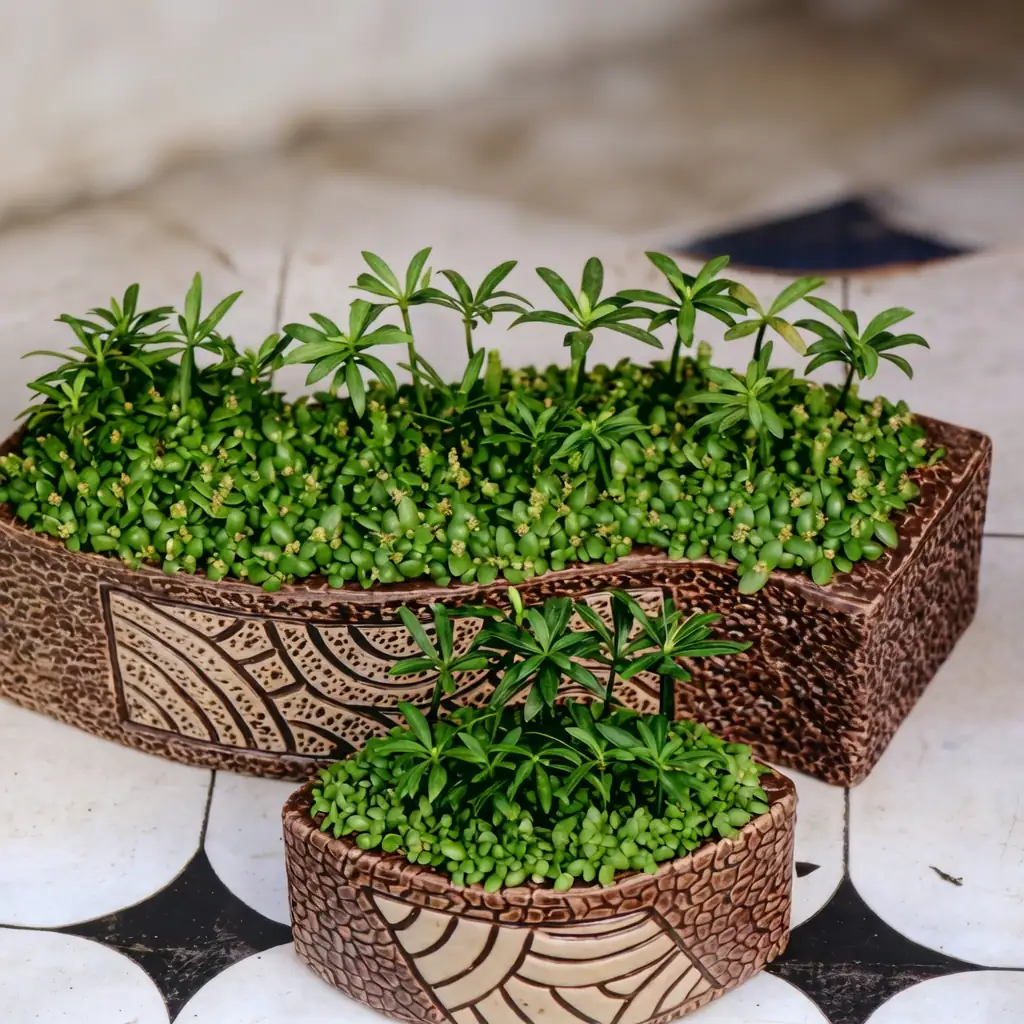
Seed: sow fresh seed in summer after collection, or store in moist sand and sow in spring; germination may occur in about ~2 weeks under good conditions. Cuttings: take dormant wood cuttings in spring or semi-ripe tip cuttings in summer; rooting often takes about 8–12 weeks.
Repotting
Often grown in deeper bonsai pots around 20–40 cm (8–16 in) to support root development and stability. Repot and refresh the mix every 2–3 years, using a free-draining blend (leaf mold/compost + fertile loam + coarse sand/grit) and optionally a small amount of organic fertilizer.
📅 Seasonal Care Calendar
Spring: pinch/prune tips; sow stored seed; resume regular watering and monthly feeding for potted plants; in-ground plants can be fed once.
Summer: shade from scorching sun; mist for humidity; take semi-ripe tip cuttings (rooting ~8–12 weeks); collect seed and sow fresh or store in moist sand.
Autumn: feed in-ground plants once; reduce watering as temperatures fall; watch drainage to avoid waterlogging.
Winter: stop fertilizing; protect from hard freezes (brief tolerance to about -5°C (23°F)); repotting is usually on a 2–3 year cycle as needed.
Pests, Diseases & Safety
Common Pests & Diseases
Can develop leaf spot or anthracnose, especially in wet, stagnant conditions—improve airflow, avoid constantly wet foliage, and remove affected leaves. Common pests include scale insects, spider mites, and thrips; inspect leaf undersides and treat early with horticultural soap/oil or other locally appropriate controls.
Toxicity
Not specified in the source. As a precaution, prevent pets and children from chewing or ingesting any parts, and consult local poison-control or a veterinarian if ingestion is suspected.
Culture & Symbolism
Uses: A classic bonsai and ornamental container tree, especially valued in traditional East Asian bonsai practice. It is frequently trained in formal or informal upright styles using wiring, bending, and careful pruning to create layered, cloud-like foliage pads.
FAQ
How do I choose a good Buddhist pine, and where should I place it after buying?
Choose one with a balanced crown, sturdy compact branches, and deep green leaves with no yellowing, dieback, or pest damage. For bonsai, prioritize short, dense pads and a trunk/branch structure that matches the pot. Place it in bright, well-ventilated light (indoors or outdoors), shield it from harsh summer sun, mist occasionally in hot weather, and water only when the mix starts to dry to prevent root rot.
How is Buddhist pine commonly trained into bonsai?
Young seed-grown or cutting-grown plants are popular because their branches are flexible. Training relies on wiring, bending, and pruning to build the trunk and branch framework, followed by repeated fine trimming and pinching to form neat, layered “cloud” foliage pads. Ongoing maintenance pruning and seasonal feeding keep it compact and refined.
Fun Facts
- Although it’s most famous as bonsai, Buddhist pine can grow into a full-sized evergreen tree in the landscape.
- Both seed-grown and cutting-grown plants are used for bonsai; younger material is often easier to shape because branches bend readily.
- The signature “cloud-pad” look comes from repeated fine pruning and careful branch training.
- Some bonsai growers deliberately manage watering during spring flushes to encourage shorter, denser new leaves.


