

Plant Features
- Size: Often sold as a compact potted plant up to about 60 cm (24 in) tall. Common nursery pot sizes include 12–15 cm (4.7–5.9 in) and around 25 cm (9.8 in) diameters.
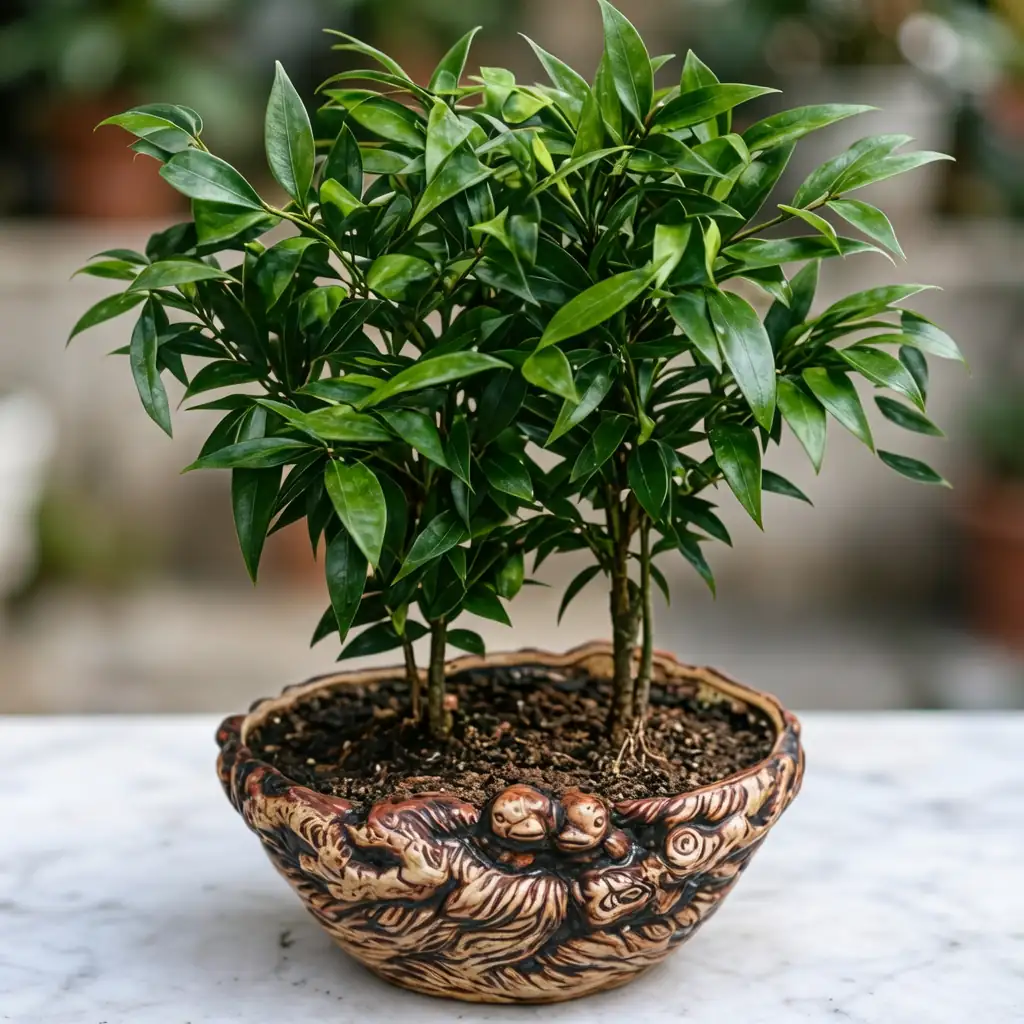
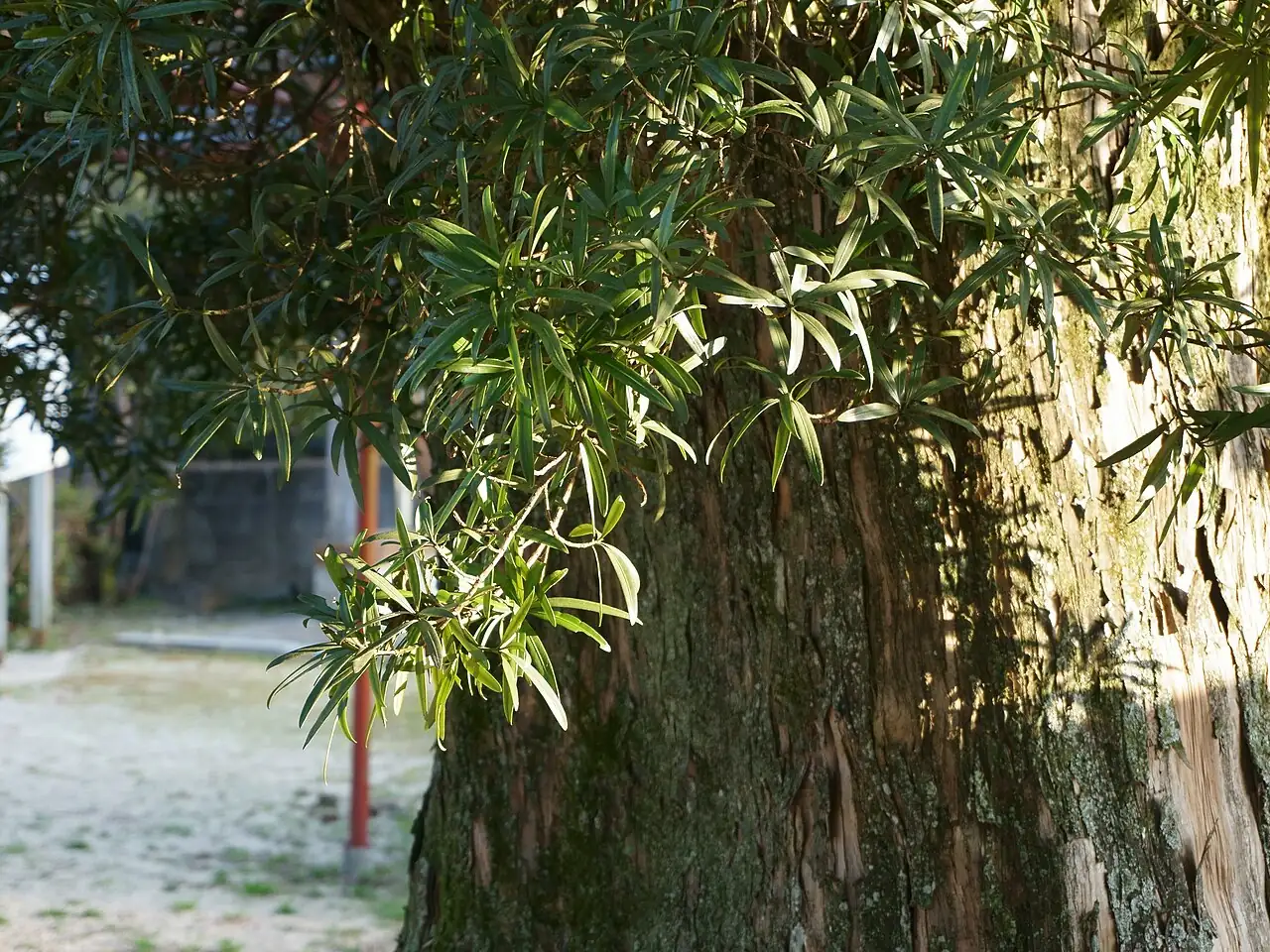
- Foliage: Dense, lush, deep-green, glossy foliage. A healthy plant has intact, clean leaves without spots or tears. It keeps its good looks best above 10°C (50°F); young plants may show leaf damage if temperatures drop below about 5°C (41°F).
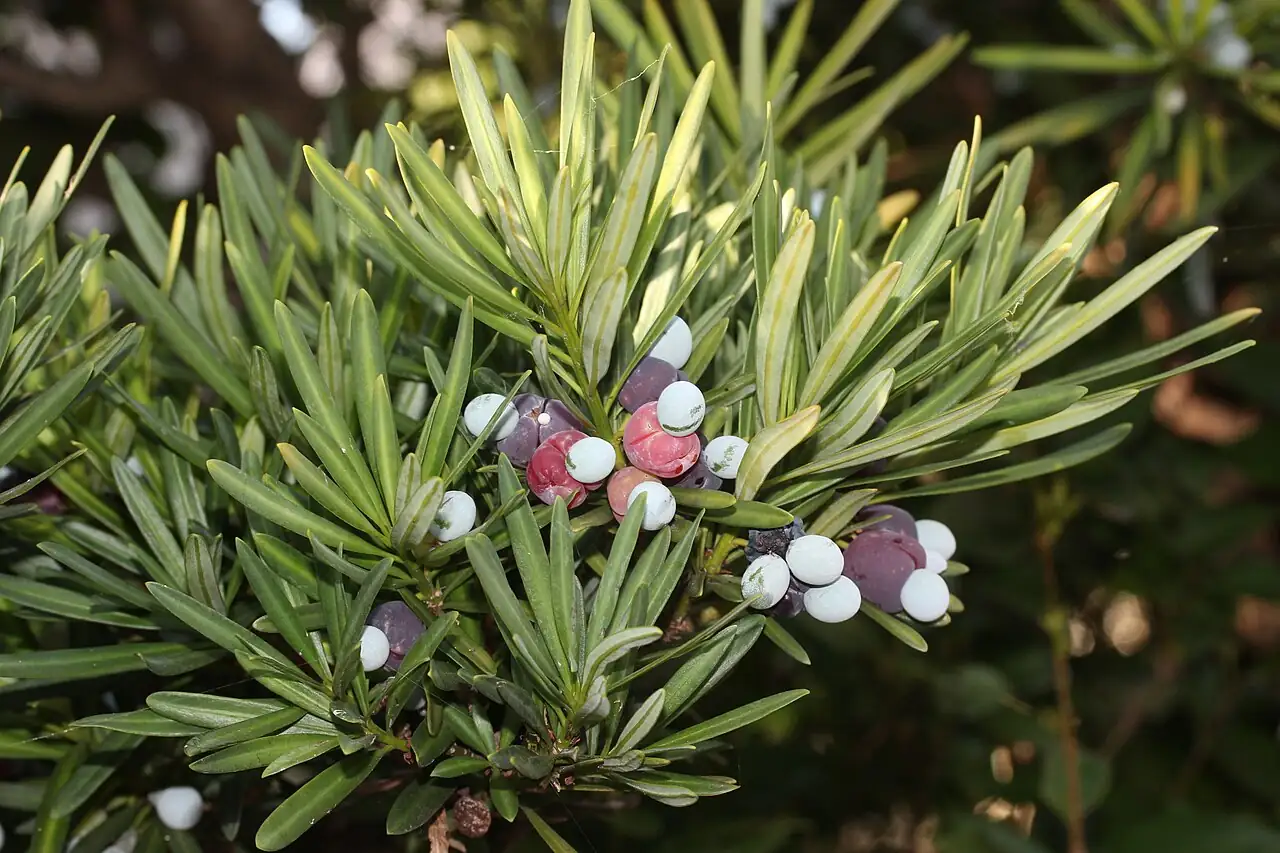
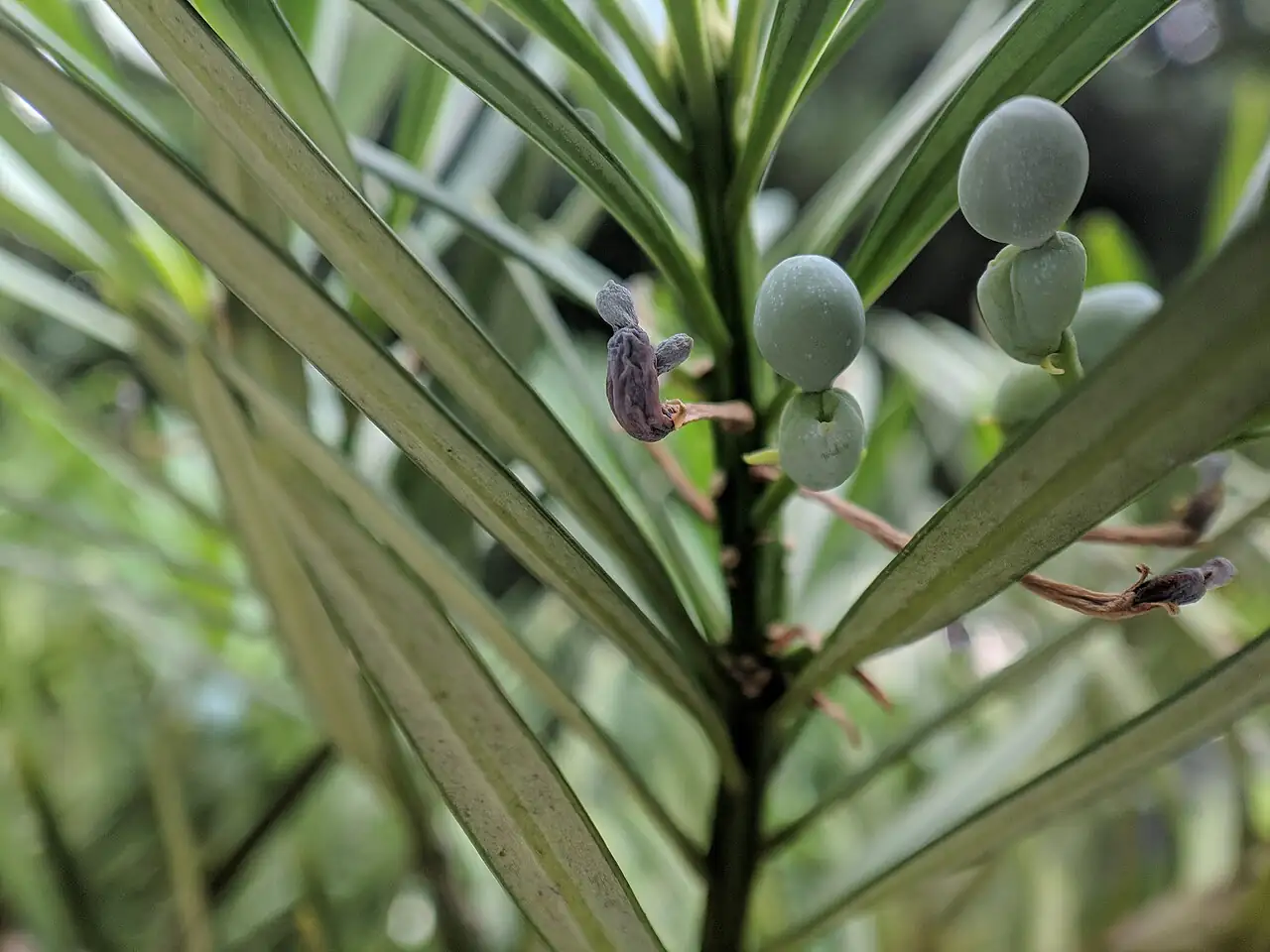
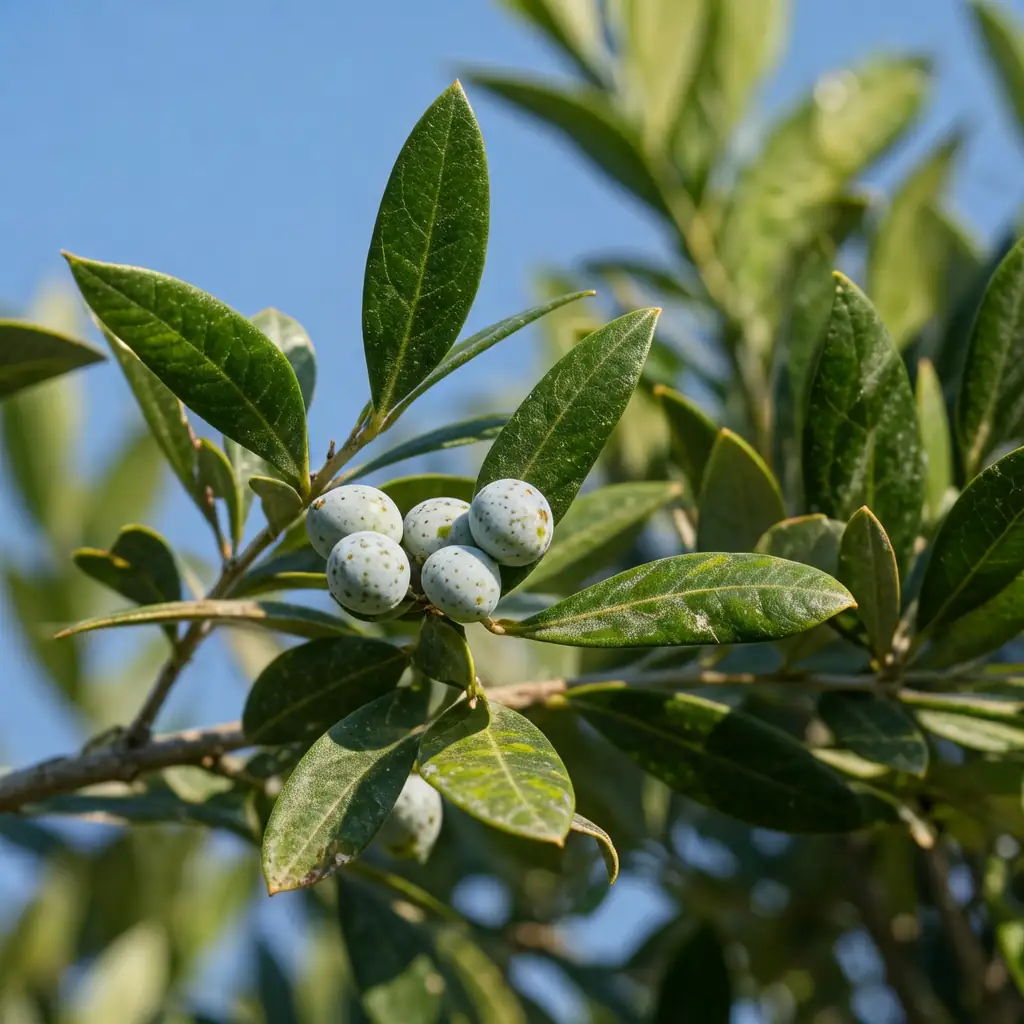
- Flower: Flowers are inconspicuous and the plant is grown mainly for its foliage. Male plants form small pollen cones; female plants can produce fleshy, berry-like arils after pollination.
- Flowering Season: Spring.
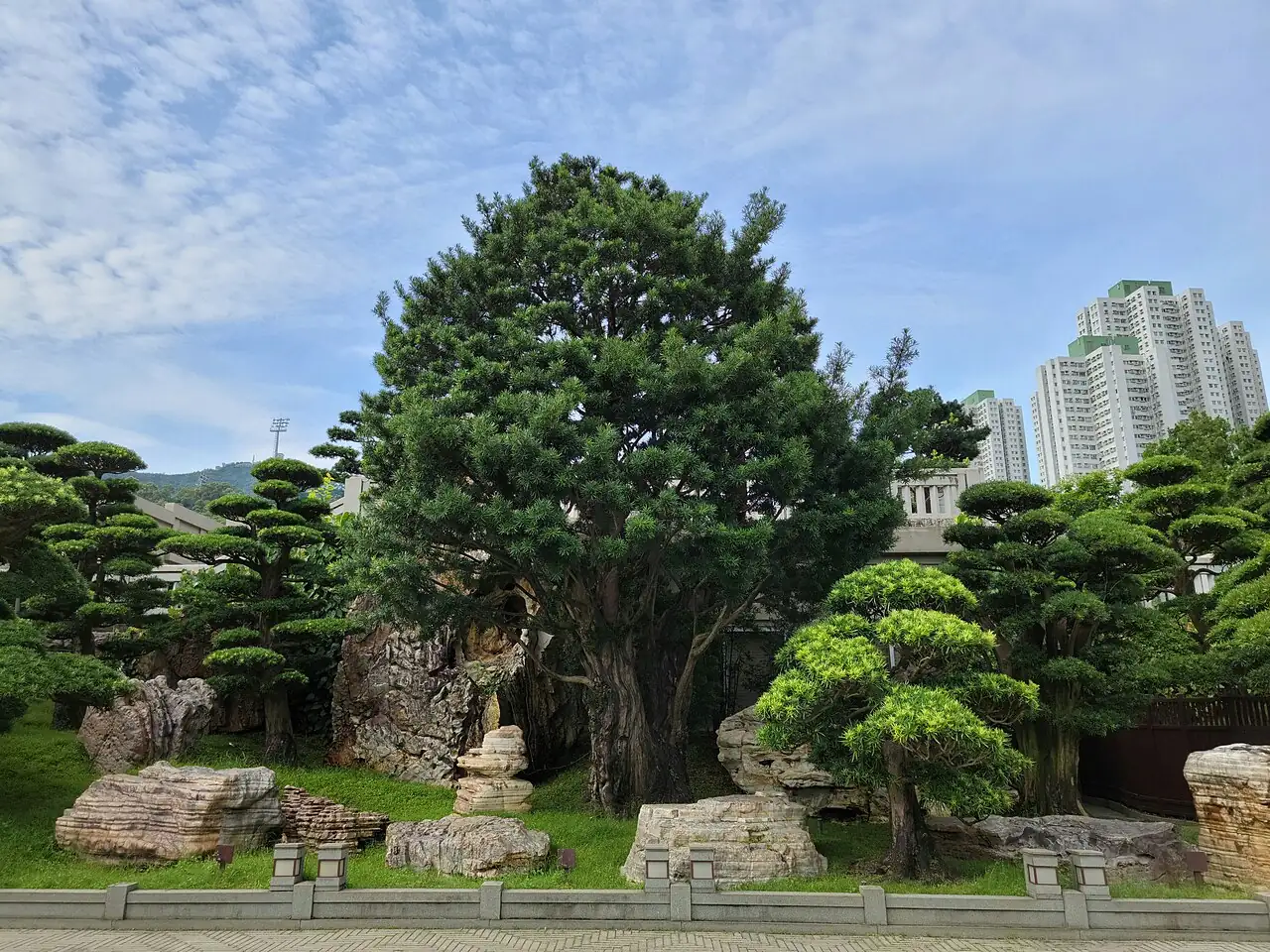
- Growth Habit: Evergreen woody shrub/small tree. Commonly maintained as a compact container plant indoors; juveniles are sometimes trained for water culture.
Environment
Sunlight
Bright, indirect light to partial shade. Avoid harsh direct sun. An east-facing window is ideal; a south-facing window works well if filtered through a sheer curtain.
Temperature
Grows best at 13–25°C (55–77°F). For the nicest winter foliage, keep above 10°C (50°F). Young plants may be damaged below 5°C (41°F). Mature plants can tolerate brief cold snaps down to about -5°C (23°F) with protection.
Humidity
Prefers moderate humidity, roughly 60–70%. Indoors, around 50–60% helps keep leaves looking their best; occasional misting can help in dry air.
Soil
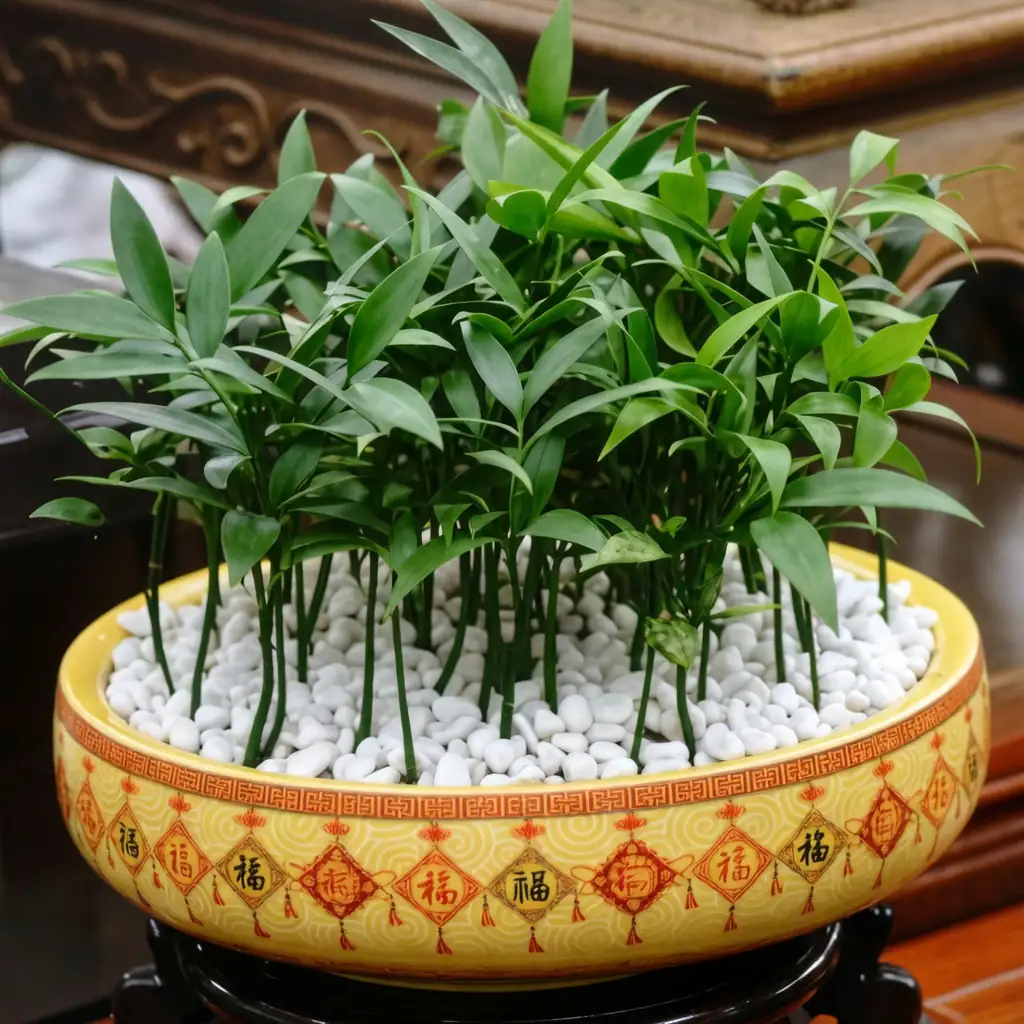
Use a free-draining, airy mix such as leaf mold/compost + garden loam + coarse sand, with excellent drainage (a gritty layer at the pot base helps). For water culture, rinse roots clean and anchor the plant with inert media like large LECA/clay pebbles or decorative stones in a glass/ceramic/metal container.
Placement
Indoors near a bright window with filtered light (east window ideal). Keep away from hot direct sun, heating vents, and cold drafts. Water-grown juveniles suit desks or near computers if light is adequate.
Hardiness
Not reliably frost-hardy when young; protect below 5°C (41°F). Mature plants may tolerate short dips to about -5°C (23°F) if sheltered.
Care Guide
Difficulty
Easy to moderate. It’s adaptable and shade-tolerant, and it can handle brief dryness, but it looks best with steady moisture, moderate humidity, and protection from cold drafts.
Buying Guide
Choose a plant with a full, well-balanced silhouette and dense branching. Leaves should be deep green, glossy, and free of tears, spots, or pest damage (especially scale). For mini plants, look for upright, evenly spaced, compact growth. After purchase, give it bright filtered light (no direct sun), keep the mix evenly moist (never waterlogged), and mist lightly if the air is very dry until you see fresh new growth.
Watering
Keep the potting mix evenly moist—never soggy, never bone-dry. During active growth, watering about once per week is typical, but adjust to your home, pot size, and light level. Empty any standing water from the saucer.
Water culture (young plants): use a clean, healthy seed-grown seedling around 15–20 cm (6–8 in) tall. Rinse soil from roots, anchor with large LECA/clay pebbles or stones, and keep at 18–26°C (64–79°F) in bright, indirect light. Change the water every 3–5 days; add a hydroponic nutrient solution about once per month. Prune if it gets too tall and mist in dry air.
Fertilization
In spring and autumn, feed about once per month with a balanced fertilizer (e.g., 20-20-20) or a well-rotted organic cake fertilizer. Stop feeding in winter. For water culture, add nutrient solution about once per month.
Pruning
Trim to shape when it gets too tall or leggy. If the main stem stretches and lower leaves yellow and drop, cutting back can encourage side shoots and a fuller look. Water-grown plants can also be pruned to keep proportions neat.
Propagation
Seed: seeds lose viability quickly—sow fresh when possible, or store in moist sand and sow the following spring; germination is often reported around 50–70% with good handling. Cuttings: take semi-ripe cuttings in early summer from young, vigorous growth; younger material usually roots more easily than older wood.
Repotting
Repot into a 15–20 cm (5.9–7.9 in) diameter pot (or the next size up) using a free-draining mix (leaf mold/compost + loam + coarse sand). Repot every 2–3 years in late spring. Add a gritty drainage layer at the bottom of the pot.
📅 Seasonal Care Calendar
Spring & autumn (active growth): water as needed (often about weekly); fertilize monthly. Late spring: repot every 2–3 years. Winter: keep above 10°C (50°F) for best foliage, stop fertilizing, and protect young plants from temperatures below 5°C (41°F). Water culture: keep at 18–26°C (64–79°F), change water every 3–5 days, and add nutrient solution monthly.
Pests, Diseases & Safety
Common Pests & Diseases
Leaf spot can occur—improve airflow, avoid wetting foliage late in the day, and remove affected leaves. Scale insects are a common indoor pest; wipe them off and treat with horticultural oil or an appropriate insecticidal soap, repeating as needed.
Toxicity
Use caution around pets and children. Podocarpus species are widely reported as toxic if ingested (especially to pets). Keep out of reach and seek veterinary/medical advice if eaten.
Culture & Symbolism
Symbolism: Often associated with “good luck” and prosperity in the houseplant trade because it is frequently marketed under auspicious names.
History & Legends: In plant markets and houseplant shops, it’s commonly sold under a range of auspicious “lucky” trade names, which is why many people recognize the plant but don’t know its true name.
Uses: Primarily an ornamental foliage plant for indoor containers; also suitable for bright, sheltered balconies. Young plants are sometimes displayed in water culture as a decorative desktop plant.
FAQ
How do I grow Buddhist pine in water culture?
Start with a clean, healthy seedling (often 15–20 cm / 6–8 in tall) and rinse soil from the roots. Anchor it in a glass or ceramic container with large LECA/clay pebbles or decorative stones. Keep it in bright, indirect light at 18–26°C (64–79°F). Change the water every 3–5 days and add a hydroponic nutrient solution about once per month. Prune to control height and mist the foliage if indoor air is dry.
What should I look for when buying one, and how should I care for it at first?
Choose a plant with a full shape, dense branching, and glossy deep-green leaves with no tears, spots, or pests. After bringing it home, place it in bright filtered light (no direct sun), keep the potting mix evenly moist but not waterlogged, and mist if the air is very dry. Once you see new growth, continue with regular care.
Fun Facts
- It’s often sold under various “lucky” trade names, so many people recognize it without knowing its real name.
- Young plants can be grown either in soil or in water culture for a sleek, modern display.
- Its seeds lose viability quickly—fresh sowing (or moist-sand storage) greatly improves success; germination is often reported around 50–70% in good conditions.
- In water culture, frequent water changes (every 3–5 days) are one of the biggest secrets to healthy roots and clear water.


