Plant Features
- Size: Typically 60–70 cm (24–28 in) tall; stems about 1–3 mm (0.04–0.12 in) thick.
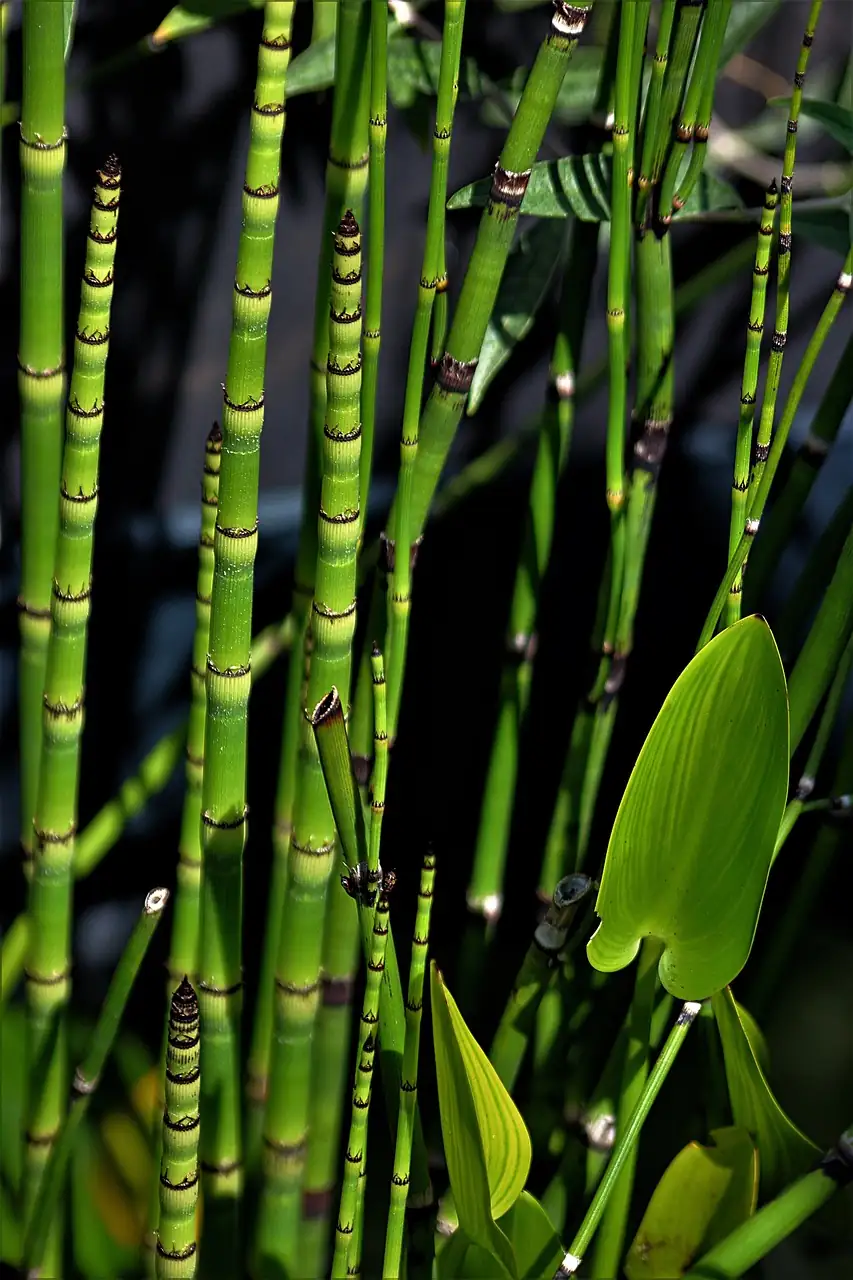
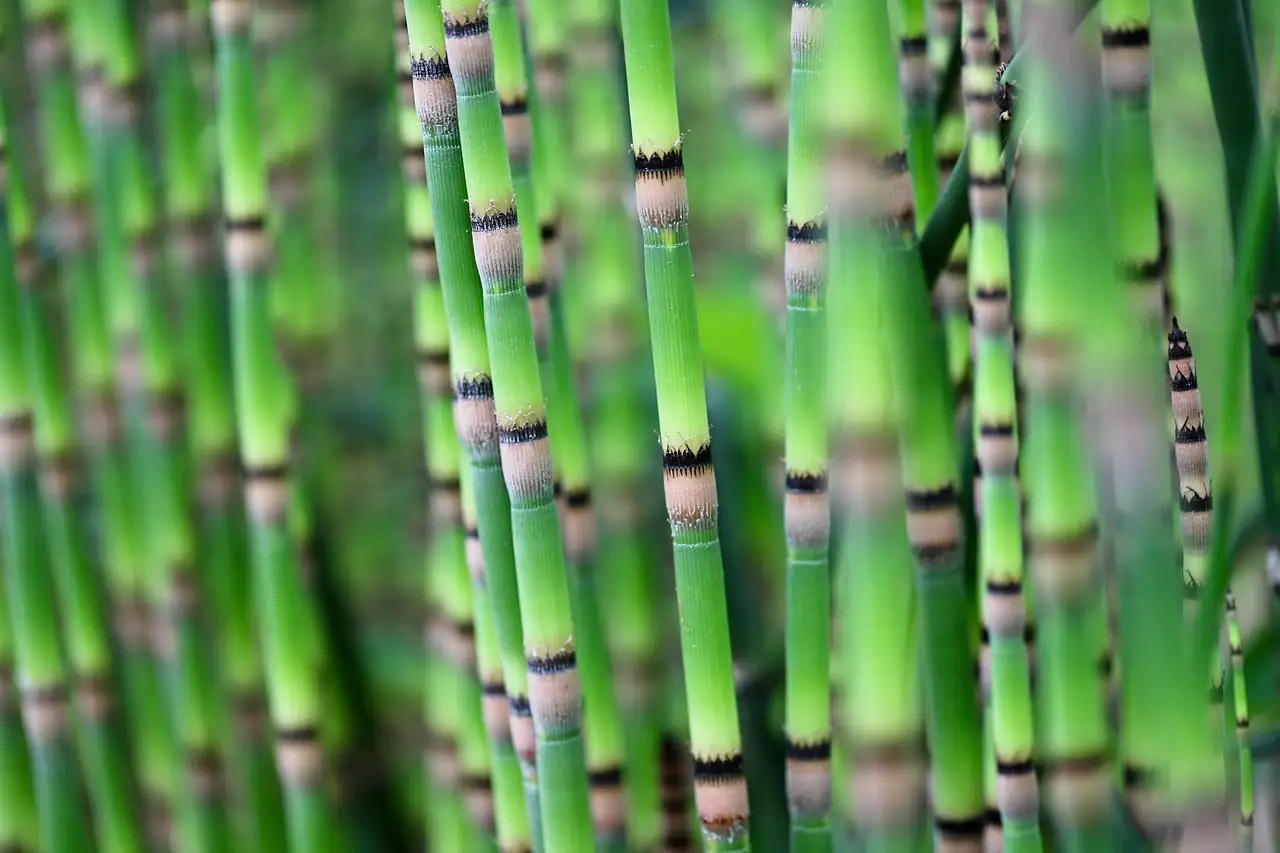
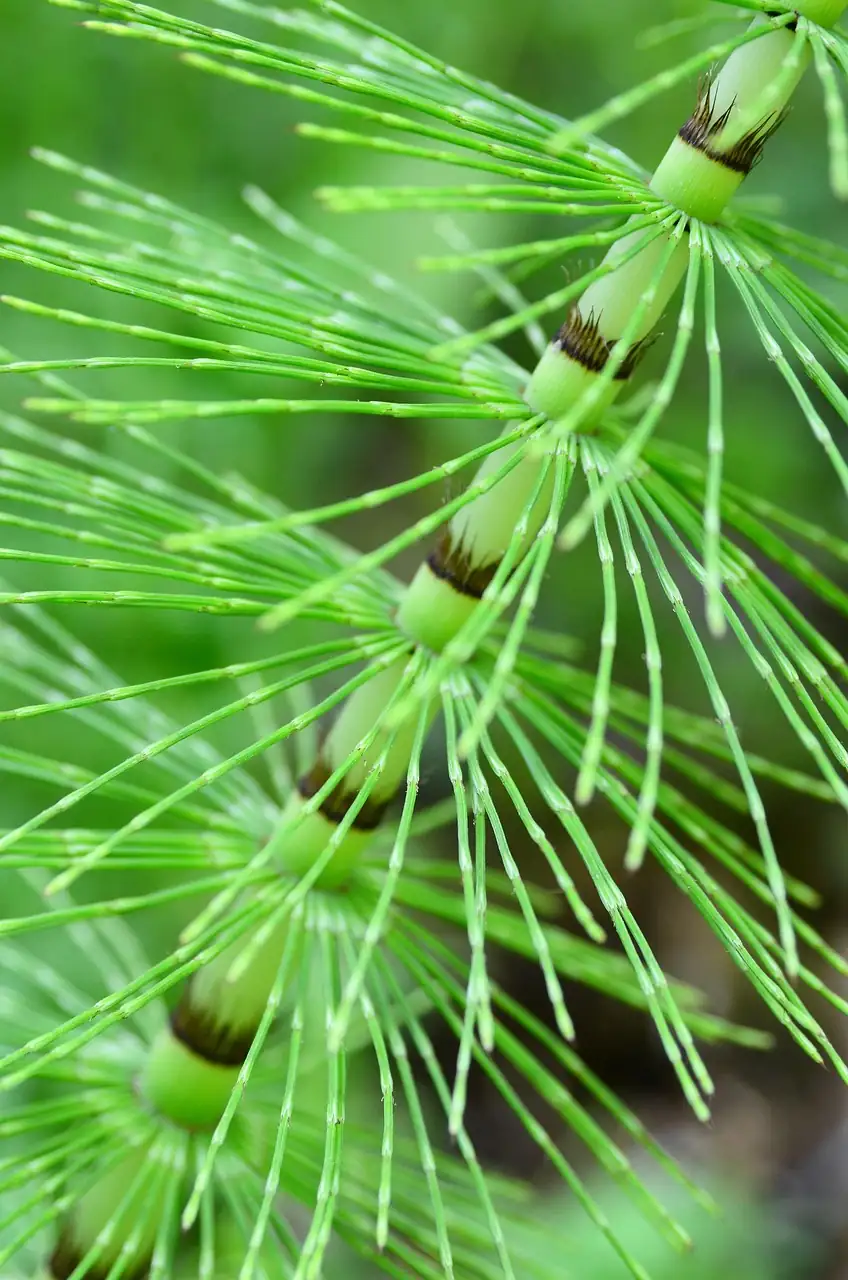
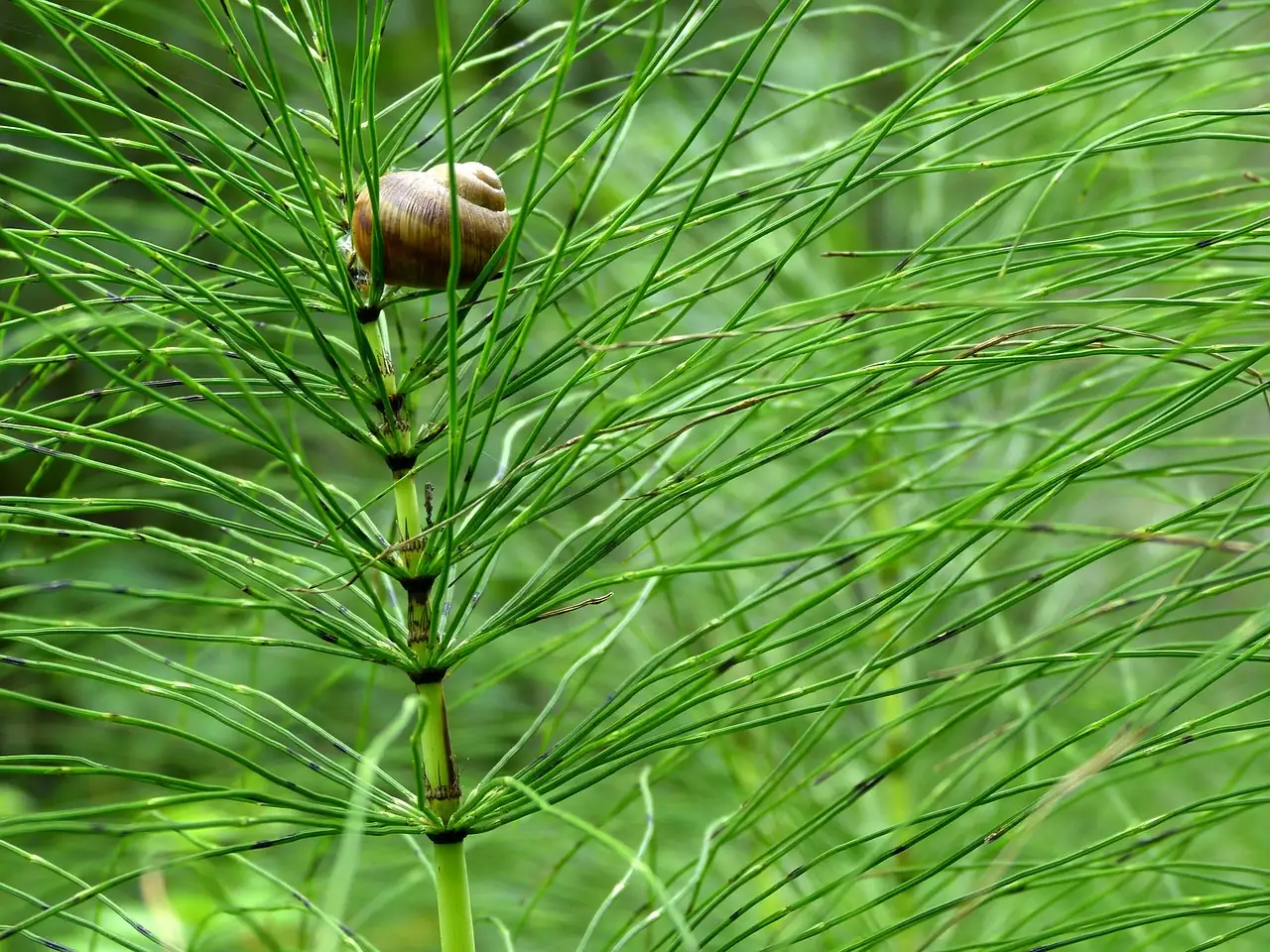
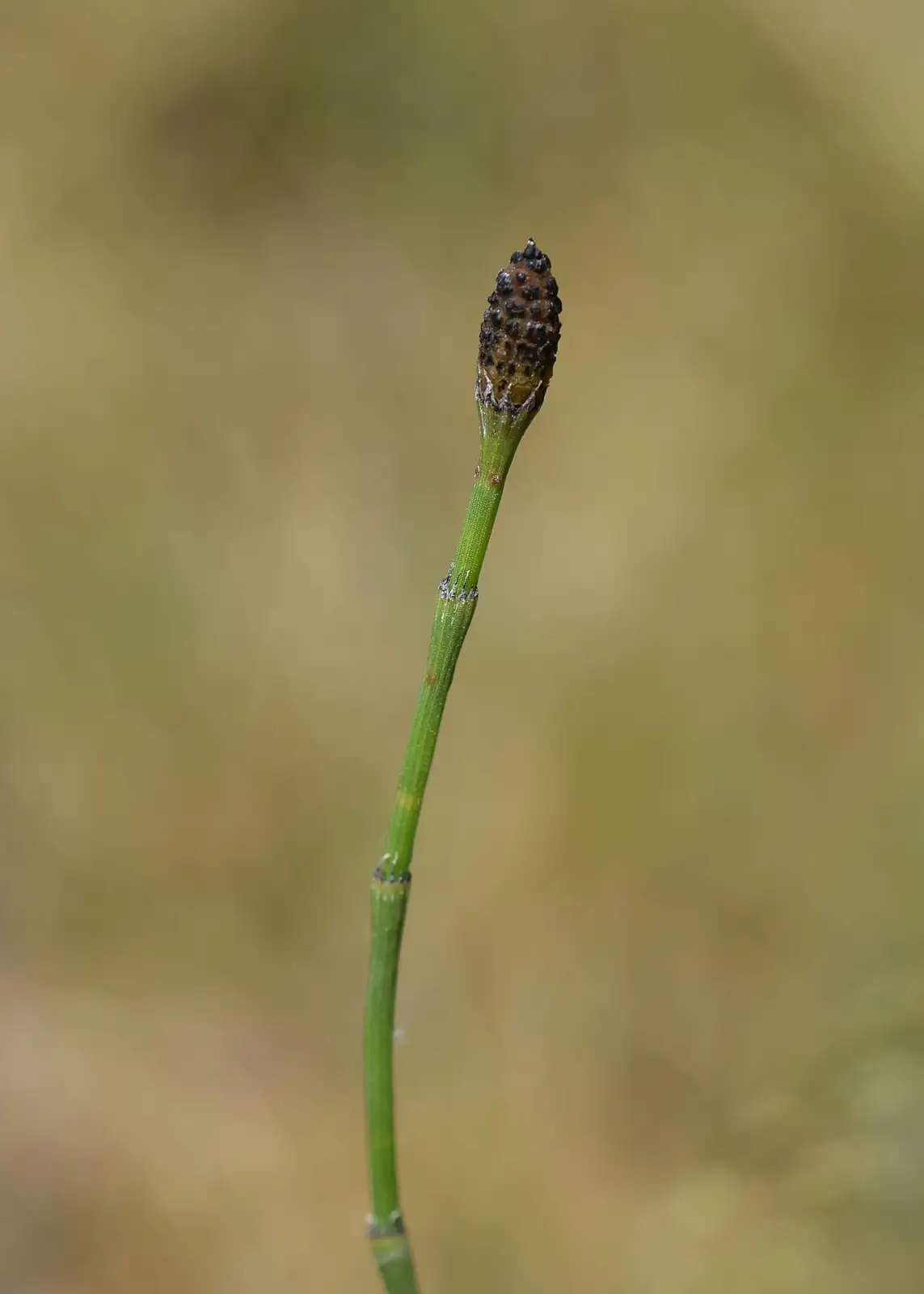
- Foliage: Upright stems that may appear solitary or form clumps; grey‑green with about 6–20 ridges and a distinctly rough surface with tiny wart-like projections. “Leaves” are greatly reduced and arranged in whorls, fused into a small funnel-like sheath (collar) at each joint (node).
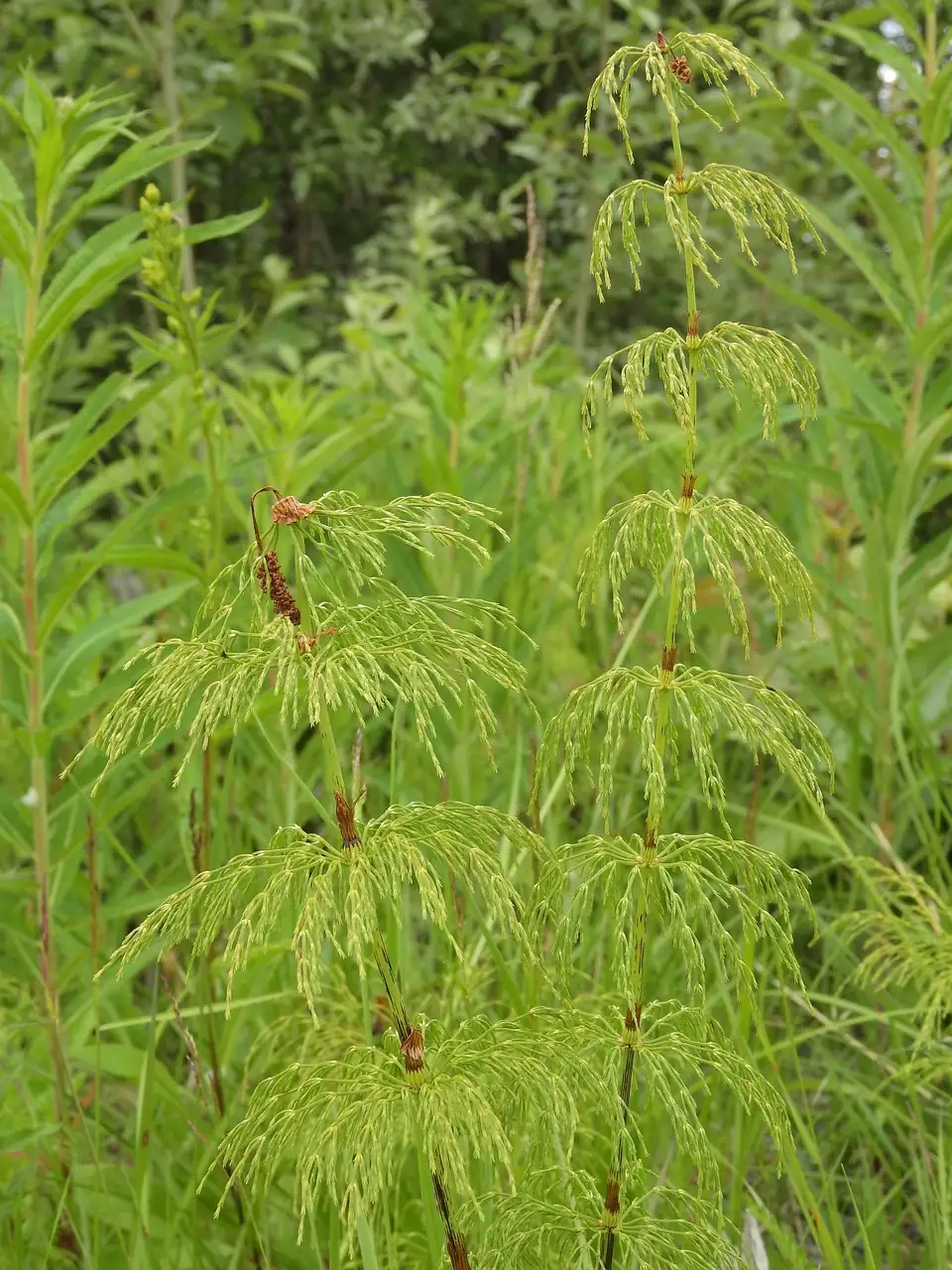
- Flower: No true flowers. Fertile shoots produce dense, short, rounded spore cones (strobili) at the stem tips; the cones are sessile (without a stalk).
- Flowering Season: May–June (spore cones present; not flowering).
- Growth Habit: Perennial with upright, jointed stems; spreads by underground rhizomes and can be vigorous where moisture is steady, forming colonies or clumps.
Environment
Sunlight
Full sun to partial shade; brightest light gives the strongest growth, but it tolerates some shade.
Temperature
Cold-tolerant and adaptable; roughly 5–30°C (41–86°F) suits active growth.
Humidity
Enjoys consistently moist to wet conditions; does best with moderate to high humidity, especially in containers.
Soil
Moist to wet, oxygenated substrates (even damp sand) and tolerates poor soils. Common in stream edges, wetlands, ditches, roadsides, orchards, and tea plantations; in pots, use a moisture-retentive but airy mix to avoid stagnant, anaerobic conditions.
Placement
Best outdoors in bog gardens, pond margins, stream edges, or any reliably damp spot. Also works in containers if kept constantly wet (a water tray is fine).
Hardiness
Generally hardy in USDA Zone 5–10 (about −29 to −1°C / −20 to 30°F depending on local form); not frost-tender.
Care Guide
Difficulty
Easy when its main request is met: constant moisture plus bright light. Can be fast-spreading in ideal sites, so containment may be part of “care.”
Buying Guide
Pick plants with firm, upright, evenly green stems; avoid widespread blackening or soft, mushy bases. If you want it in a garden bed, confirm the species and plan for containment (a pot-in-pot method or a root barrier) if you don’t want it to roam.
Watering
Keep the soil consistently moist to wet—never let it dry out. In pots, standing the container in a tray of water is acceptable. In the ground, place it where moisture is naturally reliable.
Fertilization
Often unnecessary in rich, wet soils. For container plants that look weak, feed lightly in spring and summer with a diluted balanced fertilizer (about 1/4 strength every 4–6 weeks). Avoid heavy feeding.
Pruning
Trim off browned or damaged stems at the base any time. Cut back older stems in late winter or early spring so new shoots can emerge cleanly.
Propagation
Most easily by dividing rhizomes/clumps in spring or early autumn. Spore propagation is possible but slow and usually left to specialists.
Repotting
Repot or divide every 1–2 years to refresh the medium and manage crowding. A heavier pot helps prevent tipping; keep the medium wet immediately after repotting.
📅 Seasonal Care Calendar
Spring: divide/repot; remove old stems. Summer: keep constantly wet; light feeding only if container-grown. Autumn: stop/reduce feeding; keep wet. Winter: stems may brown; cut back before spring regrowth.
Pests, Diseases & Safety
Common Pests & Diseases
Usually trouble-free. Aphids or spider mites can show up on stressed, drier container plants—rinse stems and restore moisture. Rot can occur if conditions become stagnant and oxygen-poor, so use an airy mix even though it stays wet.
Toxicity
Contains thiaminase and related compounds; harmful if eaten in quantity, especially to grazing animals and pets. Not recommended for ingestion—keep away from pets that like to chew plants.
Culture & Symbolism
Symbolism: Often linked with resilience and endurance—once established, it bounces back readily from its underground rhizomes.
History & Legends: Horsetails are frequently described as “living fossils,” representing an ancient lineage of spore-bearing plants that has persisted since deep evolutionary time.
Uses: Primarily ornamental in wet gardens and water-feature edges. It’s also notable for heavy-metal uptake (including cadmium, copper, and zinc), making it useful in phytoremediation and some contaminated-soil restoration projects.
FAQ
Does branched horsetail flower?
No—there are no flowers. It reproduces by spores produced in small cone-like structures (strobili) at the stem tips.
Can I grow it as a houseplant?
Only if you can provide very bright light and keep the pot constantly moist. Dry indoor air and letting the soil dry are the most common reasons it fails indoors.
Will it spread in my garden?
Yes. It can travel via underground rhizomes in wet, favorable sites. Use containers or install a root barrier if you need strict boundaries.
Fun Facts
- The rough, slightly scratchy feel of the stems comes from silica deposits—one reason horsetails were historically used as a natural “scouring” plant in some cultures.
- It thrives in many places as long as water is available: wetlands, stream edges, damp sand, and even disturbed ground.
- It has been studied for its ability to accumulate heavy metals (such as cadmium, copper, and zinc), which can support soil cleanup efforts.