Plant Features
- Size: Typically climbs 10–20 m (33–66 ft) or more with support; spread depends on structure and training.
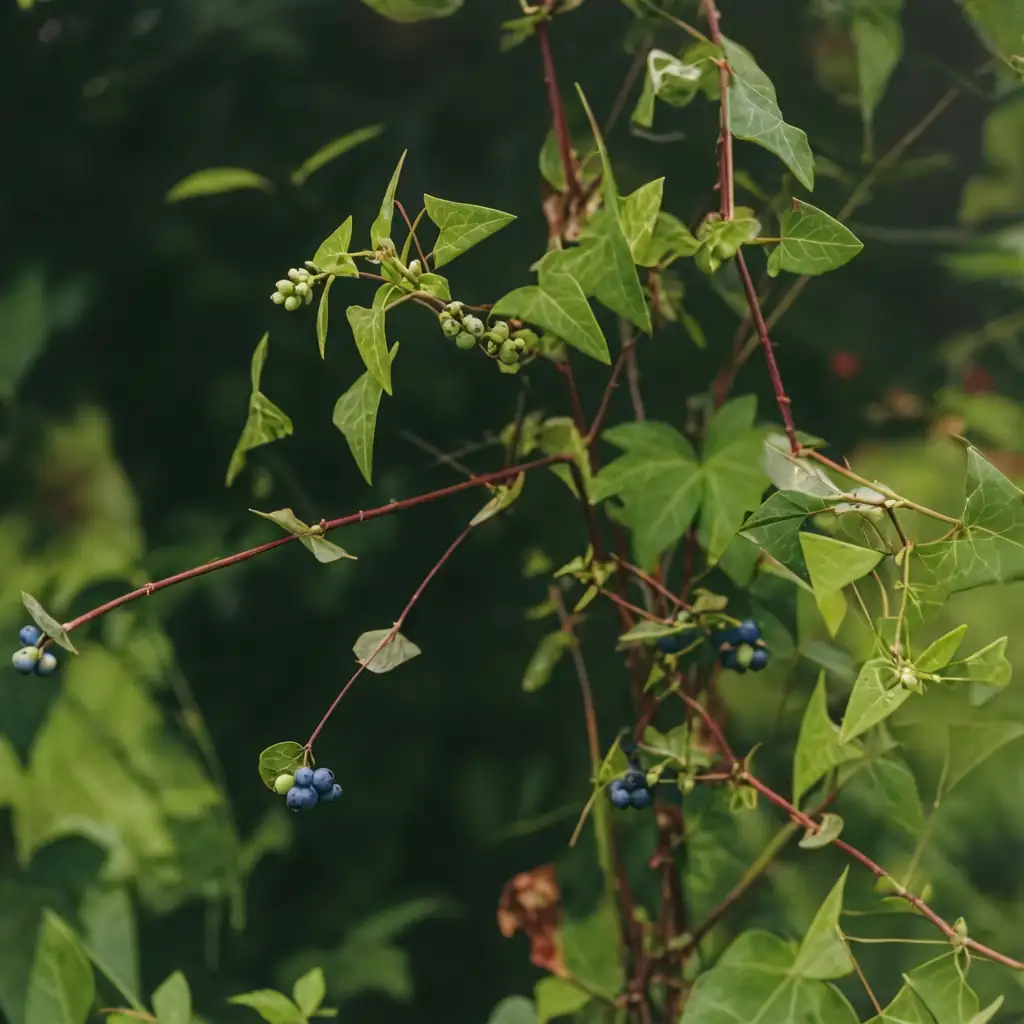
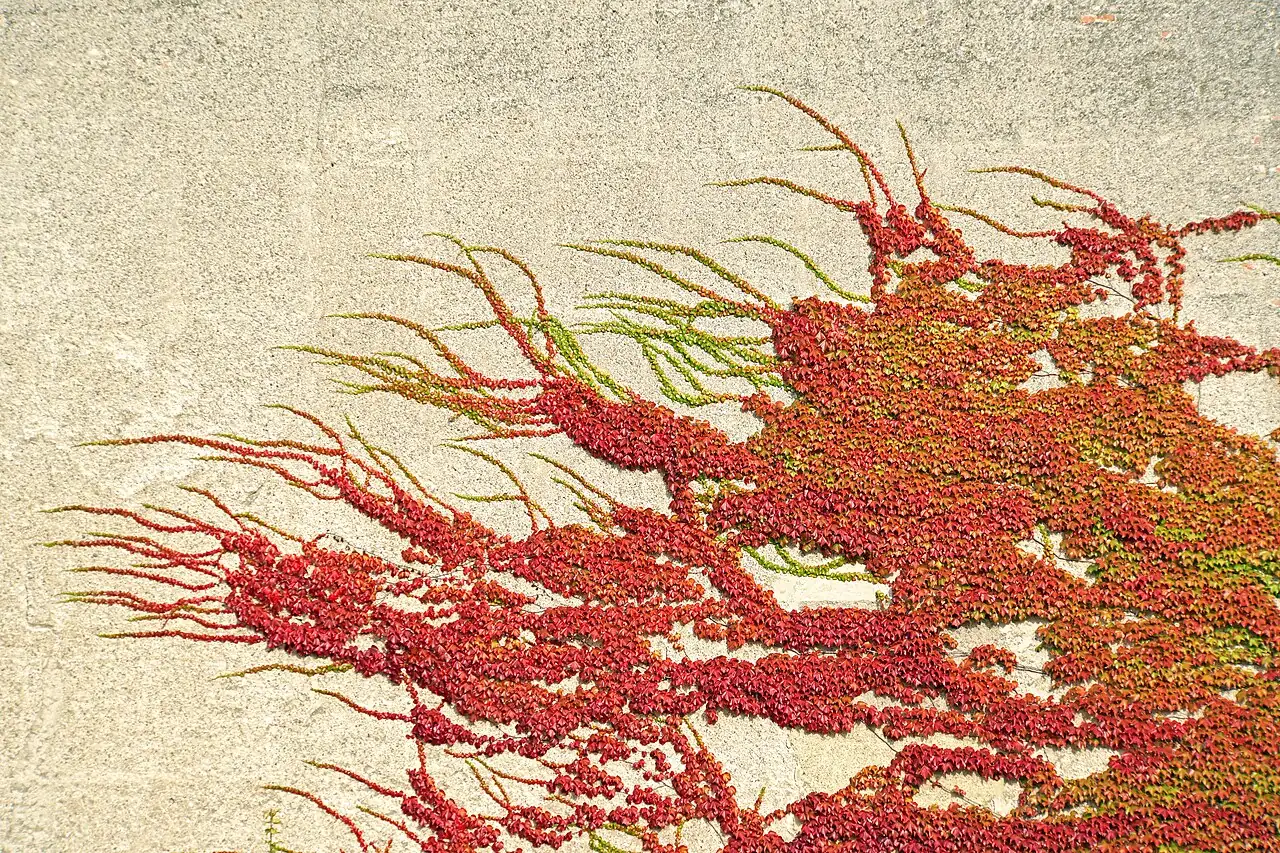
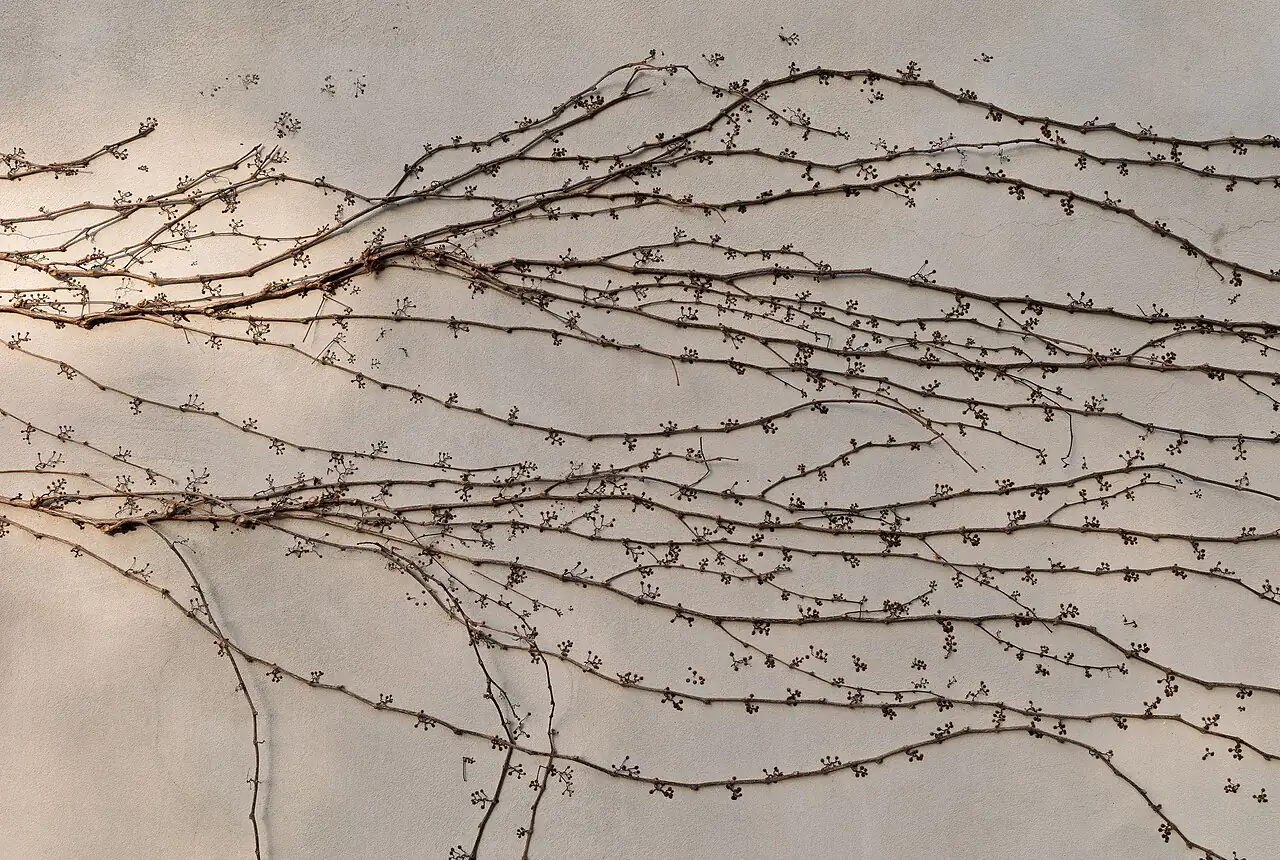
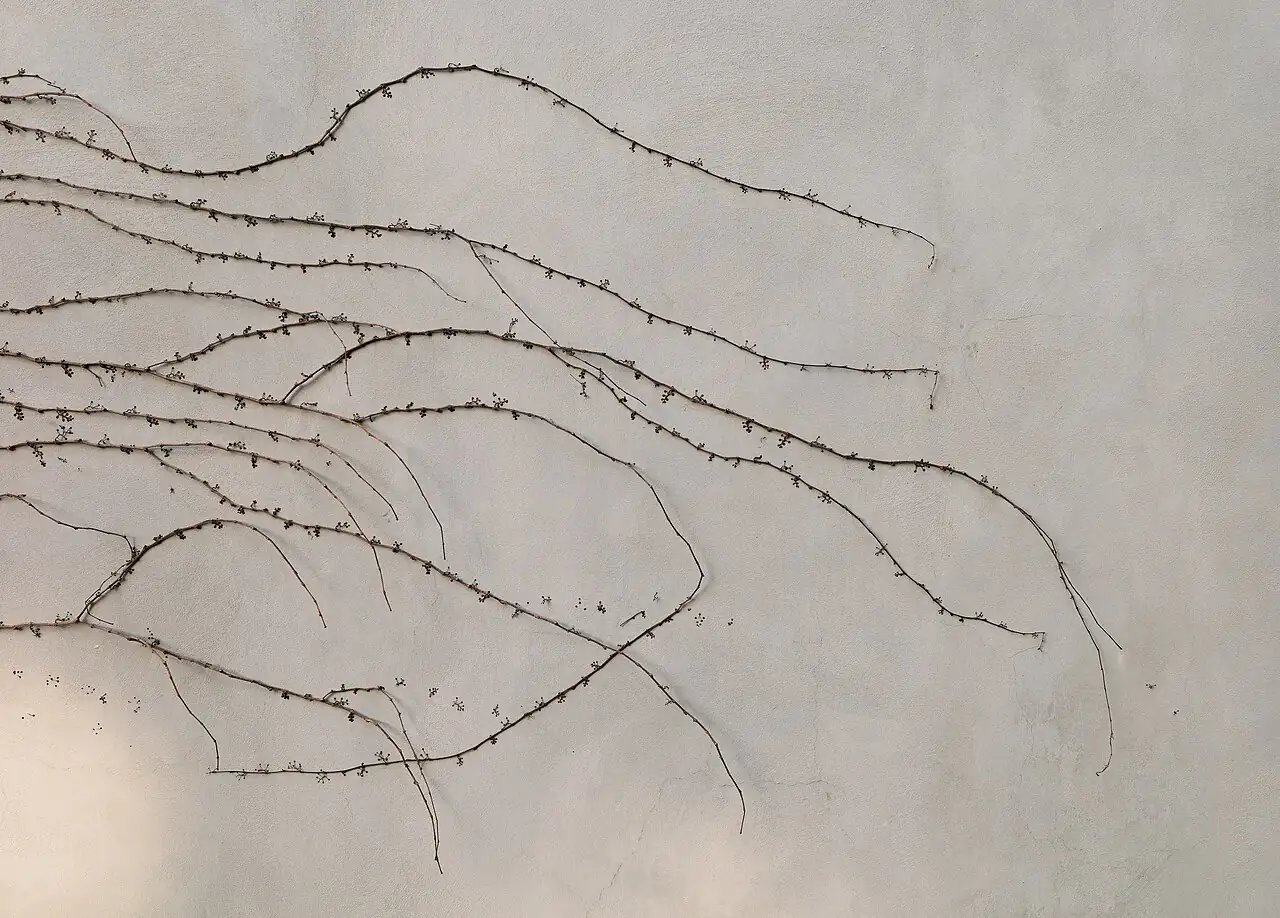
- Foliage: A deciduous, woody vine with strong shoots. Tendrils are short and branched, ending in sticky pads that attach firmly to surfaces. Older stems turn gray-brown, while young growth may show reddish to purplish tones.
- Flower: Small, greenish, fairly inconspicuous flowers appear in clusters on short shoots. These are followed by round, berry-like fruits.
- Flowering Season: May–August (May–August)
- Growth Habit: Climbing, self-clinging, deciduous woody vine
Environment
Sunlight
Best in full sun to partial shade. It tolerates shade, but growth density and autumn color are usually better with more sun.
Temperature
Cold-hardy and drought-tolerant once established; performs well in temperate climates. In mild winters it may be semi-evergreen. Suitable growing range: about -30 to 35°C (-22 to 95°F).
Humidity
Adaptable. Prefers evenly moist conditions, but once established it tolerates average to drier air.
Soil
Highly adaptable and tolerant of poor or rocky soils. Best growth is in well-drained soil; avoid sites that stay waterlogged.
Placement
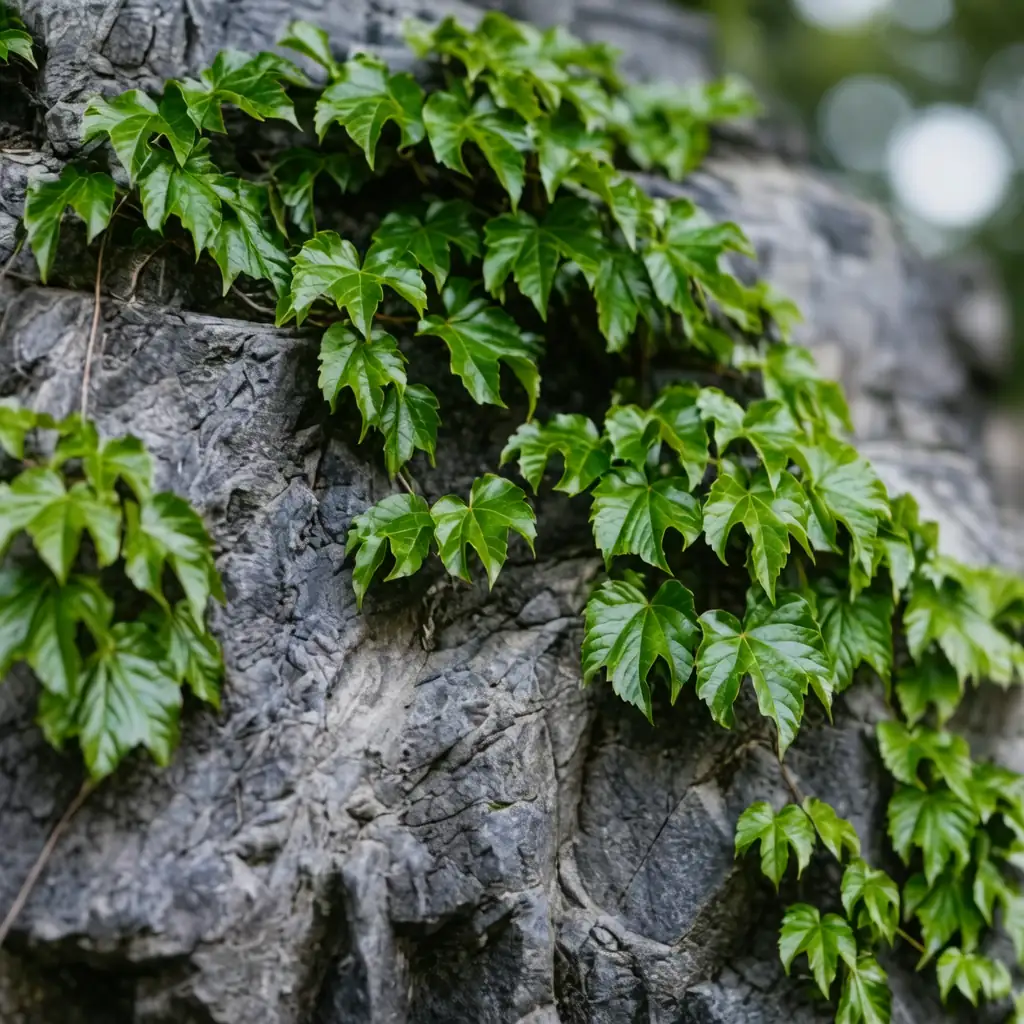
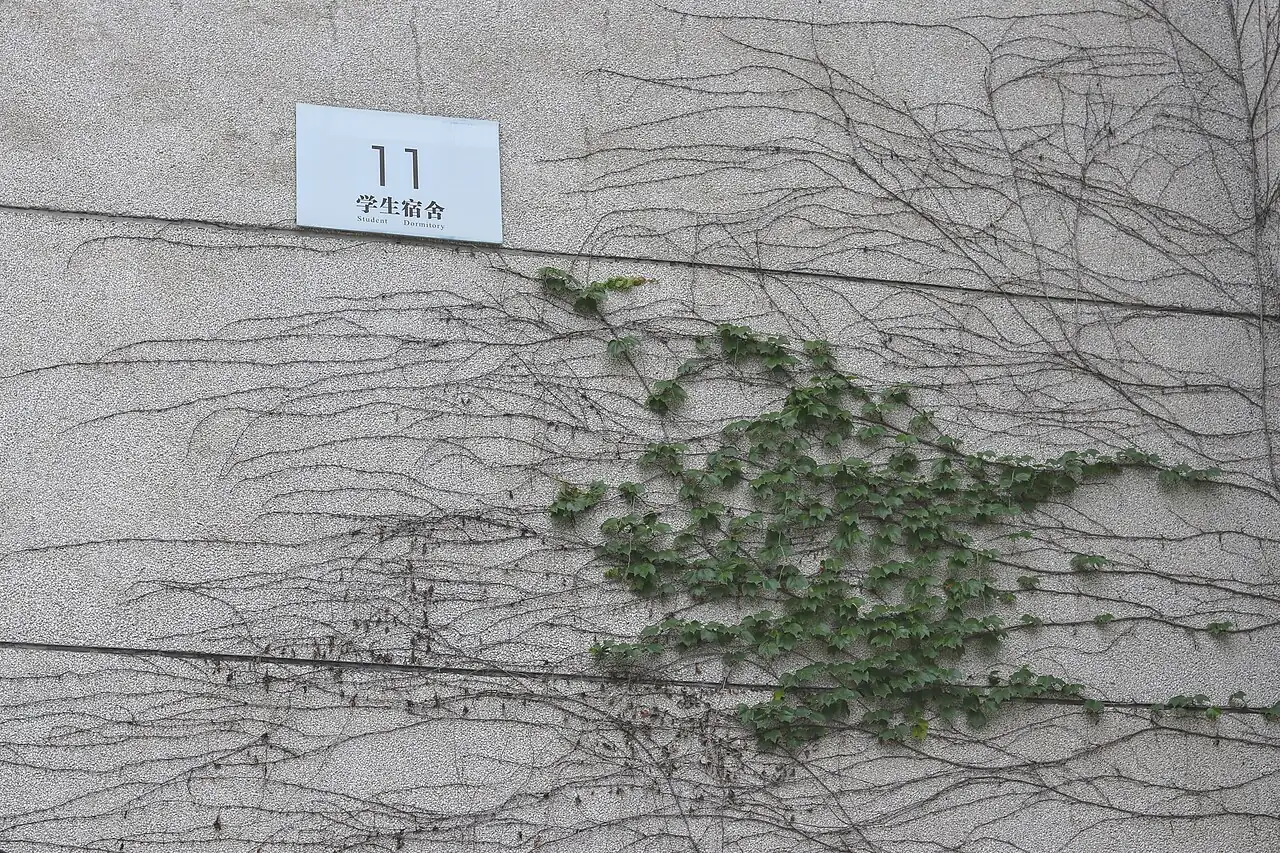
Great for walls, fences, pergolas, and rocky slopes—anywhere you want a strong, self-clinging cover and the surface can handle adhesive pads.
Hardiness
USDA Zone 4–9 (approximately -34 to -1°C / -29 to 30°F winter minimums, depending on zone).
Care Guide
Difficulty
Easy and highly adaptable; fast-growing once established.
Buying Guide
Pick plants with firm, woody stems and healthy buds/leaves (in season). Avoid pots with sour-smelling, waterlogged mix or plants with widespread leaf spotting. If you’re planting it for wall coverage, choose a cultivar suited to your climate and make sure the wall surface can tolerate adhesive pads.
Watering
Water regularly during the first growing season to help roots establish. After that, water mainly during prolonged dry spells—deep watering is better than frequent light watering. Container-grown vines need more consistent moisture than in-ground plants.
Fertilization
Usually needs little feeding. If growth is weak, apply a balanced slow-release fertilizer in spring according to the label. Avoid heavy nitrogen, which can cause overly lush, soft growth.
Pruning
Prune in late winter to early spring to control size and keep stems away from gutters, windows, and roofs. Light trimming in summer is fine. Remove dead, damaged, or poorly attached shoots.
Propagation
Propagate by semi-hardwood cuttings in summer or hardwood cuttings in winter; layering is also reliable. Seed is possible but slower and less uniform.
Repotting
In containers, repot every 1–2 years (or when rootbound) into a sturdy pot and provide a trellis/support. If you can’t repot, refresh the top layer of mix annually.
📅 Seasonal Care Calendar
Spring: train new shoots, prune for structure, optional light feeding. Summer: guide growth, trim as needed, water during drought. Autumn: enjoy foliage color and berries; reduce feeding. Winter: major pruning and cleanup; protect containers in very cold regions.
Pests, Diseases & Safety
Common Pests & Diseases
Usually tough. Watch for aphids, scale insects, and spider mites (especially in hot, dry sites). Leaf spot or mildew can show up in humid, still conditions. Improve airflow, avoid late-day overhead watering, and use horticultural soap/oil for spot treatments when needed.
Toxicity
Not a food plant. Berries may cause stomach upset if eaten, particularly for children or pets—best to discourage ingestion and keep fallen fruit picked up where possible.
Culture & Symbolism
Symbolism: Often linked with perseverance, attachment, and resilience—fitting for a vine that clings firmly and thrives in challenging places.
History & Legends: Long used in East Asia and beyond as an architectural vine for greening walls and cooling built environments, celebrated for its dramatic seasonal changes.
Uses: An ornamental vine for covering walls, rocks, fences, and pergolas. Its dense foliage can provide shade and may help reduce heat gain and buffer noise around buildings.
FAQ
Will Boston ivy damage my wall?
It clings with adhesive pads rather than twining. On sound brick or masonry it’s often fine, but it can leave marks and may worsen existing cracks or lift weak paint. Avoid fragile stucco, crumbling old mortar, and peeling-painted surfaces.
Why is it not turning red in autumn?
Best color comes with plenty of sun and cool autumn nights. In deep shade it often stays greener, and warm autumn weather can also reduce red coloration.
Fun Facts
- Its tendrils end in tiny sticky pads that let it climb rock, brick, and bark without needing ties.
- It naturally grows on hillsides, rocks, trees, and even walls across many regions of China.
- Once established, it’s notably tolerant of cold, drought, and poor soils.
- In mild-winter climates it may stay semi-evergreen or even evergreen.
- It’s a classic wall-greening plant, valued for dense coverage and cooling shade.