

Plant Features
- Size:90–120 cm (35–47 in) tall; typically 60–90 cm (24–35 in) wide in clumps
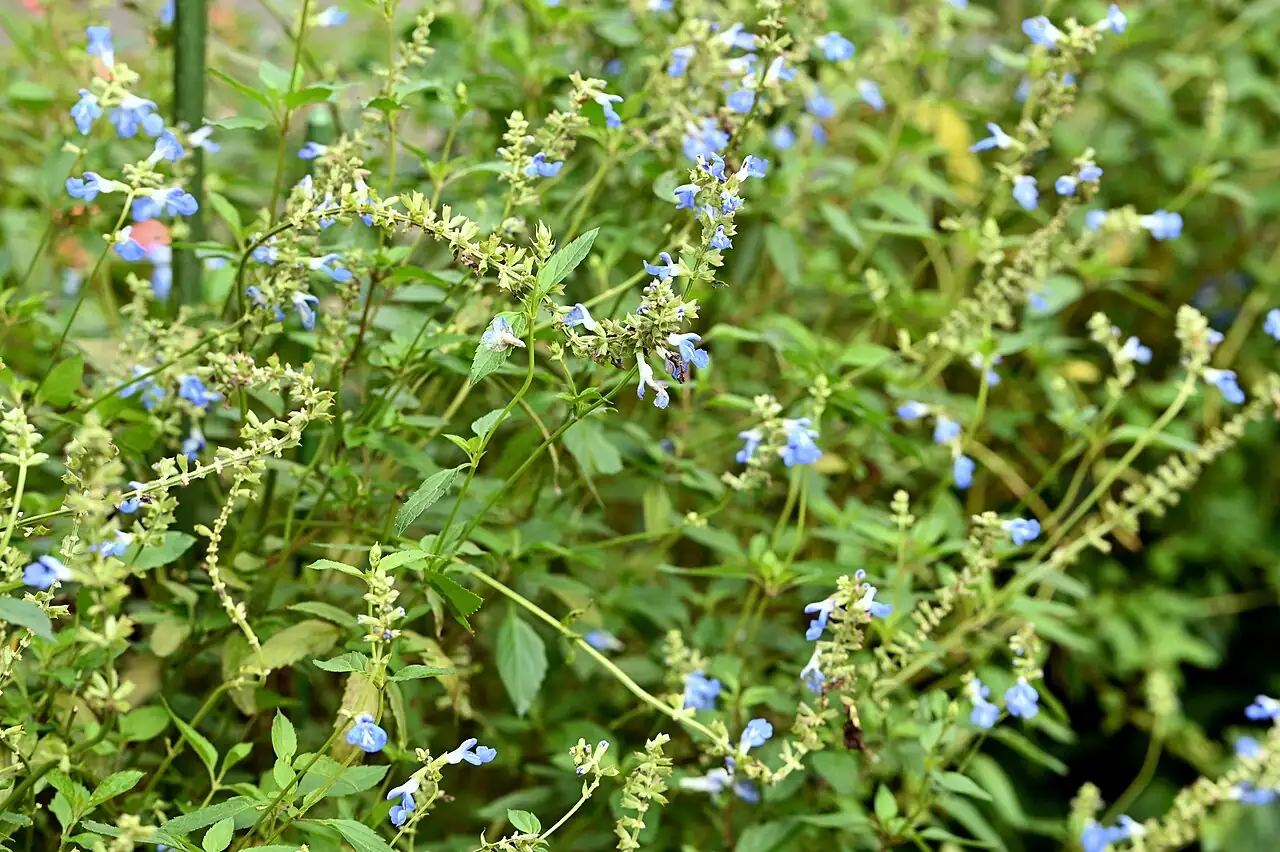
- Foliage: Leaves are opposite, narrow to elliptic, and mid-green with lightly toothed edges (often greener than the “silver” look some people expect). Stems are slender and can become slightly woody at the base as the plant ages.
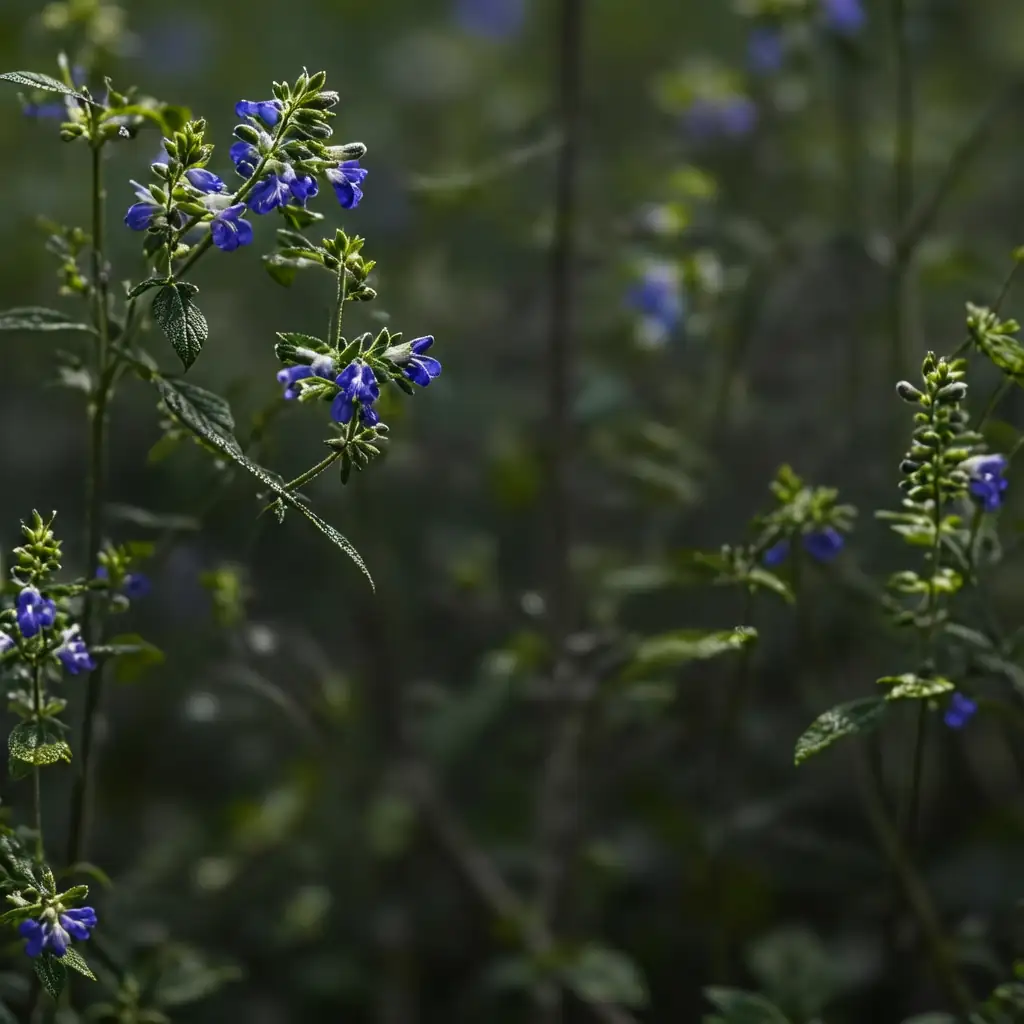
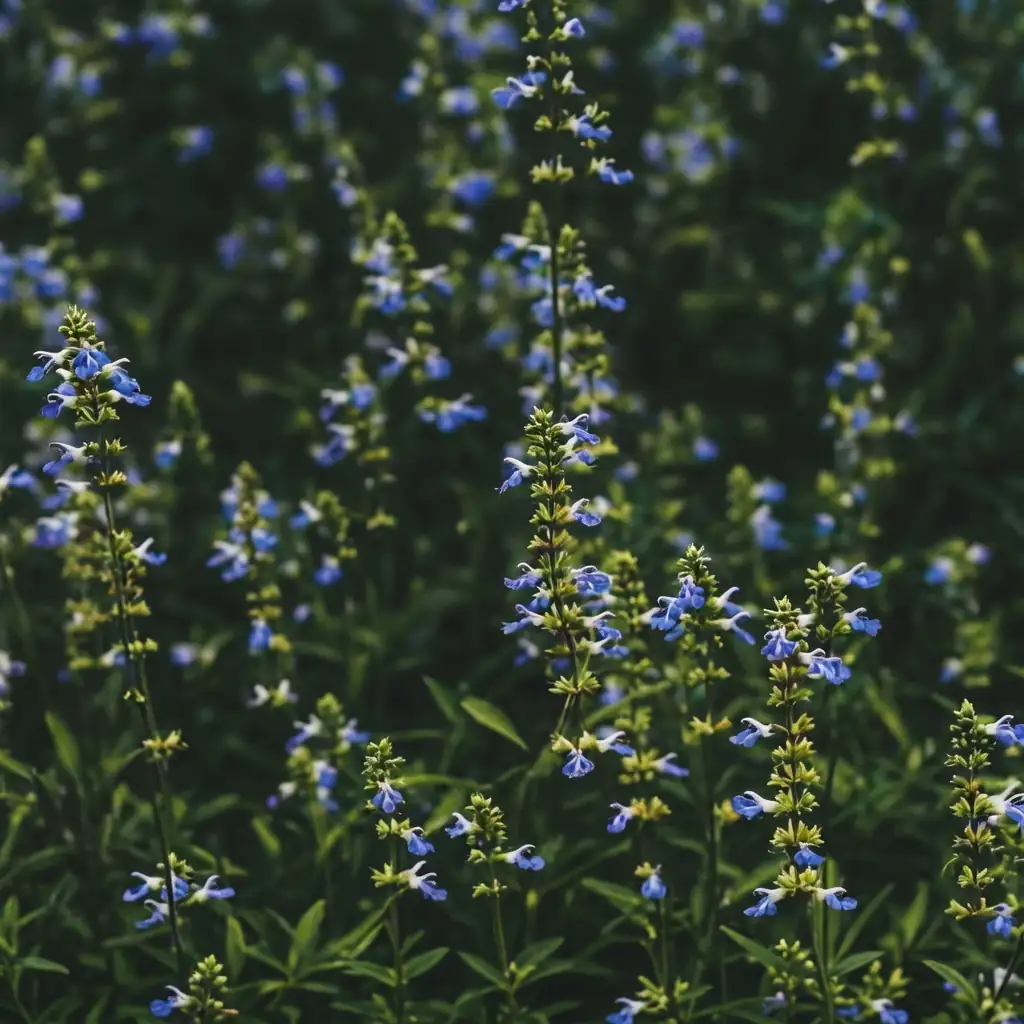
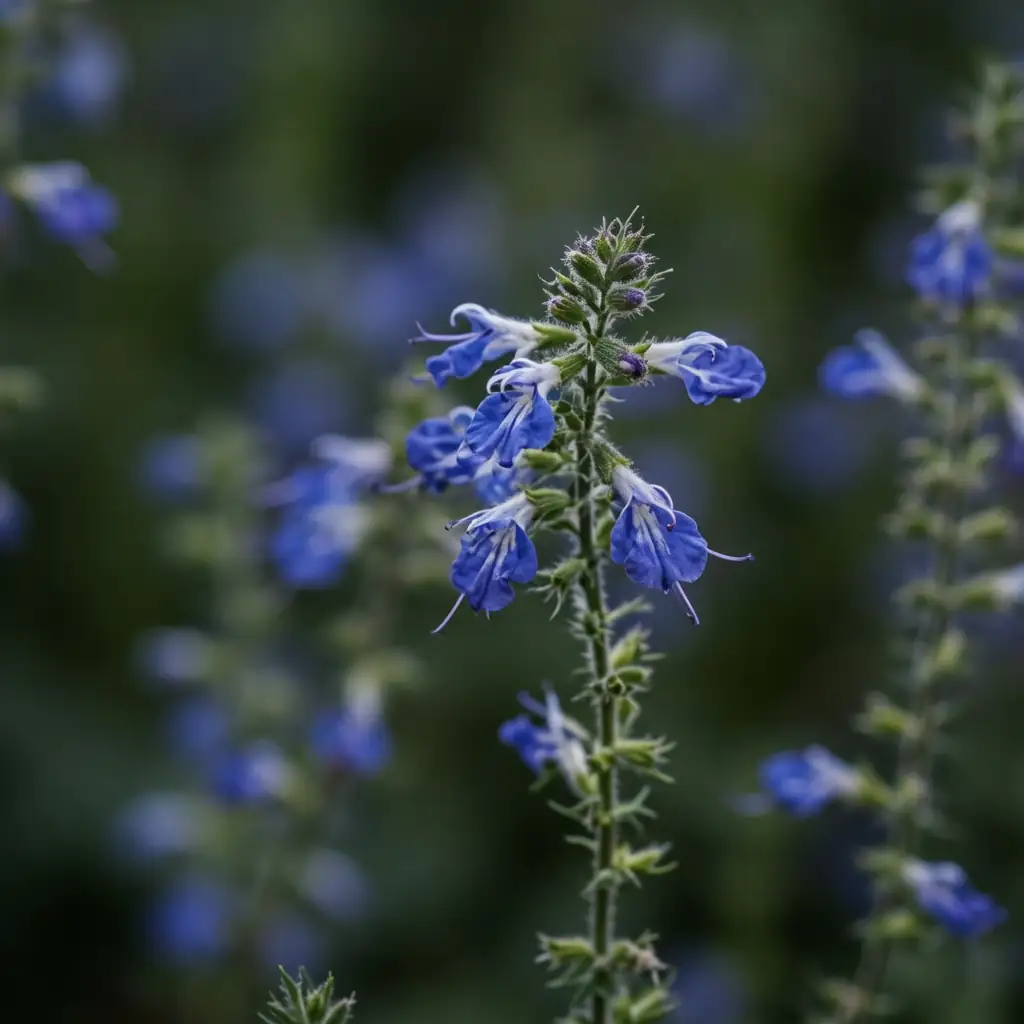
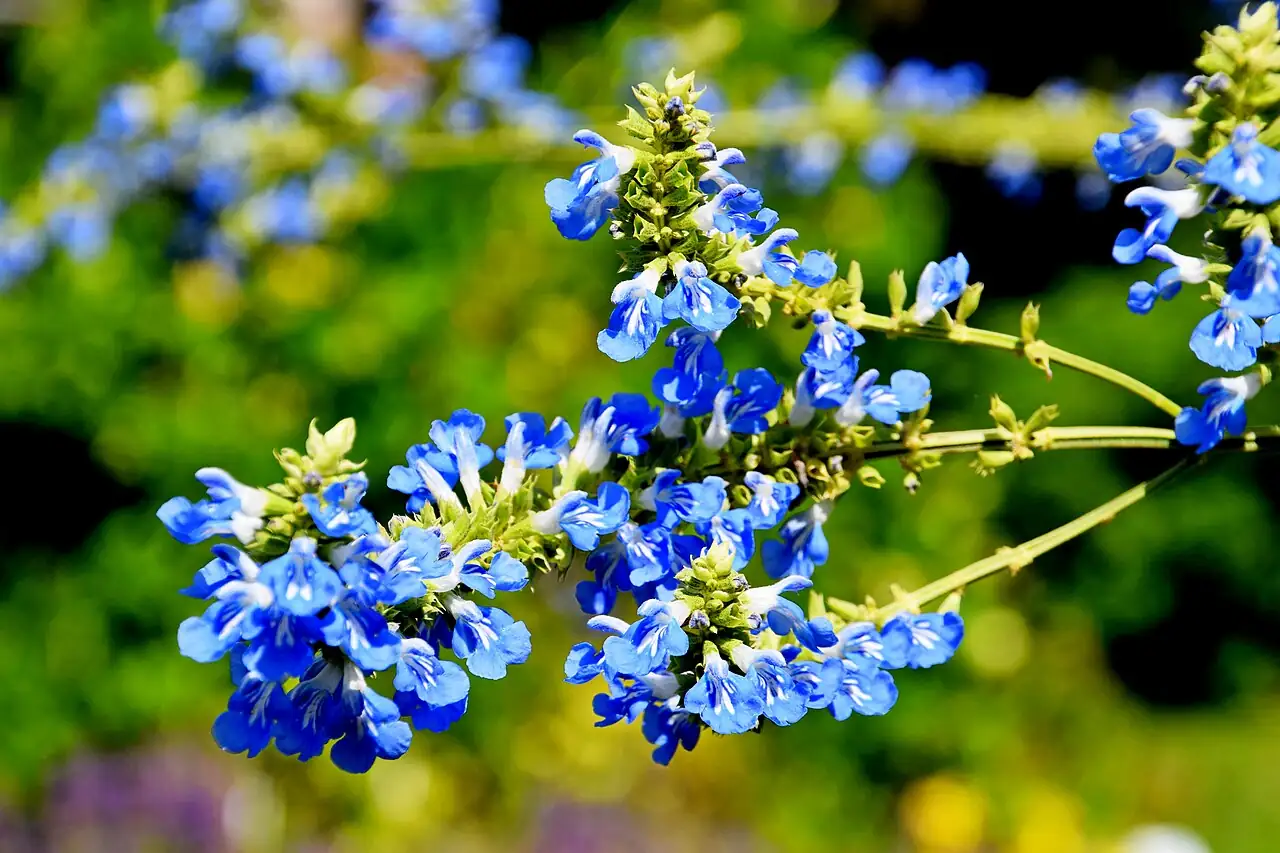
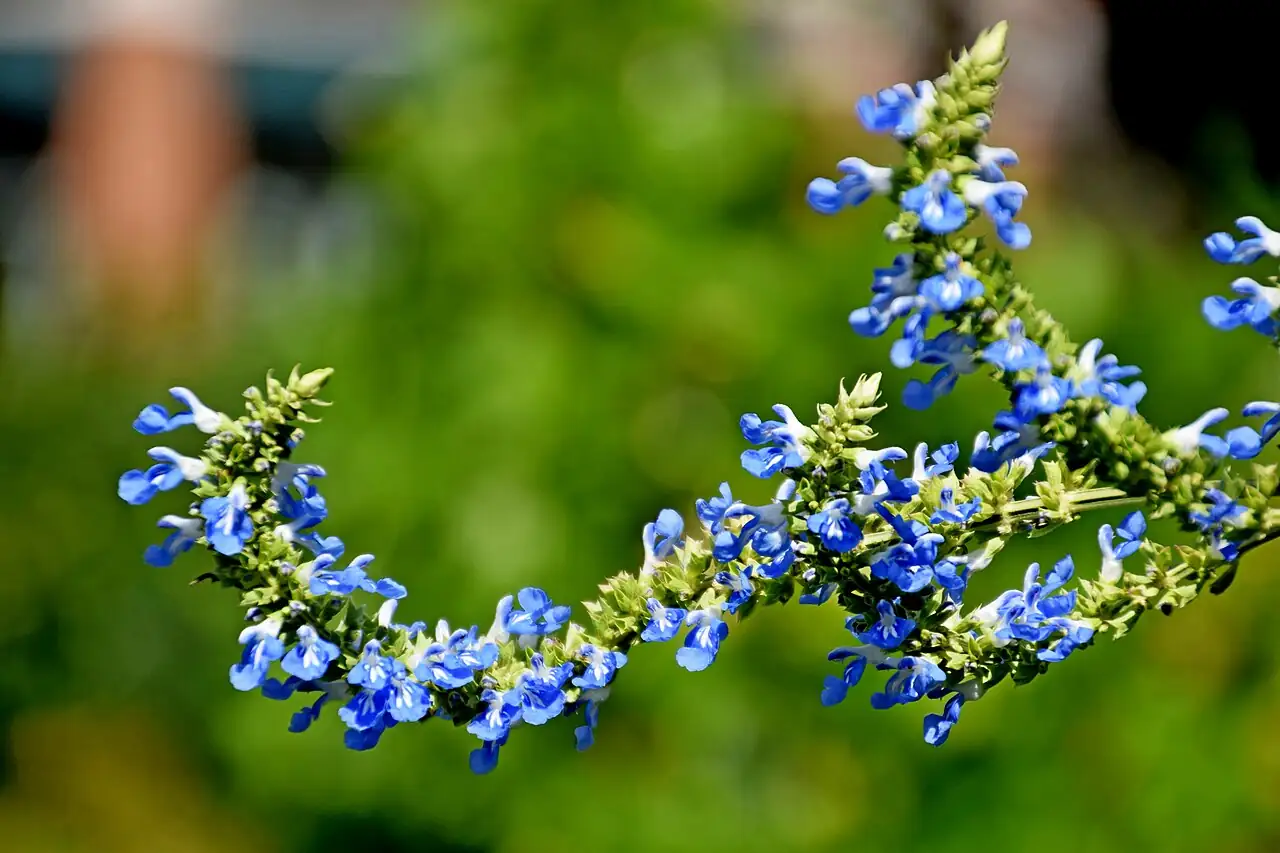
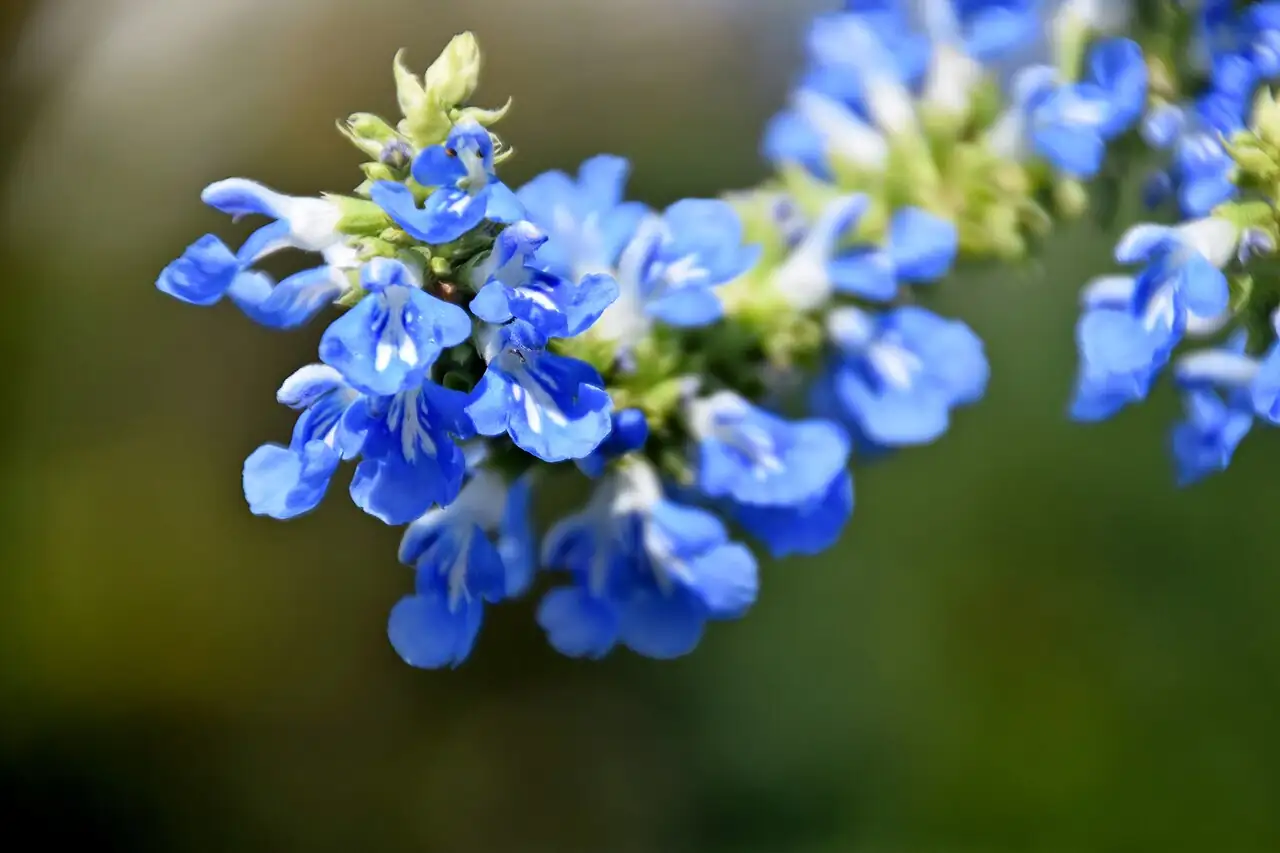
- Flower: Loose, open spikes carry small, two-lipped flowers arranged in whorls. The color is typically a clean sky-blue, and the flowers can be lightly fragrant. Regular deadheading keeps the display showy and going for months.
- Flowering Season: June–October (Northern Hemisphere; often from midsummer to first frost)
- Growth Habit: Clump-forming herbaceous perennial with upright, wand-like flowering stems; spreads slowly by rhizomes when conditions suit it.
Environment
Sunlight
Full sun to light partial shade; flowers best in full sun with good airflow.
Temperature
Prefers mild to warm conditions. Frost can damage top growth; winter survival often depends on avoiding cold, wet soil. Approximate tolerance: down to about -10 to -15°C (14 to 5°F) in well-drained sites, with crown protection helpful where winters are wet.
Humidity
Average outdoor humidity is fine. Keep evenly moist during active growth; it can handle short dry spells once established, but blooms are best with consistent moisture.
Soil
Moist but well-drained soil is ideal. Tolerates loam and even clay if it is not waterlogged. Neutral to slightly alkaline soils are acceptable; avoid prolonged winter saturation to prevent crown/root rot.
Placement
Back of borders, mixed perennial beds, meadow-style plantings, and pond/stream edges (where soil stays moist but not stagnant). Also excellent in large containers; suitable for fresh and dried cut-flower use.
Hardiness
USDA Zone 7–10 (varies with drainage and winter moisture).
Care Guide
Difficulty
Easy to moderate: usually trouble-free with sun and steady moisture. May need staking in windy spots, and in colder/wetter winters the crown benefits from protection and good drainage.
Buying Guide
Pick plants with multiple healthy basal shoots and firm, upright stems. Avoid pot-bound specimens, limp foliage (drought stress), or any blackened/soft stem bases that can hint at rot.
Watering
Water regularly while establishing and during hot, dry spells. Aim for evenly moist soil. In containers, let the top 2–3 cm (0.8–1.2 in) dry slightly between waterings, then water thoroughly. Once established it tolerates brief drought, but flowering is strongest with consistent moisture plus drainage.
Fertilization
Feed lightly. In spring, use compost as a top-dress or a balanced slow-release fertilizer at label rates. Avoid heavy nitrogen—too much can cause soft, floppy growth and fewer flowers.
Pruning
Deadhead spent spikes to extend flowering. Cut stems back to about 10–15 cm (4–6 in) after frost in late fall, or wait until early spring in colder regions to help shelter the crown through winter.
Propagation
Divide clumps in spring, or take softwood/semi-ripe cuttings from late spring through summer. Seed is possible, but divisions/cuttings are more reliable for keeping garden forms consistent; collect seed when heads are dry.
Repotting
For container plants, repot every 1–2 years in spring into fresh mix. Move up about 2–5 cm (1–2 in) in pot width, or divide and replant to keep plants vigorous.
📅 Seasonal Care Calendar
Spring: cut back (if not done in fall), divide if crowded, refresh compost/mulch. Summer: water in dry weather; deadhead often for continuous bloom; stake if windy. Fall: ease off feeding; optionally cut back after frost. Winter: keep crowns drier and protected in cold/wet climates—mulch lightly and prioritize drainage.
Pests, Diseases & Safety
Common Pests & Diseases
Generally resilient. Aphids, whiteflies, and spider mites may appear if plants are stressed (especially hot/dry). Slugs/snails can nibble young growth. The main serious issue is crown/root rot in waterlogged soil—improve drainage and avoid winter sogginess.
Toxicity
Not generally regarded as toxic to people or pets, though chewing or eating plant material can still cause mild stomach upset in sensitive individuals.
Culture & Symbolism
Symbolism: Its clear blue flowers often evoke calm, clarity, and tranquility. Like many salvias, it also symbolizes lively, wildlife-friendly gardens thanks to its strong pollinator appeal.
History & Legends: A South American species brought into horticulture for its unusually pure blue color and long bloom period. Gardeners value it as a “see-through” perennial—tall enough to add structure, but airy enough to let other plants shine through.
Uses: Ornamental perennial for borders and naturalistic/meadow plantings; especially good as a mid-to-back border plant. Suitable for large containers. Flowering stems can be used for fresh arrangements or dried-flower crafts.
FAQ
Why is my bog sage flopping over?
Most often it’s from too much shade, overly rich/high-nitrogen feeding, or strong wind. Give it more sun, feed lightly, and use discreet staking or grow it among supportive neighboring plants.
Does bog sage need wet soil because it’s called “bog” sage?
It enjoys consistent moisture and can handle moist ground, but it still needs oxygen around the roots. Think “moist but drained,” especially in winter—standing water or soggy soil can trigger crown/root rot.
How can I get it to bloom longer?
Full sun, regular watering during dry spells, and consistent deadheading are the big three. A light spring feed (not high nitrogen) helps keep flowers coming.
Fun Facts
- Gardeners prize it for a rare, clean sky-blue flower color that’s hard to find in perennials.
- The flowers are lightly fragrant and highly attractive to bees and butterflies.
- With deadheading, it can flower from midsummer right up to the first frost.
- It works as both a fresh cut flower and a dried flower.
- Despite the name, it typically does best in moist-but-drained soil rather than true bog conditions.


