Plant Features
- Size: Typically about 1–2 m (3.3–6.6 ft) tall, often with a similar spread in garden settings.
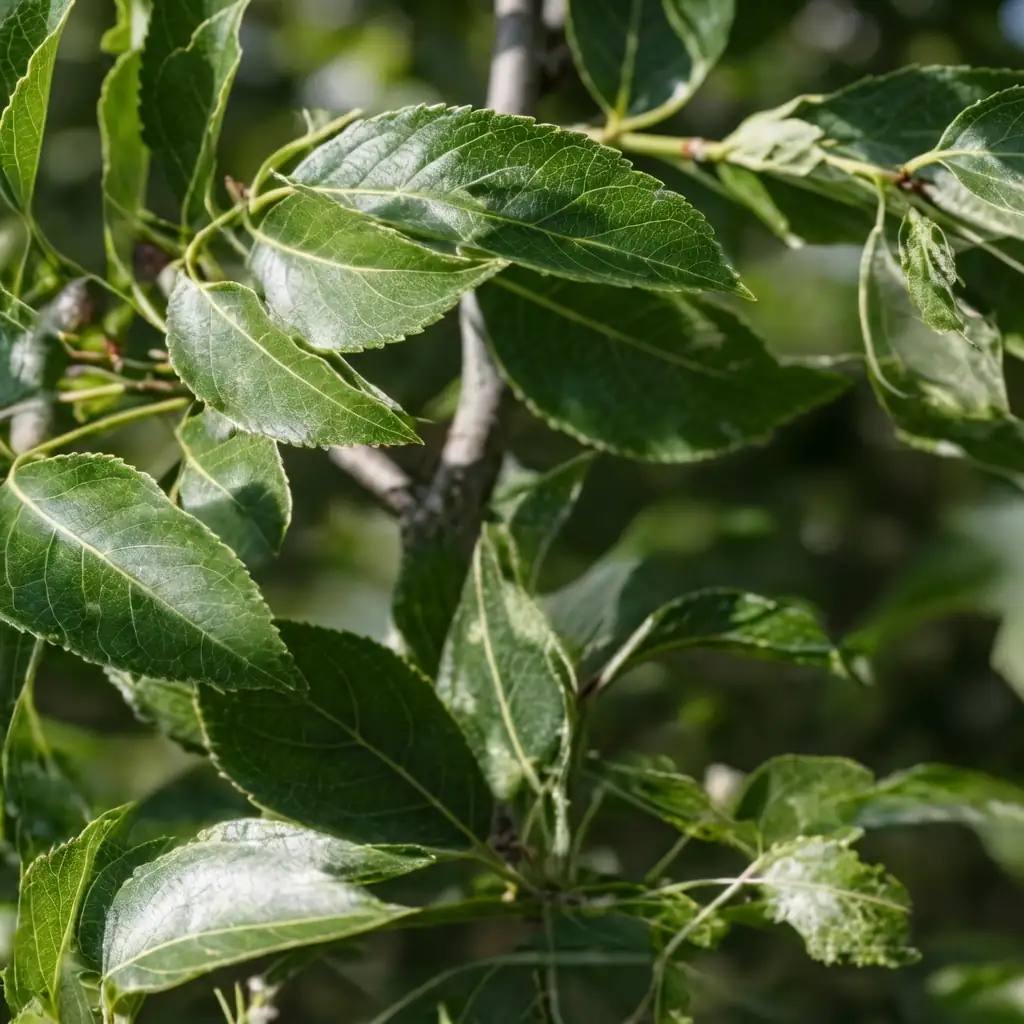
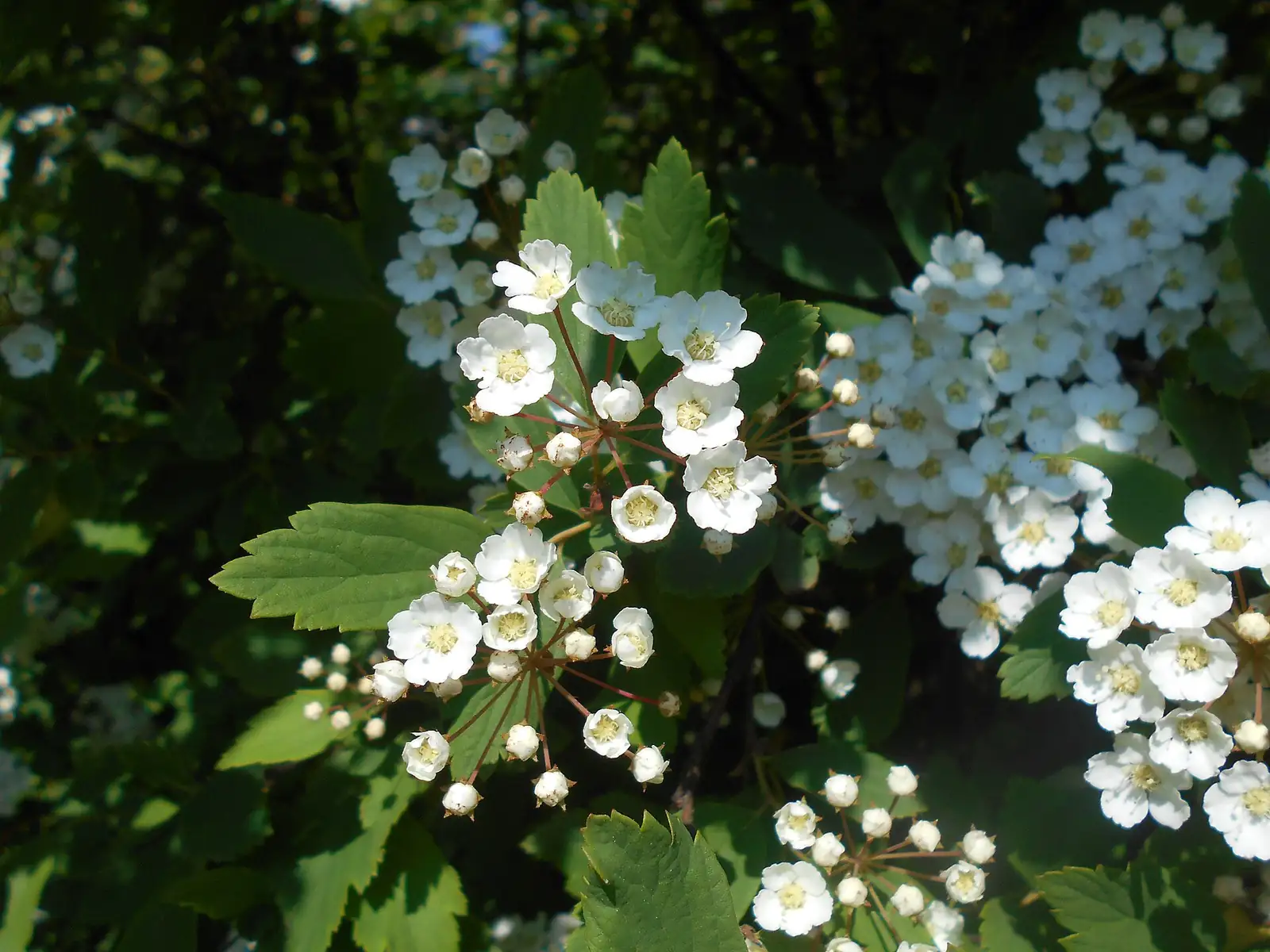
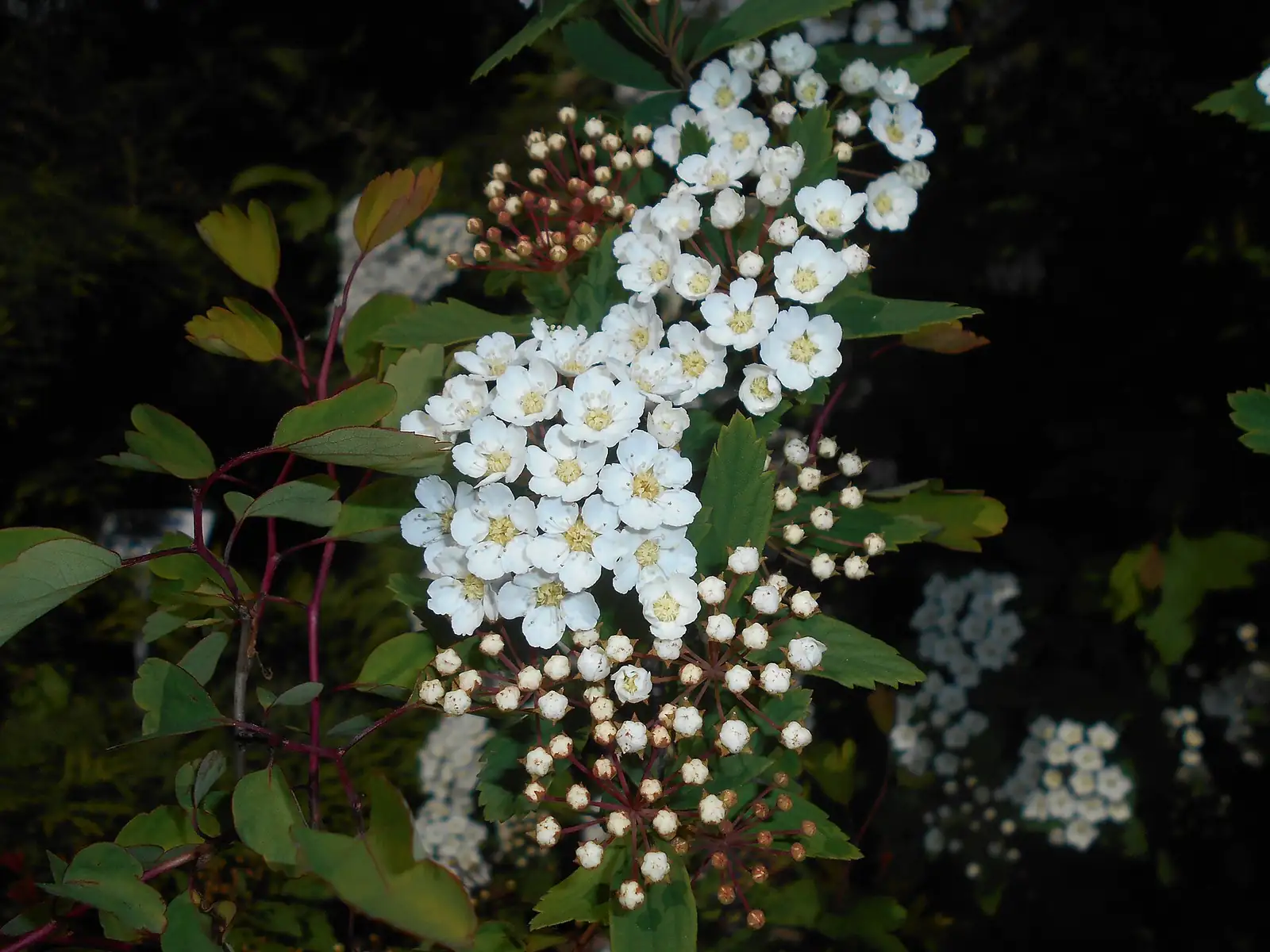
- Foliage: A multi-stemmed shrub with slender twigs that are often dark reddish-brown. Leaves are rhombic-ovate to ovate, sometimes shallowly 3–5 lobed, with fine teeth along the margins; tips are rounded or slightly notched. Leaf venation commonly shows three main veins arising from the base.
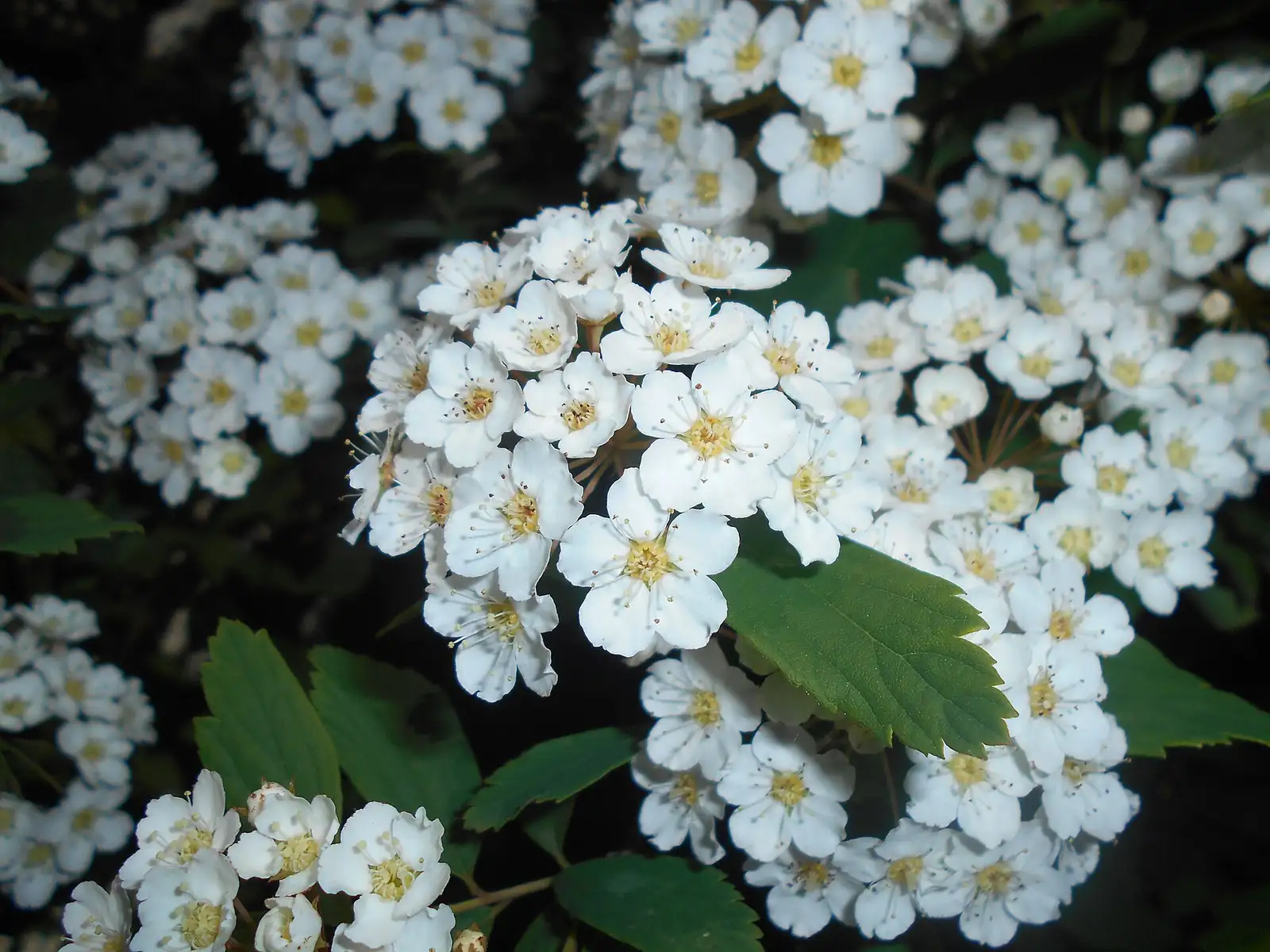
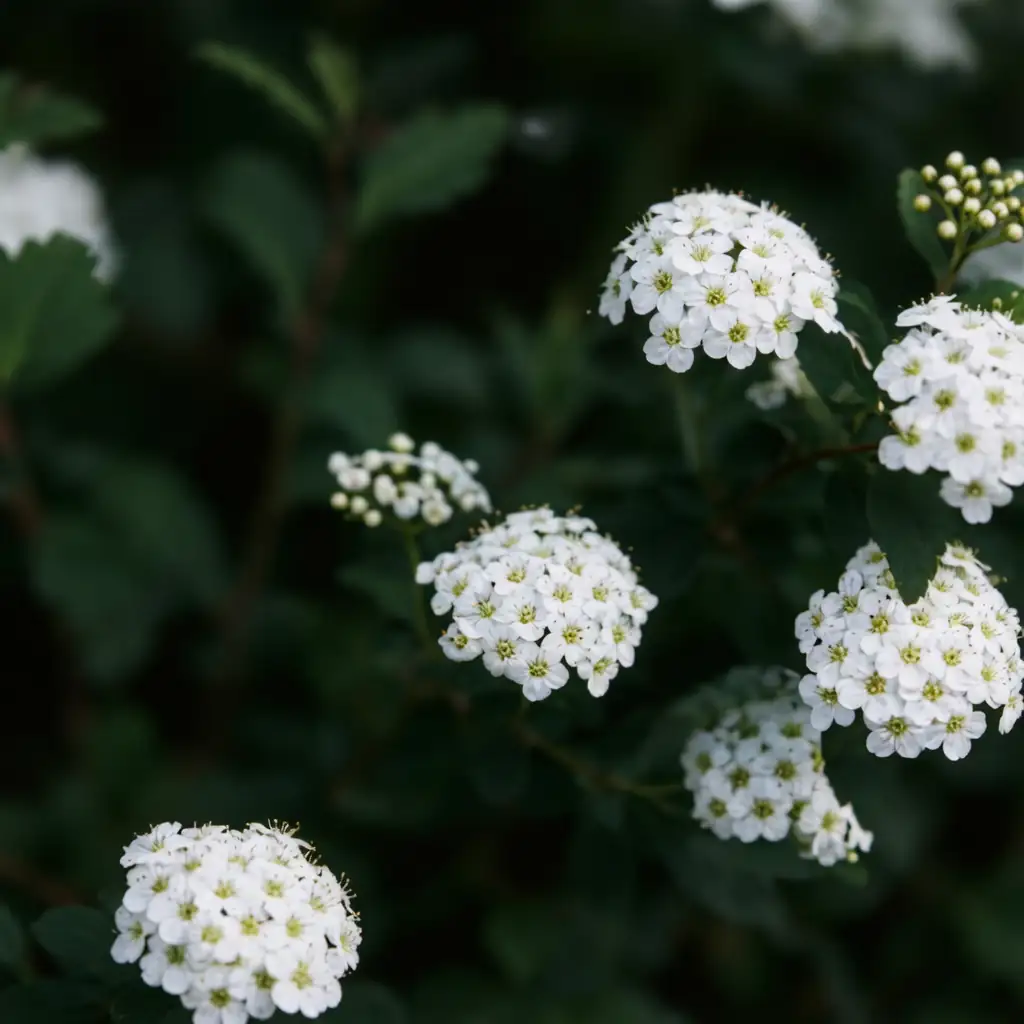
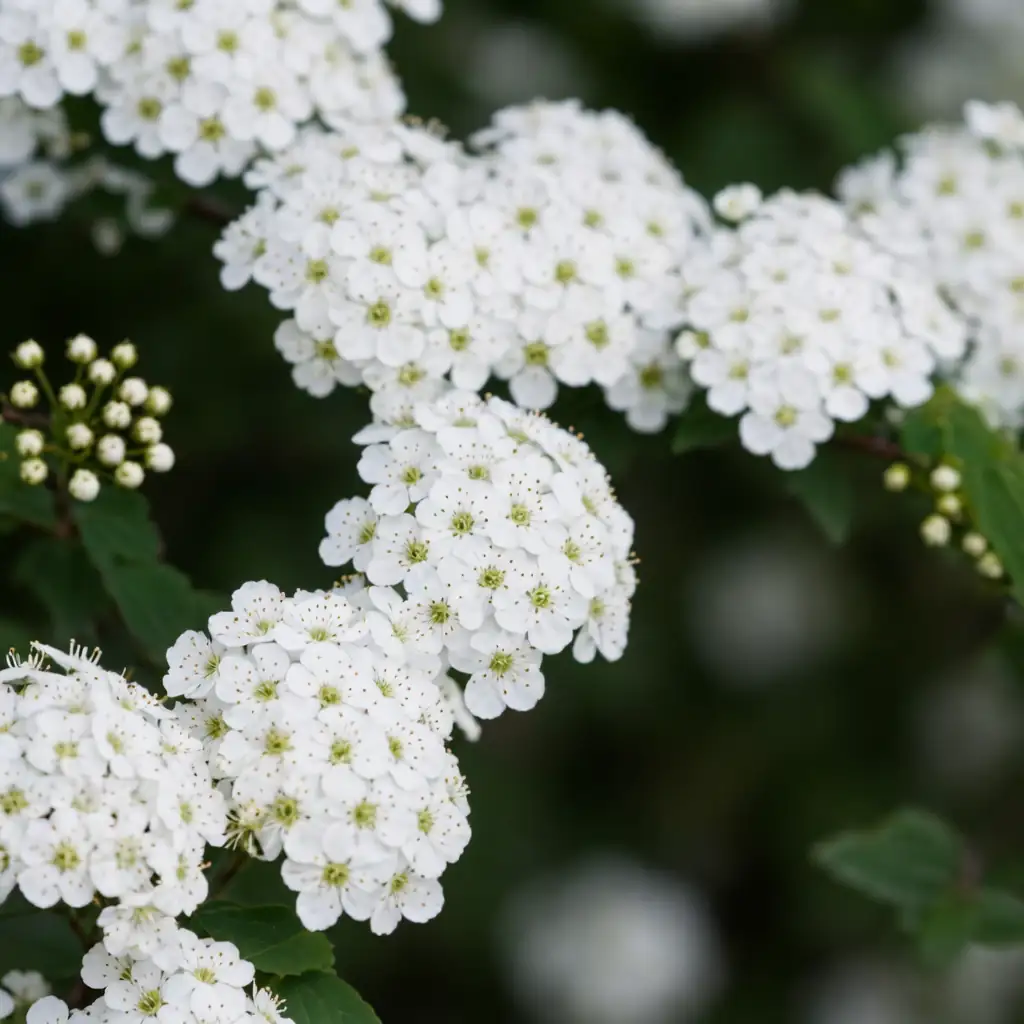
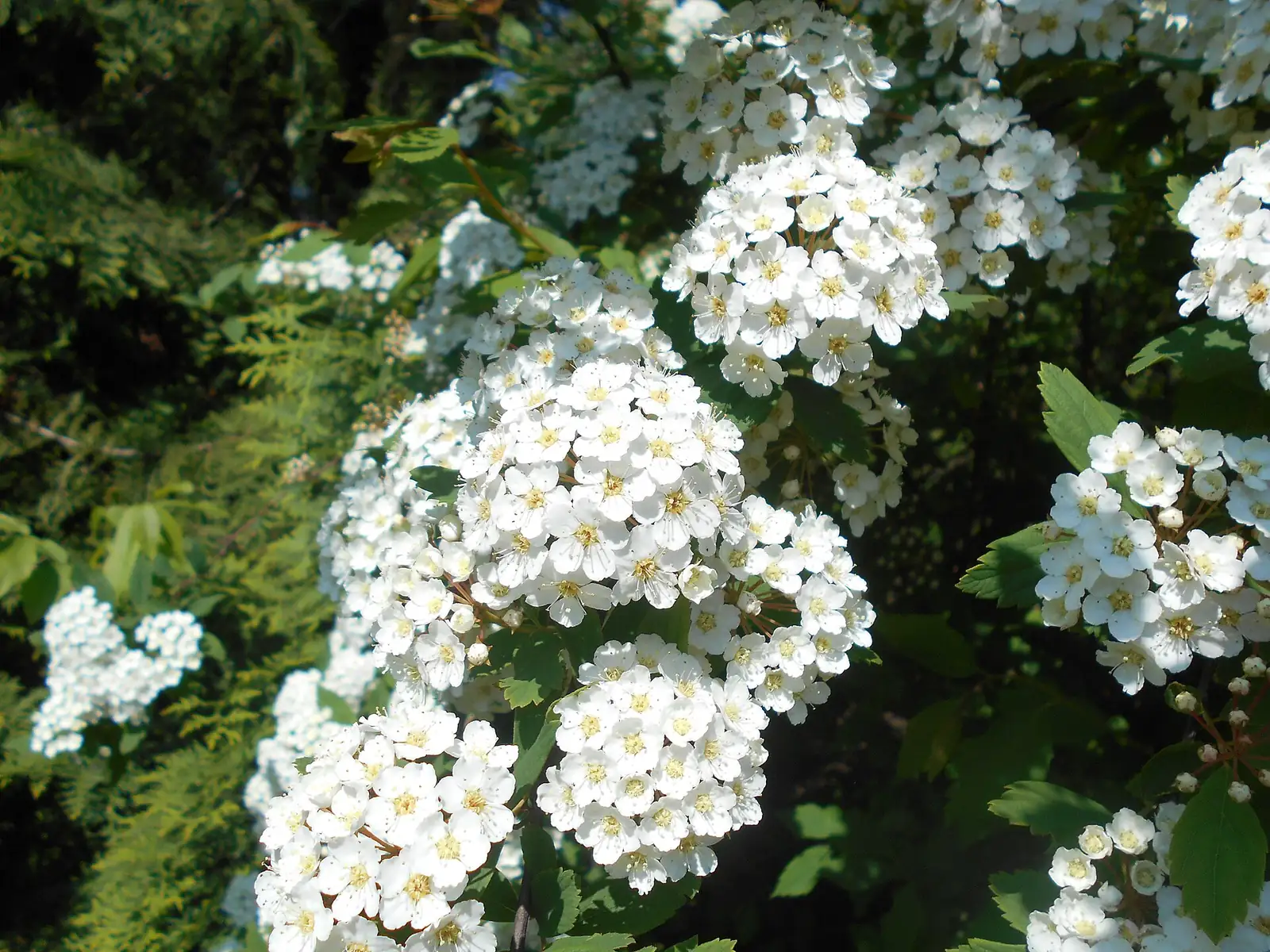
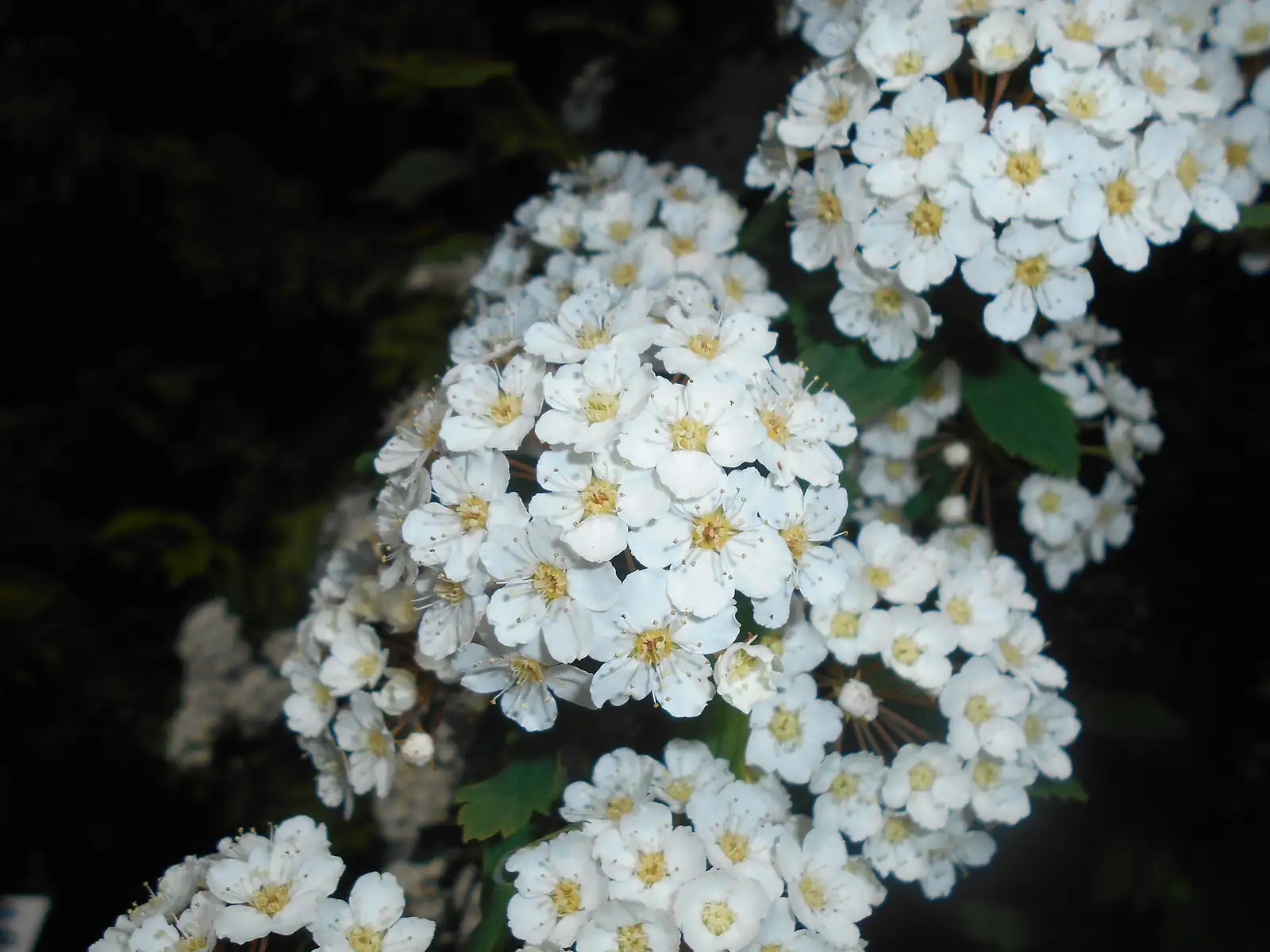
- Flower: Produces small white flowers in compact, umbel-like clusters, typically about 10–25 flowers per cluster. The petals are broad and obovate, creating a soft, cloudlike “pearl” effect when the plant is in full bloom.
- Flowering Season: April–June (Apr–Jun)
- Growth Habit: Deciduous, well-branched, multi-stemmed shrub with a dense, rounded to mounding form.
Environment
Sunlight
Full sun to light shade; flowering is strongest in full sun.
Temperature
A temperate shrub that performs well in cool to warm growing seasons, roughly 10–30°C (50–86°F). Once established it’s hardy, but prolonged extreme heat paired with drought can reduce vigor and flowering.
Humidity
Adaptable to average outdoor humidity. Avoid cramped, poorly ventilated, persistently humid conditions that can encourage foliar diseases.
Soil
Well-drained loam or sandy loam is ideal. Tolerant of many soils as long as drainage is good; keep evenly moist while establishing, then avoid waterlogged conditions.
Placement
Best outdoors in bright, open sites—borders, slopes, woodland edges, and mixed shrub plantings; also suitable for naturalistic landscaping and roadside-style plantings where it can get sun and airflow.
Hardiness
USDA Zone 4–8 (approx.); generally not frost-tender once established.
Care Guide
Difficulty
Easy to moderate: a tough, reliable shrub once established, especially with sun and well-drained soil.
Buying Guide
Pick a plant with multiple healthy stems, firm buds, and no obvious dieback. Avoid pots with circling/spiraling roots or plants sitting in waterlogged media.
Watering
Water regularly through the first growing season to build a deep root system. After establishment, water during extended dry spells with deep soakings, letting the top layer of soil dry slightly between waterings. Avoid constantly soggy soil.
Fertilization
Light feeding in early spring is plenty—use a balanced slow-release fertilizer or compost top-dressing. Avoid heavy nitrogen, which can push leafy growth at the expense of flowers.
Pruning
Prune right after flowering (late spring to early summer). Remove dead, damaged, or crossing stems, and thin some older stems at the base to keep the shrub airy and encourage fresh flowering shoots.
Propagation
Typically propagated by softwood cuttings in late spring to early summer, semi-hardwood cuttings in summer, or by layering/division where practical.
Repotting
Usually grown in the ground. If kept in a container, repot every 2–3 years in early spring into fresh, well-drained mix and ensure excellent drainage holes.
📅 Seasonal Care Calendar
Spring: mulch, light feeding, and watch new growth; main bloom usually Apr–Jun. Summer: prune after flowering and water during drought. Autumn: reduce feeding and tidy growth; fruits may appear Aug–Oct. Winter: minimal care; remove storm-damaged wood and plan any shaping for after the next bloom.
Pests, Diseases & Safety
Common Pests & Diseases
Can occasionally attract aphids, spider mites, or scale. In crowded, poorly ventilated spots it may develop leaf spot or powdery mildew. Improve airflow, avoid late-day overhead watering, and use horticultural soap/oil if needed.
Toxicity
No well-established toxicity issues for typical garden use. Still, it’s best practice to avoid ingestion and keep trimmings away from pets and small children.
Culture & Symbolism
Symbolism: Not strongly standardized, but its bright white spring clusters are often associated with freshness, renewal, and simple elegance.
History & Legends: No widely documented legends in common English references; it’s mainly appreciated as a durable East Asian ornamental shrub with strong landscape value.
Uses: Primarily ornamental—excellent for borders, mass plantings, slopes, and mixed shrub beds. Its spring flowers support pollinators, and the dense habit can also help visually soften edges and pathways.
FAQ
Why isn’t my spirea flowering well?
Most often it’s too much shade, too much nitrogen fertilizer, or pruning at the wrong time. Move (or thin nearby plants) for more sun, keep feeding light, and prune right after flowering rather than in late winter.
Can it handle poor soils?
It’s fairly tolerant, but it won’t be happy in waterlogged or heavily compacted ground. Improve dense soil with organic matter and prioritize drainage for the healthiest growth and best blooms.
Fun Facts
- In bloom, each compact flower cluster often holds about 10–25 tiny white flowers, giving the shrub a pearly, cloudlike look.
- In the wild it commonly grows on sunny slopes, woodland margins, and roadsides at 500–2000 m (1,640–6,560 ft) elevation.
- Fruiting can follow flowering, with fruits often developing around August–October (Aug–Oct).
- Young stems may show a dark reddish-brown tone, adding subtle interest even before the flowers arrive.