Plant Features
- Size: Typically 30–90 cm (1–3 ft) tall; many forms spread up to about 90 cm (3 ft).
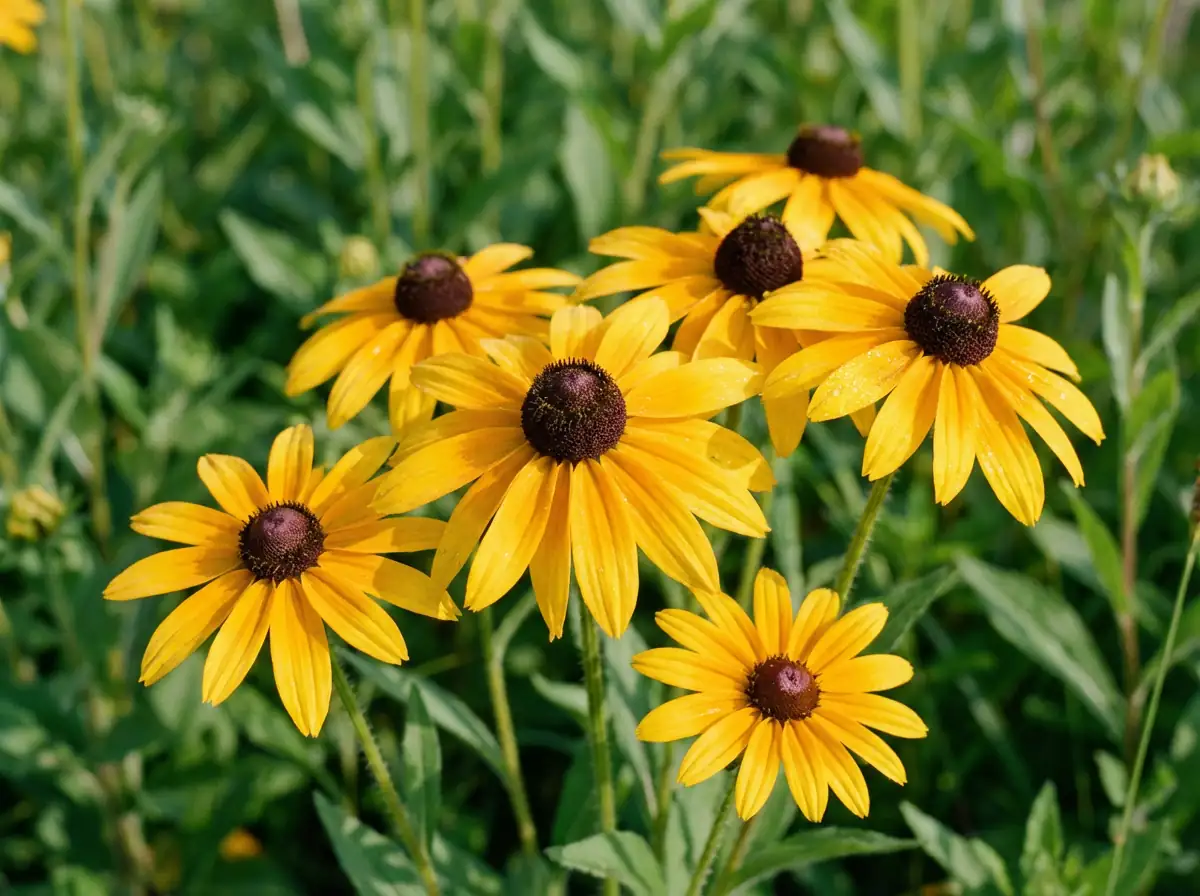
- Foliage: Leaves are noticeably rough and hairy (the species name hirta literally means “hairy”). Basal leaves tend to be oval to oblong, while upper leaves are more lance-shaped; margins may be smooth or lightly toothed. Stems and leaves are covered with coarse, bristly hairs, giving the whole plant a slightly scratchy texture.
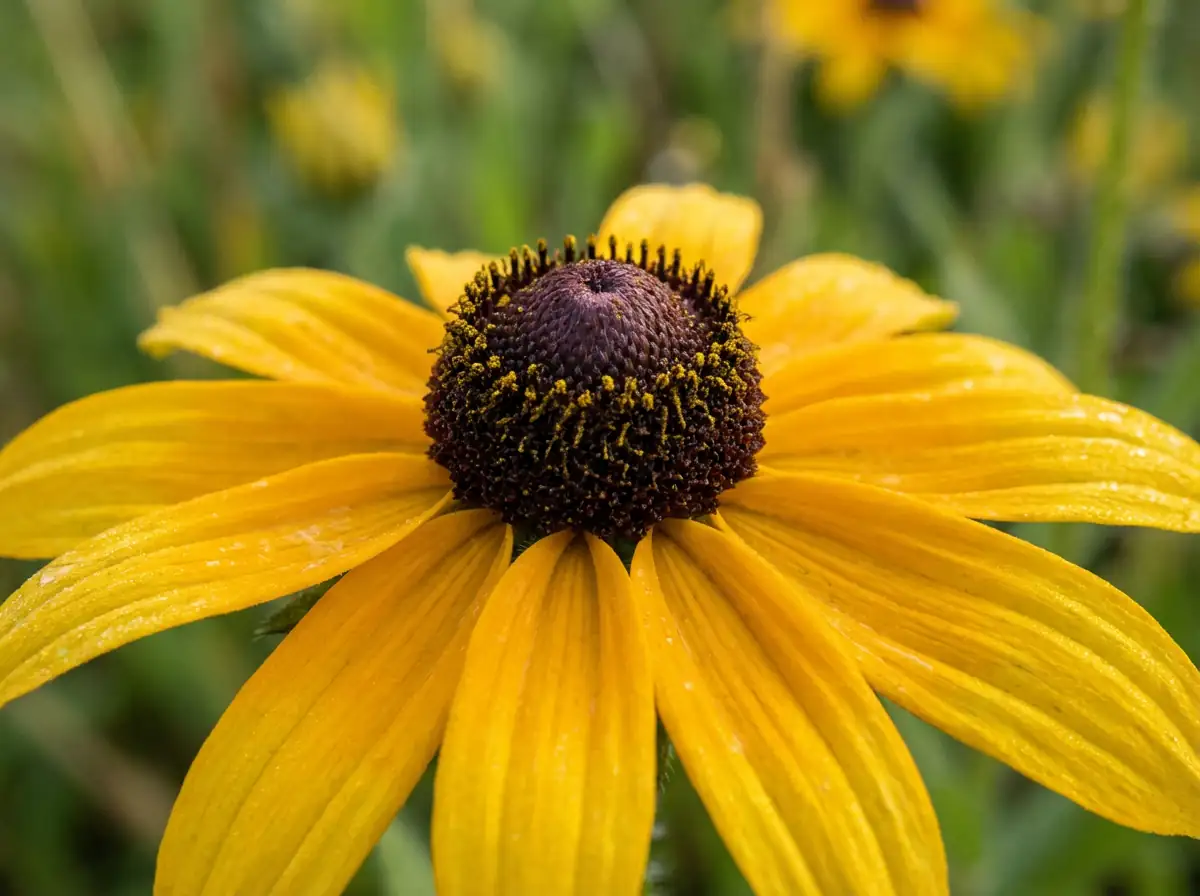
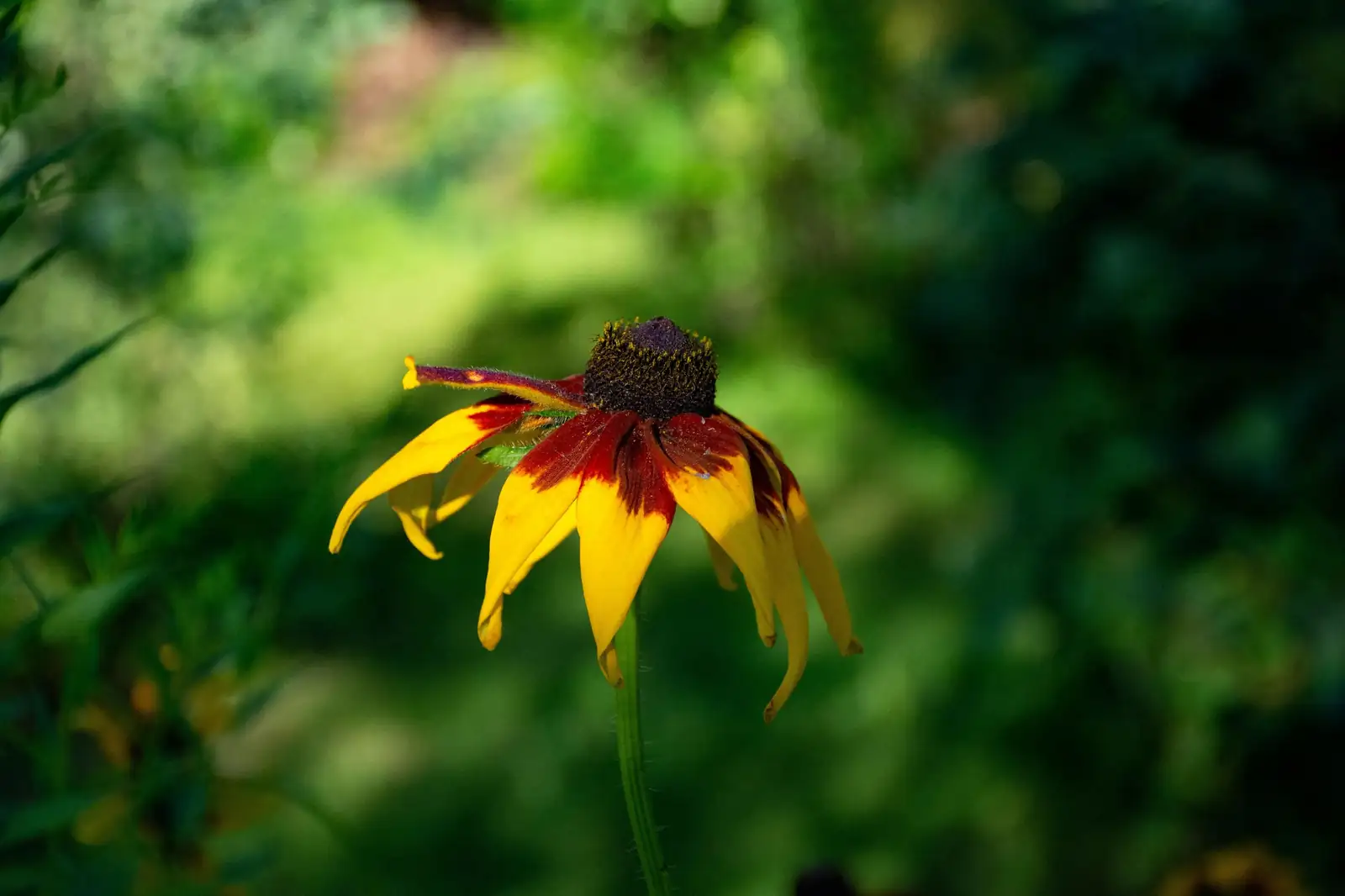
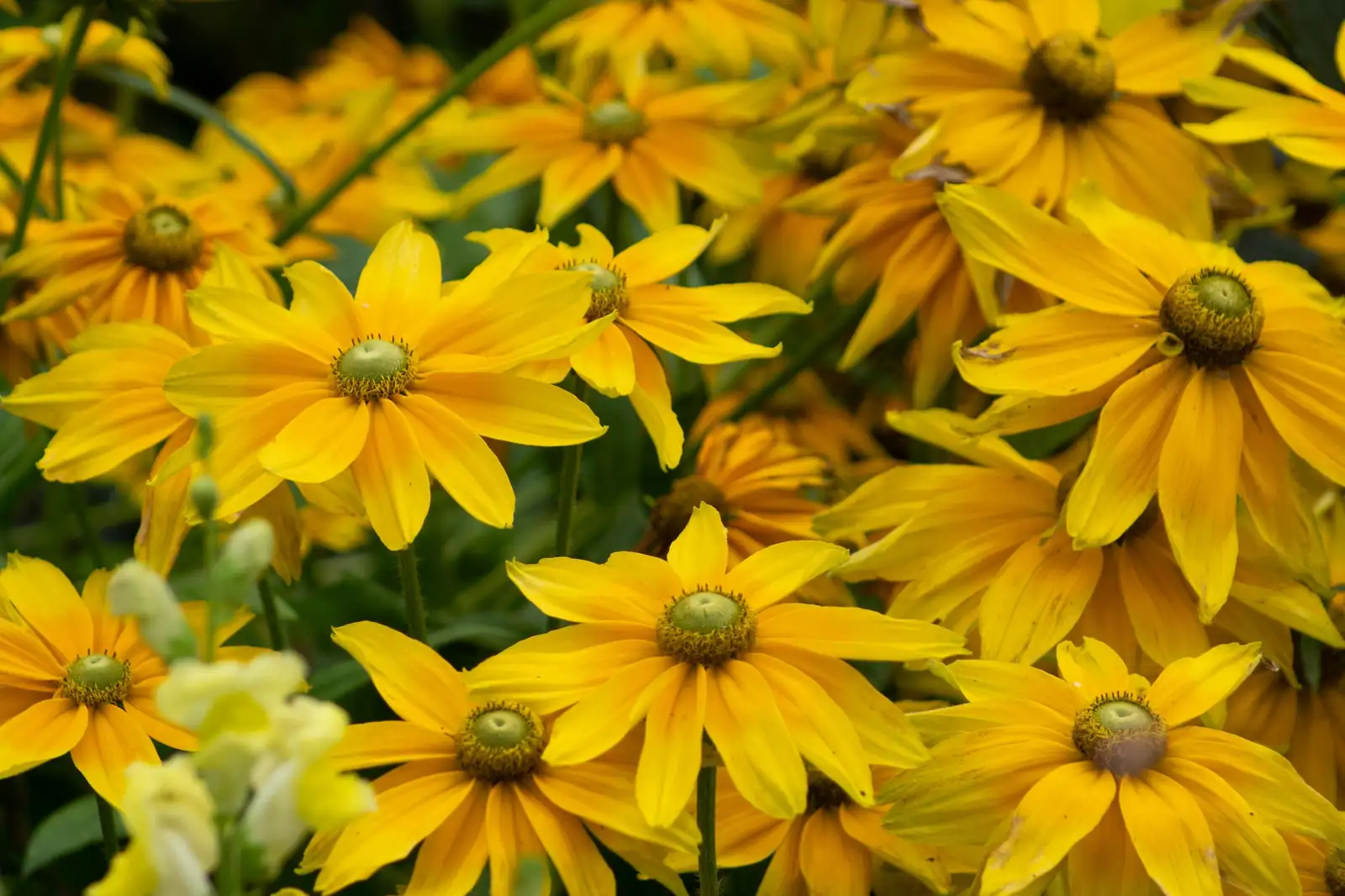
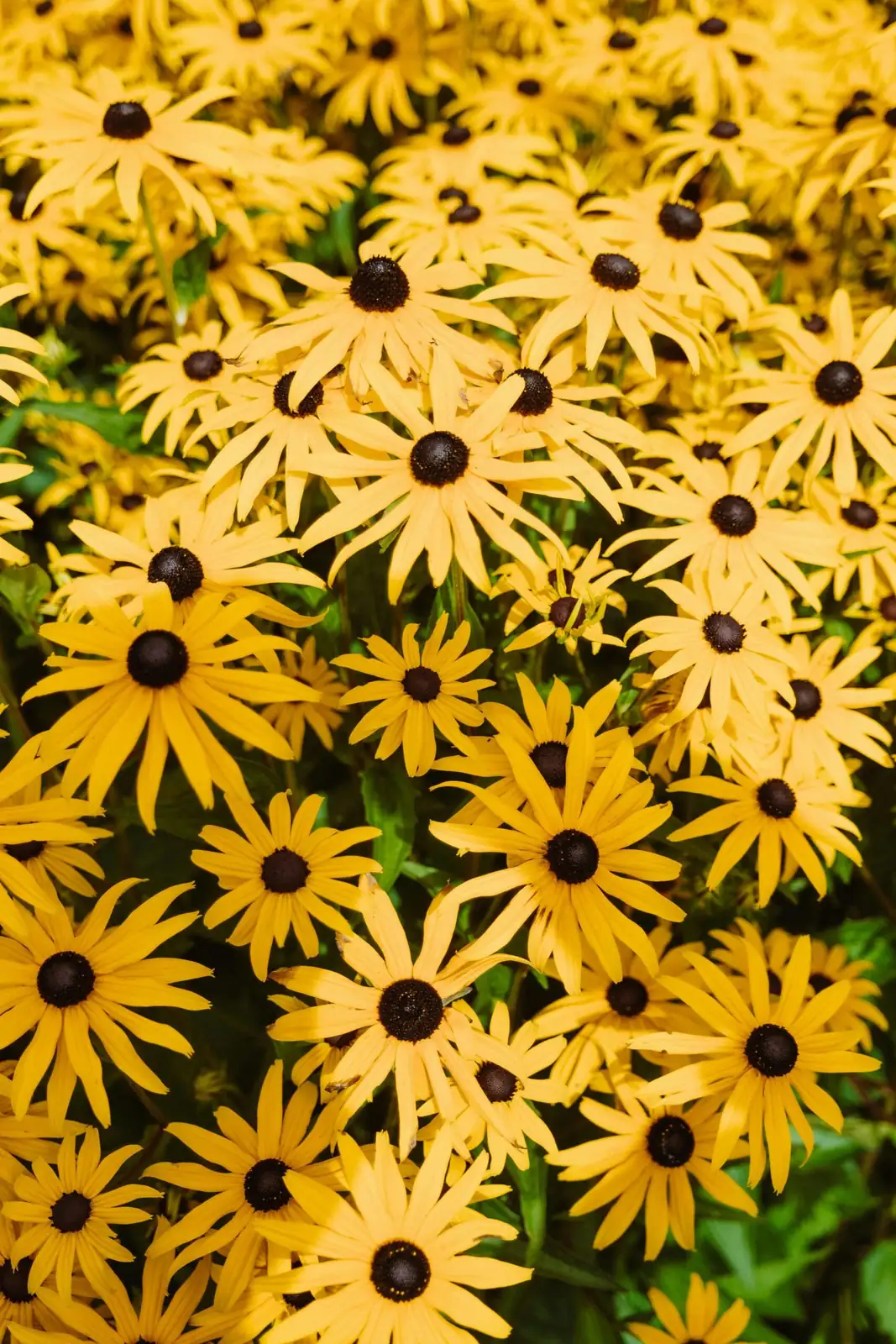
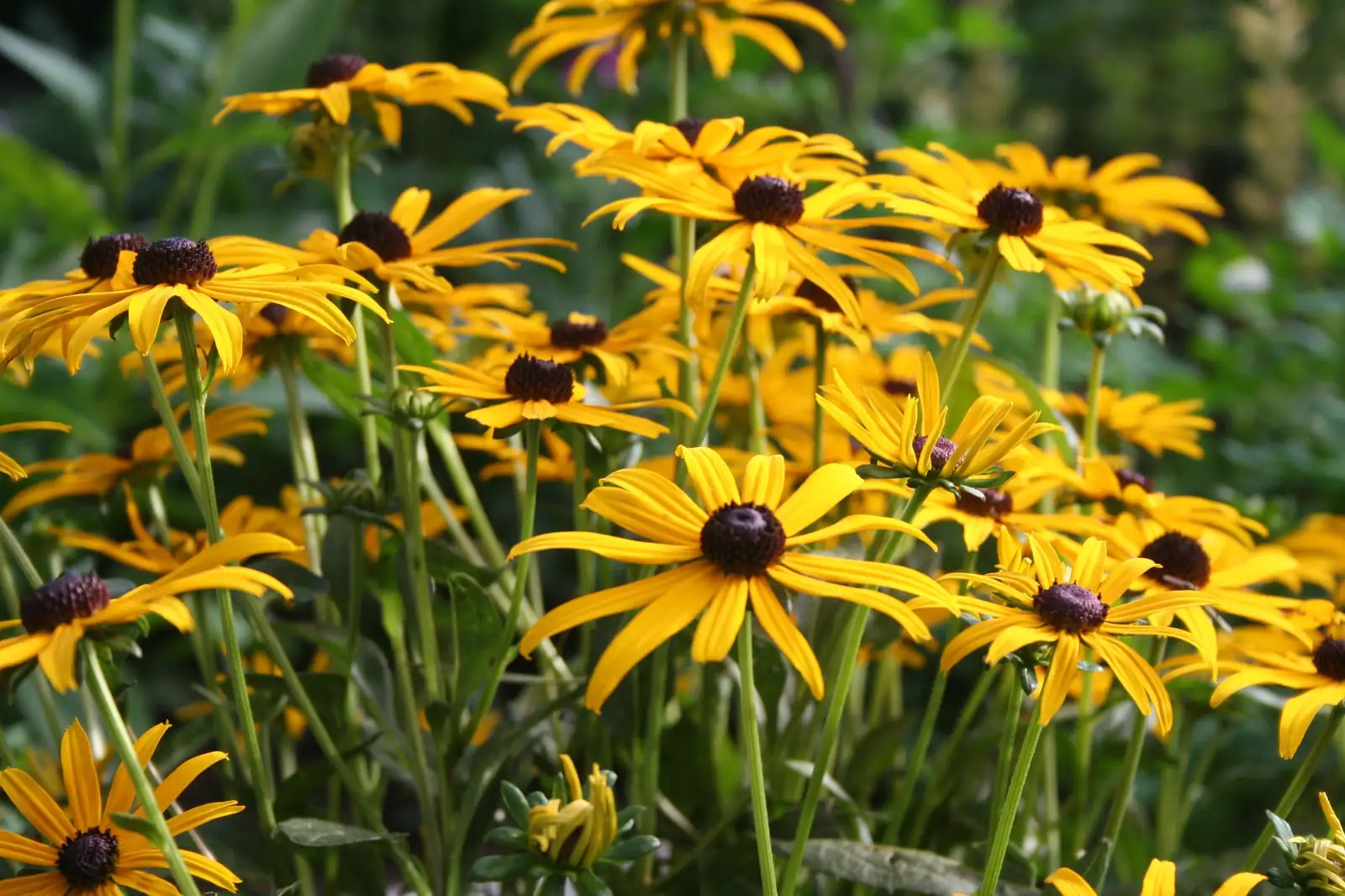
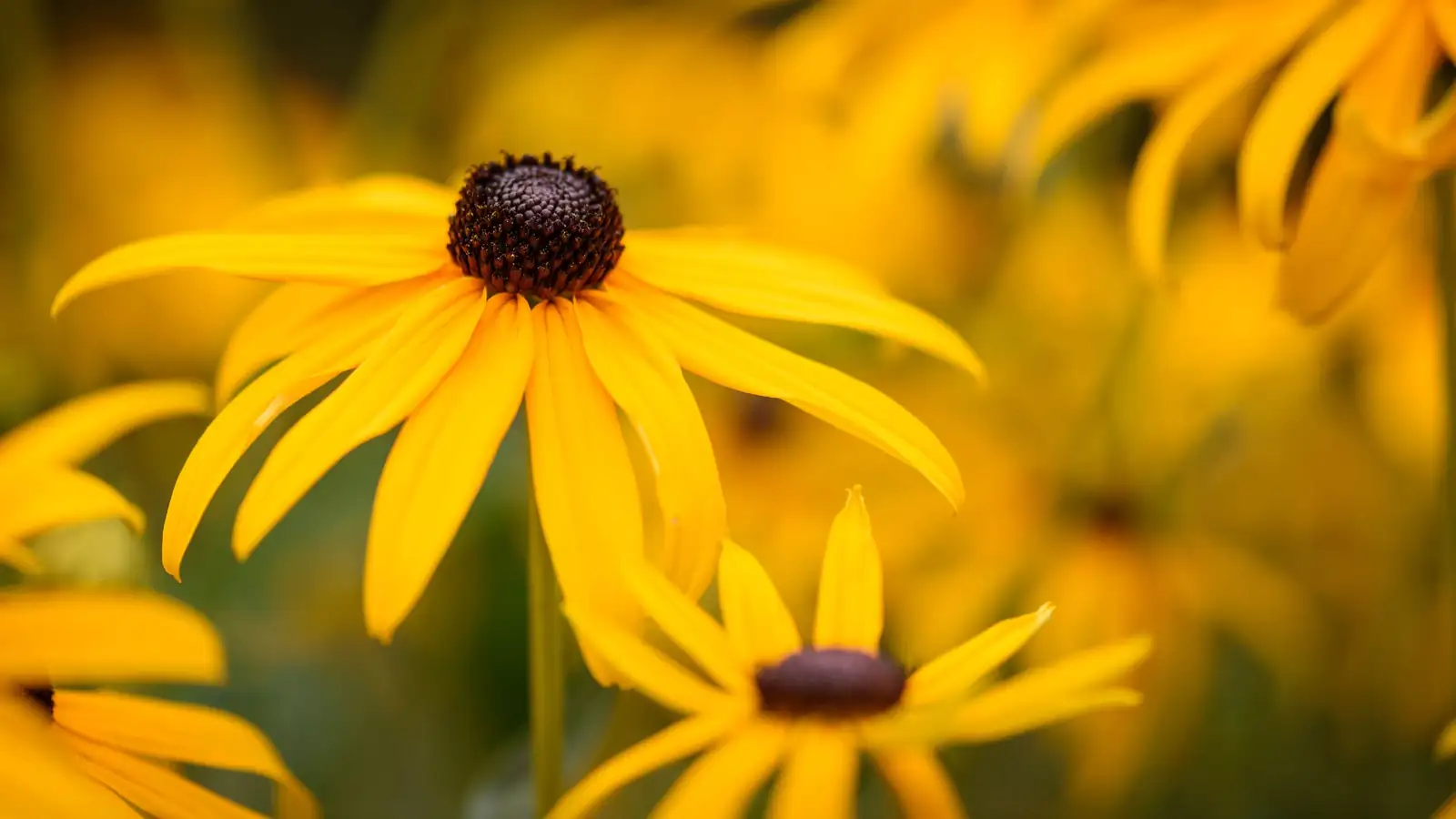
- Flower: Cheerful composite flower heads about 5–7 cm (2–3 in) wide, with roughly 10–14 bright yellow to orange-gold ray florets surrounding a prominent, cone-like center disk that appears dark brown to nearly black. Each “flower” is actually many tiny flowers packed together—showy rays on the outside and tubular disk florets in the center.
- Flowering Season: Early summer through fall, typically June–September, and sometimes into October until the first frost.
- Growth Habit: Upright, clump-forming wildflower; stems may be unbranched or branch near the top. Readily self-seeds and can naturalize in suitable conditions.
Environment
Sunlight
Full sun is best (at least 6 hours of direct sun per day). It will tolerate partial shade, but flowering is heaviest in stronger light.
Temperature
Grows well around 15–24°C (60–75°F); both heat tolerant and quite cold hardy once established. Seeds germinate best around 21°C (70°F).
Humidity
Flexible—handles a range of humidity. Prefers moderate moisture, but becomes fairly drought-tolerant once established.
Soil
Adaptable (clay, loam, or sand) as long as drainage is decent. Performs best in well-draining soil with some organic matter. Typical preferred pH is about 6.0–7.0 (slightly acidic to neutral).
Placement
Perfect for sunny borders, mass plantings, meadow/prairie-style gardens, naturalized areas, and large containers. Give it sun and a bit of air movement to reduce mildew issues.
Hardiness
USDA Zones 3–9; generally hardy to severe cold (down to about −40°C (−40°F) in the coldest parts of its range).
Care Guide
Difficulty
Easy and beginner-friendly; thrives with basic care and tolerates some neglect once established.
Buying Guide
Pick plants with sturdy, upright stems, healthy green (not yellowing) foliage, and a well-filled root system. If buying in bloom, look for plants with plenty of buds or just-opening flowers—those usually transplant and settle in better than plants at peak bloom.
Watering
Water deeply about once a week during active growth, increasing during hot, dry spells. Keep moisture more consistent during bud formation for best flowering. Once established, it tolerates drought, but avoid chronically soggy soil (root issues can follow). Water at the soil line rather than overhead to help prevent fungal problems.
Fertilization
Light feeder. A balanced fertilizer at planting is usually enough; if you fertilize during the season, go gently. Overdoing nitrogen can create lush leaves with fewer flowers. A bloom-leaning formula (higher phosphorus/potassium) can support flowering if your soil is poor.
Pruning
Deadhead regularly to extend bloom and reduce heavy self-seeding. You can shear or cut plants back after a big flush to encourage a later round of flowers. In fall, consider leaving some seed heads for birds and winter texture, then cut back in late winter or early spring.
Propagation
Most often grown from seed: start indoors 6–8 weeks before the last frost or direct-sow after frost danger passes. Seeds need light to germinate (don’t bury deeply) and typically sprout in about 7–14 days at ~21°C (70°F). Also propagates by division of established clumps every 3–4 years (spring or fall). Basal stem cuttings can be taken in spring to early summer.
Repotting
In containers, use a pot at least 30 cm (12 in) wide with drainage. Transplant seedlings when they have 2–4 true leaves. In beds, space plants about 30–45 cm (12–18 in) apart for airflow and fuller clumps.
📅 Seasonal Care Calendar
Spring: sow or plant after last frost; divide older clumps; begin light feeding if needed. Summer: deadhead for nonstop color; deep-water during drought; keep foliage dry to reduce mildew. Fall: leave some seed heads for birds or collect seed; remove unwanted seedlings. Winter: mulch lightly in colder areas; cut back dead growth in late winter/early spring.
Pests, Diseases & Safety
Common Pests & Diseases
Common issues include powdery mildew, downy mildew, leaf spot, rust, botrytis blight, verticillium wilt, and aster yellows. Best prevention is good airflow, sun, and avoiding overhead watering; remove infected leaves promptly. Pests can include aphids, slugs/snails, and nematodes—usually manageable with hand removal, traps, or insecticidal soap for aphids.
Toxicity
Generally considered not seriously toxic to people or pets, but it isn’t edible. The rough hairs can irritate skin in sensitive individuals (contact dermatitis), and heavy exposure may bother those with respiratory sensitivities. If dogs/cats chew a lot, mild stomach upset or irritation is possible. Grazing livestock may experience mild issues if consumed in quantity.
Culture & Symbolism
Symbolism: Often associated with encouragement, motivation, and optimism—like a little burst of sunshine that keeps going even when conditions are tough. Its resilience also lends it a “you’ve got this” vibe in the language of flowers.
History & Legends: Rudbeckia honors Swedish botanists Olaus Rudbeck and his son Olof Rudbeck, while hirta refers to the plant’s bristly hairs. Black-eyed Susan is famously the state flower of Maryland (adopted in 1918). It also has a long history of traditional Indigenous use for various ailments, though those uses aren’t recommended as modern self-treatment.
Uses: A standout ornamental for borders, cottage gardens, wildflower meadows, and prairie plantings; also works well in containers. Great as a cut flower with a vase life of about 8–10 days. Ecologically, it’s a valuable pollinator plant and a seed source for birds, and it can act as a pioneer species that helps recolonize disturbed ground.
FAQ
Do Black-eyed Susans come back every year?
Rudbeckia hirta is usually a short-lived perennial (often treated as an annual or biennial). Even when individual plants don’t live long, they commonly self-seed, so you’ll often see new plants returning each year. If you want a more reliably perennial “Black-eyed Susan,” many gardeners choose Rudbeckia fulgida types.
Why is my Black-eyed Susan not blooming?
The most common culprits are not enough sun (aim for 6+ hours), too much nitrogen fertilizer (lots of leaves, few flowers), overcrowding, or a plant that’s still settling in. Move to brighter light if possible, go easy on fertilizer, and thin/divide crowded clumps.
How do I stop Black-eyed Susans from spreading?
They spread mainly by self-seeding (and some types can also expand by roots). Deadhead before seeds mature, remove seedlings while small, and divide clumps every few years to keep them contained.
Are Black-eyed Susans deer resistant?
They’re generally deer-resistant thanks to their rough, hairy foliage and bitter taste, though no plant is completely deer-proof if food is scarce.
Fun Facts
- What looks like one flower is actually a whole community of tiny flowers—ray florets on the outside and disk florets in the center.
- The center isn’t truly black; it’s usually deep brown, but the contrast makes it look nearly black from a distance.
- They can naturalize along roadsides and fields, creating wide “rivers” of gold in late summer.
- Leaving seed heads standing turns the plant into a bird feeder—goldfinches are especially fond of them.
- In many places, Black-eyed Susans behave like pioneer plants, showing up quickly in disturbed soils.