

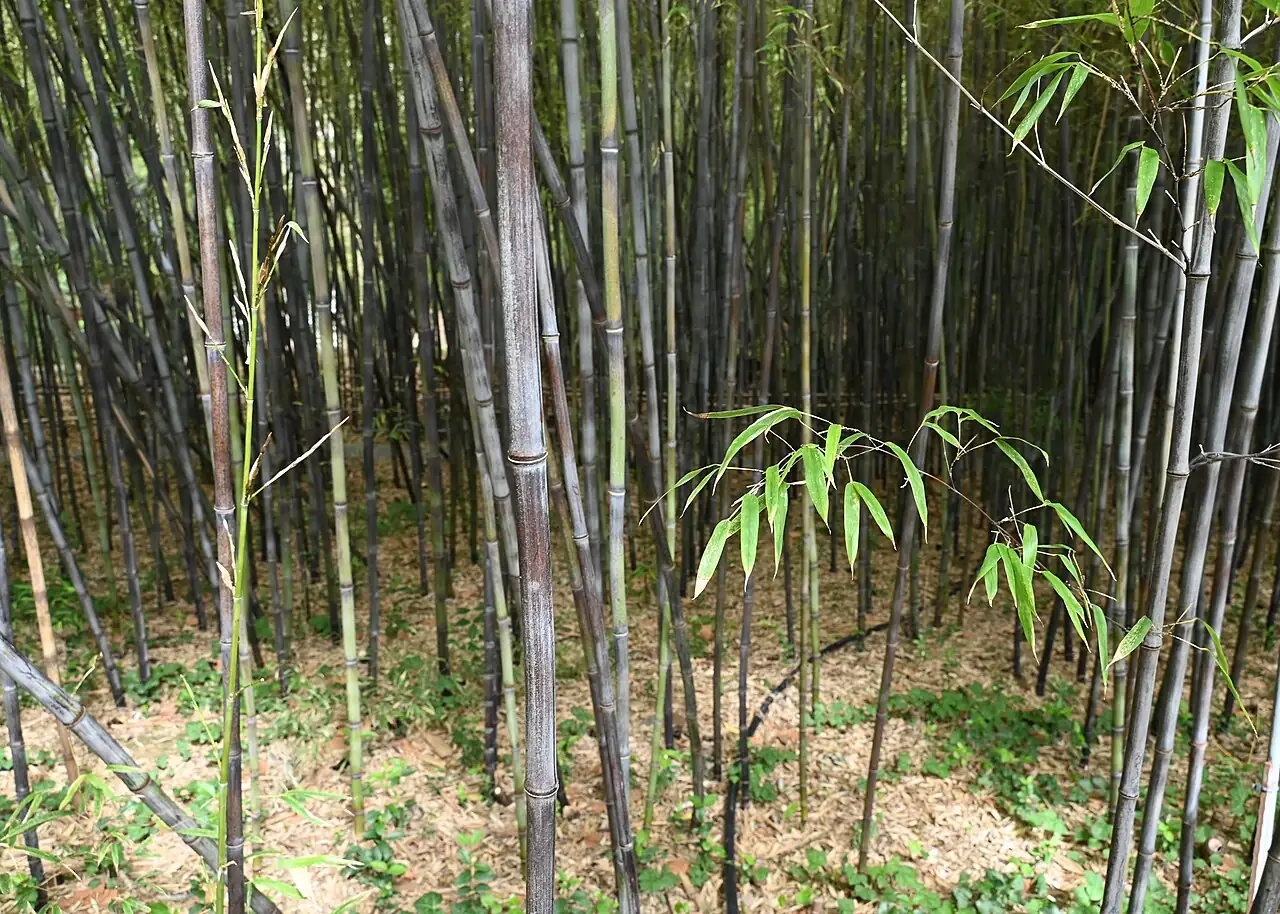
Plant Features
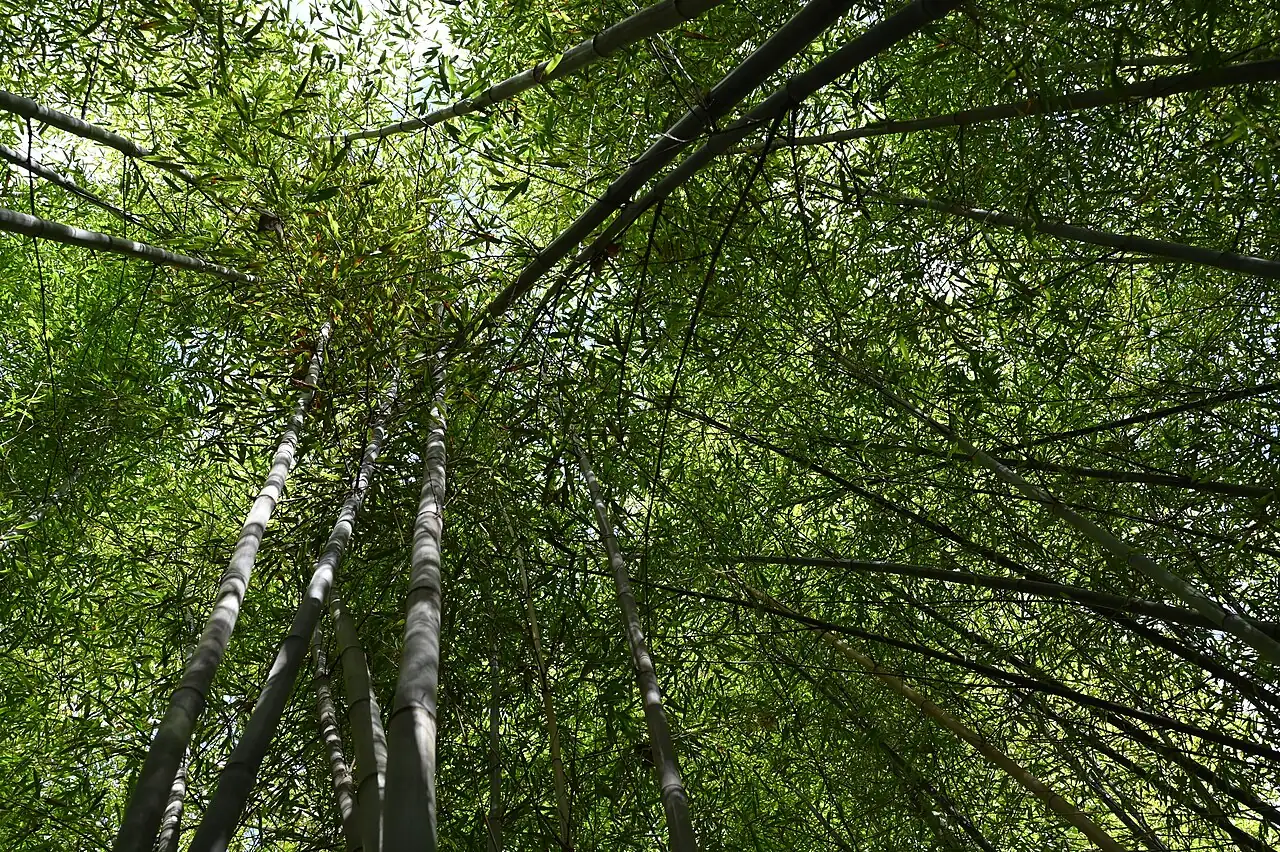
- Size: Typically 4–8 m (13–26 ft) tall; culm diameter up to about 5 cm (2 in).
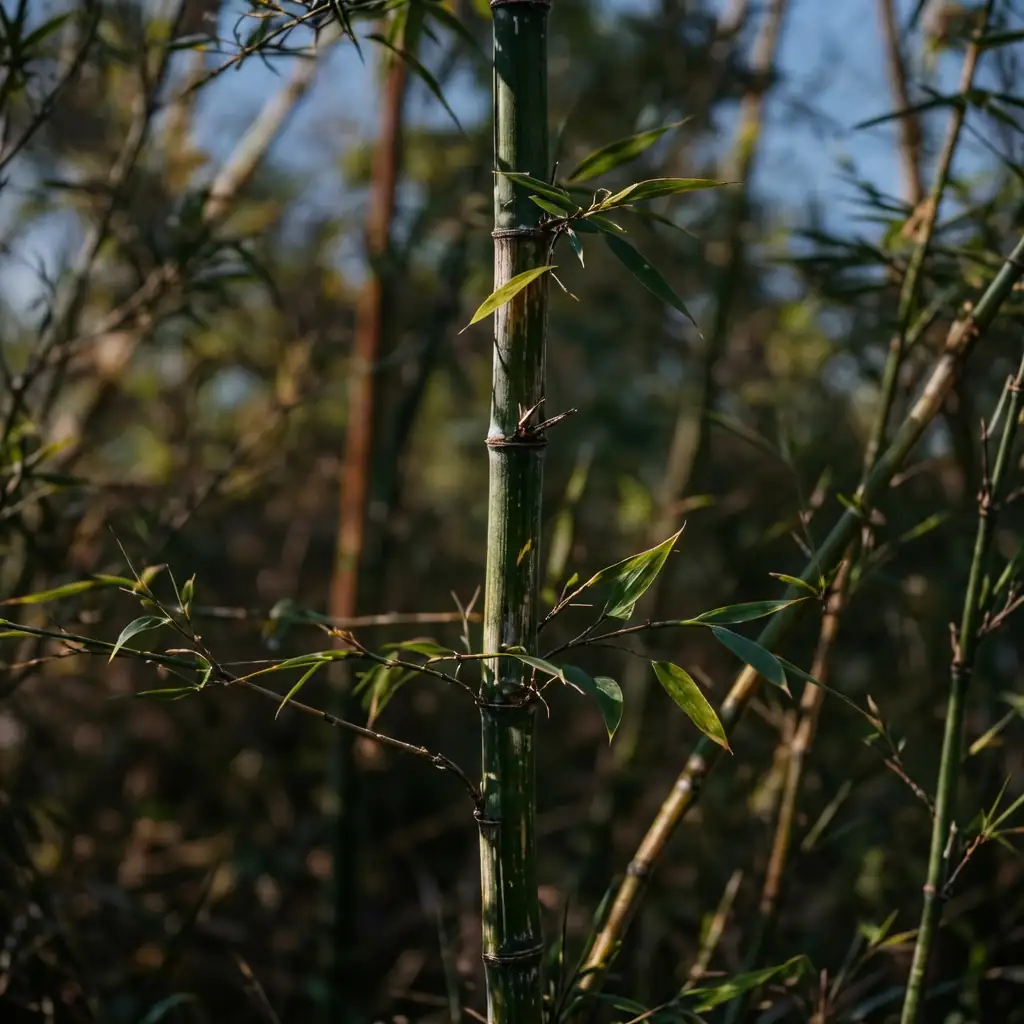
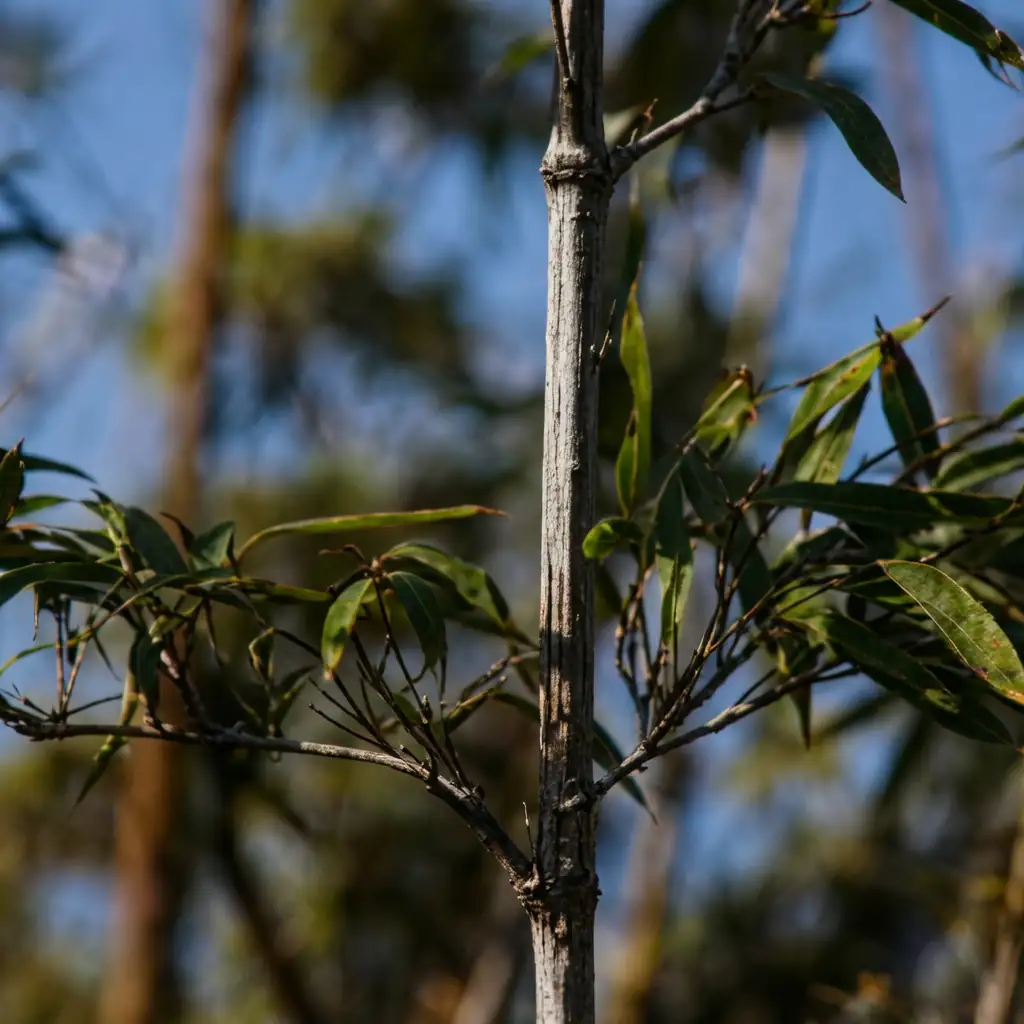
- Foliage: Leaves are narrow and lance-shaped, commonly appearing 2–3 per small branchlet. They stay a lively green and may feel slightly hairy underneath, creating a striking contrast with the darkening culms.
- Flower: Flowering is rarely seen and isn’t a main ornamental feature. The real show is the culms: new shoots/canes start green with a pale powdery coating and soft hairs, then usually mature to deep purple-black as they age (often after about one year).
- Flowering Season: Not commonly recorded; flowering is infrequent.
- Growth Habit: An upright, woody bamboo that can look clumping at a glance but is actually a running bamboo that spreads by rhizomes; it may look more shrubby or more tree-like depending on pruning and spacing.
Environment
Sunlight
Part shade to full sun. It tolerates shade well, but the darkest culm color generally develops with brighter light.
Temperature
Hardy to about -20°C (-4°F) once established; grows best with mild to warm seasons.
Humidity
Prefers moderate to high humidity and performs best with evenly moist conditions (without soggy soil).
Soil
Moist but well-drained soil. Avoid standing water and persistently waterlogged mixes.
Placement
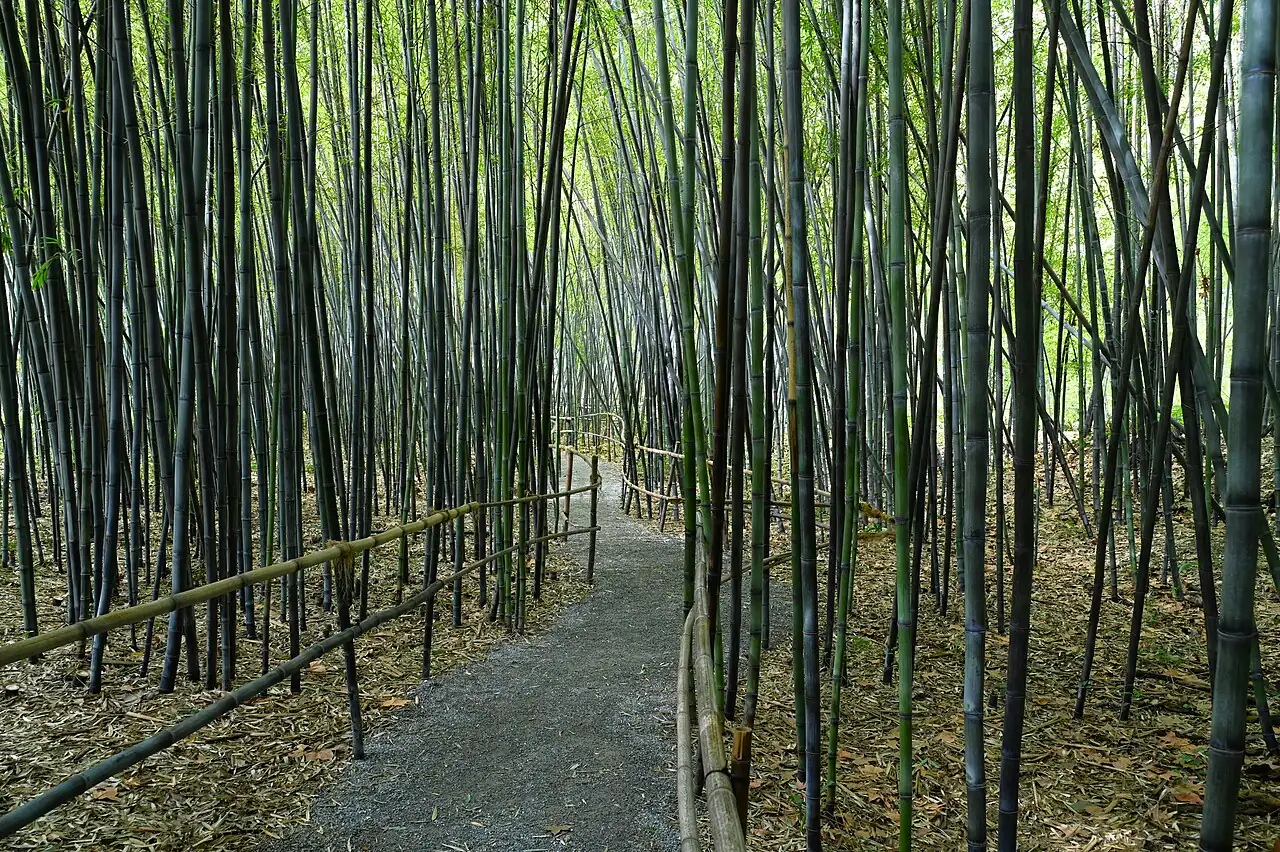
Great along paths, in courtyards, near ponds/streams, among rocks, or as a screen/feature plant. Also well-suited to large pots and planters (especially if you want to limit spread).
Hardiness
Cold-hardy to about -20°C (-4°F); not ideal for very hot, dry sites unless you can irrigate reliably.
Care Guide
Difficulty
Moderate. Once established it’s quite tough, but it looks best with steady moisture and benefits from thoughtful space planning (or root containment) because it spreads via rhizomes.
Buying Guide
Pick plants with several healthy canes and fresh green foliage. Avoid pots that smell sour or seem waterlogged. If planting in open ground, decide ahead of time whether you’ll need a rhizome barrier to control spread.
Watering
Water regularly while establishing. Aim for evenly moist soil, never waterlogged. In containers, water when the top few centimeters of the mix dry slightly, then water thoroughly and let excess drain.
Fertilization
Feed in spring and early summer using compost or a balanced slow-release fertilizer. In colder regions, avoid heavy late-season nitrogen so new growth can harden off before winter.
Pruning
Cut weak, crowded, or damaged canes at ground level to improve airflow and highlight the dark culms. For a cleaner ‘trunked’ look, remove lower branches on selected canes; thin yearly if grown as a specimen.
Propagation
Best by division in spring: lift and split a clump section with healthy rhizomes and several canes, replant promptly, and keep evenly moist until established.
Repotting
In pots, repot or root-prune and refresh the mix every 2–3 years. Use a large, heavy container and a free-draining mix with strong drainage holes to prevent tipping and waterlogging.
📅 Seasonal Care Calendar
Shoot season is often in late April (varies by climate). During shoot emergence, provide extra water and a light feed to support strong new growth.
Pests, Diseases & Safety
Common Pests & Diseases
Usually resilient. Watch for aphids, scale, and spider mites (especially in dry air), plus leaf spot when growth is crowded and airflow is poor. Keep plants vigorous, avoid waterlogging, thin for airflow, and use appropriate horticultural soap/oil if needed.
Toxicity
Not generally considered poisonous to people or pets. However, chewing tough leaves or canes may cause mild mouth irritation or stomach upset in some animals.
Culture & Symbolism
Symbolism: Often linked with resilience and elegance; the dark culms bring a calm, refined “ink-black” mood to gardens.
History & Legends: Long cultivated in China and across East Asia, black bamboo is a classic in traditional-style gardens, valued for its dramatic cane color and its beautiful contrast with stone, water, and white walls.
Uses: Mainly ornamental: specimen planting, hedging/screening, courtyard accents, waterside plantings, and large container displays—especially where you want a bold color contrast from the culms.
FAQ
Why are my canes staying green instead of turning black?
They usually darken with age (often by the second year). Brighter light helps; deep shade, very young plants, or heavy nitrogen feeding can slow the shift to purple-black.
Can I grow black bamboo in a pot?
Yes. Choose a large, heavy pot with excellent drainage and water consistently. Expect it to fill the pot faster than many shrubs; repot or root-prune every 2–3 years.
Does black bamboo spread aggressively?
It’s a running bamboo and can spread by rhizomes in open ground. Use a rhizome barrier or grow it in a container/contained bed if you want strict control.
Fun Facts
- New shoots often look dusted with a pale powdery coating and fine hairs before the culms darken with age.
- In many regions, the main shoot push is around late April (timing depends on climate).
- The culms are commonly very dark purple-brown to black rather than a pure, jet-black tone.
- It tolerates partial shade better than many bamboos, though color is usually best in brighter light.
- With good care, mature culms can reach about 5 cm (2 in) thick.


