

Plant Features
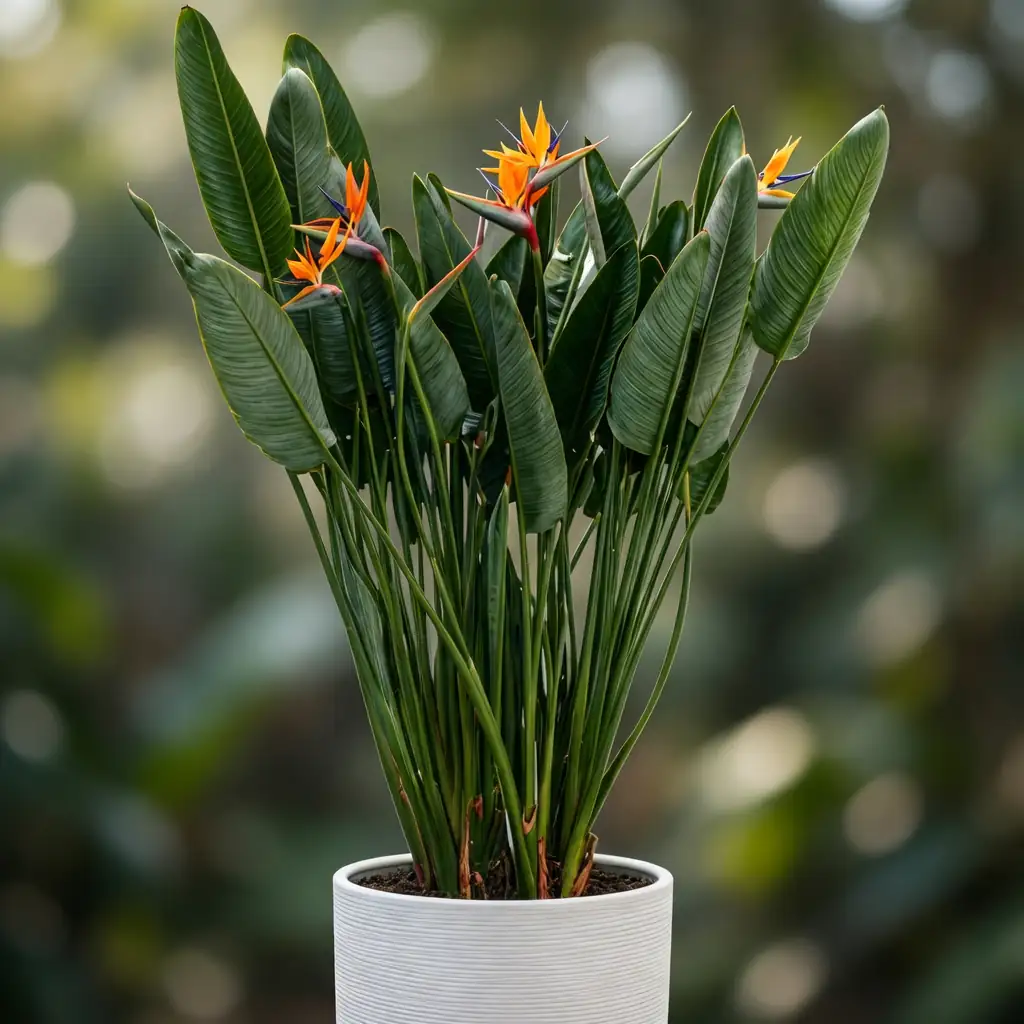
- Size: Typically about 90 cm tall × 60 cm wide (35 in × 24 in) indoors when grown as a container plant.
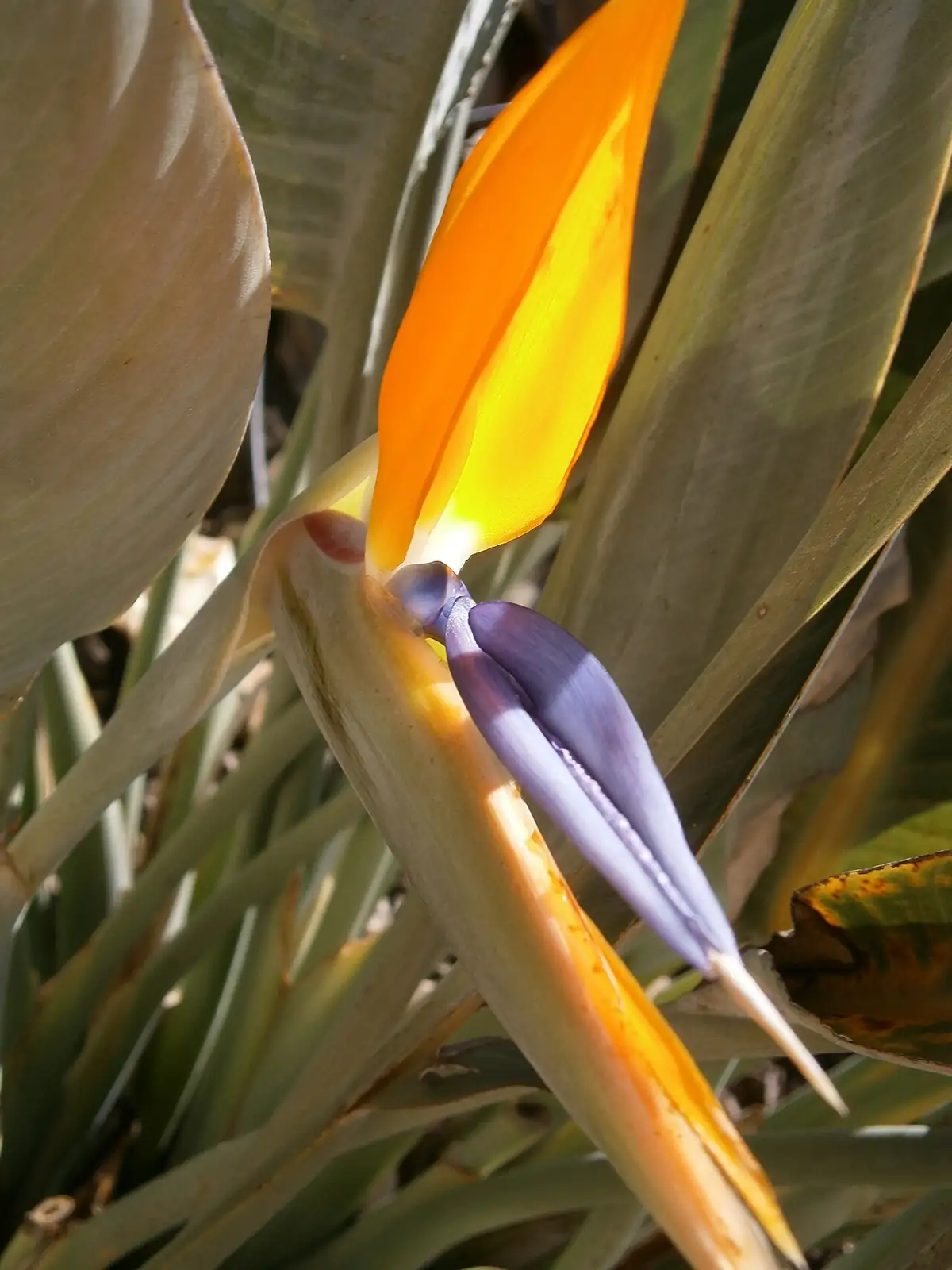
- Foliage: Large, blue-green to gray-green, paddle-shaped leaves held on long stalks. The leaves rise in a fan-like arrangement, giving the plant a strong, sculptural look even when it isn’t flowering.
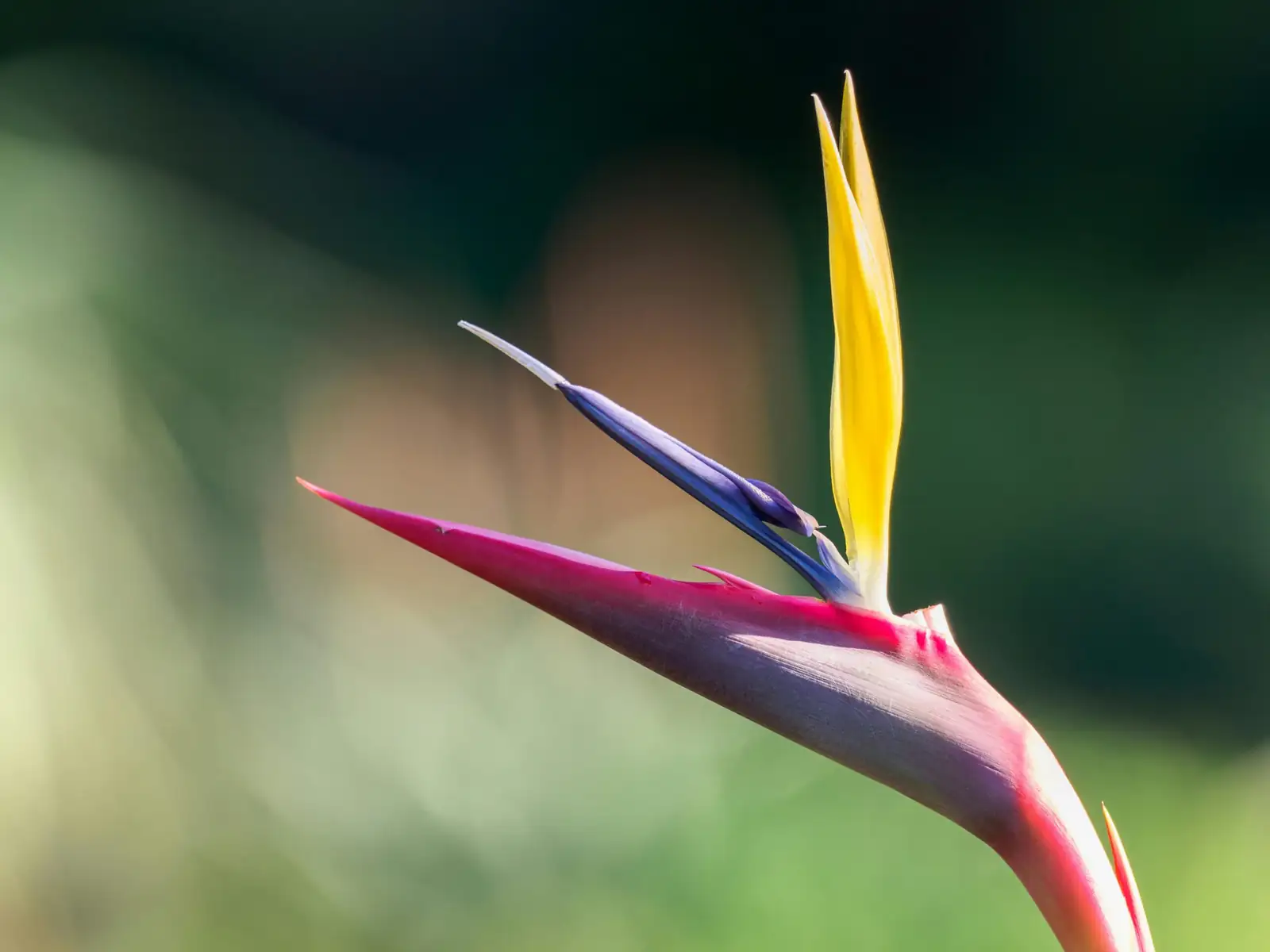
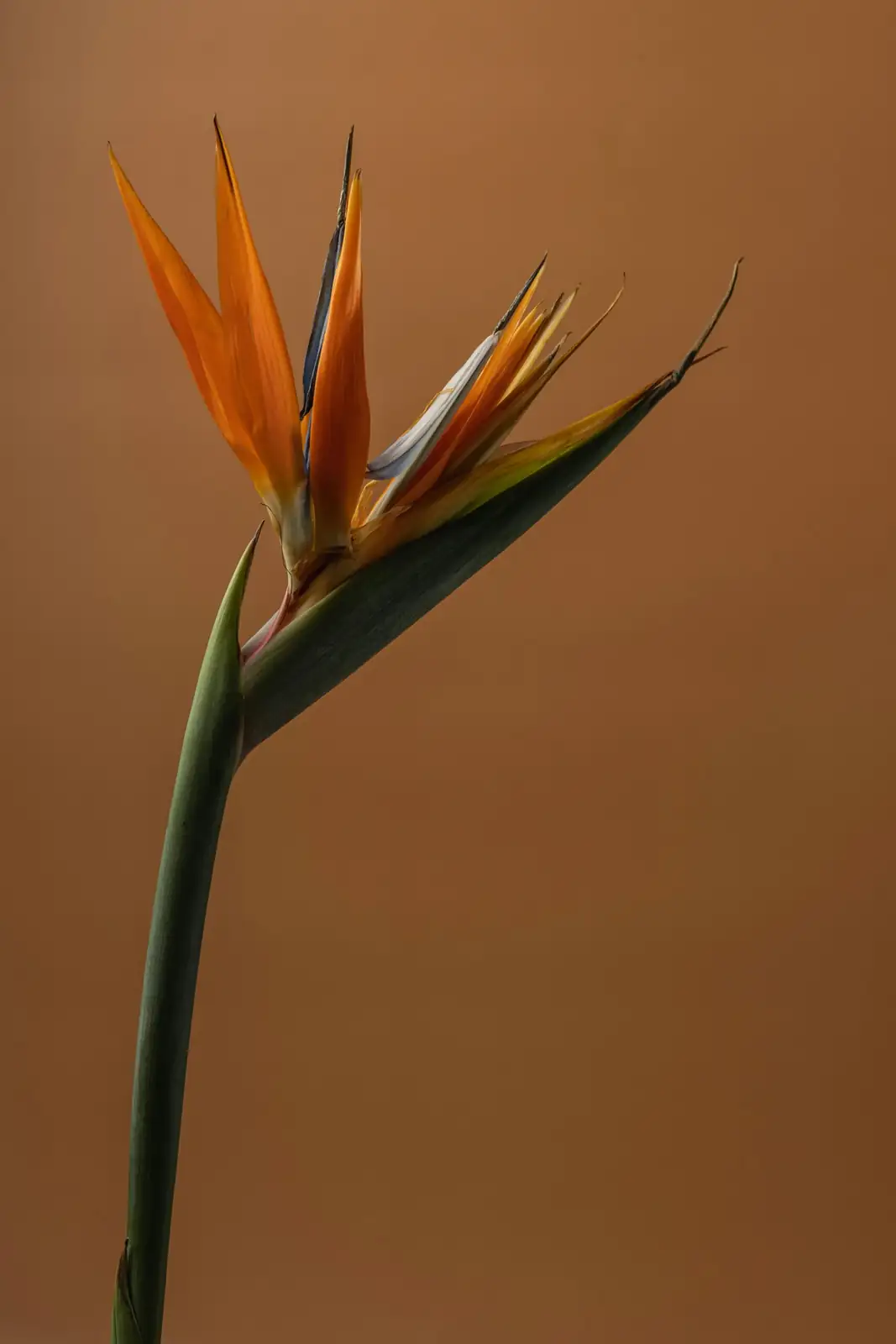
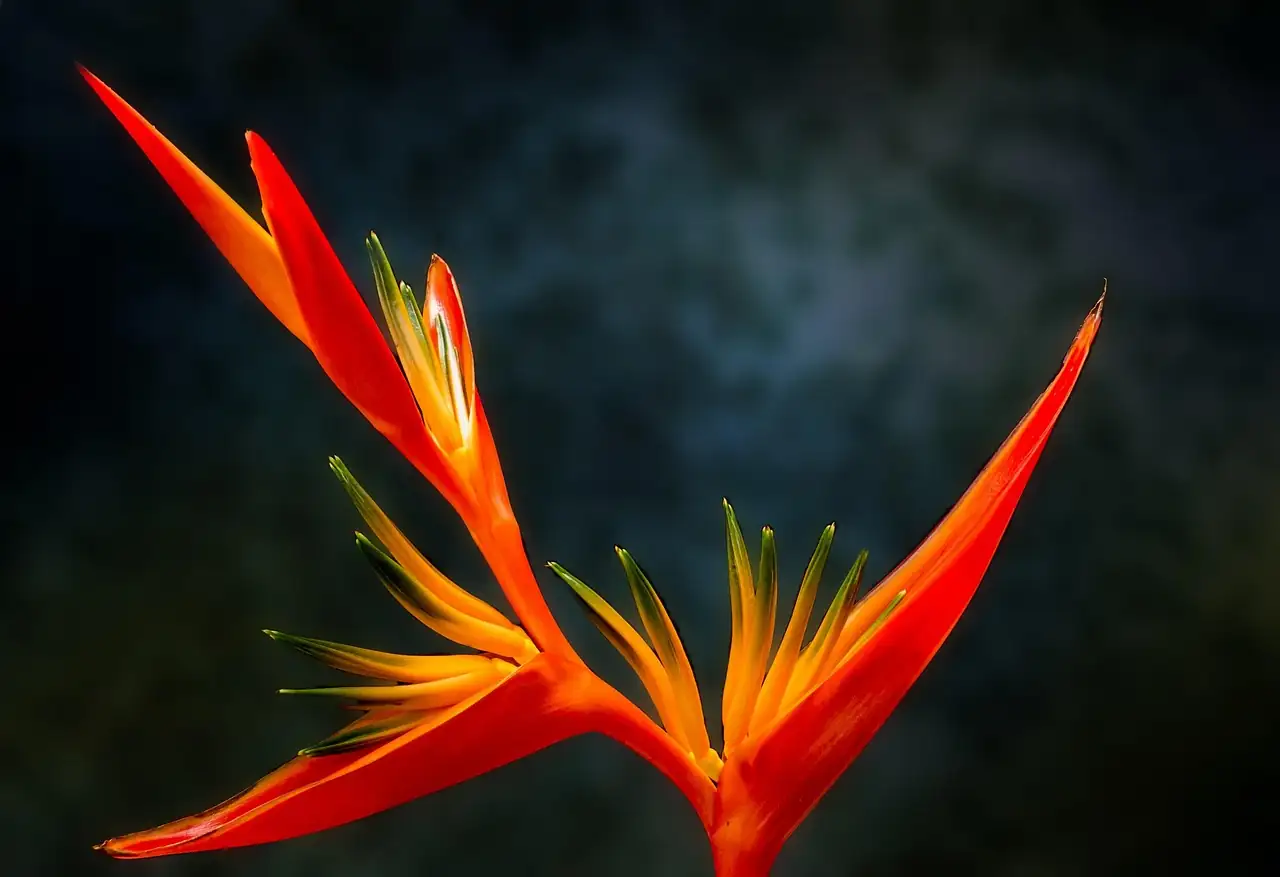
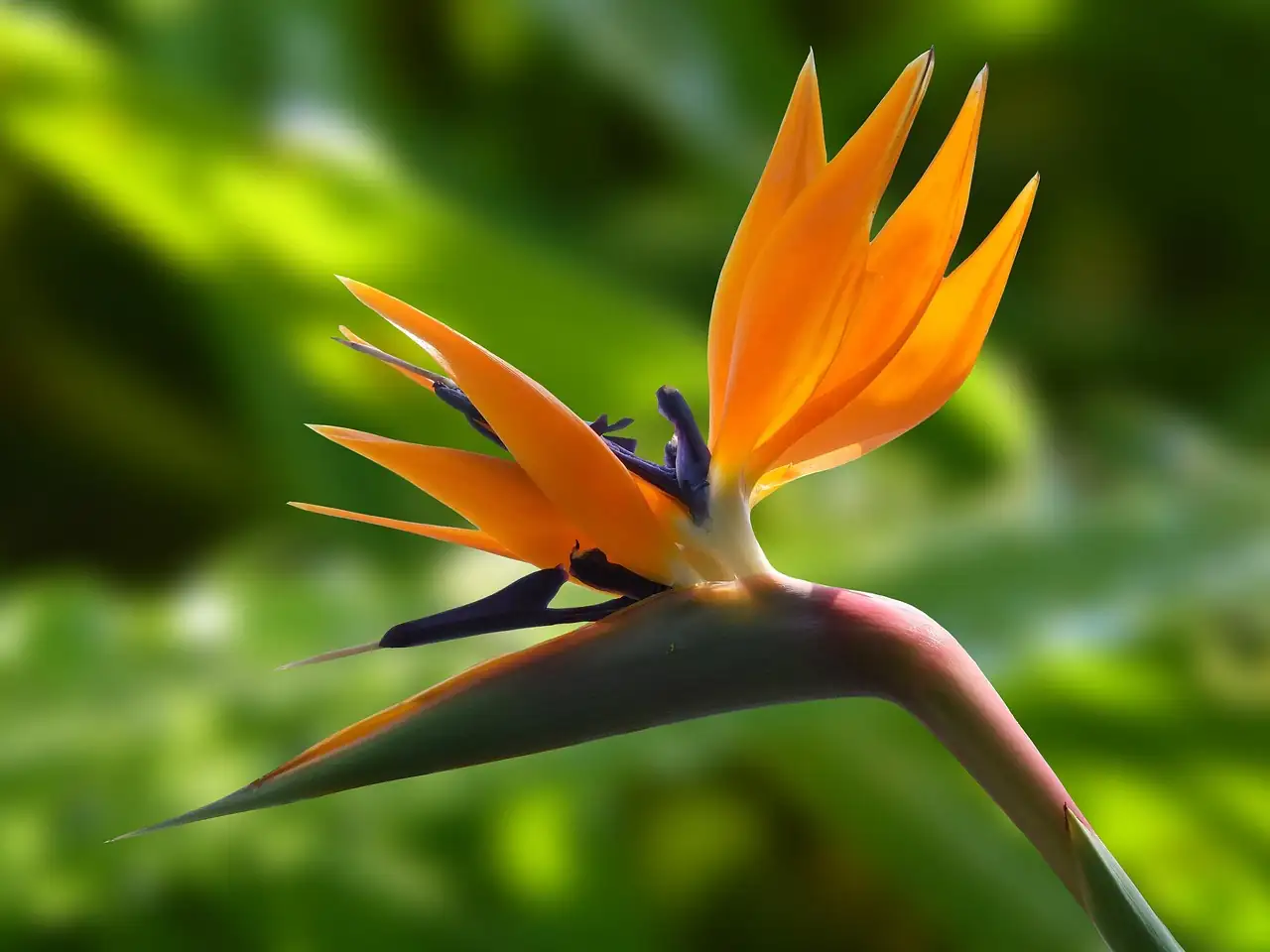
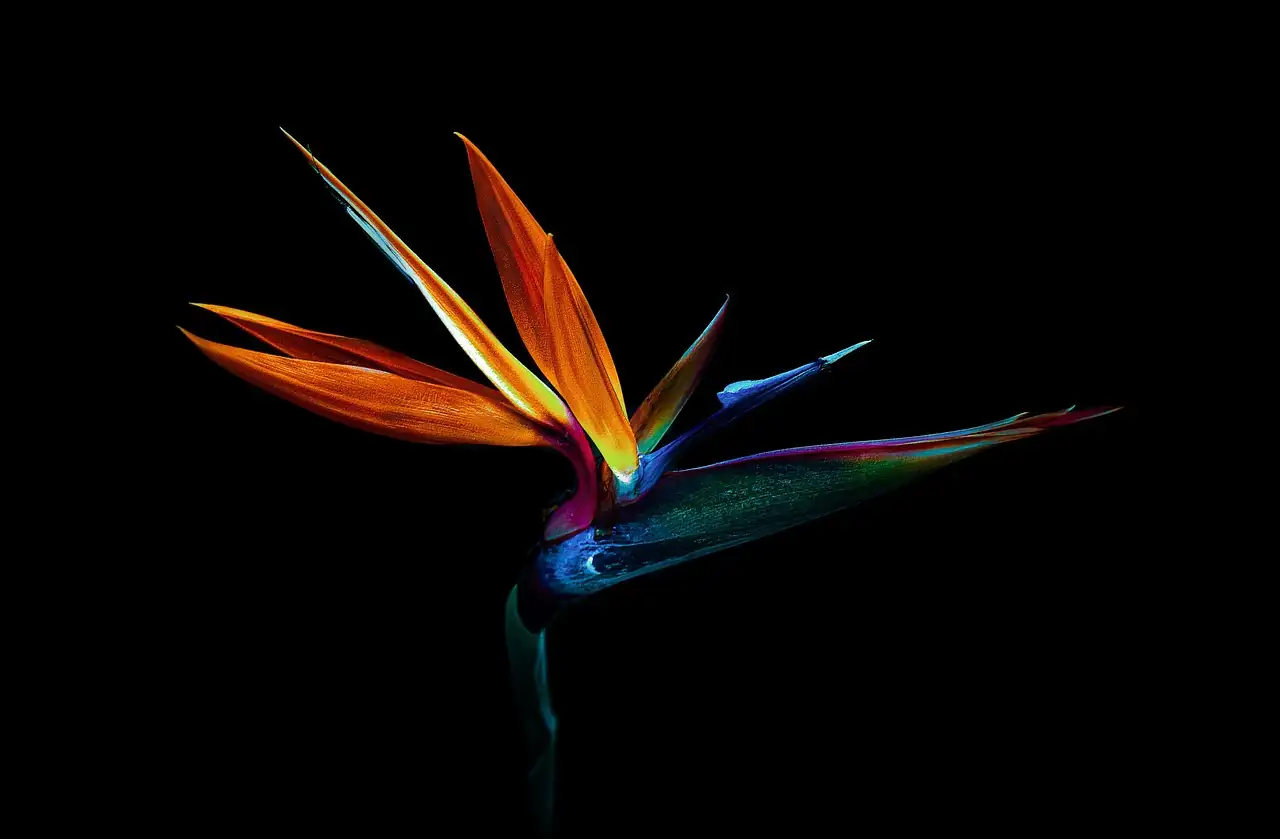
- Flower: Striking orange-and-blue, bird-shaped flowers held above the foliage. Flower buds form slowly and are most likely to appear on mature, well-lit plants.
- Flowering Season: Most often late winter to spring; indoors it may flower at other times with very strong light.
- Growth Habit: Clump-forming, upright evergreen perennial; develops multiple “fans” of leaves from the base over time.
Environment
Sunlight
Full sun to bright light. Outdoors: full sun. Indoors: the brightest window you have is best, ideally with several hours of direct sun (such as a south- or west-facing window).
Temperature
12–24°C (54–75°F). Protect from frost and prolonged cold; growth slows in cool, low-light conditions.
Humidity
Moderate humidity; appreciates extra humidity in dry indoor air (misting lightly, a humidifier, or a pebble tray can help).
Soil
Free-draining, fertile mix—about 3 parts quality potting mix to 1 part grit/coarse sand. Use a pot with drainage; a 20–30 cm (8–12 in) pot is a common starting size for container culture, depending on the plant’s clump size.
Placement
Best in the brightest spot available (sunroom, very bright windowsill). In summer, good ventilation/airflow helps keep the plant healthy. If indoor air is dry, boost humidity with a humidifier or a tray of moist pebbles.
Hardiness
USDA Zone 10–12; not frost hardy.
Care Guide
Difficulty
Moderate to challenging. It’s generally sturdy once established, but it needs very bright light and steady, consistent care to bloom reliably indoors.
Buying Guide
Pick a plant with firm, upright leaves and a solid crown. Avoid any with blackened leaf bases, mushy crowns, or persistently wet, sour-smelling soil. If you want blooms sooner, choose a larger, multi-fan clump rather than a small single division.
Watering
Spring–summer: keep the mix evenly moist but never waterlogged—water thoroughly, then let excess drain. Autumn–winter: reduce watering; water again once the top layer of mix has dried. In dry homes, occasional light misting and/or a pebble tray or humidifier can reduce leaf edge browning and spider mite risk.
Fertilization
Spring through autumn: feed every 2 weeks with a balanced liquid fertilizer at label rates. In winter, reduce or pause feeding if growth slows.
Pruning
Cut spent flower stalks off at the base. Remove old, torn, or damaged leaves close to the crown with clean tools to keep the plant tidy and improve airflow.
Propagation
Best by division of established clumps in spring. Make sure each division has healthy roots and at least one fan of leaves. Seed propagation is possible but slow, and plants can take years to reach flowering size.
Repotting
Refresh the top layer of potting mix (top-dress) yearly. Repot about every 2 years in spring into a slightly larger pot; keep the crown at the same level as before. A heavier pot is often helpful because mature plants can become top-heavy.
📅 Seasonal Care Calendar
Spring–summer: strong light, steady moisture, good airflow; feed every 2 weeks. Autumn–winter: water less, letting the surface dry between waterings; reduce feeding. Yearly: refresh topsoil. Every ~2 years (spring): repot.
Pests, Diseases & Safety
Common Pests & Diseases
Indoors, watch for spider mites, scale insects, and mealybugs. Root rot can develop if the mix stays soggy or drainage is poor—improve airflow, use a free-draining mix, and avoid overwatering. Treat pests with insecticidal soap or horticultural oil when needed.
Toxicity
Toxic if ingested for people and pets. Sap may irritate skin, so it’s best to wear gloves when pruning and keep the plant out of reach of children and animals.
Culture & Symbolism
Symbolism: Often linked with paradise, freedom, and bold, exotic beauty—perfect for adding a “vacation vibe” to a room.
History & Legends: A celebrated South African native that became a greenhouse and houseplant classic around the world. Its long-lasting blooms also made it a staple in floristry as a dramatic cut flower.
Uses: Ornamental plant for bright indoor spaces, patios, and conservatories; landscape plant in frost-free climates; widely used as a cut flower thanks to its striking shape and good vase life.
FAQ
Why isn’t my bird of paradise flowering?
Most often it’s a light issue or a maturity issue. Bird of paradise typically needs very strong light (often including direct sun) and may not bloom until it’s 3+ years old. Keeping it slightly pot-bound can also encourage flowering—an oversized pot can push leafy growth instead of blooms. Feed regularly during the growing season and be patient: buds can take months to develop.
How often should I water in winter?
Water less often than in summer. Let the top layer of potting mix dry, then water thoroughly and drain any excess. In cool, low-light winter conditions, constantly wet soil can quickly lead to root problems.
Fun Facts
- In the wild, sunbirds pollinate the flowers by perching on them, which triggers pollen release.
- A well-established clump can produce multiple flower stalks in a season when it gets strong light and consistent care.


