

Plant Features
- Size: Typically 6–12 m (20–39 ft) tall; a small to medium-sized deciduous tree with an upright, graceful crown.
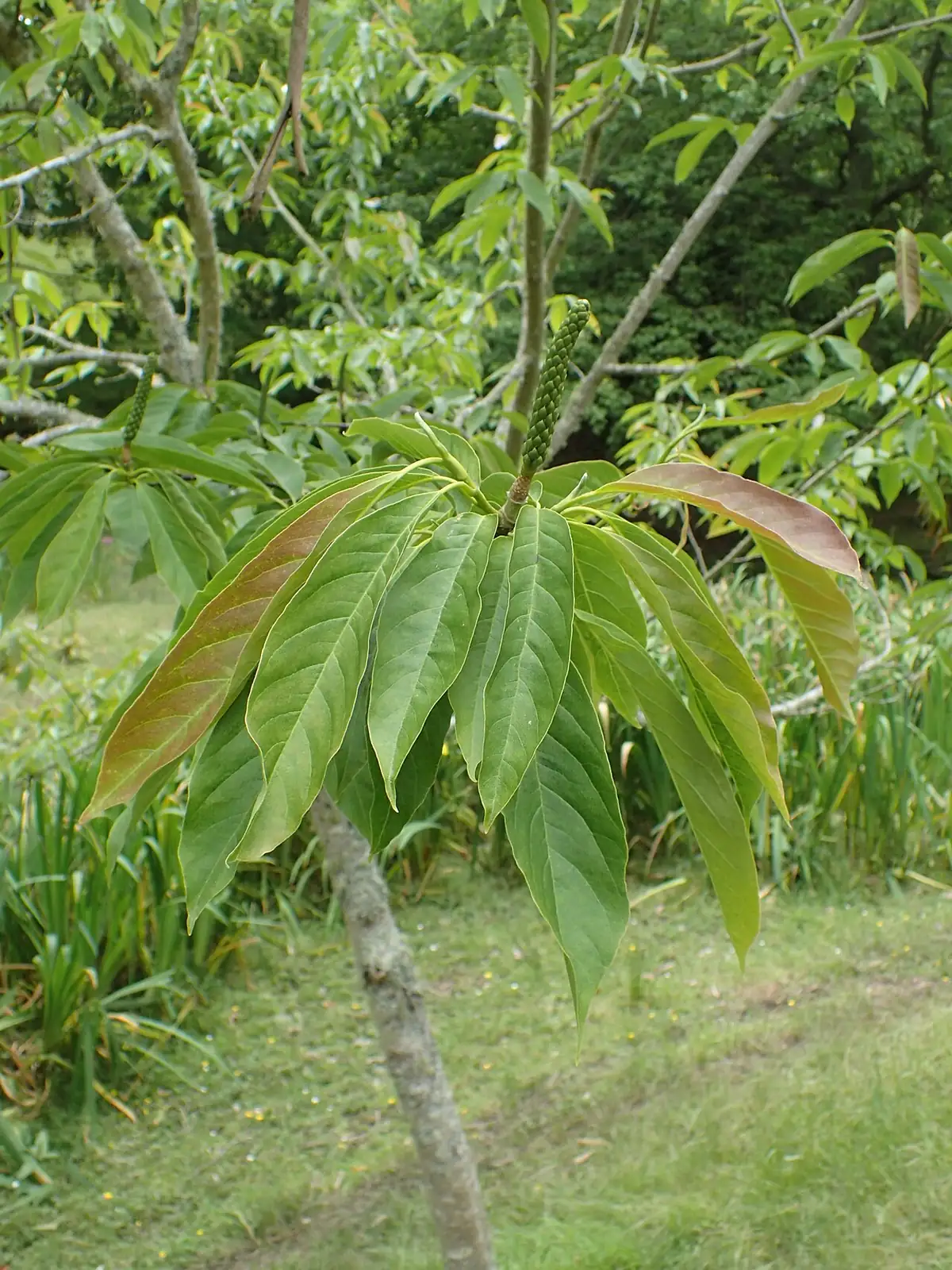
- Foliage: Leaves are elliptic to lance-shaped with pointed tips; dark green above and paler green beneath. New leaves can be softly hairy at first, becoming mostly smooth as they mature.
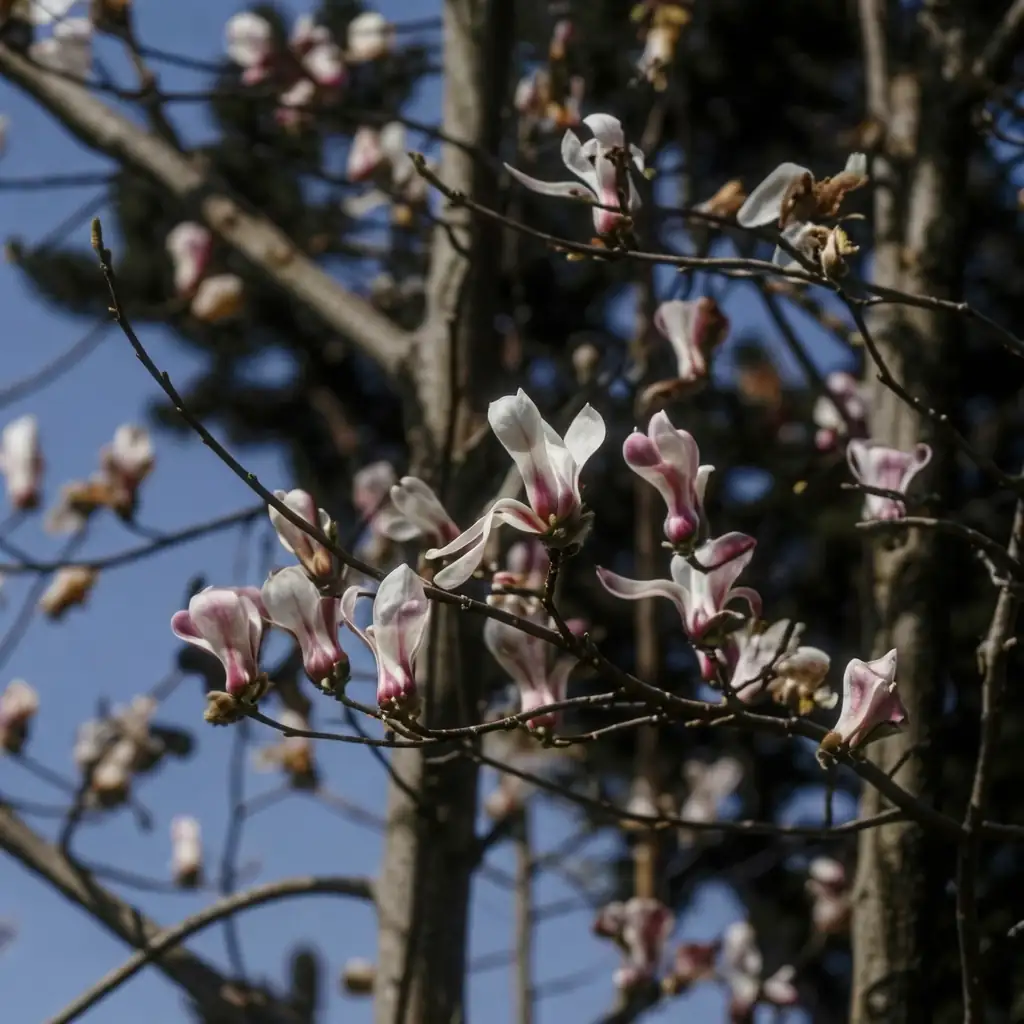
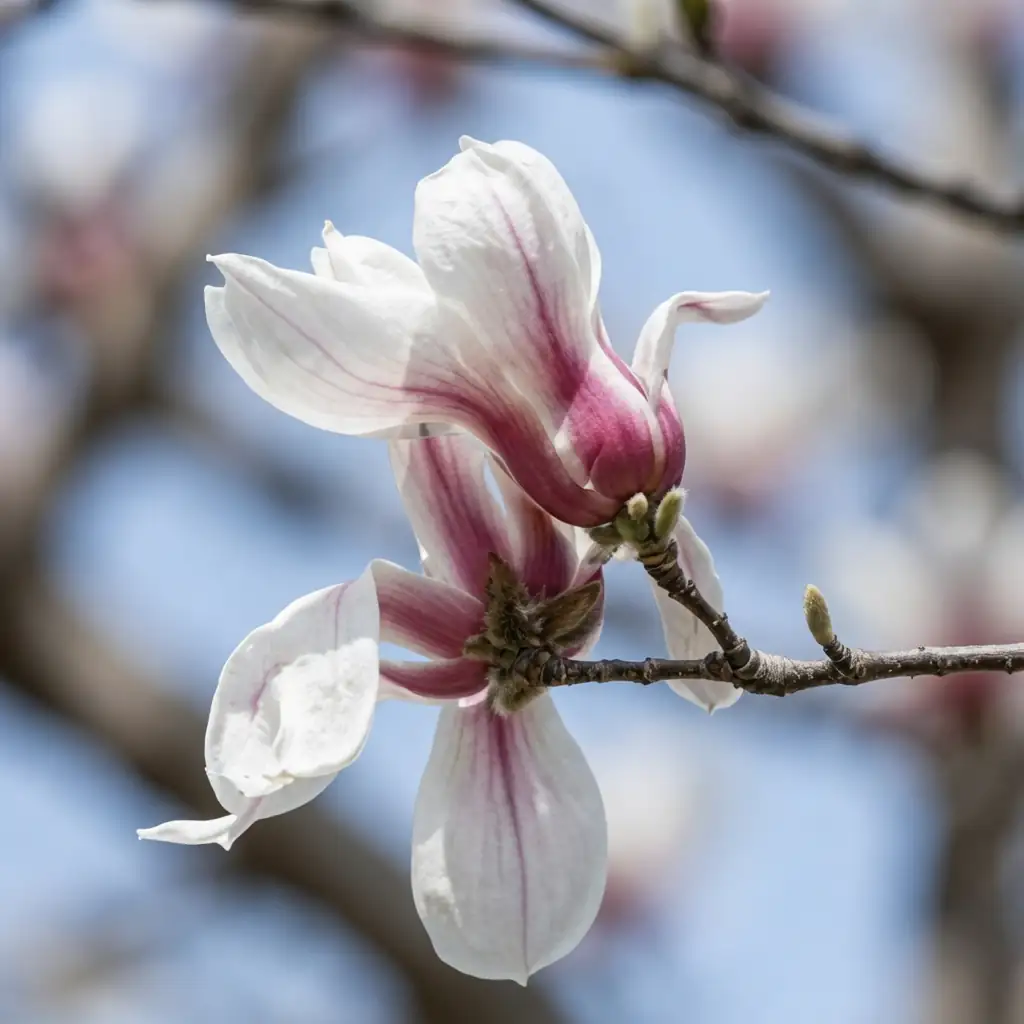
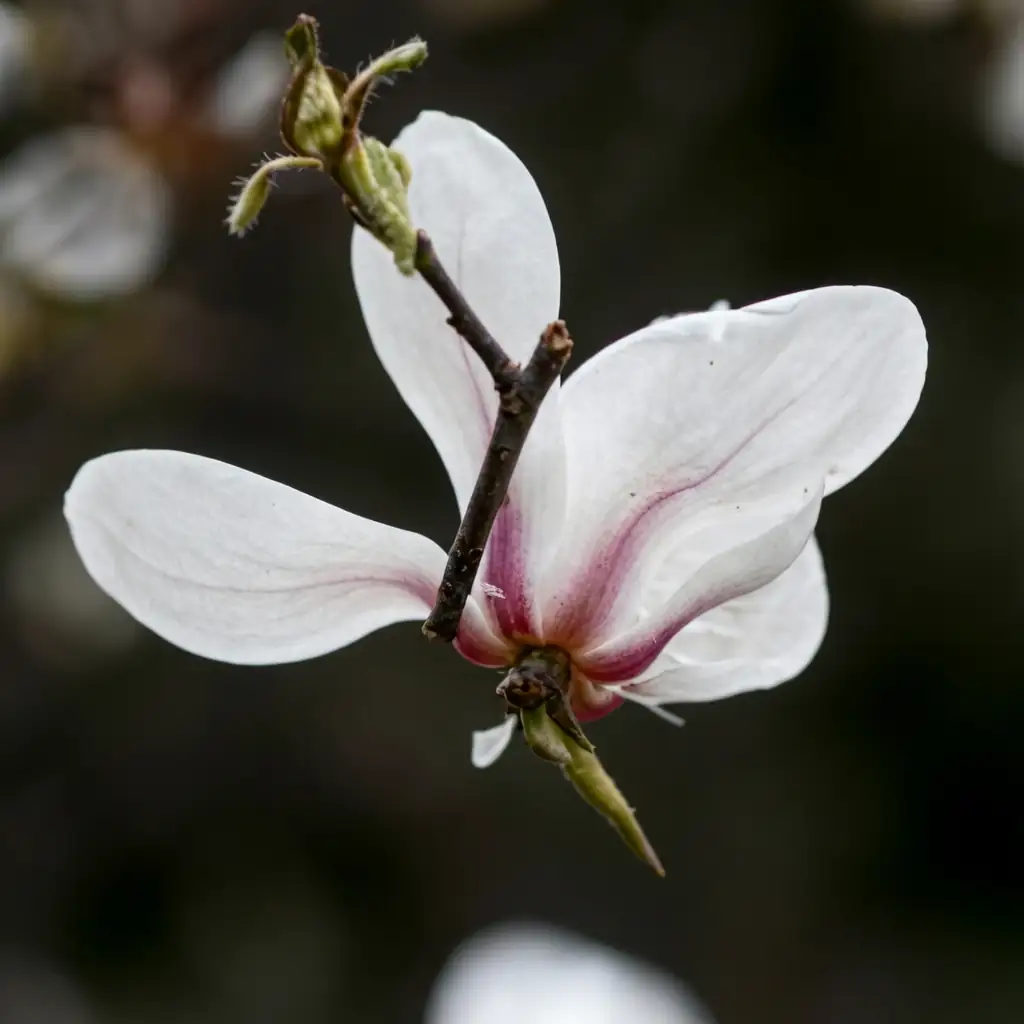
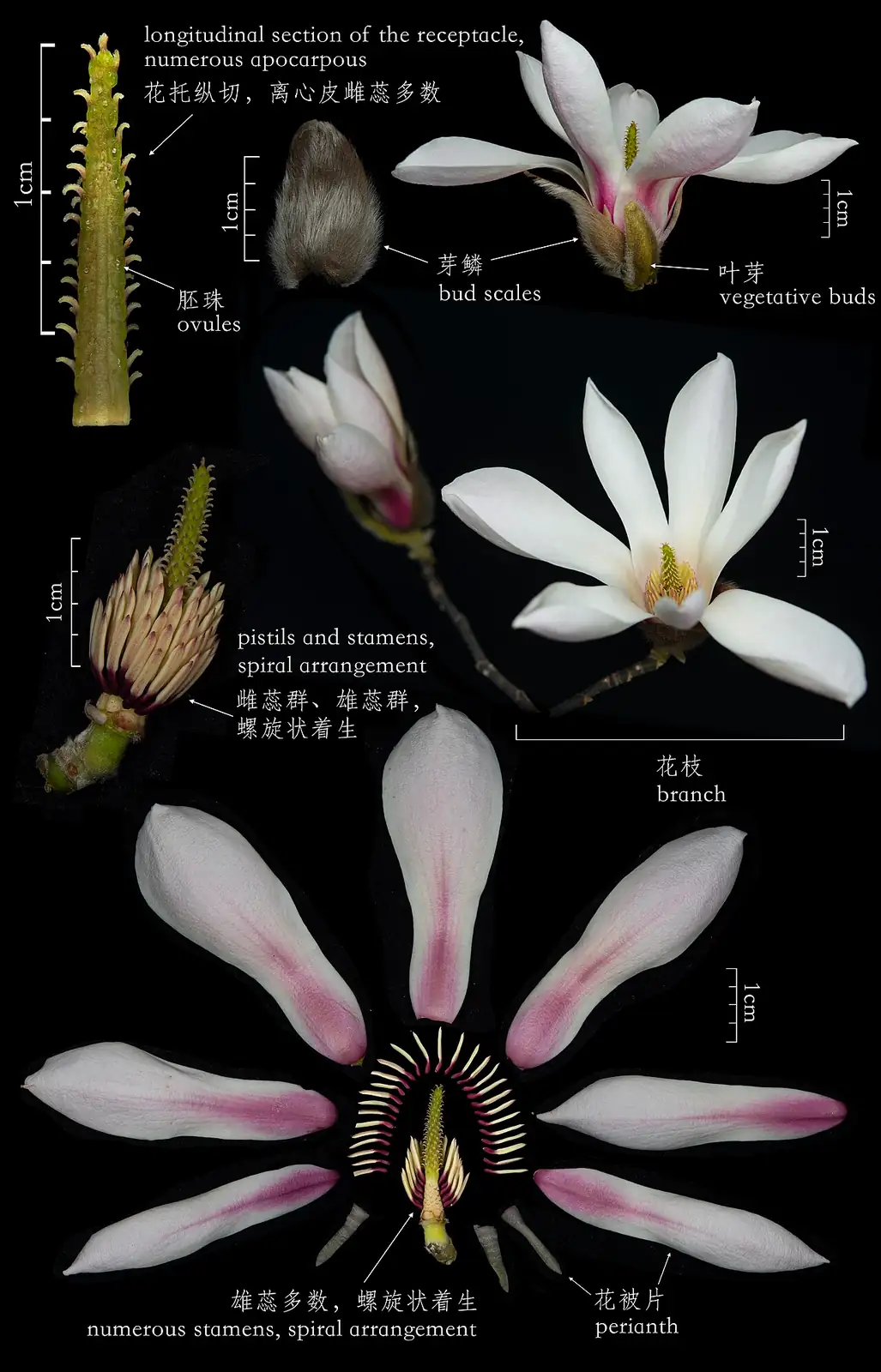
- Flower: Very fragrant, goblet-shaped white flowers open on bare branches in very early spring before leaf-out; the outer tepal bases are often flushed purple-red. After flowering, fruits form and ripen by autumn.
- Flowering Season: February–March (about 20 days) in its native range; timing shifts earlier or later depending on local climate.
- Growth Habit: Deciduous, upright tree with smooth, pale-gray bark and slender greenish-gray twigs; flowers appear before leaves.
Environment
Sunlight
Full sun to partial shade. More sun generally means better flowering, though light shade is tolerated (and can be helpful in hotter summers).
Temperature
Cool-temperate preference; best growth around 5–25°C (41–77°F). Needs winter chilling to set and open flower buds well; early blooms can be vulnerable to late frosts.
Humidity
Likes evenly moist conditions but does poorly in persistently wet, waterlogged situations.
Soil
Fertile, well-drained sandy or loamy soil, ideally slightly acidic. Avoid heavy clay or sites that stay soggy.
Placement
Excellent as a specimen tree in gardens, courtyards, parks, or woodland-edge plantings. Choose a sheltered spot away from strong winds to protect the early flowers.
Hardiness
Roughly USDA Zone 6–9 (some plants may manage into Zone 5 with protection, especially from wind and late freezes).
Care Guide
Difficulty
Moderate. Tough once established, but it rewards thoughtful siting: consistent moisture (without soggy soil) and protection from late frosts help it perform at its best.
Buying Guide
Pick a plant with a healthy, well-branched structure and intact bark (no wounds or cracking). Avoid pot-bound trees; look for firm buds and clean, disease-free twigs and leaves. Buy from a reputable nursery with clear labeling as Magnolia biondii to prevent mix-ups with other early-blooming magnolias.
Watering
Water deeply to keep the root zone evenly moist, especially during the first 1–2 years after planting. Let the top layer of soil dry slightly between waterings, and never allow the roots to sit in water. Mulch to conserve moisture, but keep mulch pulled back from the trunk to prevent rot.
Fertilization
Feed lightly in early spring with compost or a balanced, slow-release fertilizer. On good soil, less is more—too much nitrogen can push leafy growth and reduce flowering.
Pruning
Keep pruning minimal. Remove dead, damaged, or crossing branches right after flowering. Avoid hard winter pruning, which can remove flower buds and stress the tree.
Propagation
Usually propagated by seed (often needing cold stratification) or by grafting/budding onto Magnolia rootstock. Cuttings are possible but often unreliable and slower to root.
Repotting
If grown in a container when young, move up a pot in early spring before strong growth begins, using a free-draining, slightly acidic mix. Planting in the ground is preferred long-term, as magnolias generally dislike being confined for years.
📅 Seasonal Care Calendar
Spring: enjoy blooms; water during dry spells; light feeding after flowering; prune only if needed right after bloom. Summer: keep moisture steady; mulch; watch for pests. Autumn: fruits may mature; stop heavy feeding; water if the season is dry. Winter: protect young trees from harsh wind/frost; avoid major pruning.
Pests, Diseases & Safety
Common Pests & Diseases
Can attract scale insects and aphids; occasional leaf spots may occur. Poor drainage can lead to root decline. Support plant health with good drainage and careful watering; use horticultural oil for scale when appropriate and avoid trunk injury.
Toxicity
Not commonly considered highly toxic to people or pets, but chewing or eating plant parts may cause mild stomach upset. It’s best to discourage pets from nibbling leaves, bark, or seed pods.
Culture & Symbolism
Symbolism: A classic ‘spring is coming’ tree—often linked with renewal, fresh beginnings, and refined beauty thanks to its early, clean-scented flowers on bare branches.
History & Legends: Long appreciated in Chinese gardens and traditional landscapes, Magnolia biondii is one of the signature early-blooming magnolias that helps define the look and mood of East Asian spring gardens.
Uses: Primarily ornamental, valued for its elegant silhouette and intensely fragrant late-winter to early-spring flowers. It also produces dense, strong wood that has been used as quality timber in its native range.
FAQ
Why does it flower before the leaves appear?
Many magnolias set their flower buds the previous season and open them very early in spring—often before leaf expansion—so the blooms are highly visible and available to early pollinators.
Can it grow in shade?
Yes, it tolerates partial shade, especially where summers are hot. For the heaviest flowering, aim for at least several hours of direct sun daily.
What is the biggest care mistake?
Planting it in poorly drained soil. It likes consistent moisture, but waterlogged roots can quickly lead to decline—improve drainage and avoid low, soggy spots.
Fun Facts
- It often blooms for around 20 days in very early spring—sometimes when winter still feels close.
- The buds and outer tepal bases frequently show a purple-red flush, giving the flowers a subtle two-toned effect.
- Its natural woodland-edge background helps explain why it can handle light shade better than many sun-only flowering trees.
- In the right spot, protecting the early blossoms from late frosts can dramatically improve the flower show.
- Beyond its beauty, it has historically been valued for notably strong timber in parts of its native range.


