

Plant Features
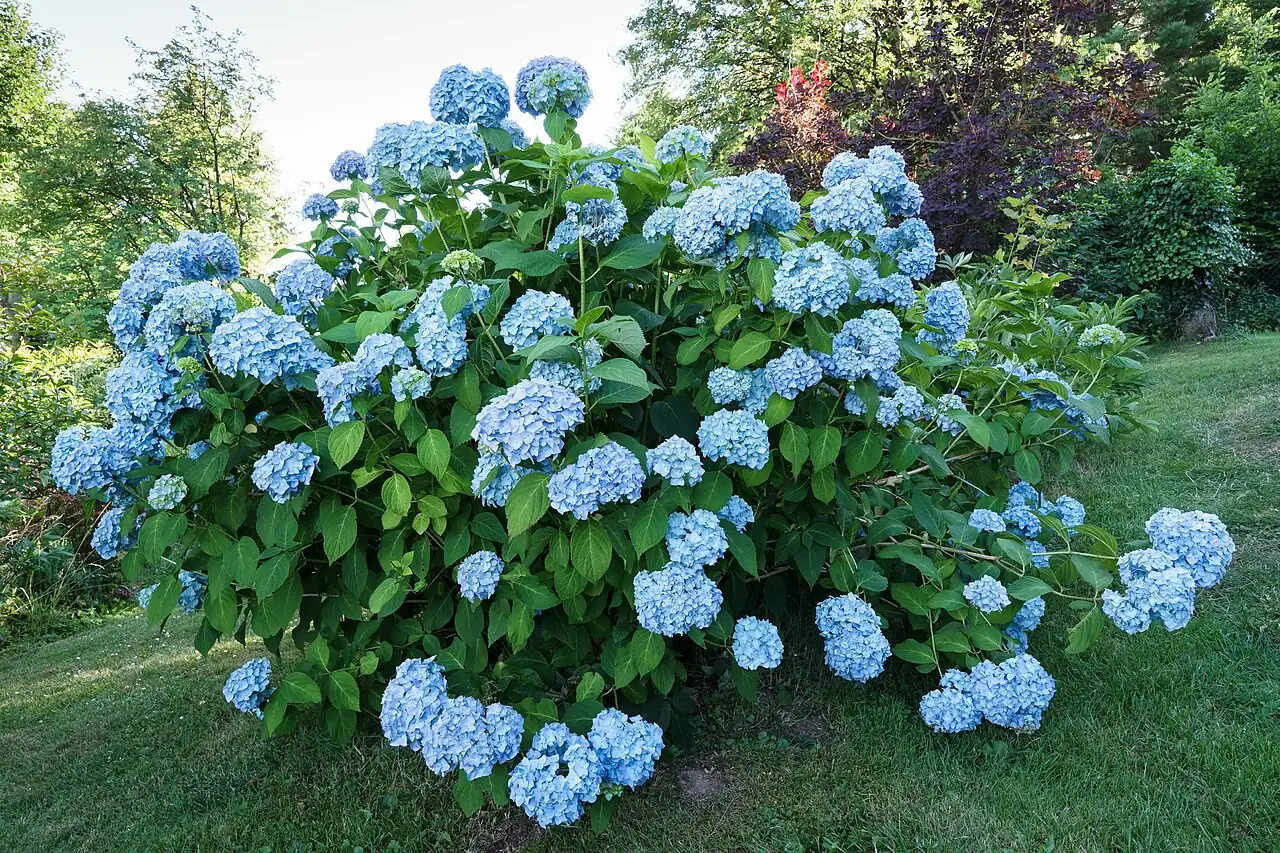
- Size: Typically 1–2 m (3–6.5 ft) tall and 1–2 m (3–6.5 ft) wide; can reach about 4 m (13 ft) in favorable conditions.
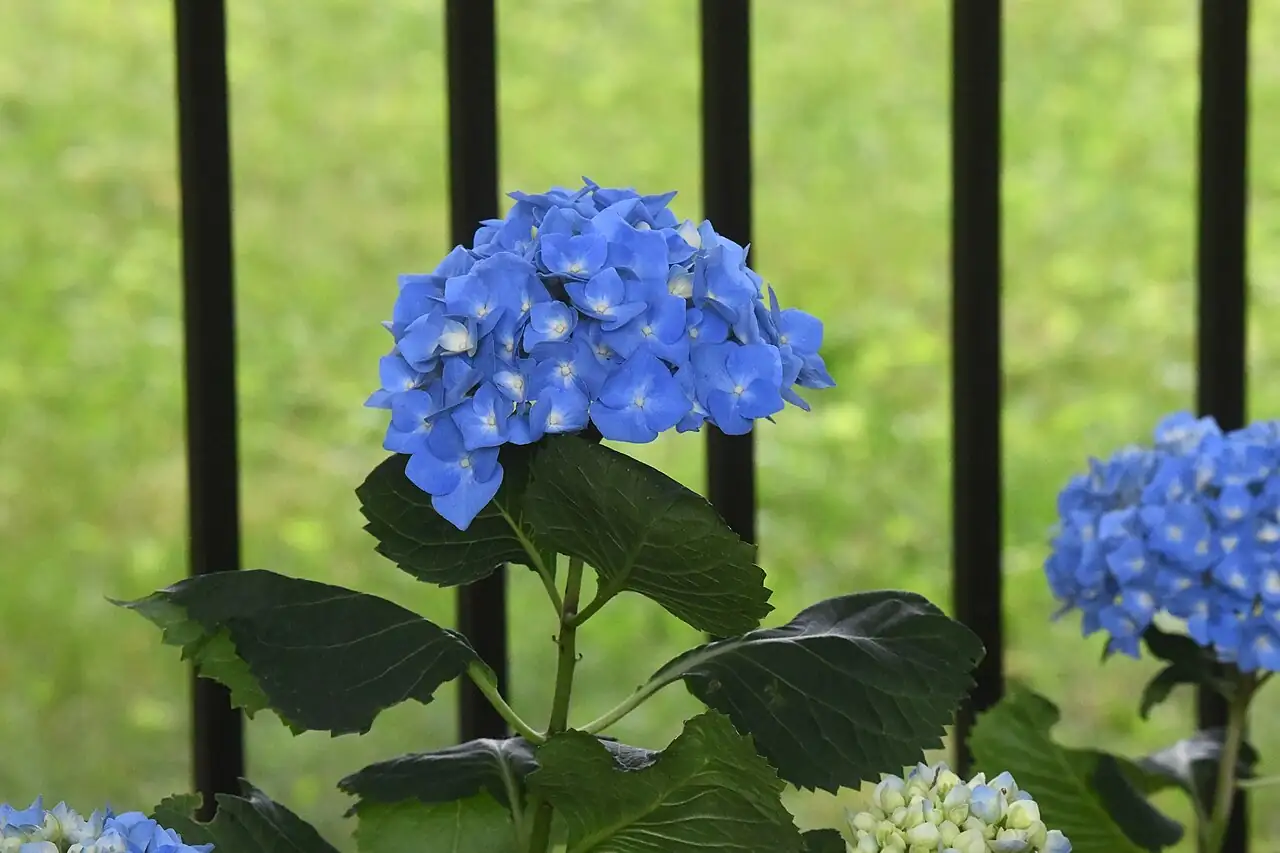
- Foliage: Large, opposite, broadly oval leaves with serrated margins and a papery to slightly leathery feel; usually a rich medium-to-deep green that gives the plant a full, lush look.
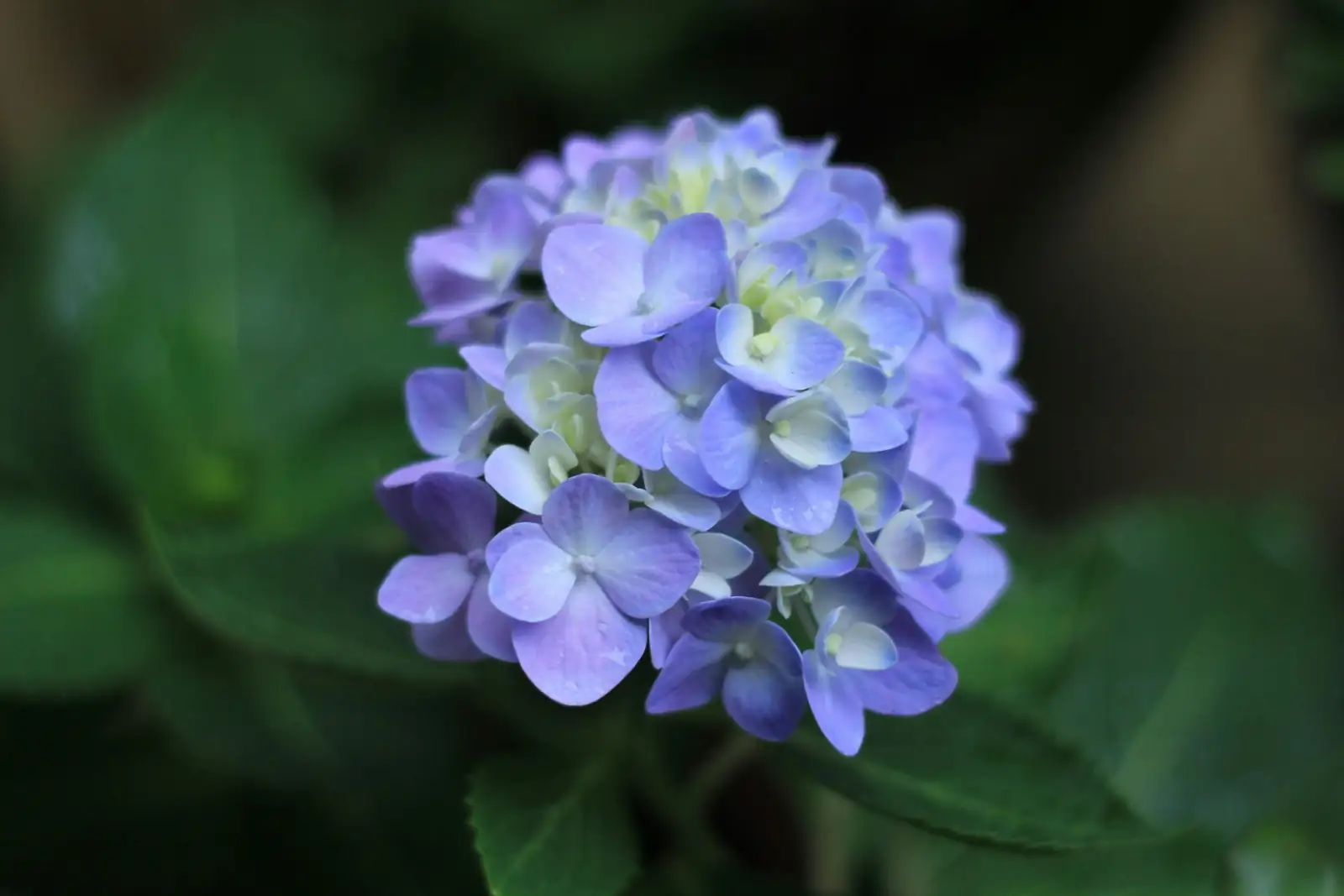
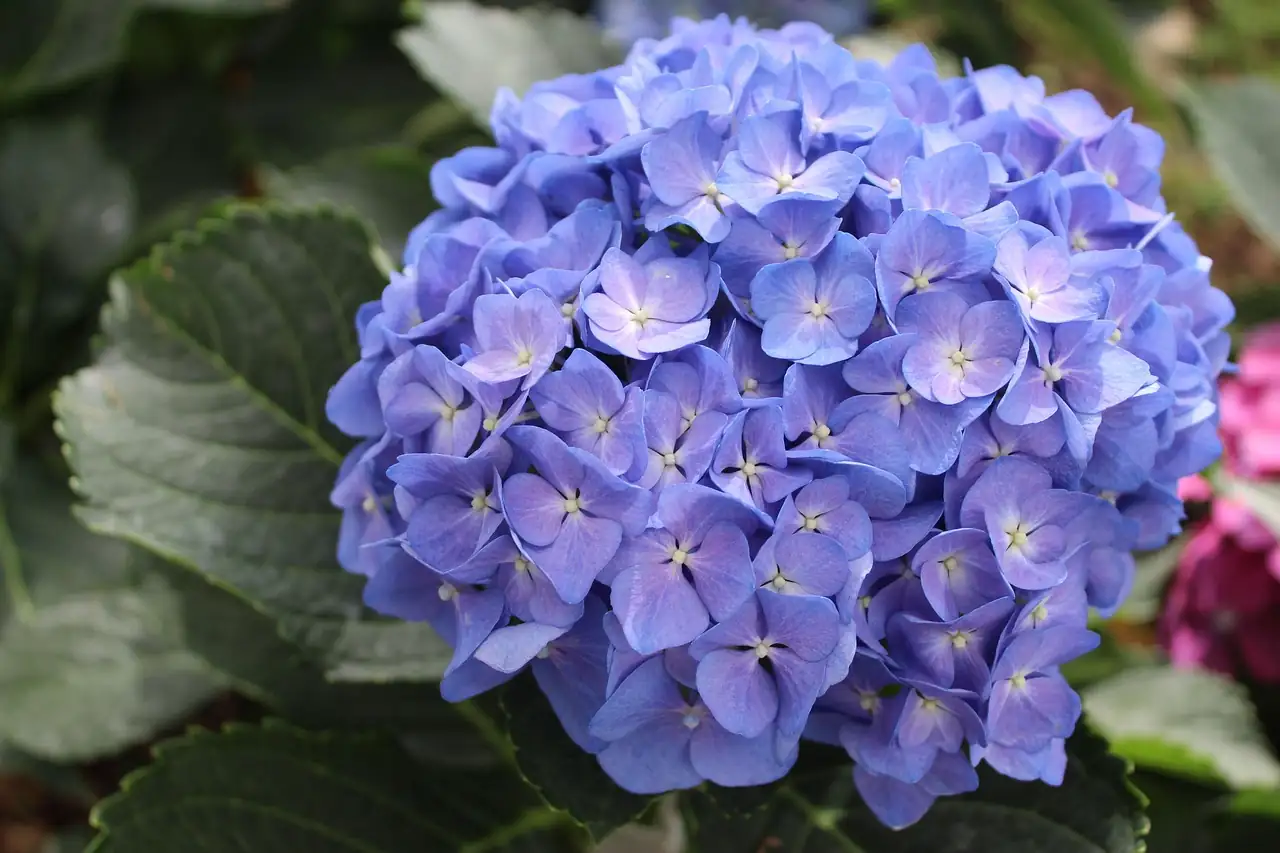
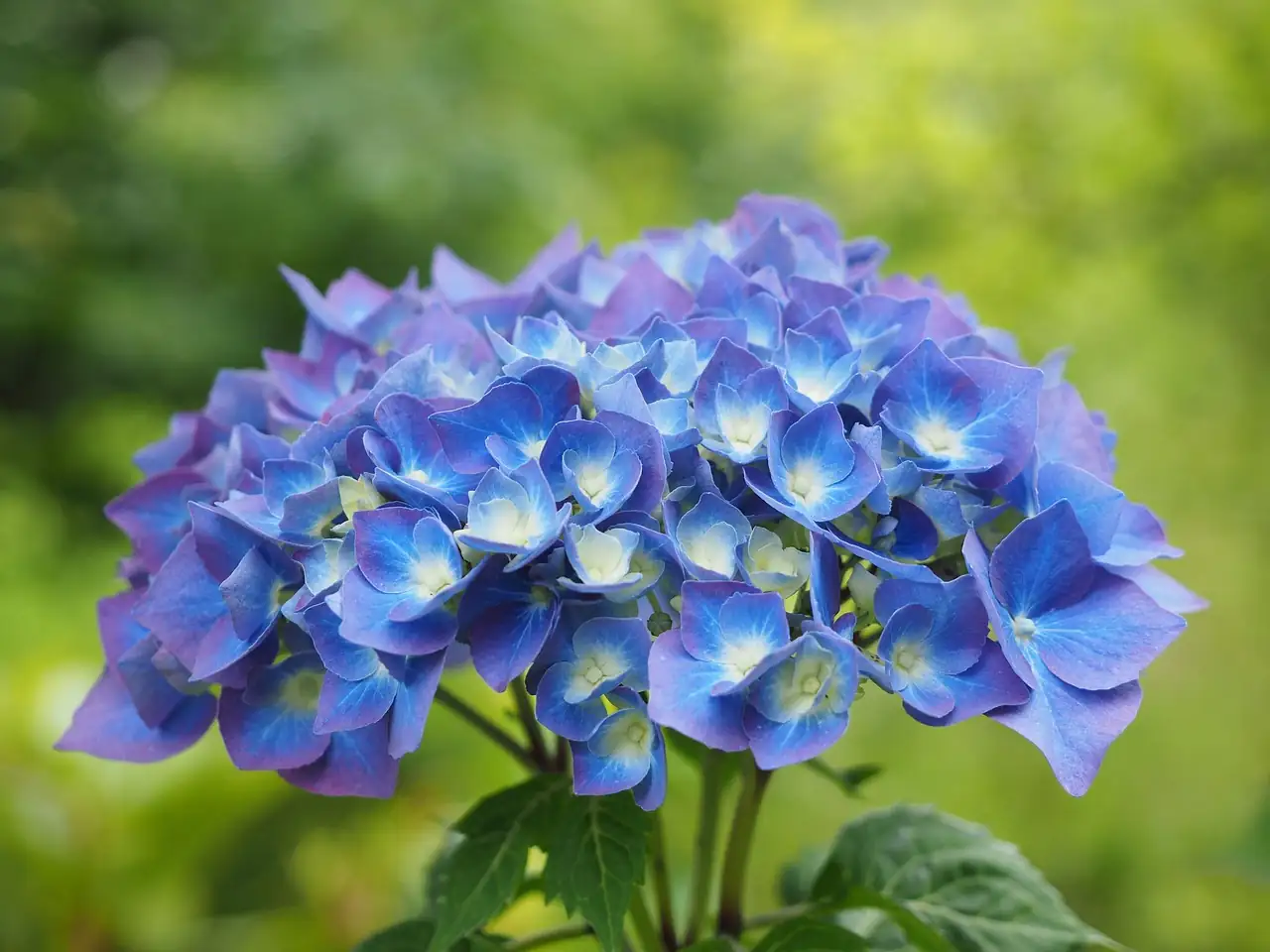
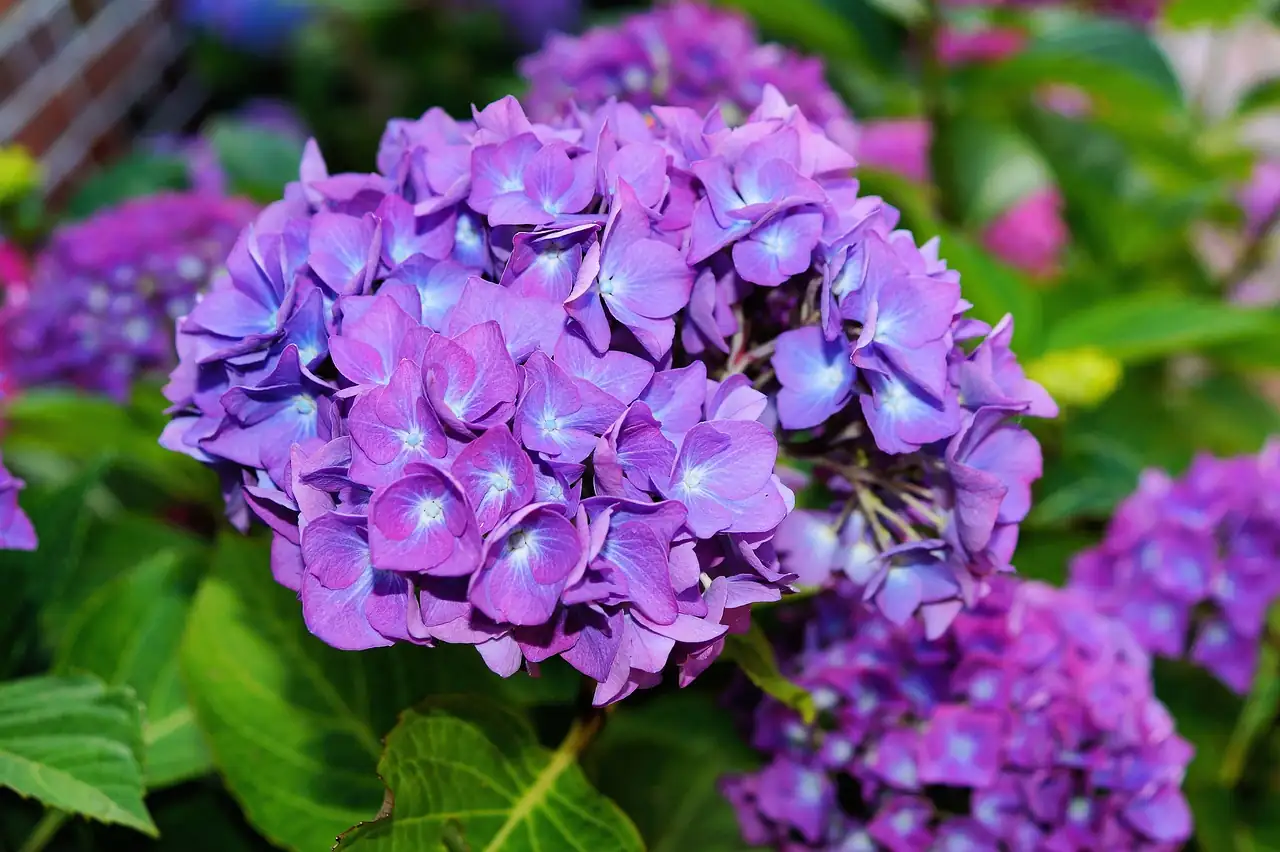
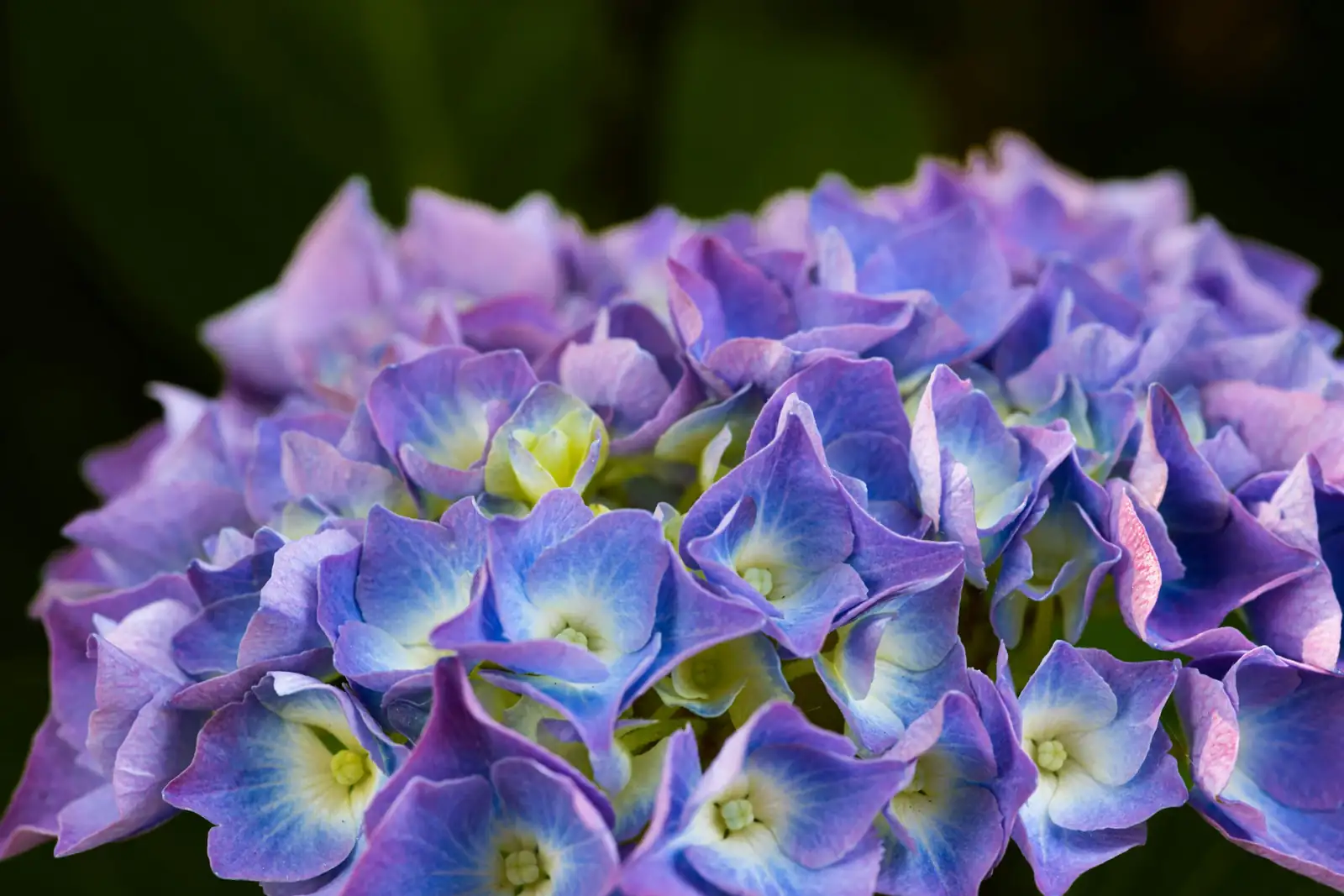
- Flower: Flower clusters range from rounded “mopheads” to flatter “lacecaps.” Each cluster is made up largely of showy sterile florets (the eye-catching ones) surrounding smaller fertile flowers. Bloom color commonly runs blue, pink, purple, or in-between, influenced by soil pH and aluminum availability as well as the cultivar.
- Flowering Season: June–August
- Growth Habit: A multi-stemmed, rounded, deciduous shrub that branches from the base and forms a dense, mounded shape.
Environment
Sunlight
Part shade is ideal—bright, filtered light or morning sun with afternoon shade. Avoid harsh, hot all-day sun, which can scorch leaves and stress the plant.
Temperature
Grows best around 15–27°C (59–81°F). Protect from heat stress, drying winds, and late frosts that can damage flower buds.
Humidity
Prefers moderate to high humidity and does best with consistently moist conditions (especially during summer). Avoid prolonged dry air and drought.
Soil
Rich, loose, well-drained but consistently moist loam. Flower color can shift with soil pH and aluminum availability: more acidic conditions often encourage bluer tones, while more alkaline conditions often encourage pinker tones (depending on cultivar).
Placement
Best outdoors in bright shade: under open tree canopies, along shaded paths, or on cooler north- or east-facing exposures. Also performs well in large containers with good drainage, kept evenly moist and sheltered from harsh afternoon sun.
Hardiness
USDA Zone 6–9 (approximately -23 to -7°C / -10 to 20°F), depending on cultivar and winter protection. Late frosts can damage buds, reducing blooms the following season on old-wood types.
Care Guide
Difficulty
Moderate. Generally dependable once established, but flowering can be reduced by drought, winter bud damage, and pruning at the wrong time (especially for old-wood bloomers).
Buying Guide
Pick plants with firm, healthy stems and clean, unspotted leaves. In colder climates, choose cultivars known for better winter performance or reblooming (“on new wood”) traits for more consistent flowers. Also decide whether you prefer mophead (rounded) or lacecap (flat, airy) bloom form.
Watering
Water deeply and regularly to keep soil evenly moist, not soggy. Increase watering during hot spells and for container plants. Mulch helps conserve moisture and keeps roots cooler—very helpful in summer.
Fertilization
Feed in spring with a balanced, slow-release fertilizer. For bluer flowers, aluminum sulfate can be applied during bud formation if appropriate for your soil and cultivar. For pinker flowers, raise soil pH gradually with garden lime. Make adjustments slowly and avoid heavy applications.
Pruning
Prune lightly. Many bigleaf hydrangeas bloom on old wood: remove dead/weak stems and spent flower heads, ideally soon after flowering. Avoid hard pruning in late fall or winter, which may remove next year’s flower buds.
Propagation
Most commonly by softwood or semi-hardwood cuttings from late spring through summer. Layering is also reliable, and some plants can be increased by dividing rooted basal shoots where suitable.
Repotting
For container-grown plants, repot every 2–3 years in early spring into a fresh, rich potting mix. Use a large pot with drainage, and keep the root zone cool and evenly moist.
📅 Seasonal Care Calendar
Blooming mainly June–August; fruiting typically July–October. Spring: feed and mulch. Summer: water consistently; deadhead if desired. After flowering: do any needed light pruning. Winter: in colder regions, protect buds with mulch and a sheltered placement.
Pests, Diseases & Safety
Common Pests & Diseases
Can attract aphids, spider mites (especially in dry heat), scale insects, and vine weevil in containers. Diseases/issues include powdery mildew, leaf spot, and frost-damaged buds. Encourage airflow, avoid wetting foliage late in the day, and keep moisture consistent to reduce stress.
Toxicity
Toxic if eaten. All parts may cause gastrointestinal upset in people and pets (including dogs and cats); larger ingestions can be more serious. Keep away from children and pets that chew plants.
Culture & Symbolism
Symbolism: Often linked with heartfelt emotion, gratitude, and abundance; it can also symbolize change because the blooms can shift color with soil conditions.
History & Legends: Originating in Japan and cultivated for centuries, bigleaf hydrangea became a global garden favorite through extensive breeding, resulting in today’s wide range of cultivars, colors, and flower forms.
Uses: A top ornamental shrub for summer color in part-shade landscapes—perfect for woodland gardens, shaded borders, mass plantings, and standout specimens. Also popular for large containers on patios and balconies with bright, indirect light.
FAQ
Why did my hydrangea flowers change from pink to blue (or the other way around)?
Bigleaf hydrangea color often shifts with soil pH and aluminum availability: more acidic soils tend to produce bluer flowers, while more alkaline soils tend to produce pinker flowers (depending on the cultivar).
When should I prune bigleaf hydrangea?
For many cultivars, prune right after flowering and avoid heavy pruning in fall or winter, because next year’s flower buds are often formed on old wood.
Fun Facts
- Flower color can shift dramatically with soil pH and aluminum availability, making it a favorite plant for garden experiments.
- Gardeners sometimes use aluminum sulfate to push blooms bluer and garden lime to keep blooms pinker (results depend on cultivar and soil).
- The showy “petals” are usually sterile florets; the fertile flowers are smaller and less conspicuous within the cluster.


