Plant Features
- Size:1–3 m (3.3–9.8 ft) tall
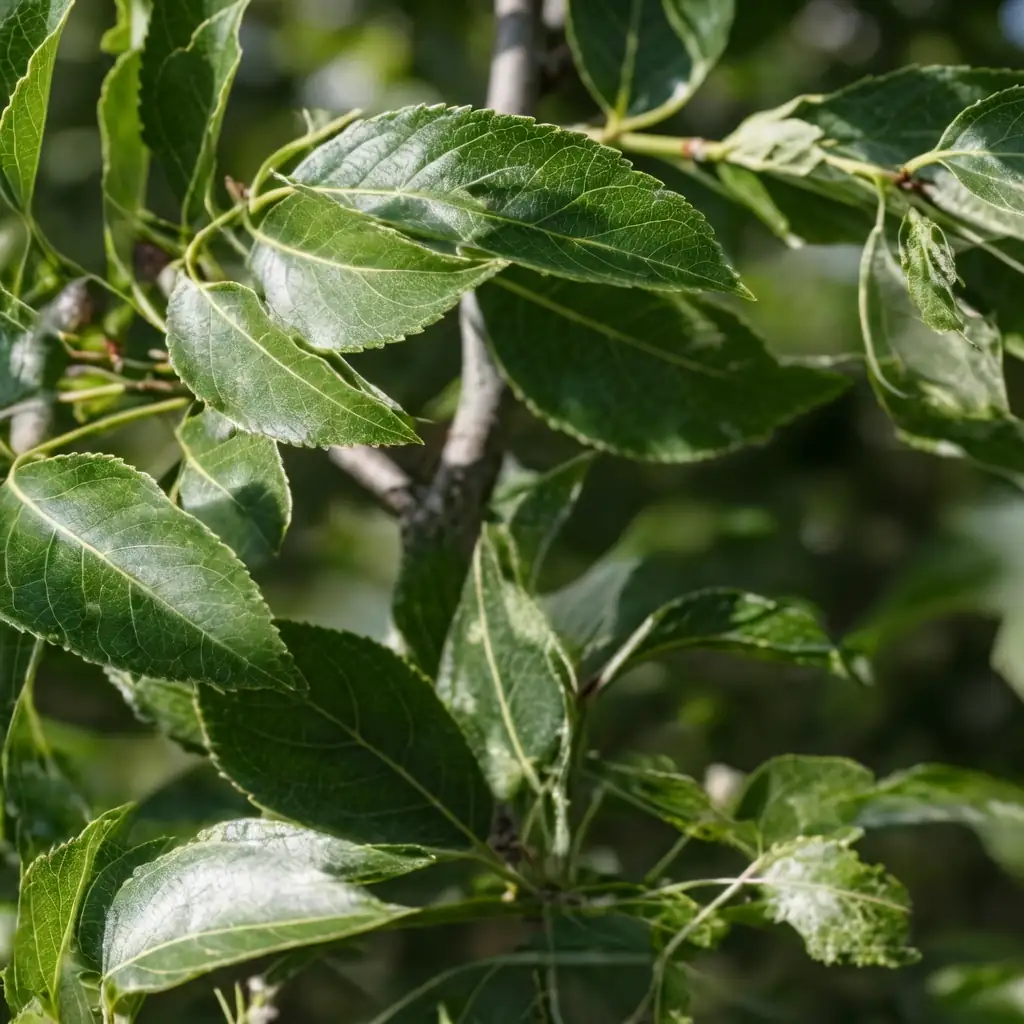
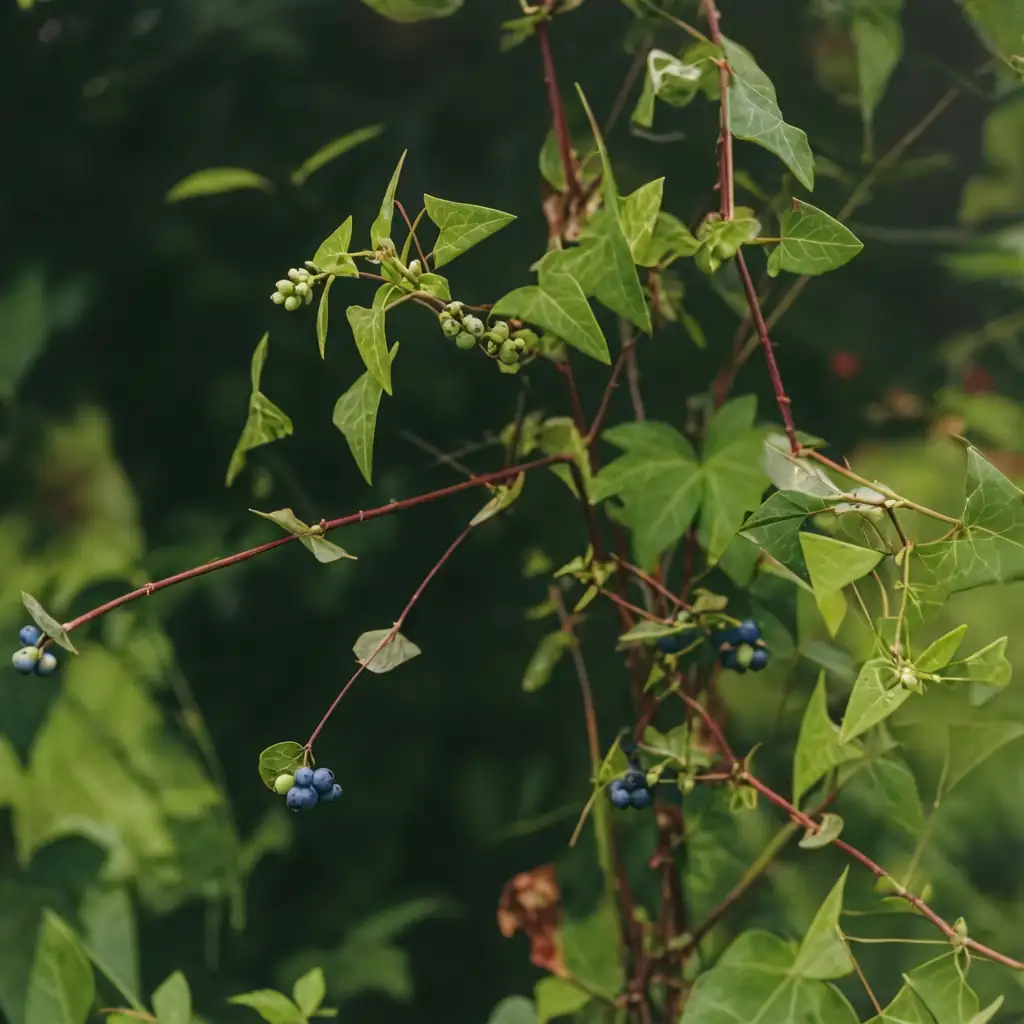
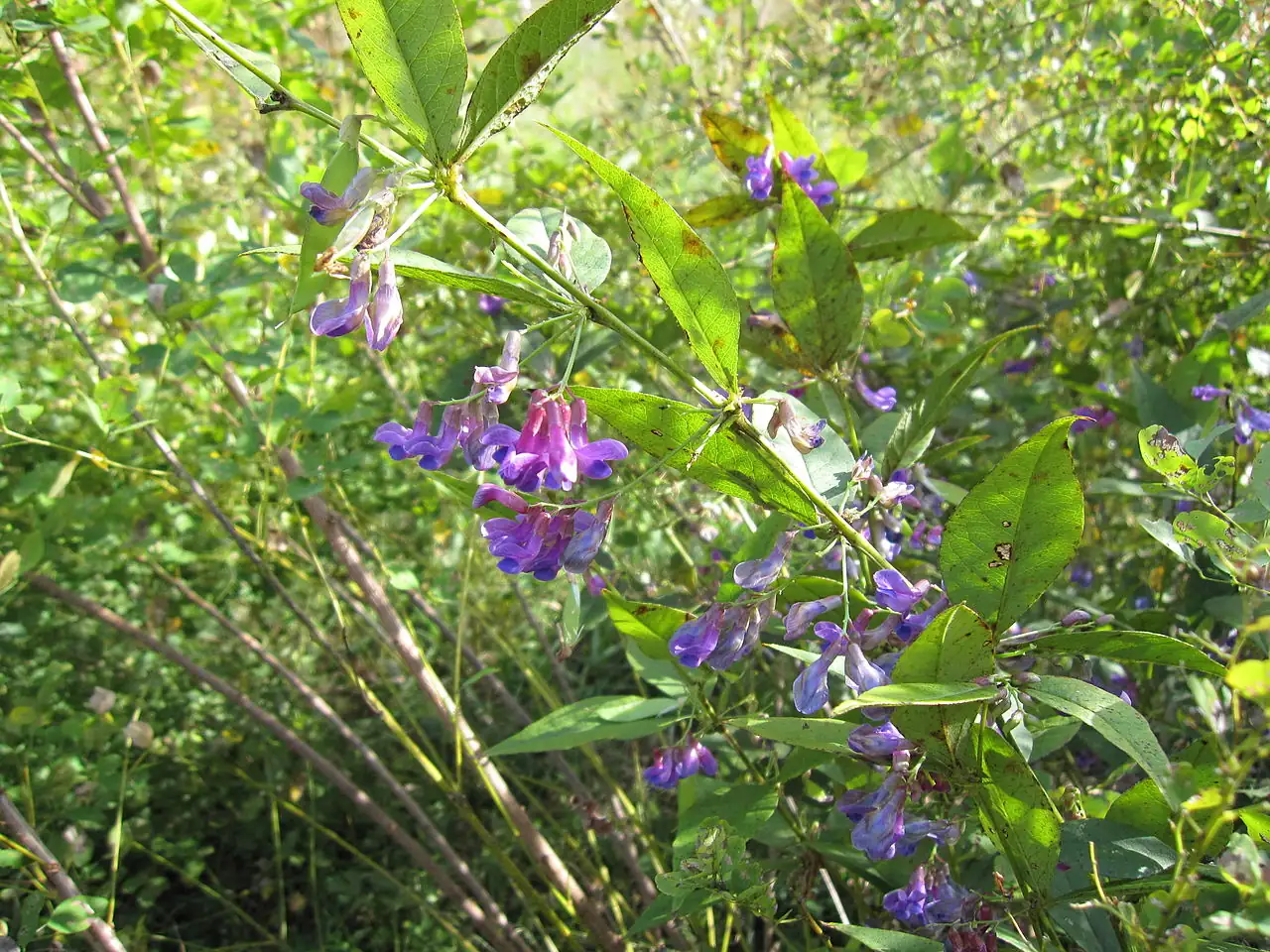
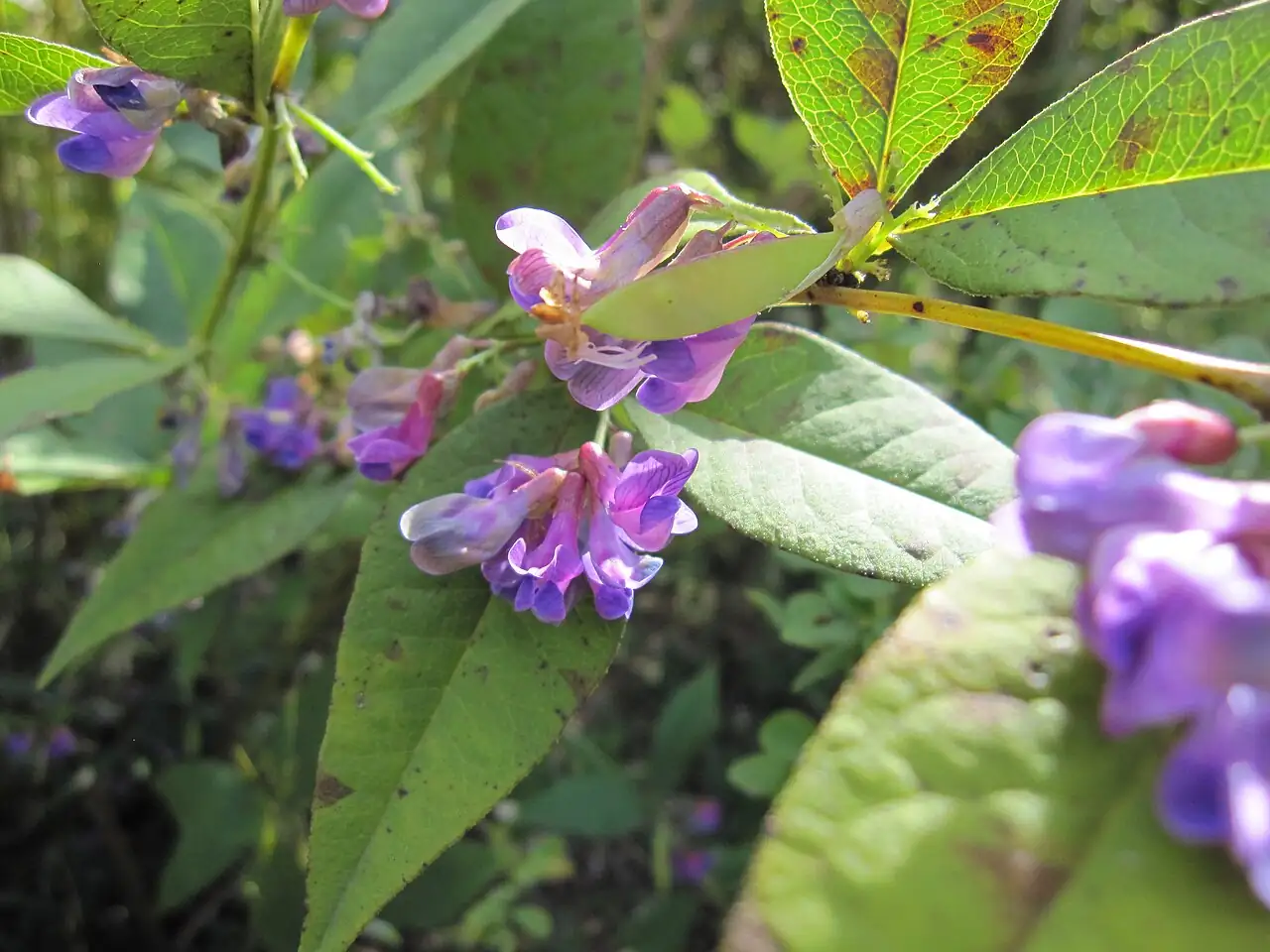
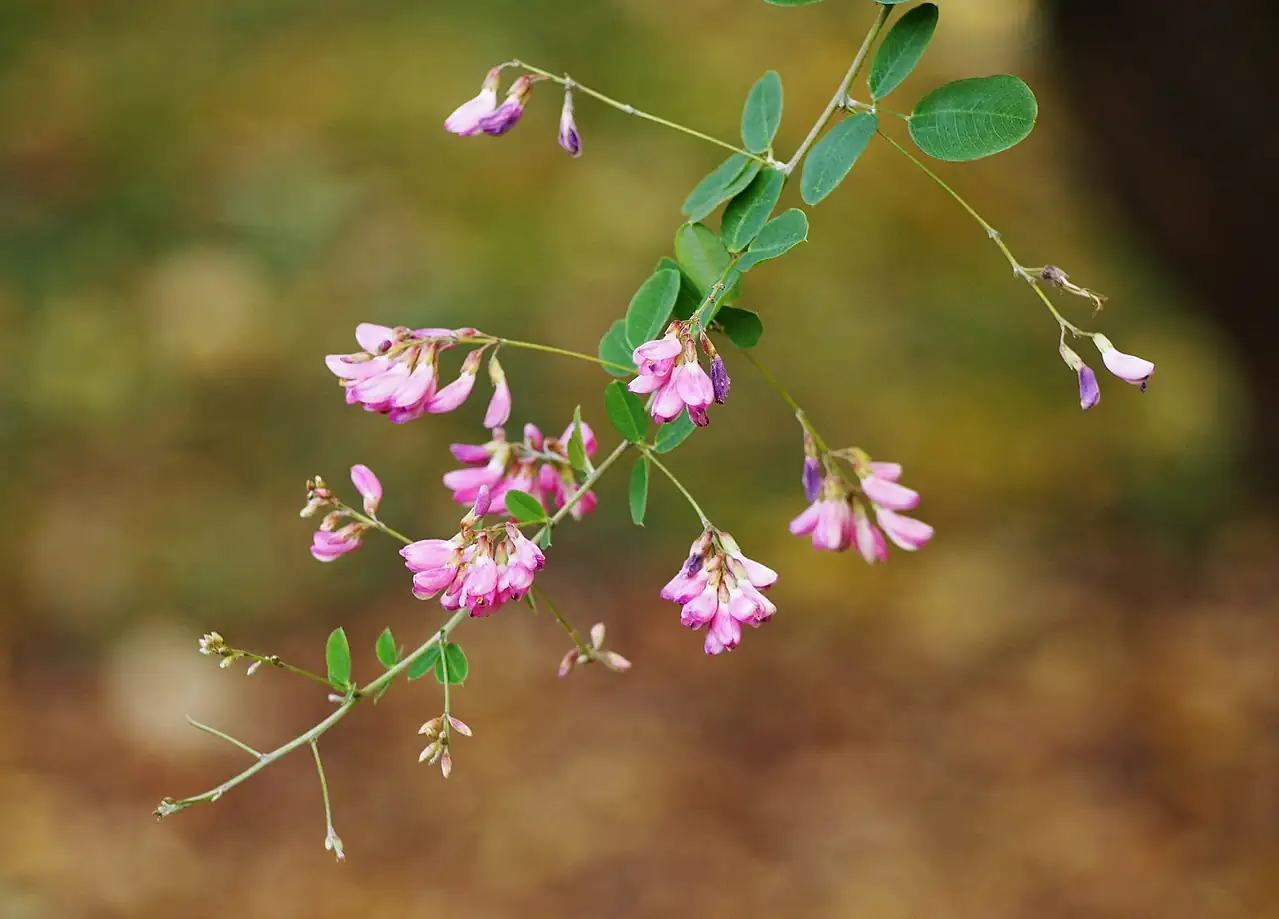
- Foliage: A densely branched, twiggy shrub with fine texture; leaves are ovate and give the plant a light, airy foliage effect rather than a heavy, bulky look.
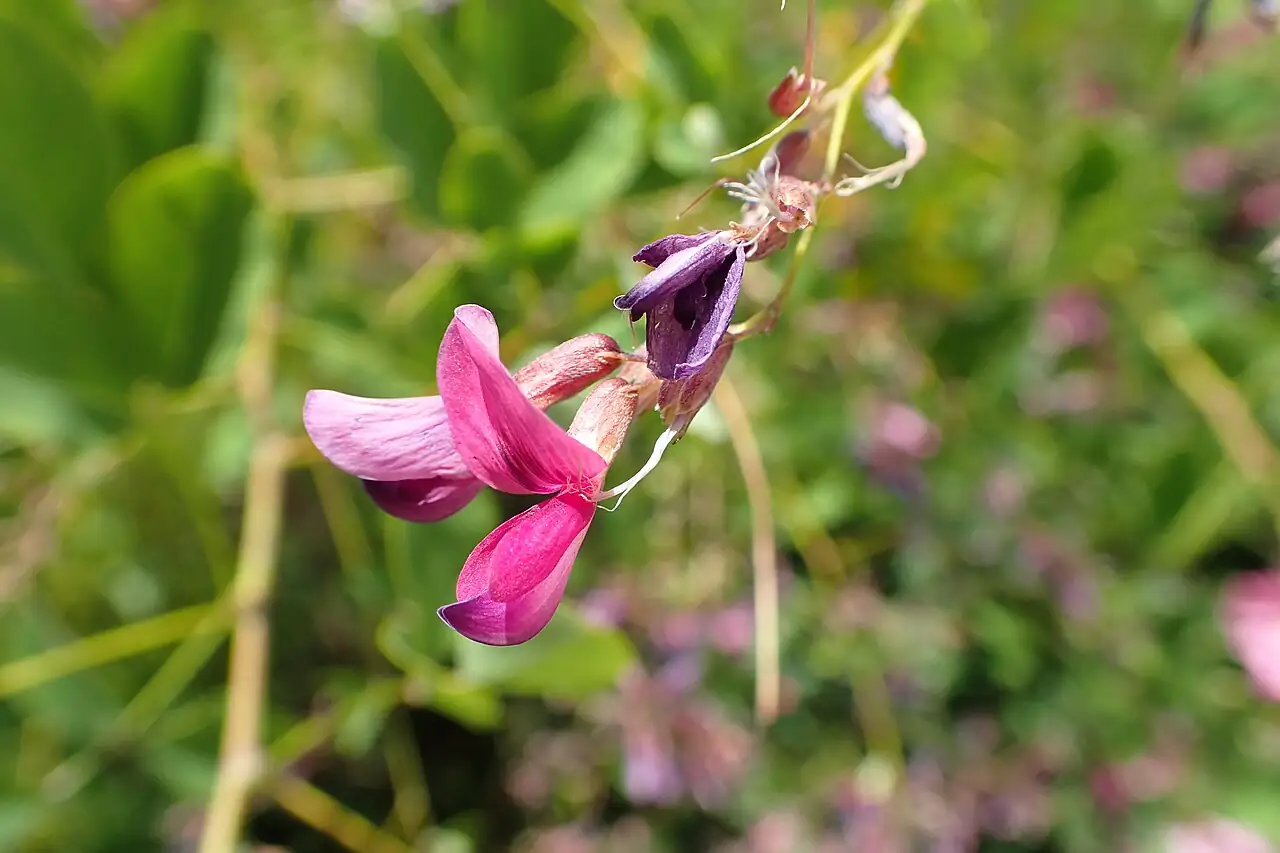
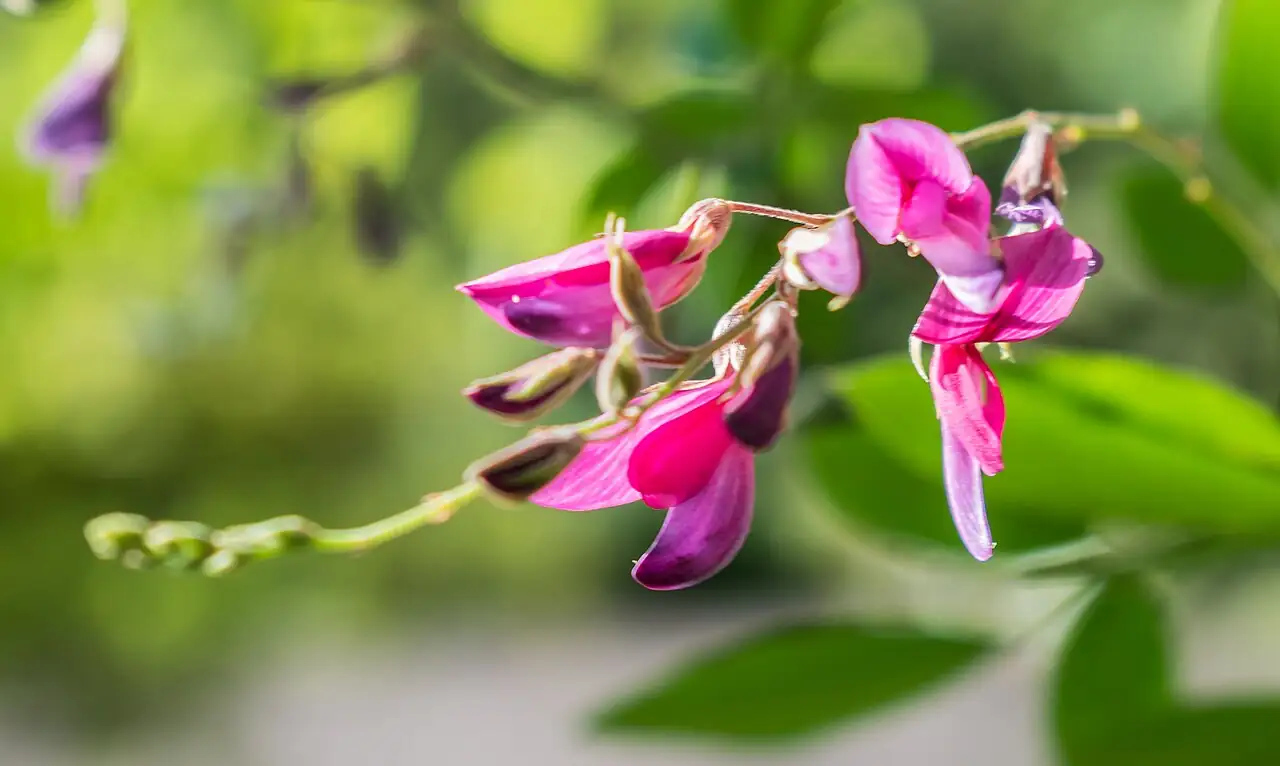
- Flower: Small pea-family blossoms in reddish‑purple tones carried along flowering shoots; after flowering, it forms pods (legumes) that are slightly obliquely ovate.
- Flowering Season: July–September
- Growth Habit: Upright, multi-stemmed, freely branching shrub
Environment
Sunlight
Adaptable; naturally occurs from open slopes to woodland edges. Flowers best in full sun but also does well in partial shade.
Temperature
Best growth generally in about 10–30°C (50–86°F); well-suited to temperate climates.
Humidity
Tolerant of a wide range; average outdoor humidity is usually fine.
Soil
Exceptionally adaptable: can establish on newly reclaimed, nutrient-poor ground. Prefers well-drained soil and performs best in loam or humus-rich soil, but tolerates acidic soils as well as alkaline/saline soils.
Placement
Best outdoors: gardens, shrub borders, woodland-edge plantings, roadsides, slopes/embankments, and greening or restoration projects (including degraded hillsides).
Hardiness
Very tough once established: drought-tolerant, tolerant of infertile soils and challenging pH (acidic to alkaline/saline), and resilient to cutting/back hard pruning.
Care Guide
Difficulty
Easy—highly adaptable and forgiving, including on poor or disturbed soils once established.
Buying Guide
Choose plants with vigorous branching and healthy, undamaged stems. Avoid stock with obvious dieback, weak growth, or severe root-binding if container-grown.
Watering
Water regularly during the establishment period to help roots settle in. After that, it’s largely drought-tolerant—water only during prolonged dry spells, especially in very sandy or fast-draining sites.
Fertilization
Usually minimal feeding is needed. If growth is weak in very poor soil, a light top-dress with compost can help; avoid heavy nitrogen fertilization, which can push soft, weak growth at the expense of sturdiness and flowering.
Pruning
Handles trimming and even hard pruning well. For shaping or size control, prune after flowering or in late winter/early spring before new growth begins.
Propagation
Not provided in the source. Commonly propagated by seed; semi-hardwood cuttings can also be used in practice when conditions are right.
Repotting
Primarily a landscape shrub; repotting is generally not applicable unless grown in a container temporarily (then up-pot to avoid root-binding and plant out when possible).
📅 Seasonal Care Calendar
Flowering: July–September. Fruiting: September–October. Provide establishment watering in the first season; prune for structure after bloom or before spring growth as needed.
Pests, Diseases & Safety
Common Pests & Diseases
No specific issues were noted in the source. In typical garden settings, keep an eye out for general shrub problems like aphids during soft new growth and occasional leaf spot in humid, crowded plantings; good airflow and avoiding overhead watering help reduce foliar disease pressure.
Toxicity
Not specified in the source. No well-known, serious toxicity is commonly associated with this species for casual garden handling, but it’s still sensible to prevent pets from chewing ornamental plants and to wash hands after pruning.
Culture & Symbolism
Symbolism: Not provided in the source.
History & Legends: Not provided in the source.
Uses: Grown as an ornamental shrub for its graceful branching and late-season flowers, and widely used in ecological restoration and greening projects—especially for slope stabilization, roadside plantings, and degraded hillside recovery thanks to its stress tolerance.
FAQ
When does it bloom?
July–September.
When does it set fruit?
September–October.
How tall does it usually grow?
About 1–3 m (3.3–9.8 ft) tall.
Where does it grow naturally?
Hillsides, woodland edges, roadsides, shrublands, and mixed woodland; it’s widely distributed across many regions of China.
How tough and adaptable is it?
Very adaptable: drought-tolerant, tolerant of poor soils, tolerant of both acidic and alkaline/saline soils, and able to withstand cutting/back pruning. It can establish on newly reclaimed land, though it looks its best in well-drained loam or humus-rich soil.
Fun Facts
- Its very broad native range across China is a clue to just how adaptable it is.
- It can establish on newly reclaimed, nutrient-poor ground, making it valuable in restoration and slope-greening work.
- It’s unusual among shrubs in how well it tolerates both acidic soils and alkaline/saline soils.
- Because it tolerates cutting, it can be used in managed shrub belts that need periodic trimming.