

Plant Features
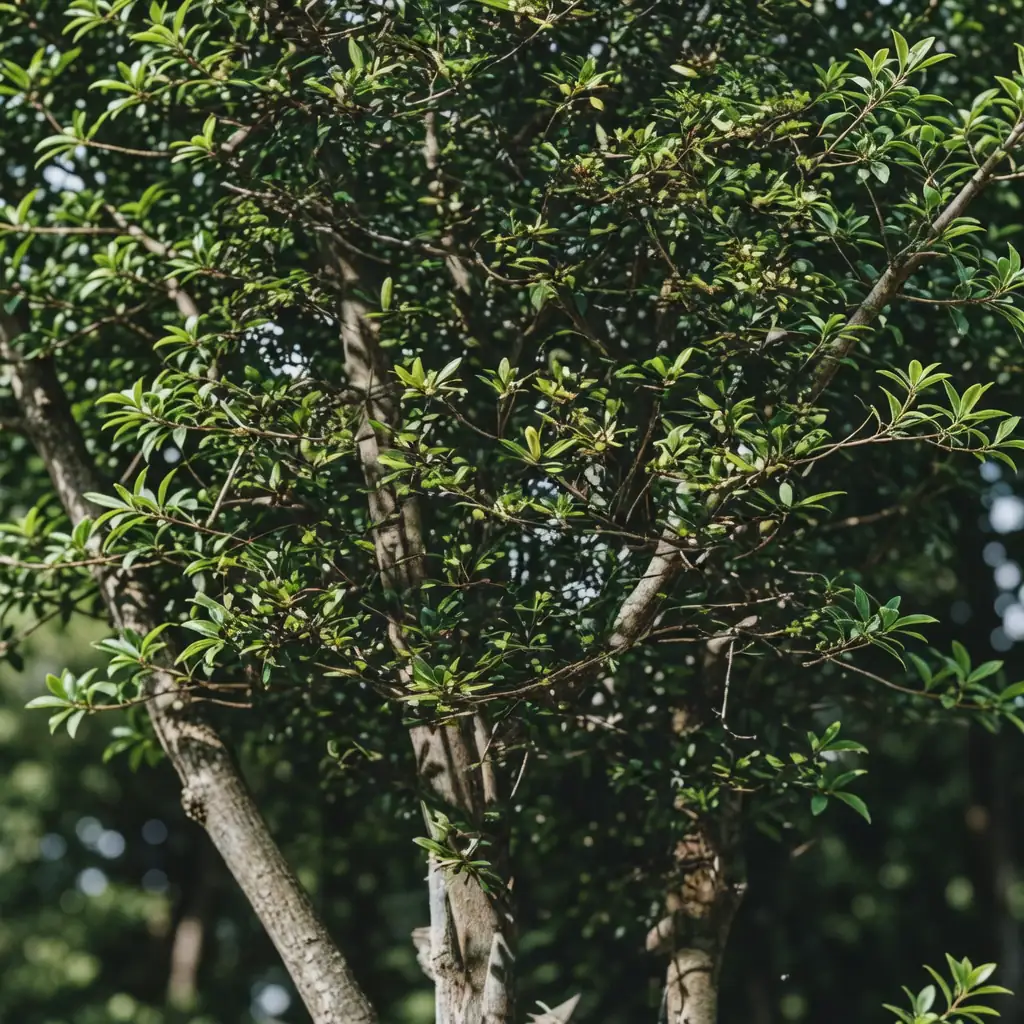
- Size: Up to about 12 m (39 ft) tall in the ground; often kept much smaller with pruning.
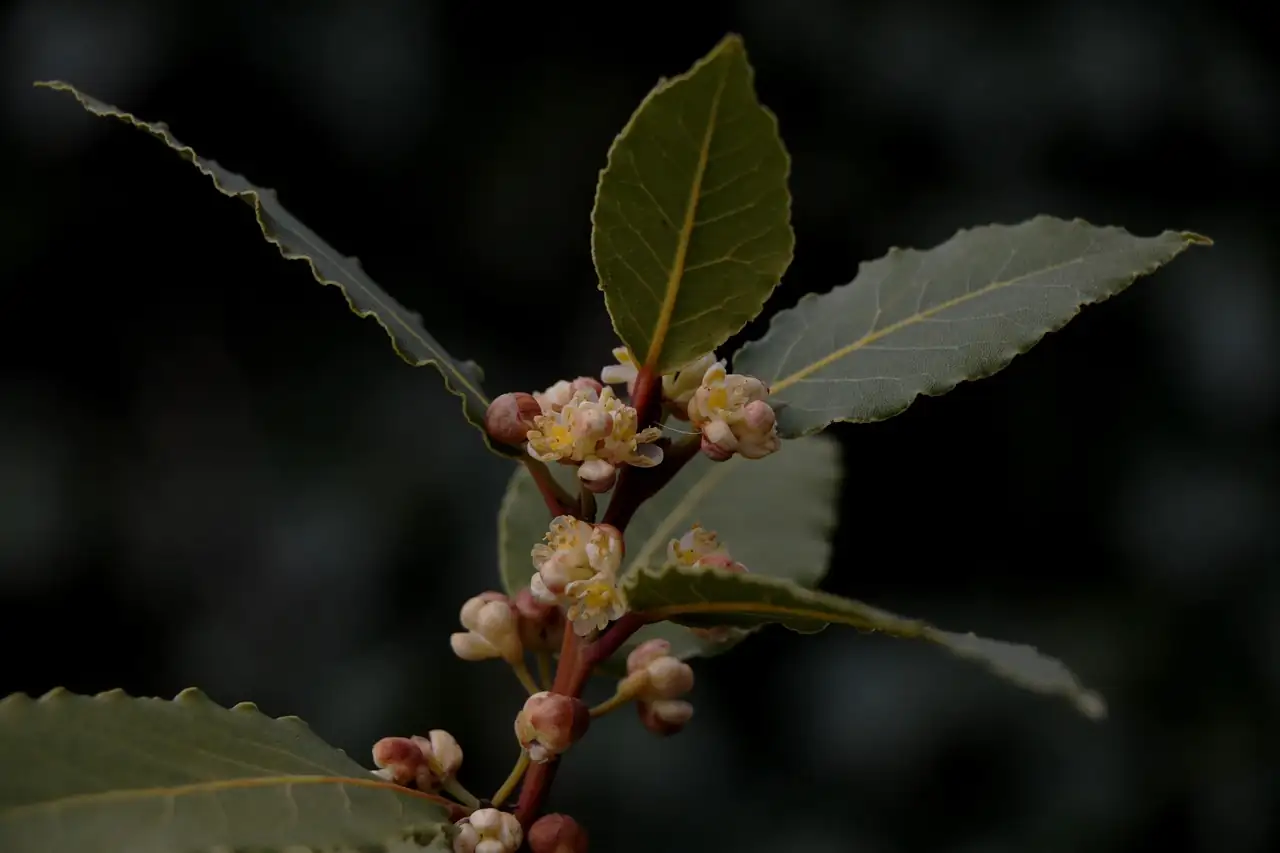
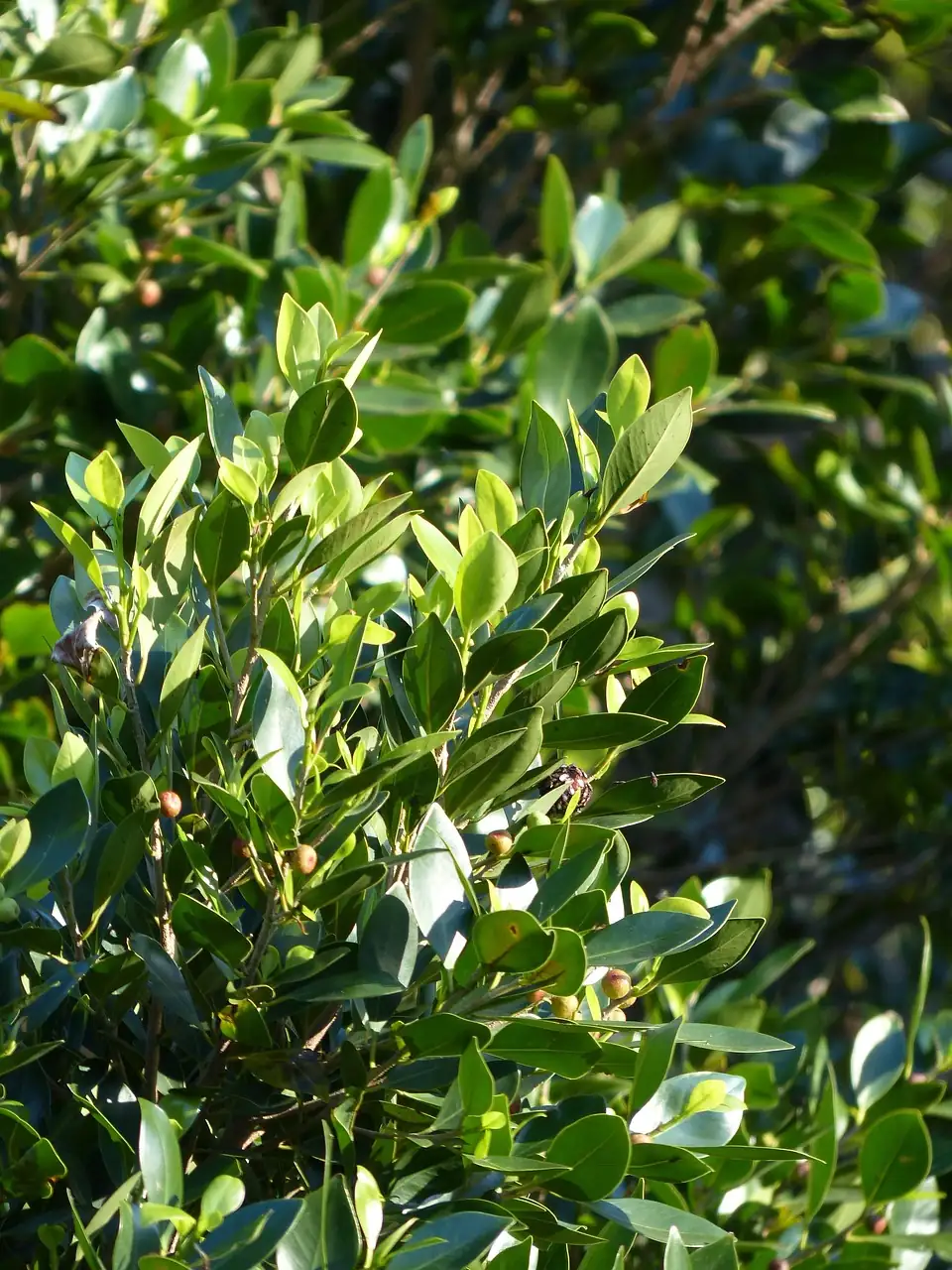
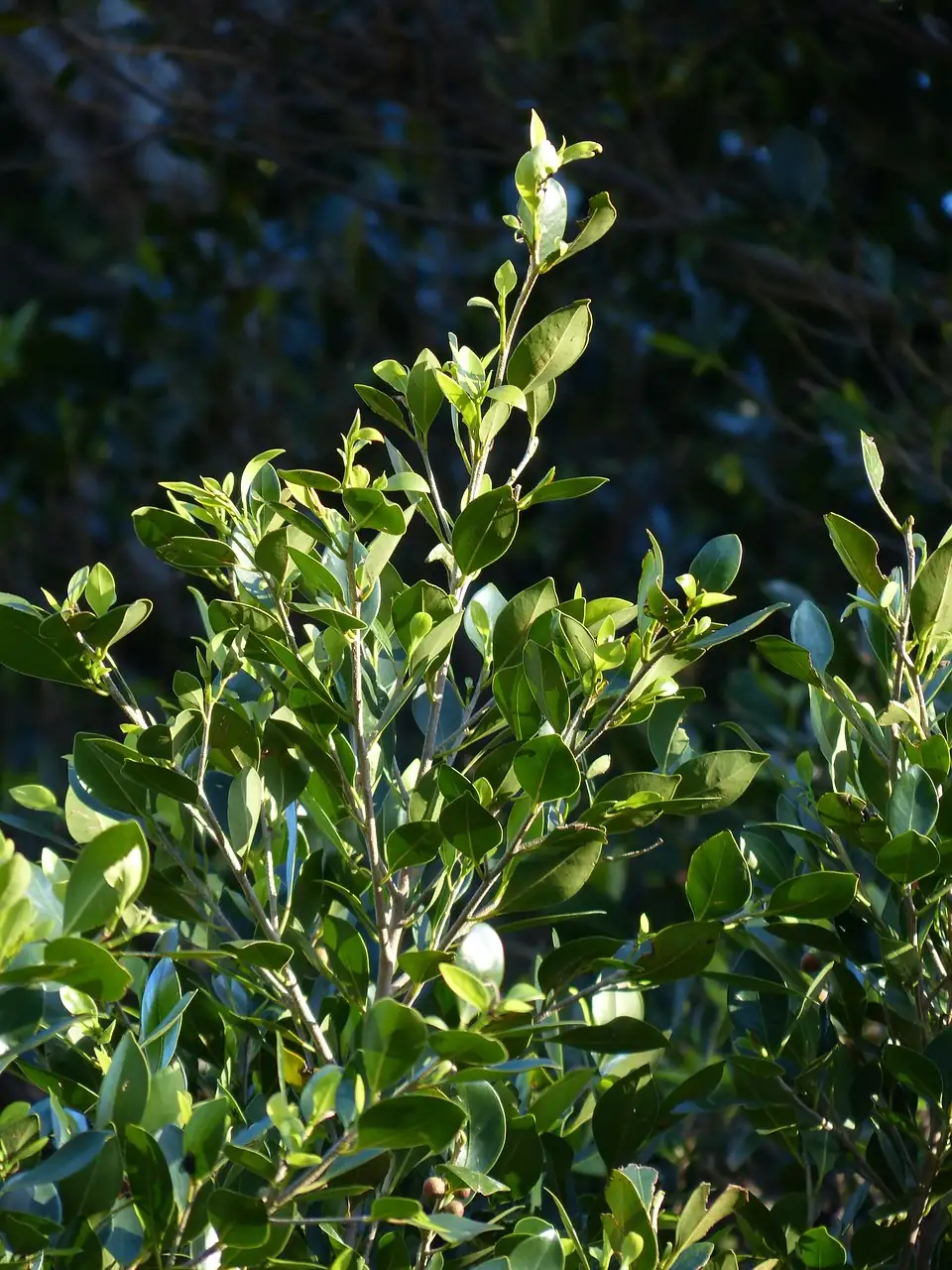
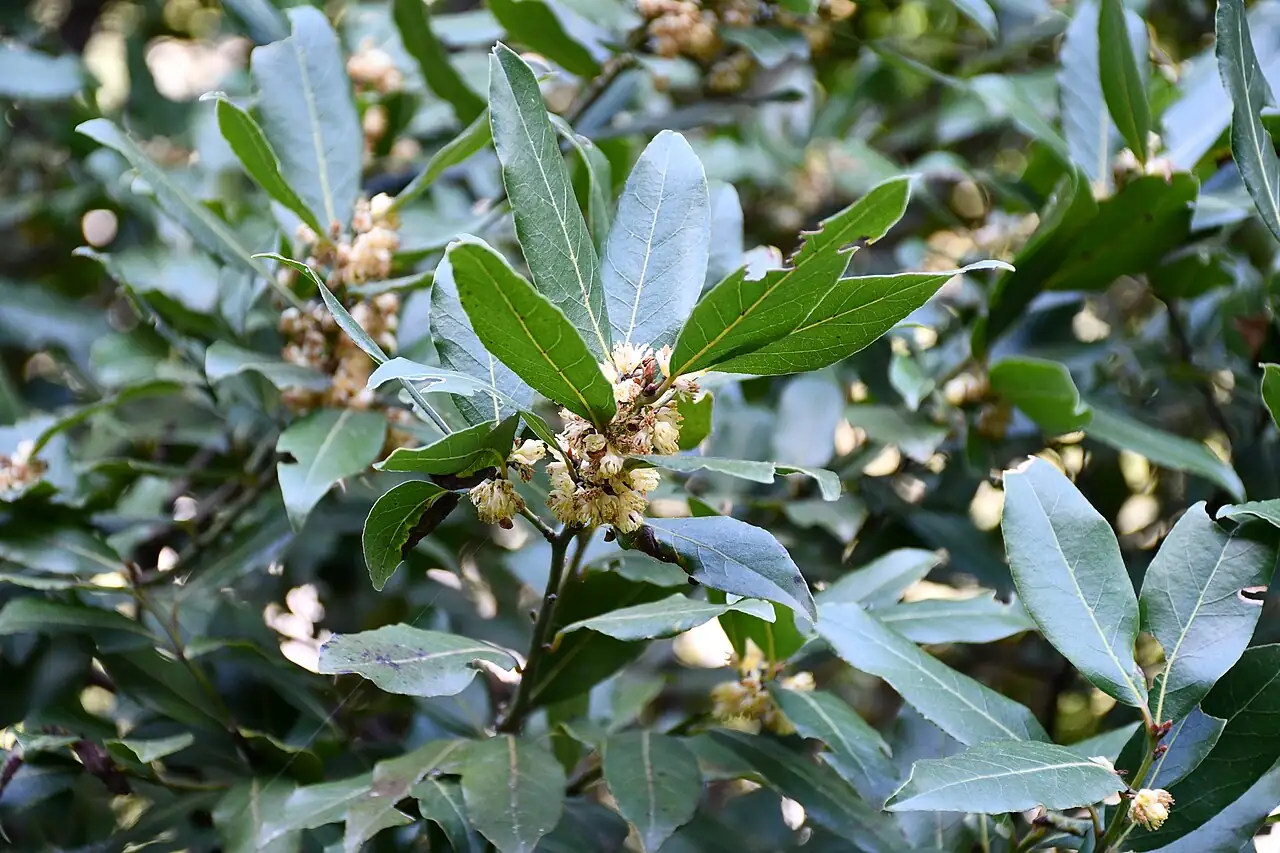
- Foliage: Leaves are alternate, elliptic to lance-shaped with slightly wavy margins. They’re thick, leathery, glossy, and usually hairless, with a strong aroma when crushed. Leaf stalks (petioles) can show a subtle purplish-brown tint.
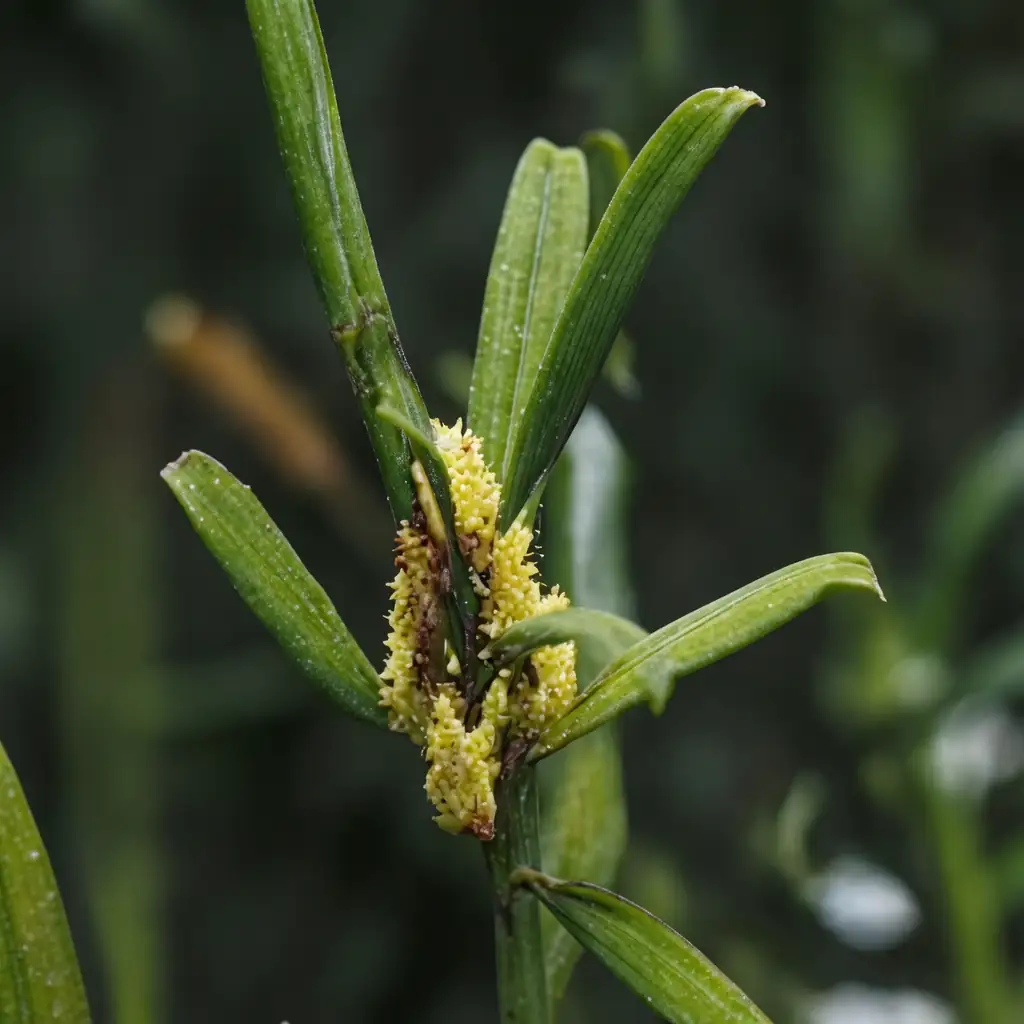
- Flower: Small yellow flowers appear in clusters. Plants are usually dioecious, with male and female flowers on separate plants. The fruit is an oval berry that ripens from green to dark purple or black.
- Flowering Season: March–May (Mar–May)
- Growth Habit: Evergreen, densely branched shrub to small tree, often branching low. Responds extremely well to clipping and training, making it ideal for hedges, screens, and formal shapes like balls, cones, and columns.
Environment
Sunlight
Full sun to partial shade; brighter light typically gives denser growth and better leaf quality.
Temperature
Prefers mild, warm conditions. Once established and sheltered, it can tolerate brief drops to about -8°C (18°F), but prolonged hard freezes can cause damage.
Humidity
Moderate humidity is ideal; generally happiest outdoors with decent air movement. Very dry, sheltered conditions can encourage mites.
Soil
Deep, fertile, well-drained loam or sandy loam. Avoid waterlogged soil. Can be sensitive to saline and strongly alkaline conditions.
Placement
Great as a landscape specimen, hedge, screen, or topiary near buildings and paths. Also performs well in large containers on patios or sunny balconies where it can be moved for winter protection.
Hardiness
USDA Zone 8–10; protect from hard freezes (brief tolerance to around -8°C / 18°F).
Care Guide
Difficulty
Easy to moderate: generally tough once established, but it strongly dislikes soggy soil and may need winter protection in colder regions.
Buying Guide
Pick plants with glossy, firm, unspotted leaves and sturdy stems. Avoid pots that smell sour or stay waterlogged. If you want berries, plan ahead—because many plants are single-sex, a female typically needs a nearby male for pollination.
Watering
Water deeply, then allow the top layer of soil to dry slightly before watering again. Good drainage is essential—never let the pot sit in standing water, as waterlogging can stress or rot roots.
Fertilization
Feed lightly in spring and summer with a balanced fertilizer at label rates. In the ground, spring compost or a slow-release feed is usually enough. Reduce or stop feeding in winter.
Pruning
Very tolerant of pruning and clipping. Shape after the main flush of growth, and maintain hedges/topiary during the growing season. Remove dead, damaged, or crossing branches whenever you notice them.
Propagation
Most commonly propagated from semi-hardwood cuttings in summer. Can also be grown from seed (seedlings may vary, and plant sex isn’t predictable). Layering is another workable method.
Repotting
Container plants: repot every 2–3 years in spring into a slightly larger pot with a free-draining mix. In off years, refresh the top layer of potting mix.
📅 Seasonal Care Calendar
Flowering: March–May (Mar–May). Fruiting: June–September (Jun–Sep). Clip hedges/topiary through the growing season, and pay extra attention to drainage during rainy periods. In colder climates, protect from prolonged freezes (especially in pots).
Pests, Diseases & Safety
Common Pests & Diseases
Can attract scale insects, aphids, and spider mites (especially where air is dry and still). Poor drainage may lead to root decline. Prevent issues with bright light, good airflow, and careful watering; treat pests with horticultural soap or oil if needed.
Toxicity
Laurus nobilis is the true culinary bay used in cooking. The leaves are tough and can be a choking hazard if swallowed whole. For pets that chew plants, ingestion may cause mild gastrointestinal upset—best to keep fallen leaves and prunings out of reach.
Culture & Symbolism
Symbolism: A classic symbol of victory, honor, and achievement—this is where “laureate” comes from.
History & Legends: In Greco-Roman culture, laurel wreaths crowned poets, athletes, and military victors, cementing bay laurel as an enduring emblem of prestige and accomplishment.
Uses: Grown as an ornamental evergreen for hedges, screens, and topiary, as well as a container feature plant. The leaves are used fresh or dried as the familiar bay leaf seasoning for soups, stews, sauces, and braises.
FAQ
Why doesn’t my bay laurel produce berries?
It’s usually dioecious—male and female flowers are on separate plants. A female plant typically needs a nearby male to set fruit, and flowering/fruiting can also be reduced by heavy shade or frequent hard pruning.
Can bay laurel survive winter outdoors?
Established plants can handle brief cold snaps to about -8°C (18°F), but prolonged hard freezes can damage them. In colder areas, growing bay laurel in a container makes it easy to move to a bright, frost-free spot for winter.
Why are the leaves turning yellow and dropping?
The most common culprit is water stress—especially waterlogged soil and poor drainage. Let the mix dry slightly between waterings, ensure the pot drains freely, and don’t leave it standing in water.
Fun Facts
- Crush a leaf between your fingers and you’ll instantly recognize the aroma used to flavor countless soups and stews.
- Because it clips so neatly, bay laurel is a long-time favorite for formal hedges and topiary shapes.
- Many bay laurels are either male or female—so fruit depends on having the right partner nearby.
- It’s native to the Mediterranean but is widely cultivated far beyond its original range.
- Once established and sheltered, it can tolerate brief dips to about -8°C (18°F).


