Plant Features
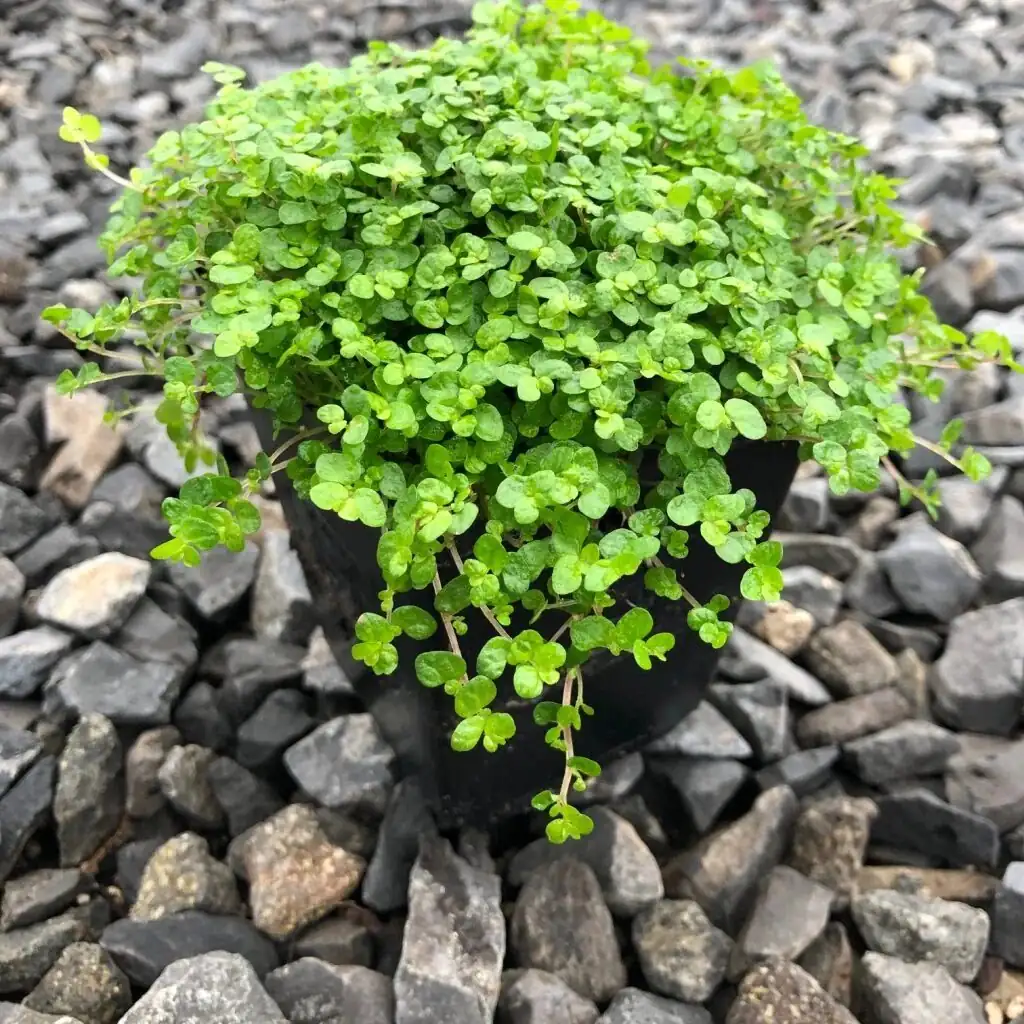
- Size: Typically 10–15 cm (4–6 in) tall; spreads about 30–90 cm (12–36 in) wide as a mat or trailer (can go wider outdoors in ideal conditions).
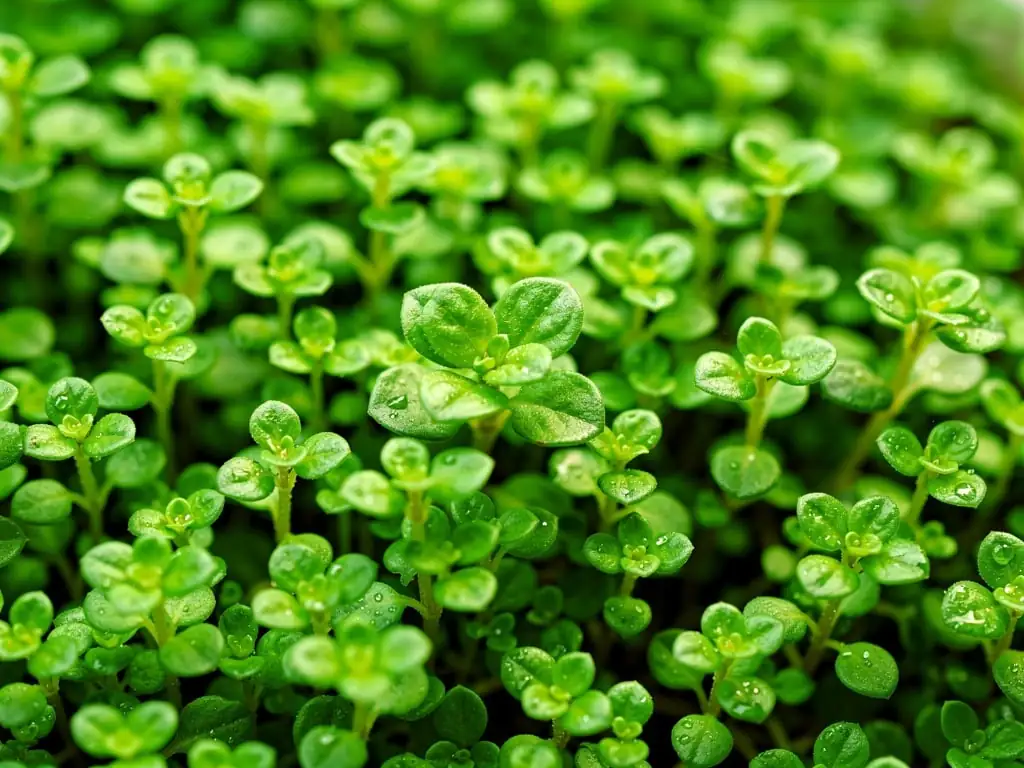
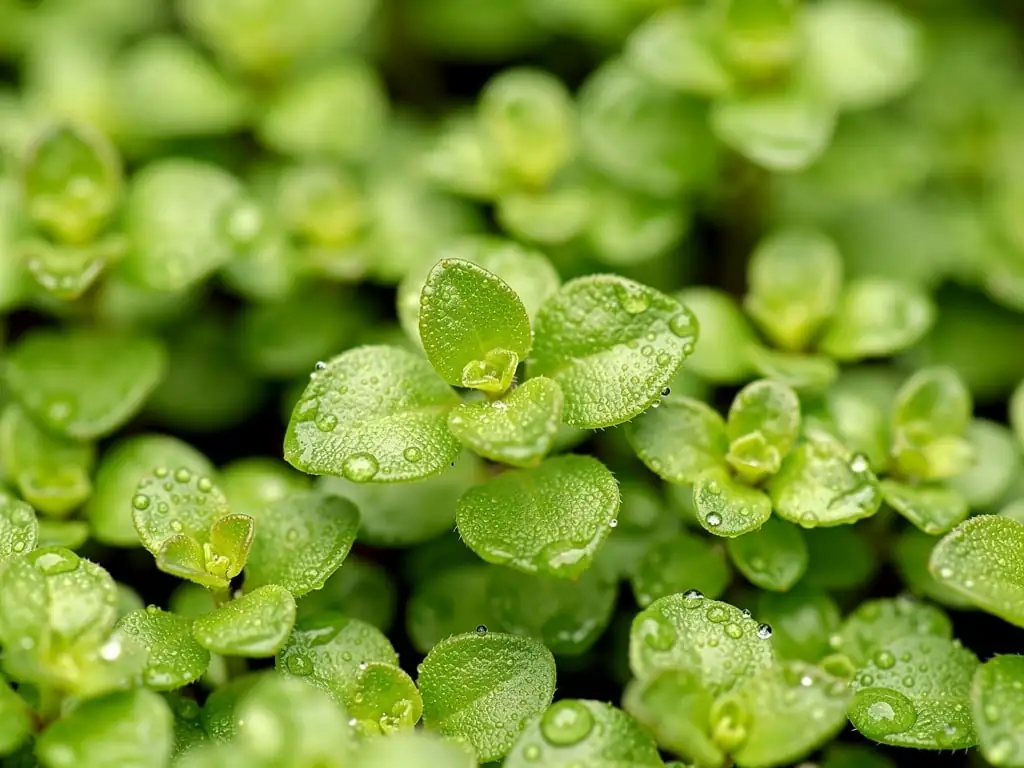
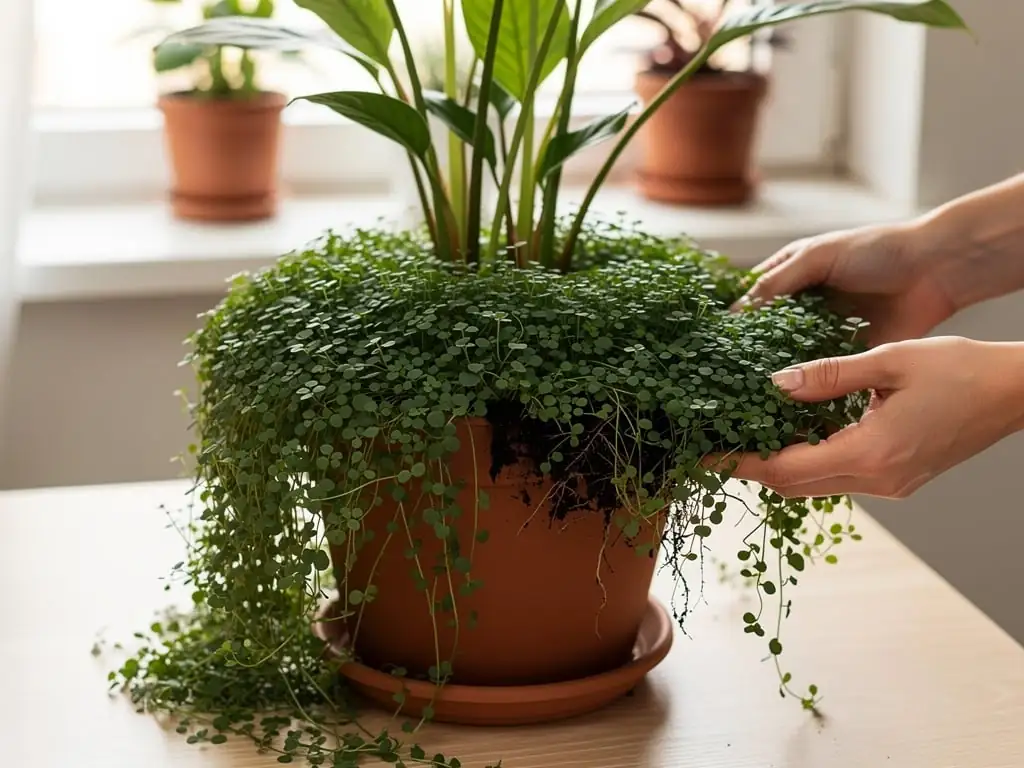
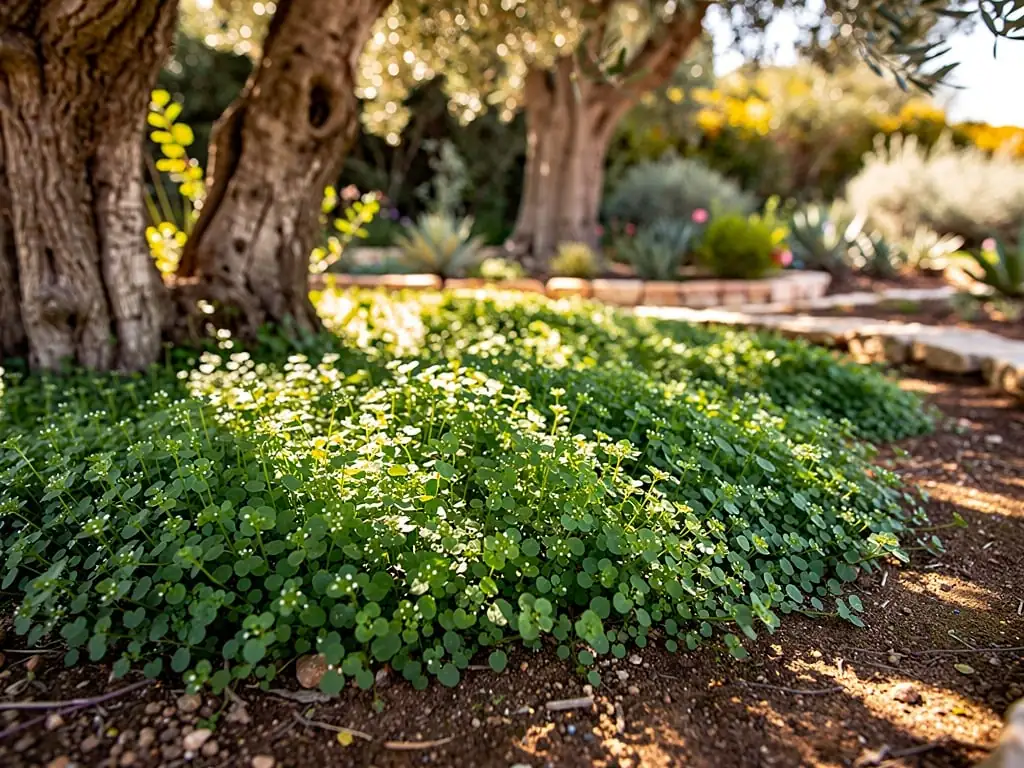
- Foliage: Myriad tiny, round to kidney-shaped leaves about 3–5 mm across, packed tightly along delicate, fleshy stems to form a lush, carpet-like mat. Foliage is usually bright green, though cultivars can be chartreuse/golden or lightly variegated; leaves are smooth, hairless, and soft-looking rather than leathery.
- Flower: Produces very small, creamy-white flowers that are easy to miss; they’re not showy and indoor plants may rarely bloom.
- Flowering Season: Late spring to early summer (about May–July), more likely outdoors than indoors.
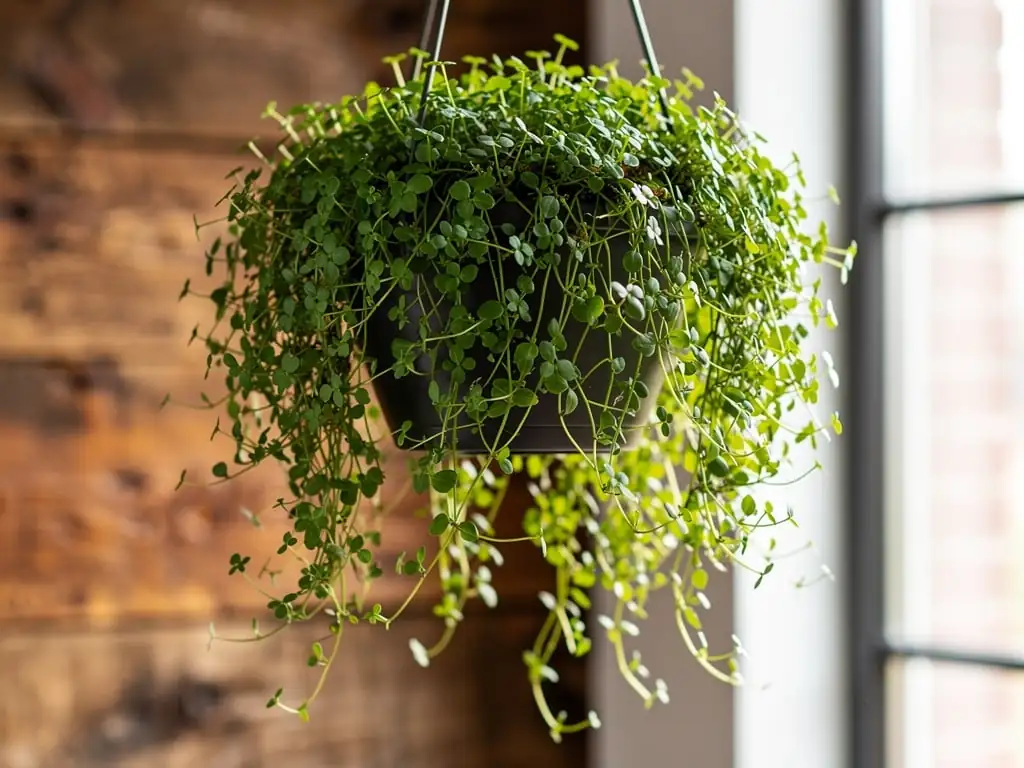
- Growth Habit: Creeping and mat-forming; stems trail and root at nodes where they touch moist soil, making it excellent as a living mulch, groundcover (in mild climates), or a cascading spiller from pots.
Environment
Sunlight
Bright, indirect light to dappled/partial shade. It tolerates lower light (especially indoors/terrariums) but grows best with several hours of gentle, filtered light. Avoid hot, harsh direct sun which can scorch and brown the foliage.
Temperature
Best around 15–24°C (60–75°F); tolerates roughly 10–27°C (50–80°F). It dislikes prolonged cold; foliage can be damaged around 5°C (40°F) or below. In mild climates it may stay evergreen; in cooler areas it’s usually grown as a houseplant.
Humidity
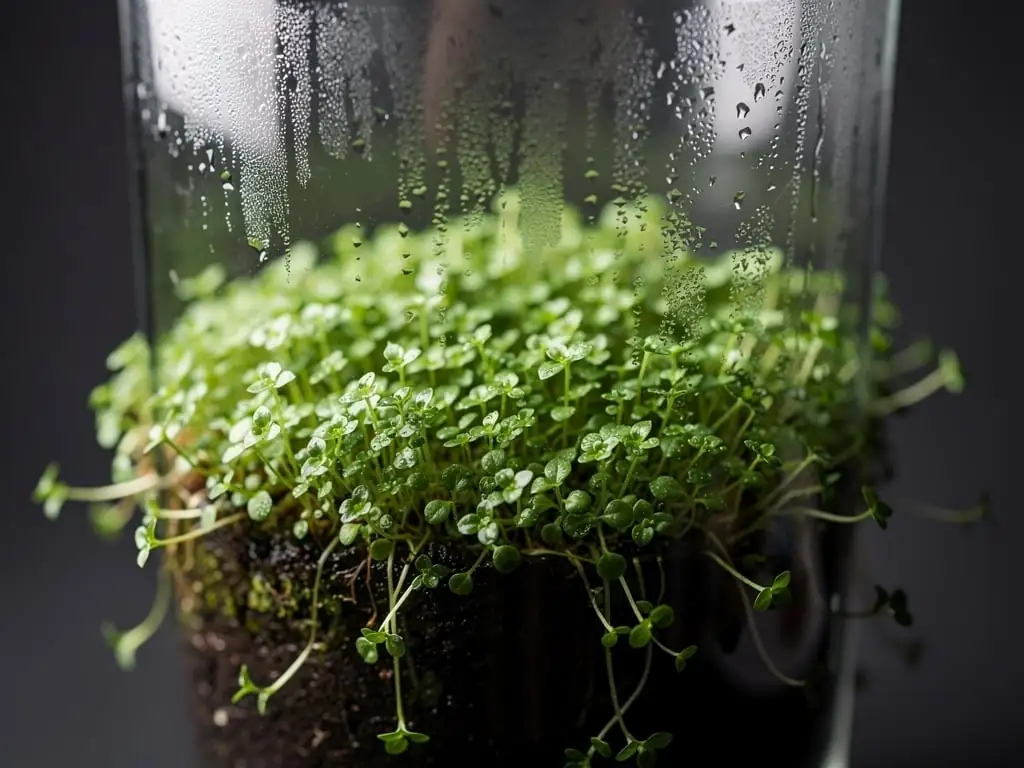
Loves high humidity (often happiest above ~75%), making it ideal for terrariums, bathrooms, and kitchens. In normal home air, it benefits from pebble trays, grouping plants, or a humidifier; avoid letting it dry out.
Soil
Rich, loose, and well-draining but evenly moisture-retentive. A quality all-purpose potting mix improved with compost and a bit of perlite/grit works well. Slightly acidic is ideal (about pH 6.0–6.5).
Placement
Indoors: near an east or west window with filtered light, or under grow lights; great for terrariums and hanging baskets. Outdoors (where climate allows): shaded or dappled-light beds with consistently moist soil—keep it contained if it spreads too enthusiastically.
Hardiness
Generally grown outdoors in mild areas (commonly cited USDA Zones 9–11), and as a houseplant elsewhere. Not suited to sustained freezing temperatures.
Care Guide
Difficulty
Easy to moderate: very beginner-friendly once you learn the two big rules—don’t scorch it with sun, and don’t let it dry out. It’s forgiving, but it looks best with steady moisture and humidity.
Buying Guide
Choose plants that look like a thick, even “green cushion,” with fresh color and lots of fine stems. Avoid yellowing, crisp edges, sparse centers, blackened/mushy stems, or sour-smelling, waterlogged soil (a red flag for rot).
Watering
Keep the mix evenly moist, never bone-dry and never swampy. Water when the surface is just starting to dry; if it wilts dramatically, it’s usually from drying out and often bounces back within a day after a thorough drink. In spring/summer, this can mean frequent watering (sometimes every 1–3 days in small pots). In fall/winter, water less often but don’t let the root ball fully dry. Empty saucers to prevent root rot.
Fertilization
During active growth (spring through summer, and into early fall if it’s still growing), feed about monthly with a balanced liquid fertilizer at half strength. Pause feeding in winter or whenever growth slows noticeably.
Pruning
Pinch and trim regularly to keep it dense, tidy, and spilling evenly. Shortening long runners encourages branching. If growing a colored/variegated cultivar, remove any all-green shoots that try to take over.
Propagation
Very easy. Take stem tip cuttings about 5–10 cm (2–4 in), remove lower leaves, and root in water or moist potting mix. You can also divide a thick mat into pieces with roots, or simply pin stems onto moist soil and let them root where they touch (layering).
Repotting
Repot every 1–2 years, or when it dries too quickly from being root-bound. Use a shallow, wider pot rather than a deep one, refresh with airy mix (potting soil plus perlite/grit), and handle gently—stems break easily.
📅 Seasonal Care Calendar
Spring: strongest growth—water more often, start feeding monthly, and propagate. Summer: keep moisture and humidity high; watch for pests; trim to shape. Fall: reduce feeding and slightly reduce watering as growth slows. Winter: keep lightly moist (not wet), stop fertilizing, and give it the brightest indirect light you can.
Pests, Diseases & Safety
Common Pests & Diseases
Most issues come from air that’s too dry (spider mites) or soil that’s too wet (fungus gnats, root rot). Possible pests include aphids, whiteflies, scale, mealybugs, and spider mites—rinse foliage and treat with insecticidal soap or neem if needed. Disease-wise, prevent root rot by using a draining mix and never leaving pots in standing water; improve airflow to reduce gray mold (botrytis) and mildew.
Toxicity
Generally considered non-toxic to humans and pets and is often listed as pet-friendly. As with many houseplants, chewing a lot may still cause mild stomach upset—discourage snacking.
Culture & Symbolism
Symbolism: Often linked with softness, calm, and resilience—an easy-going plant that quietly fills in every gap. In some home-and-feng-shui style traditions, its water-loving nature is associated with emotional flow and adaptability.
History & Legends: Collected in Corsica and associated with the French collector Joseph François Soleirol, for whom the genus was named. Its playful common names—especially “mind-your-own-business”—hint at how cheerfully it spreads when it’s happy.
Uses: A top choice for terrariums and vivariums, where humidity stays high. Also used as a trailing houseplant in hanging baskets, as a living mulch/underplanting around larger pots, and as a shady groundcover outdoors in mild climates (best kept contained if it runs).
FAQ
Why is my Baby’s Tears wilting all of a sudden?
It’s almost always thirst. This plant hates drying out—water thoroughly, and it often perks up within a day. If it keeps wilting quickly, it may be root-bound and drying too fast, so consider repotting.
Why are the leaves turning brown or crispy?
Most commonly from too much direct sun or very dry air. Move it to bright, indirect light and raise humidity (terrarium, humidifier, pebble tray, or grouping plants).
My plant smells bad and the leaves are turning dark—what happened?
That points to root rot from soggy soil. Take it out, trim mushy roots, repot into fresh airy mix, and water less often (but still don’t let it fully dry).
Is Baby’s Tears the same as Creeping Jenny?
No—shops mix them up because both trail and have small round leaves. Baby’s Tears is Soleirolia soleirolii (nettle family) with very tiny, dense leaves; Creeping Jenny is Lysimachia nummularia (primrose family) with larger coin-like leaves and showier yellow flowers.
Fun Facts
- It’s frequently mistaken for a moss, but it’s actually a flowering plant in the nettle family (and it doesn’t sting).
- One of the most popular terrarium plants because it loves humidity and makes a perfect miniature “carpet.”
- It roots wherever its stems touch moist soil—great for filling pots fast, and also why it can spread readily outdoors.
- Cultivars include golden/chartreuse and variegated forms, and they may revert if not pruned.