Plant Features
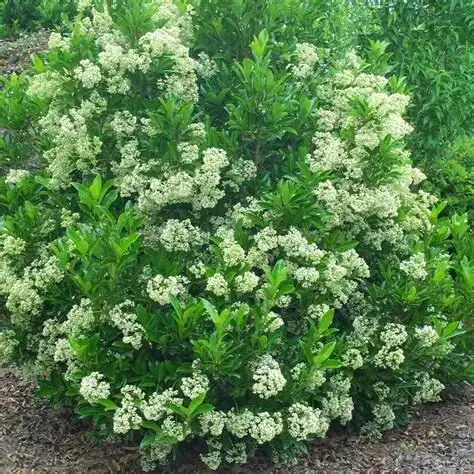
- Size: Up to 10 m (33 ft) tall in the landscape; commonly kept smaller with pruning when used as a hedge or screen.
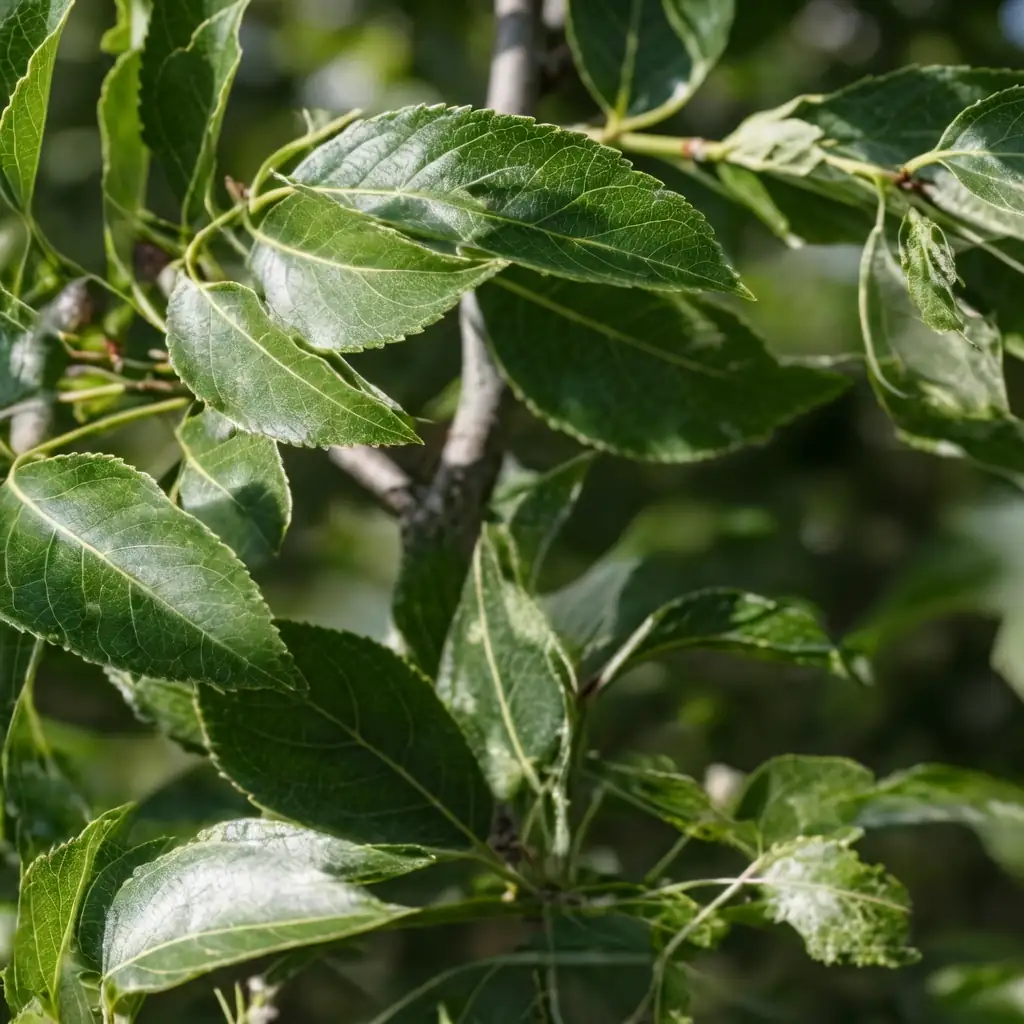
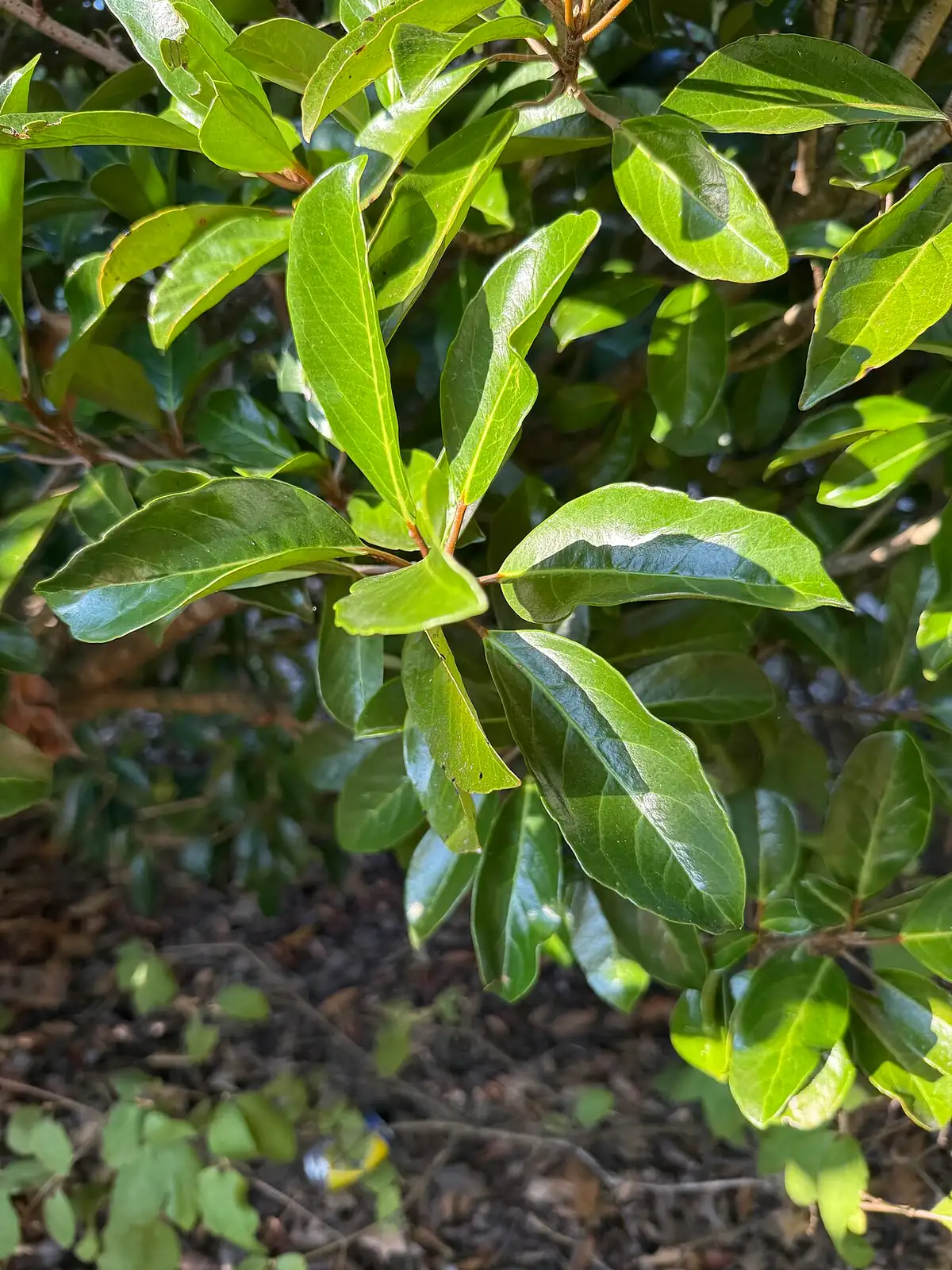
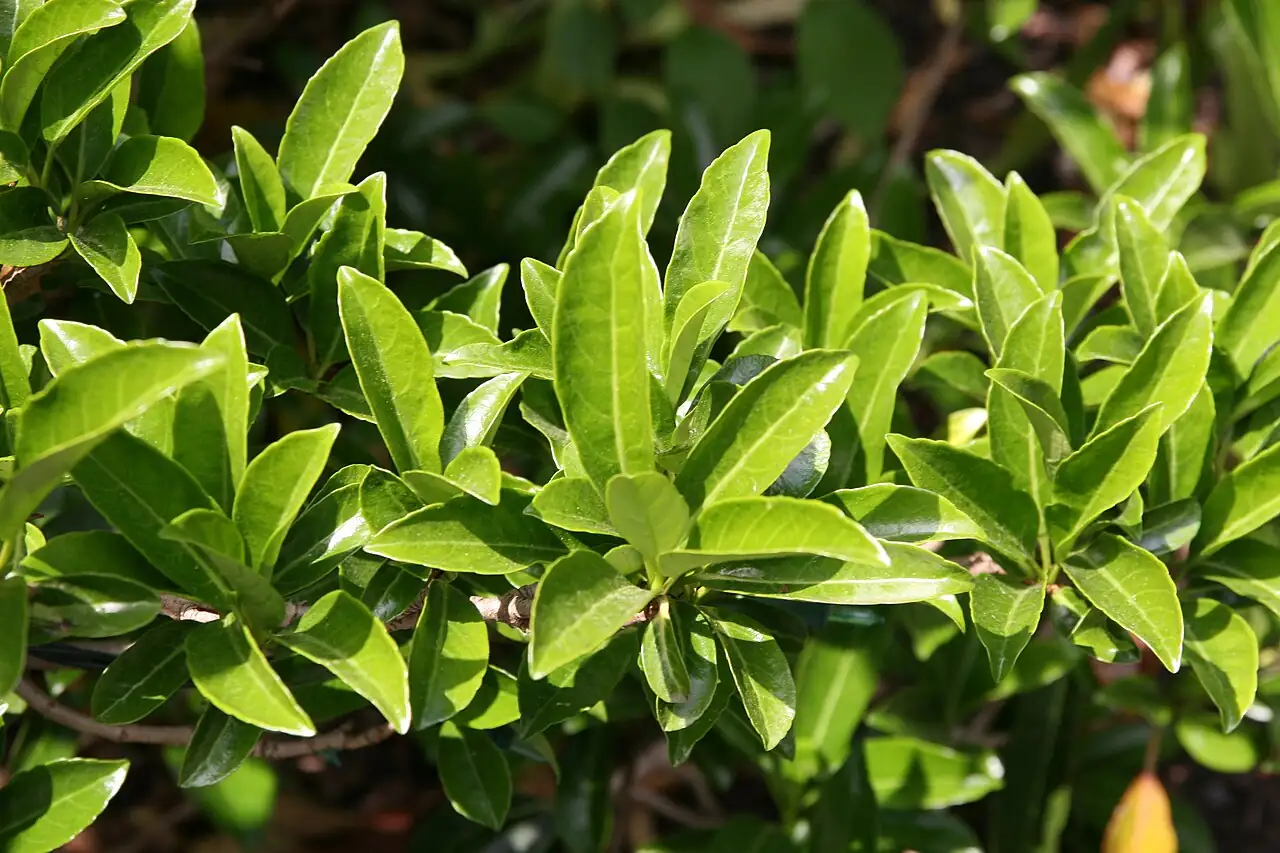
- Foliage: Thick, leathery, glossy deep-green leaves; typically obovate to elliptic with a pointed tip. Leaf margins are usually smooth (entire) or may show a few coarse teeth near the tip. Veins commonly appear in about 6–8 pairs. The plant naturally grows dense and compact, which helps it form a tight screen.
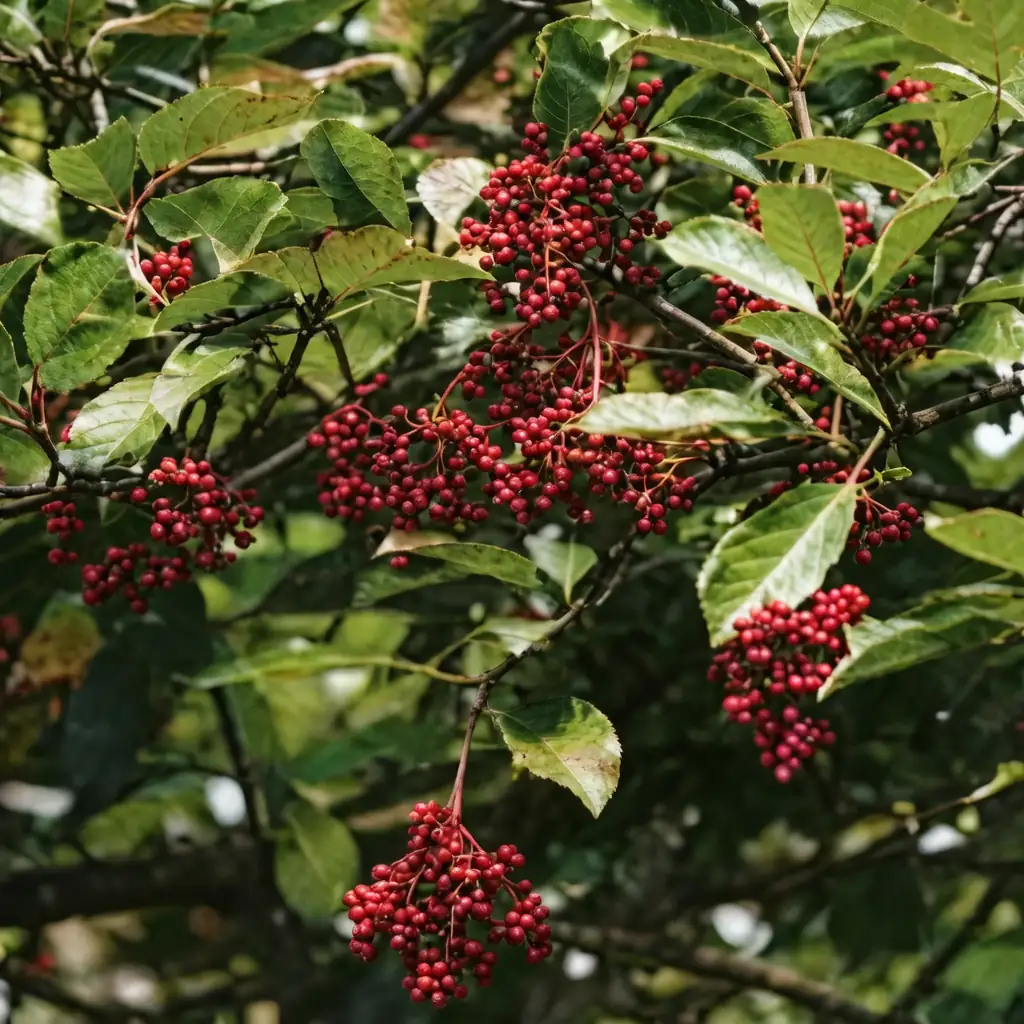
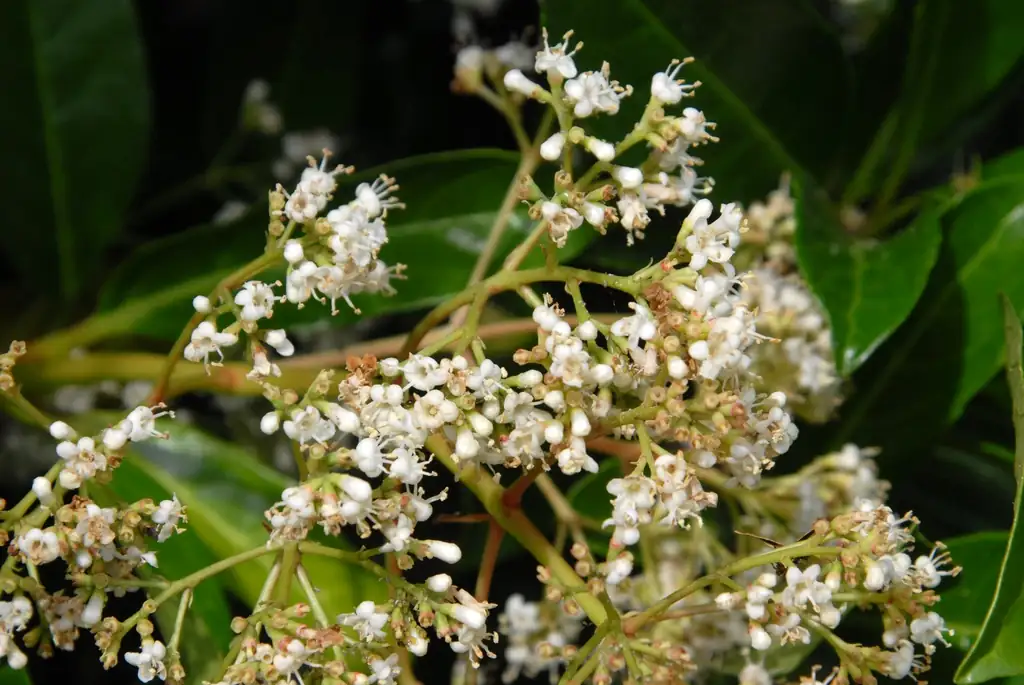
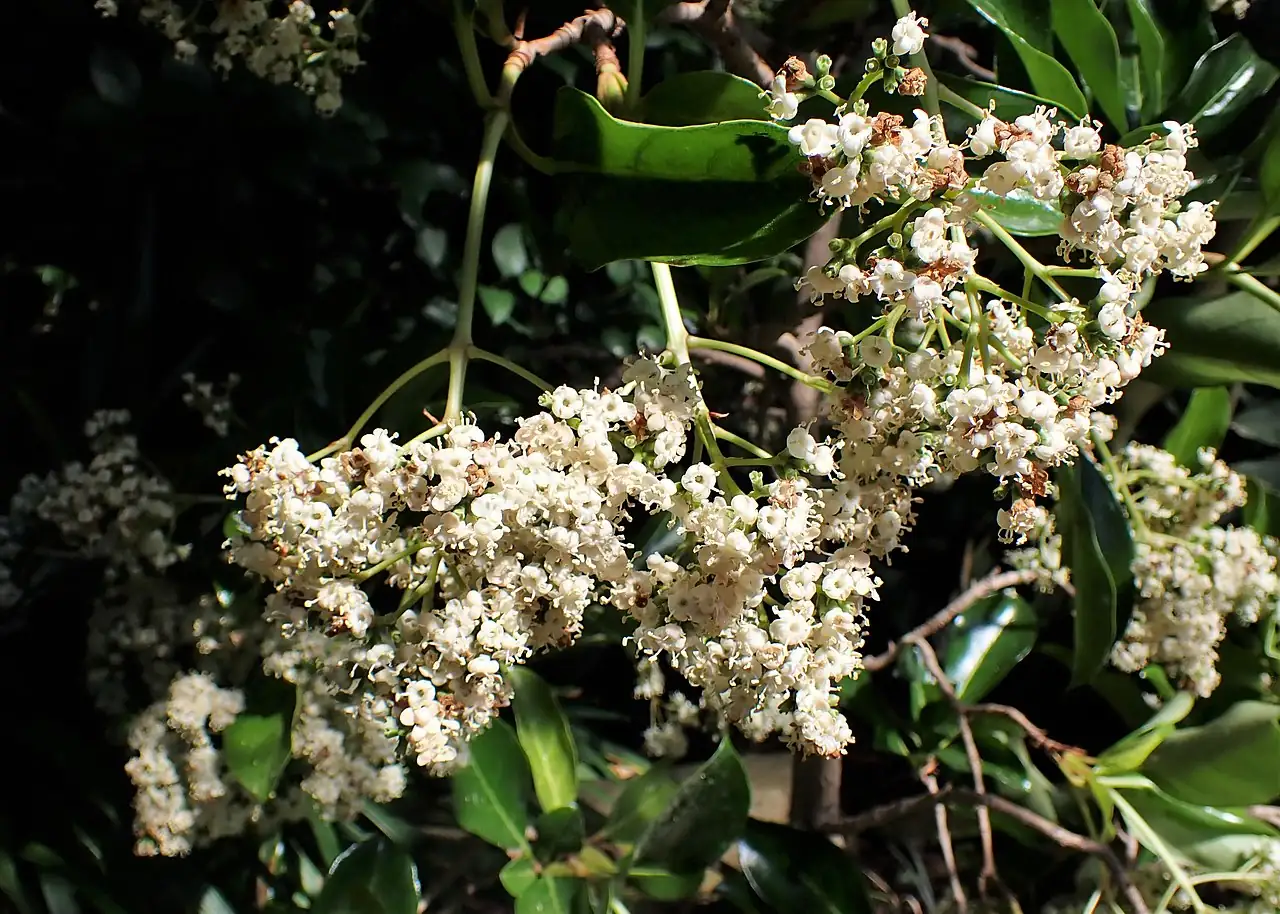
- Flower: Terminal, branched clusters of small white flowers with a pleasant fragrance in late spring. After flowering, it produces obovoid drupes that ripen coral-red and stay ornamental for an extended period before turning blue-black.
- Flowering Season: May–June (flowers); September–November (fruit display)
- Growth Habit: Evergreen shrub to small tree with dense branching. Strong regrowth after cutting and highly tolerant of shaping, clipping, and training.
Environment
Sunlight
Full sun to partial shade; brighter light generally improves flowering and berry color.
Temperature
Prefers mild climates; protect from hard freezes. Ideal growth around 10–30°C (50–86°F).
Humidity
Does well in average outdoor humidity; enjoys moderate humidity paired with good air movement.
Soil
Adaptable, but happiest in fertile, well-drained loam. Keep evenly moist while establishing; avoid waterlogged or poorly drained soils to prevent root problems.
Placement
Best outdoors as a hedge, evergreen screen, or specimen shrub/small tree—great for courtyards, streetscapes, and urban gardens where glossy foliage and autumn berries can be enjoyed.
Hardiness
USDA Zone 8–10 (approx. -12 to 2°C / 10–35°F depending on conditions); not reliably hardy where winters are severe or prolonged.
Care Guide
Difficulty
Easy: vigorous growth, strong sprouting after pruning, and generally forgiving once established.
Buying Guide
Pick plants with dense branching and evenly green, glossy leaves. Avoid specimens with heavy leaf spotting or obvious stress. If buying potted plants, check for circling/pot-bound roots and inspect stems and leaf undersides for scale insects.
Watering
Water regularly during the first growing season to help roots establish. After that, water when the top few centimeters of soil are dry; deep, thorough watering is preferable to frequent light splashes. In hot summer weather (and while fruit is developing), don’t let it dry out completely.
Fertilization
Feed in spring with compost or a balanced slow-release fertilizer. For container plants or tightly clipped hedges, a light mid-summer feed can help maintain strong color and steady regrowth.
Pruning
Exceptionally tolerant of pruning. Clip hedges after flowering or whenever needed to hold shape. Remove dead, crowded, or crossing branches to improve airflow. If you want maximum blooms, avoid heavy pruning right before the expected flowering period.
Propagation
Most commonly propagated from semi-hardwood cuttings in summer, often with rooting hormone. Seed propagation is possible but slower and may produce variable results.
Repotting
For container growth, repot every 2–3 years in spring into a fresh, well-draining mix. Step up only one pot size and trim or tease out circling roots.
📅 Seasonal Care Calendar
Spring: feed and tidy lightly. Late spring (May–June): enjoy flowers; prune after flowering if shaping is needed. Summer: water more consistently during heat; optional light feeding for clipped hedges. Autumn (Sep–Nov): berry display; keep evenly moist for best fruit retention.
Pests, Diseases & Safety
Common Pests & Diseases
May attract scale insects, aphids, and spider mites; sooty mold can appear after sap-sucking pests. Root stress or rot can occur in poorly drained soil. Improve airflow, avoid waterlogging, and treat early infestations with horticultural oil or insecticidal soap as needed.
Toxicity
Generally considered low-toxicity, but eating leaves or berries may cause stomach upset in people or pets. It’s sensible to discourage nibbling and keep berries away from small children and curious pets.
Culture & Symbolism
Symbolism: Often linked with lasting greenery and seasonal interest—evergreen leaves plus long-lasting autumn berries.
Uses: Primarily ornamental: valued for glossy evergreen foliage, fragrant spring flowers, and persistent autumn berries. Especially useful for hedges, privacy screens, and urban plantings thanks to its strong pruning tolerance and resilience to city conditions.
Fun Facts
- The berries can stay coral-red for a long time before finally turning blue-black.
- It’s a popular city planting because it tolerates dust and some air pollution better than many shrubs.
- It rebounds strongly after cutting back, making it a dependable choice for hedges and topiary-style shaping.
- It’s widely grown across warm-temperate to subtropical parts of East Asia.