Plant Features
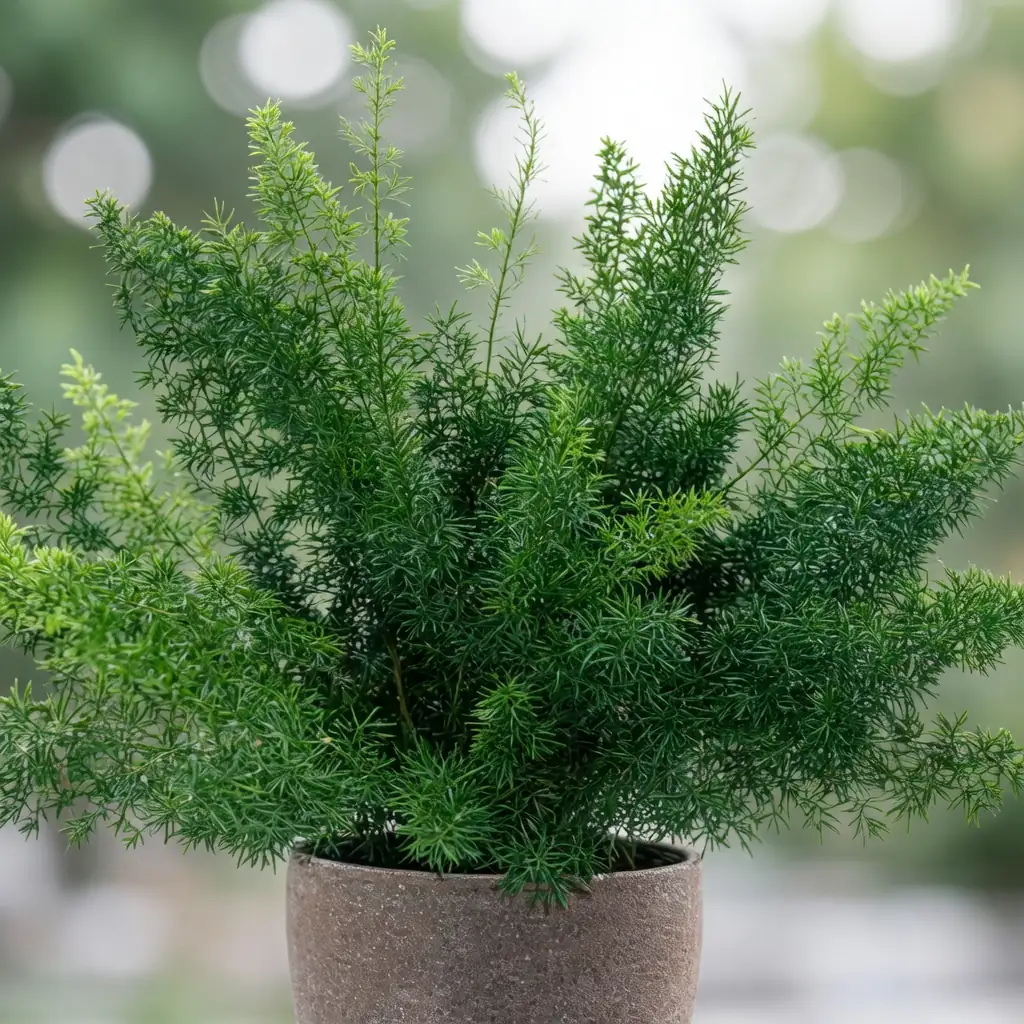
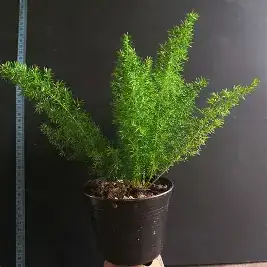
- Size: Typically about 60 × 60 cm (24 × 24 in) in containers, with arching to trailing/cascading stems.
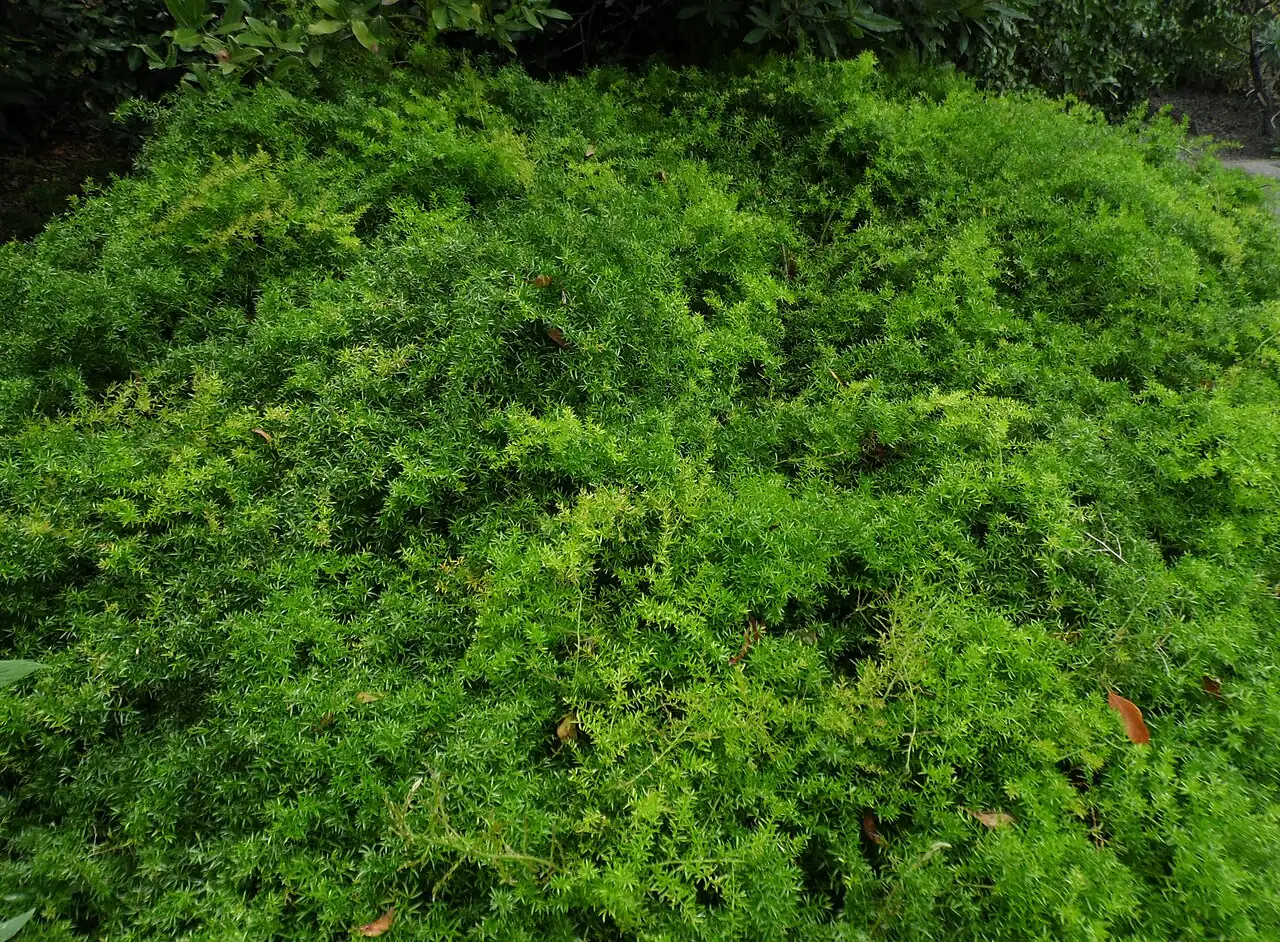
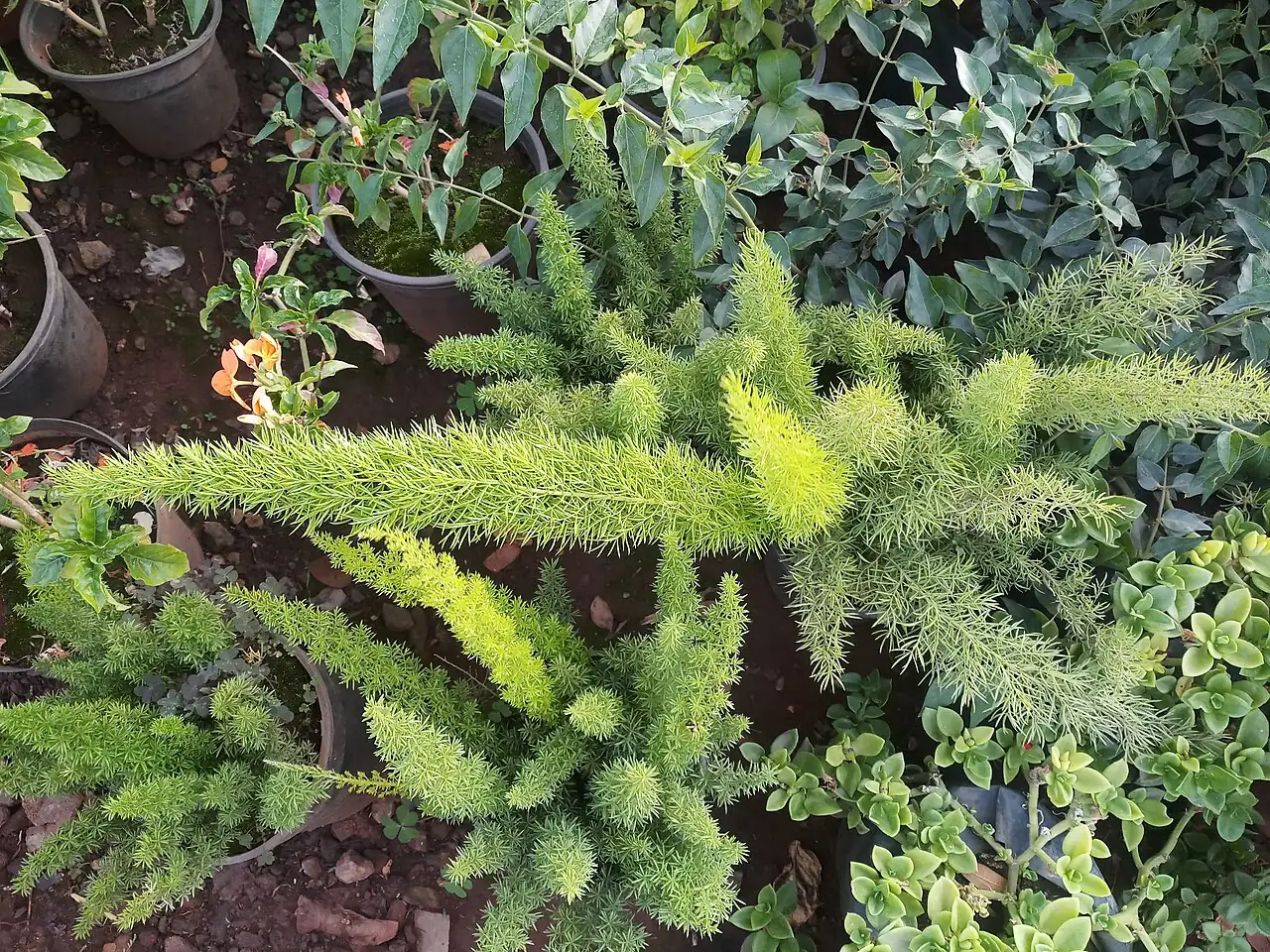
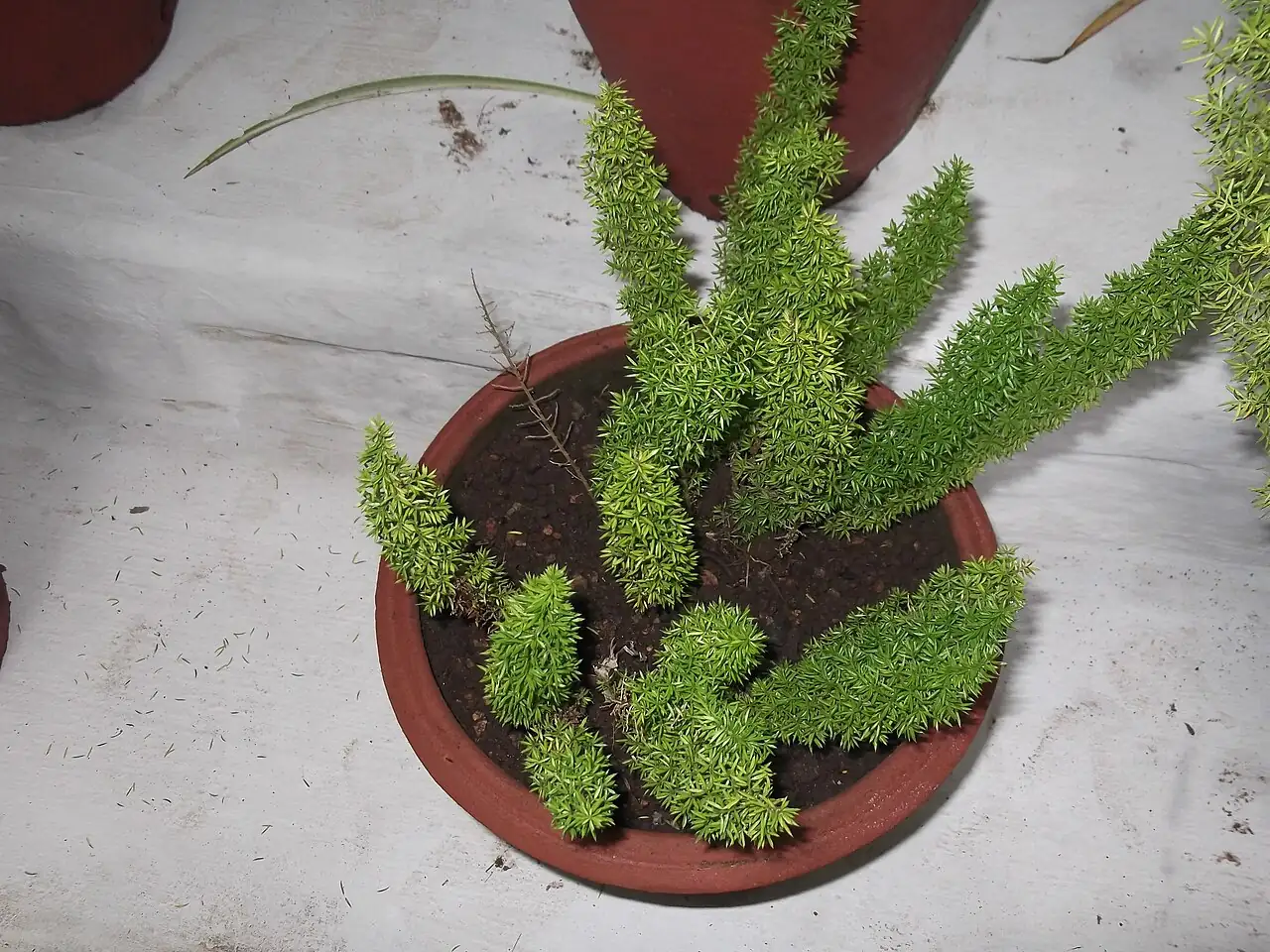
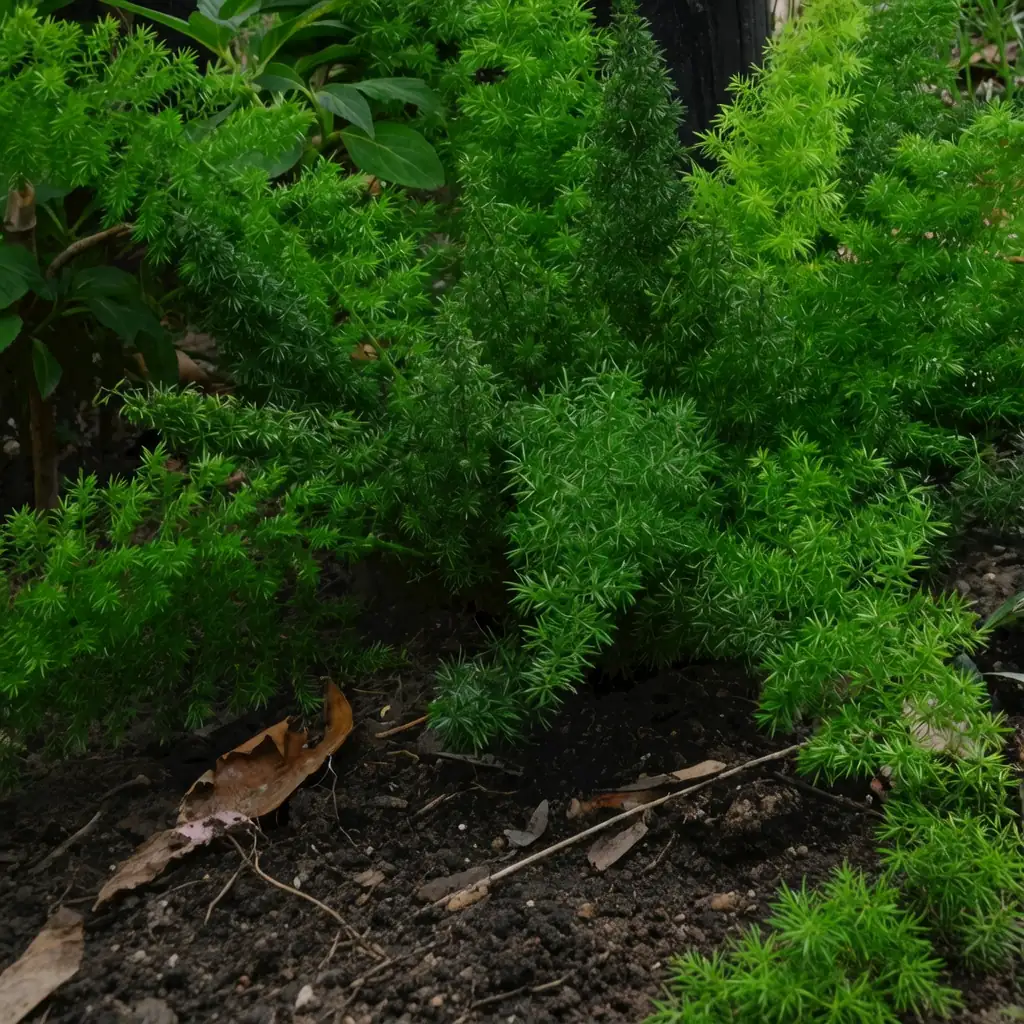
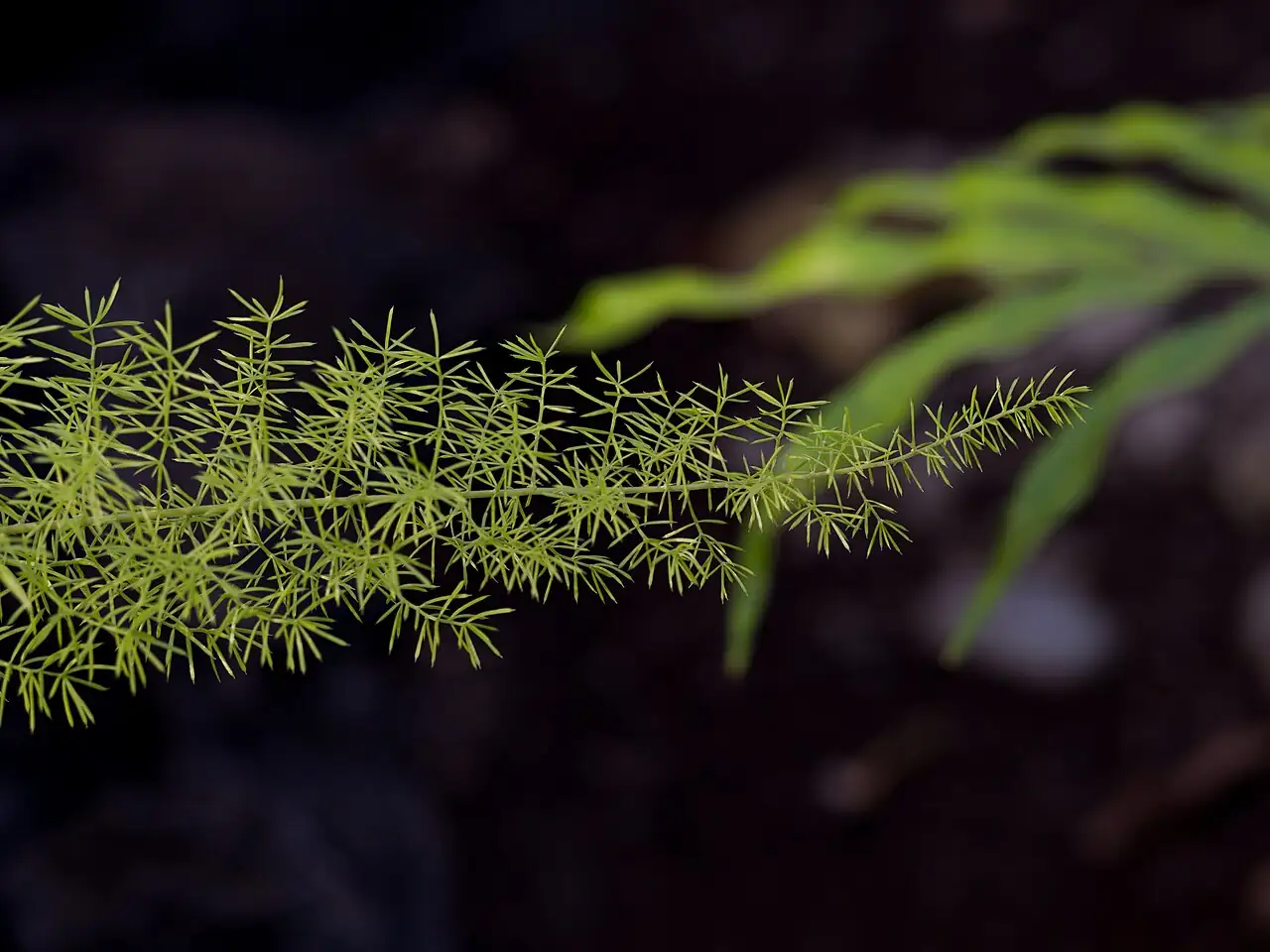
- Foliage: Soft, airy, bright green, finely divided needle-like cladodes (often mistaken for leaves) arranged in plume-like sprays. Stems arch and cascade for a ferny look even though it’s not a true fern.
- Flower: On mature plants, small starry white flowers may appear, sometimes followed by small berries (often red). Flowering and fruiting indoors can be occasional and variable.
- Flowering Season: Late spring to summer (variable indoors).
- Growth Habit: Arching, trailing/cascading—especially suited to hanging baskets and elevated pots where the stems can spill over.
Environment
Sunlight
Bright, indirect light to partial shade; avoid harsh midday sun. A few hours of gentle morning or late-afternoon sun is usually fine.
Temperature
13–24°C (55–75°F). Protect from cold drafts and avoid temperatures below about 10°C (50°F).
Humidity
Low to moderate humidity. It appreciates occasional misting or a pebble tray but generally copes with average indoor air better than true ferns.
Soil
Loose, well-draining potting mix (peat/coco-based or soil-based) in a pot with drainage holes. Often started in a small-to-medium pot about 10–15 cm (4–6 in) wide; avoid heavy, water-retentive mixes.
Placement
Hanging basket or tall planter near an east- or north-facing window, or set back from a bright south/west window with filtered light.
Hardiness
USDA Zone 9–11 outdoors (approx.); not frost hardy and commonly grown as a houseplant in colder climates.
Care Guide
Difficulty
Easy—more forgiving than many fern-like houseplants. Main pitfalls are waterlogged soil and cold conditions.
Buying Guide
Choose a plant with dense, bright green, plume-like growth and minimal browning. Avoid pots that smell sour or feel constantly wet (possible root issues), and check stems and undersides for spider mites, mealybugs, or scale.
Watering
Spring through autumn: keep the mix evenly moist, watering when the top 1–2 cm (0.4–0.8 in) begins to dry. Winter: reduce watering and let the surface dry between waterings. The tuberous roots store water, so it copes better with an occasional missed watering than with soggy soil.
Fertilization
Spring through autumn: feed monthly with a balanced liquid fertilizer at 1/2 strength. Pause or greatly reduce feeding in winter.
Pruning
In spring, cut brown, damaged, or overly long/leggy stems off at the base to tidy the plant and encourage fresh new growth.
Propagation
Best by division in spring: split the root ball (including tuberous roots) into sections, ensuring each piece has roots and several healthy stems, then pot up separately.
Repotting
Repot when root-bound (often every 1–2 years). Move up one pot size—about 2–5 cm (1–2 in) wider—and refresh the mix. Handle carefully; the roots can be dense and tuberous.
📅 Seasonal Care Calendar
Spring: prune, repot, or divide if crowded; resume regular watering and feeding. Spring–autumn: keep evenly moist and fertilize monthly at half strength. Winter: water less (let the surface dry), keep warm, and provide bright, filtered light.
Pests, Diseases & Safety
Common Pests & Diseases
Common issues include spider mites, mealybugs, and scale (especially in dry indoor air). Improve airflow, rinse foliage, and treat with insecticidal soap or horticultural oil as needed. Root rot can develop if the potting mix stays waterlogged.
Toxicity
Mildly toxic if ingested. Berries and foliage may cause gastrointestinal upset in people and pets (cats/dogs). Sap can irritate sensitive skin—wear gloves if you’re prone to irritation and keep plants out of reach of children and pets.
Culture & Symbolism
Symbolism: Often associated with enduring affection and resilience—soft-looking greenery that’s surprisingly tough.
History & Legends: Frequently sold under older or trade names such as “Sprenger’s asparagus,” and long marketed as a fern substitute thanks to its airy, fern-like texture.
Uses: Primarily grown as an ornamental foliage plant—ideal for hanging baskets and tall containers where it can cascade. It’s also sometimes used as a long-lasting greenery accent in floral arrangements.
FAQ
Why is my asparagus fern turning yellow or dropping needles?
The most common causes are inconsistent watering (either too dry for too long or, more often, too wet), low light, or pest pressure like spider mites. Aim for bright, indirect light and water when the top 1–2 cm (0.4–0.8 in) dries, and check closely for mites in dry rooms.
Can asparagus fern take direct sun?
A little gentle morning or late-afternoon sun is usually fine, but strong midday sun can scorch and bleach the foliage. If you’re moving it brighter, acclimate gradually.
Is asparagus fern actually a fern?
No—its “leaves” are actually modified stems called cladodes. That’s why it often handles average indoor humidity better than many true ferns.
Fun Facts
- It is not a fern—its “leaves” are actually modified stems (cladodes).
- The plant forms tuberous roots that store water, helping it cope with occasional missed waterings.